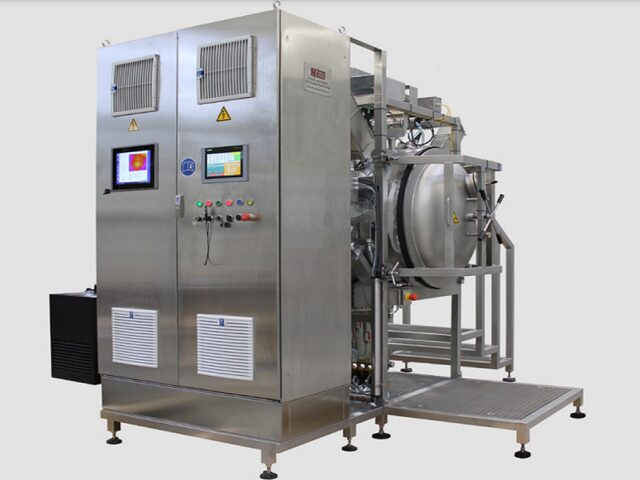
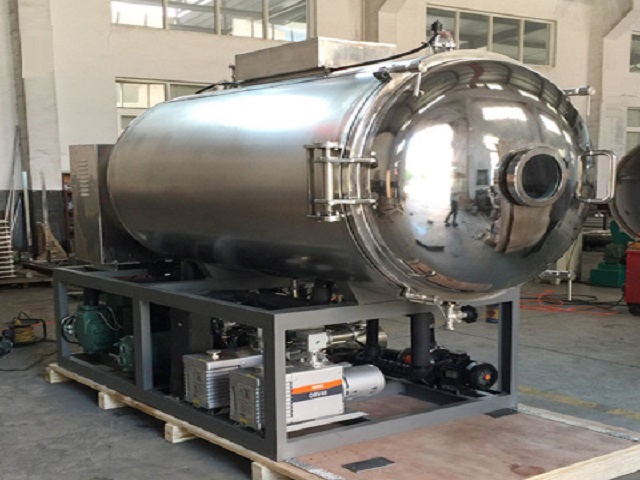
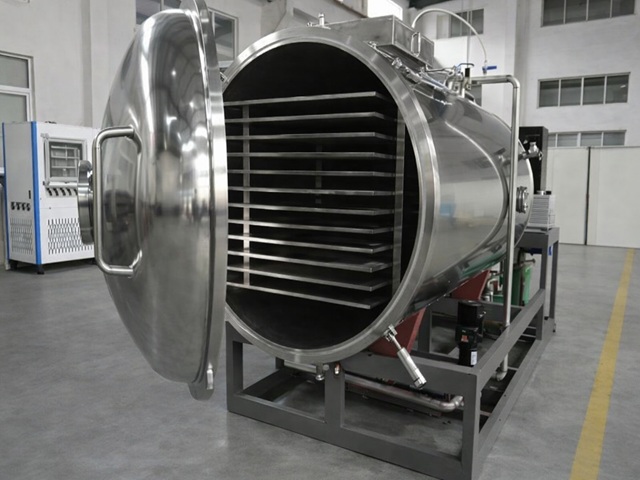
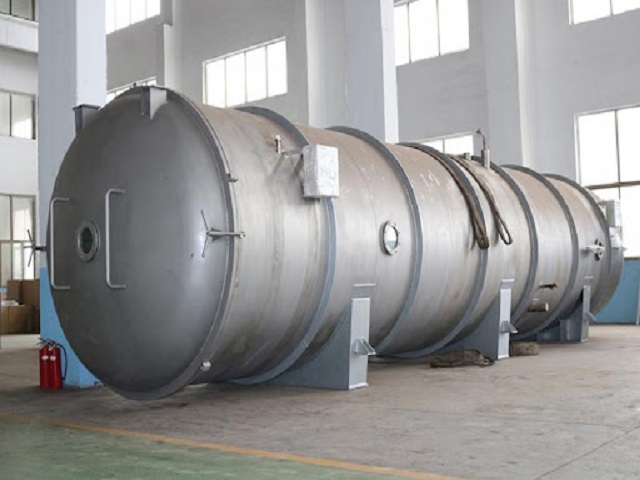
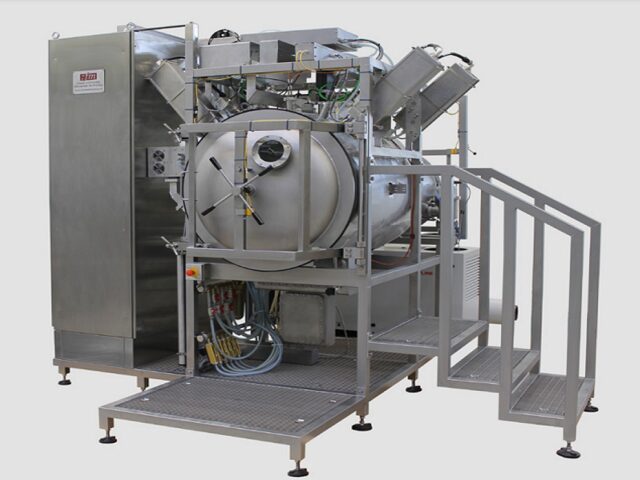
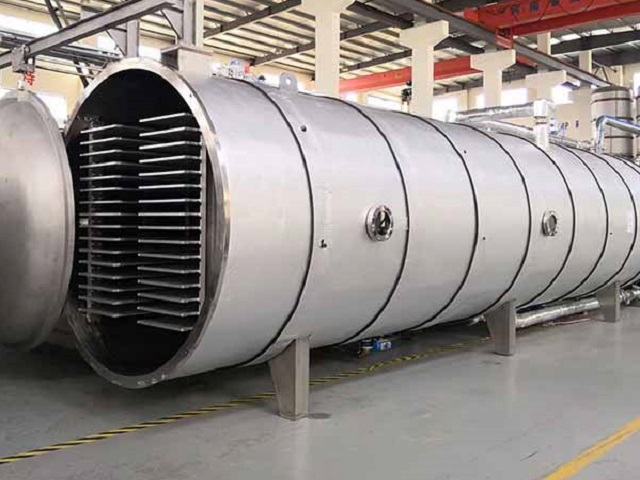
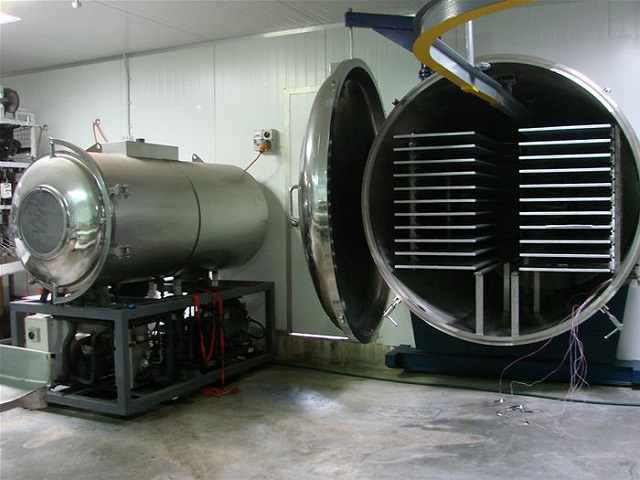
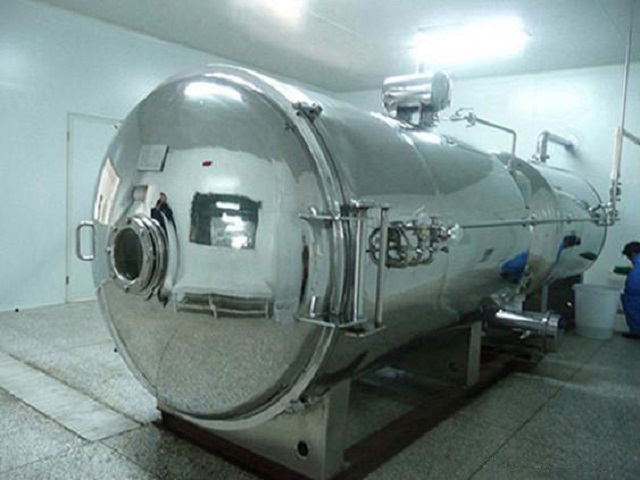
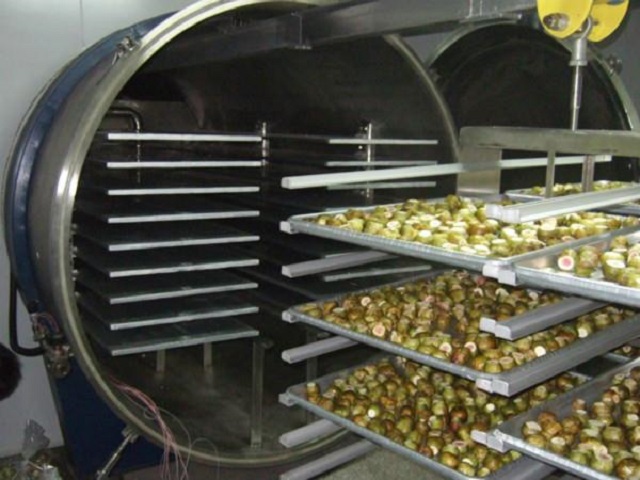
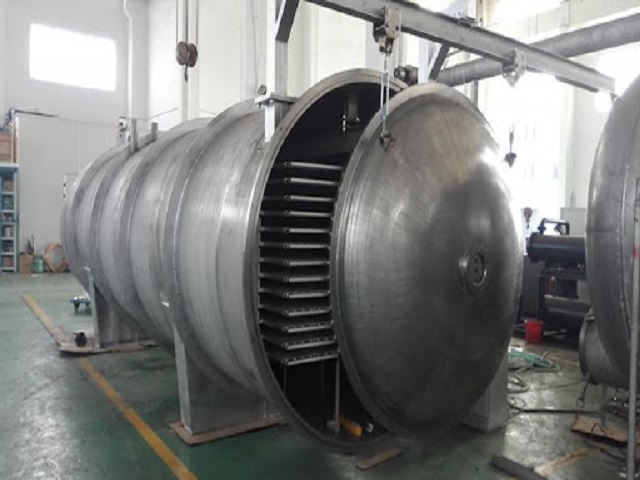
Kerone has been a trusted name in innovative industrial engineering for more than 50 years. Our Microwave Vacuum Technology systems are designed to deliver high-efficiency processing, optimized performance, and consistent output across multiple industrial sectors.
Microwave vacuum technology, also known as microwave drying or vacuum drying, is a specialized method of drying or dehydrating materials using microwave energy under low-pressure conditions. It combines the principles of microwave heating and vacuum drying to achieve efficient and rapid drying of various substances.
Why Choose Kerone Microwave Vacuum Technology
Kerone is known for delivering highly efficient, reliable and fully customized Microwave Vacuum Technology solutions engineered after a detailed analysis of material characteristics, process goals and expected output requirements.
In traditional drying methods, such as convection or infrared drying, heat is transferred to the material from the surrounding environment. However, in microwave vacuum drying, electromagnetic waves in the microwave frequency range are used to generate heat directly within the material.
The process typically involves placing the material to be dried inside a vacuum chamber and subjecting it to microwave radiation. The vacuum inside the chamber helps to lower the boiling point of water or other solvents present in the material, facilitating faster evaporation and drying. The microwave energy selectively heats the moisture within the material, allowing for more efficient and uniform drying compared to conventional methods.
Types and Features of Microwave Vacuum Technology
Microwave vacuum technology is a specialized method of drying or dehydrating materials using microwave energy under low-pressure conditions. It combines the principles of microwave heating and vacuum drying to achieve rapid and efficient moisture removal while preserving the quality of the dried material.
Microwave vacuum technology offers several advantages over traditional drying techniques. By combining microwave energy with vacuum conditions, the process enables efficient moisture removal at lower temperatures, improving both performance and product integrity.
Advantages
Faster Drying: Accelerated moisture removal compared to conventional drying methods.
Energy Efficiency: Direct microwave heating reduces overall energy consumption.
Improved Product Quality: Better retention of color, flavor, nutrients, and structural integrity.
Reduced Processing Costs: Shorter drying cycles and lower energy usage decrease operational expenses.
Features
Rapid and Uniform Heating: Even energy distribution ensures consistent drying results.
Energy Efficiency: Optimized microwave power usage under vacuum conditions.
Preservation of Product Quality: Low-temperature drying minimizes thermal damage.
Versatile Drying Capabilities: Suitable for a wide range of materials and products.
Enhanced Process Control: Precise control of temperature, pressure, and power levels.
Compact and Space-Saving Design: Efficient system layout for easy integration into production lines.
Key Features
High thermal and processing efficiency
Low maintenance and easy operation
Suitable for heat-sensitive materials
Fully adjustable and customizable process parameters
Available in batch and continuous configurations
Uniform processing and consistent product quality
Powered by AI, ML & IoT
Future-Ready Engineering Driven by AI & IoT
Our advanced AI, ML, and IoT technologies, this solution delivers smarter automation, real-time insights, and predictive intelligence to enhance efficiency and drive future-ready growth.
Real-Time Monitoring & Control
Continuous tracking of process parameters with instant adjustments.
Predictive Maintenance
Intelligent fault detection to prevent failures before they occur.
Adaptive Process Optimization
Dynamic tuning of operations for maximum output and efficiency.
Cloud Dashboards & Analytics
Unified access to real-time insights and performance trends.
Energy & Resource Savings
Smarter utilization of energy to cut costs and reduce waste.
Secure IoT Connectivity
Encrypted data flow with seamless integration across plant systems.
Applications of Microwave Vacuum Technology
Microwave vacuum technology finds applications in various industries, including:
Food industry processing systems
Chemical and polymer processing
Pharmaceutical ingredients and intermediates
Ready‑to‑eat (RTE) food production
Specialized heating, drying, or material transformation processes
Industrial material modification and thermal treatment
Kerone’s Microwave Vacuum Technology solutions are engineered to deliver maximum efficiency, long-term reliability and excellent operational stability. Our focus on innovation and customization ensures superior industrial results.
It is used for drying fruits, vegetables, herbs, pharmaceutical powders, ceramics, and many other materials that require rapid and efficient moisture removal while maintaining product quality.
Seamless Export Connections Global & Local
Our Global Footprint in Industrial Excellence
Delivering world-class industrial and process solutions across countries with precision, innovation, and reliability.
Peru
Chile
Argentina
Mexico
Colombia
Brazil
USA
Canada
United Kingdom
France
Germany
Spain
Italy
Netherlands
Sweden
Switzerland
Poland
Portugal
Ireland
Czechia
Romania
Hungary
Austria
Greece
Kazakhstan
Uzbekistan
Turkmenistan
Algeria
Egypt
Nigeria
Kenya
South Africa
Saudi Arabia
UAE
Israel
Russia
India
China
Japan
South Korea
Thailand
Vietnam
Malaysia
Singapore
Indonesia
Philippines
Australia
New Zealand
Pan-India Presence. Local Expertise.
Raipur
Bilaspur
Panaji
Vasco da Gama
Gandhinagar
Ahmedabad
Surat
Chandigarh
Gurgaon
Shimla
Manali
Bengaluru
Mysore
Kochi
Pune
Mumbai
Thane
Navi Mumbai
Hyderabad
Chennai
Coimbatore
Kolkata
Lucknow
Jaipur
Udaipur
Jodhpur
Dehradun
Haridwar
Bhubaneswar
Product Gallery
Frequently Asked Questions (FAQ)
It is used for efficient processing, heating, drying or material transformation.
High efficiency, process reliability and complete customization.
Food, chemical, pharma, biomass, rubber, textile and more.
Kerone ensures high product quality through strict engineering standards, advanced testing procedures, and precision-controlled manufacturing systems.
Liquids, slurries, granules, powders, and shaped solid products can be processed depending on the specific system configuration and product handling design.
Yes, Kerone's continuous microwave vacuum systems use specialized vacuum lock mechanisms to allow product flow without breaking the vacuum environment.
Yes, microwave vacuum technology can be applied to solvent removal and distillation processes, with appropriate explosion-proof design and solvent recovery systems.
Water boils at a lower temperature when surrounding pressure drops, which is the core physics behind microwave vacuum drying. Inside a sealed vacuum chamber, Kerone's systems reduce pressure so moisture evaporates at temperatures well below 100°C, even as microwave energy heats the product volumetrically from within. This combination lets moisture leave the material rapidly without the surface-hardening or case-hardening seen in conventional hot-air drying. Because both mechanisms work together, total cycle time drops sharply compared to atmospheric drying methods, while the lower processing temperature protects heat-sensitive compounds, colour, and texture. For procurement teams evaluating energy-efficient industrial drying equipment, this dual mechanism is the main reason vacuum-assisted microwave systems outperform single-mode dryers on both speed and product quality.
Yes, but the system requires specific engineering, not a standard chamber. When processing materials containing solvents or flammable vapours, Kerone designs the vacuum chamber with explosion-proof construction, inert gas purging, and integrated solvent recovery and condensation systems so vapours are captured rather than vented. Power levels and vacuum staging are also tuned to prevent rapid boiling that could create pressure spikes. This makes the technology suitable for solvent removal, distillation, and recovery processes common in chemical and pharmaceutical intermediate manufacturing, applications a basic industrial drying setup cannot safely handle. Buyers working with flammable or hazardous process streams should specify this requirement at the enquiry stage, since the chamber design, electrical classification, and safety interlocks differ meaningfully from a standard food or ceramic drying configuration.
Batch systems load, process, and unload a fixed quantity per cycle, which suits lower volumes, frequent product changeovers, or pharmaceutical runs needing strict batch traceability. Continuous systems use vacuum lock mechanisms, typically rotary or gate-style airlocks, that let material flow in and out without breaking the chamber's vacuum seal, enabling uninterrupted processing. For high-volume manufacturing such as ready-to-eat food production or bulk chemical powders, continuous configurations deliver significantly higher throughput per square metre of floor space and lower labour cost per unit processed. The trade-off is capital cost and changeover flexibility: batch systems are cheaper to acquire and easier to reconfigure for varied products, while continuous lines justify their cost only once volume is consistent and predictable.
Standard freeze-drying sublimates ice directly to vapour at sub-zero shelf temperatures, which preserves structure extremely well but is slow and energy-intensive. Microwave vacuum drying instead operates above freezing, using reduced pressure to lower the boiling point while microwave energy heats moisture directly within the material. This produces faster cycles and lower energy consumption per kilogram of water removed, though it is generally better suited to products that can tolerate mild warming rather than ultra-heat-sensitive biologics. Many buyers comparing the two technologies find microwave vacuum drying the more practical choice for fruits, vegetables, herbs, and pharmaceutical powders, while true freeze-drying remains preferred for biologics and certain high-value nutraceuticals where sub-zero processing is non-negotiable for stability.
Recurring costs centre on electricity for the magnetrons and vacuum pumps, scheduled maintenance of seals and vacuum pump oil, and periodic magnetron replacement, since these components have a finite operating life measured in thousands of hours. Because microwave energy heats the product directly rather than the surrounding air, overall energy consumption per kilogram of moisture removed is typically lower than convection drying, which offsets some of these costs over the equipment's working life. Buyers should also factor in operator training and spare parts inventory, particularly for vacuum pump seals and gaskets that wear with cycle frequency. Kerone provides documented maintenance schedules and spare parts support so procurement teams can model total cost of ownership accurately rather than relying on equipment price alone.
Kerone’s custom-designed heating and processing solutions are built to meet the demands of your growing operations. Whether you’re upgrading equipment, expanding production, or need a tailor-made solution


 Peru
Peru Chile
Chile Argentina
 Mexico
 Colombia
 Brazil
 USA
USA Canada
 United Kingdom
 France
 Germany
 Spain
Spain Italy
Italy Netherlands
 Sweden
 Switzerland
 Poland
 Portugal
 Ireland
 Czechia
 Romania
 Hungary
 Austria
 Greece
 Kazakhstan
 Uzbekistan
 Turkmenistan
 Algeria
 Egypt
Egypt Nigeria
 Kenya
Kenya South Africa
 Saudi Arabia
 UAE
UAE Israel
 Russia
 India
India China
China Japan
Japan South Korea
 Thailand
 Vietnam
 Malaysia
 Singapore
 Indonesia
 Philippines
 Australia
 New Zealand