Kerone has been a trusted name in innovative industrial engineering for more than 50 years. Our Microwave Air Jet Plasma systems are designed to deliver high-efficiency processing, optimized performance, and consistent output across multiple industrial sectors.
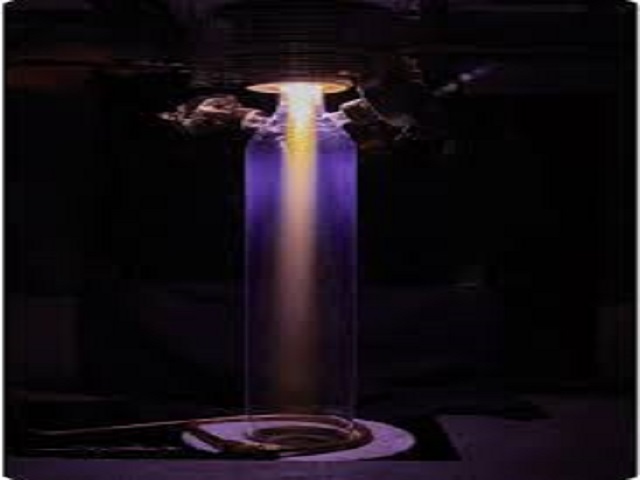
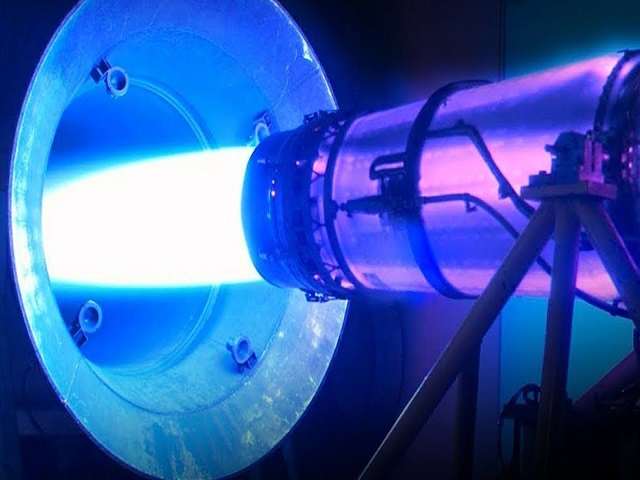
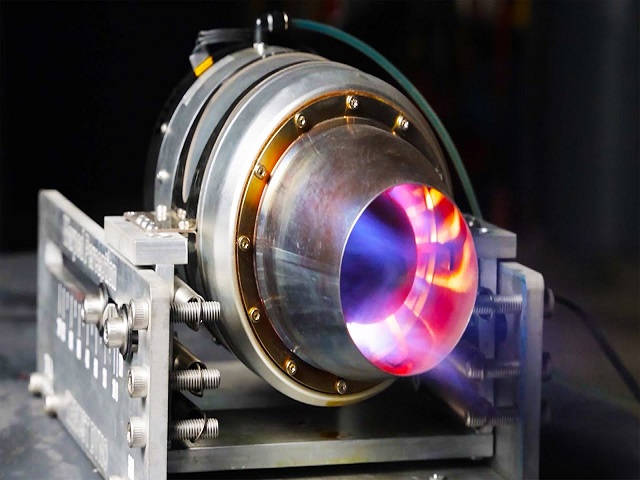
Microwave Air Jet Plasma systems generate a non-equilibrium, atmospheric-pressure plasma plume using microwave energy coupled into a flowing air or gas stream, creating a highly reactive plasma containing excited species, radicals, ions, UV radiation, and reactive oxygen and nitrogen species (RONS). Unlike conventional thermal plasma systems, microwave air jet plasma operates at or near room temperature, making it suitable for treating heat-sensitive surfaces including polymers, textiles, biological materials, and food products. Kerone’s microwave air jet plasma systems are designed for surface modification, sterilisation, decontamination, and material activation applications, offering a chemical-free, dry, and environmentally friendly alternative to wet chemical treatments.
Why Choose Kerone Microwave Air Jet Plasma
Kerone is known for delivering highly efficient, reliable and fully customized Microwave Air Jet Plasma solutions engineered after a detailed analysis of material characteristics, process goals and expected output requirements.
Microwave air jet plasma is a type of plasma that is generated by exposing a stream of air to a high-power microwave field. This results in a discharge of plasma that is composed of various excited species, including ions, radicals, and electrons. The plasma is typically sustained by the energy from the microwave field, and can be used for various applications such as surface treatment, material processing, and pollution control.
The use of microwave air jet plasma is particularly advantageous because it allows for non-contact and remote plasma generation, which can be useful for treating delicate materials or objects. The high-energy plasma can also be used to selectively remove or modify surface layers, without damaging the underlying material.
Types and Features of Microwave Air Jet Plasma
Kerone’s microwave air jet plasma systems can be used for a wide range of applications, including surface treatment, material processing, and pollution control. The company offers customized solutions based on specific customer requirements, and their systems are designed for high efficiency and reliability. Kerone’s microwave air jet plasma systems use a high-power microwave generator to ionize a stream of air, resulting in the generation of a high-energy plasma.
Features
Non-Thermal Plasma: Generates reactive plasma species without significantly increasing bulk material temperature.
High-Energy Plasma: Produces energetic ions and radicals for enhanced surface interaction.
Remote Plasma Generation: Plasma is generated away from the treatment zone to minimize thermal impact.
Tunable Plasma Properties: Adjustable power, gas composition, and frequency for process optimization.
Low-Cost and Efficient: Designed for energy-efficient operation with reduced maintenance requirements.
Benefits
High Efficiency: Delivers effective surface activation and treatment in minimal time.
Non-Contact Process: Eliminates mechanical stress and surface damage.
Rapid Treatment: Short processing times improve productivity.
Versatility: Suitable for a wide range of materials and industrial applications.
Key Features
High thermal and processing efficiency
Low maintenance and easy operation
Suitable for heat-sensitive materials
Fully adjustable and customizable process parameters
Available in batch and continuous configurations
Uniform processing and consistent product quality
Powered by AI, ML & IoT
Future-Ready Engineering Driven by AI & IoT
Our advanced AI, ML, and IoT technologies, this solution delivers smarter automation, real-time insights, and predictive intelligence to enhance efficiency and drive future-ready growth.
Real-Time Monitoring & Control
Continuous tracking of process parameters with instant adjustments.
Predictive Maintenance
Intelligent fault detection to prevent failures before they occur.
Adaptive Process Optimization
Dynamic tuning of operations for maximum output and efficiency.
Cloud Dashboards & Analytics
Unified access to real-time insights and performance trends.
Energy & Resource Savings
Smarter utilization of energy to cut costs and reduce waste.
Secure IoT Connectivity
Encrypted data flow with seamless integration across plant systems.
Applications of Microwave Air Jet Plasma
Microwave air jet plasma is still an area of active research, and there are ongoing efforts to optimize the process for various applications.
Food industry processing systems
Chemical and polymer processing
Pharmaceutical ingredients and intermediates
Ready‑to‑eat (RTE) food production
Specialized heating, drying, or material transformation processes
Industrial material modification and thermal treatment
Kerone’s Microwave Air Jet Plasma solutions are engineered to deliver maximum efficiency, long-term reliability and excellent operational stability. Our focus on innovation and customization ensures superior industrial results.
With Fricke and Mallah GMBH, Kerone is currently engaged in business cooperation and collaboration on application development, research, and sales of Microwave air jet plasma. And we manufacture other different types of microwave heating system like, Vacuum technology, Microwave Air Jet Plasma, Microwave Solid State Generators, Microwave Chemical Vapor Deposition System and other different types Microwave Technology.
Seamless Export Connections Global & Local
Our Global Footprint in Industrial Excellence
Delivering world-class industrial and process solutions across countries with precision, innovation, and reliability.
Peru
Chile
Argentina
Mexico
Colombia
Brazil
USA
Canada
United Kingdom
France
Germany
Spain
Italy
Netherlands
Sweden
Switzerland
Poland
Portugal
Ireland
Czechia
Romania
Hungary
Austria
Greece
Kazakhstan
Uzbekistan
Turkmenistan
Algeria
Egypt
Nigeria
Kenya
South Africa
Saudi Arabia
UAE
Israel
Russia
India
China
Japan
South Korea
Thailand
Vietnam
Malaysia
Singapore
Indonesia
Philippines
Australia
New Zealand
Pan-India Presence. Local Expertise.
Raipur
Bilaspur
Panaji
Vasco da Gama
Gandhinagar
Ahmedabad
Surat
Chandigarh
Gurgaon
Shimla
Manali
Bengaluru
Mysore
Kochi
Pune
Mumbai
Thane
Navi Mumbai
Hyderabad
Chennai
Coimbatore
Kolkata
Lucknow
Jaipur
Udaipur
Jodhpur
Dehradun
Haridwar
Bhubaneswar
Product Gallery
Frequently Asked Questions (FAQ)
It is used for efficient processing, heating, drying or material transformation.
High efficiency, process reliability and complete customization.
Food, chemical, pharma, biomass, rubber, textile and more.
Kerone ensures high product quality through strict engineering standards, advanced testing procedures, and precision-controlled manufacturing systems.
The reactive species in plasma modify surface chemistry by creating polar functional groups (hydroxyl, carbonyl, amine groups) that significantly increase surface energy and improve wetting and adhesion.
Yes, the combination of reactive oxygen and nitrogen species, UV radiation, and charged particles in the plasma effectively inactivates bacteria, viruses, fungi, and spores on surfaces.
Yes, Kerone offers automated scanning plasma systems that can be integrated in line with packaging, printing, bonding, and manufacturing production lines.
A microwave air jet plasma generates a complex mixture of excited oxygen and nitrogen species, ozone, hydroxyl radicals, and ultraviolet photons, collectively referred to as reactive oxygen and nitrogen species (RONS). These species interact with a material's surface by breaking and reforming surface chemical bonds, introducing polar functional groups, and in some cases etching a thin top layer of organic contamination. The specific mix of species generated depends on gas composition, flow rate, and microwave power, which is why Kerone's systems offer tunable gas and power settings to match the reactive chemistry to the target material and desired surface modification outcome.
Surface activation typically increases rapidly during the first few seconds of plasma exposure as reactive species saturate available bonding sites, then the rate of additional improvement slows as the surface approaches a chemically modified equilibrium state. Excessive treatment time can sometimes degrade results by over-etching the surface or generating low molecular weight oxidized material that can migrate back to the surface and reduce adhesion performance, an effect sometimes called weak boundary layer formation. Optimal treatment time is therefore material-specific and is typically determined through trial runs measuring surface energy or contact angle at several exposure durations before settling on a production parameter.
Yes, plasma treatment is frequently used as one stage within a multi-step surface preparation sequence rather than as a standalone process. It is commonly positioned immediately before printing, coating, or bonding operations since plasma-activated surfaces have a limited window before surface energy begins to decay back toward baseline, particularly on polymer substrates. Combining plasma activation with mechanical cleaning or solvent wiping beforehand removes gross contamination that plasma alone is not designed to handle, while the plasma step then provides the final chemical activation needed for strong adhesion in the downstream process.
Effective treatment distance depends on the specific plasma jet design, but most atmospheric microwave plasma jets operate with the plasma plume contacting or positioned within a few millimeters to a few centimeters of the substrate surface, since plasma reactive species recombine and lose effectiveness as distance from the source increases. Line speed compatibility depends on the required treatment dose, meaning higher line speeds may need multiple plasma heads or increased power to deliver equivalent surface activation within the shorter dwell time. Kerone configures jet spacing, scanning pattern, and power settings based on the target line speed and substrate width during system design.
Vegetative bacteria and many viruses are generally inactivated relatively quickly by plasma exposure because reactive oxygen species and UV radiation readily damage their cell membranes and genetic material. Bacterial spores and certain fungal structures are more resistant due to protective protein coats and reduced water content, typically requiring longer exposure times or higher reactive species concentration to achieve the same log-reduction in viable organisms. Validation of any plasma sterilisation process should include challenge testing with the specific organism types relevant to the application, since claiming broad-spectrum effectiveness without species-specific validation data would not meet most regulatory expectations.
The primary maintenance items are the microwave generator and the gas delivery and nozzle components that direct the plasma jet toward the substrate. Nozzle and waveguide surfaces should be periodically inspected for any deposit buildup from the process atmosphere, since contamination at the plasma exit point can distort the jet shape and reduce treatment uniformity. Gas flow controllers and filters require routine calibration checks to ensure consistent gas composition reaches the plasma zone, since drift in flow rate directly affects reactive species concentration and therefore treatment effectiveness on the production line.
Beyond the well-established polymer film and packaging adhesion market, microwave air jet plasma is increasingly used in biomedical device surface preparation, textile finishing for improved dye uptake and water repellency, and electronics manufacturing for fine cleaning of circuit boards before soldering or encapsulation. Food contact surface decontamination is another emerging area, where the chemical-free nature of plasma treatment is attractive compared to wet chemical sanitizers. Each of these applications requires its own validation of treatment parameters, since the target surface chemistry and acceptable processing window differ significantly between, for example, a medical implant surface and a food packaging film.
Kerone’s custom-designed heating and processing solutions are built to meet the demands of your growing operations. Whether you’re upgrading equipment, expanding production, or need a tailor-made solution


 Peru
Peru Chile
Chile Argentina
 Mexico
 Colombia
 Brazil
 USA
USA Canada
 United Kingdom
 France
 Germany
 Spain
Spain Italy
Italy Netherlands
 Sweden
 Switzerland
 Poland
 Portugal
 Ireland
 Czechia
 Romania
 Hungary
 Austria
 Greece
 Kazakhstan
 Uzbekistan
 Turkmenistan
 Algeria
 Egypt
Egypt Nigeria
 Kenya
Kenya South Africa
 Saudi Arabia
 UAE
UAE Israel
 Russia
 India
India China
China Japan
Japan South Korea
 Thailand
 Vietnam
 Malaysia
 Singapore
 Indonesia
 Philippines
 Australia
 New Zealand