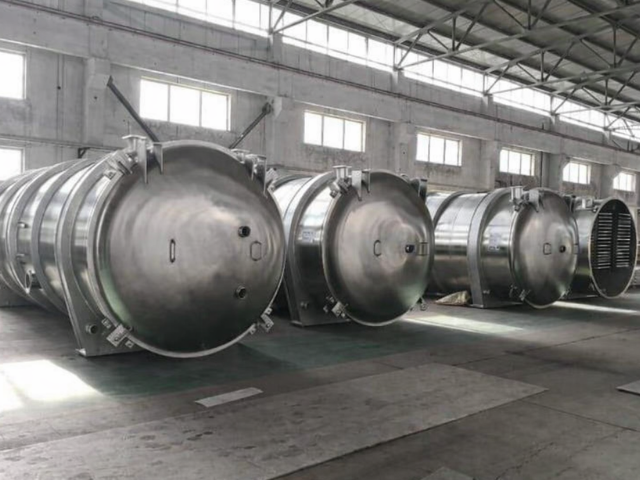
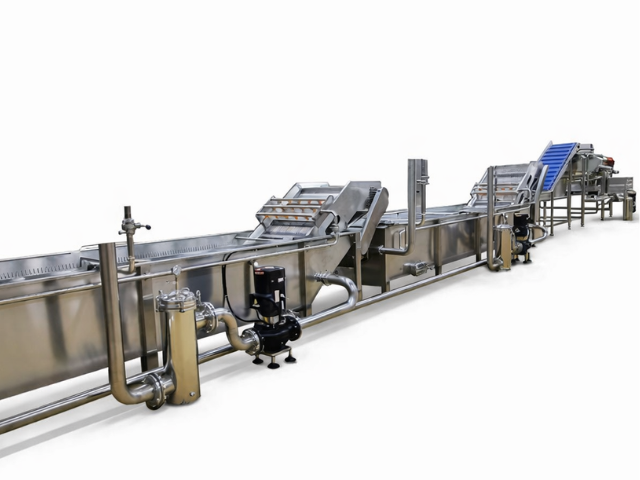
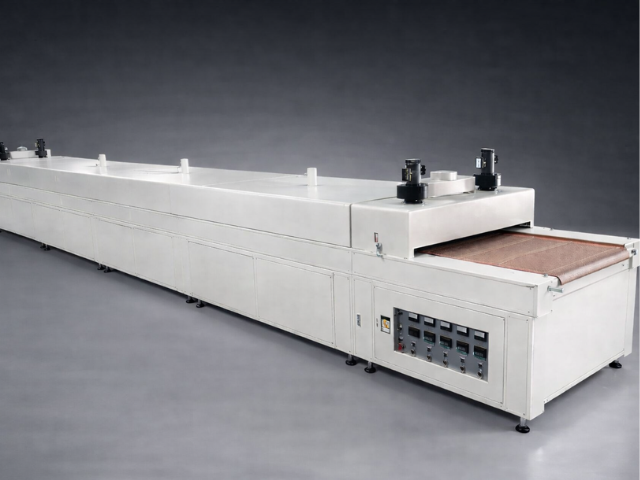
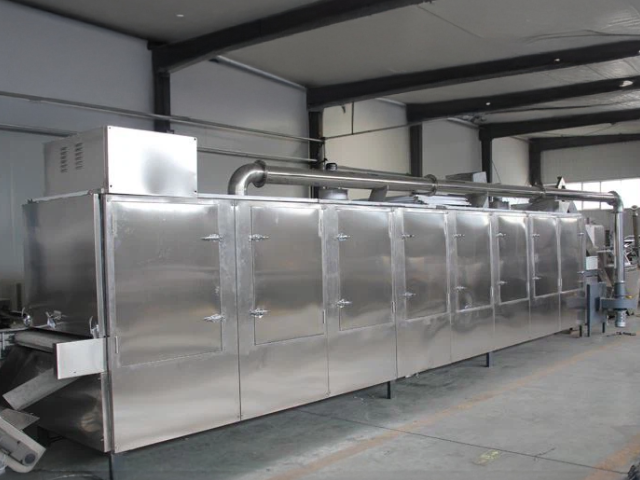
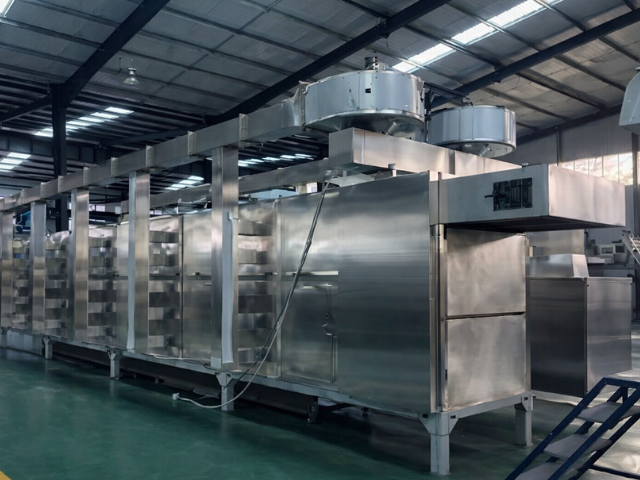
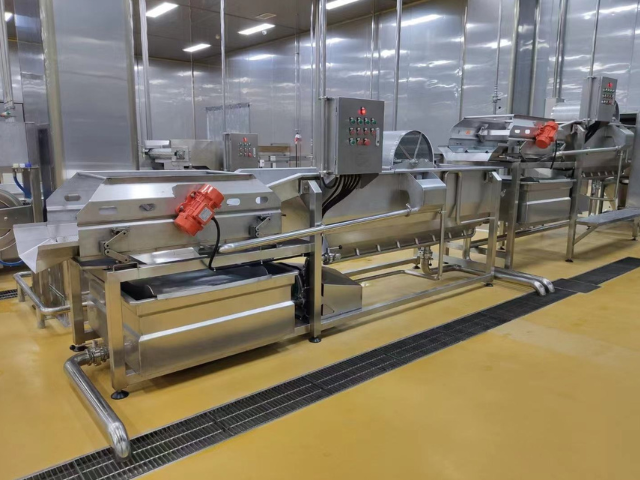
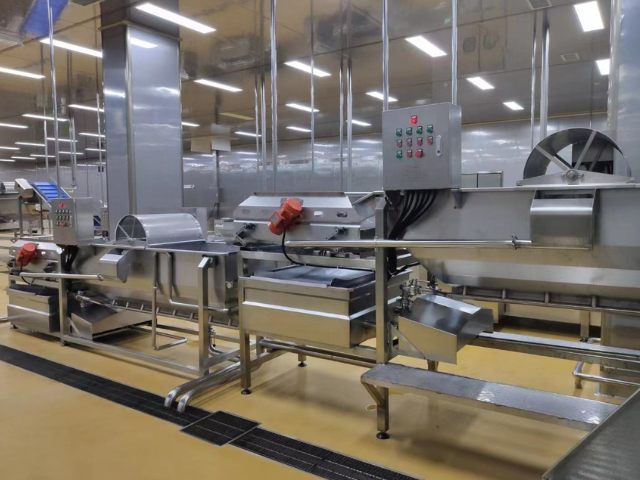
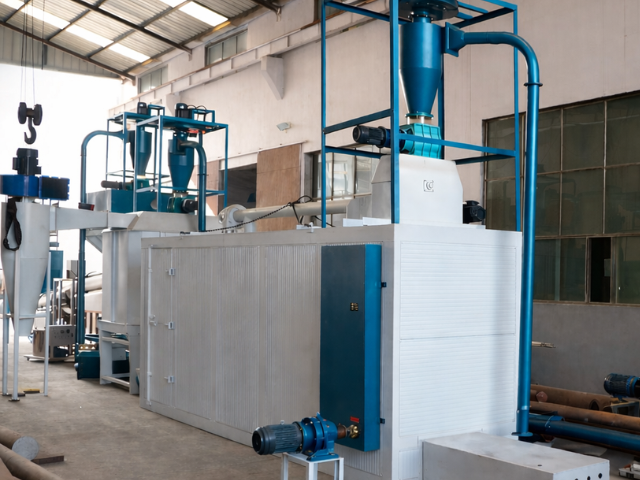
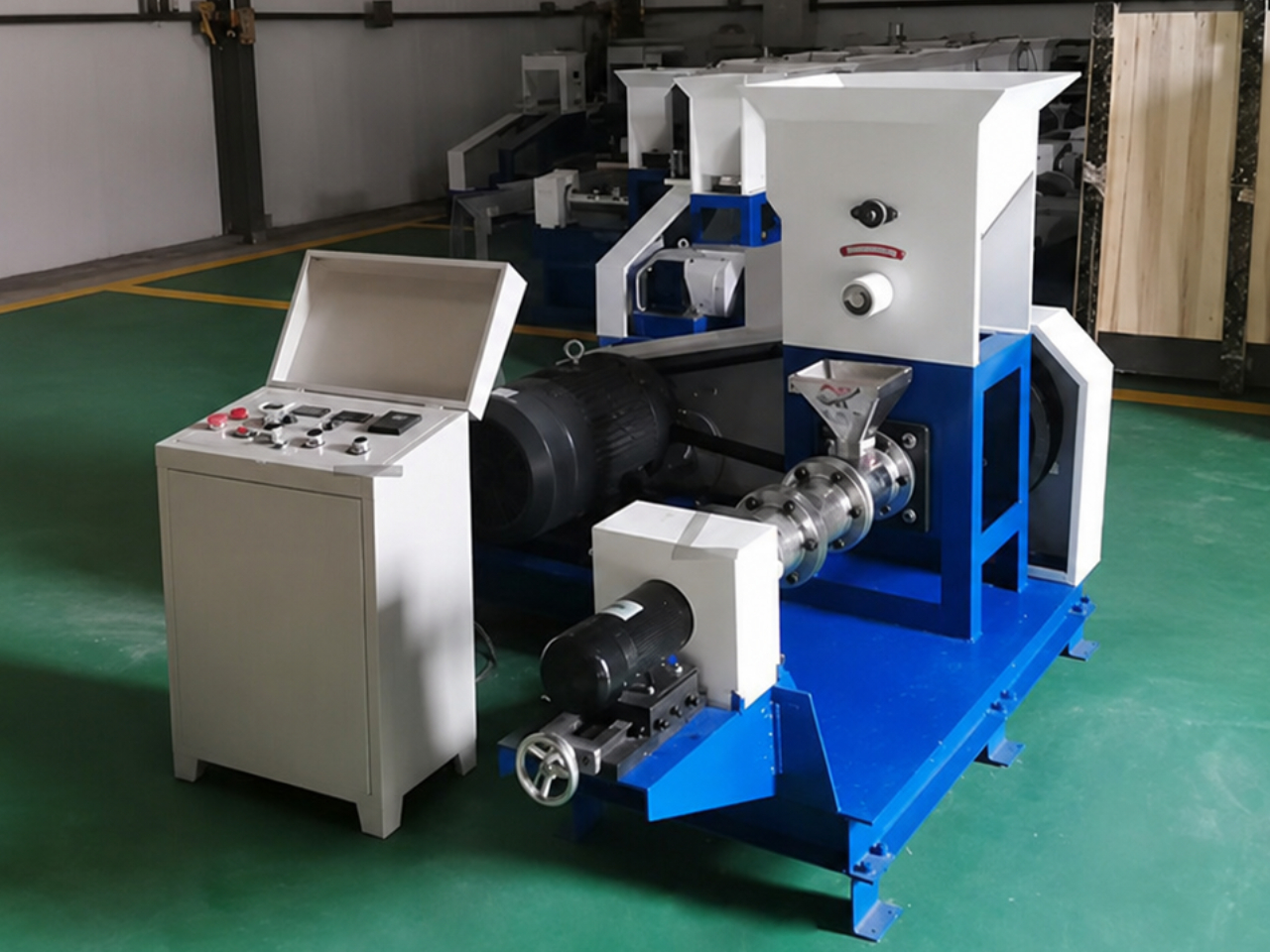
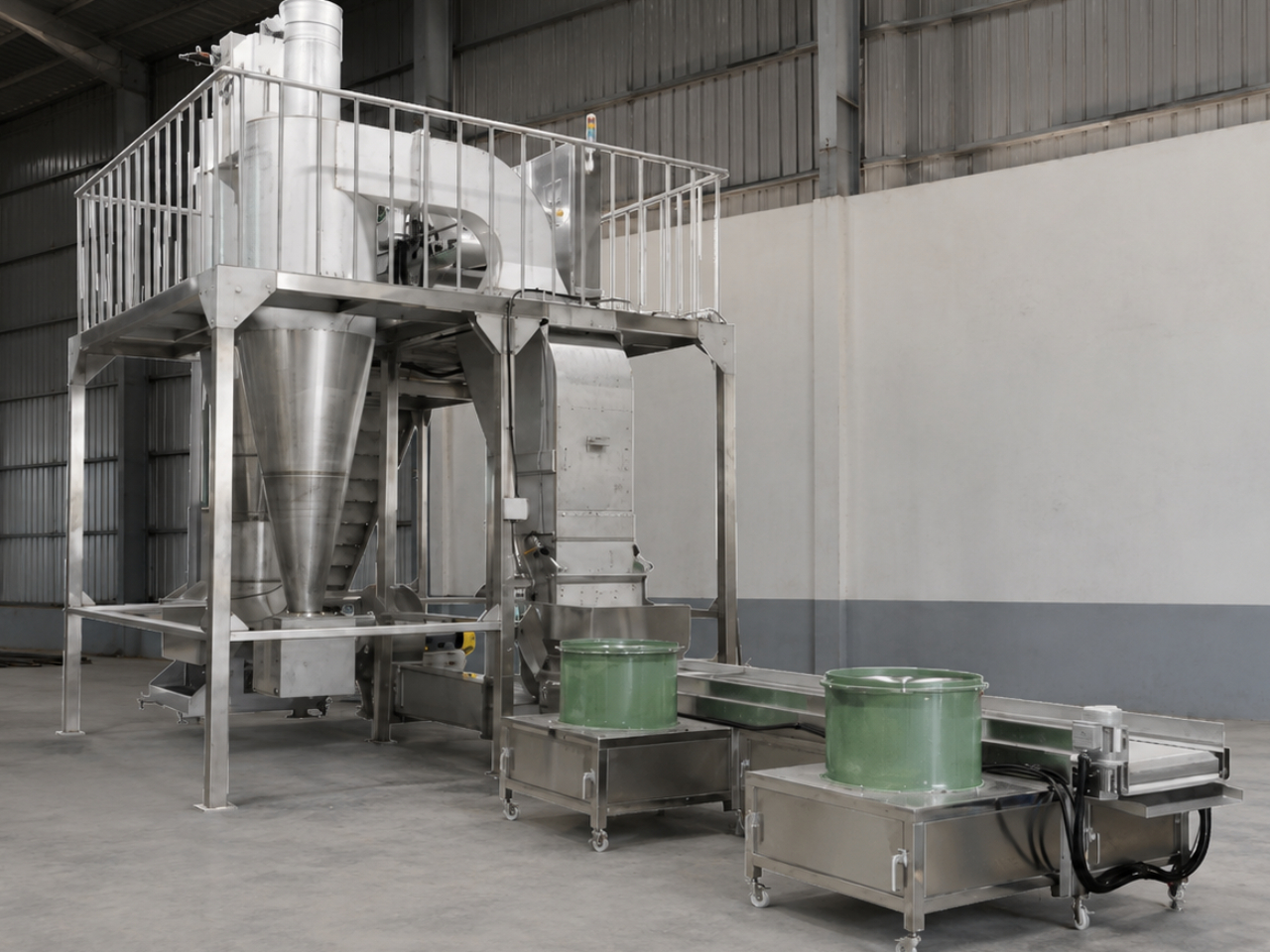
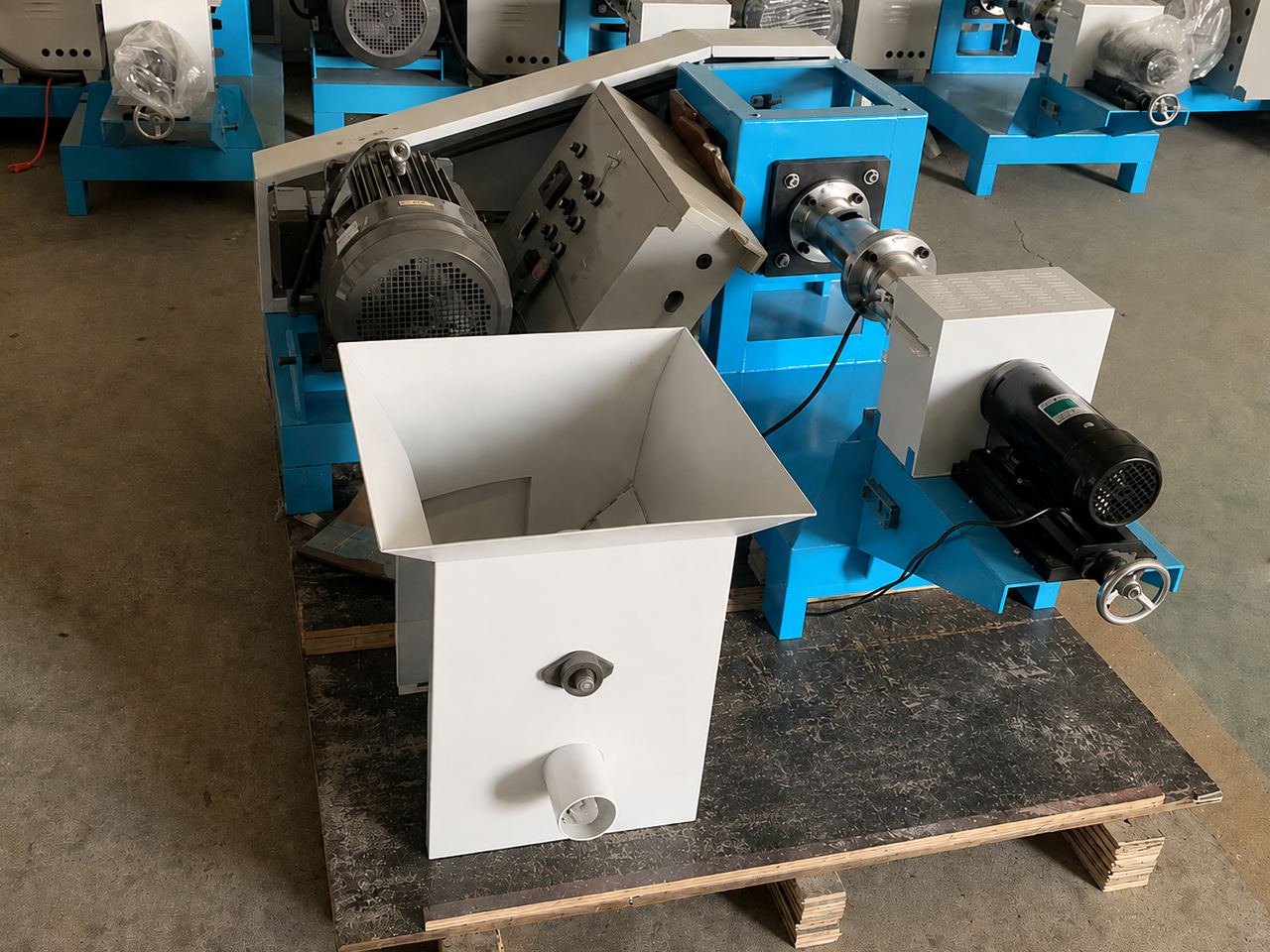
Pet Food Dryers are advanced drying systems engineered to remove moisture from a wide range of pet foods including dog food, cat food, fish feed, bird feed, reptile pellets, and small-animal nutrition products. These dryers ensure optimal shelf life, consistent texture, uniform drying, and high nutritional retention, making them essential in modern pet food manufacturing environments. With controlled temperature zones, adjustable airflow, and hygienic construction, Pet Food Dryers maintain quality while maximizing production efficiency.
As the global pet food industry scales rapidly, the demand for high-throughput, hygienic, and energy-efficient drying equipment has never been greater. From small-batch artisan producers to large-scale automated pet food manufacturing plants, pet food dryers serve as a cornerstone of quality production, ensuring that products meet food safety standards such as HACCP and FDA/FSSAI norms while delivering consistent results across all production runs.
Why Choose Kerone Pet Food Dryers
Kerone’s engineering team works closely with clients to design systems that minimize energy consumption through heat recovery mechanisms, reduce drying time without compromising product quality, and scale effortlessly from pilot-scale to full commercial production. Our machines are backed by end-to-end technical support, installation assistance, and after-sales service, making Kerone the ideal long-term drying partner for pet food manufacturers across India and globally.
Pet Food Dryers are designed with unmatched precision, reliability, and energy efficiency, making them ideal for large-scale pet food processing units. Built using state-of-the-art technology and food-grade materials, these dryers ensure uniform moisture reduction while preserving nutrients, aroma, and shape of pet kibbles. Kerone’s decades of engineering experience in thermal processing enables each dryer to deliver superior performance, reduced operational costs, and long, trouble-free lifespan.
Types and Features of Pet Food Dryers
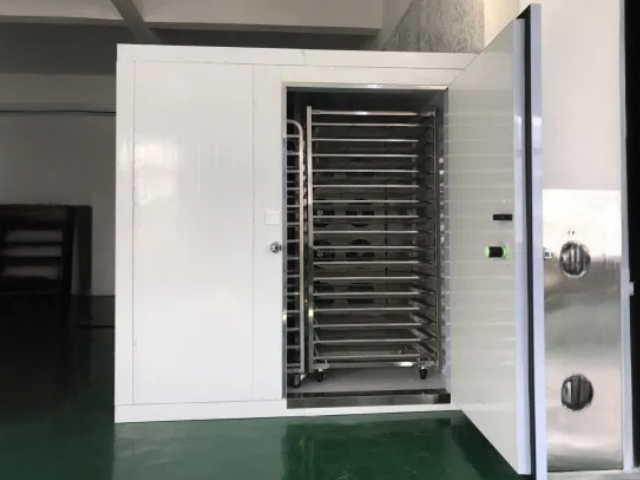
Kerone offers a diverse range of Pet Food Dryers, including conveyor dryers, rotary dryers, fluidized bed dryers, and batch tray dryers. Each dryer is built with tailored features like adjustable drying chambers, variable air velocity systems, energy-saving insulation, precision temperature control, and customizable production capacities. These dryers ensure consistent drying for various pet food formats, from crunchy dog kibbles and cat food pellets to specialized aquatic and avian feed.
We also offers low-temperature drying systems, including vacuum and infrared-assisted models, which protect heat-sensitive nutrients and probiotics. All systems feature stainless-steel food-grade interiors, CIP (Clean-In-Place) compatibility, digital PLC-based controls, and energy-efficient insulation to meet the highest standards of hygienic processing.
Key Features
Advanced temperature and humidity control for precise drying
Uniform airflow distribution ensuring consistent drying quality
Designed for dog food, cat food, fish feed, bird feed, and specialty pet foods
Flexible production capacity options for small to large manufacturers
Low maintenance design with easy-to-clean surfaces
Integrated safety features and intelligent automation systems
Powered by AI, ML & IoT
Future-Ready Engineering Driven by AI & IoT
Our advanced AI, ML, and IoT technologies, this solution delivers smarter automation, real-time insights, and predictive intelligence to enhance efficiency and drive future-ready growth.
Real-Time Monitoring & Control
Continuous tracking of process parameters with instant adjustments.
Predictive Maintenance
Intelligent fault detection to prevent failures before they occur.
Adaptive Process Optimization
Dynamic tuning of operations for maximum output and efficiency.
Cloud Dashboards & Analytics
Unified access to real-time insights and performance trends.
Energy & Resource Savings
Smarter utilization of energy to cut costs and reduce waste.
Secure IoT Connectivity
Encrypted data flow with seamless integration across plant systems.
Applications of Pet Food Dryers
Kerone’s Pet Food Dryers are extensively used in industries. Typical applications include:
Drying dog food kibbles after extrusion or baking
Moisture removal from cat food pellets for longer shelf life
Processing fish feed and aquaculture pellets
Drying bird feed mixtures and seeds
Stabilizing small-animal food such as rabbit or hamster pellets
Production of specialty or medicated pet foods
Kerone’s Pet Food Dryers offer a perfect combination of efficiency, hygiene, and reliability for modern pet food manufacturing units. Designed to support a wide variety of pet nutrition products, these dryers ensure uniform drying, extended shelf life, and superior product quality. With advanced engineering and customizable options, they provide long-term value and consistent performance for pet food producers worldwide.
Seamless Export Connections Global & Local
Our Global Footprint in Industrial Excellence
Delivering world-class industrial and process solutions across countries with precision, innovation, and reliability.
Peru
Chile
Argentina
Mexico
Colombia
Brazil
USA
Canada
United Kingdom
France
Germany
Spain
Italy
Netherlands
Sweden
Switzerland
Poland
Portugal
Ireland
Czechia
Romania
Hungary
Austria
Greece
Kazakhstan
Uzbekistan
Turkmenistan
Algeria
Egypt
Nigeria
Kenya
South Africa
Saudi Arabia
UAE
Israel
Russia
India
China
Japan
South Korea
Thailand
Vietnam
Malaysia
Singapore
Indonesia
Philippines
Australia
New Zealand
Pan-India Presence. Local Expertise.
Raipur
Bilaspur
Panaji
Vasco da Gama
Gandhinagar
Ahmedabad
Surat
Chandigarh
Gurgaon
Shimla
Manali
Bengaluru
Mysore
Kochi
Pune
Mumbai
Thane
Navi Mumbai
Hyderabad
Chennai
Coimbatore
Kolkata
Lucknow
Jaipur
Udaipur
Jodhpur
Dehradun
Haridwar
Bhubaneswar
Product Gallery
Frequently Asked Questions (FAQ)
Extruded kibble arrives at the dryer already shaped and relatively low in moisture, so the drying task is mainly fine moisture reduction and case-hardening control, well suited to conveyor or fluidized bed dryers running moderate temperatures. Raw or minimally processed treats, by contrast, often start at much higher moisture and require gentler, longer drying cycles, frequently using low-temperature or vacuum-assisted systems to avoid case hardening, shrinkage, or nutrient loss in products marketed as minimally processed. Buyer’s sourcing equipment for a treat line that differs significantly from standard kibble should specify the actual moisture profile and desired texture outcome, rather than assuming a kibble dryer will perform equally well on a different product format.
Kerone dryers can process dog food, cat food, fish feed, bird feed, reptile feed, and other specialized pet nutrition pellets.
Yes, Kerone offers scalable options including conveyor and rotary dryers designed for continuous, large-scale manufacturing.
Absolutely. Controlled temperature zones ensure moisture removal while retaining proteins, vitamins, and natural flavours.
Yes, the dryers are designed to handle various kibble shapes, from small cat pellets to large dog kibbles, without deforming them.
Kerone uses food-grade stainless steel and smooth-surfaces, making them easy to clean, maintain, and sanitize.
Yes, Kerone provides fully customizable designs based on required output, heating type, space availability, and product specifications.
Dry kibble formats typically target 8–10% final moisture for microbial stability and shelf life, while semi-moist treats run higher, often 15–25%, using humectants to control water activity instead of relying purely on low moisture. Missing the target band in either direction has direct commercial consequences: too much residual moisture risks mold growth and recalls, while over-drying increases energy cost per tonne and can make kibble brittle, leading to excessive breakage and customer complaints about dusty bags. Inline moisture sensing with feedback to dryer temperature or belt speed is the most reliable way to hold the target band consistently across a full production shift.
Many buyers assume drying energy cost scales mainly with throughput, but the larger driver is actually the moisture removal load, how much water needs to be evaporated per tonne of finished product which depends on upstream extrusion or mixing moisture content as much as on dryer design. Two dryers of identical throughput can have very different energy costs if one processes a wetter intermediate product. This is why energy efficiency claims should always be benchmarked in terms of energy per kilogram of water removed, not energy per tonne of finished product, since the latter figure can be misleading when comparing dryers across different upstream processes.
Capacity planning should be based on realistic 3–5 year volume projections rather than current output alone, since dryers are a long-lifecycle capital asset and undersized equipment becomes the production bottleneck as soon as sales grow. At the same time, oversizing significantly beyond near-term needs ties up capital and can force the dryer to run inefficiently at partial load for years. A practical approach is to specify equipment sized for projected volume 2–3 years out, with modular design that allows a second parallel line or additional drying zone to be added later rather than over-building immediately.
Although pet food is not for human consumption, most markets still require manufacturing under food-safety frameworks such as HACCP, and increasingly FSSAI or FDA-equivalent norms, because pet food production often shares ingredients, facilities, or supply chains with human food operations. This means dryer design needs crevice-free welds, full drainability, and CIP-compatible surfaces to support validated cleaning between formulations, particularly when switching between products containing different allergens or proteins. Processors supplying private-label or export pet food brands should confirm which certification their buyer requires before finalizing dryer hygiene specifications, since requirements vary meaningfully between domestic and export markets.
A single dryer line can usually handle both, provided the equipment offers adjustable airflow, temperature zoning, and belt or chamber configuration, since cat food pellets are typically smaller and more delicate than dog kibble and can require gentler handling to avoid breakage. The practical constraint is usually production scheduling and allergen control rather than the dryer's mechanical capability, switching between formulations with different protein sources on shared equipment requires a validated cleaning step between runs. Processors running multiple species or formats through one line should plan changeover procedures and cleaning validation as part of the equipment specification, not as an afterthought once the dryer is installed.
Kerone’s custom-designed heating and processing solutions are built to meet the demands of your growing operations. Whether you’re upgrading equipment, expanding production, or need a tailor-made solution



 Peru
Peru Chile
Chile Argentina
 Mexico
 Colombia
 Brazil
 USA
USA Canada
 United Kingdom
 France
 Germany
 Spain
Spain Italy
Italy Netherlands
 Sweden
 Switzerland
 Poland
 Portugal
 Ireland
 Czechia
 Romania
 Hungary
 Austria
 Greece
 Kazakhstan
 Uzbekistan
 Turkmenistan
 Algeria
 Egypt
Egypt Nigeria
 Kenya
Kenya South Africa
 Saudi Arabia
 UAE
UAE Israel
 Russia
 India
India China
China Japan
Japan South Korea
 Thailand
 Vietnam
 Malaysia
 Singapore
 Indonesia
 Philippines
 Australia
 New Zealand