KERONE is pioneer in application and implementation engineering with its vast experience and team of professionals. KERONE is devoted to serve the industry to optimize their operations both economically and environmentally with its specialized heating and drying solutions.
Potato powder is vastly being utilized in a variety of food preparations like snack foods, soups, curries and different dishes as a thickening agent. Its use at present is especially in hotels, restaurants. Potato is widely consumed as food everywhere on the planet. Its composition is influenced not solely by genetic and environmental factors but also by maturity at harvest and subsequent storage history. So the potency of storage is of determining importance, as on it depend the availability of potato as a fresh or processed vegetable, its palatability and also its nutritive value.
Why Choose Kerone Potato Powder Production Plant
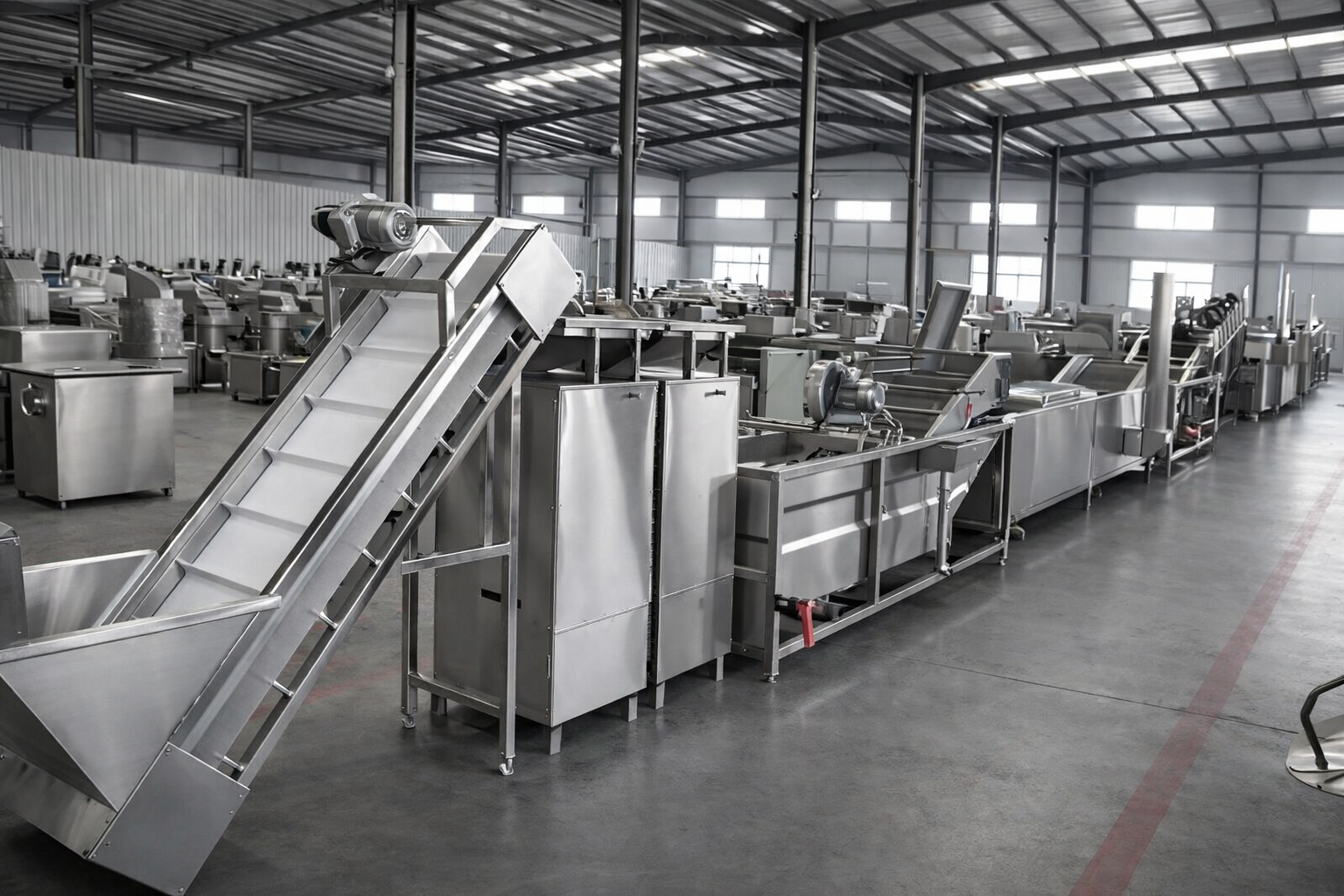
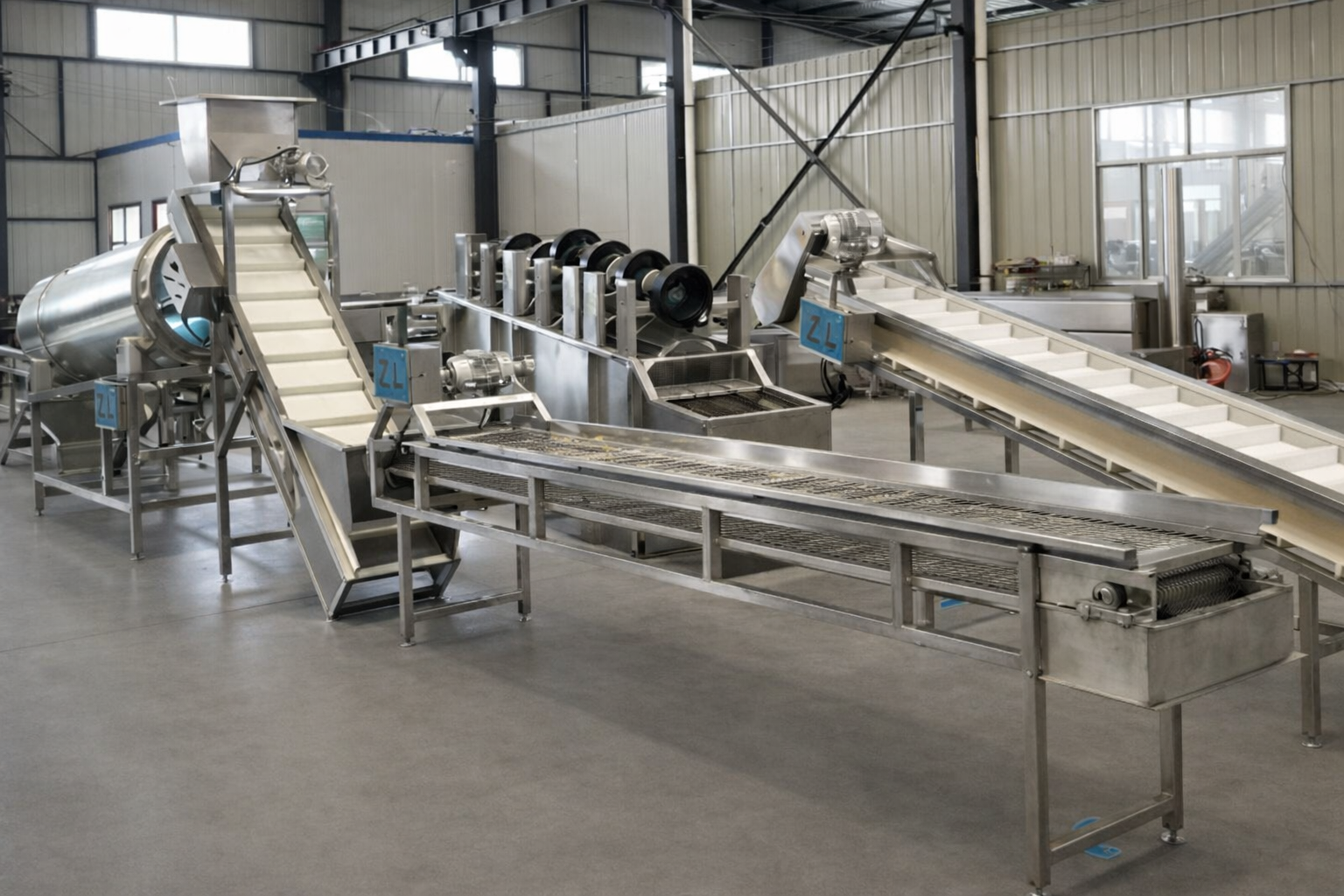
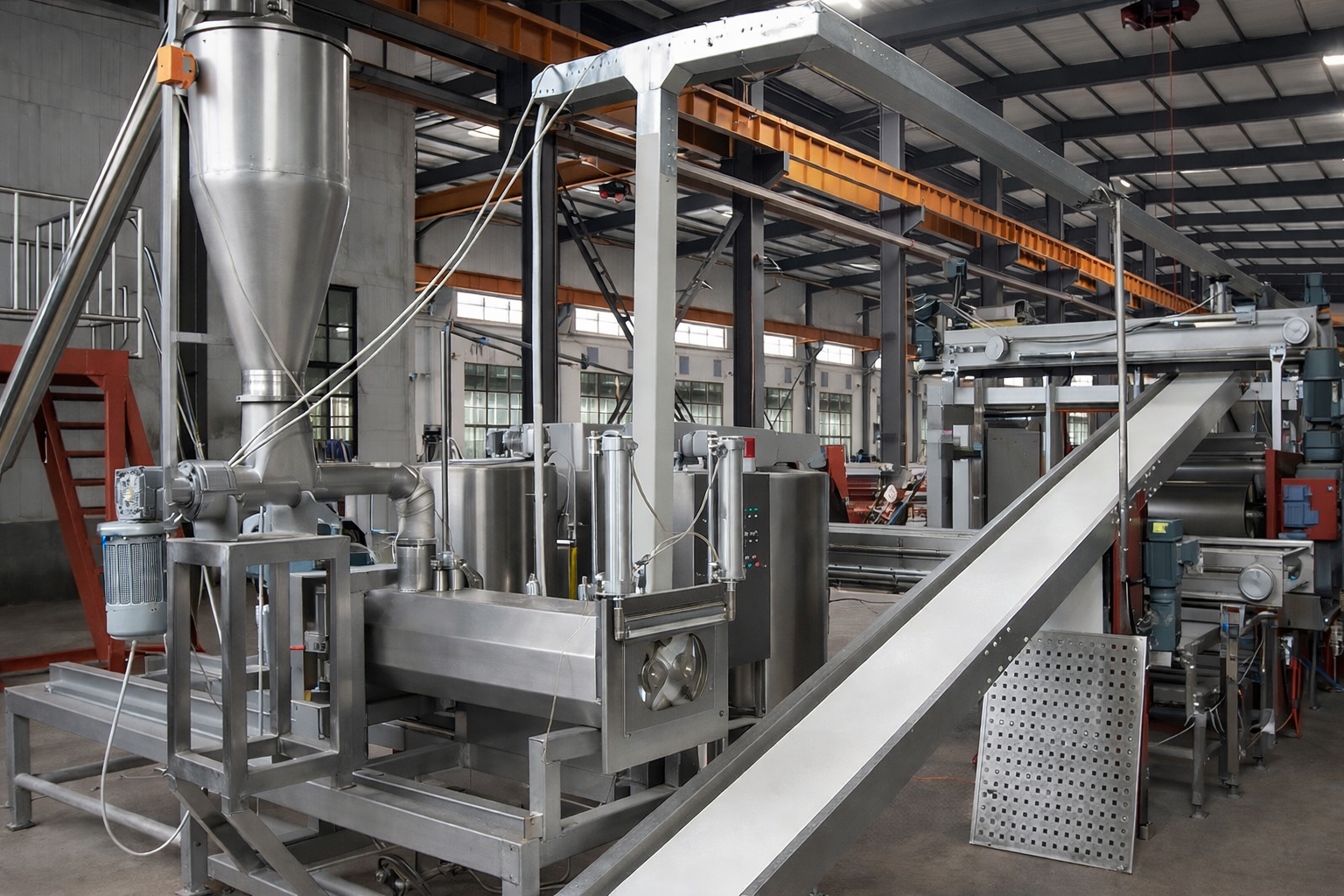
Kerone brings deep expertise in food dehydration technology, hygienic engineering, and starch chemistry to deliver potato powder plants that consistently produce high-quality powder with excellent reconstitution properties, bright colour, and true potato flavour. Our drum drying and fluid bed drying systems are optimized for the specific thermal sensitivity and starch gelatinization requirements of potatoes, preventing over-processing that degrades texture and flavour. Kerone’s plants are designed with full CIP (clean-in-place) capability, stainless steel food-contact surfaces, and positive pressure clean room principles where required for BRC- and FSSC 22000-compliant production. Kerone’s turnkey approach covers all process stages from raw material receiving to finished product packaging, with commissioning, operator training, and ongoing technical support included.
Types and Features of Potato Powder Production Plant
Kerone’s potato powder plants are available in drum dryer-based (for flakes and powder), spray dryer-based (for fine powder and instant products), and fluid bed dryer-based (for granules) configurations. Drum dryer plants produce traditional mashed potato flakes and powder with high bulk density and excellent reconstitution. Spray dryer plants produce ultra-fine powder suitable for instant food formulations. Fluid bed granulator plants produce free-flowing granules with controlled particle size and low dust. Kerone also designs combination plants using multiple drying stages for premium product quality.
Salient Features of Potato Powder Making Machine Production Plant
Aesthetically and ergonomically built machine designed for superior performance.
Manufactured in an advanced, state-of-the-art production facility.
Incorporates world-class bought-out components for optimum and reliable operation.
Efficient control panel to easily set and monitor critical operating parameters.
Designed for continuous 24-hour, round-the-clock operation.
Operator-friendly system ensuring ease of operation and maintenance.
Low maintenance requirements and reduced operating costs.
Sturdy and robust design for long service life and trouble-free performance.
Key Features
Complete integrated processing line from potato intake to finished powder packaging
Hygienic design with all-stainless-steel food-contact surfaces and CIP systems
Multiple drying technology options: drum, spray, and fluid bed for different product forms
Precise blanching and cooking controls to optimize starch gelatinization and colour retention
High-efficiency heat recovery systems reducing steam and energy consumption
Online moisture, particle size, and color measurement for product quality control
Automatic packaging systems for bags, drums, and bulk containers
Compliance with FSSC 22000, HACCP, and GMP food safety standards
Powered by AI, ML & IoT
Future-Ready Engineering Driven by AI & IoT
Our advanced AI, ML, and IoT technologies, this solution delivers smarter automation, real-time insights, and predictive intelligence to enhance efficiency and drive future-ready growth.
Real-Time Monitoring & Control
Continuous tracking of process parameters with instant adjustments.
Predictive Maintenance
Intelligent fault detection to prevent failures before they occur.
Adaptive Process Optimization
Dynamic tuning of operations for maximum output and efficiency.
Cloud Dashboards & Analytics
Unified access to real-time insights and performance trends.
Energy & Resource Savings
Smarter utilization of energy to cut costs and reduce waste.
Secure IoT Connectivity
Encrypted data flow with seamless integration across plant systems.
Applications of Potato Powder Production Plant
Kerone’s Potato Powder Production Plants are extensively used in food manufacturing and processing industries. Typical applications include:
Instant mashed potato powder production for consumer retail and food service markets
Dehydrated potato flake production for snack food, crisps, and chip manufacturing
Potato powder ingredient supply for soups, sauces, gravies, and ready meals
Starch-rich potato powder for bakery, pasta, and noodle formulations
Potato granule production for baby food, health food, and sports nutrition applications
Export-grade dehydrated potato product manufacturing for global food ingredient markets
Kerone’s potato powder production plant solutions deliver unmatched quality, safety, and operational performance. Each system is tailored to meet production targets while ensuring energy savings, reliability, and long-term industrial value.
Seamless Export Connections Global & Local
Our Global Footprint in Industrial Excellence
Delivering world-class industrial and process solutions across countries with precision, innovation, and reliability.
Peru
Chile
Argentina
Mexico
Colombia
Brazil
USA
Canada
United Kingdom
France
Germany
Spain
Italy
Netherlands
Sweden
Switzerland
Poland
Portugal
Ireland
Czechia
Romania
Hungary
Austria
Greece
Kazakhstan
Uzbekistan
Turkmenistan
Algeria
Egypt
Nigeria
Kenya
South Africa
Saudi Arabia
UAE
Israel
Russia
India
China
Japan
South Korea
Thailand
Vietnam
Malaysia
Singapore
Indonesia
Philippines
Australia
New Zealand
Pan-India Presence. Local Expertise.
Raipur
Bilaspur
Panaji
Vasco da Gama
Gandhinagar
Ahmedabad
Surat
Chandigarh
Gurgaon
Shimla
Manali
Bengaluru
Mysore
Kochi
Pune
Mumbai
Thane
Navi Mumbai
Hyderabad
Chennai
Coimbatore
Kolkata
Lucknow
Jaipur
Udaipur
Jodhpur
Dehradun
Haridwar
Bhubaneswar
Product Gallery
Frequently Asked Questions (FAQ)
Most common processing potato varieties including Russet, Shepody, Atlantic, and Kufri varieties are suitable. Kerone optimizes blanching and drying parameters for each variety's starch and sugar composition.
Approximately 160–180 kg of dried potato powder is produced from 1,000 kg of fresh potatoes, depending on the potato's dry matter content and the chosen drying process.
Drum drying is the standard technology for traditional mashed potato flakes and powder, offering high reconstitution quality, good flavor retention, and economic operation.
Kerone uses sulfite or citric acid dipping solutions, controlled low-temperature blanching, and optimized drum surface temperatures to minimize enzymatic browning and Maillard reaction, preserving natural colour and flavour.
Kerone designs potato powder plants to meet HACCP, FSSC 22000, BRC Food, GMP, and ISO 22000 food safety management standards, and assists clients with certification documentation.
Yes. With process parameter adjustments for different starch compositions and sugar contents, Kerone's plants can also process sweet potatoes, yams, and other root vegetables.
Fresh potatoes first go through washing and stone removal, followed by peeling and trimming to remove skin, eyes, and defects that would otherwise affect color and flavor in the finished product. The potatoes are then sliced or diced and blanched, a step that inactivates enzymes responsible for browning and helps control starch behavior during subsequent cooking. After cooking to the appropriate degree of gelatinization, the cooked potato mash is dried, typically on a drum dryer, through a spray dryer, or via fluid bed processing depending on the target product form then milled to the desired particle size and packaged. Each stage has its own temperature and timing tolerances, and getting any one stage wrong shows up directly in the finished powder's color, flavor, or reconstitution quality.
Commercial-scale potato powder plants are almost always designed for continuous operation, since potato processing involves perishable raw material that needs to move through washing, peeling, blanching, cooking, and drying stages without extended holding time at any point, both for food safety and to prevent enzymatic browning. Continuous processing also achieves significantly better economics at production scale, since drum and spray drying equipment is most efficient when fed a steady, consistent material flow rather than cycled in batches. Batch processing is occasionally used at smaller pilot or specialty production scale, but for standard commercial potato powder manufacturing, continuous flow is both the technical and economic default.
Target final moisture for stable, shelf-stable potato powder typically needs to be controlled within a tight range, since powder that's too wet risks microbial growth and caking during storage, while over-drying wastes energy and can degrade flavor and reconstitution properties. Kerone's systems use inline moisture measurement at the dryer exit, allowing drum surface temperature, residence time, or airflow to be adjusted in near real-time rather than relying solely on periodic laboratory sampling. Because incoming potato dry matter content varies by variety, growing season, and storage age, the drying process needs this kind of responsive control rather than a single fixed setting, since the same drum temperature and speed won't produce consistent moisture output across raw material batches with different starting dry matter levels.
Drying is the single largest energy consumer in potato powder production, so heat recovery systems that capture and reuse exhaust heat from the drying stage for pre-heating wash water or blanching water make a measurable difference in overall plant energy consumption. Steam system efficiency matters significantly too, since drum drying and cooking stages both rely heavily on steam, and poorly insulated piping or undersized condensate recovery wastes a meaningful share of total thermal input. Matching dryer capacity closely to actual production throughput also avoids the energy penalty of running drying equipment at partial load, which is typically less efficient per unit of product than running at designed capacity. Kerone evaluates these factors during plant design rather than treating energy efficiency as a secondary consideration.
Plant capacity can range from smaller specialty production lines suited to regional or niche product manufacturers up to large continuous lines designed for major food ingredient suppliers serving export and bulk industrial markets. Configuration choice between drum, spray, and fluid bed drying or combinations of these depends on target product form as much as scale, since a company focused on instant fine powder for food service has different equipment needs than one producing traditional flake products for retail snack manufacturing. Kerone designs plants to match both the intended capacity and product form target rather than offering a single standardized configuration, since matching equipment to actual market positioning matters more for long-term profitability than simply maximizing installed capacity.
Clean-in-place systems need to run on a validated schedule covering all product-contact surfaces, not just visibly soiled equipment, since starch residue can harbor microbial growth even when surfaces appear clean. Drum dryer surfaces require periodic inspection for scale or residue buildup that reduces heat transfer efficiency and can also affect product color if buildup begins to scorch. Milling and packaging equipment need attention to dust control and cleaning, since fine potato powder dust can accumulate in ways that create both hygiene and combustible dust concerns if not managed properly. Maintaining the documentation trail for these cleaning cycles is just as important as performing them, since FSSC 22000, BRC, and HACCP audits specifically require verifiable cleaning records rather than just the absence of visible contamination.
A frequent and costly mistake is specifying dryer capacity and drum or spray parameters based on a single dry matter content assumption, often taken from one supplier sample, without accounting for how significantly potato dry matter varies by variety, growing region, harvest timing, and storage duration. A plant calibrated for high dry matter potatoes will underperform or produce inconsistent moisture output when fed lower dry matter raw material later in the storage season, and vice versa. Building in dry matter testing as a standard incoming raw material check, along with drying equipment that has adjustable rather than fixed process parameters, prevents the seasonal quality drift that otherwise shows up as inconsistent finished powder moisture and reconstitution properties throughout the year.
Automated control of blanching temperature, cooking time, and dryer parameters removes the variability that comes from manual adjustment between shifts, which matters significantly in a continuous process where any single stage running slightly off-spec affects everything downstream of it. Real-time monitoring of moisture, particle size, and color at multiple points in the line allows operators to catch a developing deviation say, a gradual drift in drum temperature, before it produces an out-of-spec batch, rather than discovering the problem only after laboratory testing of finished product. Data logging across shifts also makes it easier to identify recurring patterns, such as a particular raw material supplier consistently requiring different blanching parameters, supporting more informed long-term process optimization than relying purely on operator experience.
Drum drying generally has lower capital cost and energy consumption per tonne of product for standard flake and powder production, making it the more economical choice for traditional mashed potato flake and powder products where ultra-fine particle size isn't required. Spray drying produces a finer, more instantly soluble powder suited to instant food applications, but typically carries higher capital cost and higher energy consumption per tonne of water removed, since atomizing and drying a liquid slurry is generally less thermally efficient than drum drying a thin film. The right choice depends on target product specification rather than drying technology alone — a company serving instant food service may find spray drying's higher operating cost justified by the premium pricing its finer product commands, while bulk ingredient suppliers often favor drum drying's lower operating cost.
Kerone’s custom-designed heating and processing solutions are built to meet the demands of your growing operations. Whether you’re upgrading equipment, expanding production, or need a tailor-made solution


 Peru
Peru Chile
Chile Argentina
 Mexico
 Colombia
 Brazil
 USA
USA Canada
 United Kingdom
 France
 Germany
 Spain
Spain Italy
Italy Netherlands
 Sweden
 Switzerland
 Poland
 Portugal
 Ireland
 Czechia
 Romania
 Hungary
 Austria
 Greece
 Kazakhstan
 Uzbekistan
 Turkmenistan
 Algeria
 Egypt
Egypt Nigeria
 Kenya
Kenya South Africa
 Saudi Arabia
 UAE
UAE Israel
 Russia
 India
India China
China Japan
Japan South Korea
 Thailand
 Vietnam
 Malaysia
 Singapore
 Indonesia
 Philippines
 Australia
 New Zealand