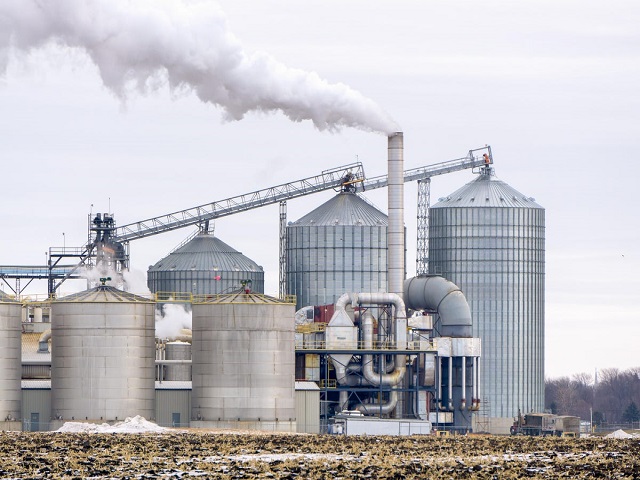
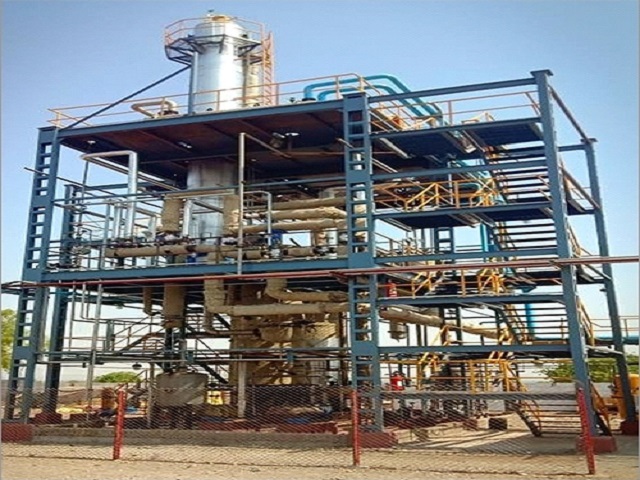
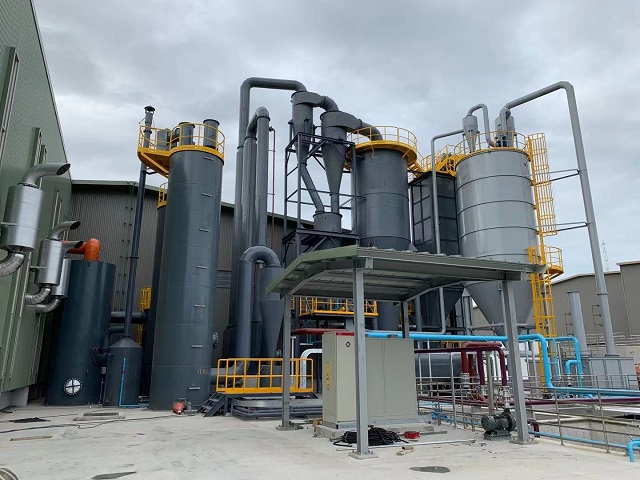
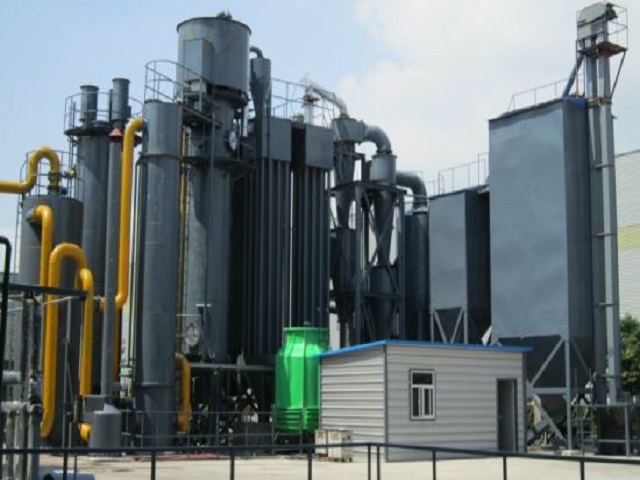
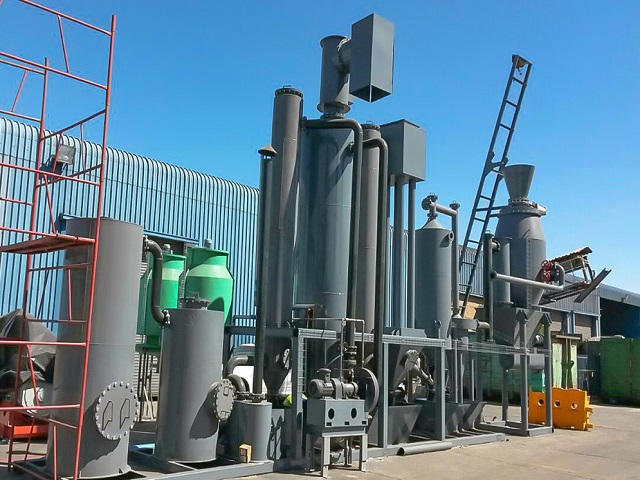
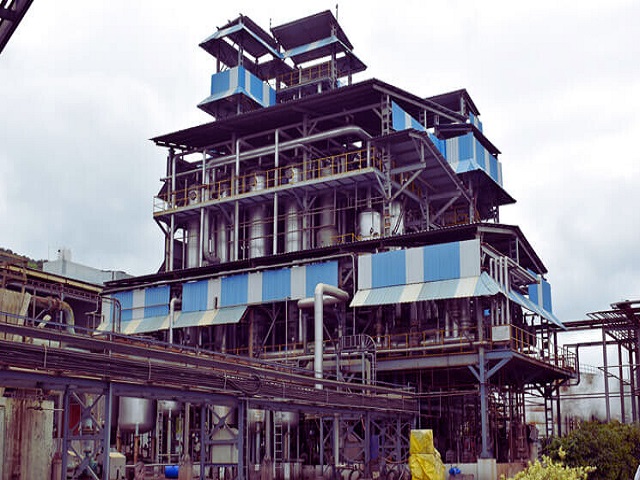
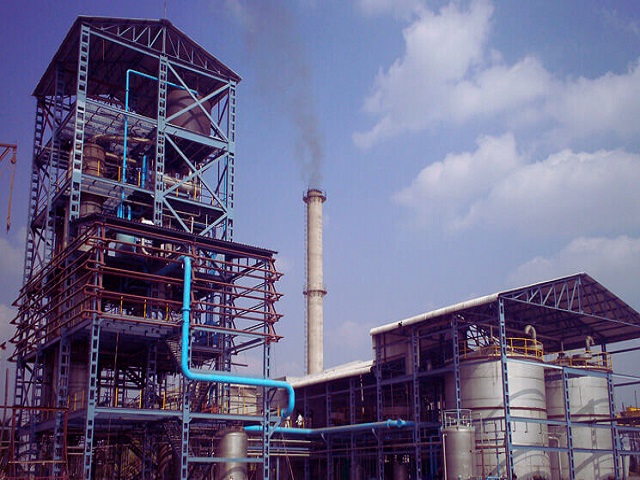
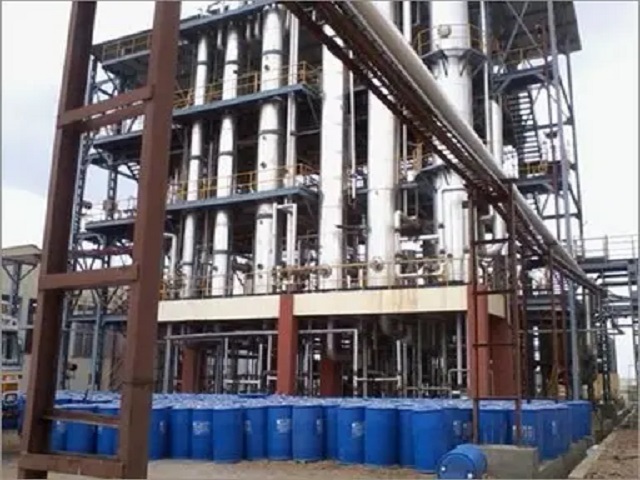
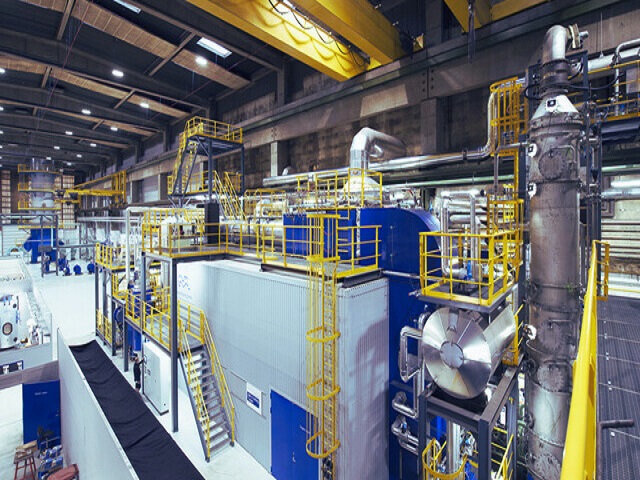
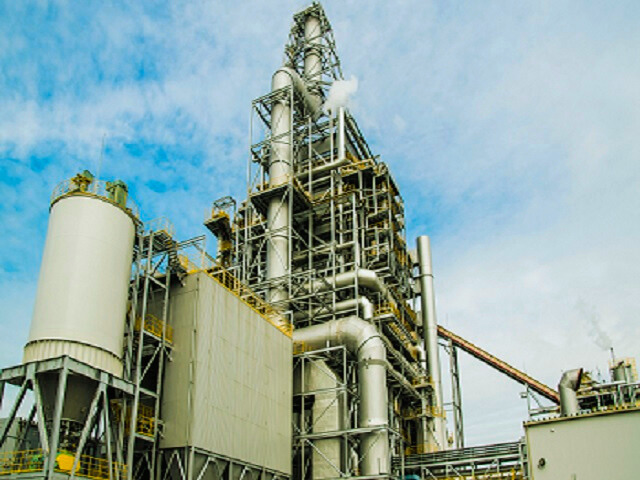
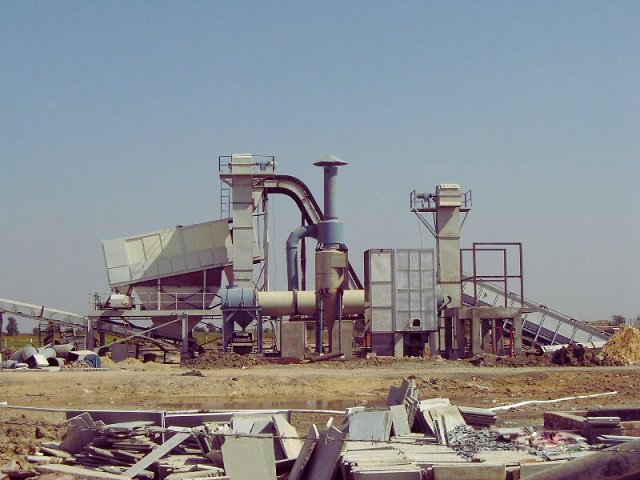
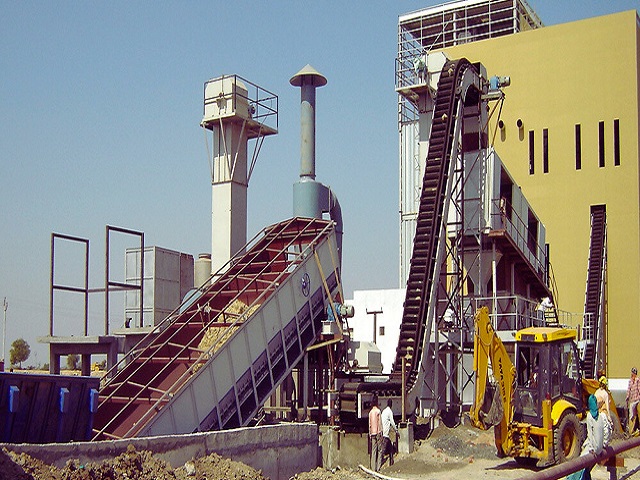
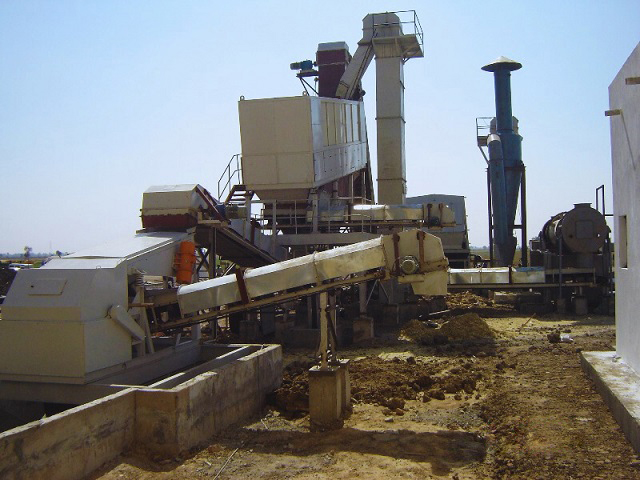
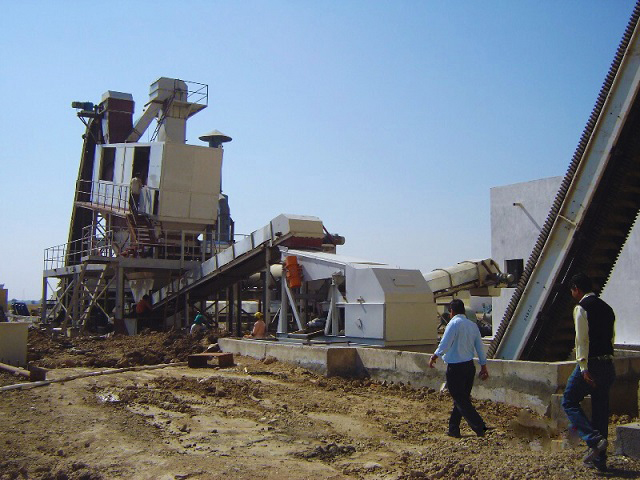
Kerone designs advanced biomass processing / production plant solutions engineered for high performance, energy efficiency, and consistent industrial productivity. With over 50 years of engineering excellence, Kerone provides customized systems tailored to material characteristics, production capacity, and industry-specific operational requirements. Each system ensures precision, reliability, and long-term sustainability.
Biomass Production / Processing Plant has essential role towards clean and green energy production. Biomass production plant plays an important role in bioenergy industry in producing heat, electricity and biofuels to reduce greenhouse gases and dependence on the fossil fuel.
What is Biomass?
Biomass consists of organic material gotten from plants and animals that are turned into renewable energy. This varies group of biological materials comprises wood, crop residues, animal excreta, and other plants such as switch grass and miscanthus. Biomass can be changed to heating power, hydro-electricity, and bio-fuels by using different ways such as burning, gasifying and fermenting. Biomass also happens to be a renewable source that can easily be replaced through reforestation or environmentally friendly farming methods. The development of biomass energy is deemed a crucial aspect in the transition toward a greener as well as sustainable energy mix that will serve to lower the levels of GHG’s as well as reliance on exhausted fossil fuels.
KERONE is pioneer in application and implementation engineering with its vast experience and team of professionals. KERONE is devoted to serve the industry to optimize their operations both economically and environmentally with its specialized heating and drying solutions.
Why Choose Kerone Biomass Processing / Production Plant
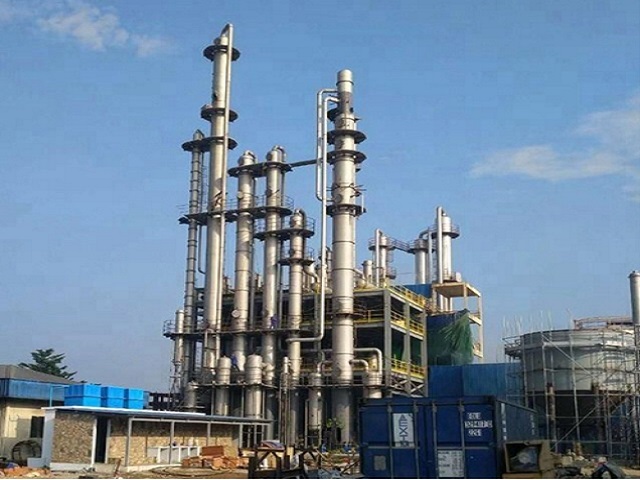
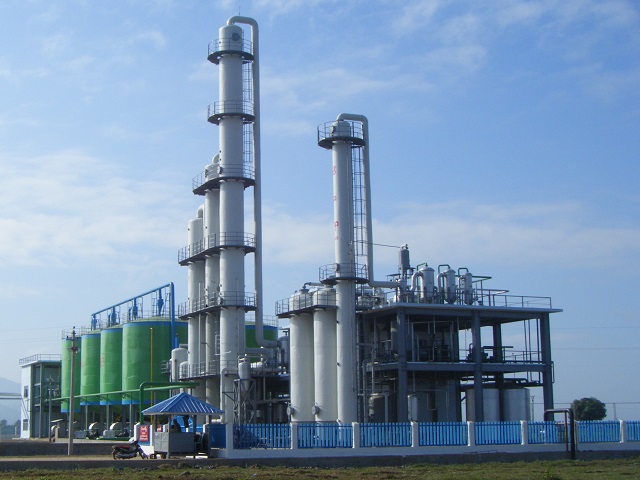
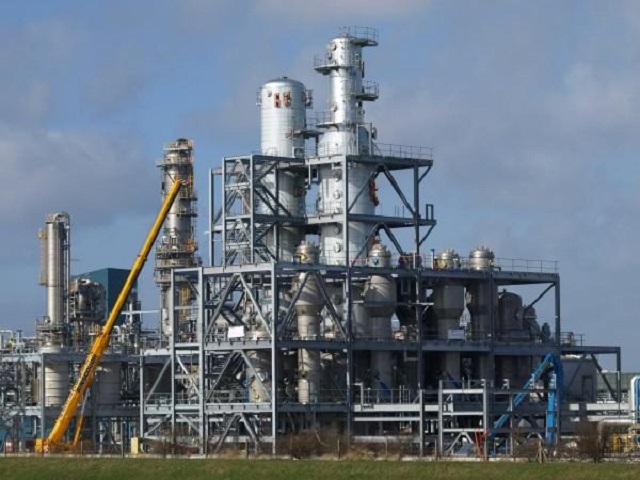
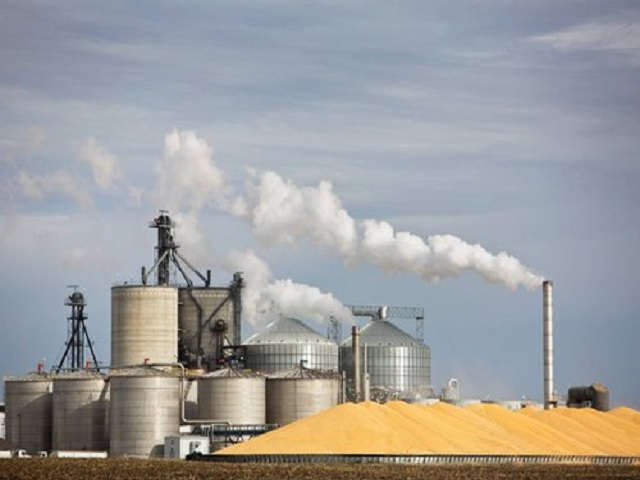
Kerone is specialized in plant manufacturing that turns wood waste, crop waste, and other biomaterials, into products, bioenergy and biofuel. Biomass Production/Processing Plant have an important role in utilizing biomass for energy and raw materials for different sectors. Generally, this process is comprised of several stages. These include aggregation and pre-treatment of the biomass feedstock such as chipping or pelletization. Subsequently, various conversion techniques are used such as combustion, pyrolysis, gasification, the biomass processing plants also can recover valuable chemicals such as bioethanol and bio plastic from their feedstocks. We are contributing a necessary step in supporting environmentally friendly use of renewable energy and fostering a diverse, low-carbon economy.
Types and Features of Biomass Processing / Production Plant
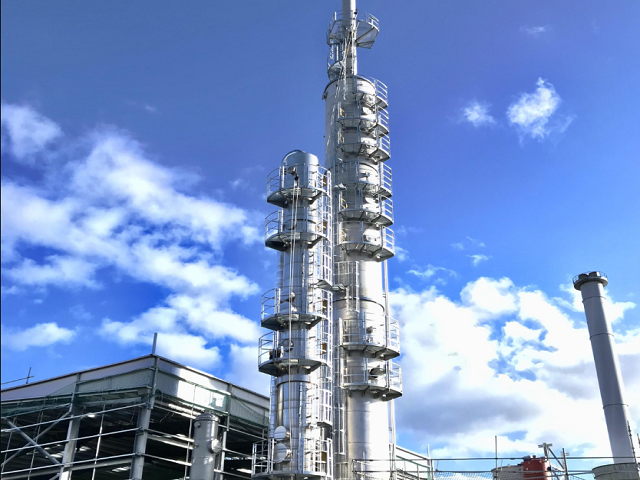
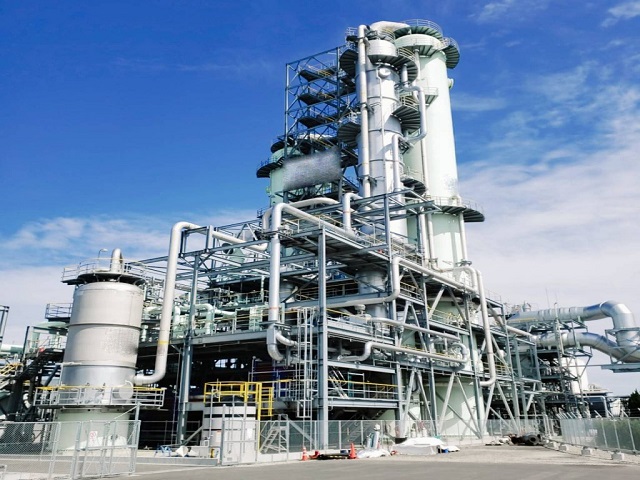
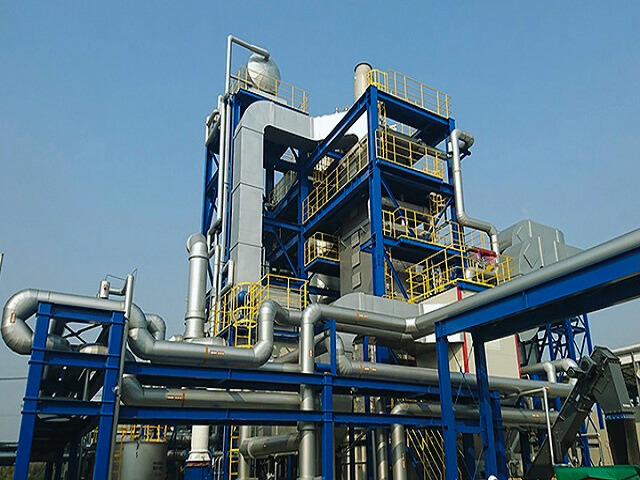
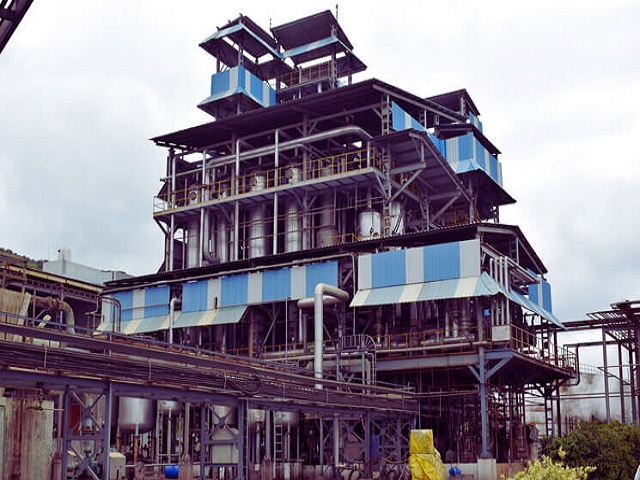
Biomass Processing / Production Plants are designed to convert organic materials such as agricultural residues, wood chips, sawdust, bagasse, and other bio-waste into valuable energy products like biomass pellets, briquettes, biochar, and biofuels. The main types of biomass plants include pellet production plants, briquetting plants, biomass drying systems, torrefaction units, and biomass power generation plants. Each type is engineered to handle specific feedstock characteristics and desired output forms. Key features of modern biomass processing plants include automated material handling systems, high-efficiency dryers, robust grinding and size reduction equipment, energy-efficient combustion or gasification units, PLC-based control panels for precise monitoring, and pollution control systems to meet environmental standards. These plants are designed for continuous operation, low maintenance, high output capacity, and optimized energy consumption, making them suitable for industrial fuel production, renewable energy generation, and sustainable waste management applications.
Benefits:
It improves the productivity of soil to achieve higher yield.
It helps creation of fossil fuels.
Increases water retention.
Management of waste.
Key Features
Full-spectrum biomass processing capability from raw material handling to finished product dispatch
Industrial-grade equipment selection for maximum reliability and minimum downtime
Integrated biomass drying systems reducing moisture to process-required levels efficiently
Precision size reduction and classification equipment for optimum conversion performance
Advanced PLC/SCADA automation for consistent product quality and operator efficiency
Comprehensive dust collection and emission control systems for safe and clean operation
Turnkey project delivery covering design, engineering, procurement, construction, and commissioning
Flexible plant designs adaptable to diverse biomass feedstocks and multiple product specifications
Powered by AI, ML & IoT
Future-Ready Engineering Driven by AI & IoT
Our advanced AI, ML, and IoT technologies, this solution delivers smarter automation, real-time insights, and predictive intelligence to enhance efficiency and drive future-ready growth.
Real-Time Monitoring & Control
Continuous tracking of process parameters with instant adjustments.
Predictive Maintenance
Intelligent fault detection to prevent failures before they occur.
Adaptive Process Optimization
Dynamic tuning of operations for maximum output and efficiency.
Cloud Dashboards & Analytics
Unified access to real-time insights and performance trends.
Energy & Resource Savings
Smarter utilization of energy to cut costs and reduce waste.
Secure IoT Connectivity
Encrypted data flow with seamless integration across plant systems.
Applications of Biomass Processing / Production Plant
Kerone’s Biomass Processing / Production Plants are extensively used across the renewable energy, agriculture, and materials sectors. Typical applications include:
Large-scale biomass fuel production facilities supplying bioenergy power plants and industrial boilers
Integrated biorefineries producing multiple bio-based products from agricultural and forestry biomass
Industrial waste valorization plants converting process organic waste into energy and by-products
Export-grade biomass product manufacturing facilities for international renewable energy markets
Research and development pilot plants for testing new biomass conversion technologies and feedstocks
Kerone’s biomass processing / production plant solutions deliver long-term reliability, superior efficiency, and high-quality output. Each system is engineered with innovation, safety, and sustainability at its core, enabling industries to achieve optimized productivity and reduced operational costs.
Seamless Export Connections Global & Local
Our Global Footprint in Industrial Excellence
Delivering world-class industrial and process solutions across countries with precision, innovation, and reliability.
Peru
Chile
Argentina
Mexico
Colombia
Brazil
USA
Canada
United Kingdom
France
Germany
Spain
Italy
Netherlands
Sweden
Switzerland
Poland
Portugal
Ireland
Czechia
Romania
Hungary
Austria
Greece
Kazakhstan
Uzbekistan
Turkmenistan
Algeria
Egypt
Nigeria
Kenya
South Africa
Saudi Arabia
UAE
Israel
Russia
India
China
Japan
South Korea
Thailand
Vietnam
Malaysia
Singapore
Indonesia
Philippines
Australia
New Zealand
Pan-India Presence. Local Expertise.
Raipur
Bilaspur
Panaji
Vasco da Gama
Gandhinagar
Ahmedabad
Surat
Chandigarh
Gurgaon
Shimla
Manali
Bengaluru
Mysore
Kochi
Pune
Mumbai
Thane
Navi Mumbai
Hyderabad
Chennai
Coimbatore
Kolkata
Lucknow
Jaipur
Udaipur
Jodhpur
Dehradun
Haridwar
Bhubaneswar
Product Gallery
Frequently Asked Questions (FAQ)
A biomass processing plant focuses on transforming raw biomass into intermediate or final products (drying, grinding, pelletizing, etc.), while a biomass production plant typically refers to a facility that manufactures finished biomass-derived products such as biofuels, biochar, or biochemicals ready for end-user markets. Kerone's plants often integrate both functions.
Yes, Kerone specializes in multi-feedstock plant designs that can efficiently process different biomass types—wood, agricultural residues, energy crops—either simultaneously or in seasonal alternation, accommodating regional feedstock availability patterns.
Typical timelines range from 6 months for small standard plants to 18–24 months for large custom integrated facilities, covering design, engineering, procurement, civil works, installation, and commissioning phases.
Yes, Kerone conducts comprehensive feedstock characterization studies including proximate and ultimate analysis, thermogravimetric analysis, and flowability testing to determine optimal process parameters for specific biomass types.
With proper maintenance, Kerone's plants are designed for a minimum operational life of 15–20 years, with key wear components (hammers, dies, belts) replaced periodically as part of routine maintenance.
Kerone incorporates comprehensive dust extraction systems, explosion venting, spark detection and suppression, fire sprinkler systems, and grounding/bonding measures to mitigate the inherent dust and fire risks associated with dry biomass processing.
Yes, all modern Kerone plants feature PLC/SCADA-based control systems with remote access capability, allowing operators and Kerone's service team to monitor plant performance, diagnose issues, and adjust process parameters from any location.
Several schemes support biomass energy investments in India, including MNRE's biomass power and cogeneration program, PM-KUSUM for agro-solar, and state-level renewable energy incentives. Kerone assists clients in identifying and applying for applicable support schemes during the project feasibility stage.
Pelletizing compresses fine biomass particles through small-diameter dies to produce dense, uniform cylindrical pellets typically used in automated combustion systems like pellet boilers and stoves, where consistent feed size matters for burner performance. Briquetting uses larger dies and higher compression to form bigger, denser blocks better suited for manual-feed industrial furnaces, brick kilns, and boiler co-firing applications where feed automation is less critical. Pellets generally command a premium in residential and export heating markets due to their standardized size, while briquettes are often more economical to produce and favored by industries already equipped for manual or semi-automated solid fuel handling. Kerone evaluates the target fuel market and existing combustion infrastructure before recommending one technology over the other.
Incoming biomass moisture, which can range from under 10% for dry sawdust to over 50% for fresh agricultural residues, fundamentally changes the sizing of drying equipment and the overall energy balance of the plant. Wetter feedstocks require larger dryer capacity and consume considerably more thermal energy per tonne of finished product, which affects both capital cost and ongoing operating expense. Kerone conducts feedstock moisture profiling as a standard part of plant design, since under-sizing the drying stage is one of the most common causes of bottlenecks in biomass processing plants, while over-sizing it wastes capital on unnecessary equipment capacity that won't be used.
Multi-feedstock capability depends primarily on how similarly the materials behave in terms of moisture content, particle size, and bulk density, since these properties determine grinding, drying, and conveying requirements. Kerone designs plants with adjustable die specifications, variable-speed drives, and flexible feed-rate controls that allow switching between feedstocks such as wood residue, agricultural straw, and energy crops with operational parameter changes rather than mechanical rebuilds. However, materials with significantly different characteristics, such as high-silica rice husk versus low-ash wood chips, may require different die hardness or screen configurations. Kerone identifies these compatibility constraints during the feasibility study so clients know upfront which feedstock combinations can run on the same line without equipment swaps.
Agricultural residues such as rice husk, wheat straw, and corn stover typically carry significantly higher ash content than woody biomass, often in the 5-20% range compared to under 2% for clean wood. High ash content affects combustion efficiency, can cause slagging or fouling in boilers, and may reduce the commercial value of pellets or briquettes in markets with strict ash specifications. Some agricultural residues also contain higher chlorine and potassium levels, which can accelerate corrosion in combustion equipment. Kerone's plant designs account for these feedstock-specific challenges through appropriate equipment material selection and, where relevant, blending strategies that combine high-ash and low-ash feedstocks to meet target fuel specifications for the end customer.
Particle size directly influences drying rate, pelletizing density, and combustion or gasification efficiency. Oversized particles dry unevenly and create inconsistent pellet density, leading to higher fines generation and binding problems at the pellet mill. Undersized particles, while easier to process, increase grinding energy consumption disproportionately and can create dust handling challenges. Kerone's grinding and classification equipment is selected to hit the specific particle size distribution required for the target conversion process, whether that is pelletizing, gasification, or direct combustion, since each downstream technology has a different optimal feed size range that affects overall plant efficiency.
Payback period depends heavily on feedstock cost, which is often the dominant variable, alongside finished product selling price and plant utilization rate. Operations using waste or low-cost residue feedstock with secured offtake agreements for pellets or briquettes commonly see payback within 2 to 4 years, while plants relying on purchased virgin biomass at market rates may see longer payback horizons due to higher input costs. Export-oriented pellet plants serving premium markets in Europe or Northeast Asia often achieve faster returns due to higher selling prices, provided quality certifications are met. Kerone provides detailed economic modeling during the feasibility stage that accounts for the client's specific feedstock cost structure and target market pricing.
Dry biomass particles, particularly fine sawdust and agricultural fines, present a combustible dust hazard during grinding, conveying, and storage operations. Kerone incorporates dust extraction at all major transfer and grinding points, explosion venting panels on enclosed processing vessels, spark detection and rapid suppression systems on pneumatic conveying lines, and electrical bonding and grounding throughout the plant to prevent static discharge ignition sources. These measures are designed in accordance with recognized international dust hazard standards rather than added as an afterthought, since retrofitting explosion protection into an operating plant is considerably more disruptive and costly than incorporating it during the original design phase.
Kerone’s custom-designed heating and processing solutions are built to meet the demands of your growing operations. Whether you’re upgrading equipment, expanding production, or need a tailor-made solution

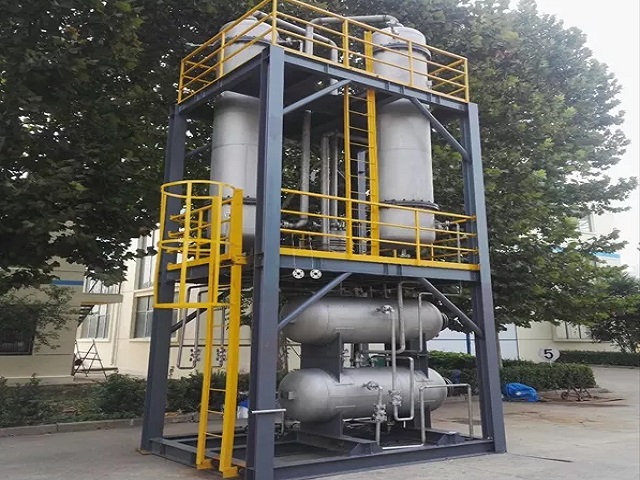
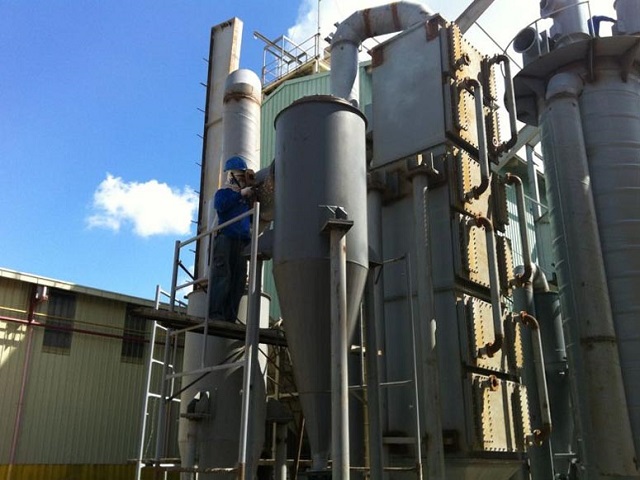




 Peru
Peru Chile
Chile Argentina
 Mexico
 Colombia
 Brazil
 USA
USA Canada
 United Kingdom
 France
 Germany
 Spain
Spain Italy
Italy Netherlands
 Sweden
 Switzerland
 Poland
 Portugal
 Ireland
 Czechia
 Romania
 Hungary
 Austria
 Greece
 Kazakhstan
 Uzbekistan
 Turkmenistan
 Algeria
 Egypt
Egypt Nigeria
 Kenya
Kenya South Africa
 Saudi Arabia
 UAE
UAE Israel
 Russia
 India
India China
China Japan
Japan South Korea
 Thailand
 Vietnam
 Malaysia
 Singapore
 Indonesia
 Philippines
 Australia
 New Zealand