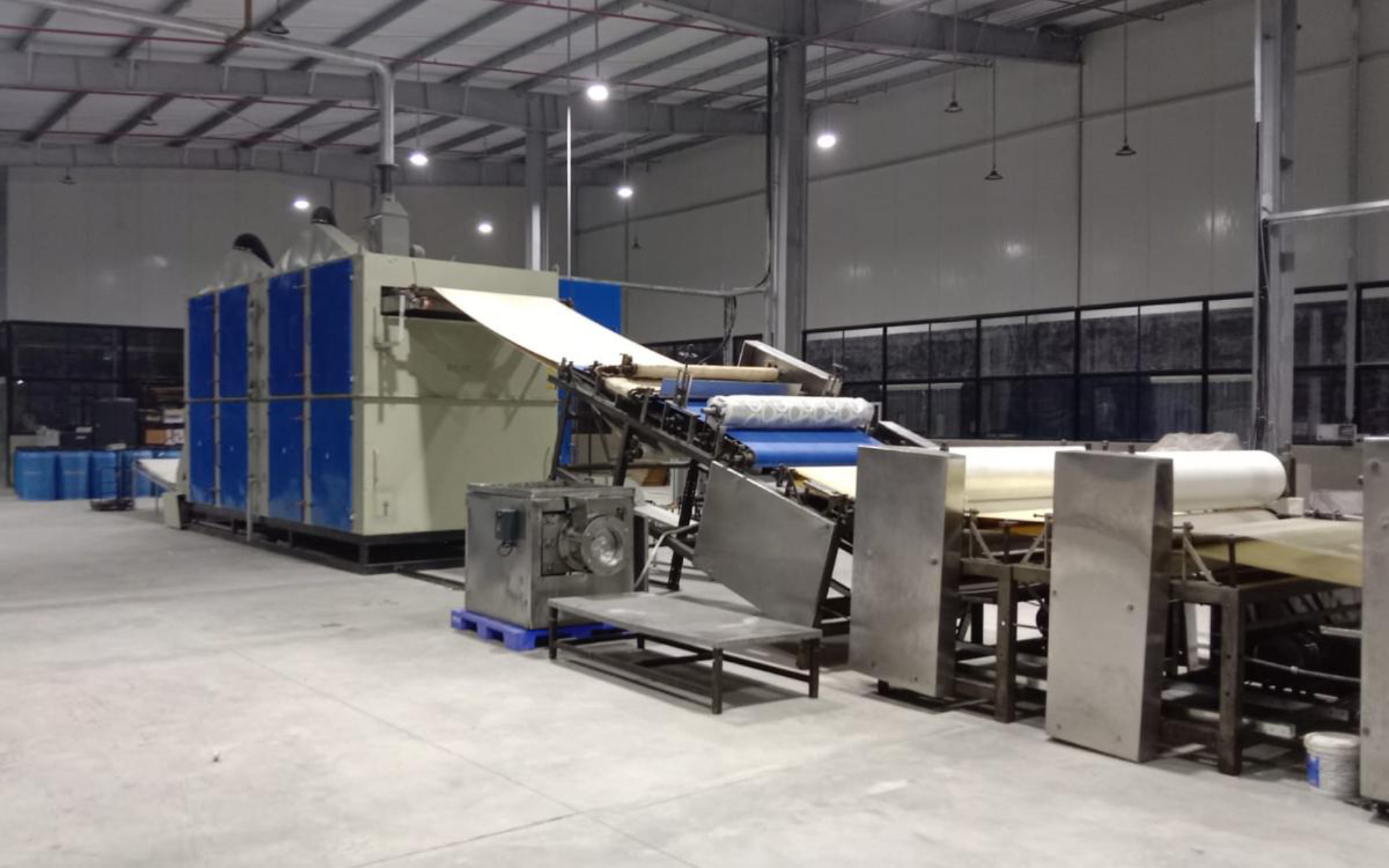
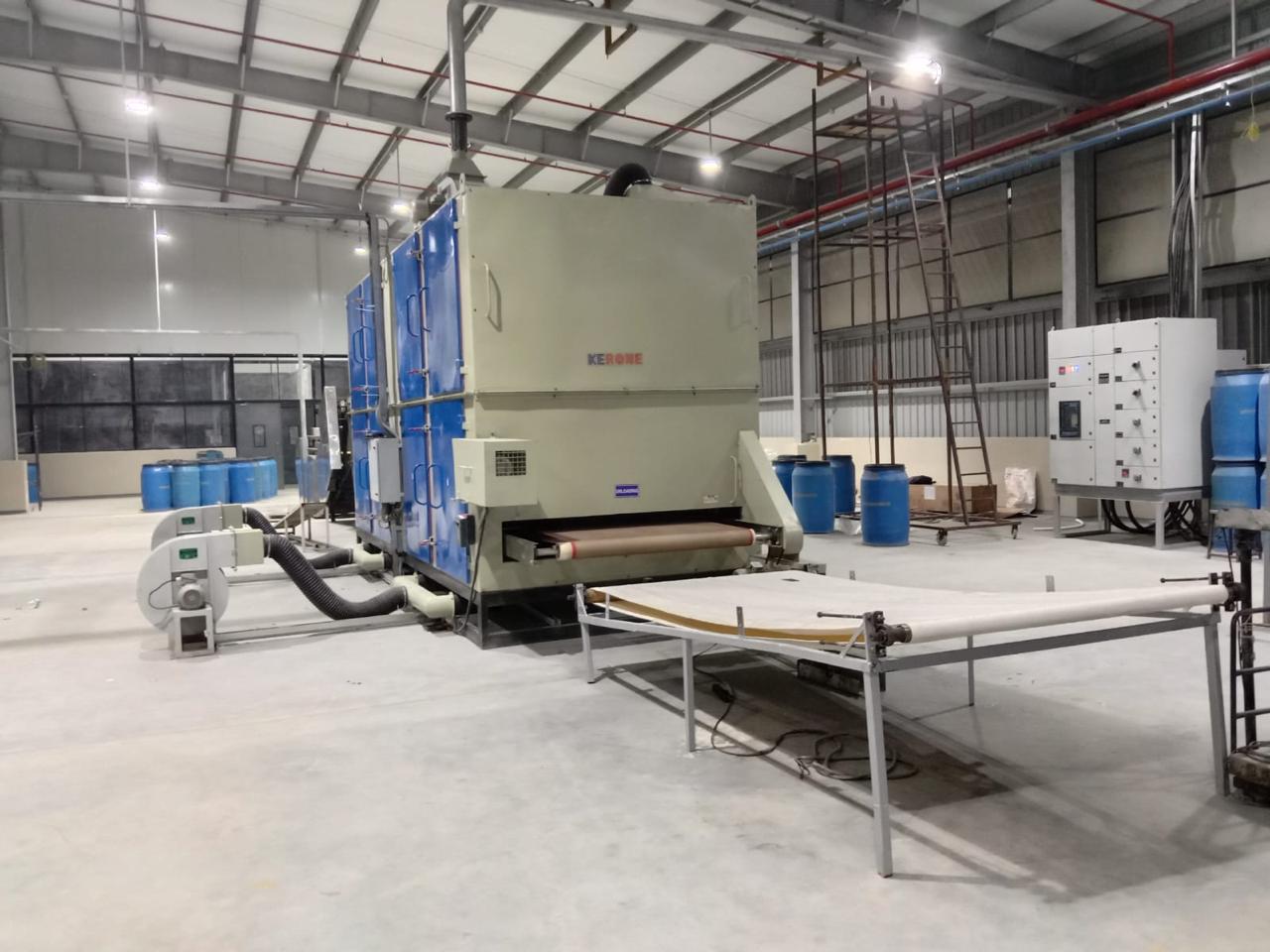
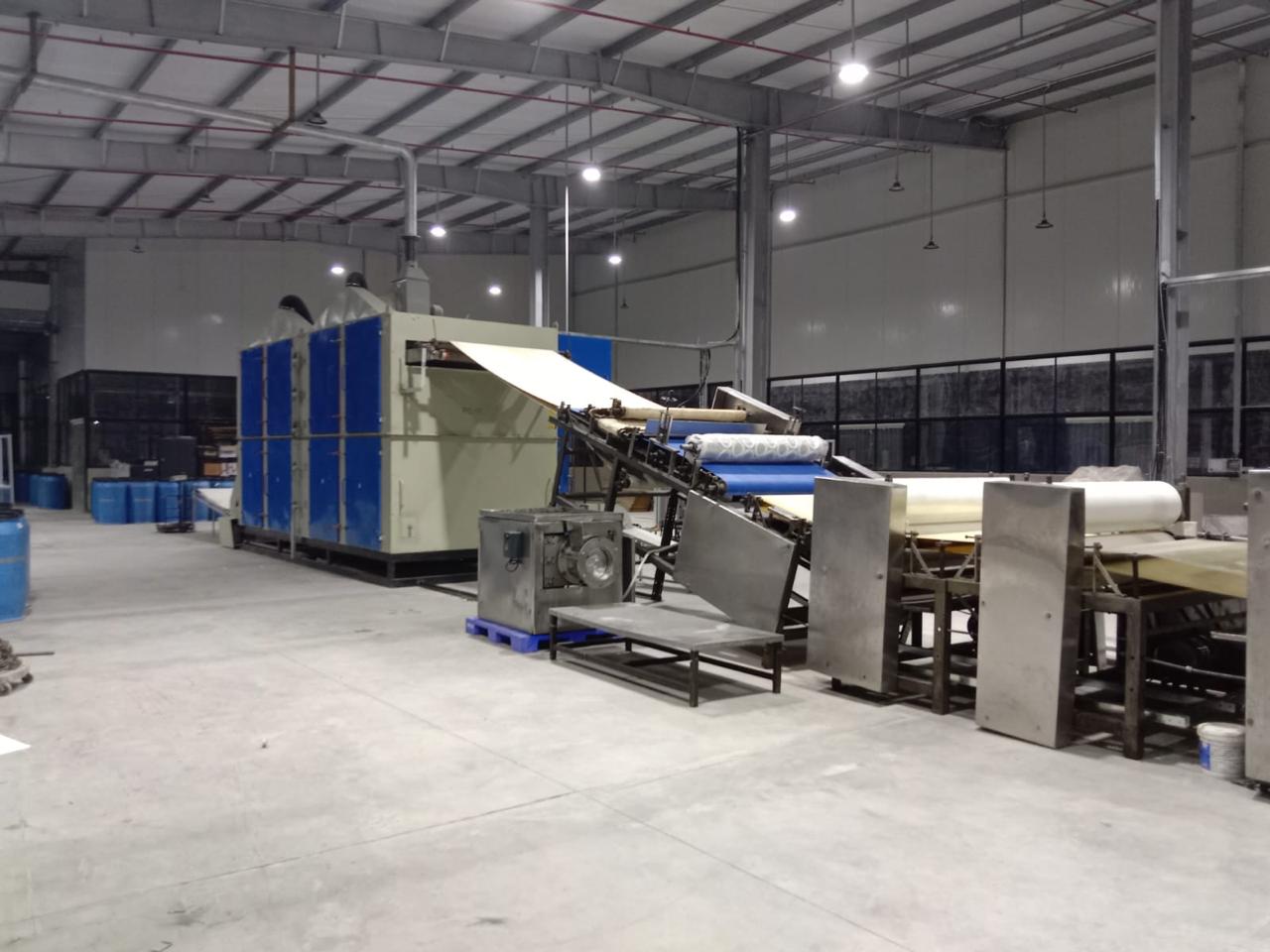
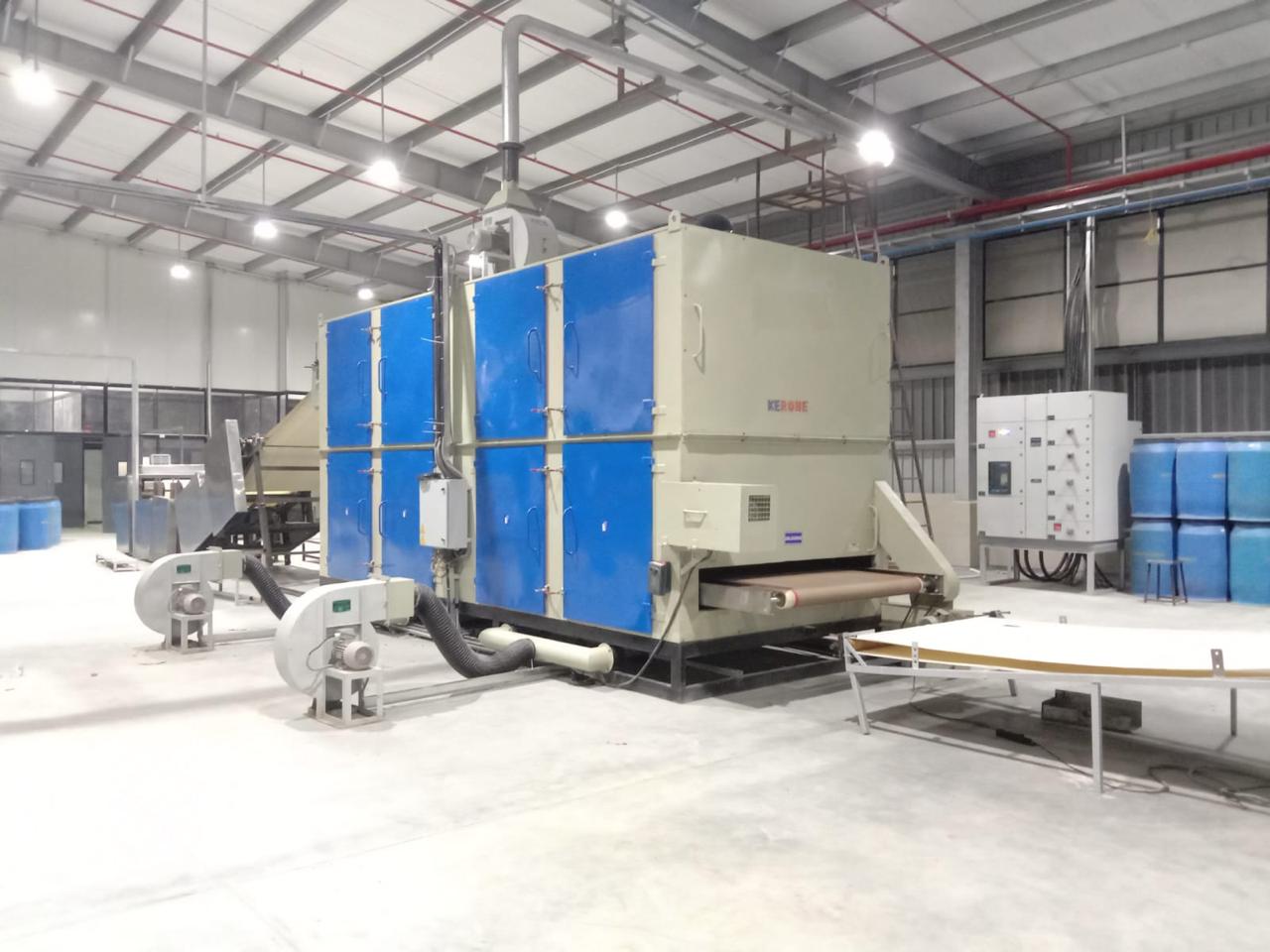
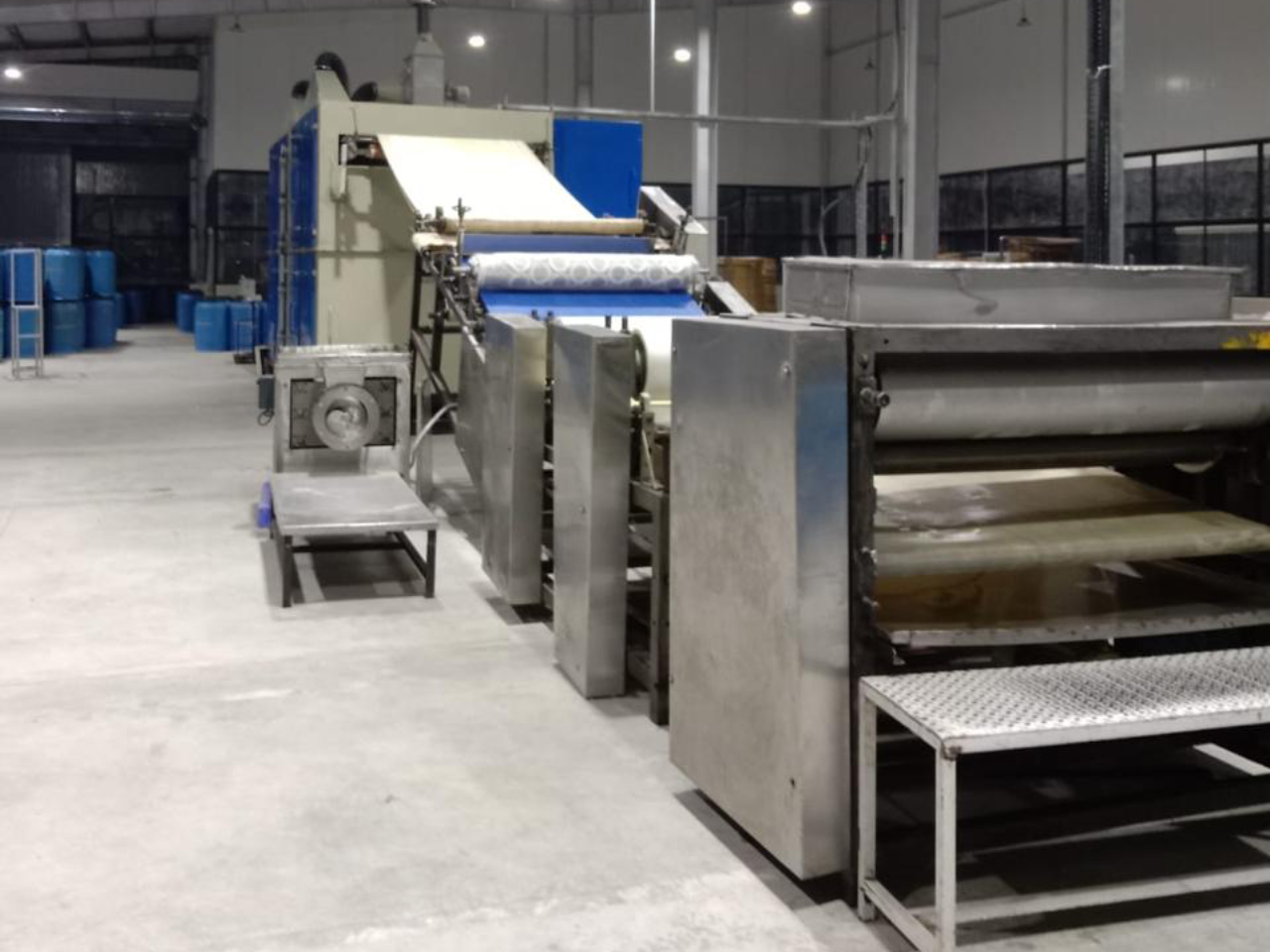
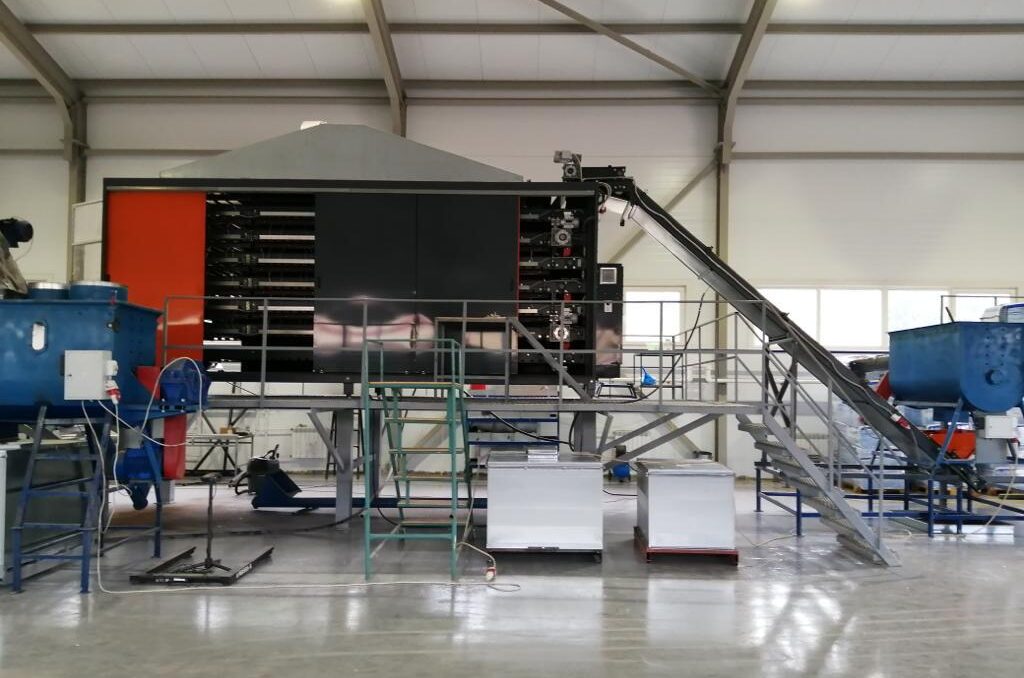
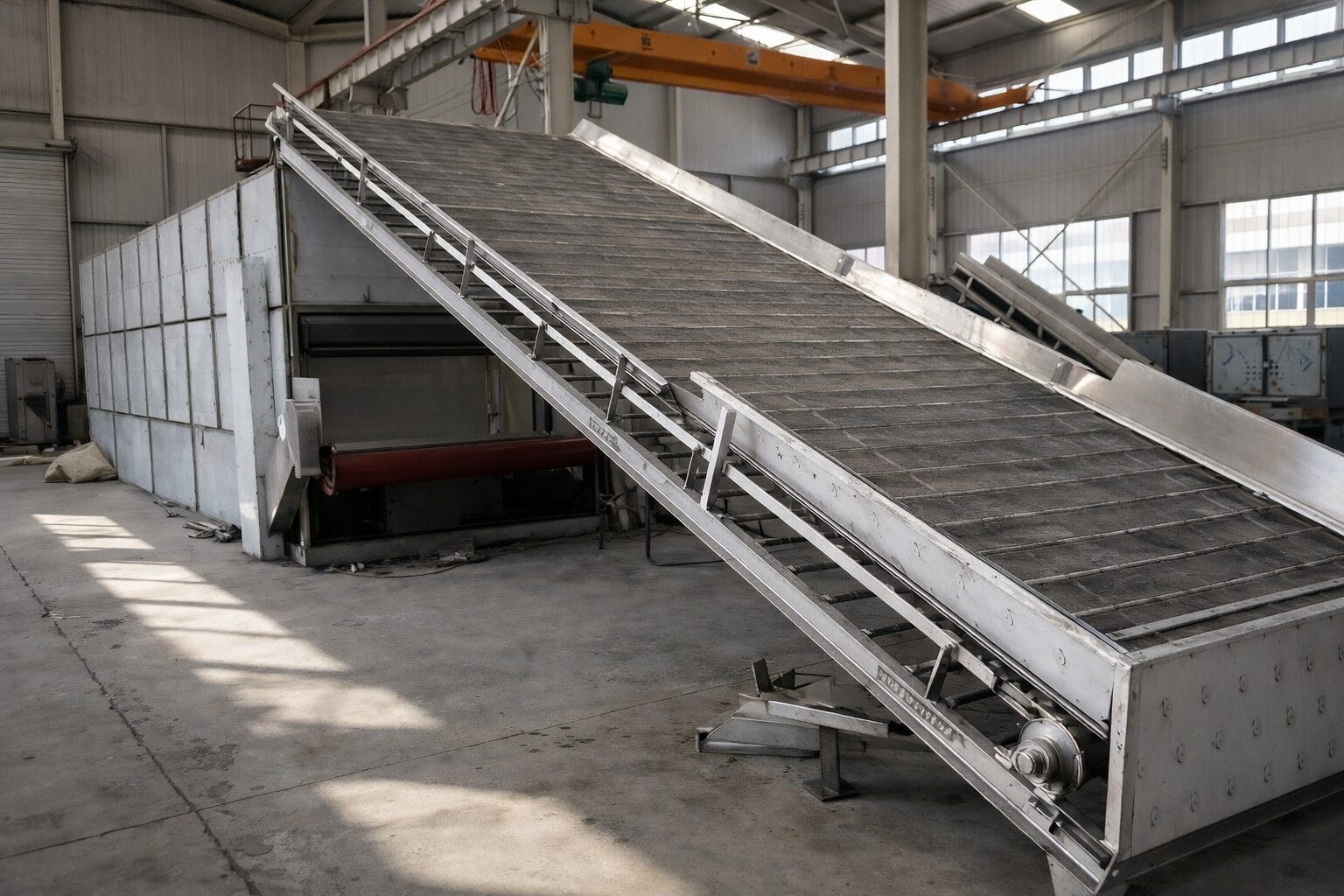
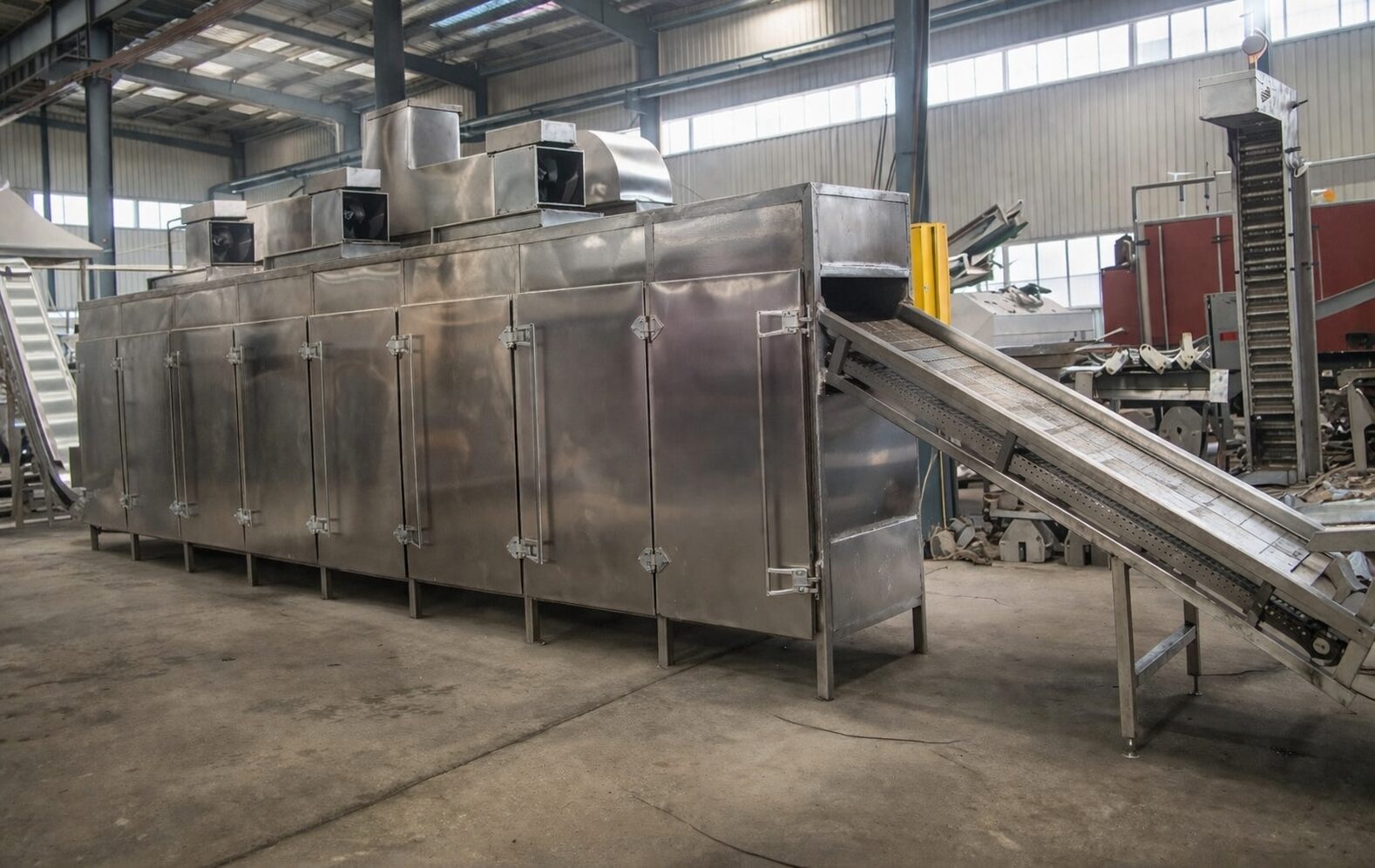
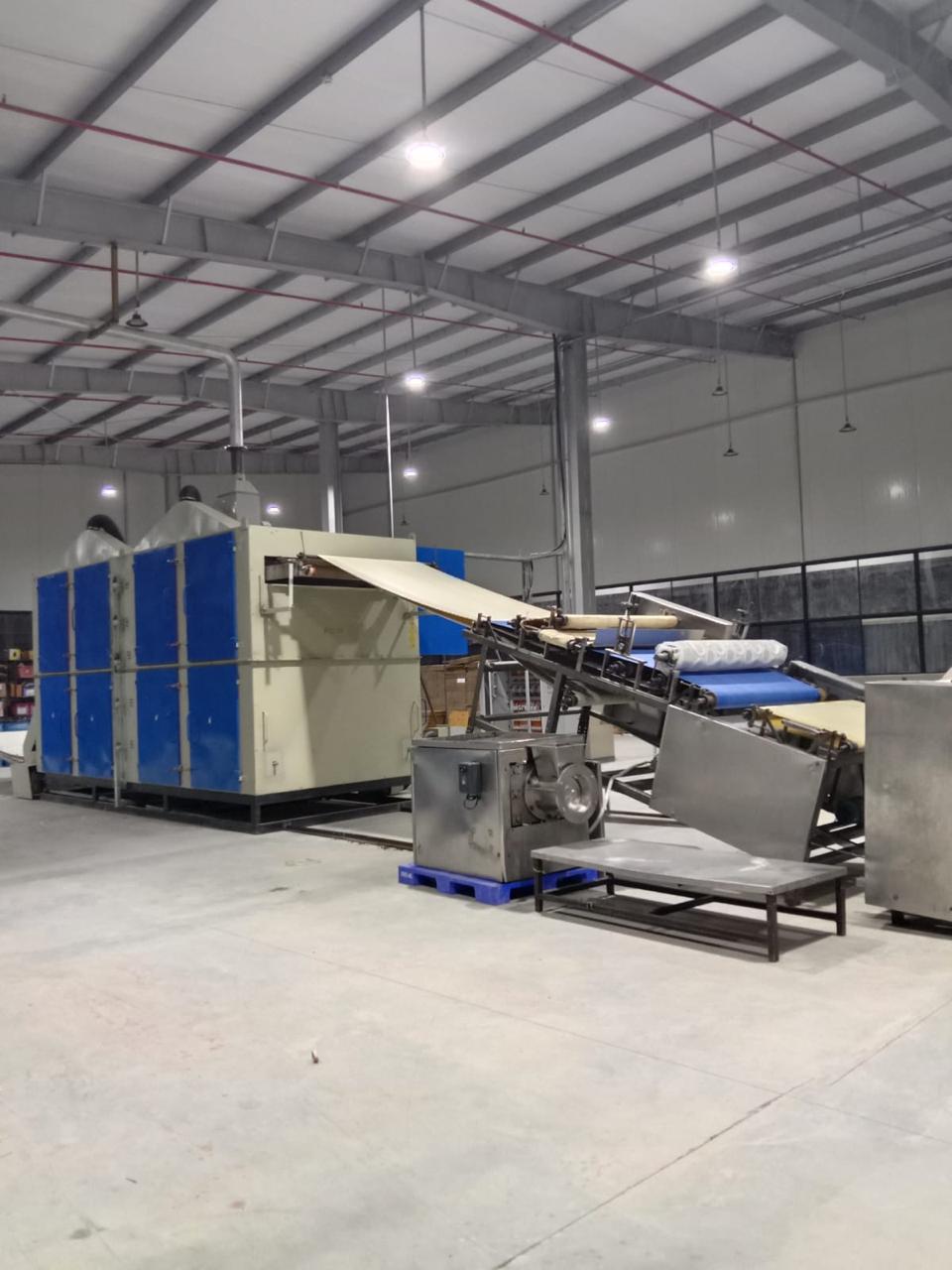
Hot air is circulated from downward or upward or in a combination of both in order to improve equality in treatment. Band dryers are commonly fitted with the feeding, spreading, cleaning, heating and cooling sections. Band dryer designed and crafted by Kerone are suitable for any type of product like fragile, sticky, pasty products or products requiring long and accurate residence time.
With over five decades of expertise, Kerone has established itself as a global leader in designing and manufacturing imperial and band dryers tailored to industrial needs. The imperial and band dryers are engineered to provide rapid and efficient drying through innovative heat transfer methods, ensuring precise moisture control and uniform output quality.
Why Choose Kerone Imperial and Band Dryers
Kerone’s imperial and band dryers stand out for their engineering precision, energy optimization, and adaptability to various industrial materials. Every system is designed with deep process understanding, ensuring reduced operational costs, enhanced product quality, and sustainable performance.
At Kerone, we produce high quality band dryers which are belongs to family of continuous conventional heat transfer type dryer. Imperial and Band dryers consist of conveyor belts mounted one above the other like multi stacks. Multilayer helps in achieving long residence time, multi-pass units in limited floor space. Multiple modular sections with independent heating and air circulation system are used to created Band dryers. The commonly used continuous band dryer encompasses of single pass conveyor employing through air circulation.
Types and Features of Imperial and Band Dryers
Kerone provides multiple variants of imperial and band dryers to cater to diverse production requirements. Depending on the drying principle and operational needs, these dryers may be configured for high-speed air flow, rotary motion, or continuous conveyance systems.
Each dryer integrates advanced control systems for temperature, air velocity, and residence time, ensuring precise drying for different materials from food powders to chemical compounds.
Types of Conveyor Supported:
Continuous perforated belt
Hinged perforated plates
Wire mesh belt
Wire and struts belt
Features:
Easy Zoning: Temperature, humidity, and airflow speed can be easily set and controlled for each drying zone.
Uniform Drying: Drying time can be precisely adjusted to ensure consistent heat transfer and even drying across the product.
Clean Drying: Materials are dried within the band dryer chamber at a uniform moving speed, resulting in minimal damage and dust formation.
Product Suitability: Suitable for grinding and shaping sludge or irregularly shaped materials before drying.
Multi-Staging Capability: Available in single-stage or multi-stage configurations to handle both high and low production volumes.
Customizable Design: Can be configured with different heat sources (hot air, oil, electric, etc.), humidity controls (humidifier, dehumidifier), and airflow patterns (top, bottom, vertical, horizontal, etc.).
Key Features
High drying rate with efficient heat transfer design.
Energy-efficient operation with controlled temperature settings.
Ideal for heat-sensitive and moisture-rich materials.
Fully automated operation with minimal manual intervention.
Robust construction suitable for continuous operation.
Uniform drying ensuring product consistency.
Flexible design adaptable for various industries.
Reduced operational downtime and maintenance costs.
Powered by AI, ML & IoT
Future-Ready Engineering Driven by AI & IoT
Our advanced AI, ML, and IoT technologies, this solution delivers smarter automation, real-time insights, and predictive intelligence to enhance efficiency and drive future-ready growth.
Real-Time Monitoring & Control
Continuous tracking of process parameters with instant adjustments.
Predictive Maintenance
Intelligent fault detection to prevent failures before they occur.
Adaptive Process Optimization
Dynamic tuning of operations for maximum output and efficiency.
Cloud Dashboards & Analytics
Unified access to real-time insights and performance trends.
Energy & Resource Savings
Smarter utilization of energy to cut costs and reduce waste.
Secure IoT Connectivity
Encrypted data flow with seamless integration across plant systems.
Applications of Imperial and Band Dryers
Kerone’s imperial and band dryers are widely adopted in multiple industries, providing efficient moisture removal and maintaining material integrity. Common applications include:
Food & Dairy
Milk powder, starch, coffee, and fruit pulp drying.
Chemical
Drying of pigments, catalysts, and polymer granules.
Pharmaceutical
Spray-drying of extracts and heat-sensitive drugs.
Textile
Removal of residual moisture from fabric and yarn.
Agricultural
Drying of grains, seeds, and organic fertilizers.
Kerone’s imperial and band dryers exemplify innovation and quality. Built with advanced materials and intelligent controls, they ensure maximum efficiency, durability, and adaptability. Kerone continues to pioneer industrial drying solutions that combine technology with sustainability, empowering industries with precision drying performance.
The system offers significant energy savings through efficient gas recycling, reducing overall fuel consumption and operating costs. It ensures highly homogeneous treatment of materials, delivering consistent and uniform processing results. Operators can precisely adjust temperature, gas velocity, and gas flow direction in each section, allowing complete control over the drying or heating process. Multiple processing stages can be carried out within a single piece of equipment, improving productivity while minimizing space requirements. The equipment is highly versatile, suitable for a wide range of processes and industrial applications. It also enables accurate control of product residence time to achieve the desired moisture or treatment level. Additionally, various accessories can be integrated to introduce mechanical action on the product, enhancing performance and adapting the system to specific material characteristics.
Seamless Export Connections Global & Local
Our Global Footprint in Industrial Excellence
Delivering world-class industrial and process solutions across countries with precision, innovation, and reliability.
Peru
Chile
Argentina
Mexico
Colombia
Brazil
USA
Canada
United Kingdom
France
Germany
Spain
Italy
Netherlands
Sweden
Switzerland
Poland
Portugal
Ireland
Czechia
Romania
Hungary
Austria
Greece
Kazakhstan
Uzbekistan
Turkmenistan
Algeria
Egypt
Nigeria
Kenya
South Africa
Saudi Arabia
UAE
Israel
Russia
India
China
Japan
South Korea
Thailand
Vietnam
Malaysia
Singapore
Indonesia
Philippines
Australia
New Zealand
Pan-India Presence. Local Expertise.
Raipur
Bilaspur
Panaji
Vasco da Gama
Gandhinagar
Ahmedabad
Surat
Chandigarh
Gurgaon
Shimla
Manali
Bengaluru
Mysore
Kochi
Pune
Mumbai
Thane
Navi Mumbai
Hyderabad
Chennai
Coimbatore
Kolkata
Lucknow
Jaipur
Udaipur
Jodhpur
Dehradun
Haridwar
Bhubaneswar
Product Gallery
Frequently Asked Questions (FAQ)
A imperial and band dryers is a system that removes moisture using controlled heat and airflow for uniform drying results.
It operates through a process of heat transfer and air circulation to evaporate moisture from materials efficiently.
It provides high efficiency, uniform drying, and low energy consumption.
Industries such as food, chemical, pharmaceutical, and textile rely heavily on these dryers.
Yes, Kerone designs systems tailored to specific process and material needs.
The design ensures quick cleaning and minimal servicing requirements.
Kerone’s systems are optimized for reduced power consumption and higher heat utilization.
Yes, belt speed, airflow, and temperature can be tailored to product needs.
A multi-pass band dryer routes the product conveyor belt through multiple horizontal passes, stacked vertically within a single dryer housing before the product exits. This means the effective drying length is multiplied by the number of passes without extending the dryer footprint. A three-pass configuration provides three times the residence time of a single-pass unit of the same physical length. This is particularly valuable in retrofitting drying capacity into existing production buildings where floor space is limited. The product transfers between passes by gravity or guided chutes, which also provides gentle mixing that can improve drying uniformity on the lower passes.
Band dryer belts are specified based on the product characteristics, operating temperature, and hygiene requirements. Woven wire mesh belts in stainless steel are standard for food-grade and high-temperature applications, the open mesh structure allows airflow through the product bed, maximising drying efficiency. Plastic modular belts offer food-grade compliance at lower temperatures and are easier to clean. Rubber-coated or solid belts are used when fine particles cannot fall through the mesh. Belt pitch, wire diameter, and mesh aperture are selected to balance product support (preventing small particles from falling through) with adequate open area for airflow. The belt is a significant wear item and should be specified with the product contact and cleaning requirements clearly defined.
Band dryers excel in food and agricultural applications where the product is a discrete piece or granule that would be damaged by tumbling or agitation. Sliced vegetables, fruit pieces, pasta, biscuits, pet food kibble, extruded snacks, fish, meat strips, and herb leaves are processed on band dryers where the product travels through the drying zones undisturbed. The dryer's ability to control residence time precisely by adjusting belt speed, combined with independent temperature and airflow control in each zone, makes it possible to match the drying curve of almost any product. This combination of gentle handling and process flexibility is difficult to replicate in rotary or fluidised bed dryers for piece-form products.
The drying process has two distinct phases: a constant-rate period where surface moisture evaporates rapidly and temperature can be applied more aggressively, followed by a falling-rate period where bound internal moisture migrates slowly to the surface and overheating causes case-hardening or colour damage. Multi-zone band dryers are configured so that the first one or two zones operate at higher temperatures to drive off free moisture quickly, while the later zones reduce temperature and increase recirculation to gently draw out residual moisture without damaging the product structure. For thermally sensitive products like dried herbs or spices, a final cool-down zone before the product exits also prevents condensation during downstream packaging.
Even product distribution across the full width of the conveyor belt is critical for uniform drying. Irregular feed distribution leaves some areas of the belt thinly covered and others over-loaded, creating dry and wet zones within the same batch. Kerone addresses this with engineered product distributors at the feed inlet - vibratory spreaders, oscillating chutes, or levelling rolls that spread the product uniformly across the belt width. Photo-electric sensors can detect distribution anomalies and adjust the spreader in real time. For sticky or cohesive products prone to bridging, the feed hopper is fitted with agitators or vibrators to maintain consistent flow onto the belt without interruption.
A band dryer uses a continuously moving permeable conveyor belt that allows drying air to pass through the product layer, from above and below. A tunnel dryer typically moves product through the tunnel on trays, trolleys, or hangers without forced through-flow of air through the product bed itself. Band dryers achieve much better drying uniformity for granular or particulate products because the air contacts all surfaces more uniformly. Tunnel dryers are preferred for large, solid, or surface-coated articles - pottery, painted panels, printed boards where the product form does not allow through-airflow. If your product can be spread onto a permeable belt, a band dryer will generally out-perform a tunnel dryer on drying efficiency and batch-to-batch consistency.
Food-grade band dryers must be designed for cleanability from the outset, not retrofitted. This means stainless steel construction with sealed welds, rounded internal corners with generous radii, removable belt sections, hinged access panels on all sides, and spray-down nozzle ports for CIP (clean-in-place) or manual wash-down. The conveyor belt must be removable or at minimum accessible along its full length for manual cleaning. Drainage points should be positioned to prevent water pooling. HACCP compliance requires that all lubricants are food-grade (NSF H1 rated), and that no lubricant application points are positioned above the product contact zone. Cleaning validation requires documentation of the CIP or wash-down procedure, water temperature, and detergent concentration.
Kerone’s custom-designed heating and processing solutions are built to meet the demands of your growing operations. Whether you’re upgrading equipment, expanding production, or need a tailor-made solution

 Peru
Peru Chile
Chile Argentina
 Mexico
 Colombia
 Brazil
 USA
USA Canada
 United Kingdom
 France
 Germany
 Spain
Spain Italy
Italy Netherlands
 Sweden
 Switzerland
 Poland
 Portugal
 Ireland
 Czechia
 Romania
 Hungary
 Austria
 Greece
 Kazakhstan
 Uzbekistan
 Turkmenistan
 Algeria
 Egypt
Egypt Nigeria
 Kenya
Kenya South Africa
 Saudi Arabia
 UAE
UAE Israel
 Russia
 India
India China
China Japan
Japan South Korea
 Thailand
 Vietnam
 Malaysia
 Singapore
 Indonesia
 Philippines
 Australia
 New Zealand