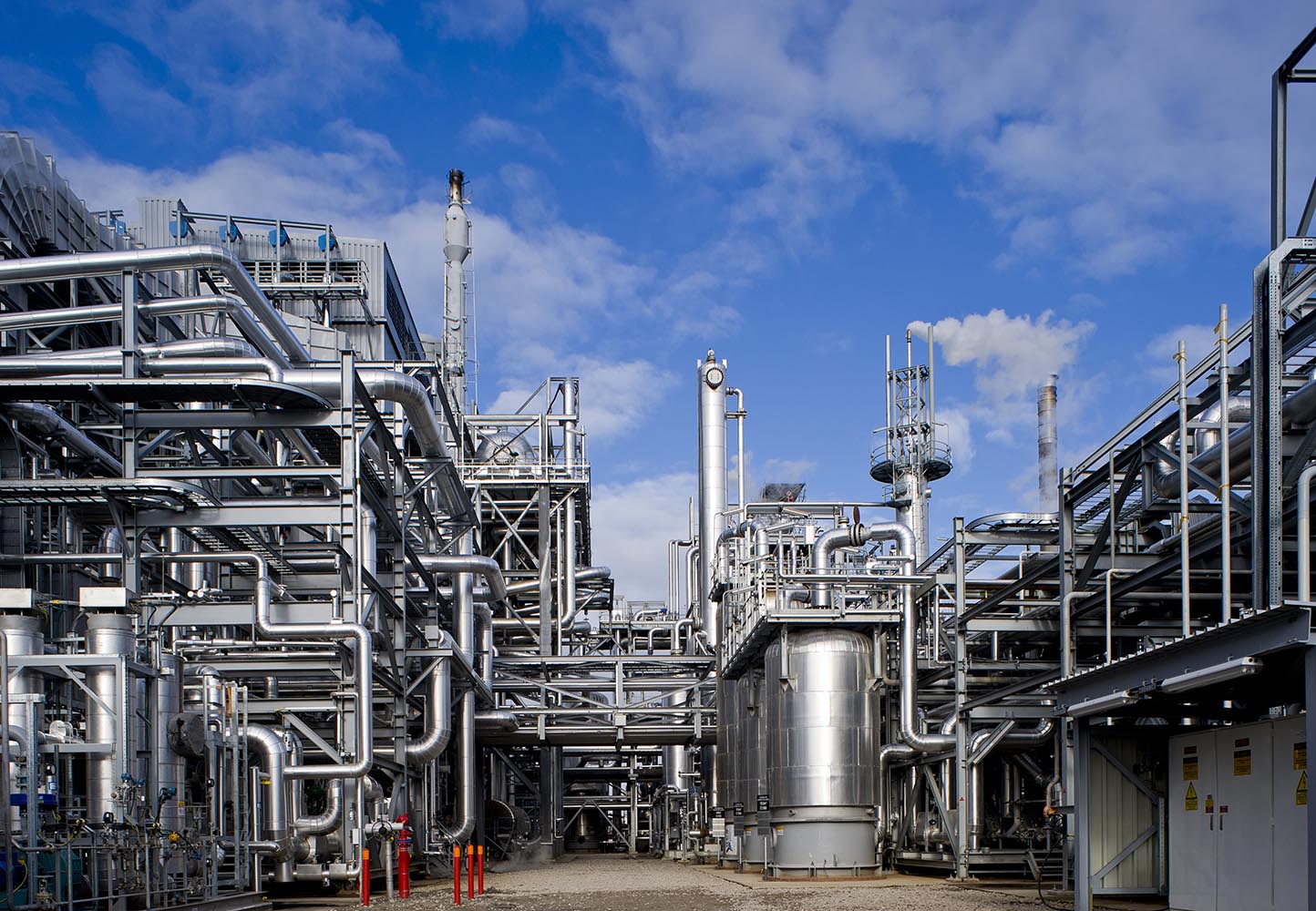
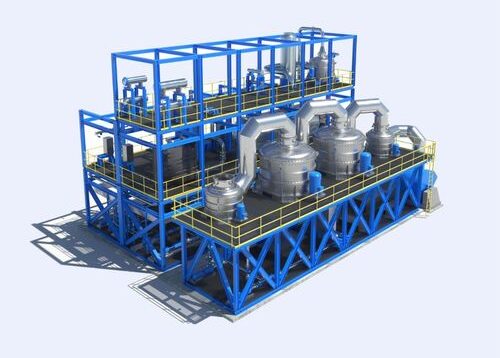
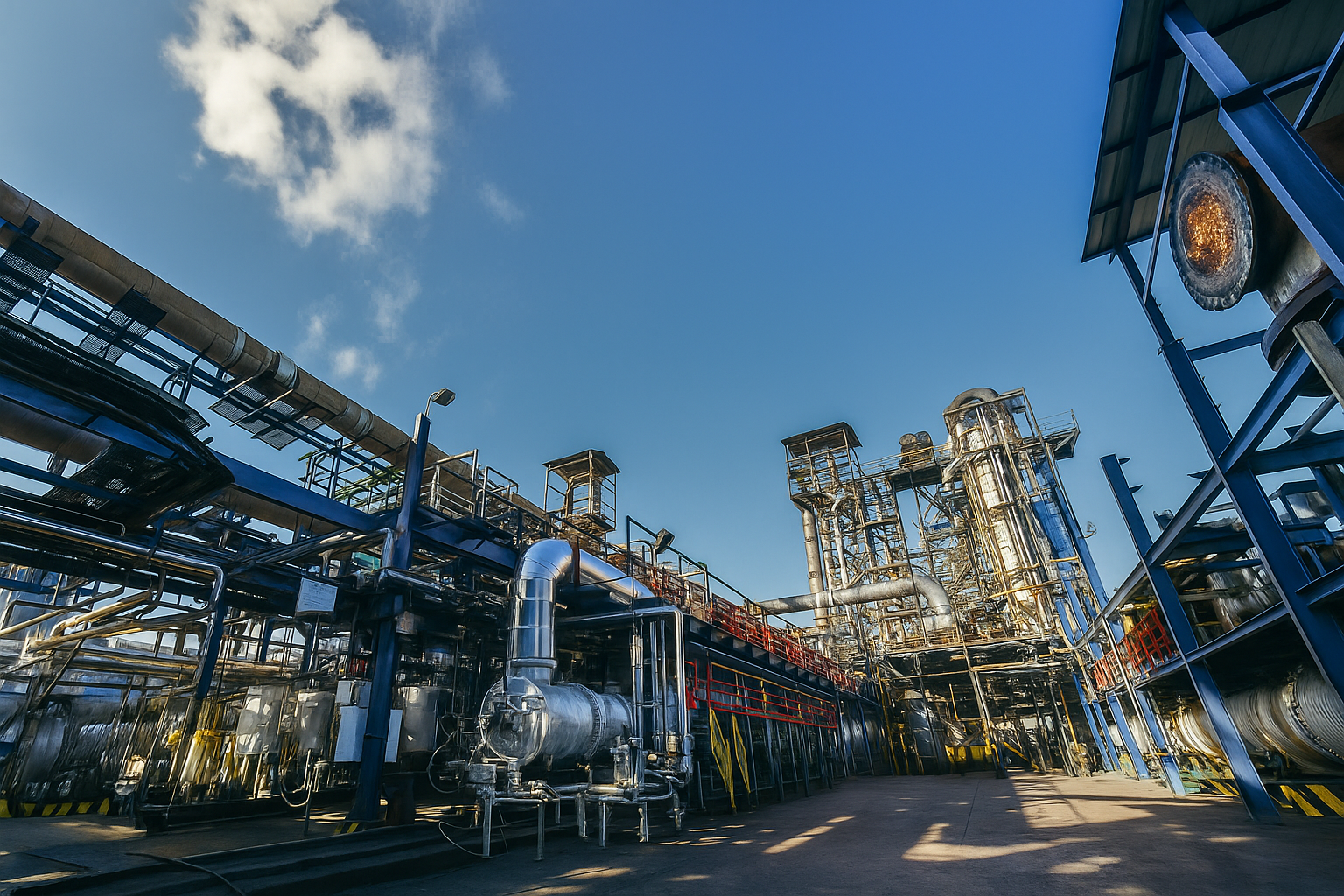
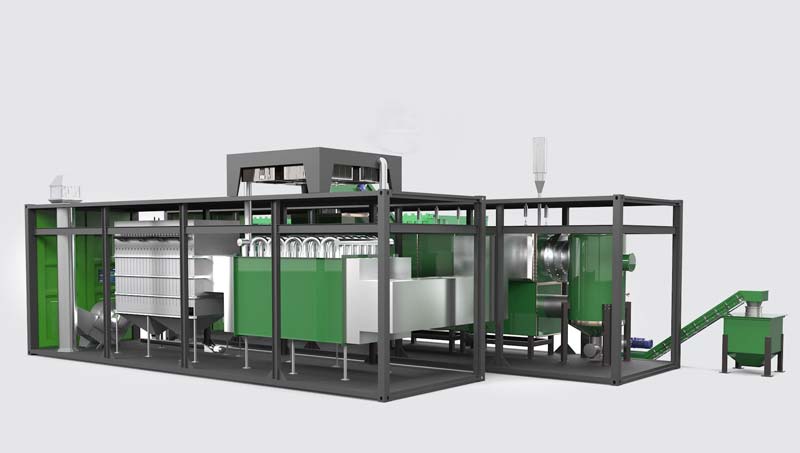
Kerone provides advanced biocarbon engineered to deliver high efficiency, precision, and industrial-grade reliability. With over 48 years of expertise across thermal, infrared, RF, microwave, and mechanical engineering, Kerone develops customized systems tailored to industry-specific requirements, ensuring maximum productivity and operational stability.
BioCarbon is an alternative generation hybrid technology which incorporates the advantages of the algae-derived carbon capture technology and biochar-derived carbon storage technology into a single, integrated technology. This two-fold system does not only trap carbon in the atmosphere but also replenishes the nutrients that are necessary and puts the balance between the terrestrial and aquatic ecosystems back to track.
Why Choose Kerone BioCarbon
BioCarbon is a decarbonization and nutrient management hybrid model. Algae are also effective in the capture of carbon in the air and water and converting it to biomass, which can be converted into biochar using thermochemical procedures such as pyrolysis. The resulting biochar is a good carbon sink with the ability to lock away carbon centuries and enhance soil fertility and soil structure. The effect of this synergy is a closed-loop system of carbon capture, conversion, and storage that creates a cycle of carbon capture, conversion, and storage that is unrestricted.
Types and Features of BioCarbon
BioCarbon has a solution in a variety of industries in practice. In the agricultural sector, it improves the health of the soil, yield of crops and decreases the reliance on chemical fertilizers. In blue carbon systems, Kerone’s BioCarbon solutions will be used to encourage the restoration of marine ecosystems through the use of algae rich in nutrients to capture carbon and valorise its biomass. In the industrial and energy industry, BioCarbon can provide sustainable substitutes of fossil-based materials and fuels that are part of carbon-neutral production and cleaner technologies.
Finally, BioCarbon incorporates the values of the circular carbon economy, converting organic waste to useful, reusable products like kerone incorporates without compromising the ecological situation.
Advantages:
Dual Carbon Capture Model
Circular Carbon Economy Model
Renewable Energy & Biomass Usage
Data-Driven Carbon Accounting
Enhanced Soil Fertility and Productivity
Reduction in Greenhouse Gas Emissions
Sustainable Waste-to-Value Conversion
Long-Term Carbon Sequestration
Support for Climate-Positive Agriculture
Integration with AI and Smart Monitoring Systems
Contribution to Net-Zero Emission Goals
Scalable and Cost-Effective Carbon Solutions
Key Features
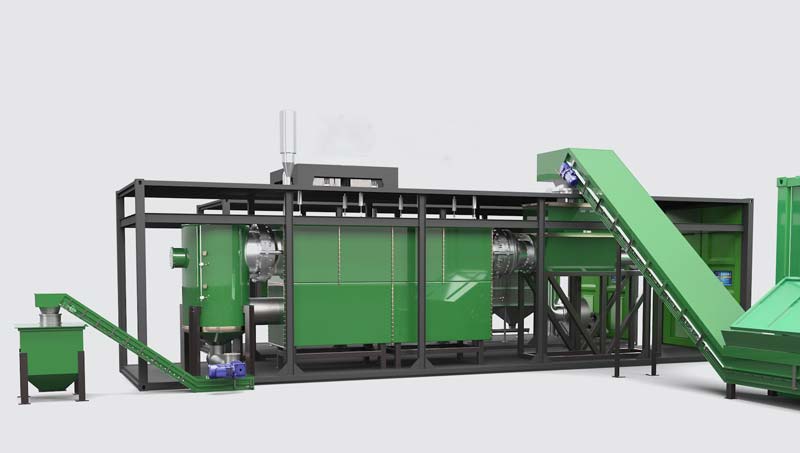
Multi-feedstock capability processing agricultural residues, wood, sludge, and food waste
Continuous rotary kiln, batch retort, and hydrothermal carbonization (HTC) system options
Precise pyrolysis temperature and residence time control for targeted biocarbon properties
Syngas recovery and combustion system for process energy self-sufficiency
High-efficiency biocarbon cooling and dedusting systems for safe product handling
Zero-liquid-discharge design options for HTC condensate recycling
Modular plant design scalable from 1 TPD to 100+ TPD biocarbon output
Powered by AI, ML & IoT
Future-Ready Engineering Driven by AI & IoT
Our advanced AI, ML, and IoT technologies, this solution delivers smarter automation, real-time insights, and predictive intelligence to enhance efficiency and drive future-ready growth.
Real-Time Monitoring & Control
Continuous tracking of process parameters with instant adjustments.
Predictive Maintenance
Intelligent fault detection to prevent failures before they occur.
Adaptive Process Optimization
Dynamic tuning of operations for maximum output and efficiency.
Cloud Dashboards & Analytics
Unified access to real-time insights and performance trends.
Energy & Resource Savings
Smarter utilization of energy to cut costs and reduce waste.
Secure IoT Connectivity
Encrypted data flow with seamless integration across plant systems.
Applications of BioCarbon
Kerone’s Biocarbon production systems are extensively used in agricultural, environmental, and energy sectors. Typical applications include:
Agriculture and Agritech
Marine and Aquaculture
Energy & Biofuel
Construction & Green Infrastructure
Research & carbon Markets
Waste Management and Recycling
Forestry and Land Restoration
Environmental and Climate Technologies
Manufacturing and Industrial Processing
Corporate Sustainability and ESG Programs
Renewable Energy and Biochar Production
Policy and Climate Action Frameworks
Kerone’s Biocarbon production systems represent a technologically sophisticated and environmentally beneficial solution for converting organic waste streams into valuable, carbon-rich products that contribute to soil health, carbon sequestration, and industrial decarbonization. With comprehensive feedstock analysis, process design expertise, and post-production characterization support, Kerone ensures each biocarbon plant delivers a consistent, application-specific product that meets the quality requirements of agricultural, industrial, or carbon market customers. As global interest in biochar, carbon markets, and circular economy solutions continues to grow, Kerone’s biocarbon systems position clients at the forefront of sustainable biomass valorization.
Seamless Export Connections Global & Local
Our Global Footprint in Industrial Excellence
Delivering world-class industrial and process solutions across countries with precision, innovation, and reliability.
Peru
Chile
Argentina
Mexico
Colombia
Brazil
USA
Canada
United Kingdom
France
Germany
Spain
Italy
Netherlands
Sweden
Switzerland
Poland
Portugal
Ireland
Czechia
Romania
Hungary
Austria
Greece
Kazakhstan
Uzbekistan
Turkmenistan
Algeria
Egypt
Nigeria
Kenya
South Africa
Saudi Arabia
UAE
Israel
Russia
India
China
Japan
South Korea
Thailand
Vietnam
Malaysia
Singapore
Indonesia
Philippines
Australia
New Zealand
Pan-India Presence. Local Expertise.
Raipur
Bilaspur
Panaji
Vasco da Gama
Gandhinagar
Ahmedabad
Surat
Chandigarh
Gurgaon
Shimla
Manali
Bengaluru
Mysore
Kochi
Pune
Mumbai
Thane
Navi Mumbai
Hyderabad
Chennai
Coimbatore
Kolkata
Lucknow
Jaipur
Udaipur
Jodhpur
Dehradun
Haridwar
Bhubaneswar
Product Gallery
Frequently Asked Questions (FAQ)
BioCarbon combines algae-derived carbon capture with biochar-based carbon storage, forming a closed-loop system. It captures CO₂, converts biomass into biochar, and locks carbon for centuries while enhancing soil fertility and supporting the circular carbon economy.
By converting algal biomass into nutrient-rich biochar, BioCarbon restores soil health, boosts crop yield, and reduces fertilizer use. Its AI- and IoT-driven monitoring optimizes nutrient recycling and ensures long-term soil productivity.
Yes, BioCarbon works in aquatic and terrestrial ecosystems. It uses nutrient-rich algae to capture CO₂ and restore marine environments, extending carbon sequestration benefits to blue-carbon systems like aquaculture and wetlands.
IoT sensors track real-time carbon and nutrient data, while AI/ML algorithms optimize performance. This smart automation ensures maximum efficiency in carbon capture, nutrient recycling, and predictive system management.
BioCarbon enables long-term carbon sequestration and data-driven carbon accounting, supporting ESG and net-zero initiatives. It converts waste into value, promoting circular carbon economy practices across multiple industries.
You can use a variety of agricultural waste, wood chips, crop residues, and forestry byproducts. The system is flexible enough to handle both dry and slightly moist biomass materials.
The plant is equipped with integrated emission control and heat recovery systems. These capture harmful greenhouse gases and reuse thermal energy, ensuring the exhaust meets strict environmental safety standards.
The production plant can be configured for both continuous and batch operations. For large scale industrial needs, continuous processing ensures a steady output without frequent stops.
High moisture materials first pass through a specialized industrial drying section. This removes excess water before the actual carbonization process begins, ensuring a stable and consistent final product.
Yes. Because biocarbon exits the heating chamber at very high temperatures, it runs through a water or air based cooling conveyor to safely bring it down to room temperature before packaging.
We use automated control panels with multiple temperature sensors placed throughout the chamber. These sensors adjust the heat instantly to keep the internal environment exactly where it needs to be for optimal carbonization.
The plant includes automated safety shutoff valves, oxygen deprivation zones inside the reactor, and real time temperature alerts to prevent the material from catching fire.
Absolutely. The post processing section includes crushers and screeners that allow you to sort the final biocarbon into fine powders, granules, or larger chunks depending on your needs.
Yes, the system is designed to be modular. Our engineers can adapt the feeding and output mechanisms to connect directly with your current waste sorting or handling belts.
The interior of the processing chambers and the conveying screws are lined with high strength, heat resistant alloys that easily withstand continuous abrasion from tough materials.
Kerone’s custom-designed heating and processing solutions are built to meet the demands of your growing operations. Whether you’re upgrading equipment, expanding production, or need a tailor-made solution


 Peru
Peru Chile
Chile Argentina
 Mexico
 Colombia
 Brazil
 USA
USA Canada
 United Kingdom
 France
 Germany
 Spain
Spain Italy
Italy Netherlands
 Sweden
 Switzerland
 Poland
 Portugal
 Ireland
 Czechia
 Romania
 Hungary
 Austria
 Greece
 Kazakhstan
 Uzbekistan
 Turkmenistan
 Algeria
 Egypt
Egypt Nigeria
 Kenya
Kenya South Africa
 Saudi Arabia
 UAE
UAE Israel
 Russia
 India
India China
China Japan
Japan South Korea
 Thailand
 Vietnam
 Malaysia
 Singapore
 Indonesia
 Philippines
 Australia
 New Zealand