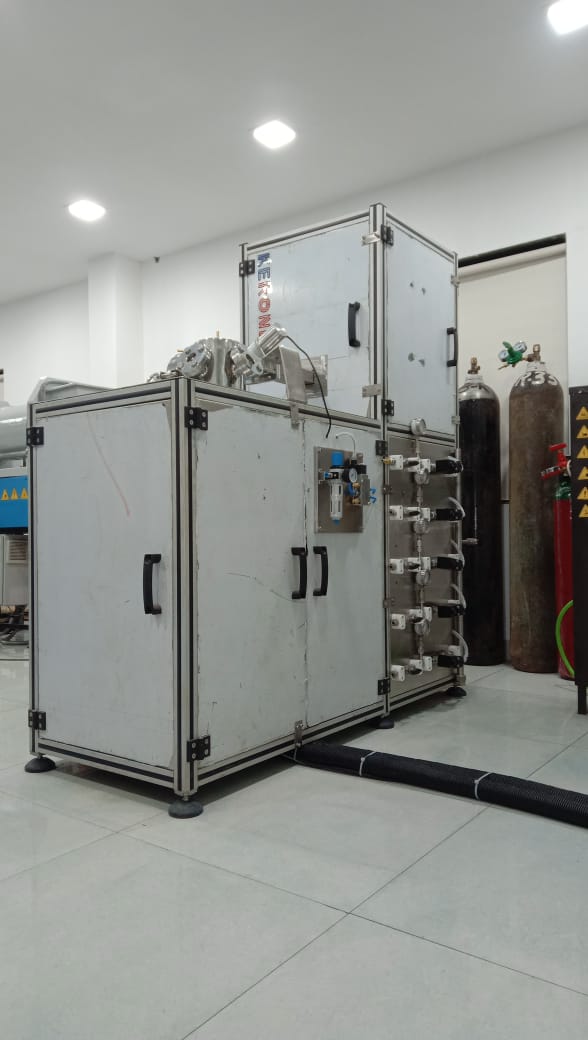
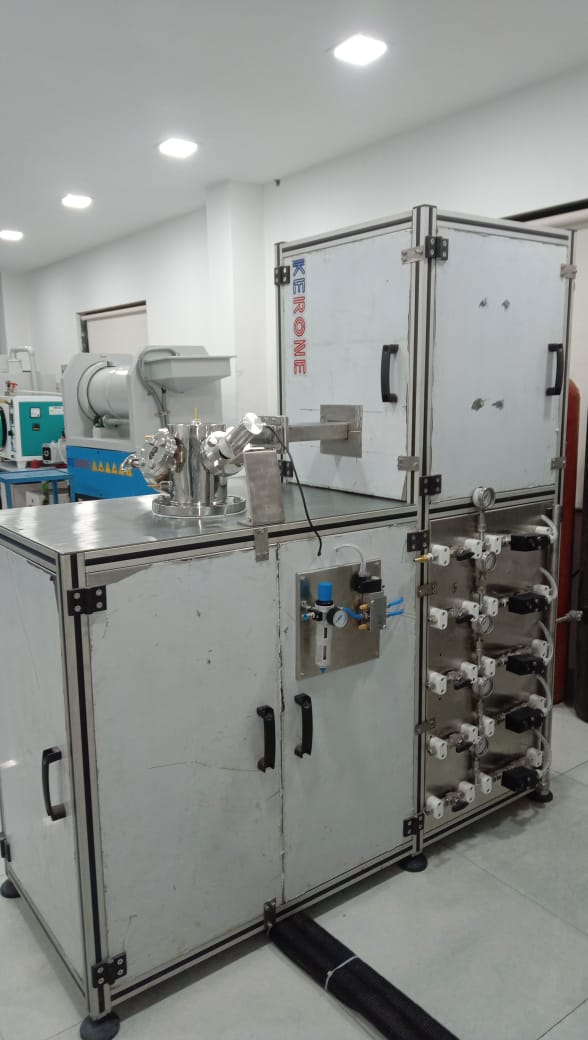
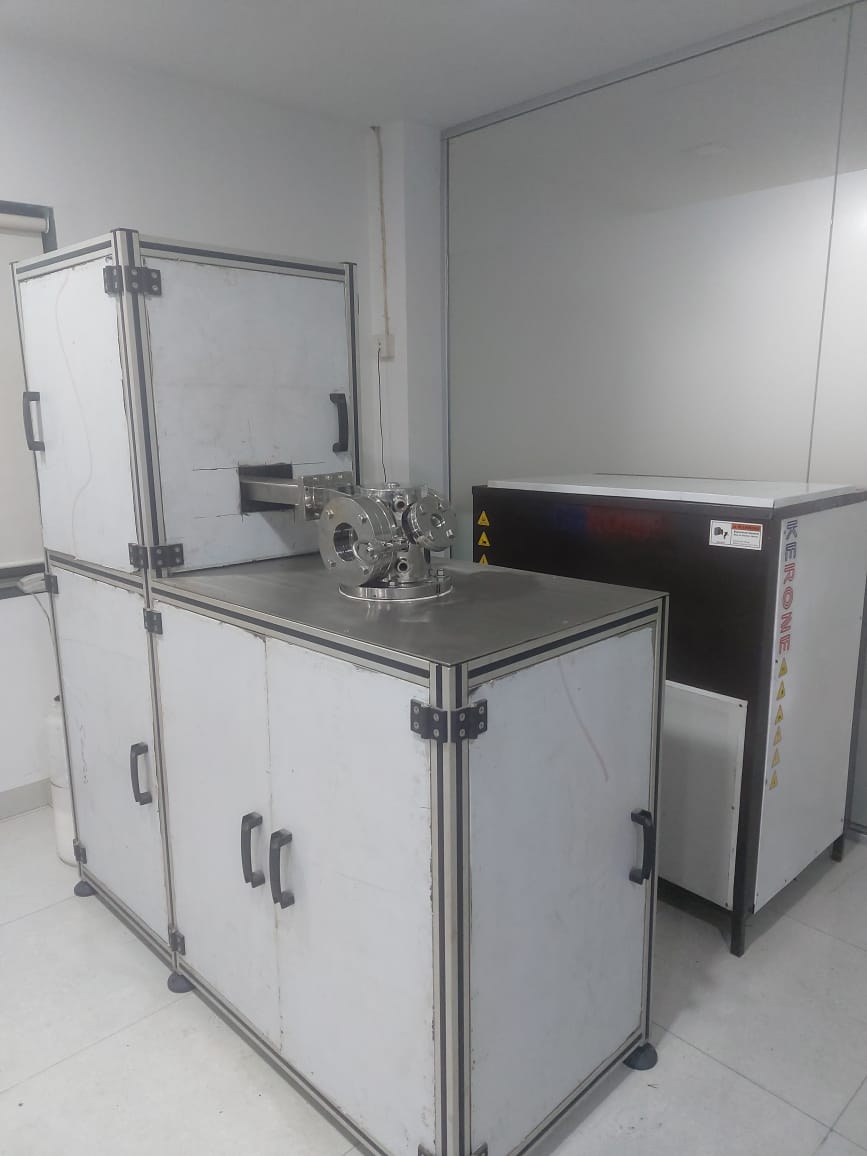
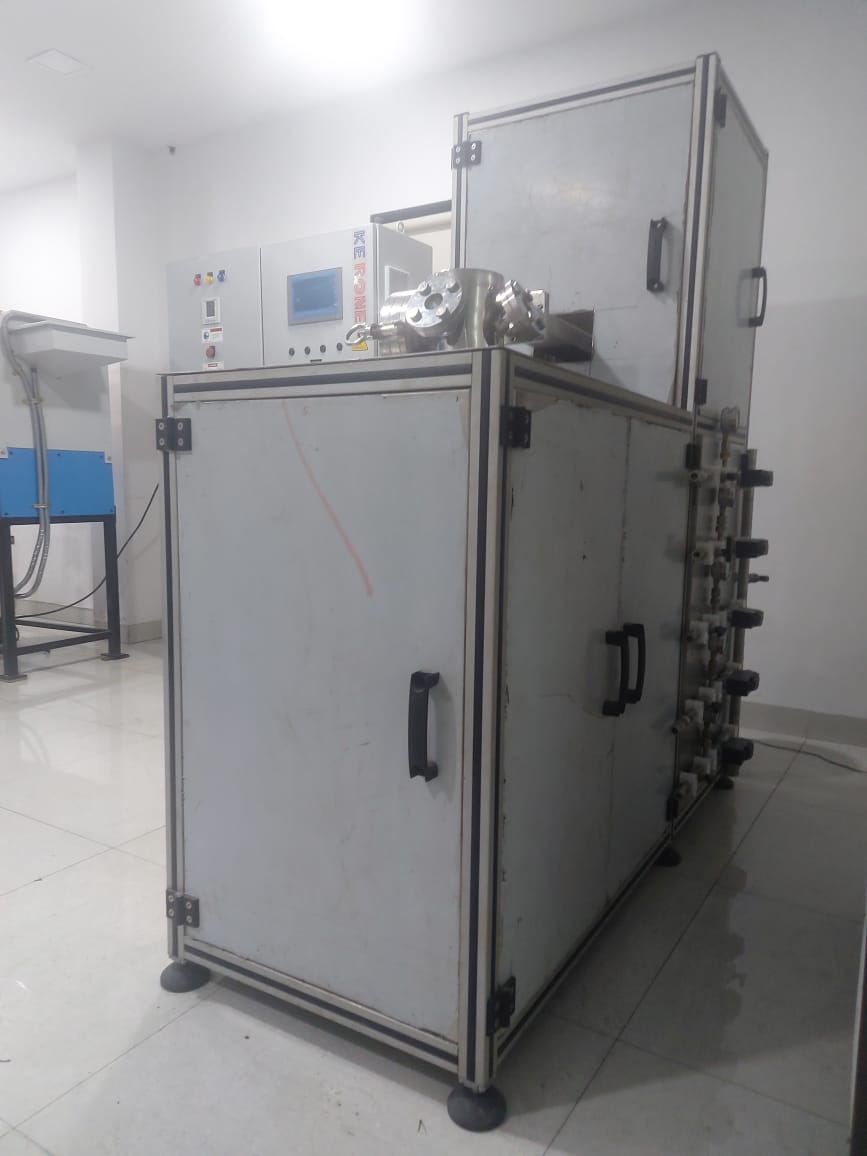
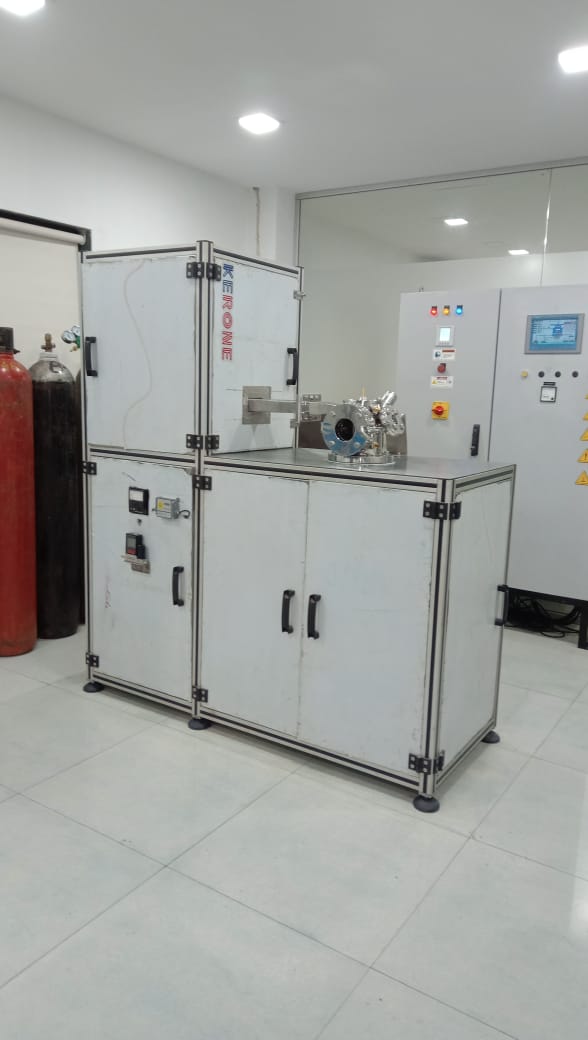
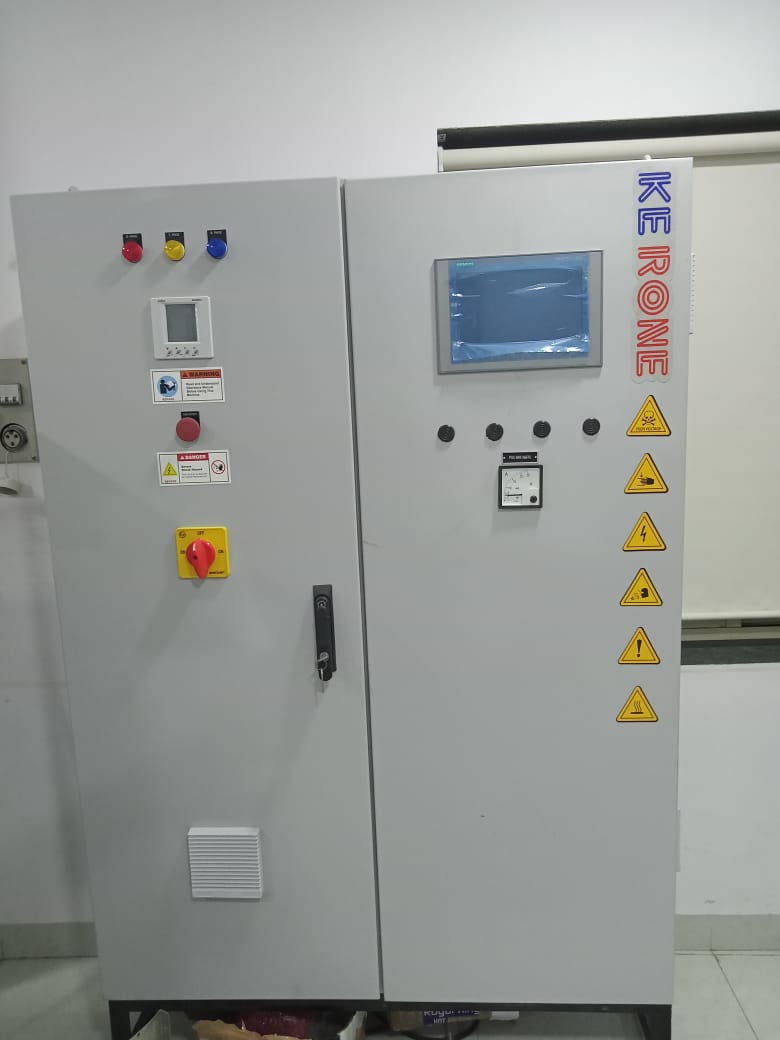
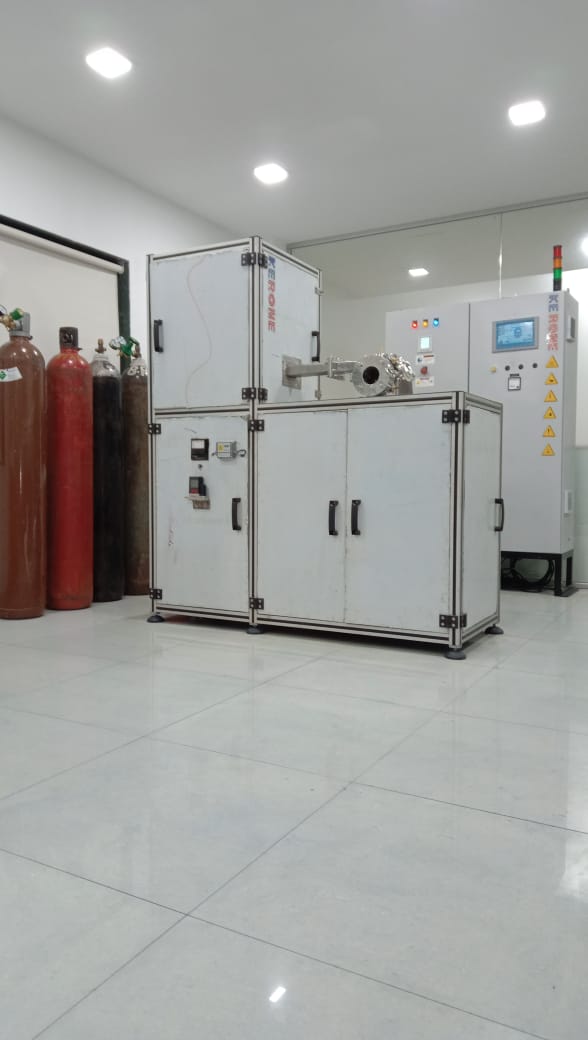
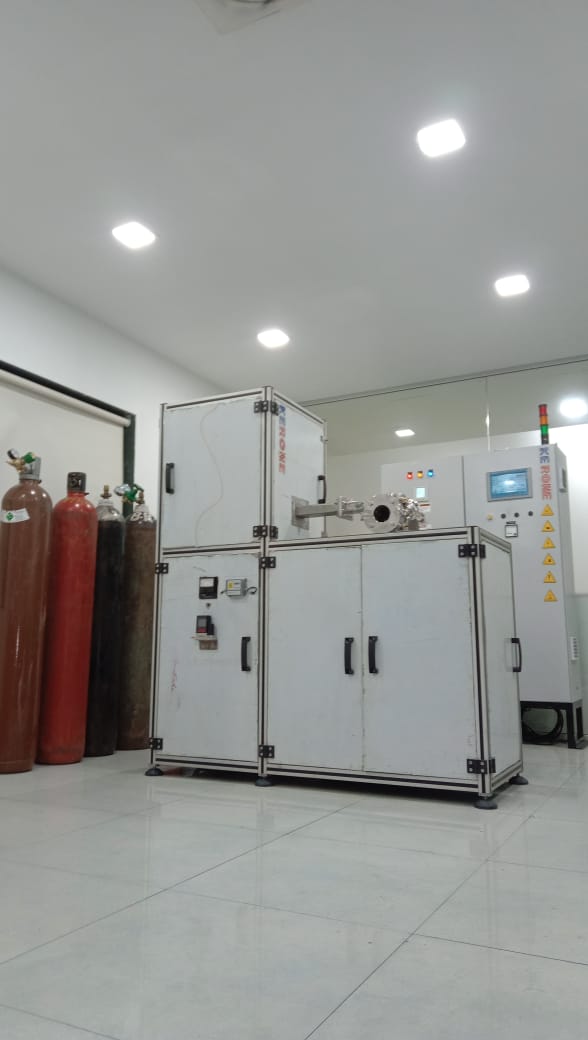
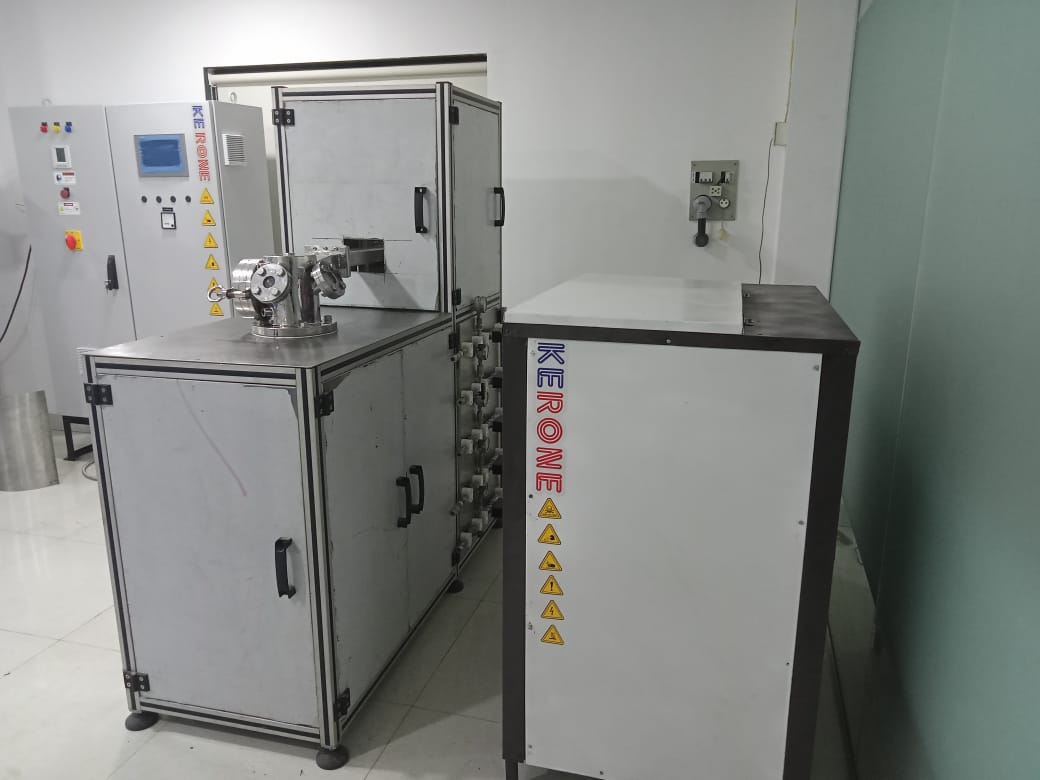
Kerone Engineering Solutions ltd has long been the world’s leading provider of microwave plasma CVD diamond systems. Kerone Engineering Solutions ltd has increased and expanded the manufacturing line and delivered many advanced diamond deposition systems worldwide. Kerone Engineering Solutions ltd currently offers the industry’s broadest choice of standard and custom systems and method solutions for diamond and advanced carbon material synthesis, serving a spectrum of applications.
CVD diamond grown by microwave plasma technology is the highest quality diamond manufactured by man with properties equal to or higher than natural diamond. Diamond represents the material with best possible properties in a wide range of advanced material applications. Microwave Enterprises brings years of experience to the production of lab fully grown, CVD diamond with each proprietary CVD equipment technology and relationships with the largest makers of CVD diamond within the world.
Why Choose Kerone Microwave Chemical Vapour Deposition System
Kerone is known for delivering highly efficient, reliable and fully customized Microwave Chemical Vapour Deposition System solutions engineered after a detailed analysis of material characteristics, process goals and expected output requirements.
Whether your interest is in basic analysis of CVD diamond method parameters or implementation of quality lab grown diamond material for your specific application, Microwave Enterprises has the method equipment to meet your needs. Our objective is to provide the most reliable and flexible method equipment available in the industry.
Types and Features of Microwave Chemical Vapour Deposition System
Kerone Engineering Solutions Ltd delivers high-quality microwave plasma Chemical Vapour Deposition (CVD) systems for artificial diamond films, offering some of the highest growth rates available in the industry. The systems are known for exceptional dependability, process flexibility, repeatability, and superior vacuum integrity, ensuring outstanding performance even in the most demanding applications.
Features
High-Purity Diamond: Produces diamond films with exceptional structural and chemical purity.
High Growth Rate: Enables faster deposition while maintaining material quality.
Non-Contamination: Advanced plasma design minimizes impurities and electrode-related contamination.
Precise Doping Control: Accurate regulation of gas composition for tailored electrical and optical properties.
Excellent Process Stability & Repeatability: Consistent results across multiple production cycles.
High Reliability: Robust system design ensures long operational life with minimal downtime.
Wide-Range Process Control: Flexible adjustment of temperature, pressure, power, and gas flow parameters.
Key Features
High thermal and processing efficiency
Low maintenance and easy operation
Suitable for heat-sensitive materials
Fully adjustable and customizable process parameters
Available in batch and continuous configurations
Uniform processing and consistent product quality
Powered by AI, ML & IoT
Future-Ready Engineering Driven by AI & IoT
Our advanced AI, ML, and IoT technologies, this solution delivers smarter automation, real-time insights, and predictive intelligence to enhance efficiency and drive future-ready growth.
Real-Time Monitoring & Control
Continuous tracking of process parameters with instant adjustments.
Predictive Maintenance
Intelligent fault detection to prevent failures before they occur.
Adaptive Process Optimization
Dynamic tuning of operations for maximum output and efficiency.
Cloud Dashboards & Analytics
Unified access to real-time insights and performance trends.
Energy & Resource Savings
Smarter utilization of energy to cut costs and reduce waste.
Secure IoT Connectivity
Encrypted data flow with seamless integration across plant systems.
Applications of Microwave Chemical Vapour Deposition System
Food industry processing systems
Chemical and polymer processing
Pharmaceutical ingredients and intermediates
Ready‑to‑eat (RTE) food production
Specialized heating, drying, or material transformation processes
Industrial material modification and thermal treatment
Kerone’s Microwave Chemical Vapour Deposition System solutions are engineered to deliver maximum efficiency, long-term reliability and excellent operational stability. Our focus on innovation and customization ensures superior industrial results.
Our CVD Systems provide advanced manufacturers and researchers with a powerful platform for producing high-quality thin films and coatings that achieve performance levels unattainable by other deposition methods. The unique combination of microwave plasma energy, precise process control, and clean deposition conditions enables our clients to develop and manufacture cutting-edge products across electronics, optics, tooling, and biomedical sectors. Kerone’s commitment to system quality, process support, and customer service makes us the preferred partner for demanding CVD applications worldwide.
Seamless Export Connections Global & Local
Our Global Footprint in Industrial Excellence
Delivering world-class industrial and process solutions across countries with precision, innovation, and reliability.
Peru
Chile
Argentina
Mexico
Colombia
Brazil
USA
Canada
United Kingdom
France
Germany
Spain
Italy
Netherlands
Sweden
Switzerland
Poland
Portugal
Ireland
Czechia
Romania
Hungary
Austria
Greece
Kazakhstan
Uzbekistan
Turkmenistan
Algeria
Egypt
Nigeria
Kenya
South Africa
Saudi Arabia
UAE
Israel
Russia
India
China
Japan
South Korea
Thailand
Vietnam
Malaysia
Singapore
Indonesia
Philippines
Australia
New Zealand
Pan-India Presence. Local Expertise.
Raipur
Bilaspur
Panaji
Vasco da Gama
Gandhinagar
Ahmedabad
Surat
Chandigarh
Gurgaon
Shimla
Manali
Bengaluru
Mysore
Kochi
Pune
Mumbai
Thane
Navi Mumbai
Hyderabad
Chennai
Coimbatore
Kolkata
Lucknow
Jaipur
Udaipur
Jodhpur
Dehradun
Haridwar
Bhubaneswar
Product Gallery
Frequently Asked Questions (FAQ)
It is used for efficient processing, heating, drying or material transformation.
High efficiency, process reliability and complete customization.
Food, chemical, pharma, biomass, rubber, textile and more.
Kerone ensures high product quality through strict engineering standards, advanced testing procedures, and precision-controlled manufacturing systems.
Microwave CVD processes typically operate at pressures between 10 and 300 mbar, requiring medium-vacuum systems with appropriate pumping capacity.
Kerone's systems include mass flow controllers, gas cabinets with leak detection, automated purge and vent sequences, and exhaust treatment for safe handling of flammable and toxic gases.
Kerone provides application engineering support including process development, deposition parameter optimization, film characterization guidance, and on-site technical assistance.
Microwave plasma CVD diamond growth typically uses a methane and hydrogen gas mixture, where hydrogen plays the critical role of selectively etching non-diamond carbon (graphitic) phases faster than it etches diamond, allowing high-purity diamond crystal structure to dominate the growing film. The methane-to-hydrogen ratio directly controls growth rate and film quality: higher methane concentrations increase deposition speed but raise the risk of non-diamond carbon inclusion, while lower concentrations favor purity at the cost of slower growth. For doped films, small quantities of boron- or nitrogen-containing gases are introduced to tailor electrical conductivity. Precise mass flow control of these gas ratios is one of the most important variables an operator manages during a production run.
Microwave power density determines the plasma's electron temperature and ion density, which in turn controls the rate at which carbon radicals are generated and deposited onto the substrate. Higher power density generally increases growth rate, but pushing power too high can raise substrate temperature beyond the optimal range for diamond nucleation, leading to increased defect density or non-diamond carbon incorporation. Each substrate material and target film thickness has an optimal power density window, which is why Kerone's systems provide wide-range process control over power, allowing operators to fine-tune conditions for different applications from optical-grade windows to cutting-tool coatings without needing a different reactor.
Diamond nucleation density on a bare substrate is typically too low for continuous film formation, so substrates are usually seeded before deposition begins. Common seeding methods include mechanical scratching with diamond powder or ultrasonic seeding in a diamond nanoparticle suspension, both of which create nucleation sites that promote dense, uniform initial growth. Substrate cleanliness is equally important, since surface contamination can disrupt nucleation or introduce unwanted impurities into the growing film. Substrate material selection also matters: silicon, tungsten carbide, and certain ceramics are common choices, each requiring slightly different pre-treatment to achieve good adhesion given the thermal expansion mismatch between the substrate and diamond film.
Uniformity depends on the plasma's spatial distribution within the reactor chamber, which is influenced by cavity geometry, microwave mode structure, and substrate positioning relative to the plasma ball. Kerone's reactor designs use mode-tuning and substrate rotation or translation mechanisms to average out any spatial non-uniformity in the plasma, ensuring consistent gas-phase chemistry reaches all areas of the substrate. Gas flow distribution through the chamber is equally important, since uneven flow can create local variations in methane concentration that translate directly into thickness or quality variation across the deposited film. For larger substrates, multi-zone power and gas control may be incorporated to maintain consistency from center to edge.
Natural diamond formation is governed entirely by uncontrollable geological conditions, while High Pressure High Temperature (HPHT) synthesis requires extreme mechanical pressure and offers limited ability to tune growth conditions mid-process. Microwave plasma CVD operates at low pressure with full electronic control over gas composition, power, and temperature throughout the deposition run, allowing growers to adjust conditions in real time to target specific properties such as optical clarity, electrical conductivity, or mechanical hardness. This level of process control is what allows CVD to produce diamond tailored for specific advanced applications like semiconductor heat spreaders or optical components, rather than being limited to whatever properties geology or brute-force pressure happen to produce.
Routine maintenance centers on the microwave generator, waveguide components, and vacuum system, since these experience the most operational wear. Magnetron or solid-state generator inspection is typically scheduled based on cumulative operating hours, while vacuum pump oil and seal maintenance follows a separate interval based on pump type and duty cycle. Quartz or sapphire windows that allow microwave entry into the chamber require periodic inspection for coating buildup, since deposited carbon can gradually reduce microwave transmission efficiency if not cleaned on schedule. Kerone provides a maintenance schedule calibrated to each system's specific configuration and typical run duration during commissioning.
Yes. The same microwave plasma-enhanced chemical vapor deposition principle is used to deposit a range of thin films including silicon-based dielectrics, diamond-like carbon coatings, and various nitride or oxide films used in electronics and optics. Suitability depends on identifying precursor gases that decompose into the desired film constituents under microwave plasma conditions, along with confirming that the deposition temperature and chemistry are compatible with the target substrate. Kerone's application engineering team evaluates new material systems through process development trials, adjusting gas chemistry, power, and pressure to establish a repeatable recipe before scaling to production volumes.
Kerone’s custom-designed heating and processing solutions are built to meet the demands of your growing operations. Whether you’re upgrading equipment, expanding production, or need a tailor-made solution


 Peru
Peru Chile
Chile Argentina
 Mexico
 Colombia
 Brazil
 USA
USA Canada
 United Kingdom
 France
 Germany
 Spain
Spain Italy
Italy Netherlands
 Sweden
 Switzerland
 Poland
 Portugal
 Ireland
 Czechia
 Romania
 Hungary
 Austria
 Greece
 Kazakhstan
 Uzbekistan
 Turkmenistan
 Algeria
 Egypt
Egypt Nigeria
 Kenya
Kenya South Africa
 Saudi Arabia
 UAE
UAE Israel
 Russia
 India
India China
China Japan
Japan South Korea
 Thailand
 Vietnam
 Malaysia
 Singapore
 Indonesia
 Philippines
 Australia
 New Zealand