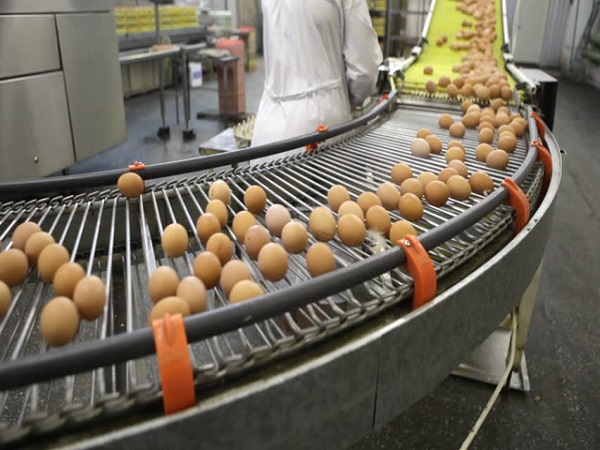
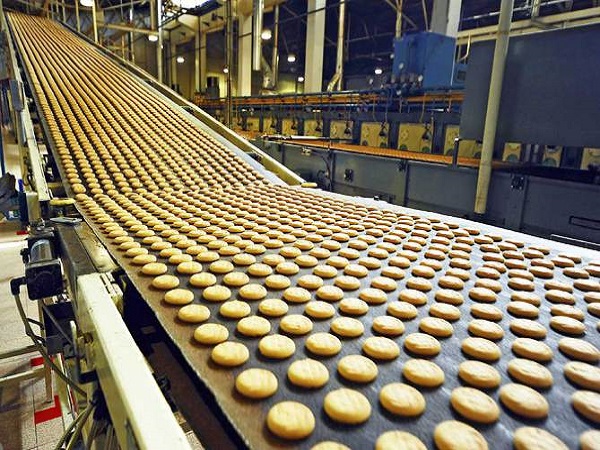
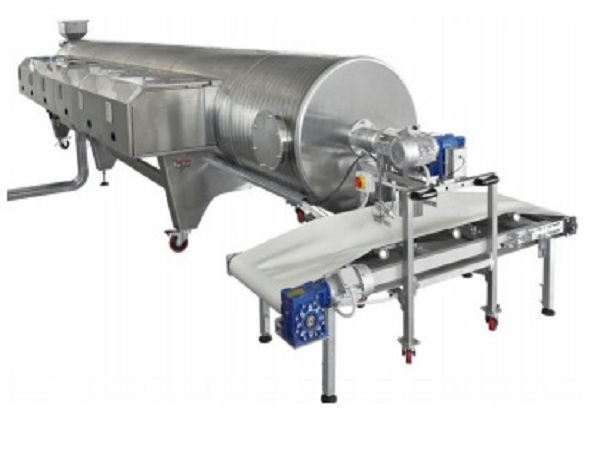
A ready-to-eat meals food processing plant is a facility that produces pre-cooked or partially cooked meals that are packaged and ready to eat. These meals are designed to be convenient and easy to prepare, often requiring little or no additional cooking before consumption.
The process of producing ready-to-eat meals typically involves cooking, cooling, and packaging the food in a controlled environment. The meals are then stored under refrigeration or frozen until they are ready to be shipped to retailers or directly to consumers. Some examples of ready-to-eat meals include frozen dinners, pre-packaged salads, sandwiches, and snack packs. These types of meals have become increasingly popular in recent years due to their convenience and the busy lifestyles of many consumers.
Why Choose Kerone Ready to Eat Meals Food Processing Plant
In our 50 years’ experience at Kerone we have witnessed the changes in the food processing technology and have effectively utilised the Microwave technology for various food industry processing applications. We are innovative technology partner of food processing clients, utilising microwave and IR for food processing, designing hybrid processing plants for critical application, low temperature processing. Kerone is a global manufacturer of advanced food processing systems and equipment, including solutions for the production of ready-to-eat meals. They offer solutions for heating, cooling, drying, cooking, chilling, packaging, and storage of ready-to-eat meals. Their products include cookers, chillers, and other machines for processing and packaging food products.
Types and Features of Ready to Eat Meals Food Processing Plant
Ready to Eat Meal Food Machines:
Ready-to-eat meal food machines provide a wide range of benefits to food processing plants, including increased efficiency, improved food safety, and higher product quality. These machines are designed to streamline operations while maintaining hygiene and consistency standards.
Ready-to-eat meal food machines are versatile and can be used for various applications in food processing plants, including cooking, cooling, packaging, and portioning.
Features of Ready to Eat Meal Food Machines:
Increased efficiency
Improved food safety
Consistency
Reduced processing time
Customization
Key Features
Multi-zone cooking systems including tunnel ovens, steam cookers, braising kettles, and combi-ovens for diverse cuisine types.
Validated retort sterilization (hydrostatic and rotary) achieving commercial sterility with precise Fo value control and full process documentation.
Blast freezing and IQF (Individual Quick Freezing) tunnels ensuring rapid temperature reduction for superior product quality and safety.
Automated portioning, tray filling, and high-speed tray sealing systems with MAP and vacuum packaging for extended shelf life.
Cook-chill systems with hygienic chilling and cold-chain management for premium chilled ready meal product lines.
In-line quality control systems including checkweighers, metal detectors, X-ray inspection, and vision systems for zero-defect production.
SCADA-integrated process control with full production data logging, batch traceability, and CCP monitoring for HACCP compliance.
Hygienic plant design with positive pressure cleanrooms, stainless steel construction, and validated CIP/COP systems for contamination prevention.
Powered by AI, ML & IoT
Future-Ready Engineering Driven by AI & IoT
Our advanced AI, ML, and IoT technologies, this solution delivers smarter automation, real-time insights, and predictive intelligence to enhance efficiency and drive future-ready growth.
Real-Time Monitoring & Control
Continuous tracking of process parameters with instant adjustments.
Predictive Maintenance
Intelligent fault detection to prevent failures before they occur.
Adaptive Process Optimization
Dynamic tuning of operations for maximum output and efficiency.
Cloud Dashboards & Analytics
Unified access to real-time insights and performance trends.
Energy & Resource Savings
Smarter utilization of energy to cut costs and reduce waste.
Secure IoT Connectivity
Encrypted data flow with seamless integration across plant systems.
Applications of Ready to Eat Meals Food Processing Plant
Kerone’s Ready to Eat Meals Food Processing Plants are extensively used across the retail food, foodservice, defense, and institutional catering industries.
Typical applications include:
Retail shelf-stable ready meal production in retort pouches and trays for supermarket and convenience store distribution.
Frozen ready meal manufacturing for domestic and export markets covering ethnic cuisines, diet meals, and premium gourmet lines.
Military and defense ration production requiring long shelf life, lightweight packaging, and high nutritional density.
Airline and railway catering meal production with strict hygiene, portion control, and rapid production turnaround requirements.
Institutional catering meal preparation for hospitals, schools, prisons, and large-scale corporate cafeterias.
Export-oriented RTE meal production meeting international food safety certification requirements for global market access.
The convenience food revolution is reshaping the global food industry, and Kerone’s Ready to Eat Meals Food Processing Plant positions manufacturers to lead this transformation with confidence. By combining advanced cooking technologies, validated sterilization and preservation systems, and robust quality assurance infrastructure into a single integrated plant, Kerone enables producers to deliver exceptional RTE meal products that satisfy modern consumers’ hunger for quality, safety, and convenience. Whether your vision involves a niche gourmet RTE line or a high-volume contract manufacturing operation, Kerone has the engineering expertise and manufacturing capability to bring your production goals to life, reliably, safely, and efficiently.
Seamless Export Connections Global & Local
Our Global Footprint in Industrial Excellence
Delivering world-class industrial and process solutions across countries with precision, innovation, and reliability.
Peru
Chile
Argentina
Mexico
Colombia
Brazil
USA
Canada
United Kingdom
France
Germany
Spain
Italy
Netherlands
Sweden
Switzerland
Poland
Portugal
Ireland
Czechia
Romania
Hungary
Austria
Greece
Kazakhstan
Uzbekistan
Turkmenistan
Algeria
Egypt
Nigeria
Kenya
South Africa
Saudi Arabia
UAE
Israel
Russia
India
China
Japan
South Korea
Thailand
Vietnam
Malaysia
Singapore
Indonesia
Philippines
Australia
New Zealand
Pan-India Presence. Local Expertise.
Raipur
Bilaspur
Panaji
Vasco da Gama
Gandhinagar
Ahmedabad
Surat
Chandigarh
Gurgaon
Shimla
Manali
Bengaluru
Mysore
Kochi
Pune
Mumbai
Thane
Navi Mumbai
Hyderabad
Chennai
Coimbatore
Kolkata
Lucknow
Jaipur
Udaipur
Jodhpur
Dehradun
Haridwar
Bhubaneswar
Product Gallery
Frequently Asked Questions (FAQ)
Fo value represents the cumulative lethal effect of a thermal process on a reference microorganism, typically Clostridium botulinum spores, expressed as the equivalent number of minutes at a standard reference temperature. For shelf-stable RTE meals in retort pouches or cans, regulatory authorities require a minimum validated Fo value to ensure commercial sterility, and this value depends on factors including pack thickness, fill weight, and the specific food's heat penetration characteristics. Manufacturers cannot simply apply a generic process time across different recipes or pack sizes; each combination requires its own thermal penetration study to establish a validated process that reliably achieves the target Fo value throughout the entire pack, including the slowest-heating point within it.
Yes, Kerone designs fully customized systems based on raw materials, capacity, temperature, and process requirements.
High efficiency, consistent output, energy savings, and process flexibility.
Yes, Kerone offers specialized low‑temperature and controlled‑heating systems.
PLC‑based intelligent automation, SCADA monitoring, and real‑time process optimization.
Kerone's plants support retort pouches, rigid trays, cans, glass jars, vacuum skin packs, MAP trays, and modified atmosphere bags with high-speed automated filling, sealing, and labelling systems integrated into the production line.
Kerone offers plants ranging from small artisan or pilot production lines of 500 kg per shift to large industrial lines producing 20 to 100 tonnes per day, with modular configurations supporting future capacity expansion.
Yes. Kerone supports clients with complete process validation documentation including retort thermal processing validation (TRT studies), CCP establishment, HACCP plans, and operational qualification documentation required by regulatory bodies and international buyers.
Cook-chill systems cook the product to a safe temperature and then rapidly chill it, extending shelf life to typically several days to a few weeks under continuous refrigeration, which requires an unbroken cold chain from production through retail. Retort sterilization achieves commercial sterility that allows ambient-temperature storage for 12 to 24 months or longer without refrigeration, trading some textural and flavor characteristics for distribution flexibility and shelf life. The choice between the two depends heavily on target market: premium chilled ready meals sold through cold retail chains favor cook-chill for better eating quality, while export-oriented or institutional supply favor retort for logistics simplicity and reduced spoilage risk during longer transit times.
The rate at which a product passes through the critical temperature zone where ice crystals form, typically between minus 1 and minus 5 degrees Celsius, determines crystal size and therefore final texture after thawing or reheating. Faster freezing through this zone produces smaller ice crystals that cause less cellular damage, which translates to better texture retention, particularly in vegetables and proteins with high water content. IQF (Individual Quick Freezing) tunnels achieve this through high-velocity cold air or cryogenic exposure rather than slower still-air freezing, and the required tunnel residence time depends on product thickness and density, meaning a process validated for diced vegetables won't necessarily transfer directly to a thicker protein portion without separate validation.
Volumetric or weight-based filling systems with closed-loop feedback from in-line checkweighers maintain portion accuracy by automatically adjusting fill parameters when weights drift from target, rather than relying on a fixed dispense volume that assumes constant product density. Product density can vary with temperature, particle size, and moisture content, so systems calibrated only at startup tend to drift over a production shift unless continuously monitored. For multi-component meals with separate compartments, each component typically needs independent fill control, since variation in one component shouldn't be allowed to compensate for variation in another even if total tray weight appears correct.
Retort pouches generally offer faster heat penetration during sterilization than rigid trays or cans of similar volume because of their thinner profile, which can mean shorter process times and better nutrient and texture retention for the same target sterility level. MAP (Modified Atmosphere Packaging) trays suit chilled ready meals where some residual oxygen exclusion extends shelf life without full retort sterilization. Vacuum skin packaging improves visual presentation for premium chilled products but requires careful seal integrity monitoring since any seal failure compromises the entire shelf-life claim. The packaging decision should be driven by target shelf life, distribution temperature, and whether microwave or conventional reheating compatibility is required by the end consumer.
Multi-zone systems combining tunnel ovens, steam cookers, braising kettles, and combi-ovens allow a single facility to produce diverse cuisine types by routing different recipes through the appropriate cooking method rather than forcing all products through one process. Braising kettles suit sauce-based dishes requiring extended simmering, while tunnel ovens suit proteins needing dry-heat finishing, and steam cookers suit vegetables and grains where moisture retention matters. Recipe management software tied to the PLC typically stores cooking parameters for each SKU so operators select a recipe rather than manually setting each parameter, reducing the chance of cross-application of incorrect cooking profiles when production switches between cuisine types within a shift.
A niche gourmet line typically prioritizes recipe flexibility, smaller batch sizes, and premium packaging over maximum throughput, which suits brands targeting higher per-unit margins with lower volume. A high-volume contract manufacturing setup prioritizes throughput consistency, rapid changeover for multiple client recipes, and cost efficiency per unit, which suits businesses competing on price and capacity rather than product differentiation. The capital equipment requirements differ substantially: gourmet lines can often operate efficiently with more manual or semi-automated stages, while high-volume contract manufacturing generally requires full automation to keep labor cost per unit competitive. New entrants should model expected order volume and per-unit margin targets before committing to equipment sized for either extreme.
Kerone’s custom-designed heating and processing solutions are built to meet the demands of your growing operations. Whether you’re upgrading equipment, expanding production, or need a tailor-made solution


 Peru
Peru Chile
Chile Argentina
 Mexico
 Colombia
 Brazil
 USA
USA Canada
 United Kingdom
 France
 Germany
 Spain
Spain Italy
Italy Netherlands
 Sweden
 Switzerland
 Poland
 Portugal
 Ireland
 Czechia
 Romania
 Hungary
 Austria
 Greece
 Kazakhstan
 Uzbekistan
 Turkmenistan
 Algeria
 Egypt
Egypt Nigeria
 Kenya
Kenya South Africa
 Saudi Arabia
 UAE
UAE Israel
 Russia
 India
India China
China Japan
Japan South Korea
 Thailand
 Vietnam
 Malaysia
 Singapore
 Indonesia
 Philippines
 Australia
 New Zealand