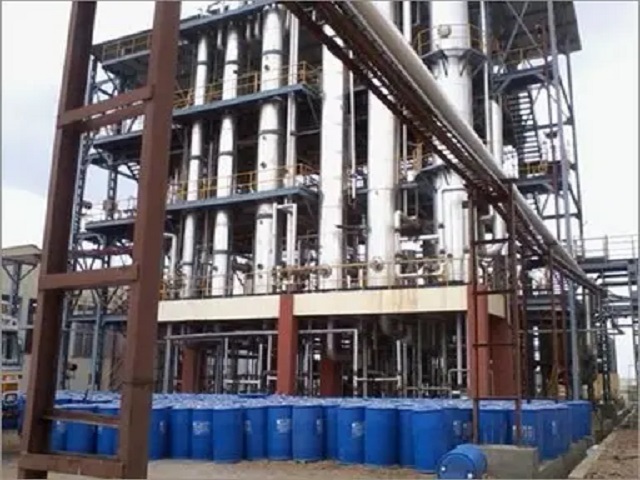
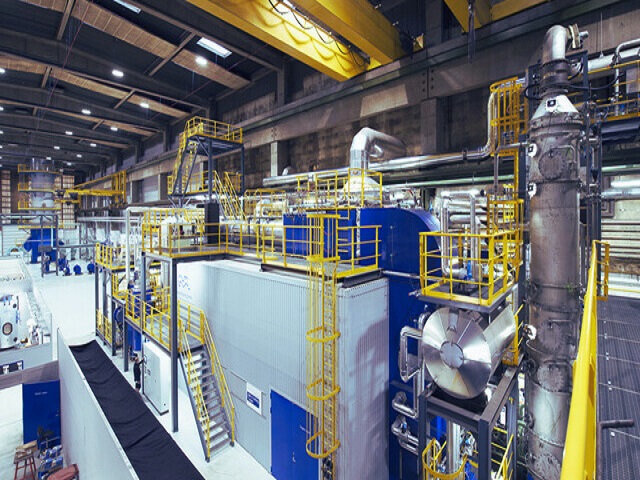
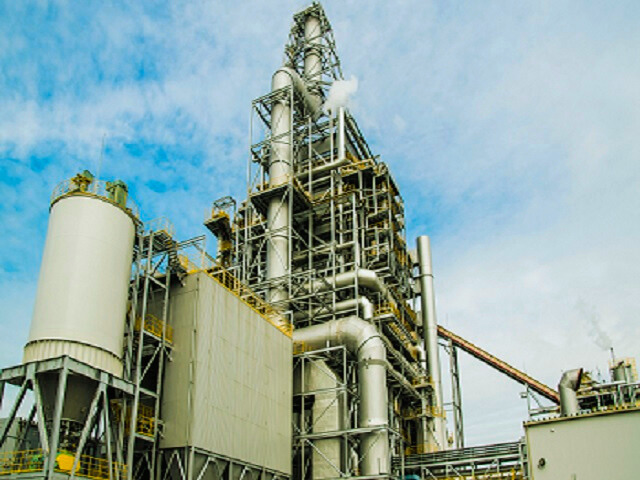
Kerone Engineering Solutions Ltd. has been a trailblazing leader in the field of sustainable energy, dedicated to revolutionizing how the world is powered. Our company, which is uncompromising in its commitment to energy independence and sustainability, specializes in the design, construction, and manufacturing of modern biofuel production facilities. By leveraging cutting-edge technologies and a variety of feedstock sources, including agricultural crops, waste materials, and algae, we contribute significantly to the reduction of greenhouse gas emissions and the advancement of a cleaner energy environment.
Why Choose Kerone Biomass Fuels Plant
Our modern facilities offer contemporary features like cogeneration systems, waste management choices, and rigorous quality control procedures to guarantee the efficient and environmentally responsible production of biofuels. Because we are certain that biofuels have the potential to catalyze a more sustainable future, our team of determined specialists is dedicated to pushing the boundaries of possibility in pursuit of that goal.
Production facilities for biofuels are essential elements of the renewable energy sector, and they are essential for preventing climate change and lowering our reliance on fossil fuels. In order to transform organic resources into cleaner, more sustainable energy sources, these facilities integrate modern technologies and specialized processes. Agricultural crops such as corn, sugarcane, and soybeans as well as non-food sources like algae, woody biomass, and waste materials are the main feedstocks utilized in the manufacture of biofuels.
The gathering of biomass, preprocessing, fermentation, and distillation are typically some of the major processes in the production process. The biomass is transformed into ethanol or biodiesel during fermentation, while more sophisticated processes like gasification might result in the production of synthetic biofuels or biogas. Numerous biofuel facilities also use co-generation systems to generate heat and electricity from leftover biomass, improving energy efficiency and cutting waste.
Biofuel production facilities are constantly innovating to optimize resource use, reduce environmental impact, and contribute significantly to the global effort to transition towards a greener and more sustainable energy future as sustainability becomes an increasingly urgent concern.
Types and Features of Biomass Fuels Plant
Reduced Greenhouse Gas Emissions
Renewable Energy Source
Energy Security
Reduced Air Pollution
Enhanced Rural Development
Carbon Capture and Sequestration
Technological Advancements
Energy Diversity
Compatibility with Existing Infrastructure
Waste Reduction
Potential for Circular Economy
Sustainable Agriculture
Energy Independence
Reduced Transportation Emissions
Key Features
Multi-technology platform supporting solid, liquid, and gaseous biomass fuel production
Flexible plant configurations from dedicated single-product to integrated multi-product facilities
Industrial-grade processing equipment with high reliability and extended service intervals
Energy-efficient design with heat integration and waste energy recovery systems
Full-scale automation with SCADA monitoring for real-time production control and reporting
Wide feedstock flexibility supporting agricultural residues, wood waste, MSW, and energy crops
International standards compliance for product quality, safety, and environmental performance
Turnkey project delivery including design, procurement, installation, commissioning, and training
Powered by AI, ML & IoT
Future-Ready Engineering Driven by AI & IoT
Our advanced AI, ML, and IoT technologies, this solution delivers smarter automation, real-time insights, and predictive intelligence to enhance efficiency and drive future-ready growth.
Real-Time Monitoring & Control
Continuous tracking of process parameters with instant adjustments.
Predictive Maintenance
Intelligent fault detection to prevent failures before they occur.
Adaptive Process Optimization
Dynamic tuning of operations for maximum output and efficiency.
Cloud Dashboards & Analytics
Unified access to real-time insights and performance trends.
Energy & Resource Savings
Smarter utilization of energy to cut costs and reduce waste.
Secure IoT Connectivity
Encrypted data flow with seamless integration across plant systems.
Applications of Biomass Fuels Plant
Transportation
Agriculture
Aviation and Shipping
Heat and Electricity Generation
Industrial Processes
Energy Storage
Rural Development
Carbon Mitigation
Research and Development
Kerone’s biomass fuels plant solutions deliver long-term reliability, superior efficiency, and high-quality output. Each system is engineered with innovation, safety, and sustainability at its core, enabling industries to achieve optimized productivity and reduced operational costs.
Seamless Export Connections Global & Local
Our Global Footprint in Industrial Excellence
Delivering world-class industrial and process solutions across countries with precision, innovation, and reliability.
Peru
Chile
Argentina
Mexico
Colombia
Brazil
USA
Canada
United Kingdom
France
Germany
Spain
Italy
Netherlands
Sweden
Switzerland
Poland
Portugal
Ireland
Czechia
Romania
Hungary
Austria
Greece
Kazakhstan
Uzbekistan
Turkmenistan
Algeria
Egypt
Nigeria
Kenya
South Africa
Saudi Arabia
UAE
Israel
Russia
India
China
Japan
South Korea
Thailand
Vietnam
Malaysia
Singapore
Indonesia
Philippines
Australia
New Zealand
Pan-India Presence. Local Expertise.
Raipur
Bilaspur
Panaji
Vasco da Gama
Gandhinagar
Ahmedabad
Surat
Chandigarh
Gurgaon
Shimla
Manali
Bengaluru
Mysore
Kochi
Pune
Mumbai
Thane
Navi Mumbai
Hyderabad
Chennai
Coimbatore
Kolkata
Lucknow
Jaipur
Udaipur
Jodhpur
Dehradun
Haridwar
Bhubaneswar
Product Gallery
Frequently Asked Questions (FAQ)
Yes, Kerone provides tailor-made designs based on material, capacity, and industry requirements.
Kerone's integrated plants can produce wood pellets, biomass briquettes, torrefied biomass, biochar, bio-oil, syngas, and bioethanol depending on the configured process pathways and feedstock type.
Yes, Kerone offers multi-product plant configurations that process biomass through parallel or sequential conversion pathways to produce two or more fuel types simultaneously, maximizing overall plant revenue.
Investment varies widely based on technology mix and capacity. Entry-level pellet or briquette plants start from a few tens of lakhs (INR), while large integrated multi-product facilities may require crores of rupees in capital investment. Kerone provides detailed techno-economic feasibility reports to guide investment decisions.
Kerone designs plants with feedstock flexibility in mind, incorporating adjustable process parameters and equipment settings that allow efficient processing of multiple biomass types within a single plant configuration.
Key infrastructure requirements include biomass storage and handling area, utility connections (electricity, water), access roads for feedstock delivery and fuel dispatch, and land area proportional to plant capacity.
Biodiesel is made through transesterification of oils and fats, while bioethanol comes from fermenting sugars or starches. Kerone's multi-technology platform can be configured to support either pathway depending on feedstock availability.
Algae has high oil yield potential per unit area compared to land crops, but commercial-scale cultivation and harvesting still need careful engineering, so it is typically approached through pilot projects before full commercial rollout.
Leftover biomass or process residues are burned to generate both heat and electricity for the plant itself, reducing the need to draw power from external grids and improving overall energy efficiency.
Fuel samples are tested against relevant international standards for parameters like calorific value, moisture, and purity, ensuring consistent quality batch after batch.
Yes, using woody biomass, algae, or waste materials instead of food crops like corn or soybeans helps avoid competing with food supply chains, which is a growing preference in biofuel project planning.
Since crop-based feedstocks are often seasonal, plants are usually designed to either stockpile feedstock during harvest season or blend multiple feedstock types to keep production steady through the year.
Depending on the process, biomass typically needs cleaning, size reduction, and sometimes chemical or enzymatic pre-treatment to break down complex structures and make conversion more efficient.
Some multi-product configurations allow switching between pathways based on market demand and feedstock supply, though this depends on how the plant was originally engineered.
Requirements vary by country and state, but generally include air emission consent, water usage and discharge permits, and hazardous waste handling clearances, all of which Kerone can help identify during project planning.
Kerone’s custom-designed heating and processing solutions are built to meet the demands of your growing operations. Whether you’re upgrading equipment, expanding production, or need a tailor-made solution




 Peru
Peru Chile
Chile Argentina
 Mexico
 Colombia
 Brazil
 USA
USA Canada
 United Kingdom
 France
 Germany
 Spain
Spain Italy
Italy Netherlands
 Sweden
 Switzerland
 Poland
 Portugal
 Ireland
 Czechia
 Romania
 Hungary
 Austria
 Greece
 Kazakhstan
 Uzbekistan
 Turkmenistan
 Algeria
 Egypt
Egypt Nigeria
 Kenya
Kenya South Africa
 Saudi Arabia
 UAE
UAE Israel
 Russia
 India
India China
China Japan
Japan South Korea
 Thailand
 Vietnam
 Malaysia
 Singapore
 Indonesia
 Philippines
 Australia
 New Zealand