Industrial Drying Applications & Solutions

Home > Product > Industrial Sludge Drying

Introduction

Sludge waste disposal is the need of many organizations producing these wastes being in line with the norms of the regulatory bodies. Disposal agencies charge in Kgs and pounds as per the local standards. However, approximately 80% of these sludge is water so indirectly you are paying to pick up water which can be dried to save sludge hauling and disposal costs. Handling and storage of dried sludge are easy and all further disposal is easy. The dried product produced out of drying sludge can be used as fertilizer and/or biofuel in some cases.

Why Choose Kerone Industrial Sludge Drying

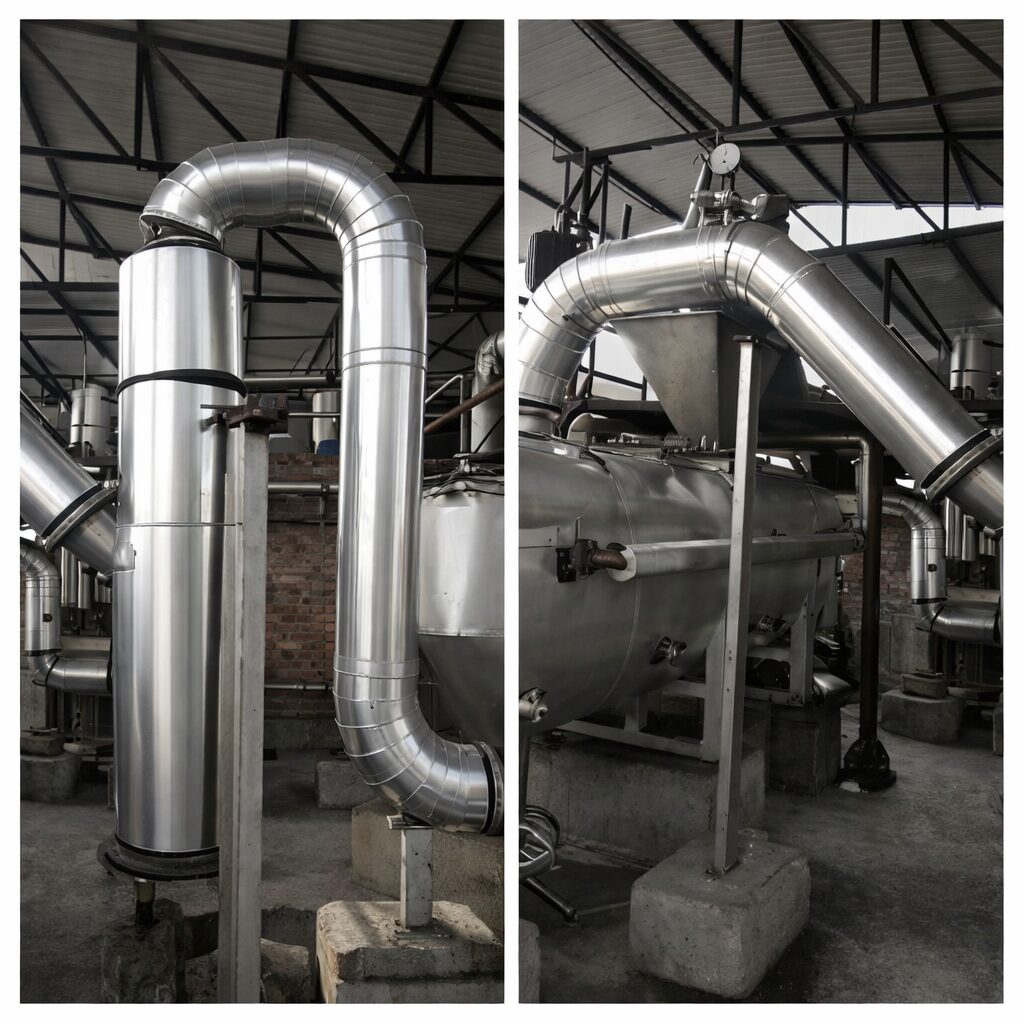
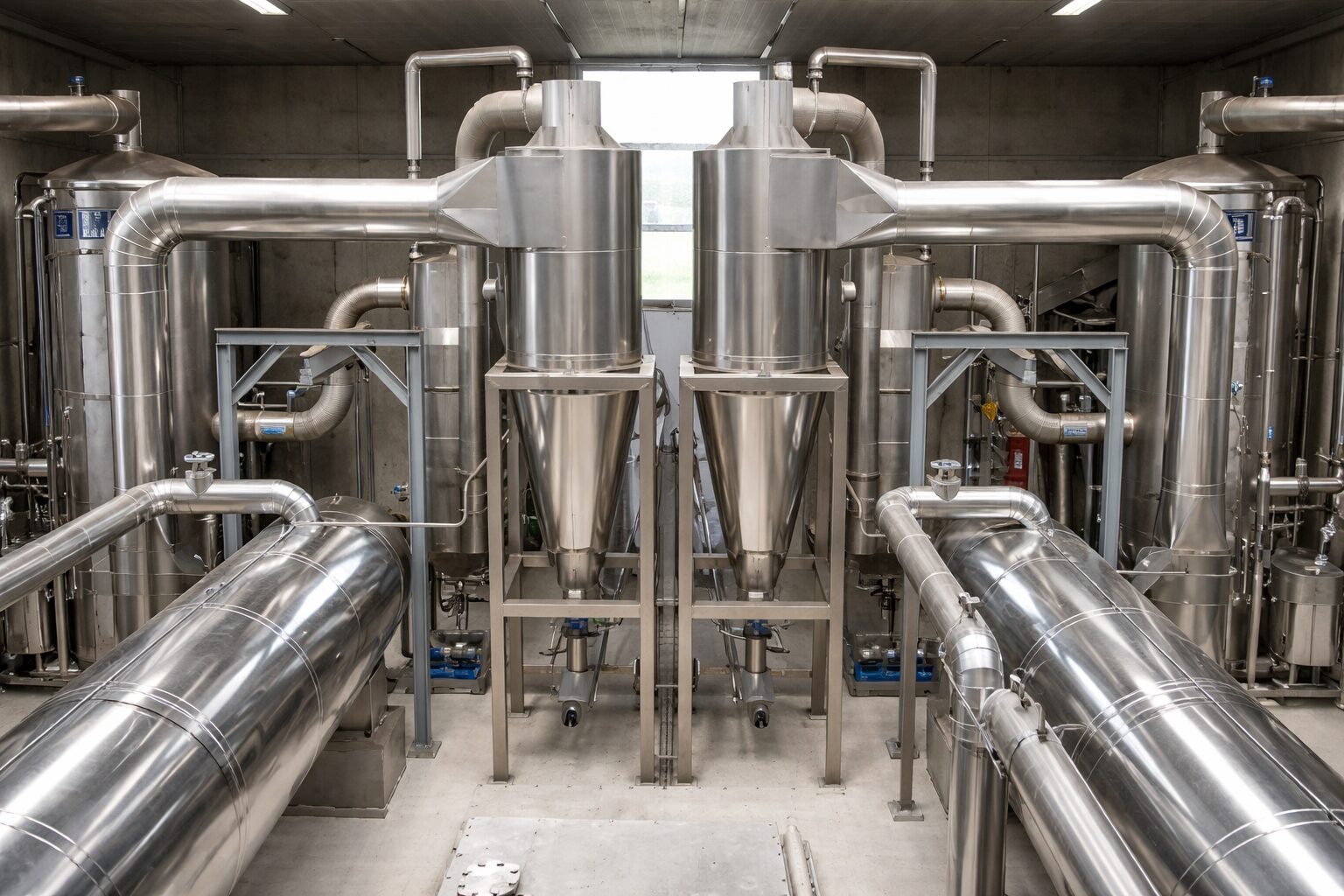
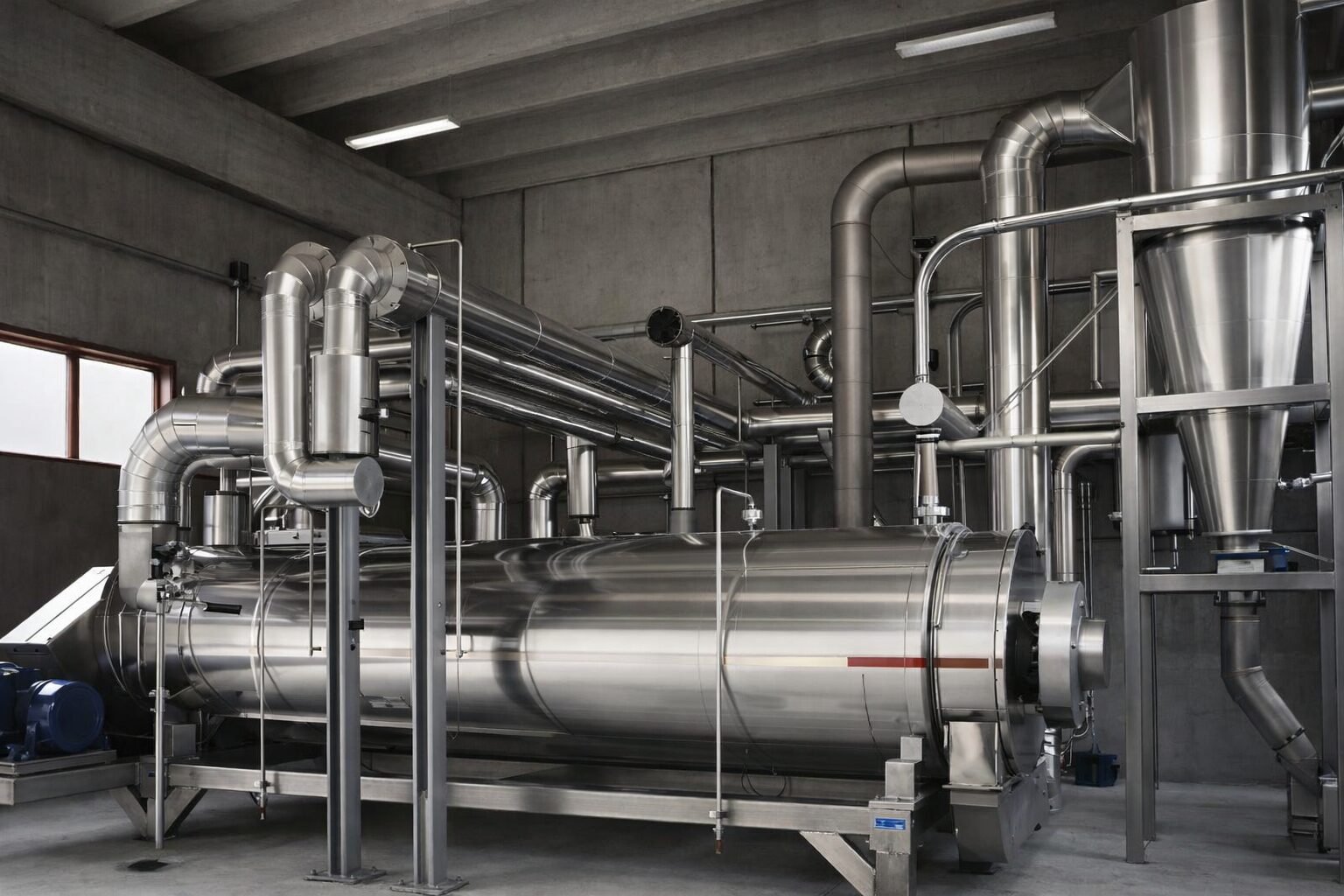
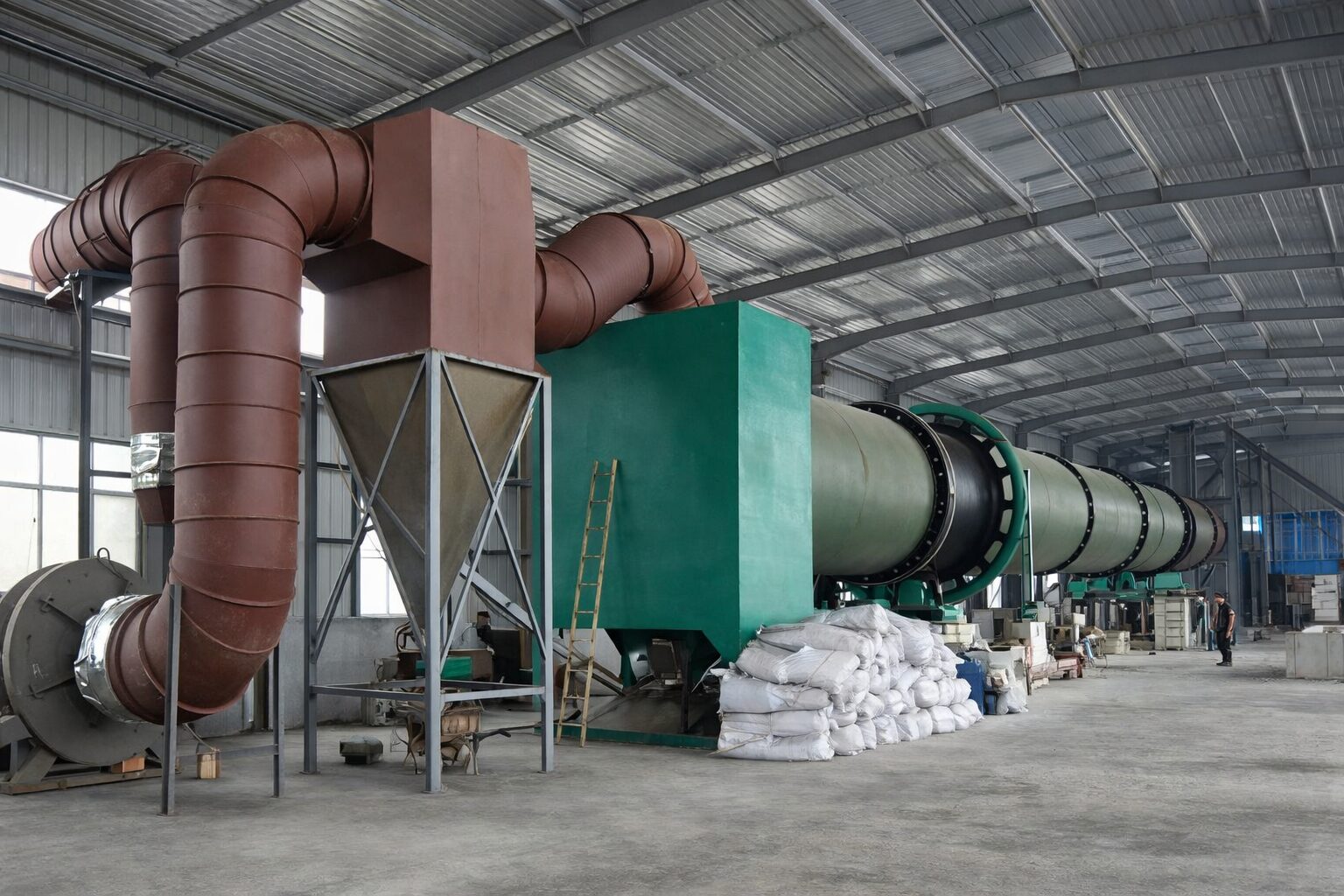
Industrial Sludge Drying systems designed and manufactured by Kerone are designed to fit for small, medium, and large quantity sludge generators. Drying systems can fit under the filter press for direct loading or can be located on remote locations within the plant. At the time of the thermal drying of sludge, almost all water is evaporated, including surface, capillary, and cell water. Supply of heat is needed, if possible from mutual power and heat generation systems. A great portion of the drying heat is recovered from the exhaust and re-circulated.
The sludge is dried by the heated liner of our unit while it is broken-up and circulated by our spiral blade system.

Types and Features of Industrial Sludge Drying

The dryer liner utilizes indirect heat sources such as steam, electric heating strips, or gas-fired systems. A preheated airflow mechanism draws moisture from the top of the internal drying chamber and directs it through a wet scrubber system for proper treatment. After approximately 4–6 hours of drying time—depending on sludge type and moisture content—the dried material is discharged by opening the bottom panel, allowing gravity-based removal into a collection container.

An optional conveyor auger system can be integrated to transfer the dried sludge to an elevated container. This provides flexibility based on available space and operational requirements.

Features and Advantages of Sludge Dryers

  • Flexible Heat Sources: Supports low-cost steam, hot water, gas-fired, electric, or hybrid indirect heating.
  • Stainless Steel Internal Components: Ensures durability and corrosion resistance.
  • User-Friendly Control Panel: Simple digital controls for easy operation and maintenance.
  • Over-Temperature Protection: Integrated safety system to prevent overheating.
  • Weight Reduction: Sludge weight reduces by approximately 60% after drying.
  • Volume Reduction: Sludge volume decreases by 4–5 times.
  • Lower Transportation Costs: Reduced weight and volume significantly cut logistics expenses and environmental risks.
  • Improved Calorific Value: Lower moisture increases energy efficiency during incineration without additional fuel.
  • Sterilization and Deodorization: High drying temperatures eliminate pathogens and odors.

Key Parts of Sludge Dryers

  • Wet Scrubber
  • Automatic Sludge Outlet Control
  • Automatic Lid Control
  • Centralized Grease System
  • Risers for Unit Elevation
  • Discharge Conveyor System

Key Features

  • Multi-zone temperature control for belt dryer configurations to ensure controlled drying profiles and protection of product characteristics
  • Scalable design from 100 kg/hour pilot installations to multi-tonne-per-hour continuous industrial drying systems
  • High operational efficiency with uniform processing
  • Adjustable temperature, airflow, or RF/IR power settings
  • Batch and continuous configurations available
  • Low maintenance with long service life
  • Custom material flow and heating patterns
  • Safety interlocks and advanced control systems

Powered by AI, ML & IoT

Future-Ready Engineering Driven by AI & IoT

Our advanced AI, ML, and IoT technologies, this solution delivers smarter automation, real-time insights, and predictive intelligence to enhance efficiency and drive future-ready growth.

Real-Time Monitoring & Control

Continuous tracking of process parameters with instant adjustments.

Predictive Maintenance

Intelligent fault detection to prevent failures before they occur.

Adaptive Process Optimization

Dynamic tuning of operations for maximum output and efficiency.

Cloud Dashboards & Analytics

Unified access to real-time insights and performance trends.

Energy & Resource Savings

Smarter utilization of energy to cut costs and reduce waste.

Secure IoT Connectivity

Encrypted data flow with seamless integration across plant systems.

Applications of Industrial Sludge Drying

Kerone’s Industrial Sludge Drying systems are extensively used across heavy and process industries where sludge generation and disposal are significant operational and environmental challenges. Typical applications include:
    • Pulp and paper mill sludge drying for volume reduction and conversion to boiler fuel, reducing fuel purchase costs
    • Petrochemical and refinery oily sludge drying for hydrocarbon recovery and reduction of hazardous waste disposal volumes
    • Textile dyeing and finishing effluent sludge drying to meet CETP discharge standards and reduce landfill disposal costs
    • Tannery sludge drying with chrome recovery provisions, converting hazardous waste into a manageable solid fraction
    • Food and beverage processing sludge drying for conversion into animal feed supplement or organic compost raw material
    • Metal finishing and electroplating sludge drying to reduce volume of metal-laden waste prior to authorized disposal or metal reclamation
Kerone’s sludge drying systems solutions deliver unmatched quality, safety, and operational performance. Each system is tailored to meet production targets while ensuring energy savings, reliability, and long-term industrial value.

Seamless Export Connections Global & Local

Our Global Footprint in Industrial Excellence

Delivering world-class industrial and process solutions across countries with precision, innovation, and reliability.

PeruPeru
ChileChile
ArgentinaArgentina
MexicoMexico
ColombiaColombia
BrazilBrazil
USAUSA
CanadaCanada
United KingdomUnited Kingdom
FranceFrance
GermanyGermany
SpainSpain
ItalyItaly
NetherlandsNetherlands
SwedenSweden
SwitzerlandSwitzerland
PolandPoland
PortugalPortugal
IrelandIreland
CzechiaCzechia
RomaniaRomania
HungaryHungary
AustriaAustria
GreeceGreece
KazakhstanKazakhstan
UzbekistanUzbekistan
TurkmenistanTurkmenistan
AlgeriaAlgeria
EgyptEgypt
NigeriaNigeria
KenyaKenya
South AfricaSouth Africa
Saudi ArabiaSaudi Arabia
UAEUAE
IsraelIsrael
RussiaRussia
IndiaIndia
ChinaChina
JapanJapan
South KoreaSouth Korea
ThailandThailand
VietnamVietnam
MalaysiaMalaysia
SingaporeSingapore
IndonesiaIndonesia
PhilippinesPhilippines
AustraliaAustralia
New ZealandNew Zealand

Pan-India Presence. Local Expertise.

Raipur
Bilaspur
Panaji
Vasco da Gama
Gandhinagar
Ahmedabad
Surat
Chandigarh
Gurgaon
Shimla
Manali
Bengaluru
Mysore
Kochi
Pune
Mumbai
Thane
Navi Mumbai
Hyderabad
Chennai
Coimbatore
Kolkata
Lucknow
Jaipur
Udaipur
Jodhpur
Dehradun
Haridwar
Bhubaneswar

Product Gallery

Frequently Asked Questions (FAQ)

  • Industrial sludge is far more variable in composition, it may contain oils, heavy metals, synthetic chemicals, dyes, or biological metabolites depending on the source process. These components can affect drying kinetics, create corrosion or fouling challenges, and impose additional requirements on emission control and product handling. Municipal sludge, by contrast, has a relatively stable organic and inorganic composition, making process design more standardized.

Get Expert Assistance

India flag +91
No countries found.

✓ Thank you! We will get back to you shortly.

Sludge Drying Systems

Industrial Drying Applications & Solutions


Industrial Dryers

Categories

Get a Custom Quote Today

Kerone’s custom-designed heating and processing solutions are built to meet the demands of your growing operations. Whether you’re upgrading equipment, expanding production, or need a tailor-made solution

Contact Us

India flag +91

Inquiry Received!

Thank you for reaching out. Our team will contact you within 24 hours.