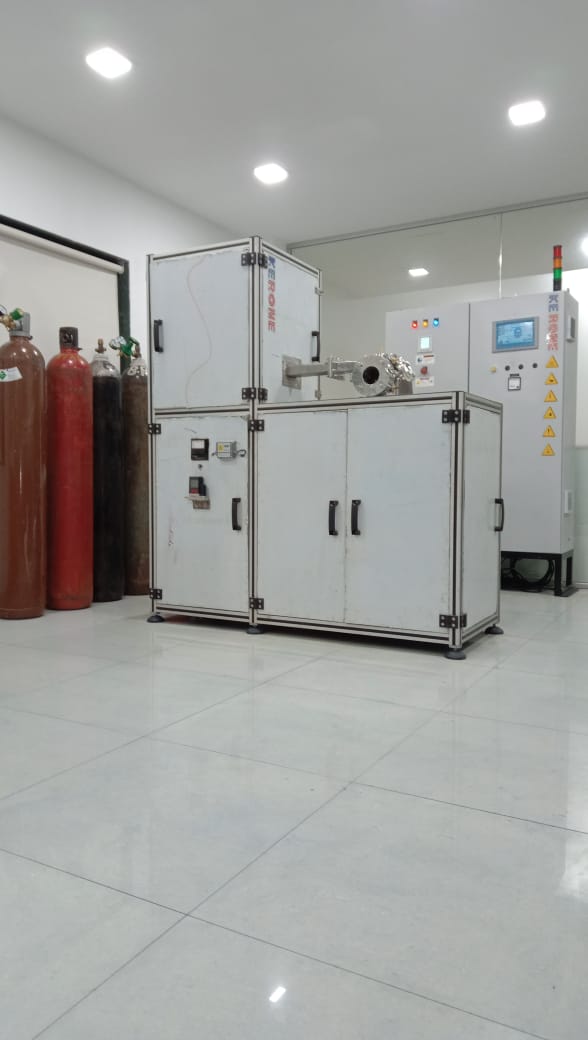
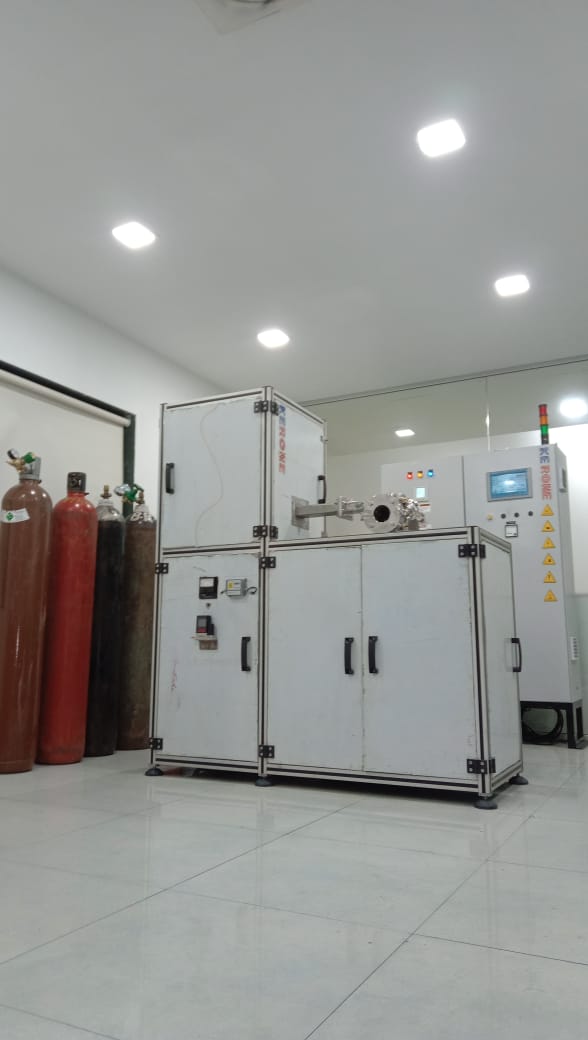
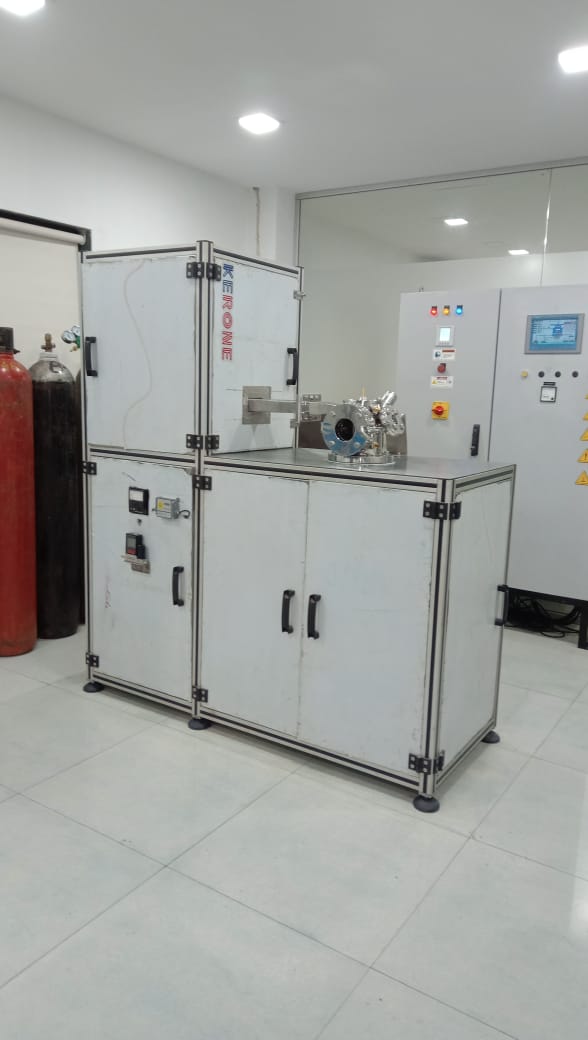
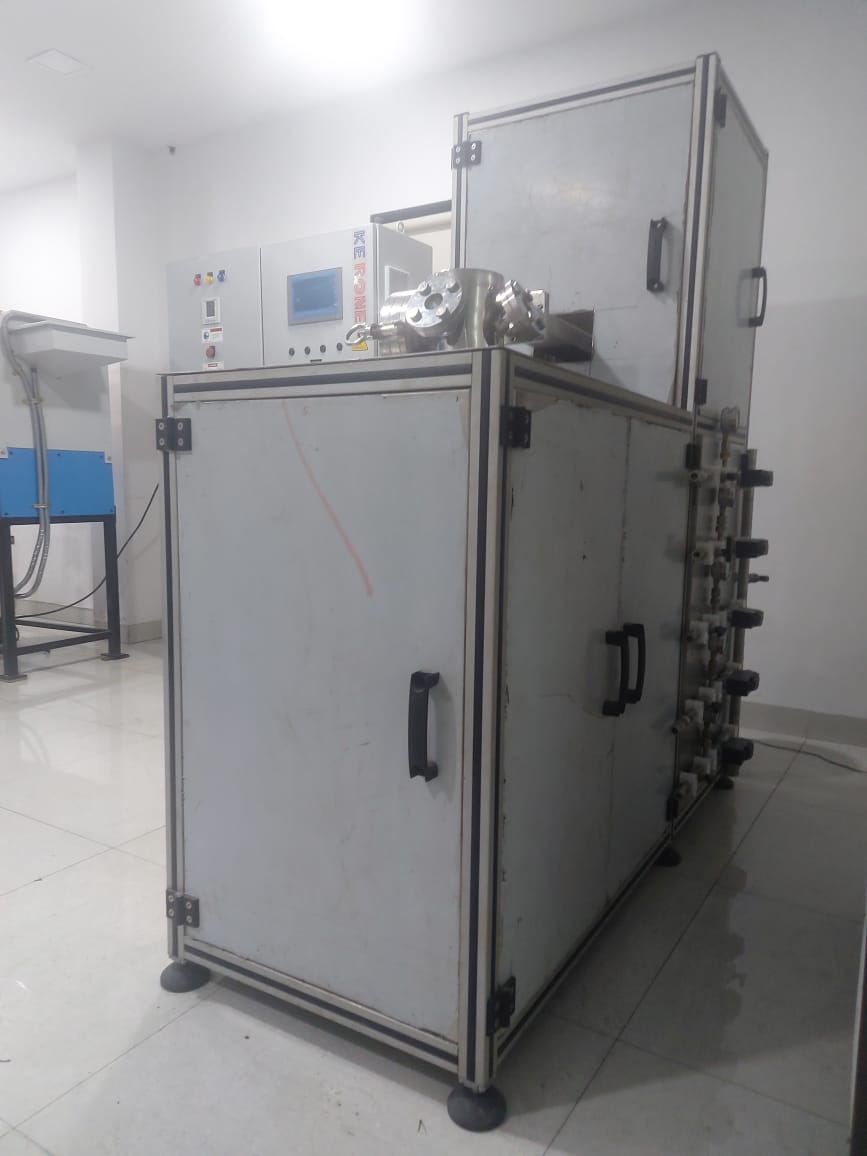
Chemical drying is one of the most technically demanding categories of industrial drying, requiring precise control of temperature, residence time, atmospheric conditions, and material handling to achieve the target moisture or solvent content in the final product without causing degradation, polymorphic transformation, color change, or contamination that would render the product commercially unacceptable. The chemical industry encompasses an enormous range of dryer-feedstock combinations from inorganic salts and pigments to active pharmaceutical ingredients, specialty polymers, fine chemicals, and catalysts, each with specific thermophysical properties, flowability characteristics, and end-product quality requirements that must be met consistently and verifiably. Kerone Engineering Solutions designs and manufactures chemical drying systems that combine deep application knowledge with precision engineering to deliver dryers that meet the stringent quality, yield, and safety requirements of the chemical sector. Our industrial drying systems for chemical applications span spray dryers, fluid bed dryers, paddle dryers, rotary drum dryers, vacuum dryers, and heat pump dryer configurations, with selection guided by an engineering analysis of the specific chemical, physical, and regulatory requirements of each application.
Why Choose Kerone Chemical Drying Systems
Kerone Engineering Solutions brings an application-first engineering approach to every chemical drying project. Before specifying equipment, our process engineers review the material safety data, thermal stability profile, equilibrium moisture isotherm, bulk flow characteristics, and downstream product quality requirements of the specific chemical being dried. This front-end material analysis determines not only which dryer technology is appropriate, but also the precise operating parameters temperature ceiling, residence time distribution, inlet and outlet moisture targets, and acceptable contact materials, that the dryer must achieve. Kerone’s fabrication capabilities in stainless steel (SS304, SS316L), alloy steels, and specialty corrosion-resistant alloys, combined with cGMP-compliant design options for pharmaceutical chemical intermediates, allow us to supply chemical dryers that satisfy both process performance and regulatory compliance requirements. Our quality management system, encompassing documentation control, traceability, FAT testing, and validation support, is aligned with the expectations of regulated industry customers in pharmaceuticals, agrochemicals, and specialty chemicals.
Types and Features of Chemical Drying Systems
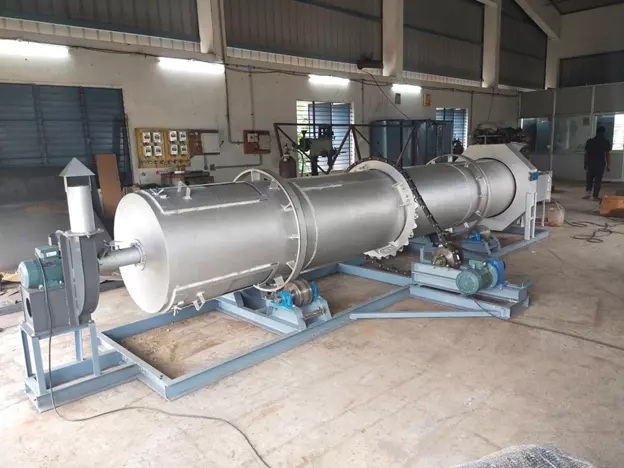
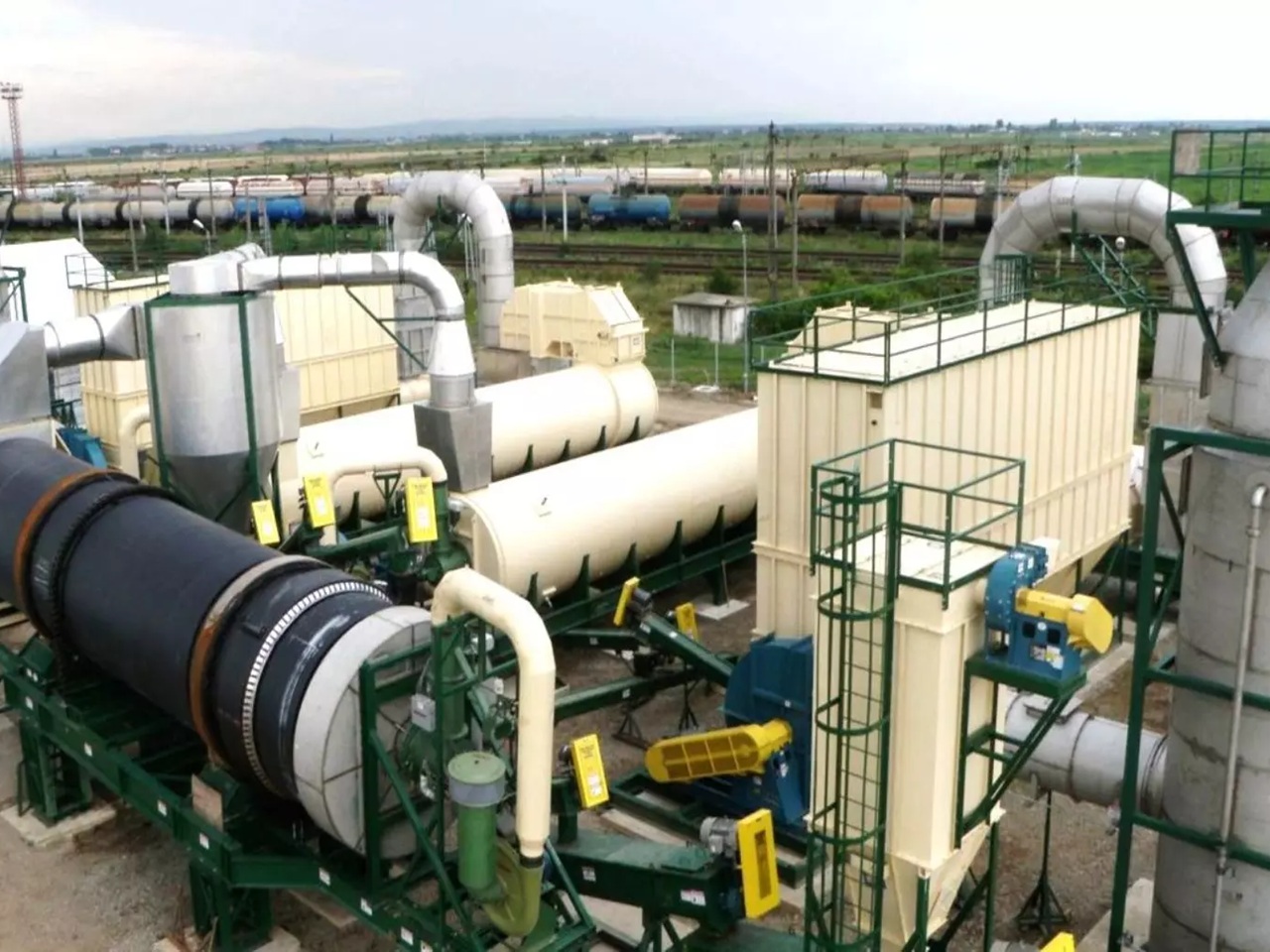
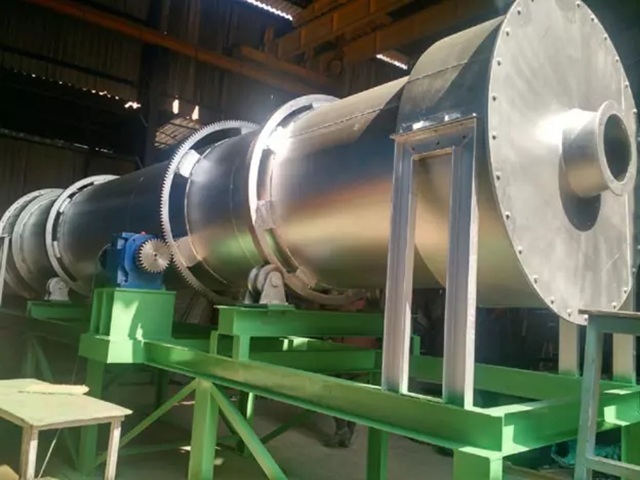
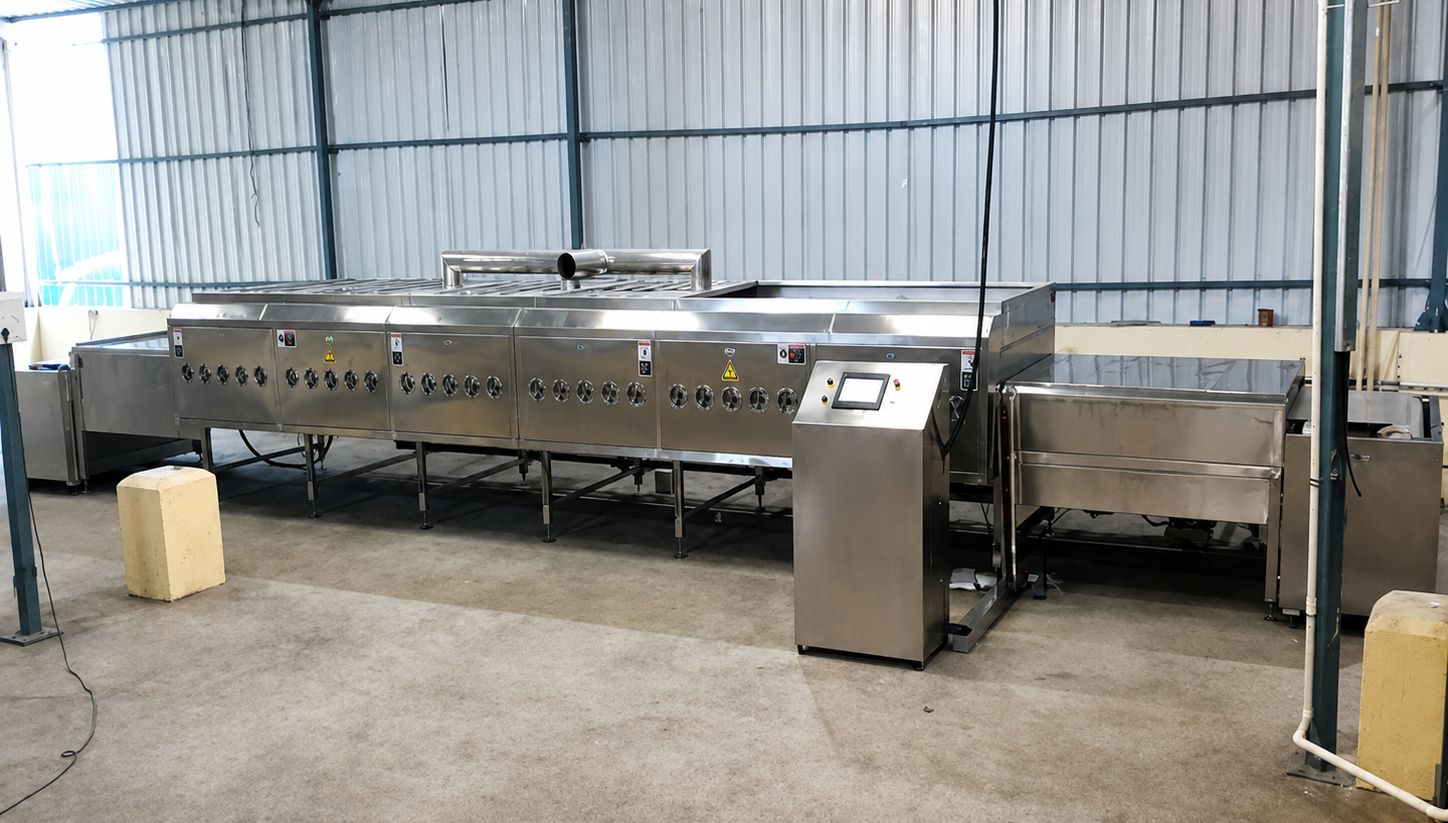
Chemical drying systems from Kerone span a wide technology spectrum tailored to the specific product requirements of each chemical application. Spray dryers are applied to liquid-feed chemicals solutions, slurries, emulsions that must be converted directly to a dry powder in a single processing step, offering precise control of particle size, morphology, and bulk density. Fluid bed dryers provide gentle, uniform drying of granular or powdery chemical solids through excellent gas-solid contact, offering superior drying uniformity and the option of integrated granulation or coating for pharmaceutical and specialty chemical applications. Vacuum paddle and rotary dryers are selected for temperature-sensitive chemicals, solvents requiring recovery, or products requiring sub-ambient pressure drying to achieve very low residual solvent content. For specialty chemicals with stringent energy consumption targets, heat pump dryer systems provide a low-temperature, energy-efficient alternative that reduces operating costs while maintaining product quality through precise temperature control throughout the drying cycle.
Key Features
Multi-technology platform including spray dryers, fluid bed dryers, vacuum dryers, paddle dryers, rotary dryers, and heat pump dryer systems matched to specific chemical product requirements
Materials of construction in SS304, SS316L, Hastelloy C-276, and other specialty alloys appropriate for corrosive, high-purity, or pharmaceutical chemical applications
Explosion-proof design and ATEX-rated instrumentation for chemical drying systems handling flammable solvents or combustible dust products
Closed-loop inert gas (nitrogen) atmosphere systems for chemicals requiring oxygen-free drying to prevent oxidation or combustion
Solvent recovery provisions including integrated condensers and distillation provisions for drying systems handling organic solvent-containing chemical feeds
cGMP-compliant design with smooth surfaces, CIP provisions, and documentation packages suitable for pharmaceutical chemical intermediate drying
Precise moisture and residual solvent monitoring using inline NIR, loss-on-drying, or Karl Fischer titration sampling provisions
Validation support documentation (DQ, IQ, OQ) and PLC/SCADA control systems with 21 CFR Part 11-compliant data logging for regulated industry applications
Powered by AI, ML & IoT
Future-Ready Engineering Driven by AI & IoT
Our advanced AI, ML, and IoT technologies, this solution delivers smarter automation, real-time insights, and predictive intelligence to enhance efficiency and drive future-ready growth.
Real-Time Monitoring & Control
Continuous tracking of process parameters with instant adjustments.
Predictive Maintenance
Intelligent fault detection to prevent failures before they occur.
Adaptive Process Optimization
Dynamic tuning of operations for maximum output and efficiency.
Cloud Dashboards & Analytics
Unified access to real-time insights and performance trends.
Energy & Resource Savings
Smarter utilization of energy to cut costs and reduce waste.
Secure IoT Connectivity
Encrypted data flow with seamless integration across plant systems.
Applications of Chemical Drying Systems
Kerone’s Chemical Drying Systems are extensively used across inorganic chemicals, specialty chemicals, agrochemicals, pharmaceutical intermediates, pigments, catalysts, and polymer processing. Typical applications include:
Inorganic salt drying – sodium sulfate, ammonium sulfate, potassium chloride for fertilizer, chemical, and industrial mineral product applications
Specialty polymer and resin drying to achieve residual moisture below specification for downstream compounding, film forming, or fiber spinning processes
Pharmaceutical chemical intermediate drying in cGMP-compliant fluid bed or vacuum paddle dryers, meeting USP or EP residual solvent specifications
Agrochemical active ingredient and formulation drying in closed, explosion-proof systems handling flammable or toxic organic solvent-bearing materials
Pigment and colorant drying in stainless steel spray or fluid bed dryers to achieve target particle size, moisture, and color performance specifications
Catalyst drying and calcination for heterogeneous catalyst manufacturing, requiring controlled temperature ramping and precise residual moisture targets
Seamless Export Connections Global & Local
Our Global Footprint in Industrial Excellence
Delivering world-class industrial and process solutions across countries with precision, innovation, and reliability.
Peru
Chile
Argentina
Mexico
Colombia
Brazil
USA
Canada
United Kingdom
France
Germany
Spain
Italy
Netherlands
Sweden
Switzerland
Poland
Portugal
Ireland
Czechia
Romania
Hungary
Austria
Greece
Kazakhstan
Uzbekistan
Turkmenistan
Algeria
Egypt
Nigeria
Kenya
South Africa
Saudi Arabia
UAE
Israel
Russia
India
China
Japan
South Korea
Thailand
Vietnam
Malaysia
Singapore
Indonesia
Philippines
Australia
New Zealand
Pan-India Presence. Local Expertise.
Raipur
Bilaspur
Panaji
Vasco da Gama
Gandhinagar
Ahmedabad
Surat
Chandigarh
Gurgaon
Shimla
Manali
Bengaluru
Mysore
Kochi
Pune
Mumbai
Thane
Navi Mumbai
Hyderabad
Chennai
Coimbatore
Kolkata
Lucknow
Jaipur
Udaipur
Jodhpur
Dehradun
Haridwar
Bhubaneswar
Product Gallery
Frequently Asked Questions (FAQ)
Kerone's selection process begins with a material characterization review covering thermal stability (TGA/DSC data), equilibrium moisture isotherm, particle size and morphology, bulk flow characteristics, solvent system (aqueous or organic), and product quality specifications. This data matrix is systematically evaluated against the performance characteristics of each dryer technology to identify the optimal match.
Depending on the dryer technology and operating conditions, Kerone's chemical drying systems can achieve residual moisture contents ranging from 5% for standard industrial chemicals down to below 0.1% (100 ppm) for pharmaceutical intermediates or catalysts requiring very low residual solvent levels. Vacuum dryers achieve the lowest residual solvent levels.
Chemical dryers handling flammable solvents are designed with closed or inerted atmospheres (nitrogen purge), ATEX-rated electrical equipment and instrumentation, solvent concentration monitoring (LEL sensors), explosion relief panels, and integrated solvent recovery condensers. The entire installation is subject to HAZOP analysis during the design phase.
Yes. Kerone supplies fluid bed dryers and vacuum paddle dryers with cGMP-compliant design features including polished internal surfaces (Ra ≤ 0.8 μm), cleaning-in-place provisions, product contact parts in SS316L with traceable material certifications, FDA/EU-compliant seals and gaskets, and validation documentation packages (URS, DQ, IQ, OQ protocols).
Polymorphic transformation in active pharmaceutical ingredients and specialty chemicals is managed through precise control of drying temperature, humidity, and rate of moisture removal. Kerone designs the drying cycle based on the customer's polymorphic stability data, specifying temperature limits and drying rate constraints that maintain the target crystal polymorph throughout the drying process.
Spray dryers process liquid feeds (solutions, slurries, emulsions) and convert them to dry powder in a single step through atomization and rapid moisture evaporation. Fluid bed dryers process granular or powdery solid feeds with pre-existing moisture, providing gentle agitated drying through the fluidized bed mechanism. The choice depends on whether the feed is liquid or solid, and on the target product particle characteristics.
Spray dryer particle size is primarily controlled by atomizer type (rotary disc or two-fluid nozzle) and operating parameters (atomizer speed, feed viscosity, feed rate, and drying air temperature). Kerone's spray dryer designs achieve mean product particle sizes from 10 μm to 300 μm, with tight particle size distribution control achievable through careful optimization of atomizer parameters.
Yes. Closed-loop chemical drying systems with inert gas recirculation and condenser-based solvent recovery can achieve solvent recovery efficiencies of 85–95% depending on solvent volatility and system design. Recovered solvent can be returned directly to the process or purified before reuse. Kerone designs the solvent recovery system as an integrated component of the overall drying installation.
Standard instrumentation includes temperature sensors at all critical locations, pressure transmitters, airflow measurement, inlet and outlet humidity sensors, inline product moisture monitoring where applicable, and PLC-based automated control with operator HMI. For pharmaceutical and regulated applications, SCADA systems with 21 CFR Part 11-compliant electronic batch records and audit trail are available.
Kerone designs chemical dryers for multi-product facilities with cleaning validation in mind—smooth, crevice-free internal surfaces, CIP spray nozzle access, minimal dead zones, and easy disassembly of product contact components for manual cleaning where required. Changeover validation procedures and cleaning cycle development are supported by Kerone's application engineering team.
Yes. Kerone maintains laboratory-scale and pilot-scale drying equipment for conducting material trials. These trials generate scale-up data including drying kinetics, product quality parameters, and energy consumption data that form the engineering basis for the full-scale industrial dryer design. Material trials are strongly recommended for new chemical products before committing to production-scale equipment.
Fluid bed dryers generate noise from the process air blowers and fluidized bed dynamics, typically ranging from 75–90 dB(A) at 1 meter distance. Kerone supplies acoustic enclosures, anti-vibration mounts, and flexible connections as standard mitigation measures. Site-specific noise impact assessments can be supported with Kerone's equipment noise data.
Dust explosion risk management includes characterization of the product's Kst, Pmax, and MEC values, design of explosion protection measures (venting, suppression, or containment), inerting with nitrogen for high-Kst products, and grounding and bonding of all equipment. Kerone works with recognized safety engineering consultants to develop the dust explosion protection concept.
Chemical fluid bed dryers typically consume 1000–1500 kcal per kg of water evaporated from the process air perspective, with a portion recoverable through exhaust air heat recovery. Heat pump dryer alternatives for low-temperature chemical drying can achieve 300–500 kcal equivalent/kg, substantially reducing energy operating costs for applicable products.
Yes. Kerone maintains a spare parts supply program for all equipment supplied, with genuine spare parts available for the full operating life of the installation. Technical support is available through on-site service engineers, remote diagnostics, and a dedicated after-sales technical helpdesk. Annual preventive maintenance contracts can be arranged for regulated industry customers requiring documented maintenance history.
Kerone’s custom-designed heating and processing solutions are built to meet the demands of your growing operations. Whether you’re upgrading equipment, expanding production, or need a tailor-made solution

 Peru
Peru Chile
Chile Argentina
 Mexico
 Colombia
 Brazil
 USA
USA Canada
 United Kingdom
 France
 Germany
 Spain
Spain Italy
Italy Netherlands
 Sweden
 Switzerland
 Poland
 Portugal
 Ireland
 Czechia
 Romania
 Hungary
 Austria
 Greece
 Kazakhstan
 Uzbekistan
 Turkmenistan
 Algeria
 Egypt
Egypt Nigeria
 Kenya
Kenya South Africa
 Saudi Arabia
 UAE
UAE Israel
 Russia
 India
India China
China Japan
Japan South Korea
 Thailand
 Vietnam
 Malaysia
 Singapore
 Indonesia
 Philippines
 Australia
 New Zealand