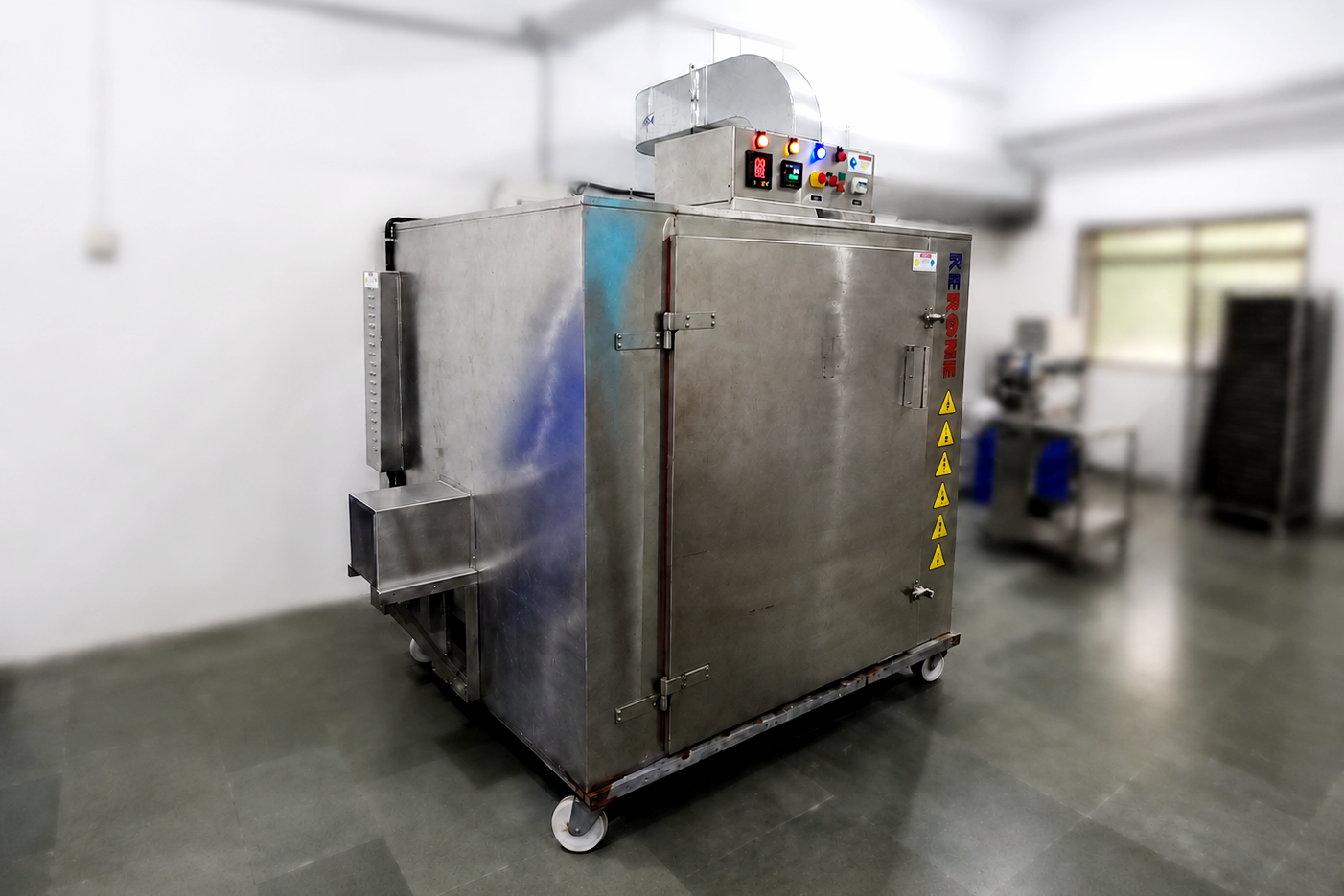
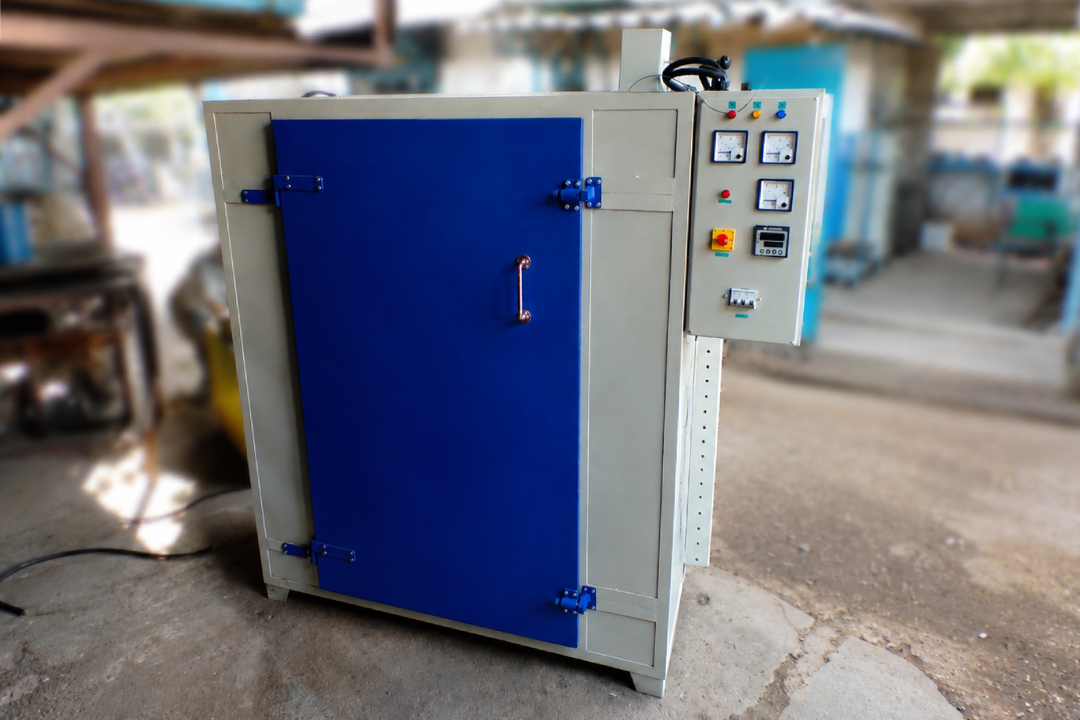
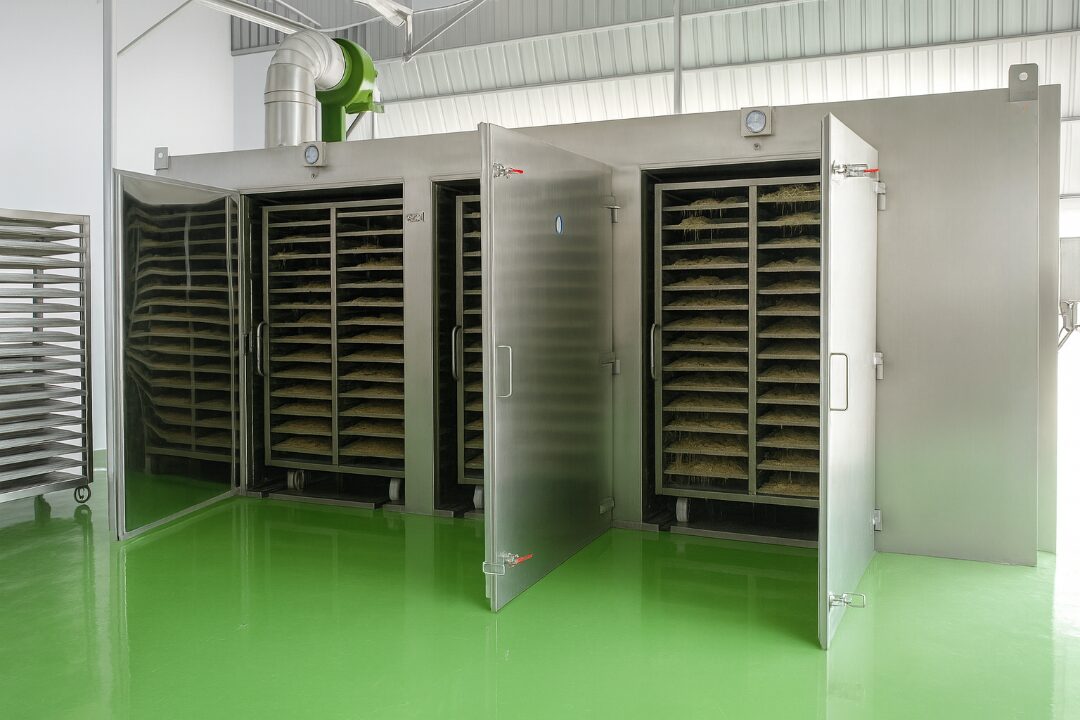
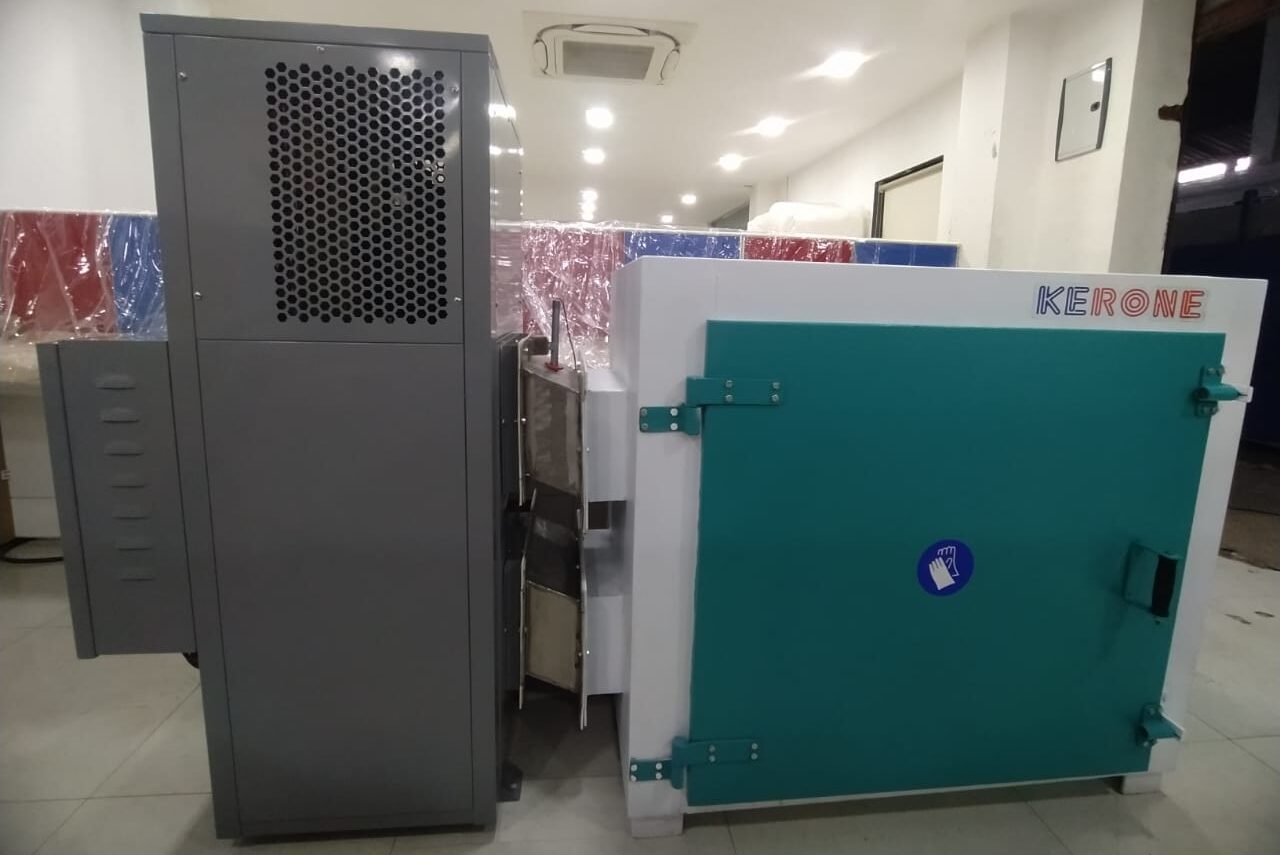
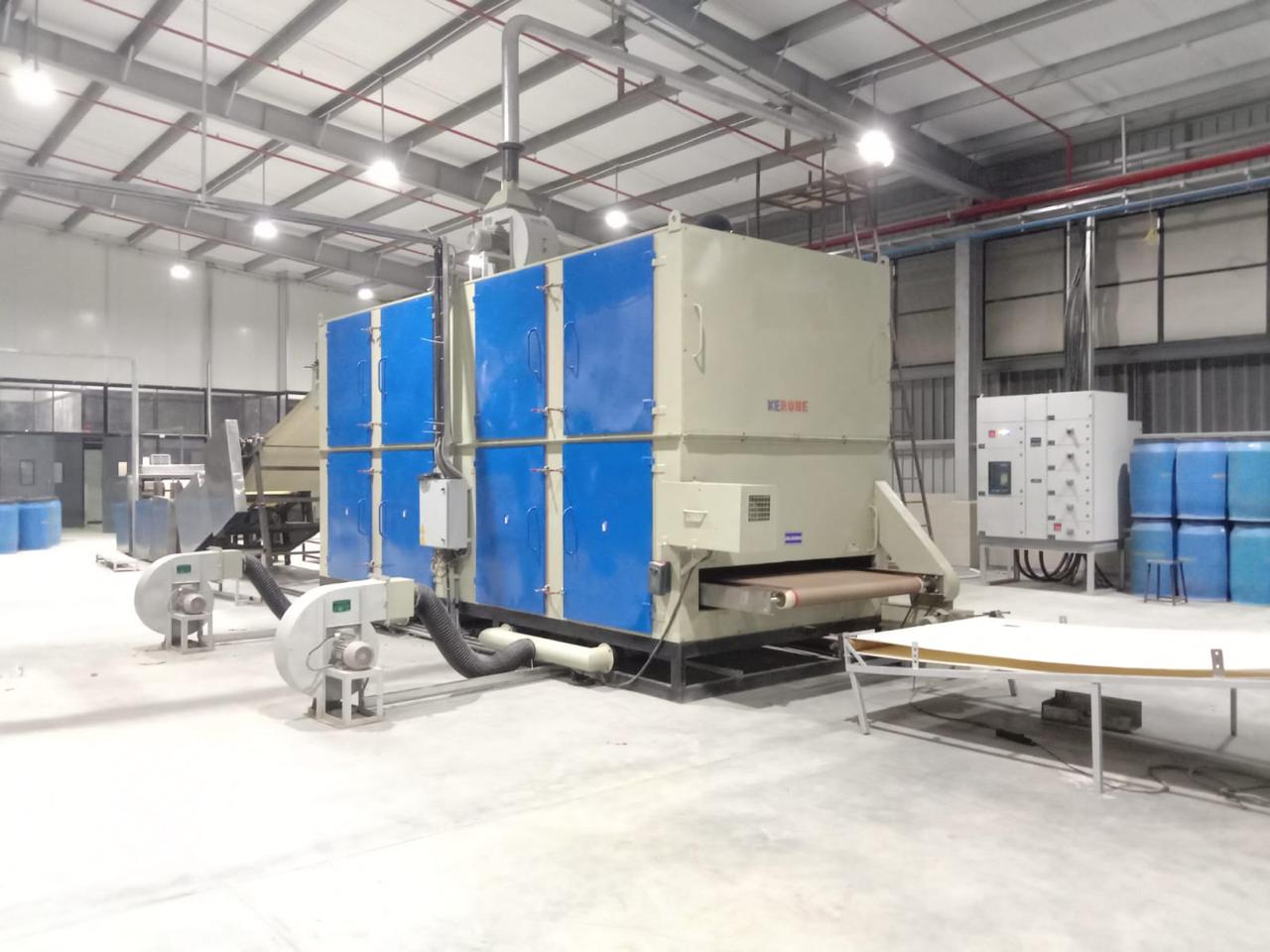
Moisture removal is one of the most energy-intensive stages in industrial processing, and the method used to achieve it has a direct bearing on product quality, running cost, and plant emissions. Kerone’s Smartdry™ Heat Pump Drying Solutions bring together decades of thermal engineering experience with closed-loop heat pump technology to give manufacturers a drying platform that recovers and reuses latent heat rather than exhausting it to atmosphere. Instead of relying on direct-fired burners or open-loop hot air systems, heat pump units circulate air through a refrigerant-based heat pump circuit, extracting moisture at controlled temperature and humidity levels while continuously recycling the thermal energy already present in the process air. The result is a drying environment that is more stable, more efficient, and considerably less wasteful than conventional convective drying. Kerone offers heat pump dryer solutions across a wide engineering range, including Spray, Impingement, Batch, Conveyor, Multi-Band, Tower, Tray, Vacuum, Fluid Bed, Rotary, Paddle, and Hybrid configurations, along with fully engineered Custom Continuous Drying Systems, so that each installation can be matched precisely to the material characteristics, throughput, and quality targets of the process it serves. Whether the application involves heat-sensitive food ingredients, pharmaceutical actives, chemical intermediates, or bulk industrial solids, the Smartdry™ range is built to deliver consistent, low-degradation drying outcomes at a fraction of the specific energy consumption of legacy systems.
Kerone has been designing thermal processing and drying equipment since 1976, and that manufacturing depth is what separates SmartDry™ from generic heat pump retrofits sold elsewhere in the market. Every heat pump system is engineered in-house, factoring in the specific heat and mass transfer behaviour of the material being dried rather than applying a one-size-fits-all refrigeration package. Our engineers work directly with clients to model drying curves, moisture migration rates, and product-specific temperature sensitivities before finalising a design, which means the delivered system is sized correctly on the first attempt instead of being over- or under-specified. Because the Industrial Heat Pump Drying Solutions circuit reclaims and reuses energy that would otherwise be vented, operating costs typically run well below those of resistance-heated or fossil-fuel-fired dryers, and the closed, low-temperature environment reduces oxidation, thermal degradation, and colour loss in sensitive products. Add to this our after-sales network, spare parts availability, and in-house fabrication capability, and it’s becomes a long-term operating asset rather than a one-time equipment purchase.
Types and Features of Smartdry™ Heat Pump Drying Solutions
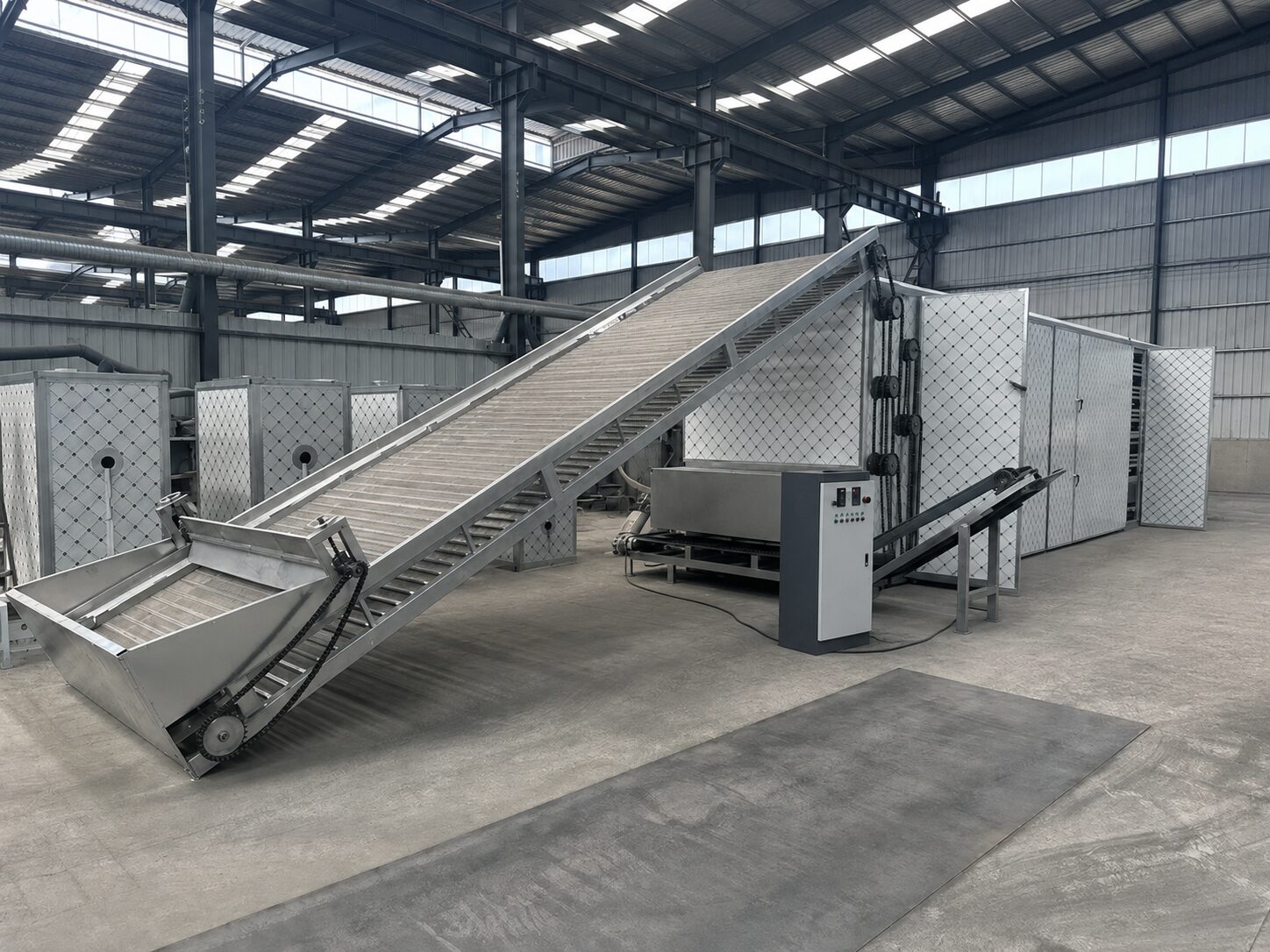
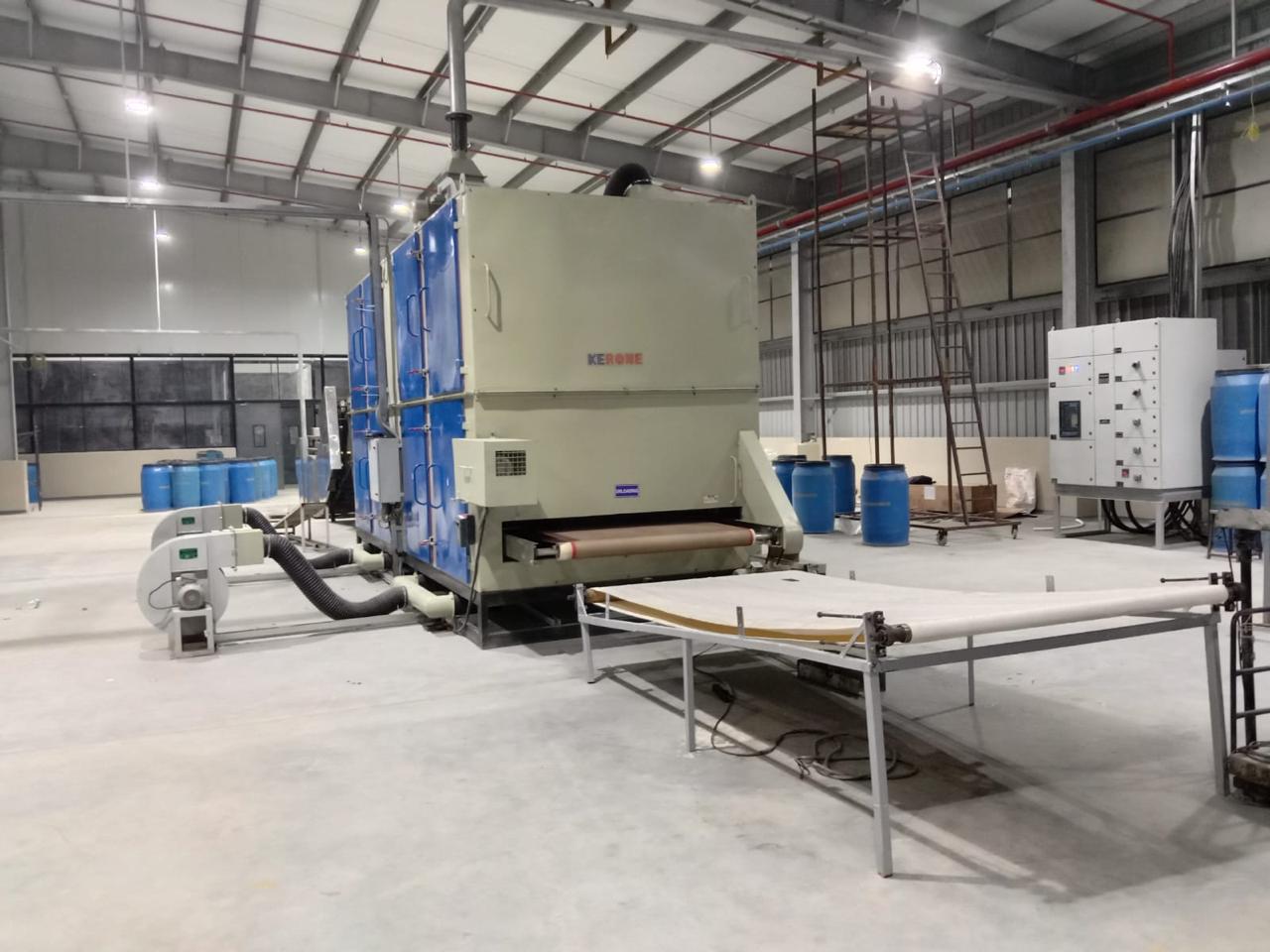
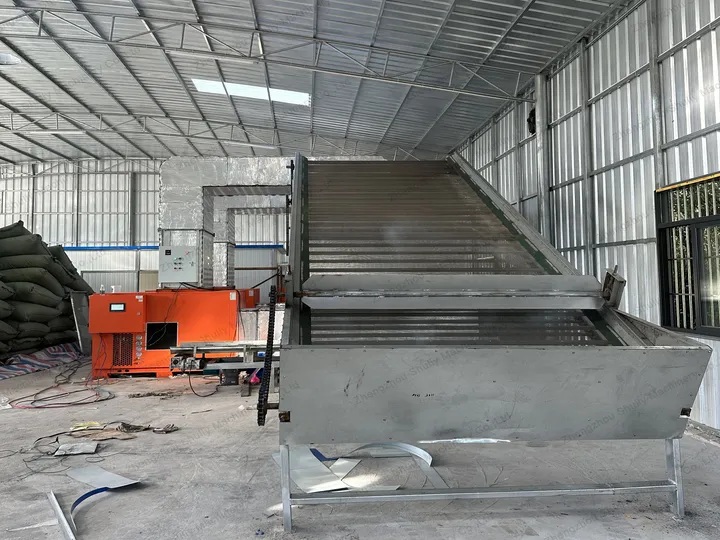
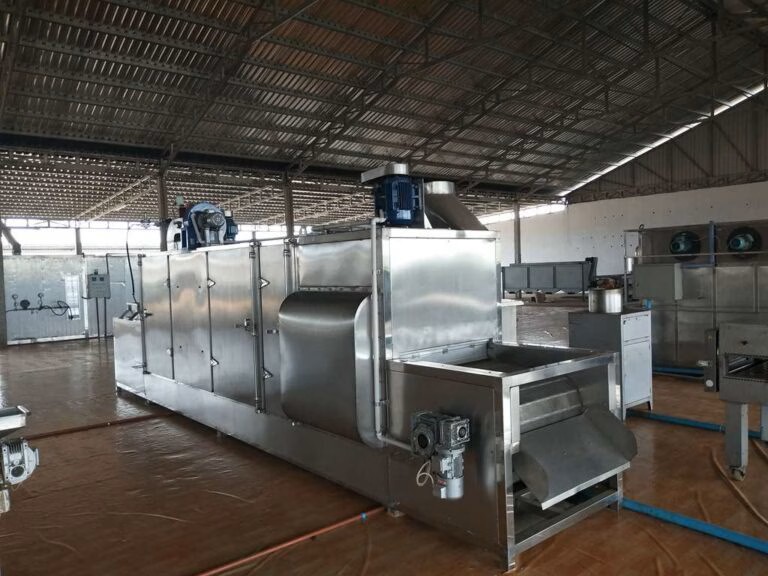
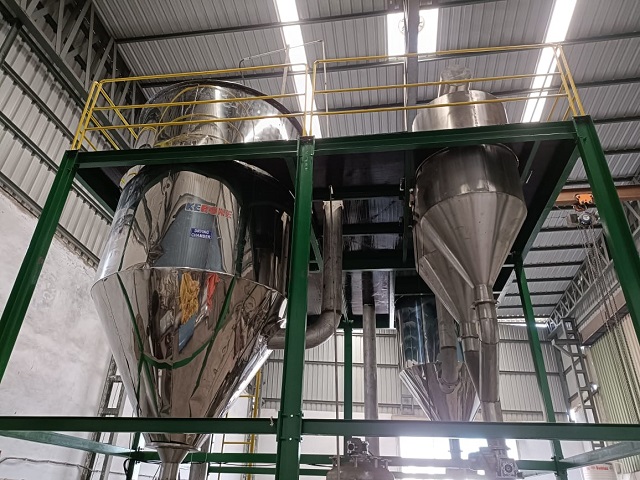
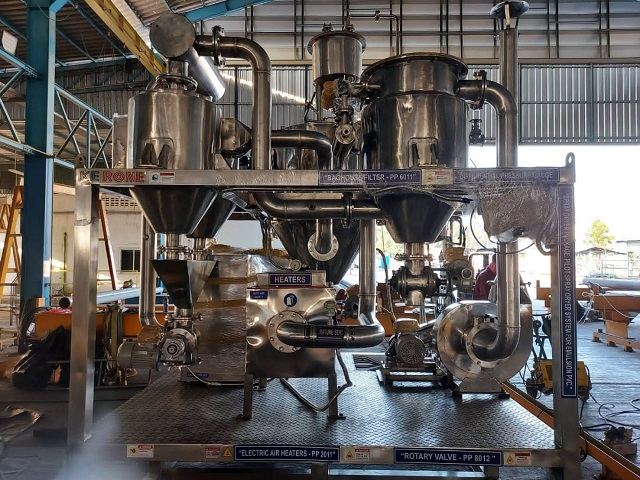
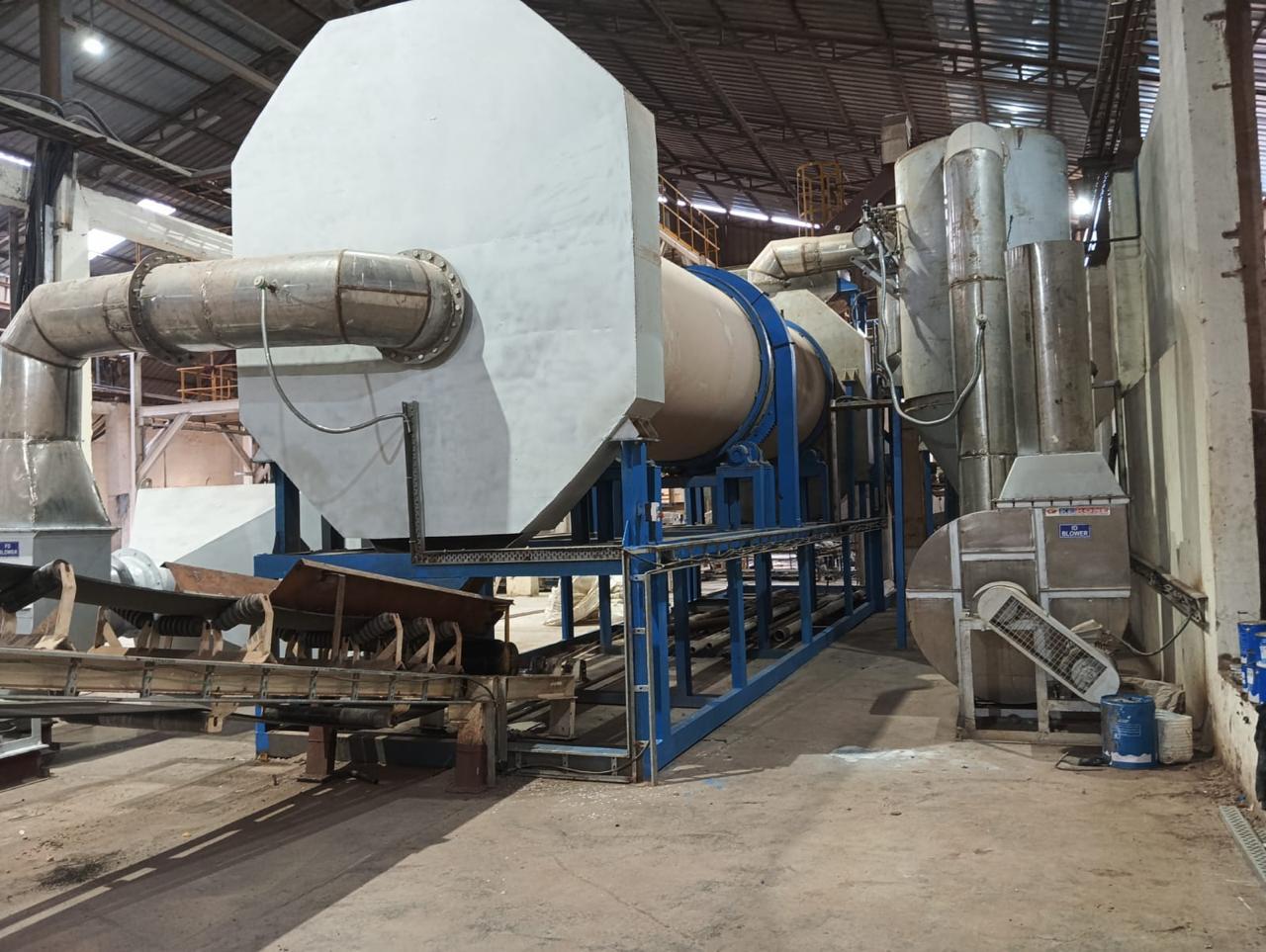
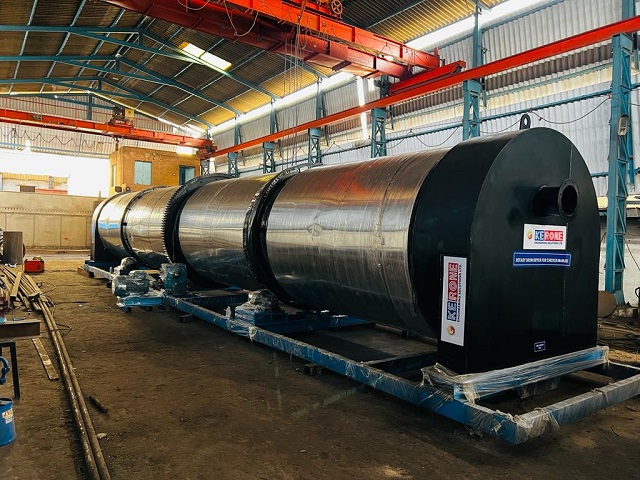
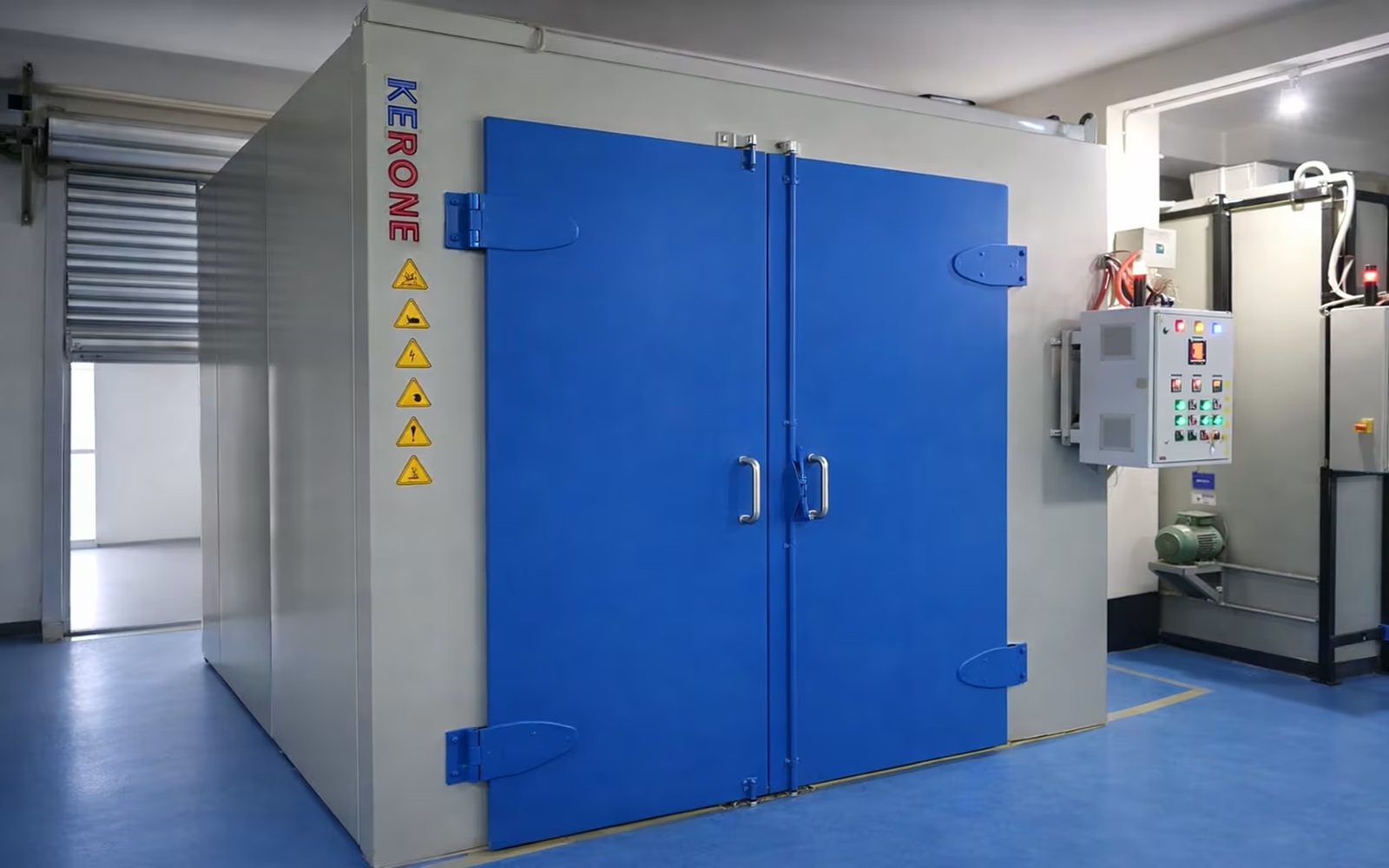
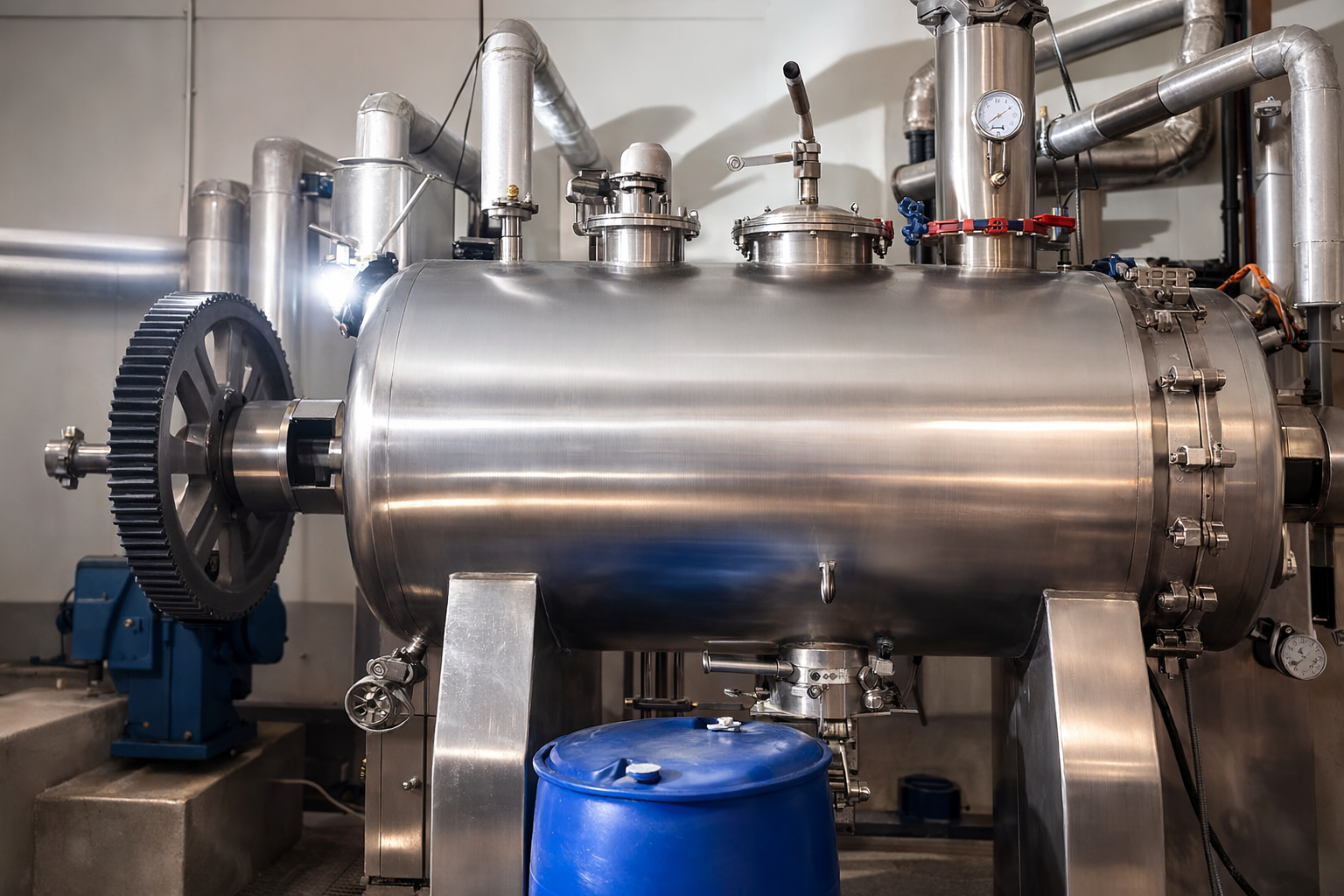
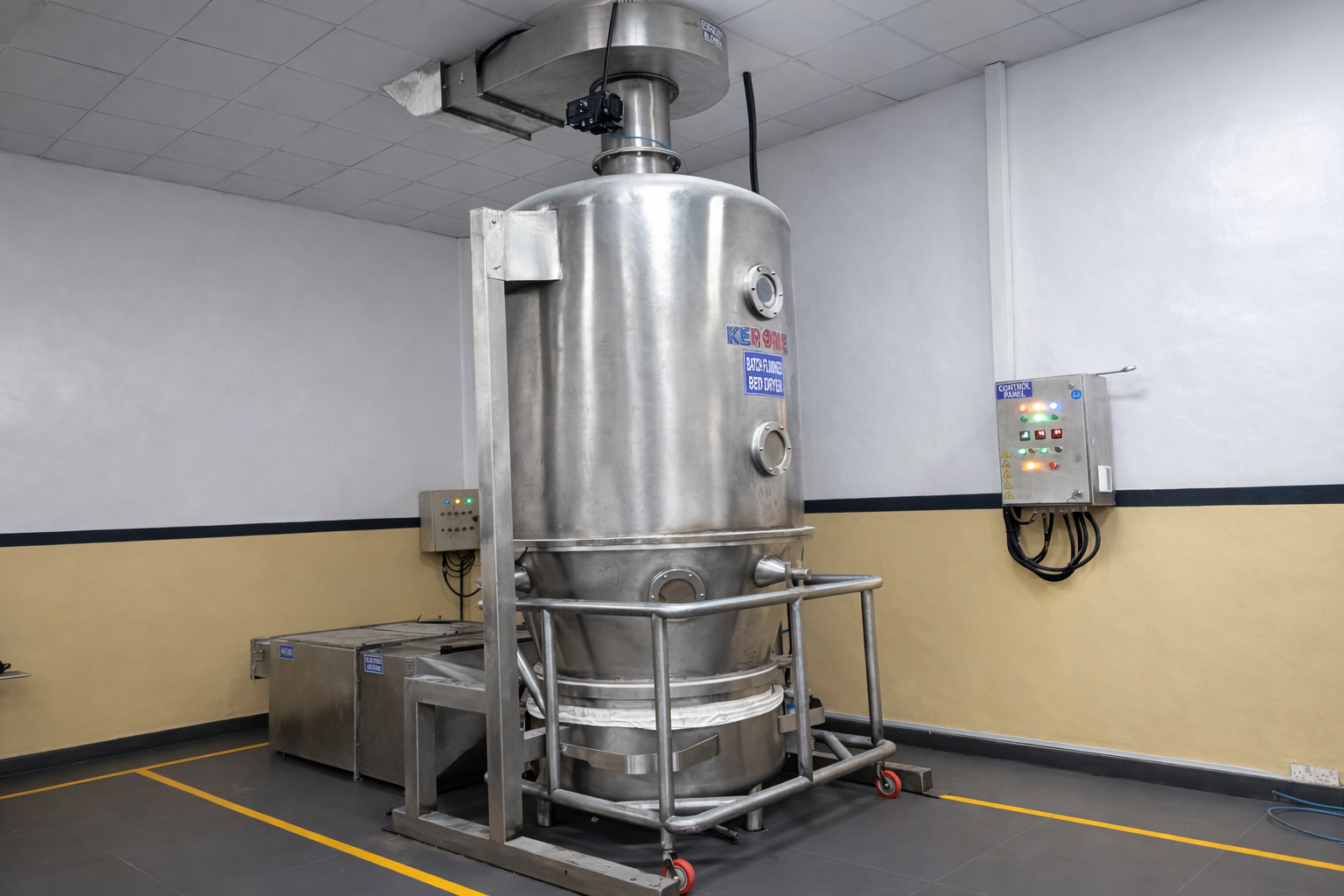
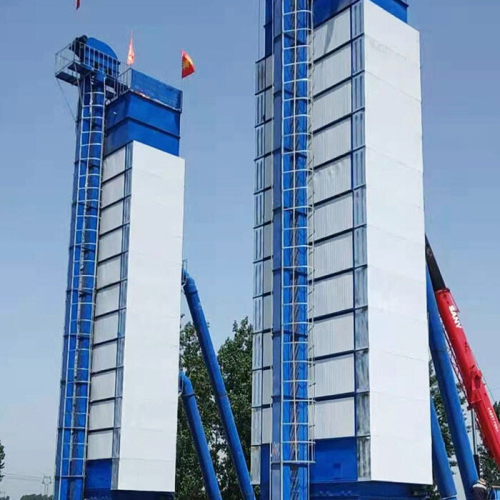
The SmartDry™ portfolio is structured around distinct drying mechanisms so that each configuration addresses a different handling requirement, whether that is liquid atomisation, static tray loading, continuous belt movement, fluidised particle suspension, or vacuum-assisted low-temperature drying. Spray and Impingement variants are suited to liquid feedstocks and surface-moisture-heavy materials that need rapid, controlled evaporation, while Batch, Tray, and Vacuum configurations serve smaller lots or highly heat-sensitive products where precise dwell time control is essential. Conveyor, Multi-Band, and Tower systems are built for continuous, high-throughput operations, and Fluid Bed, Rotary, and Paddle dryers are engineered for granular, powdery, or slurry-like materials that require constant agitation for uniform drying. Hybrid units combine heat pump drying with a secondary heat source for applications that need faster ramp-up or higher peak temperatures, and Custom Continuous Drying Systems are engineered from the ground up for production lines with non-standard geometry, capacity, or integration requirements. Across all configurations, common design elements include variable-speed compressors, dehumidification-based moisture extraction, PLC-based process control, and insulated chamber construction that keeps energy losses to a minimum.
Key Features
Closed-loop heat pump cycle that recovers and reuses latent heat instead of exhausting it
Precise temperature and humidity control suited to heat-sensitive and high-value products
Significantly lower specific energy consumption compared to conventional hot-air or fired dryers
Modular configuration across Spray, Batch, Conveyor, Tower, Fluid Bed, Rotary, Paddle, and other formats
PLC/SCADA-based automation with real-time monitoring of temperature, humidity, and drying rate
Reduced oxidation, discolouration, and nutrient or potency loss due to low-temperature operation
Compact footprint with insulated, low-emission chamber construction for cleaner plant environments
Engineered and fabricated in-house with application-specific sizing and validation
Powered by AI, ML & IoT
Future-Ready Engineering Driven by AI & IoT
Our advanced AI, ML, and IoT technologies, this solution delivers smarter automation, real-time insights, and predictive intelligence to enhance efficiency and drive future-ready growth.
Real-Time Monitoring & Control
Continuous tracking of process parameters with instant adjustments.
Predictive Maintenance
Intelligent fault detection to prevent failures before they occur.
Adaptive Process Optimization
Dynamic tuning of operations for maximum output and efficiency.
Cloud Dashboards & Analytics
Unified access to real-time insights and performance trends.
Energy & Resource Savings
Smarter utilization of energy to cut costs and reduce waste.
Secure IoT Connectivity
Encrypted data flow with seamless integration across plant systems.
Applications of Smartdry™ Heat Pump Drying Solutions
Kerone’s SmartDry™ Heat Pump Drying Solutions are extensively used in industries where energy efficiency, product quality, and precise moisture control are equally critical. Typical applications include:
Food ingredient and finished food product drying, including fruits, vegetables, and dairy powders
Pharmaceutical and nutraceutical drying of active ingredients, granules, and intermediates
Chemical and specialty chemical powder and crystal drying
Marine and seafood drying requiring low-temperature moisture removal
Tea, spice, and agricultural produce drying and dehydration
Biomass, digestate, and biochar feedstock moisture reduction
Textile, leather, and industrial material drying
Waste and sludge drying for volume reduction and disposal readiness
As energy costs rise and sustainability commitments tighten across manufacturing sectors, heat pump drying is shifting from a niche efficiency upgrade to a mainstream process choice. Kerone’s SmartDry™ range gives manufacturers a way to make that shift without compromising on throughput, product quality, or process control, backed by nearly five decades of thermal engineering experience and a configuration for virtually every drying application.
Seamless Export Connections Global & Local
Our Global Footprint in Industrial Excellence
Delivering world-class industrial and process solutions across countries with precision, innovation, and reliability.
Peru
Chile
Argentina
Mexico
Colombia
Brazil
USA
Canada
United Kingdom
France
Germany
Spain
Italy
Netherlands
Sweden
Switzerland
Poland
Portugal
Ireland
Czechia
Romania
Hungary
Austria
Greece
Kazakhstan
Uzbekistan
Turkmenistan
Algeria
Egypt
Nigeria
Kenya
South Africa
Saudi Arabia
UAE
Israel
Russia
India
China
Japan
South Korea
Thailand
Vietnam
Malaysia
Singapore
Indonesia
Philippines
Australia
New Zealand
Pan-India Presence. Local Expertise.
Raipur
Bilaspur
Panaji
Vasco da Gama
Gandhinagar
Ahmedabad
Surat
Chandigarh
Gurgaon
Shimla
Manali
Bengaluru
Mysore
Kochi
Pune
Mumbai
Thane
Navi Mumbai
Hyderabad
Chennai
Coimbatore
Kolkata
Lucknow
Jaipur
Udaipur
Jodhpur
Dehradun
Haridwar
Bhubaneswar
Product Gallery
Frequently Asked Questions (FAQ)
The heat pump circuit continuously dehumidifies the circulating air by condensing moisture out at the evaporator coil before reheating and recirculating it through the drying chamber. This closed-loop dehumidification, combined with PLC-based sensors monitoring relative humidity in real time, allows the system to hold a set humidity band throughout the drying cycle rather than letting it drift as ambient conditions change, which is a key reason heat pump drying produces more consistent batch-to-batch results than open-loop hot-air systems.
SmartDry™ systems typically operate between 20°C and 85°C, depending on the configuration and refrigerant circuit selected. This low-to-moderate range is what makes the platform suitable for heat-sensitive materials such as food ingredients, botanicals, and pharmaceutical actives, where conventional hot-air dryers running above 100°C would cause case hardening, colour loss, or degradation of active compounds. For applications needing higher peak temperatures, Kerone's Hybrid configuration adds a secondary heat source to extend the working range without giving up the heat pump's energy recovery benefit.
Because SmartDry™ systems recover and recycle latent heat through a closed refrigerant loop instead of exhausting warm, moist air to atmosphere, specific energy consumption typically runs 40–60% lower than direct-fired or resistance-heated dryers processing the same material and moisture load. Actual savings depend on ambient conditions, initial moisture content, and target final moisture, which is why Kerone models each application's drying curve before quoting a projected energy figure rather than relying on a generic industry average.
Yes. Conveyor, Multi-Band, and Tower variants are commonly retrofitted into existing lines by matching infeed and outfeed conveyor speeds, chamber footprint, and utility connections to the current layout. Batch and Tray units can often be installed as standalone additions with minimal civil work. Kerone's engineering team carries out a site assessment covering available floor space, power supply capacity, and upstream/downstream equipment interfaces before finalising a retrofit design, so integration risk is identified before fabrication begins rather than during installation.
SmartDry™ heat pump circuits use low-GWP (global warming potential) refrigerants selected to meet current F-gas and environmental regulations applicable to the destination market, rather than legacy high-GWP blends being phased out internationally. The exact refrigerant is specified per project based on the operating temperature range, capacity, and the regulatory requirements of the country where the system will be installed, and this is confirmed with the client during the design stage.
Most industrial installations recover their incremental capital cost within 18 to 36 months, driven primarily by reduced electricity or fuel spend and, in many cases, lower rejection rates from improved product consistency. The exact payback period depends on current energy tariffs, existing dryer efficiency, operating hours per year, and local incentives for energy-efficient equipment, so Kerone provides a project-specific ROI estimate as part of the proposal rather than a fixed industry figure.
Heat pump drying is not the ideal fit for products that require very high finishing temperatures for sterilisation, case-hardening, or specific texture development, such as certain baked goods or materials needing flash-drying above the heat pump's practical range. It is also less economical for extremely high-moisture slurries where bulk evaporation load would require an oversized compressor circuit. Kerone's process engineers assess the moisture profile and target outcome of each material before recommending SmartDry™ over a conventional or hybrid alternative.
Selection is based on the physical form of the feed material (liquid, slurry, granule, powder, or solid piece), required throughput, moisture reduction target, and any handling constraints such as agitation sensitivity or particle attrition. A powder requiring uniform suspension typically points to Fluid Bed or Paddle configurations, while a continuous high-volume line favours Conveyor or Tower formats. Kerone runs drying trials or lab-scale simulations on client samples where needed before finalising the configuration and sizing.
Yes. Since SmartDry™ systems run on electrically driven compressors rather than direct combustion, they can be powered from grid electricity, captive solar, or hybrid renewable setups without any change to the drying process itself. Manufacturers running solar or captive power generation often see heat pump drying deliver a stronger sustainability and cost case than fuel-fired alternatives, since the electrical load can be offset directly by on-site renewable generation.
Routine maintenance covers refrigerant circuit checks, condenser and evaporator coil cleaning to prevent fouling-related efficiency loss, compressor servicing per the manufacturer's schedule, and calibration of humidity and temperature sensors. Kerone recommends a quarterly inspection cycle for continuous-duty installations and provides a maintenance schedule specific to the configuration supplied. Neglecting coil cleaning is the most common cause of gradual efficiency drop reported in the field, so this is flagged as a priority checkpoint.
Because SmartDry™ operates at lower, tightly controlled temperatures than direct-fired hot-air drying, products generally retain more of their natural colour, aroma compounds, and heat-sensitive nutrients, and are less prone to surface case-hardening. This is particularly relevant for fruits, vegetables, herbs, and nutraceutical ingredients where oxidation and thermal degradation directly affect market value. The degree of improvement varies by material, which is why Kerone conducts sample trials to quantify the difference before a full-scale order.
Depending on the application, SmartDry™ systems are designed to accommodate food-grade contact material requirements, GMP-compliant construction for pharmaceutical drying, and CE or equivalent electrical and mechanical safety marking for export markets. Documentation such as material certificates, welding records, and validation protocols (IQ/OQ where applicable) can be provided as part of the project deliverables. Clients should specify the target market and regulatory framework at the enquiry stage so the design meets the correct compliance baseline from the outset.
Batch and Tray configurations are inherently flexible for variable lot sizes, while Conveyor, Tower, and Multi-Band systems can be run at reduced belt speed or partial loading to accommodate lower-volume periods without a major efficiency penalty, since the heat pump circuit modulates output via variable-speed compressors. For operations with significant seasonal or order-driven volume swings, Kerone can seize the system around peak demand while confirming turndown performance at lower loads during the design review.
Standard configurations generally take 10 to 16 weeks from design finalisation to factory testing, while fully custom Continuous Drying Systems with non-standard geometry or integration requirements can take longer depending on engineering complexity and component availability. Kerone provides a project-specific timeline covering design sign-off, fabrication, factory acceptance testing, and on-site commissioning once the technical specification and site details are confirmed.
Capacity is calculated from the material's initial and target moisture content, bulk density, feed rate, and the latent heat of vaporisation required to remove the specified moisture load within the desired cycle time. Kerone's engineers use this data, along with any lab or pilot trial results, to size the compressor capacity, airflow rate, and chamber dimensions needed to hit the required kg/hr or batch throughput, rather than scaling a standard unit up or down without validation.
Kerone’s custom-designed heating and processing solutions are built to meet the demands of your growing operations. Whether you’re upgrading equipment, expanding production, or need a tailor-made solution


 Peru
Peru Chile
Chile Argentina
 Mexico
 Colombia
 Brazil
 USA
USA Canada
 United Kingdom
 France
 Germany
 Spain
Spain Italy
Italy Netherlands
 Sweden
 Switzerland
 Poland
 Portugal
 Ireland
 Czechia
 Romania
 Hungary
 Austria
 Greece
 Kazakhstan
 Uzbekistan
 Turkmenistan
 Algeria
 Egypt
Egypt Nigeria
 Kenya
Kenya South Africa
 Saudi Arabia
 UAE
UAE Israel
 Russia
 India
India China
China Japan
Japan South Korea
 Thailand
 Vietnam
 Malaysia
 Singapore
 Indonesia
 Philippines
 Australia
 New Zealand