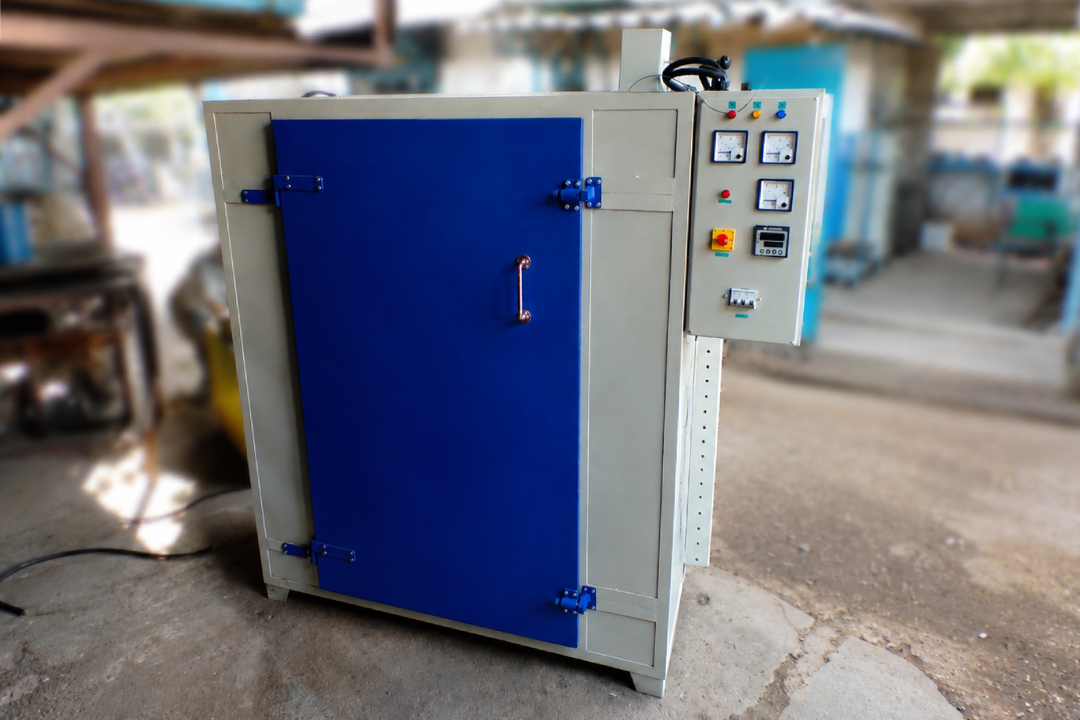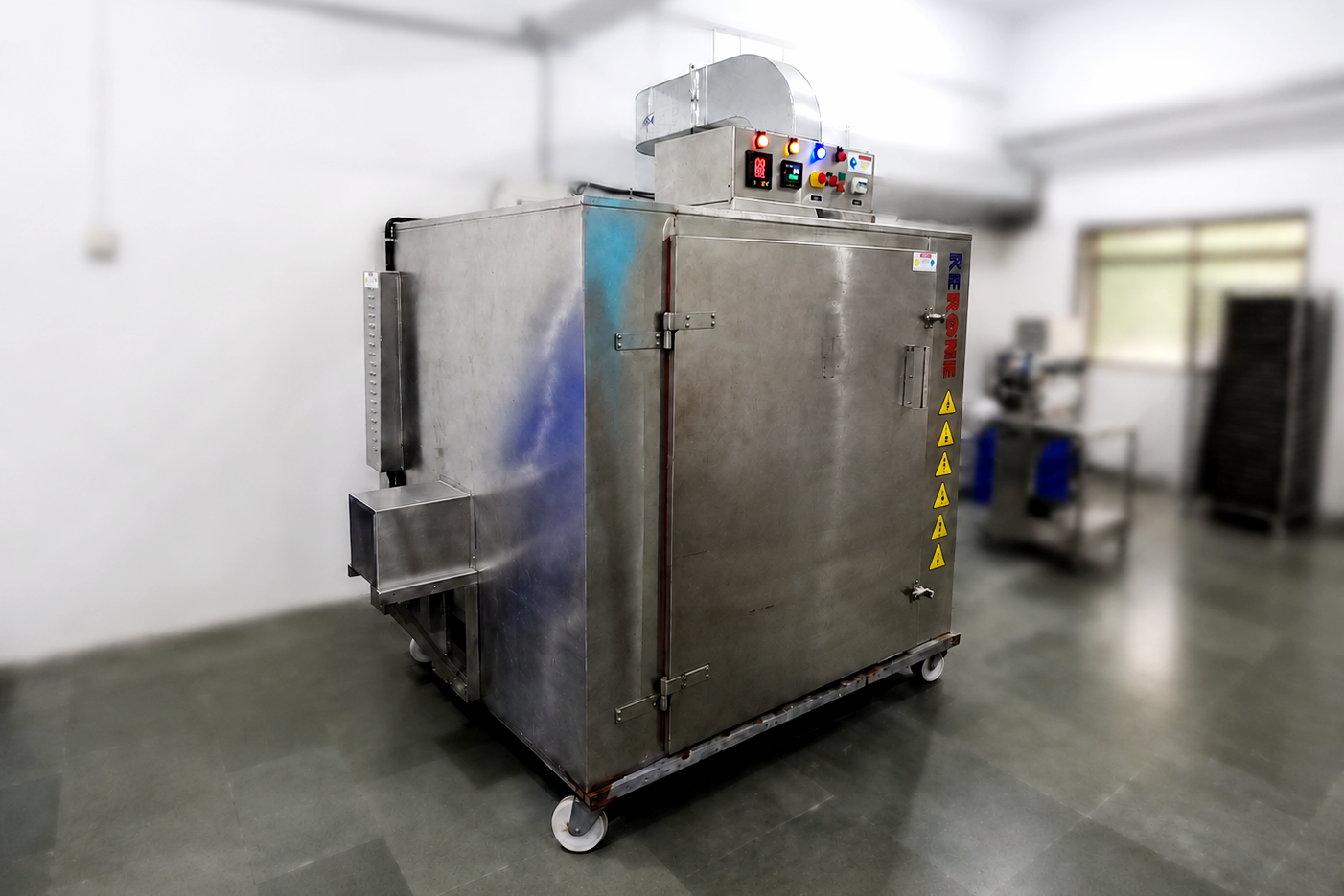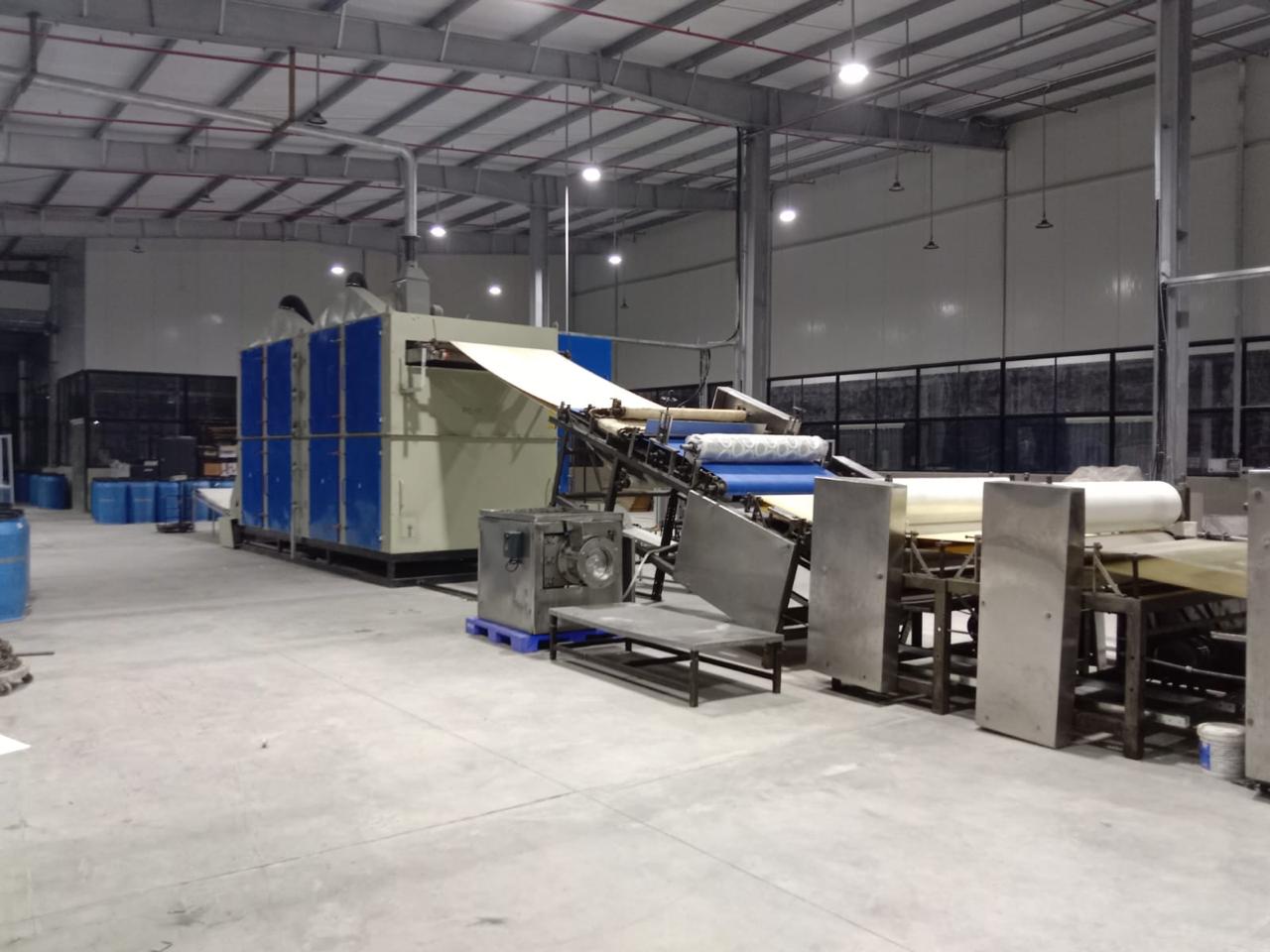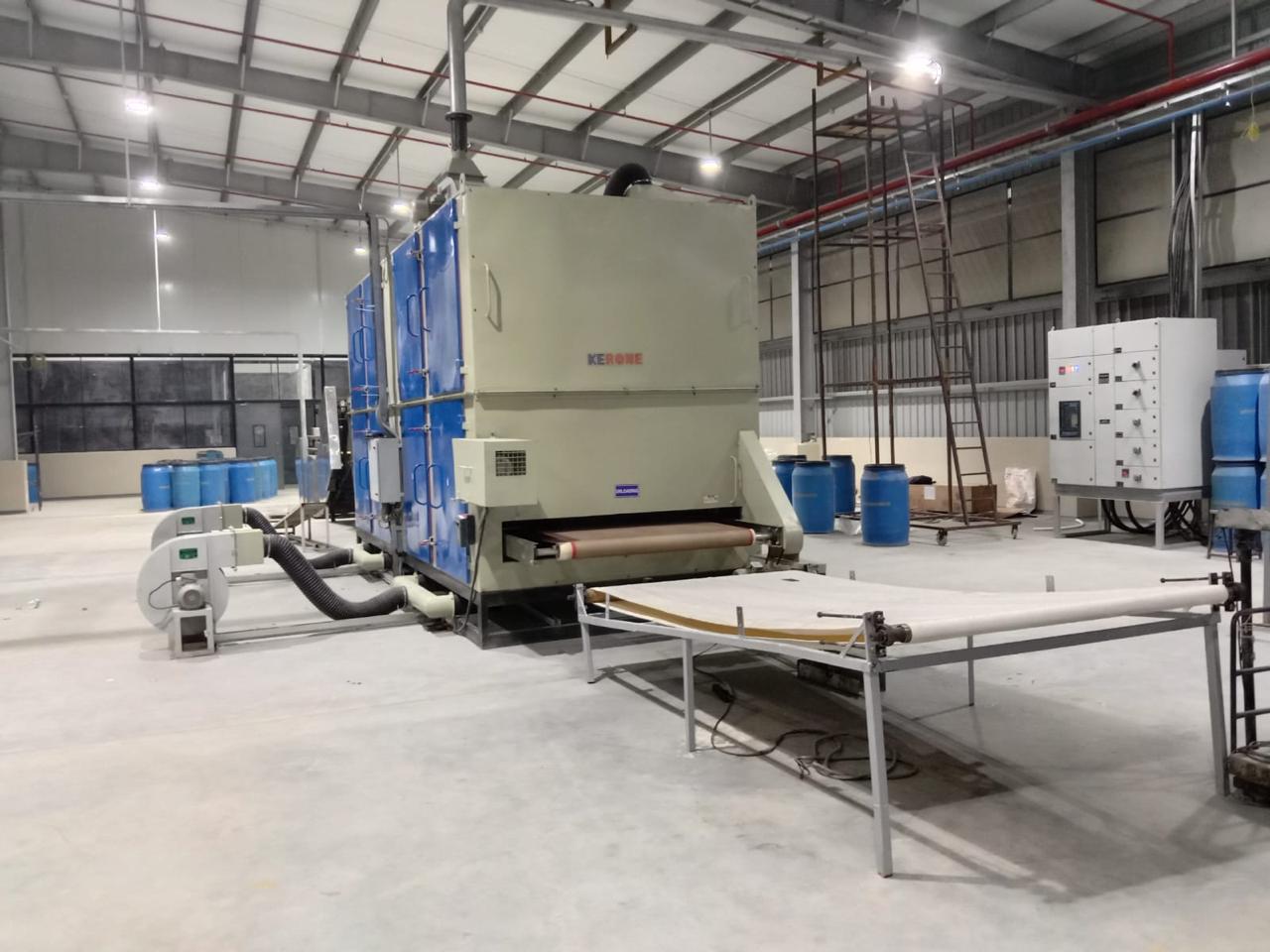
Food ingredient manufacturing occupies a technically demanding segment of the food industry, where the dried output is not a finished consumer product but a functional industrial input whose physical, chemical, and microbiological properties directly determine its performance in subsequent food manufacturing processes. Whether producing a spray-dried maltodextrin carrier, a fluidised bed granulated probiotic, a belt-dried vegetable powder, or a vacuum-dried enzyme preparation, the industrial dryer at the centre of these processes must deliver exceptional consistency, protect bioactive functionality, meet stringent microbial specifications, and conform to customer and regulatory quality standards that leave no margin for process variability. Kerone Engineering Solutions designs food ingredient dryers for this demanding context, combining process engineering rigour, food-grade construction standards, and deep application knowledge across the full spectrum of ingredient categories.

Why Choose Kerone Food Ingredient Dryers
Kerone’s food ingredient dryer expertise spans starch-based carriers, protein concentrates and isolates, flavouring and seasoning powders, functional hydrocolloids, probiotic and prebiotic preparations, enzyme products, and speciality mineral and vitamin premixes. For each ingredient category, Kerone’s engineering team specifies the drying technology, inlet temperature, air velocity, and residence time that preserves the key functional attribute of the ingredient, whether that is emulsification capacity, solubility, enzyme activity, probiotic viability, or colour intensity. This application-specific engineering depth means Kerone’s clients receive food ingredient dryers that are designed for their product, not adapted from a general-purpose platform, translating directly into consistent product quality and reduced rework costs.
Types and Features of Food Ingredient Dryers
Kerone’s food ingredient dryer range includes closed-cycle spray dryers for heat-sensitive and solvent-recovery applications, pulse combustion spray dryers for ultra-fine powder production, fluidised bed dryers and granulators for controlled particle size product specifications, ring dryers for starch and fibre ingredient applications, paddle disc dryers for viscous or paste-form ingredient feeds, and vacuum shelf dryers for laboratory-to-pilot scale sensitive ingredient development. For probiotic and enzyme ingredients, Kerone offers its low-temperature fluidised bed system operating at 35–50°C with humidity-controlled inlet air, providing the gentlest available thermal environment for live cell and protein functionality preservation.
Key Features
Closed-cycle nitrogen or CO₂ atmosphere spray drying for oxidation-sensitive ingredients such as omega-3 oil encapsulates, carotenoids, and polyunsaturated lipid emulsions
Two-stage drying configurations with spray drying followed by integrated fluid bed finishing for improved powder flowability, reduced hygroscopicity, and precise moisture targeting
Ultra-low temperature belt and vacuum drying options (30–50°C) for probiotic bacteria, yeast cultures, and enzymatic preparations requiring activity preservation above threshold levels
In-line particle size classification and return fines agglomeration for consistent granule size distribution in granulated functional ingredient products
Dedicated pharmaceutical-grade construction options with electro-polished internal surfaces, silicon seal gaskets, and triclamp fitting compatibility for dual food/pharma production flexibility
Dust explosion prevention through nitrogen inerting, ATEX Zone 21 classification, explosion relief panels, and chemical suppression systems where required by ingredient flammability risk assessment
Automated CIP systems with validated cleaning protocols providing documented clean-in-place performance for allergen changeover and microbiological control compliance
Inlet air conditioning capability including dehumidification, HEPA filtration, and temperature control for consistent drying conditions regardless of ambient climate variations
Powered by AI, ML & IoT
Future-Ready Engineering Driven by AI & IoT
Our advanced AI, ML, and IoT technologies, this solution delivers smarter automation, real-time insights, and predictive intelligence to enhance efficiency and drive future-ready growth.
Real-Time Monitoring & Control
Continuous tracking of process parameters with instant adjustments.
Predictive Maintenance
Intelligent fault detection to prevent failures before they occur.
Adaptive Process Optimization
Dynamic tuning of operations for maximum output and efficiency.
Cloud Dashboards & Analytics
Unified access to real-time insights and performance trends.
Energy & Resource Savings
Smarter utilization of energy to cut costs and reduce waste.
Secure IoT Connectivity
Encrypted data flow with seamless integration across plant systems.
Applications of Food Ingredient Dryers
Kerone’s Food Ingredient Dryers are extensively used across food ingredient manufacturing, flavour production, and functional food industries. Typical applications include:
Encapsulated flavour and aroma production where liquid flavour compounds are spray-dried into maltodextrin or modified starch matrices for shelf-stable powder flavouring products
Protein ingredient manufacturing producing spray-dried whey protein concentrate and isolate, plant protein powders, and collagen peptide powders for food fortification and sports nutrition
Starch derivative production where pre-gelatinised, modified, and functionalised starches are ring-dried or spray-dried to produce specific functional ingredient grades
Probiotic and synbiotic ingredient production where spray drying or fluidised bed drying under controlled conditions produces viable cell-count products with documented stability
Hydrocolloid and gelling agent processing where locust bean gum, pectin, carrageenan, and similar food texture ingredients are dried to specification moisture for dissolution performance
Sweetener and sugar alcohol production where crystalline or amorphous powdered ingredient forms are produced by controlled drying and crystallisation processes
Food ingredient dryers from Kerone Engineering Solutions are built on the understanding that every parameter matters, drying temperature by one degree too high can destroy enzyme activity; two percentage points above target moisture can enable clumping and microbial risk in a probiotic powder; inconsistent particle size distribution can undermine the functionality of an encapsulated flavour. By engineering to these technical tolerances and validating performance against documented product specifications, Kerone gives food ingredient manufacturers the process reliability and product consistency that their downstream customers and quality assurance teams require.
Seamless Export Connections Global & Local
Our Global Footprint in Industrial Excellence
Delivering world-class industrial and process solutions across countries with precision, innovation, and reliability.
Peru
Chile
Argentina
Mexico
Colombia
Brazil
USA
Canada
United Kingdom
France
Germany
Spain
Italy
Netherlands
Sweden
Switzerland
Poland
Portugal
Ireland
Czechia
Romania
Hungary
Austria
Greece
Kazakhstan
Uzbekistan
Turkmenistan
Algeria
Egypt
Nigeria
Kenya
South Africa
Saudi Arabia
UAE
Israel
Russia
India
China
Japan
South Korea
Thailand
Vietnam
Malaysia
Singapore
Indonesia
Philippines
Australia
New Zealand
Pan-India Presence. Local Expertise.
Raipur
Bilaspur
Panaji
Vasco da Gama
Gandhinagar
Ahmedabad
Surat
Chandigarh
Gurgaon
Shimla
Manali
Bengaluru
Mysore
Kochi
Pune
Mumbai
Thane
Navi Mumbai
Hyderabad
Chennai
Coimbatore
Kolkata
Lucknow
Jaipur
Udaipur
Jodhpur
Dehradun
Haridwar
Bhubaneswar
Product Gallery
Frequently Asked Questions (FAQ)
Ingredient drying demands functional property preservation in addition to moisture reduction, spray-dried encapsulates must retain volatiles, dried probiotics must maintain viable cell counts, and dried enzymes must retain catalytic activity. These functional requirements drive the process engineering specification.
Yes. Kerone's spray dryers are configured for high-fat and emulsified feed materials, with rotary atomiser or two-fluid nozzle options selected based on feed viscosity and required powder particle size.
Enzyme ingredient spray drying typically employs inlet air temperatures of 140–170°C, with droplet residence times in the hot zone of less than 2 seconds, ensuring product temperatures remain below 50°C during the critical moisture removal period due to evaporative cooling.
Hygroscopicity is managed through two-stage drying with fluid bed finishing at controlled humidity, inlet air dehumidification, and in some cases the addition of anti-caking carriers or agglomeration to reduce surface energy.
Yes. Kerone designs food ingredient dryer installations with cleanroom-compatible discharge and packaging connections, including laminar flow discharge hoppers and interface seals compatible with ISO Class 6–8 cleanroom standards.
Kerone designs food ingredient dryers to support cGMP compliance under 21 CFR Part 117, including equipment construction from food-grade materials, cleanability documentation, and process monitoring with electronic records capability.
Kerone's closed-cycle spray drying systems operate under inert nitrogen atmosphere, with oxygen concentration monitoring maintaining levels below 2% throughout the drying and powder collection system to prevent oxidative degradation.
Most spray-dried ingredient powders target 2–5% moisture content. For hygroscopic ingredients, lower targets of 1–3% may be specified. Final target is determined by the water activity value required for product stability and shelf life.
Yes. Kerone's fluidised bed systems can perform coating, agglomeration, and granulation in addition to drying by introducing binder, coating, or encapsulant solutions through top-spray, bottom-spray, or tangential spray nozzle configurations.
Kerone's pilot spray dryer processes feeds from 20–50 litres per hour, requiring as little as 5–10 kg of dry ingredient material per trial for process development and product quality assessment.
Cleaning validation for allergen changeover is conducted through ATP luminescence swab testing, protein residue ELISA tests, and visual inspection with UV lighting, following documented cleaning SOPs developed during commissioning.
Yes. Kerone provides complete powder handling system design including pneumatic conveying from discharge hopper to storage silos, weight-controlled bulk bag filling, and interfacing with retail packaging lines.
Kerone's spray dryers produce particle size distributions from D50 of 20 µm (two-fluid nozzle, fine powder) to D50 of 200 µm (rotary atomiser, coarse powder), with specific size targeting through atomiser speed and feed concentration adjustment.
Core-shell microencapsulation can be achieved in Kerone's co-axial nozzle spray dryer configurations, applying a wall material coating around an oil-based or flavour core in a single processing step.
Kerone provides annual preventive maintenance visits, spare parts supply, remote diagnostics support, process optimisation consultancy, and operator retraining services as part of its post-commissioning support programme.
Kerone’s custom-designed heating and processing solutions are built to meet the demands of your growing operations. Whether you’re upgrading equipment, expanding production, or need a tailor-made solution