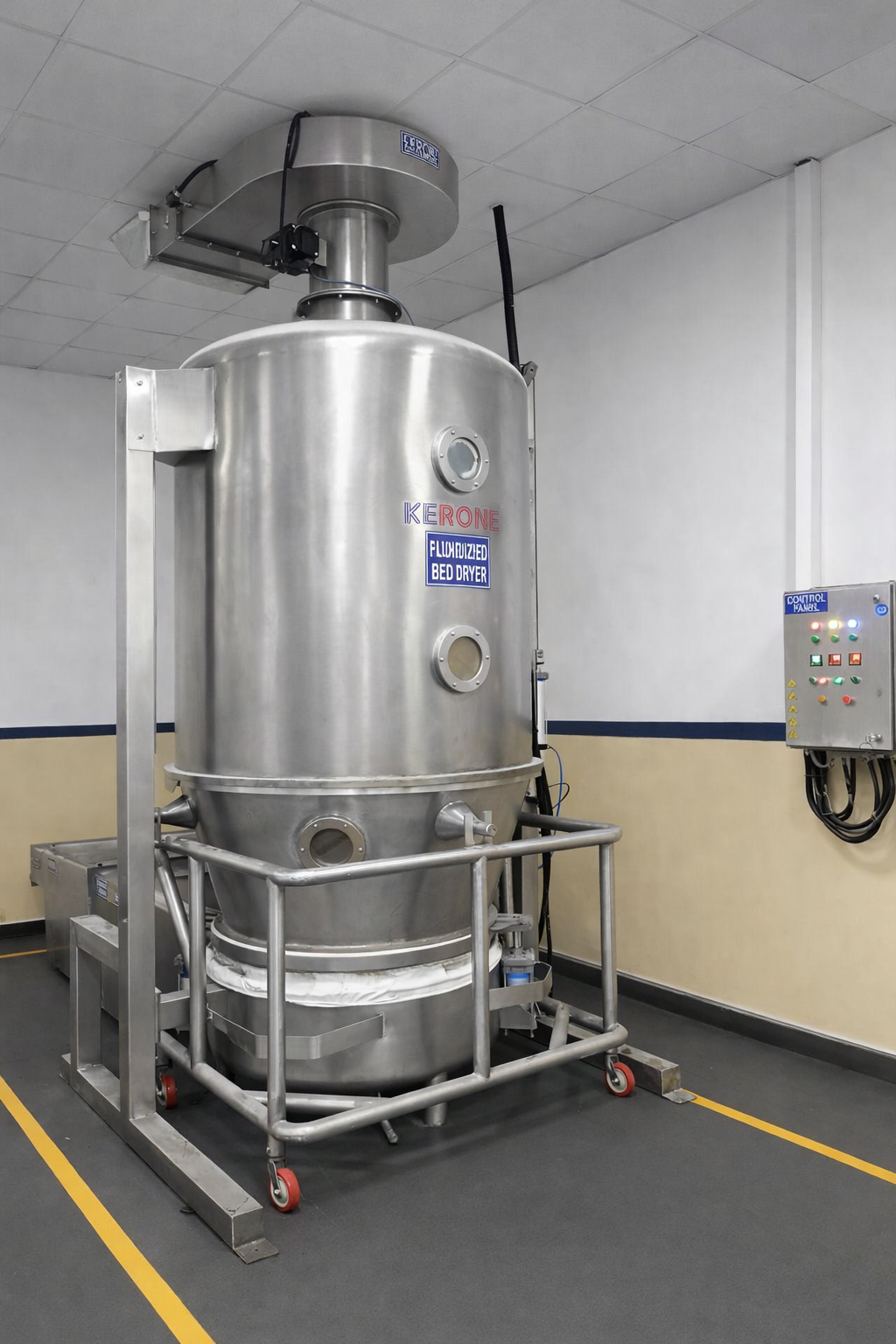
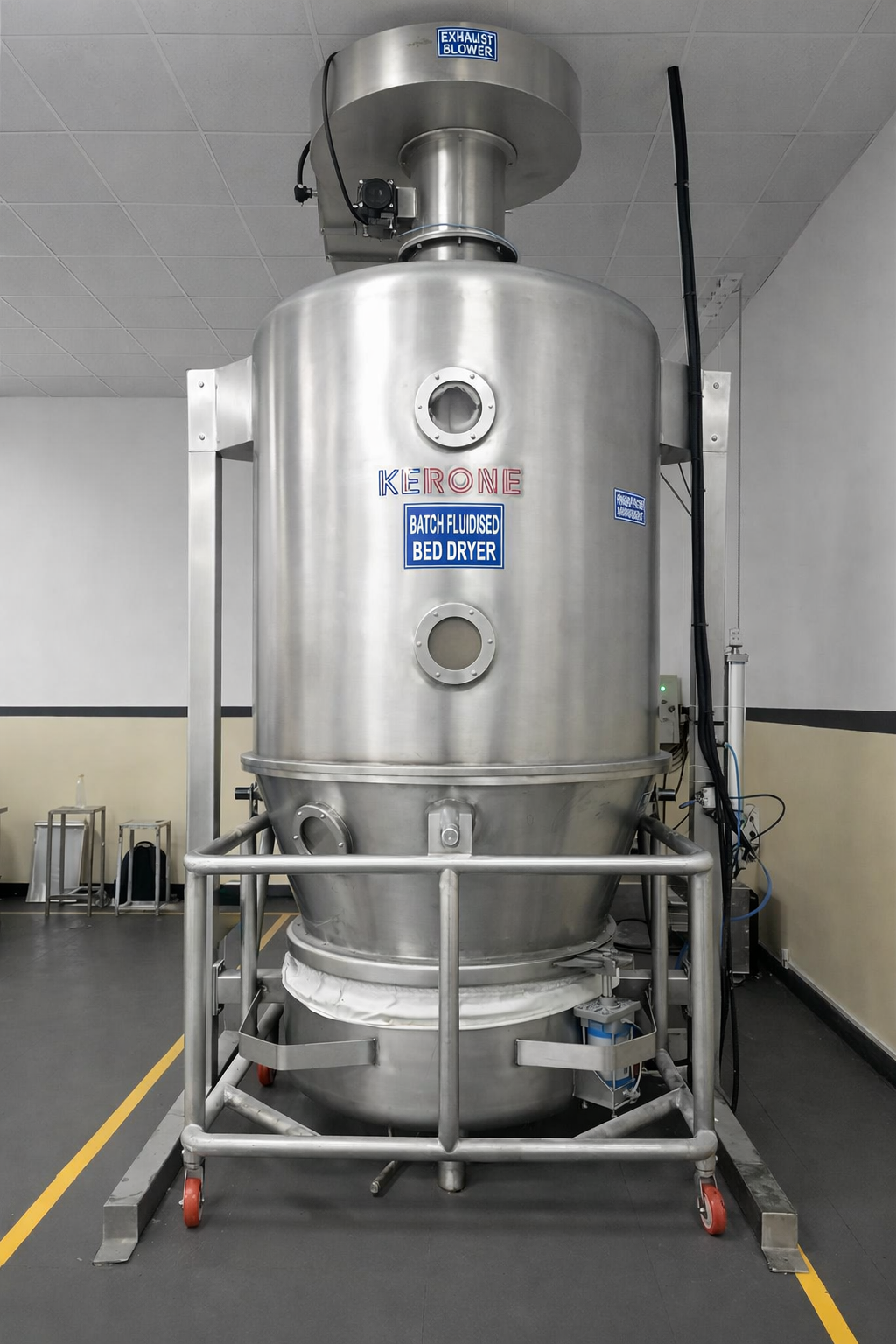
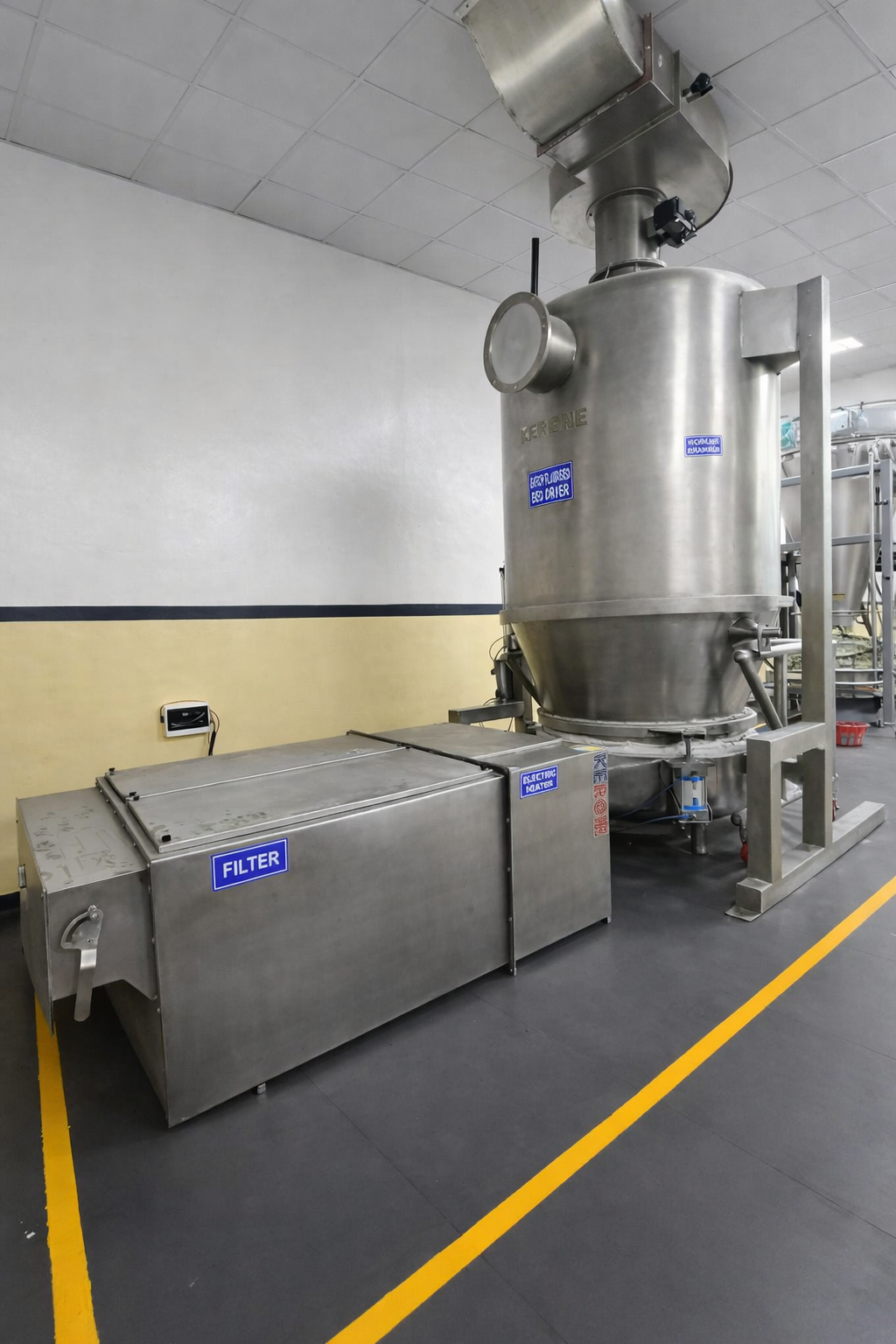
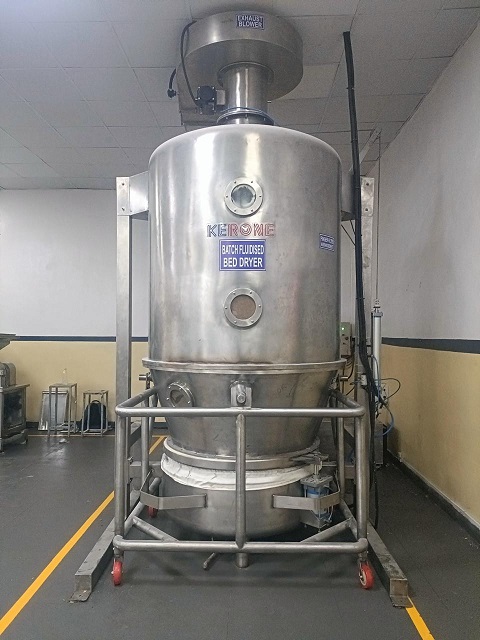
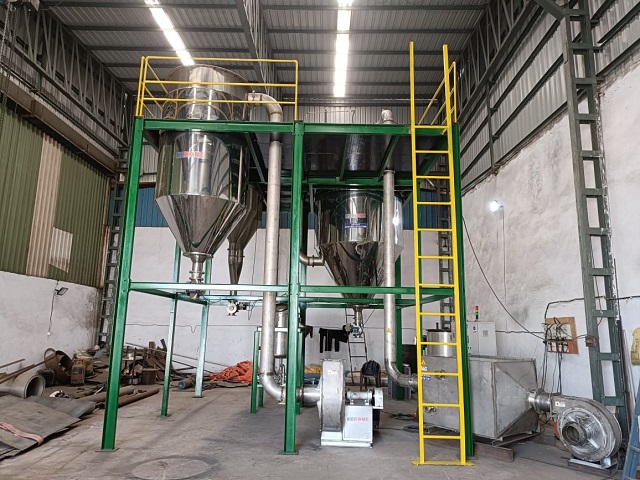
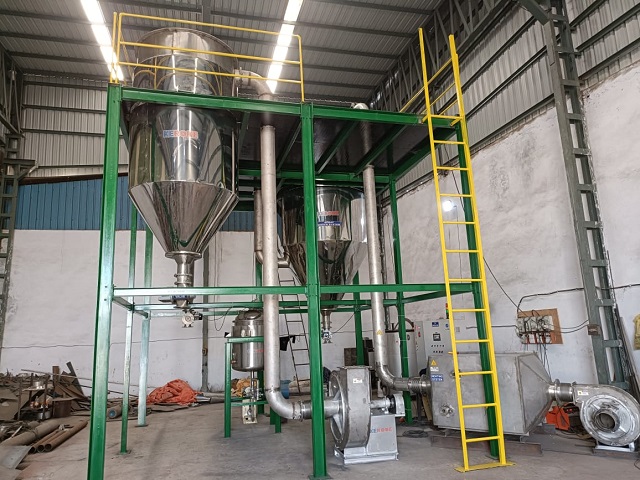
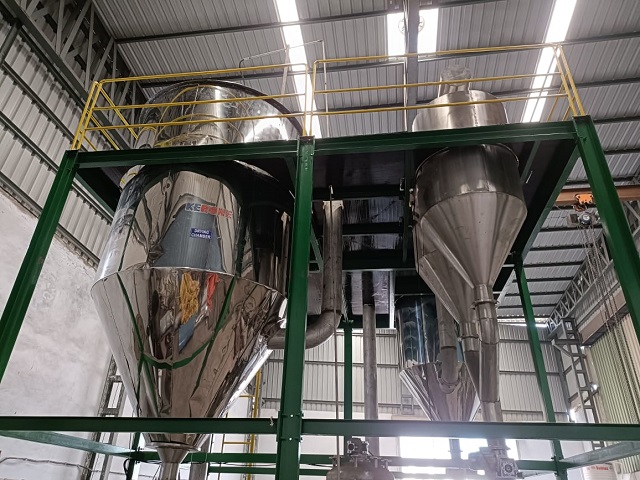
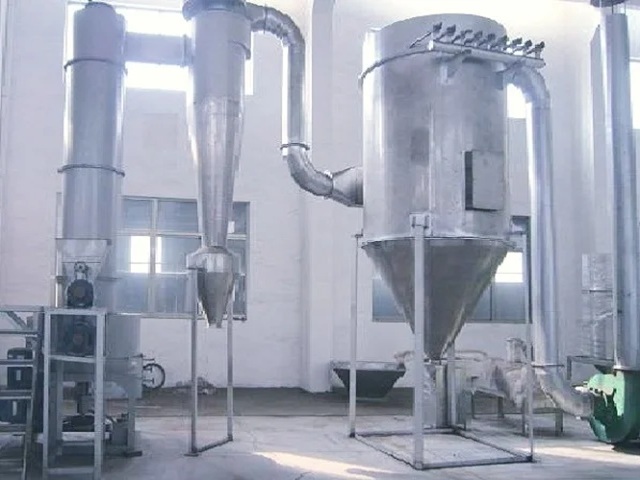
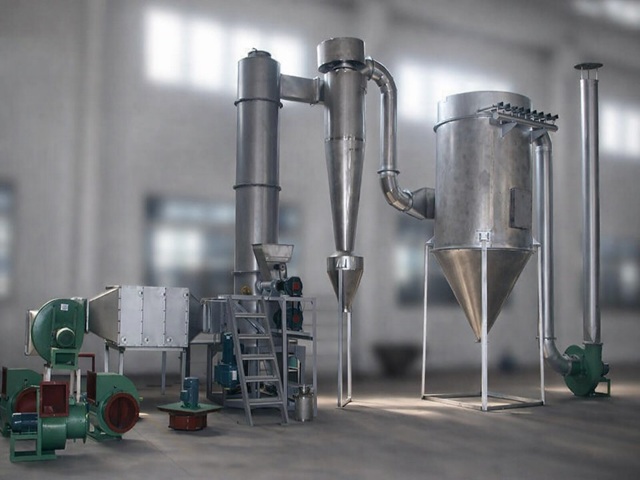
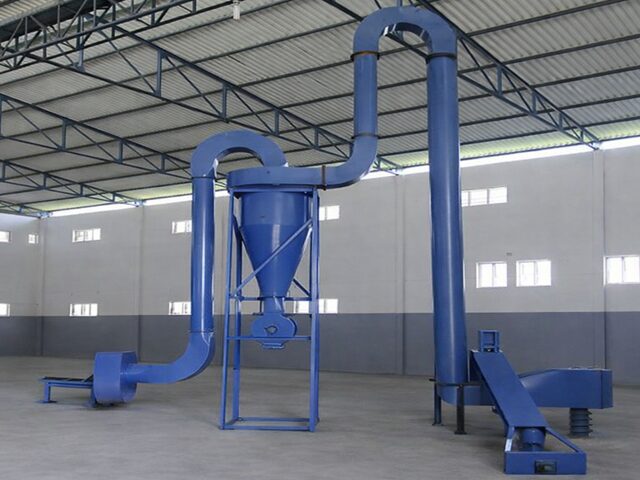
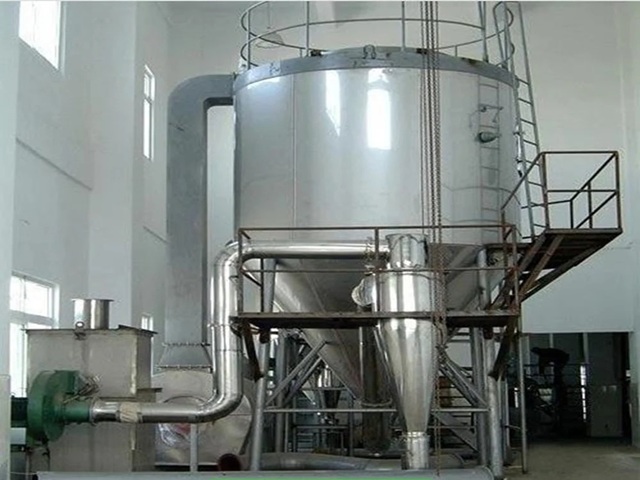
The protein powder market, spanning dairy-derived whey and casein concentrates, plant-based pea, soy, and rice proteins, animal-derived collagen peptides, and emerging single-cell and insect proteins, represents one of the most technically demanding drying applications in the food and nutrition industries. Protein powders must simultaneously achieve precise moisture targets (typically 4–6%), maintain native or denatured functional state as specified, preserve amino acid profile integrity, meet strict microbiological standards, demonstrate defined flow, solubility, and dispersibility characteristics, and remain free of off-colours and scorched particles that signal thermal degradation. Kerone Engineering Solutions designs protein powder drying systems across spray drying, fluidised bed, and agglomeration platforms, with each configuration optimised for the specific protein chemistry, downstream application requirements, and production scale of the client’s manufacturing operation.
Why Choose Kerone Protein Powder Drying Systems
We brings to protein powder drying a rare combination of spray drying technology expertise and protein biochemistry awareness. The design choices that determine the quality of a protein powder, atomisation energy level, inlet air temperature, outlet temperature, residence time, powder-wall contact minimisation, and two-fluid versus rotary atomisation are understood by Kerone’s engineering team in terms of their effect on protein denaturation kinetics, particle morphology, surface fat migration, and bulk density. For manufacturers producing proteins for sports nutrition, infant formula, clinical nutrition, and functional food applications, these quality differentiators are commercially critical. our process designs are not generic, they are developed from product-specific characterisation of the protein feed, including viscosity profiling, droplet-to-particle modelling, and powder quality testing at pilot scale before finalisation of the full-scale equipment specification.
Types and Features of Protein Powder Drying Systems
Kerone’s protein powder drying platform is centred on two-stage and three-stage spray-fluid bed systems, a configuration that combines the throughput efficiency of spray drying with the particle size and moisture uniformity benefits of integrated fluidised bed finishing and cooling. The spray dryer brings the protein concentrate from liquid feed (typically 40–60% total solids) to a semi-dried powder at 6–10% moisture, which is then transferred directly to an integrated static fluid bed where final moisture reduction and powder cooling are completed in controlled conditions. For heat-sensitive bioactive proteins, Kerone’s low-inlet-temperature spray dryers (140–160°C inlet) combined with co-current airflow design minimise protein-wall contact time at high temperature, significantly reducing denaturation compared to conventional counter-current designs.
Key Features
Two-stage and three-stage spray-fluidised bed configurations providing superior particle porosity, improved instant dispersibility, and reduced fines content versus single-stage spray drying
Rotary atomiser and two-fluid nozzle options with selection based on feed viscosity, target particle size distribution, and heat sensitivity of the specific protein being processed
Low-inlet-temperature co-current spray dryer design (140–165°C) minimising thermal exposure time for heat-sensitive native whey proteins and plant protein isolates
Integrated fines return system with elutriation classification, recycling sub-100-µm fines back to the spray zone for agglomeration into commercially preferred 150–300 µm particle range
Inert gas (nitrogen) option for closed-cycle operation processing oxidation-sensitive protein powders including omega-3 fortified proteins and encapsulated bioactive protein-lipid blends
Inline powder quality monitoring: moisture (NIR), bulk density, particle size (laser diffraction sampling), and dispersibility index measurement with SCADA integration
All product-contact surfaces in electropolished 316L stainless steel with Ra ≤ 0.5 µm finish, triclamp connections, and full sanitary engineering compliance for dairy and food ingredient standards
Clean-in-place (CIP) systems with validated hot caustic, acid rinse, and hot water rinse cycles compatible with spray chamber geometry, achieving >10 log₁₀ microbial reduction
Powered by AI, ML & IoT
Future-Ready Engineering Driven by AI & IoT
Our advanced AI, ML, and IoT technologies, this solution delivers smarter automation, real-time insights, and predictive intelligence to enhance efficiency and drive future-ready growth.
Real-Time Monitoring & Control
Continuous tracking of process parameters with instant adjustments.
Predictive Maintenance
Intelligent fault detection to prevent failures before they occur.
Adaptive Process Optimization
Dynamic tuning of operations for maximum output and efficiency.
Cloud Dashboards & Analytics
Unified access to real-time insights and performance trends.
Energy & Resource Savings
Smarter utilization of energy to cut costs and reduce waste.
Secure IoT Connectivity
Encrypted data flow with seamless integration across plant systems.
Applications of Protein Powder Drying Systems
Kerone’s Protein Powder Drying Systems are extensively used across sports nutrition, clinical nutrition, infant formula, and functional food ingredient sectors. Typical applications include:
Whey protein concentrate (WPC) and isolate (WPI) production at dairy processing facilities requiring precise denaturation control to maintain emulsification and gelling functionality
Plant protein powder production from pea, soy, rice, and hemp protein concentrates for sports nutrition, meat analogue ingredient, and plant-based dairy applications
Collagen peptide spray drying where uniform particle morphology and high solubility in cold water are the primary quality parameters for finished powder assessment
Infant formula ingredient production for spray-dried milk-based and hydrolysed protein bases requiring the highest standards of microbiological control and powder quality
Single-cell protein and mycoprotein powder drying for precision fermentation-derived protein ingredients entering the alternative protein food ingredient market
Clinical nutrition and medical food protein drying where specific amino acid profiles and dissolution characteristics must be documented and maintained within validated production parameters
Protein powder drying is a process where quality is determined by engineering precision and protein science knowledge in equal measure. Kerone Engineering Solutions’ protein powder drying systems are built on both foundations, delivering spray-dried and agglomerated protein powders that meet their functional, nutritional, and microbiological specifications consistently, batch after batch, at industrial scale. As the protein ingredient market continues its rapid expansion across sports, clinical, infant, and functional nutrition segments, our drying technology is positioned to support manufacturers at every stage from product development pilot through to full commercial production scale-up.
Seamless Export Connections Global & Local
Our Global Footprint in Industrial Excellence
Delivering world-class industrial and process solutions across countries with precision, innovation, and reliability.
Peru
Chile
Argentina
Mexico
Colombia
Brazil
USA
Canada
United Kingdom
France
Germany
Spain
Italy
Netherlands
Sweden
Switzerland
Poland
Portugal
Ireland
Czechia
Romania
Hungary
Austria
Greece
Kazakhstan
Uzbekistan
Turkmenistan
Algeria
Egypt
Nigeria
Kenya
South Africa
Saudi Arabia
UAE
Israel
Russia
India
China
Japan
South Korea
Thailand
Vietnam
Malaysia
Singapore
Indonesia
Philippines
Australia
New Zealand
Pan-India Presence. Local Expertise.
Raipur
Bilaspur
Panaji
Vasco da Gama
Gandhinagar
Ahmedabad
Surat
Chandigarh
Gurgaon
Shimla
Manali
Bengaluru
Mysore
Kochi
Pune
Mumbai
Thane
Navi Mumbai
Hyderabad
Chennai
Coimbatore
Kolkata
Lucknow
Jaipur
Udaipur
Jodhpur
Dehradun
Haridwar
Bhubaneswar
Product Gallery
Frequently Asked Questions (FAQ)
Native whey protein requires careful temperature management to limit denaturation. Kerone's co-current spray dryers use inlet temperatures of 140–165°C, with evaporative cooling maintaining droplet temperatures below 60°C during the main moisture removal phase.
Two-stage processing allows the spray dryer to operate at higher moisture discharge (8–10%) in a shorter residence time, reducing thermal exposure. The fluid bed completes drying gently at 50–65°C, improving powder porosity, dispersibility, and bulk density consistency.
Kerone's co-current airflow design ensures the hottest air contacts the wettest droplets, which are cooled by evaporation. Powder-wall contact is minimised through chamber geometry optimisation and air broom wall sweeping systems that prevent dry powder deposition on hot walls.
With validated CIP procedures, HEPA-filtered inlet air, and controlled powder handling, Kerone's spray drying installations consistently achieve Total Plate Count below 1,000 cfu/g and freedom from coliforms and Enterobacteriaceae in finished powder.
Yes, but starch-rich feeds require higher feed solids (lower water content) and adjusted atomisation conditions to manage viscosity. Kerone conducts feed characterisation trials to establish feasible operating windows for starch-protein co-drying applications.
Standard spray drying produces protein powders with bulk density of 250–450 kg/m³. Agglomeration in the integrated fluid bed can increase bulk density to 400–600 kg/m³, improving packaging fill weight and volumetric efficiency.
Protein powders present a dust explosion hazard (typical Kst 50–200 bar·m/s). Kerone incorporates explosion venting panels, chemical suppression triggers, vent ducts to safe external discharge, and rotary valve isolation between sections as standard on all protein powder systems.
In principle yes, subject to allergen control requirements. Kerone designs equipment for multi-product use with validated changeover cleaning procedures and allergen testing to demonstrate freedom from cross-contamination between dairy and plant protein runs.
Kerone specifies positive displacement pump systems (lobe or progressive cavity) for high-viscosity protein feeds above 2,000 cP. Feed line heat tracing is included to maintain pumpability of gel-forming protein concentrates.
Spray drying under nitrogen and packaging under nitrogen atmosphere significantly extends protein powder shelf life by preventing lipid oxidation, Maillard browning, and lysine loss, critical quality improvements for fortified and omega-enriched protein products.
Higher feed solids reduce the evaporation load and improve energy efficiency. Kerone targets feed total solids of 40–55% for most protein concentrates, achieved through upstream ultrafiltration or evaporation before the spray drying step.
Kerone's two-stage systems create agglomerated, porous particle structures with higher surface-to-volume ratios that wet more rapidly than compact single-stage spray-dried particles. Lecithin coating in a lecithin dosing fluid bed is also available for instant protein formulations.
Yes. Kerone provides Factory Acceptance Test (FAT) reports, Site Acceptance Test (SAT) reports, and can support IQ/OQ/PQ documentation for installations in regulated food and pharmaceutical production environments.
Most commercial protein powders specify moisture at 4–6%, corresponding to water activity below 0.3, ensuring microbiological stability and preventing powder caking during storage and distribution in standard conditions.
Commissioning of a complete protein powder spray drying installation including fluid bed, fines return, CIP, and packaging line interface typically requires 4–8 weeks on site after mechanical completion, including process optimisation runs and product quality verification testing.
Kerone’s custom-designed heating and processing solutions are built to meet the demands of your growing operations. Whether you’re upgrading equipment, expanding production, or need a tailor-made solution


 Peru
Peru Chile
Chile Argentina
 Mexico
 Colombia
 Brazil
 USA
USA Canada
 United Kingdom
 France
 Germany
 Spain
Spain Italy
Italy Netherlands
 Sweden
 Switzerland
 Poland
 Portugal
 Ireland
 Czechia
 Romania
 Hungary
 Austria
 Greece
 Kazakhstan
 Uzbekistan
 Turkmenistan
 Algeria
 Egypt
Egypt Nigeria
 Kenya
Kenya South Africa
 Saudi Arabia
 UAE
UAE Israel
 Russia
 India
India China
China Japan
Japan South Korea
 Thailand
 Vietnam
 Malaysia
 Singapore
 Indonesia
 Philippines
 Australia
 New Zealand