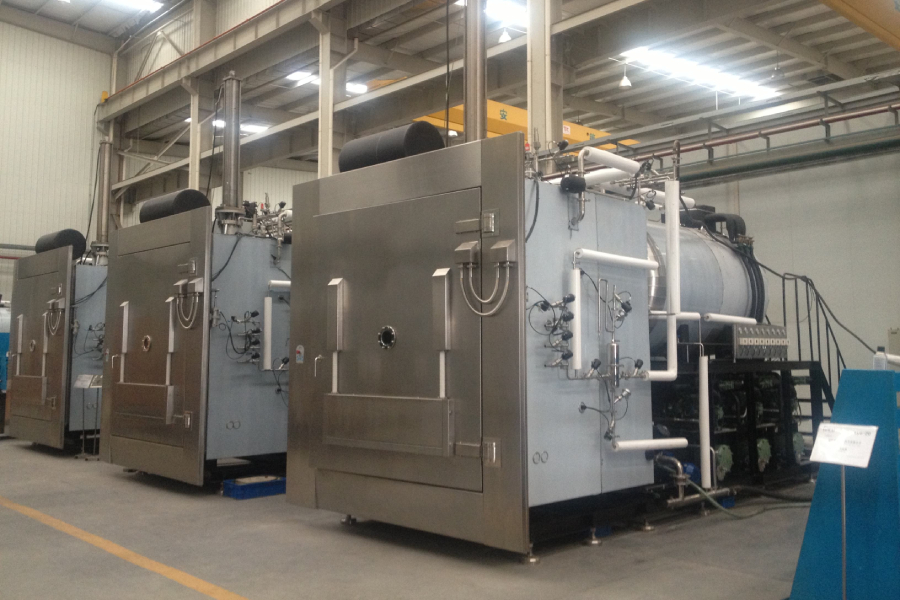
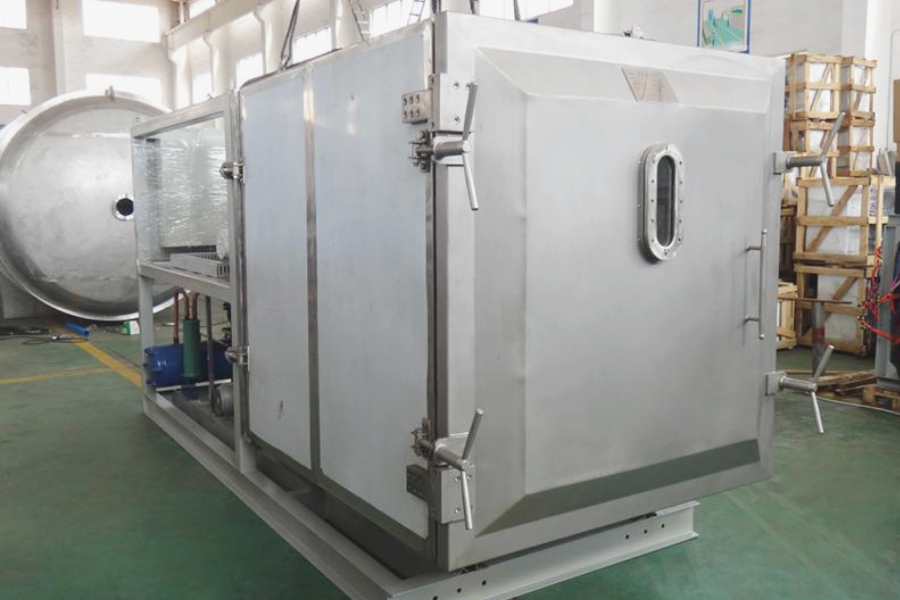
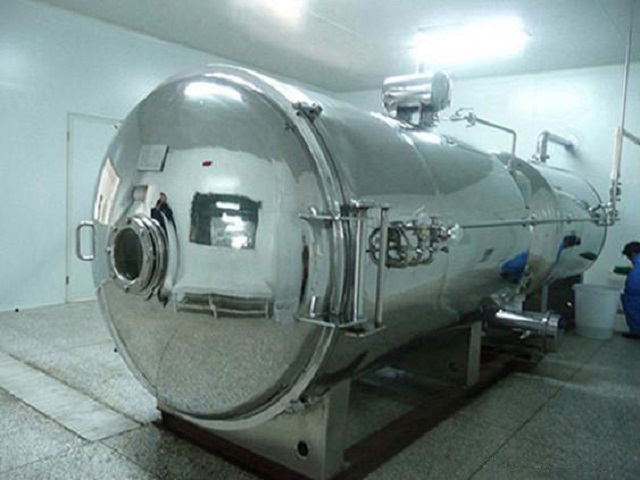
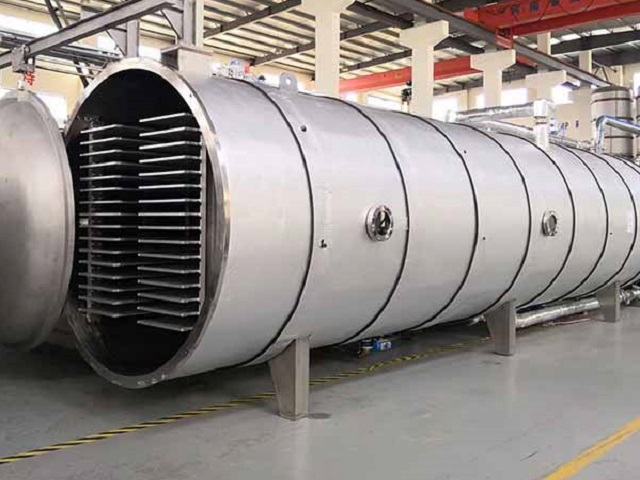
Freeze-dried coconut products represent the premium tier of the coconut ingredient market, distinguished by their exceptional flavour fidelity, structural integrity, ultra-light texture, and extended ambient shelf life that no other drying technology can replicate. The freeze-drying process operating through sublimation of ice directly to vapor under high vacuum without passing through the liquid phase, preserves the cellular architecture, natural colour, and full volatile flavor profile of coconut meat, coconut milk solids, and coconut-based preparations in a way that is simply not achievable by conventional hot-air, heat pump, or spray drying approaches. Kerone Engineering Solutions designs and manufactures industrial freeze-drying systems for coconut applications, providing the equipment engineering expertise, process parameter development, and after-sales technical support that freeze-dried coconut producers need to operate these complex, capital-intensive systems reliably and profitably.
Why Choose Kerone Freeze-Dried Coconut Drying Systems
Kerone Engineering Solutions occupies a specialized position in the industrial drying market as a supplier capable of delivering both conventional and advanced freeze-drying systems, enabling coconut processors to work with a single engineering partner across their full product portfolio. Our freeze-drying expertise encompasses the complete thermodynamic and heat-transfer engineering of the lyophilization process, plate temperature management, chamber vacuum profile, product ice temperature monitoring, and condenser performance, enabling us to design coconut freeze-drying systems that minimize cycle time and energy consumption while achieving the <2% final moisture and <0.1 water activity specifications required for premium freeze-dried coconut products. We also offers a unique hybrid approach combining freeze-drying with heat pump post-treatment for certain coconut product forms that allows for significant capital cost reduction without compromising the premium quality profile.
Types and Features of Freeze-Dried Coconut Drying Systems
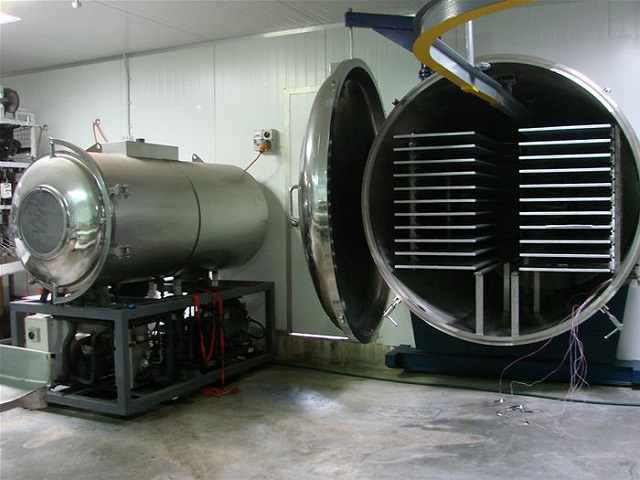
Kerone’s industrial freeze-dryers for coconut products are available in tray-shelf batch configurations and, for higher-volume continuous production, tunnel freeze-dryers with moving product carriers. Shelf freeze-dryers are preferred for fragile coconut chunk, slice, and dice forms where structural preservation is paramount, using refrigerated shelves that simultaneously freeze the product and provide controlled sublimation heat input through the frozen product mass. Continuous tunnel freeze-dryers are more appropriate for granular coconut meat and small coconut piece formats where production scale demands continuous operation. For coconut milk and cream freeze-drying, Kerone engineers foam-mat or tray-cast product preparation systems upstream of the freeze-dryer to create the thin product layers required for efficient sublimation drying, with product loading systems designed to minimize product temperature variation across the shelf array.
Key Features
Batch shelf freeze-dryer and continuous tunnel freeze-dryer options for different coconut product formats
Precisely controlled shelf temperature profiles (freeze stage -40°C to -50°C; primary dry +20°C to +30°C)
High-capacity refrigerated condensers maintaining chamber pressure at 0.05–0.2 mbar during sublimation
Product ice temperature monitoring via calibrated product thermocouples and wireless sensor arrays
Automatic endpoint detection via comparative pressure rise test for consistent final moisture achievement
Secondary drying stage with elevated shelf temperature and deep vacuum for water activity reduction to <0.1
GMP-compliant 316L stainless steel chamber construction with HEPA-filtered chamber air break system
Integrated CIP and steam-in-place (SIP) sterilization capability for pharmaceutical-grade applications
Powered by AI, ML & IoT
Future-Ready Engineering Driven by AI & IoT
Our advanced AI, ML, and IoT technologies, this solution delivers smarter automation, real-time insights, and predictive intelligence to enhance efficiency and drive future-ready growth.
Real-Time Monitoring & Control
Continuous tracking of process parameters with instant adjustments.
Predictive Maintenance
Intelligent fault detection to prevent failures before they occur.
Adaptive Process Optimization
Dynamic tuning of operations for maximum output and efficiency.
Cloud Dashboards & Analytics
Unified access to real-time insights and performance trends.
Energy & Resource Savings
Smarter utilization of energy to cut costs and reduce waste.
Secure IoT Connectivity
Encrypted data flow with seamless integration across plant systems.
Applications of Freeze-Dried Coconut Drying Systems
Kerone’s Freeze-Dried Coconut Drying Systems are extensively used by premium coconut ingredient manufacturers and specialty food producers.
Typical applications include:
Premium freeze-dried coconut chunk and dice production for chocolate inclusion, muesli, and trail mix applications
Freeze-drying of coconut milk and cream solids for instant premium beverage and culinary ingredient powder
Production of freeze-dried coconut for functional food, nutraceutical, and sports nutrition ingredient supply
Freeze-drying of toasted coconut pieces for luxury confectionery, gifting, and gourmet food applications
Production of ultra-premium organic freeze-dried coconut for specialty natural food and health retail channels
Freeze-drying of coconut-based dairy-alternative preparations for vegan instant beverage and smoothie ingredients
Kerone Engineering Solutions provides the freeze-drying equipment expertise and engineering support that coconut ingredient producers need to access the premium segment of the global coconut market with confidence. Through precise thermodynamic system design, robust GMP-compliant equipment construction, and a commitment to minimizing cycle time and energy consumption, our freeze-dried coconut drying systems deliver the ultra-premium product quality and production economics that define success in the specialty coconut ingredient space.
Seamless Export Connections Global & Local
Our Global Footprint in Industrial Excellence
Delivering world-class industrial and process solutions across countries with precision, innovation, and reliability.
Peru
Chile
Argentina
Mexico
Colombia
Brazil
USA
Canada
United Kingdom
France
Germany
Spain
Italy
Netherlands
Sweden
Switzerland
Poland
Portugal
Ireland
Czechia
Romania
Hungary
Austria
Greece
Kazakhstan
Uzbekistan
Turkmenistan
Algeria
Egypt
Nigeria
Kenya
South Africa
Saudi Arabia
UAE
Israel
Russia
India
China
Japan
South Korea
Thailand
Vietnam
Malaysia
Singapore
Indonesia
Philippines
Australia
New Zealand
Pan-India Presence. Local Expertise.
Raipur
Bilaspur
Panaji
Vasco da Gama
Gandhinagar
Ahmedabad
Surat
Chandigarh
Gurgaon
Shimla
Manali
Bengaluru
Mysore
Kochi
Pune
Mumbai
Thane
Navi Mumbai
Hyderabad
Chennai
Coimbatore
Kolkata
Lucknow
Jaipur
Udaipur
Jodhpur
Dehradun
Haridwar
Bhubaneswar
Product Gallery
Frequently Asked Questions (FAQ)
Freeze-drying works by first freezing the coconut product to below -40°C, then applying vacuum to reduce chamber pressure below the water triple-point (611 Pa), causing ice to sublimate directly to vapor without melting, preserving the product's cellular structure.
Freeze-drying preserves cell structure, natural color, full volatile flavor compounds, and essentially all nutritional content because no liquid water or high temperatures are involved, producing a product with superior reconstitution, flavor, and appearance.
Kerone's freeze-dryers achieve final moisture below 2% (wet basis) and water activity below 0.1 for coconut products in secondary drying, providing exceptional microbiological stability and 18–24 month ambient shelf life.
Primary drying (sublimation) for 10–15 mm coconut chunks typically requires 20–36 hours at shelf temperatures of +20°C to +30°C and chamber pressures of 0.1–0.2 mbar. Secondary drying adds 4–8 hours.
Freeze-drying is energy-intensive, consuming 10–25 times more energy per kg of water removed than hot-air drying. This is offset by the premium price commanded by freeze-dried coconut products, which is typically 3–5x higher than conventionally dried alternatives.
Yes. For liquid coconut milk and cream, Kerone designs upstream foam-mat production or tray-casting systems that create thin product films on dryer trays, enabling efficient sublimation drying of the liquid feedstocks.
Kerone's shelf dryers feature hydraulic shelf pressure contact for improved heat transfer to product trays, multi-zone shelf temperature capability, and product thermocouple feedthrough ports for precise product ice temperature monitoring throughout the cycle.
Comparative pressure rise test (CPRT) is an endpoint determination method in which the chamber isolation valve is briefly closed and the pressure rise rate is monitored. When the rate drops below a threshold, primary drying is confirmed complete, preventing under-drying without unnecessary over-processing.
Yes. Kerone's premium freeze-dryer models are built to pharmaceutical GMP standards with 316L SS chambers, CIP/SIP capability, full instrumentation validation documentation (IQ/OQ/PQ), and compliance with FDA 21 CFR Part 11 for electronic records.
Freeze-dried coconut requires hermetically sealed moisture-barrier and oxygen-barrier packaging such as metallized laminate pouches or nitrogen-flushed cans to maintain the ultra-low water activity achieved during processing. Kerone advises on compatible packaging specifications.
Coconut chunks and pieces typically lose 75–80% of their original weight during freeze-drying (water loss), with minimal solid material loss. Kerone's GMP-compliant chamber design and careful product loading minimize product breakage and fragment loss.
Yes. Kerone supplies pilot freeze-dryers from 0.5 m² to 5 m² shelf area for product development, process parameter validation, and small-batch specialty production, with the same control architecture as industrial-scale systems for reliable scale-up.
Kerone uses optimized shelf temperature ramping protocols based on product ice temperature feedback, maximum acceptable sublimation rate calculations, and condenser load balancing strategies to minimize primary drying cycle time without compromising product quality.
Condenser capacity is sized based on ice sublimation rate and batch ice mass. Kerone specifications typically provide condenser capacity at 120% of maximum design sublimation rate to ensure system margin during unexpected product loading variations.
Kerone provides application engineering support including product characterization (Tg', collapse temperature measurement), cycle development protocol, thermocouple placement guidance, and cycle optimization consultation as part of the equipment supply package.
Kerone’s custom-designed heating and processing solutions are built to meet the demands of your growing operations. Whether you’re upgrading equipment, expanding production, or need a tailor-made solution


 Peru
Peru Chile
Chile Argentina
 Mexico
 Colombia
 Brazil
 USA
USA Canada
 United Kingdom
 France
 Germany
 Spain
Spain Italy
Italy Netherlands
 Sweden
 Switzerland
 Poland
 Portugal
 Ireland
 Czechia
 Romania
 Hungary
 Austria
 Greece
 Kazakhstan
 Uzbekistan
 Turkmenistan
 Algeria
 Egypt
Egypt Nigeria
 Kenya
Kenya South Africa
 Saudi Arabia
 UAE
UAE Israel
 Russia
 India
India China
China Japan
Japan South Korea
 Thailand
 Vietnam
 Malaysia
 Singapore
 Indonesia
 Philippines
 Australia
 New Zealand