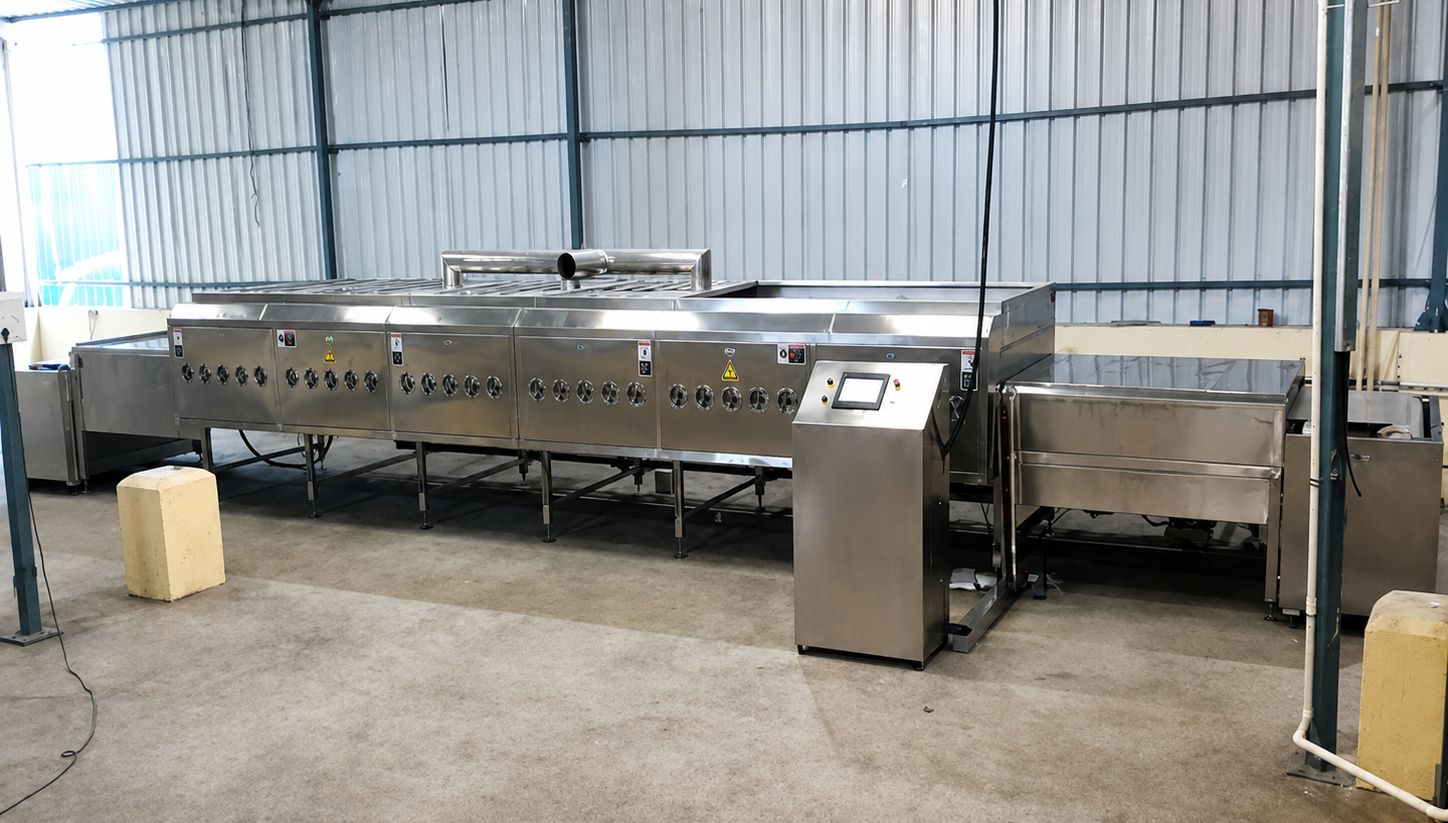
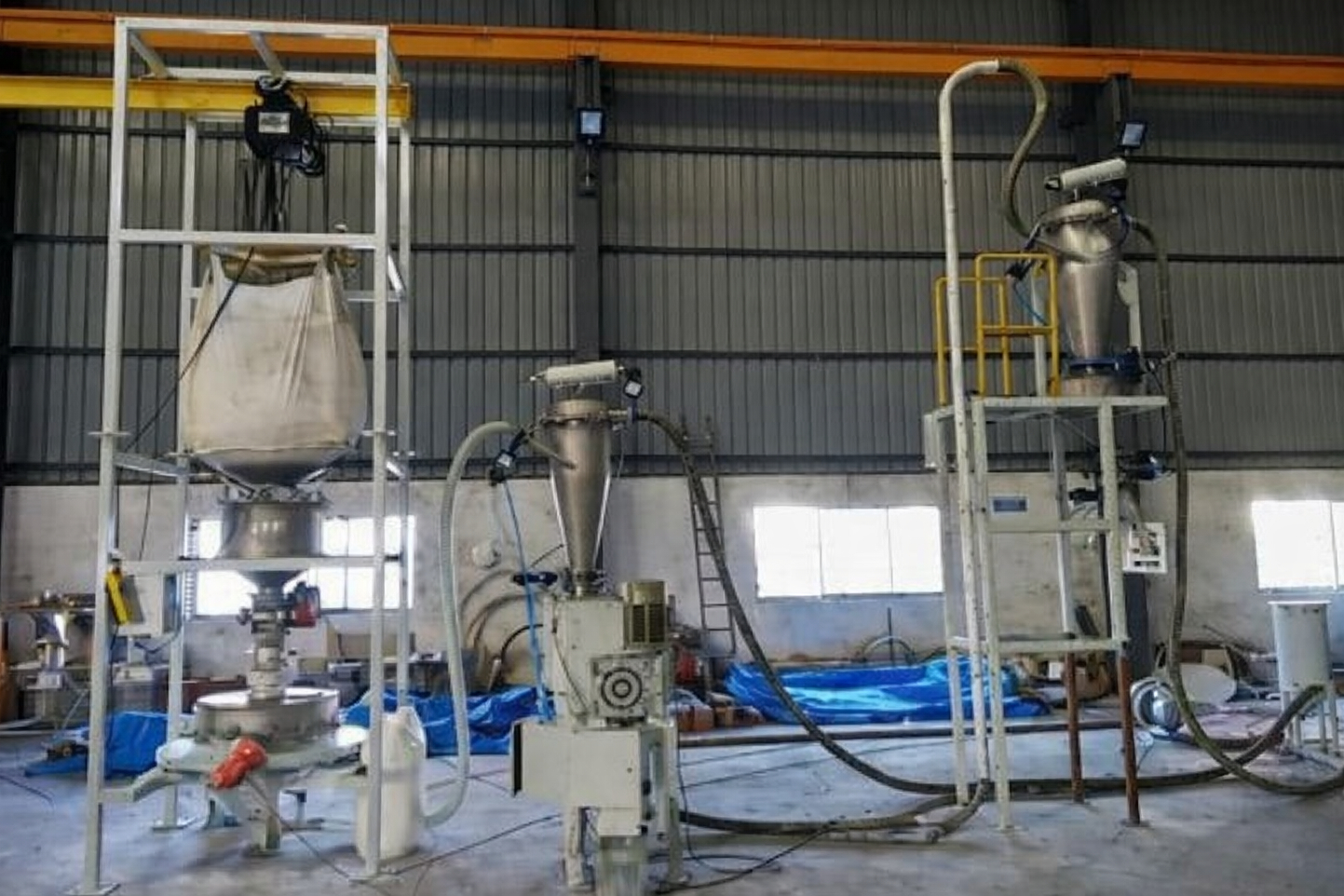
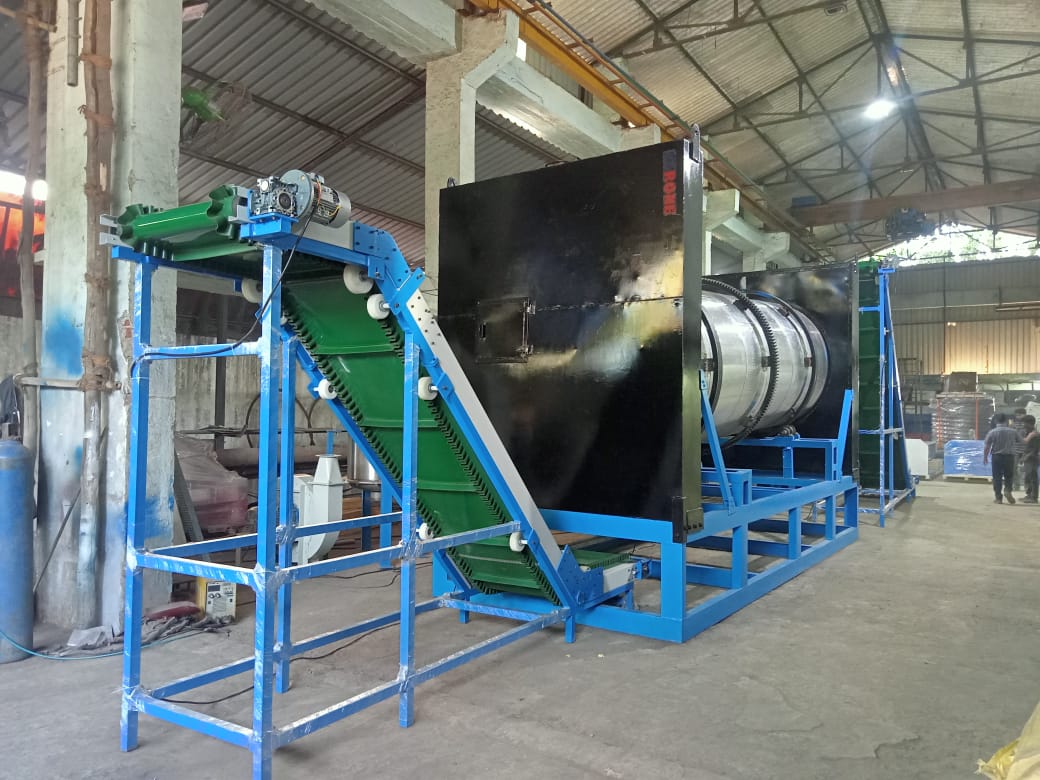
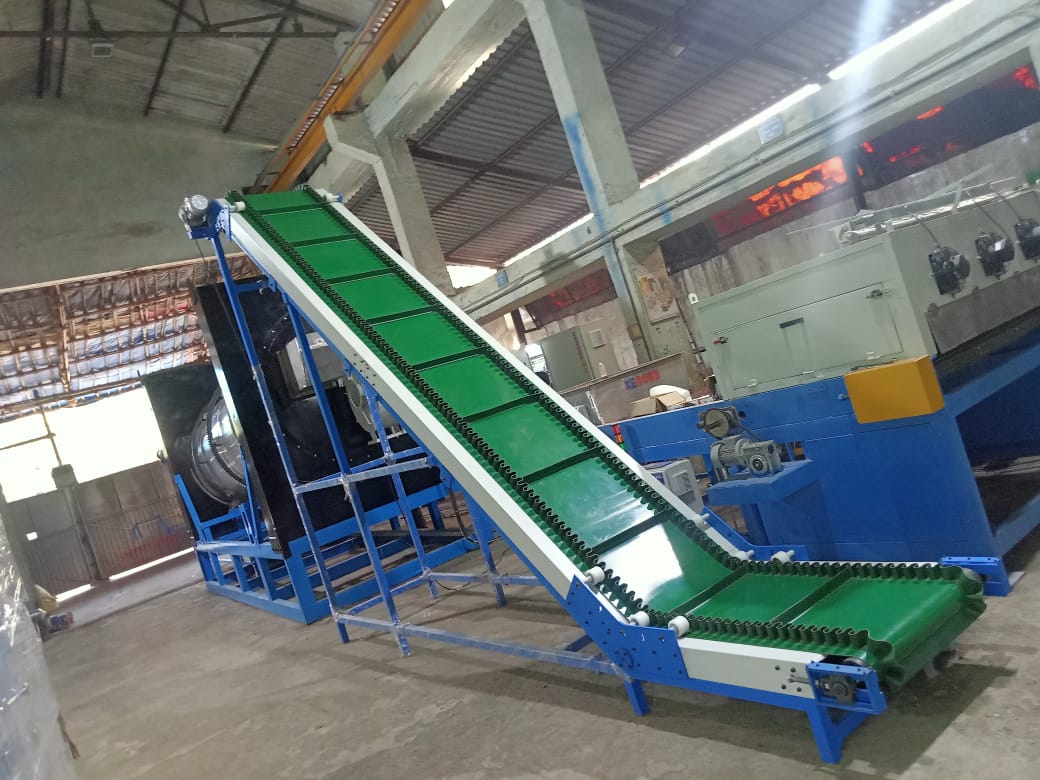
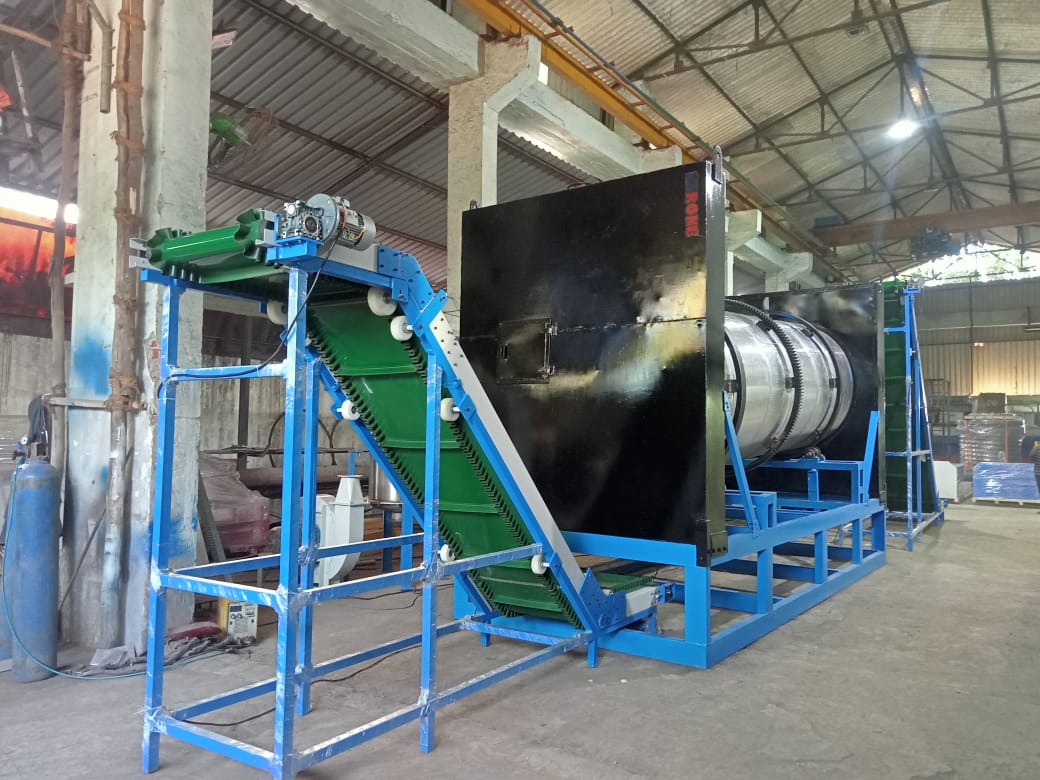
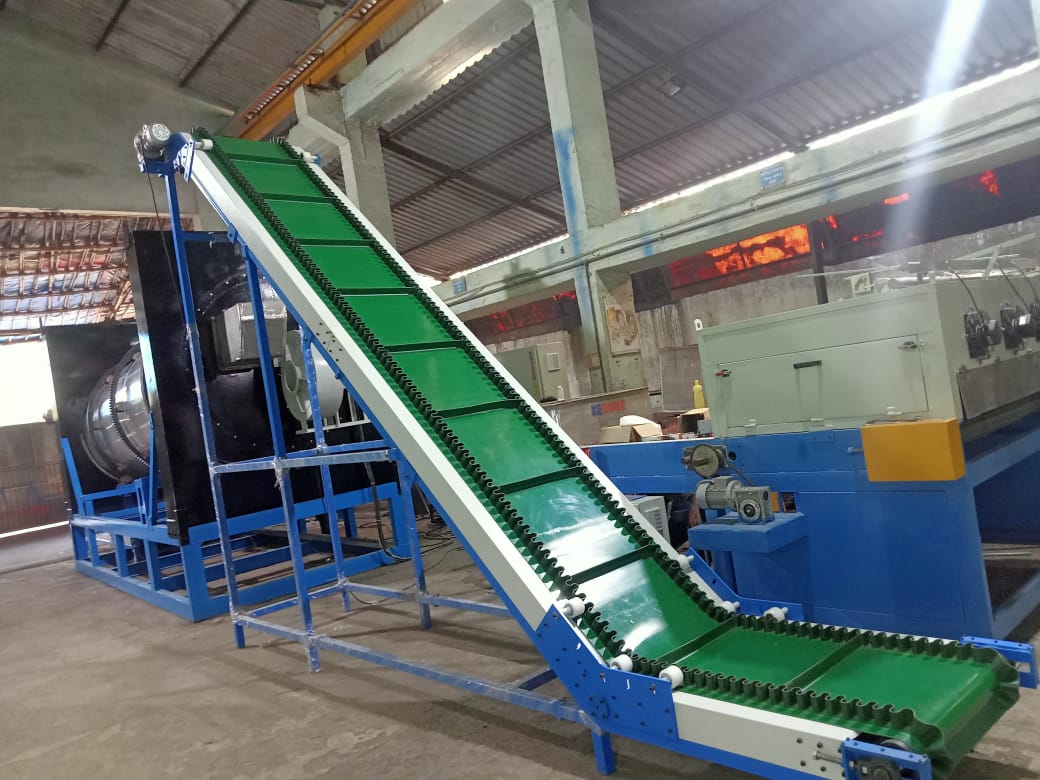
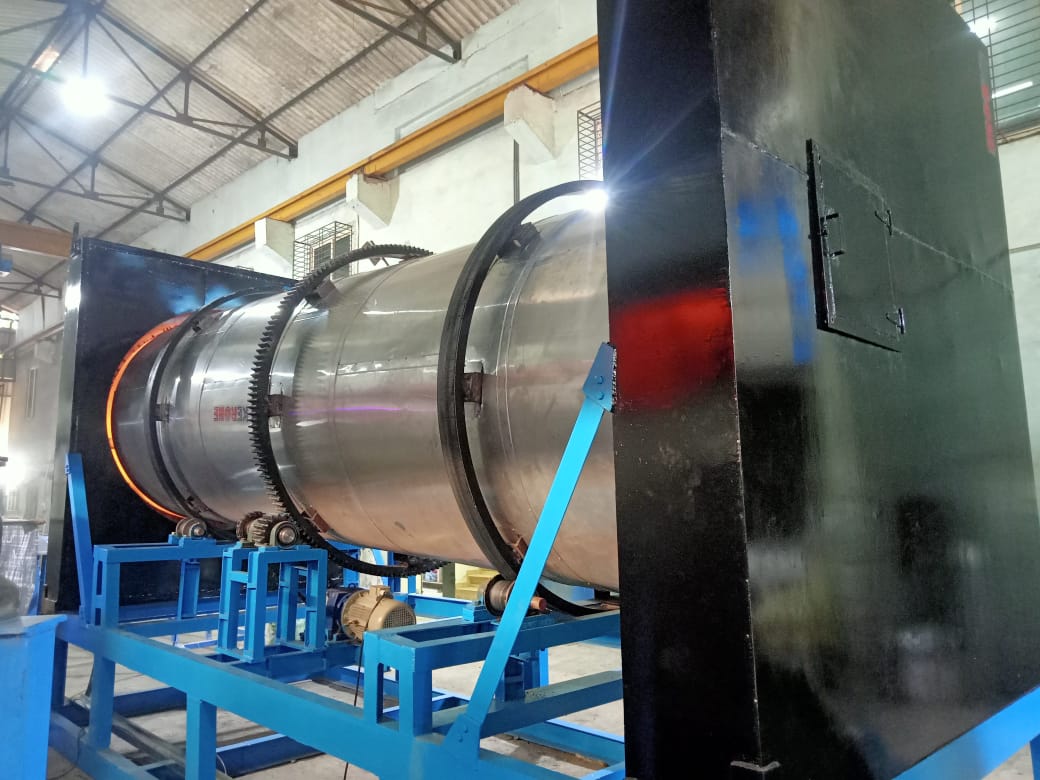
Pharmaceutical powder drying encompasses a broad range of critical processing applications from drying of formulation excipients and active pharmaceutical ingredients as received from suppliers to drying of in-process intermediates and final powder products for capsule filling, sachet packaging, or dry powder inhalation delivery. Kerone Engineering Solutions designs and manufactures pharmaceutical powder drying systems engineered for the dual imperatives of pharmaceutical manufacturing: technical precision in powder property management and rigorous GMP compliance for regulatory inspection readiness. Kerone’s pharmaceutical powder dryers handle cohesive fine powders, free-flowing granular materials, hygroscopic excipients, and heat-sensitive active compounds across a range of containment levels from standard oral solid dosage materials to highly potent powder APIs with strict occupational exposure limits.
Why Choose Kerone Pharmaceutical Powder Drying Systems
Pharmaceutical powder drying differs from granule drying in its handling challenges, fine powders are subject to entrainment by drying gas, electrostatic charging during pneumatic transport and fluidization, interparticle cohesive forces that cause agglomeration and channeling in fluid bed processing, and moisture reabsorption from ambient air during discharge and transfer. Kerone’s pharmaceutical engineering team addresses each of these phenomena through dryer selection and design: specifying appropriate fluidization gas velocities for the powder’s terminal velocity, incorporating antistatic provisions, designing mechanical disaggregation features for cohesive powders, and engineering closed, desiccated discharge and transfer paths for highly hygroscopic powders. Our ability to supply pharmaceutical powder dryers at scales from 1 L bench-top laboratory units to 600 L commercial bowl fluid bed dryers with consistent scale-up performance makes it the preferred partner for companies developing and commercializing powder-based pharmaceutical and nutraceutical products.
Types and Features of Pharmaceutical Powder Drying Systems
Vacuum tray dryers are the most widely used pharmaceutical powder dryer for heat-sensitive, solvent-wet, or small-batch powder processing, offering static drying conditions that preserve particle morphology and avoid agglomeration. Fluid bed dryers adapted for powder fluidization with lower fluidization velocities and finer filter bag ratings process free-flowing pharmaceutical powders efficiently. Paddle dryers (agitated vacuum dryers) provide gentle, continuous mixing combined with vacuum drying for powders that tend to form dense, poorly conducting beds in static dryers. Spray dryers are used to produce powder directly from API solutions, polymer dispersions, or liposomal formulations as an integrated drying-plus-particle-formation step. For cGMP spray drying of dry powder inhalation products, Kerone supplies specialized closed-loop spray drying systems with HEPA filtration, contained cyclone collection, and integrated powder characterization.
Key Features
Low fluidization velocity design in powder-specific FBD systems preventing entrainment of fine pharmaceutical powder fractions into exhaust filters
Fine filter bag ratings (1–5 µm) with validated integrity testing for pharmaceutical powder fluid bed drying preventing product loss and environmental contamination
Vacuum tray dryer shelf area optimization for uniform powder bed depth and consistent inter-shelf temperature distribution across the full drying chamber
Containment engineering from standard open charging to fully contained bag-in/bag-out powder handling for highly potent pharmaceutical powders
Hygroscopic powder management with desiccated or nitrogen-purged discharge pathways and moisture-monitoring integration to prevent reabsorption after drying
GMP-compliant 316L SS construction with 180-grit interior finish and validated clean-in-place for multi-product pharmaceutical powder manufacturing environments
Electronic recipe management and batch reporting aligned to 21 CFR Part 11 and EU Annex 11 data integrity requirements for pharmaceutical powder drying operations
Integrated near-infrared or Karl Fischer moisture measurement for real-time and at-line powder moisture monitoring supporting in-process quality control and release
Powered by AI, ML & IoT
Future-Ready Engineering Driven by AI & IoT
Our advanced AI, ML, and IoT technologies, this solution delivers smarter automation, real-time insights, and predictive intelligence to enhance efficiency and drive future-ready growth.
Real-Time Monitoring & Control
Continuous tracking of process parameters with instant adjustments.
Predictive Maintenance
Intelligent fault detection to prevent failures before they occur.
Adaptive Process Optimization
Dynamic tuning of operations for maximum output and efficiency.
Cloud Dashboards & Analytics
Unified access to real-time insights and performance trends.
Energy & Resource Savings
Smarter utilization of energy to cut costs and reduce waste.
Secure IoT Connectivity
Encrypted data flow with seamless integration across plant systems.
Applications of Pharmaceutical Powder Drying Systems
Kerone’s Pharmaceutical Powder Drying Systems are extensively used in drug substance processing, excipient preparation, and finished dosage formulation manufacturing. Typical applications include:
Drying of pharmaceutical excipient powders including microcrystalline cellulose, lactose, starch, and HPMC prior to direct compression or wet granulation processing
Drying of API powders following re-crystallization or milling operations where residual moisture affects chemical stability and compaction performance
Processing of dry powder inhalation (DPI) formulations requiring aerodynamic particle size preservation and ultra-low residual moisture below 1%
Drying of lyophilized biological and biopharmaceutical powder products following freeze-drying and prior to aseptic powder filling operations
Processing of nutraceutical and dietary supplement ingredient powders under FSSAI or GMP conditions for regulated health product manufacturing
Drying of cosmeceutical active powder ingredients where particle morphology, surface chemistry, and moisture must be precisely controlled for performance and stability
Seamless Export Connections Global & Local
Our Global Footprint in Industrial Excellence
Delivering world-class industrial and process solutions across countries with precision, innovation, and reliability.
Peru
Chile
Argentina
Mexico
Colombia
Brazil
USA
Canada
United Kingdom
France
Germany
Spain
Italy
Netherlands
Sweden
Switzerland
Poland
Portugal
Ireland
Czechia
Romania
Hungary
Austria
Greece
Kazakhstan
Uzbekistan
Turkmenistan
Algeria
Egypt
Nigeria
Kenya
South Africa
Saudi Arabia
UAE
Israel
Russia
India
China
Japan
South Korea
Thailand
Vietnam
Malaysia
Singapore
Indonesia
Philippines
Australia
New Zealand
Pan-India Presence. Local Expertise.
Raipur
Bilaspur
Panaji
Vasco da Gama
Gandhinagar
Ahmedabad
Surat
Chandigarh
Gurgaon
Shimla
Manali
Bengaluru
Mysore
Kochi
Pune
Mumbai
Thane
Navi Mumbai
Hyderabad
Chennai
Coimbatore
Kolkata
Lucknow
Jaipur
Udaipur
Jodhpur
Dehradun
Haridwar
Bhubaneswar
Product Gallery
Frequently Asked Questions (FAQ)
Granules are larger agglomerated particles (typically 0.2–2 mm) that fluidize easily and are relatively robust. Powders are finer (often below 200 µm), more prone to entrainment, electrostatic charging, and cohesion, requiring specific design adaptations in the drying system.
Kerone uses filter bags with ratings from 1 µm to 10 µm for pharmaceutical powder fluid bed dryers, selected based on the powder particle size distribution to ensure effective powder retention and consistent fluidization.
Kerone uses antistatic construction, earthed product bowls, conductive filter bags, humidity control in the fluidizing air, and earthed powder transfer lines to manage electrostatic charge buildup during pharmaceutical powder drying.
Yes. Kerone designs pharmaceutical vacuum tray dryers from 4-shelf laboratory units to 48-shelf or larger commercial production dryers, with shelf areas designed for the batch size and powder bed depth required.
Kerone's vacuum tray dryers can achieve final powder moisture levels below 0.1% for most pharmaceutical powders. For the most hygroscopic powders, closed-loop nitrogen atmosphere systems achieve below 0.05% moisture under controlled conditions.
Kerone's validated electronic recipe management controls inlet temperature, airflow, pressure, and drying time profiles for each product. Inlet air dehumidification and calibrated sensors ensure that process conditions are reproducible across batches.
Yes. Kerone designs closed-loop pharmaceutical spray dryers with controlled particle size capability (targeting 1–5 µm MMAD) for dry powder inhalation formulations, with contained product collection and complete GMP documentation.
Kerone integrates real-time near-infrared (NIR) sensors for online moisture monitoring during powder fluid bed drying, with automatic endpoint detection when the target moisture specification is reached. Karl Fischer titration provides at-line verification.
Scale-up challenges include maintaining uniform fluidization velocity across larger bowl diameters, preventing segregation of the powder size distribution, and ensuring consistent moisture removal rates. Kerone addresses these through geometrically similar fluid bed designs and computational fluid dynamics-aided airflow engineering.
Yes. For biological APIs including enzyme preparations, protein formulations, and lyophilized biologics, Kerone designs low-temperature vacuum drying systems that operate below 40°C to preserve biological activity during moisture removal.
Kerone provides CIP spray coverage mapping, swab sampling access point documentation, and cleaning procedure development support to enable pharmaceutical clients to validate cleaning between different powder products.
Standard documentation includes P&ID, equipment manuals, material test certificates, surface finish inspection records, instrument calibration certificates, FAT protocols, and IQ/OQ template documents.
Yes. Kerone integrates inline NIR probes, particle size analyzers, and humidity sensors as PAT tools in pharmaceutical powder drying systems, supporting real-time release and continuous process verification programs.
Kerone provides commissioning assistance, operator training, preventive maintenance services, spare parts supply, filter bag supply, calibration support, and revalidation assistance after equipment modifications or relocations.
Kerone’s custom-designed heating and processing solutions are built to meet the demands of your growing operations. Whether you’re upgrading equipment, expanding production, or need a tailor-made solution


 Peru
Peru Chile
Chile Argentina
 Mexico
 Colombia
 Brazil
 USA
USA Canada
 United Kingdom
 France
 Germany
 Spain
Spain Italy
Italy Netherlands
 Sweden
 Switzerland
 Poland
 Portugal
 Ireland
 Czechia
 Romania
 Hungary
 Austria
 Greece
 Kazakhstan
 Uzbekistan
 Turkmenistan
 Algeria
 Egypt
Egypt Nigeria
 Kenya
Kenya South Africa
 Saudi Arabia
 UAE
UAE Israel
 Russia
 India
India China
China Japan
Japan South Korea
 Thailand
 Vietnam
 Malaysia
 Singapore
 Indonesia
 Philippines
 Australia
 New Zealand