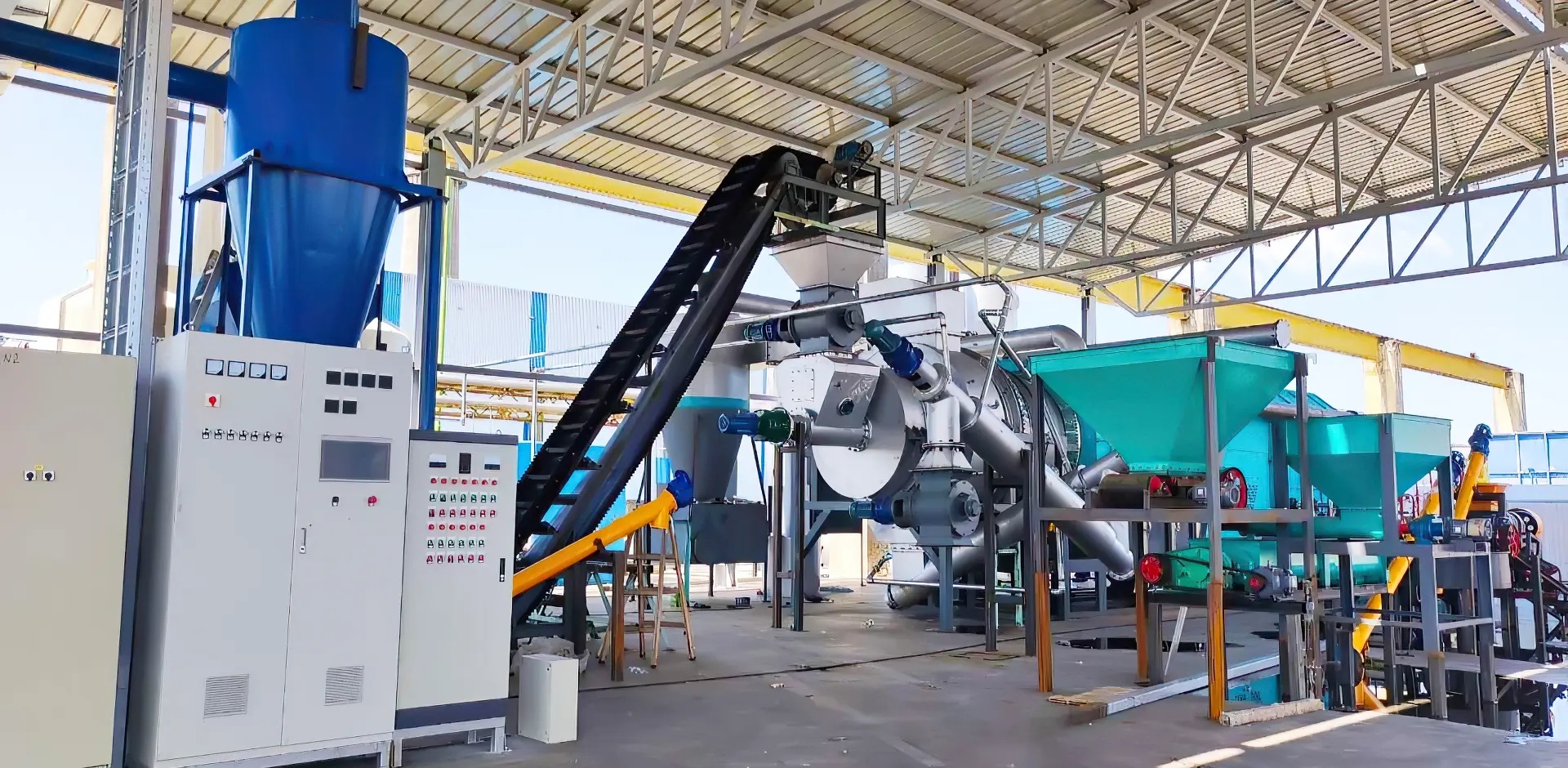
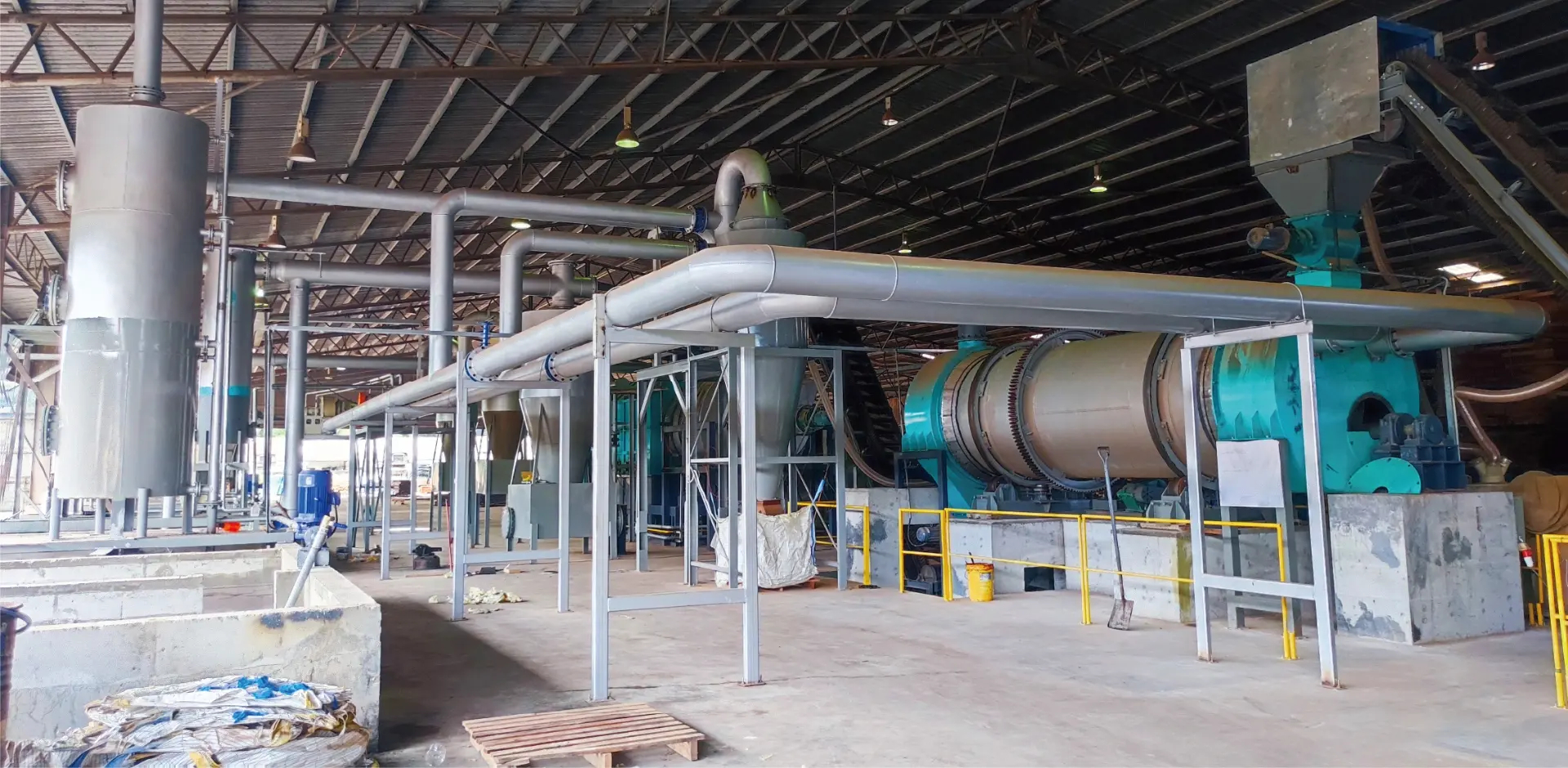
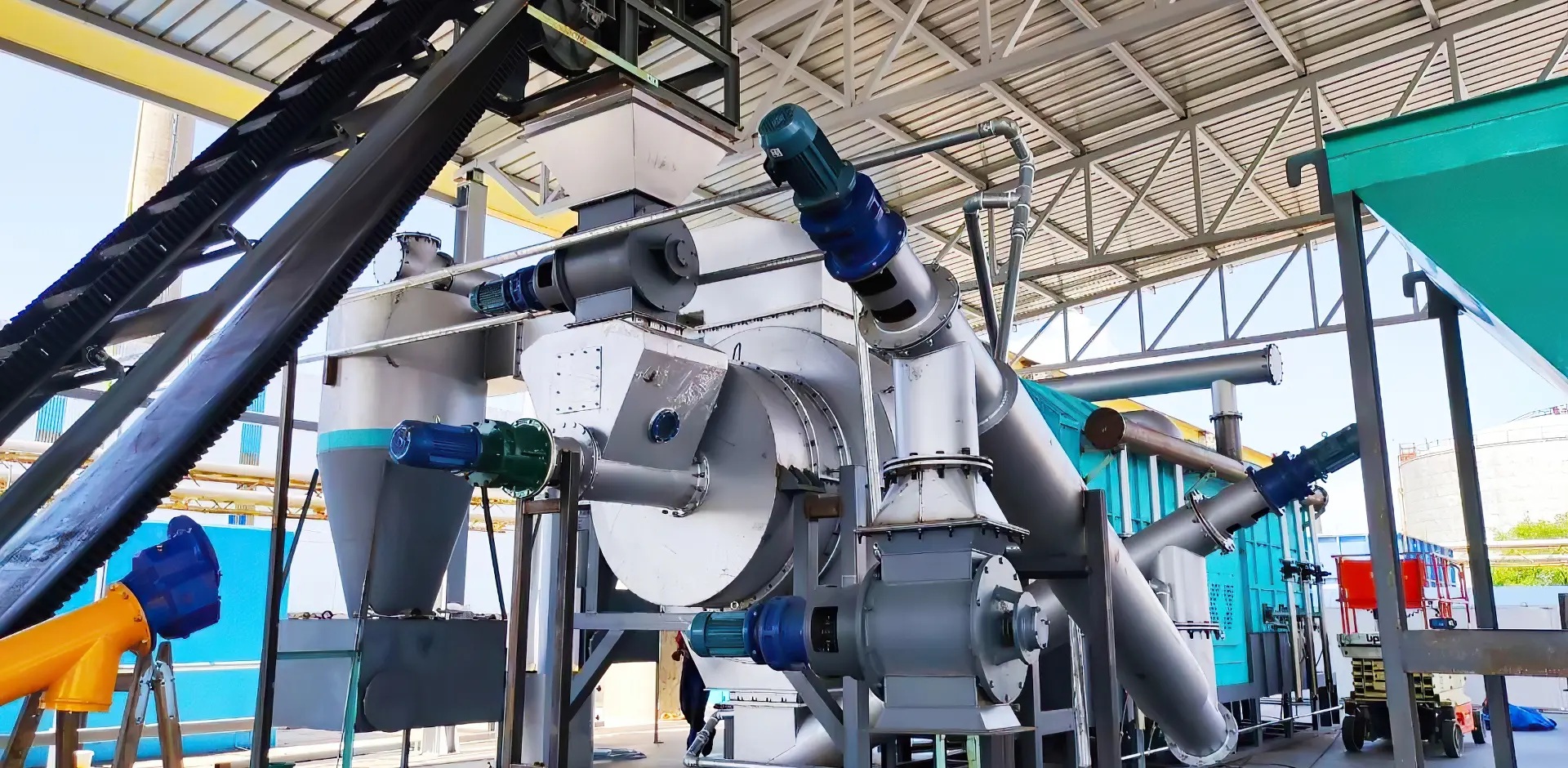
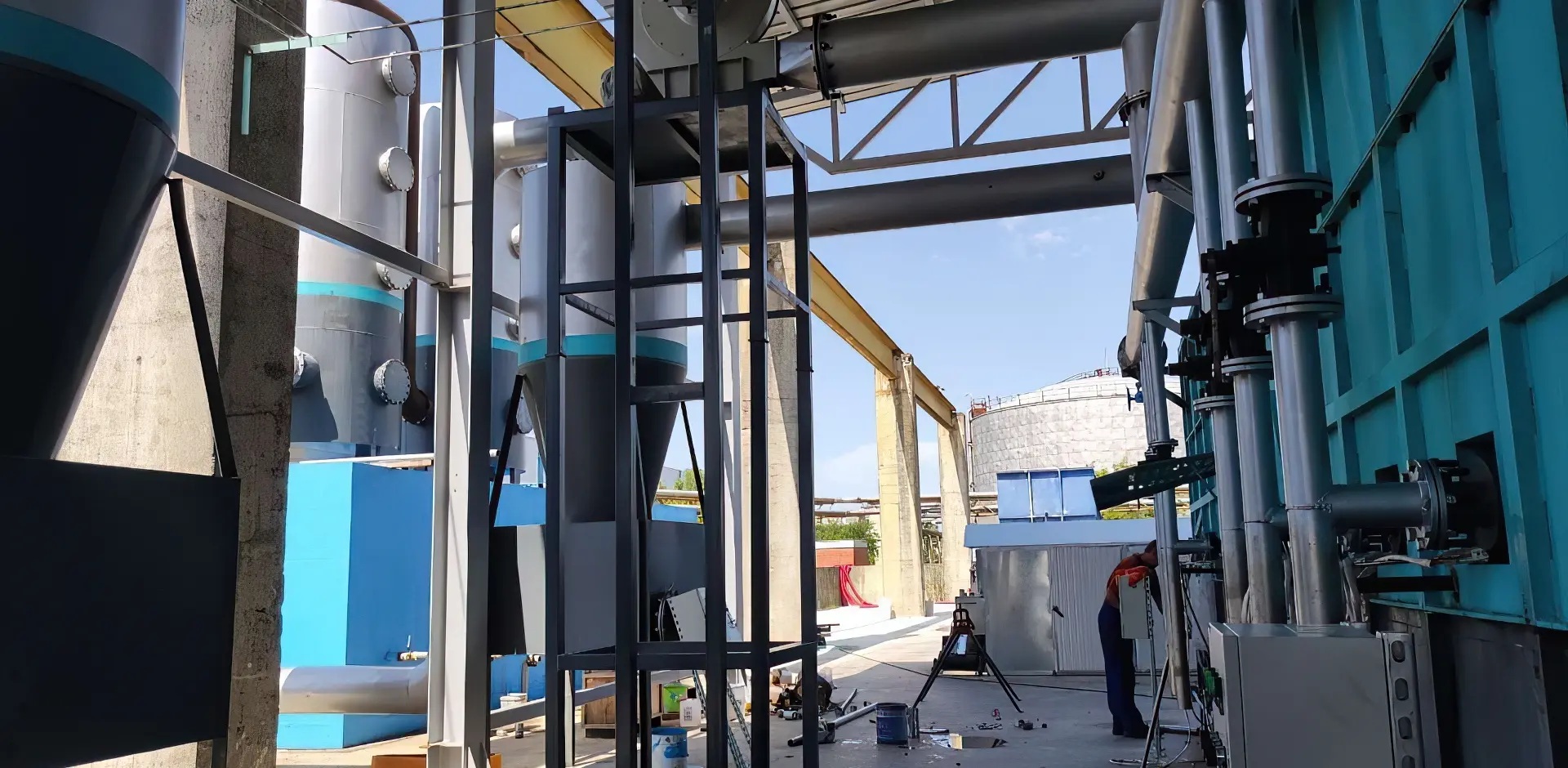
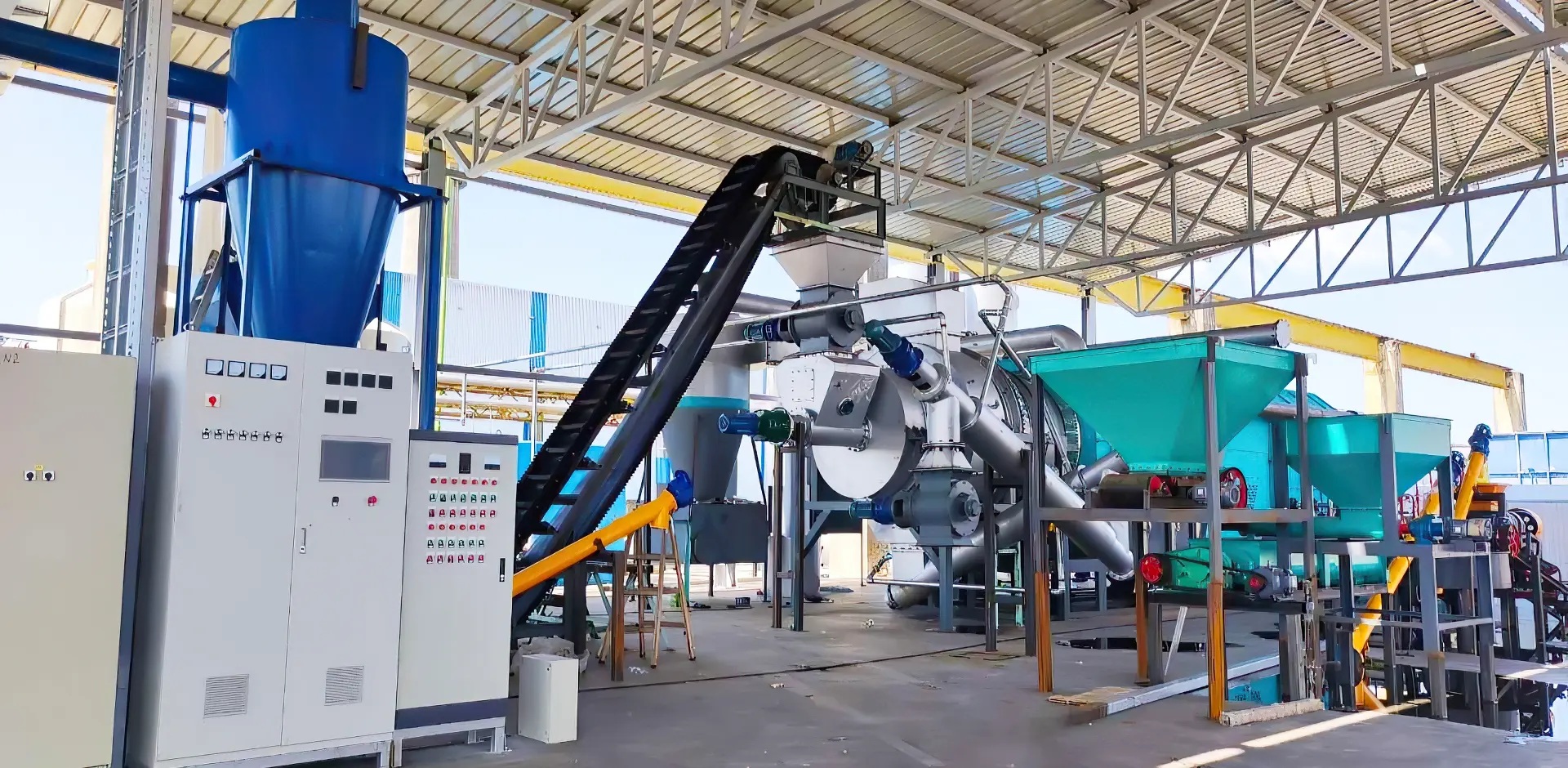
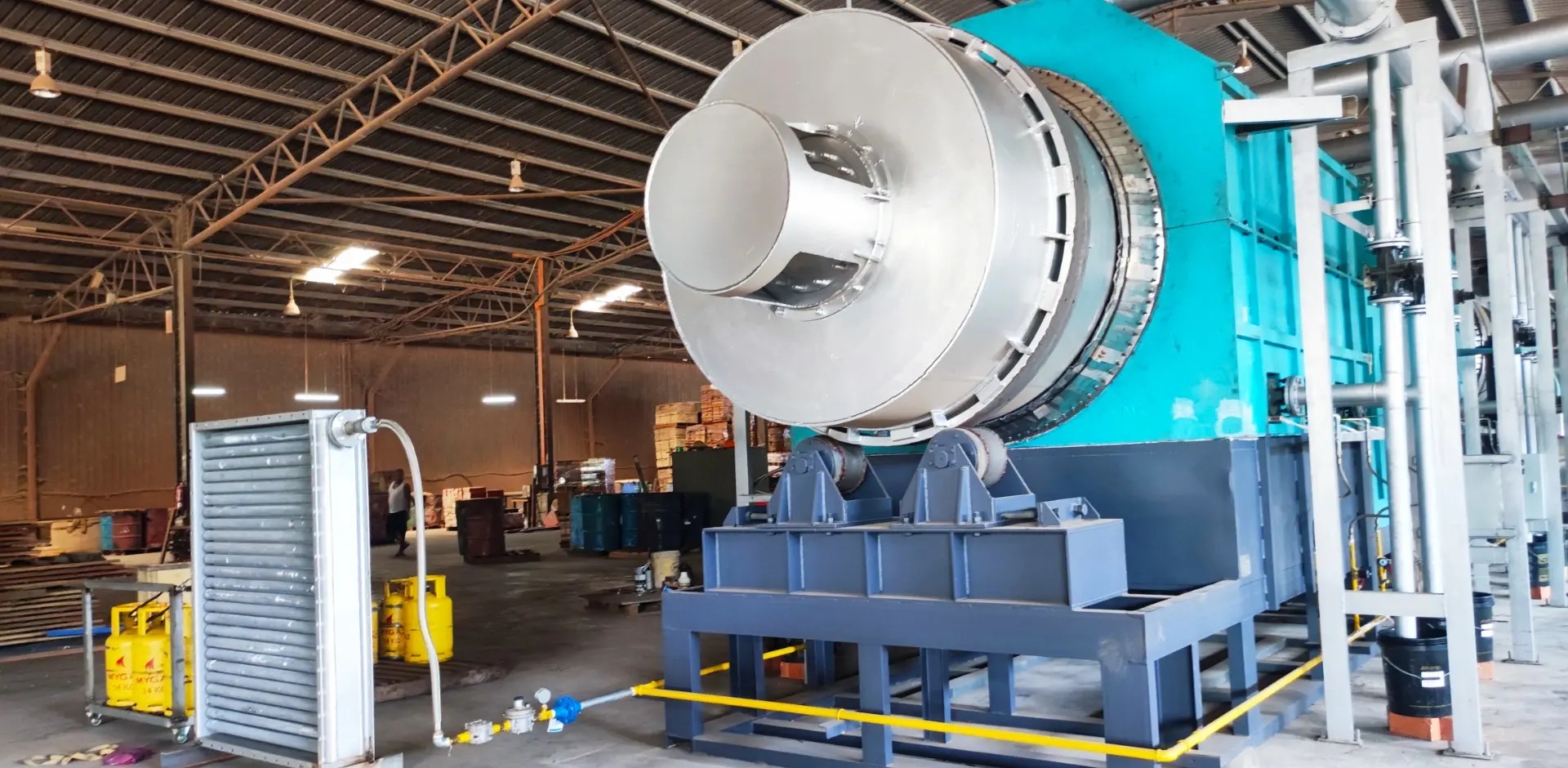
Sewage sludge,the organic and inorganic residue separated during wastewater treatment of domestic, commercial, and mixed municipal sewage is generated in enormous quantities at urban and suburban wastewater treatment plants worldwide. As populations grow and wastewater treatment infrastructure expands to comply with tighter discharge standards, the volume of sewage sludge cake requiring management has escalated to levels that are overwhelming traditional disposal channels such as agricultural land application and landfill. Sewage sludge drying addresses this challenge by thermally removing the majority of the moisture contained in dewatered sludge cake, typically reducing mass by 60–80% producing a granular or powdery dry solid that is stabilized, pathogen-reduced, substantially reduced in volume and weight, and suitable for multiple end-use pathways including co-incineration, monofire incineration, cement kiln co-processing, land application as biosolids, and soil remediation. Kerone Engineering Solutions designs and supplies sewage sludge drying systems that are fully optimized for the operational, regulatory, and environmental context of wastewater treatment plant operations, with a strong focus on energy efficiency, odor control, and operational reliability.
Why Choose Kerone Sewage Sludge Drying
Kerone Engineering Solutions approaches sewage sludge drying with a comprehensive understanding of both the material science of sludge and the practical realities of wastewater treatment plant operation. Our dryer designs explicitly account for the problematic sticky phase behaviour of sewage sludge (typically encountered between 45–65% moisture), which is the single most common cause of operational problems in sludge dryer installations worldwide. Through a combination of back-mixing technology, where a portion of dry product is blended with incoming wet sludge to average the moisture above the sticky range before entering the dryer and controlled agitation within the drying zone, Sewage sludge dryers maintain smooth, continuous throughput without the product adhesion, equipment fouling, and blockage problems that plague systems not designed for this characteristic. Kerone also brings expertise in biogas integration, heat recovery design, and odor control that collectively delivers sewage sludge drying systems with genuinely low net energy consumption and compliant odour management, two of the most operationally critical parameters for wastewater utility operators.
Types and Features of Sewage Sludge Drying
Kerone’s sewage sludge drying systems are available in three primary technology configurations: indirectly-heated disc/paddle dryers, belt dryers with multi-zone temperature control, and direct-fired rotary drum dryers with back-mix feed conditioning. Indirectly-heated disc and paddle dryers are particularly well-suited to sewage sludge because the heat transfer fluid (steam, hot water, or thermal oil) does not contact the sludge, producing a minimal, concentrated exhaust vapor stream that is much easier and less expensive to manage from an odor control perspective than the large exhaust volumes generated by direct-heated drum dryers. Belt dryers are selected where gentle drying at lower temperatures is required to meet pathogen reduction standards while producing a granular product suitable for agricultural use. Direct-fired drum dryers are deployed for maximum throughput at large metropolitan wastewater plants, particularly where biogas or alternate fuel availability reduces the energy cost of direct firing. Heat pump dryer integration is offered for situations where energy cost minimization is the paramount design driver and throughput requirements allow for the additional capital investment.
Key Features
Back-mixing feed system specifically engineered to bypass the sticky phase of sewage sludge (45–65% moisture content) for continuous, trouble-free operation
Indirectly-heated disc and paddle dryer configurations minimize exhaust vapor volume, dramatically simplifying odor control and condensate management
Integrated biogas burner provisions allowing biogas from on-site anaerobic digestion to serve as primary fuel for the dryer, reducing net energy cost
Pathogen reduction through validated time-temperature exposure profiles complying with applicable biosolids standards for class A or class B categorization
Enclosed dryer design with underpressure operation, condensate recovery, and biofilter-ready exhaust connection for compliant odor management
Online moisture sensing and automated process control maintaining consistent dry product quality independent of feed moisture variation
Inert gas atmosphere option for indirect dryer configurations handling sewage sludge with high volatile organic compound content
Complete system supply from sludge receiving and pre-conditioning through drying, product cooling, granulation, and storage
Powered by AI, ML & IoT
Future-Ready Engineering Driven by AI & IoT
Our advanced AI, ML, and IoT technologies, this solution delivers smarter automation, real-time insights, and predictive intelligence to enhance efficiency and drive future-ready growth.
Real-Time Monitoring & Control
Continuous tracking of process parameters with instant adjustments.
Predictive Maintenance
Intelligent fault detection to prevent failures before they occur.
Adaptive Process Optimization
Dynamic tuning of operations for maximum output and efficiency.
Cloud Dashboards & Analytics
Unified access to real-time insights and performance trends.
Energy & Resource Savings
Smarter utilization of energy to cut costs and reduce waste.
Secure IoT Connectivity
Encrypted data flow with seamless integration across plant systems.
Applications of Sewage Sludge Drying
Kerone’s Sewage Sludge Drying systems are extensively used at municipal and industrial wastewater treatment plants managing escalating sludge volumes with limited disposal options. Typical applications include:
Large metropolitan sewage treatment plants producing primary and secondary sludge cake requiring mass and volume reduction for cost-effective disposal logistics
Plants converting sewage sludge into class A biosolids for agricultural application, requiring controlled pathogen reduction through precise drying temperature management
Cement kiln co-processing facilities requiring dried, consistently granular sewage sludge with specified moisture and calorific value as alternative fuel feed
Mono-incineration systems requiring autothermal combustion of sewage sludge, necessitating a dried feed with moisture below 10% to achieve sustainable combustion
Sewage treatment plants with on-site anaerobic digestion seeking to maximize biogas utilization by using it as fuel for thermal sludge drying
Private operators and public-private partnerships providing outsourced sludge management services to multiple wastewater utilities and requiring reliable, versatile drying capacity
Seamless Export Connections Global & Local
Our Global Footprint in Industrial Excellence
Delivering world-class industrial and process solutions across countries with precision, innovation, and reliability.
Peru
Chile
Argentina
Mexico
Colombia
Brazil
USA
Canada
United Kingdom
France
Germany
Spain
Italy
Netherlands
Sweden
Switzerland
Poland
Portugal
Ireland
Czechia
Romania
Hungary
Austria
Greece
Kazakhstan
Uzbekistan
Turkmenistan
Algeria
Egypt
Nigeria
Kenya
South Africa
Saudi Arabia
UAE
Israel
Russia
India
China
Japan
South Korea
Thailand
Vietnam
Malaysia
Singapore
Indonesia
Philippines
Australia
New Zealand
Pan-India Presence. Local Expertise.
Raipur
Bilaspur
Panaji
Vasco da Gama
Gandhinagar
Ahmedabad
Surat
Chandigarh
Gurgaon
Shimla
Manali
Bengaluru
Mysore
Kochi
Pune
Mumbai
Thane
Navi Mumbai
Hyderabad
Chennai
Coimbatore
Kolkata
Lucknow
Jaipur
Udaipur
Jodhpur
Dehradun
Haridwar
Bhubaneswar
Product Gallery
Frequently Asked Questions (FAQ)
Sewage sludge has a high biological oxygen demand, significant volatile organic compound content, and a well-defined sticky phase that is more problematic than in many industrial sludges. Additionally, sewage sludge odour is particularly sensitive due to hydrogen sulfide and mercaptan content. These factors make sewage sludge drying design more demanding in terms of feed system engineering and odor control than most industrial sludge applications.
Requirements vary by national and regional regulation. In the US, EPA 503 standards define Class A biosolids as having fecal coliform densities below 1000 MPN/g and Salmonella below 3 MPN/4g, achievable through time-temperature exposure profiles documented in the dryer design. European regulations under EU Regulation 2019/1009 and national biosolids frameworks apply similar criteria with documented validation.
Yes. Sewage sludge dryers can be designed to utilize low-grade waste heat from co-located power generation, industrial processes, or flue gas heat recovery systems. Kerone designs heat integration schemes that match the available waste heat temperature and flow rate to the dryer's thermal input requirements, maximizing energy cost savings.
Condensate from sewage sludge dryers is typically contaminated with ammonia, dissolved organic compounds, and traces of hydrogen sulfide. It cannot be discharged directly to receiving waters and must be returned to the wastewater treatment plant headworks or treated through dedicated ammonia stripping and biological treatment. Kerone designs condensate handling and return systems as part of the complete installation.
Back-mixing involves blending a controlled fraction of dried, granular product from the dryer discharge with incoming wet sludge cake before it enters the dryer. By mixing wet sludge (80% moisture) with dry product (10% moisture) in appropriate proportions, the blended feed moisture is raised above the sticky zone (above 65% moisture), allowing it to enter the dryer in a non-cohesive, granular state that flows freely through the drying zone.
Dried sewage sludge powder is potentially combustible, and VOCs released during drying can create explosive atmospheres if concentrations exceed lower explosive limits. Kerone manages these risks through oxygen concentration monitoring in closed-loop systems, inert gas purge provisions, explosion-proof electrical equipment, pressure relief panels in enclosures, CO detection, and interlocked system shutdown on alarm.
Yes. Kerone designs sewage sludge dryers with automated operation capability for extended periods without operator presence. The control system continuously monitors key parameters, temperature, feed rate, product moisture, exhaust conditions and implements automatic adjustments or safe shutdown on deviation, with alarm notification to on-call operators.
Product granule size is influenced by the back-mixing ratio, feed moisture, and the mechanical agitation intensity in the drying zone. Kerone's design process includes optimization of these parameters for the target product granule size specification. Post-drying granulation or milling equipment can be added if tighter particle size control is required for specific downstream applications.
Indirectly-heated disc dryers for sewage sludge typically achieve specific energy consumption of 850–1050 kcal per kg of water evaporated at the heat transfer fluid level. With heat integration and condensate heat recovery, effective specific energy consumption can be reduced to 700–900 kcal/kg. Heat pump dryer alternatives achieve 250–400 kcal equivalent/kg but require higher capital investment.
Kerone designs sewage sludge dryers for scheduled maintenance intervals of 4,000–8,000 hours of continuous operation, depending on the dryer type and sludge characteristics. Wear items such as disc tip inserts, seals, and conveyor components can typically be replaced during these planned outages with restoration to full operation within 24–72 hours.
A sewage sludge dryer installation requires a reinforced concrete foundation rated for equipment weight and vibration loads, an enclosed building or weather protection structure for the drying system, utility connections for steam or thermal oil, electrical supply, compressed air, and cooling water, and adequate space for maintenance access and product storage. Kerone provides civil and structural load data and layout drawings for client engineering teams.
Yes. Kerone assesses the capacity and product characteristics of existing belt press or centrifuge dewatering equipment and designs the new drying system to accept the specific sludge cake characteristics (moisture content, particle size, and flow consistency) produced by the existing dewatering equipment. Feed conditioning systems are designed to bridge any compatibility gap.
Stack emission standards for sewage sludge dryers are set by national and state pollution control authorities and typically cover particulate matter, NOx, SOx, HCl, TOC, and dioxins/furans (for thermally intensive systems). Kerone designs the dryer system and exhaust treatment train to comply with the applicable standards and provides emission guarantee documentation.
A complete sewage sludge dryer project from initial inquiry through commissioning typically requires 18–30 months, covering initial feasibility assessment (1–2 months), detailed engineering and procurement (4–8 months), equipment fabrication (6–12 months), civil construction and installation (4–6 months), and commissioning (2–4 months). Timelines vary with project complexity and site conditions.
Yes. Kerone offers structured operation and maintenance contracts that can include scheduled preventive maintenance visits, emergency breakdown support, spare parts supply contracts, remote monitoring services, and annual performance verification testing. These contracts provide wastewater utilities with a predictable maintenance cost structure and assured equipment availability.
Kerone’s custom-designed heating and processing solutions are built to meet the demands of your growing operations. Whether you’re upgrading equipment, expanding production, or need a tailor-made solution

 Peru
Peru Chile
Chile Argentina
 Mexico
 Colombia
 Brazil
 USA
USA Canada
 United Kingdom
 France
 Germany
 Spain
Spain Italy
Italy Netherlands
 Sweden
 Switzerland
 Poland
 Portugal
 Ireland
 Czechia
 Romania
 Hungary
 Austria
 Greece
 Kazakhstan
 Uzbekistan
 Turkmenistan
 Algeria
 Egypt
Egypt Nigeria
 Kenya
Kenya South Africa
 Saudi Arabia
 UAE
UAE Israel
 Russia
 India
India China
China Japan
Japan South Korea
 Thailand
 Vietnam
 Malaysia
 Singapore
 Indonesia
 Philippines
 Australia
 New Zealand