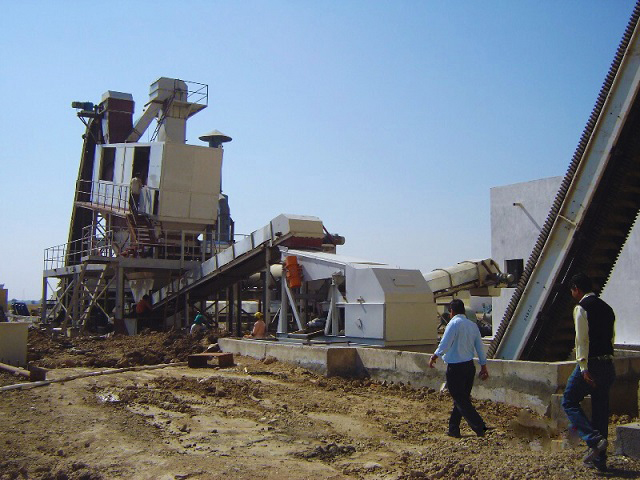
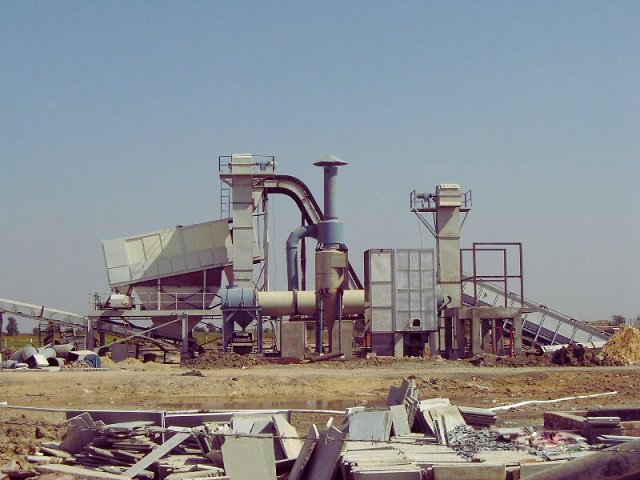
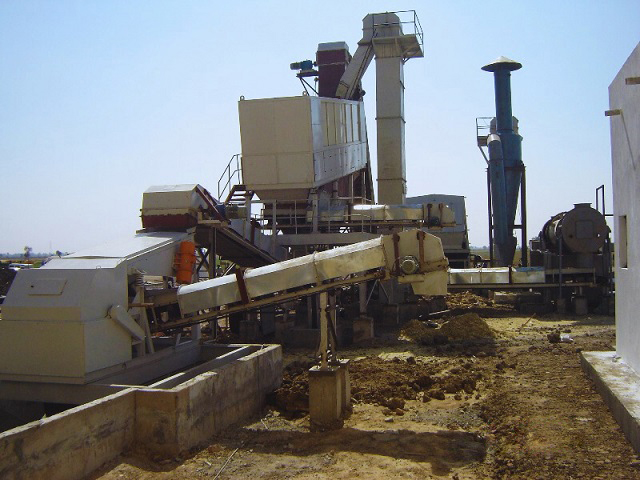
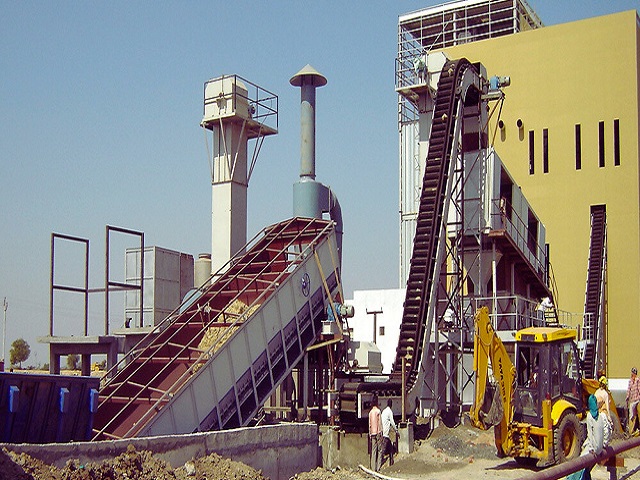
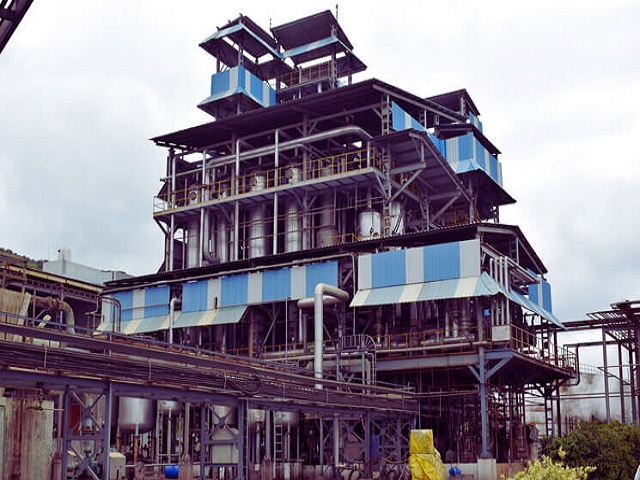
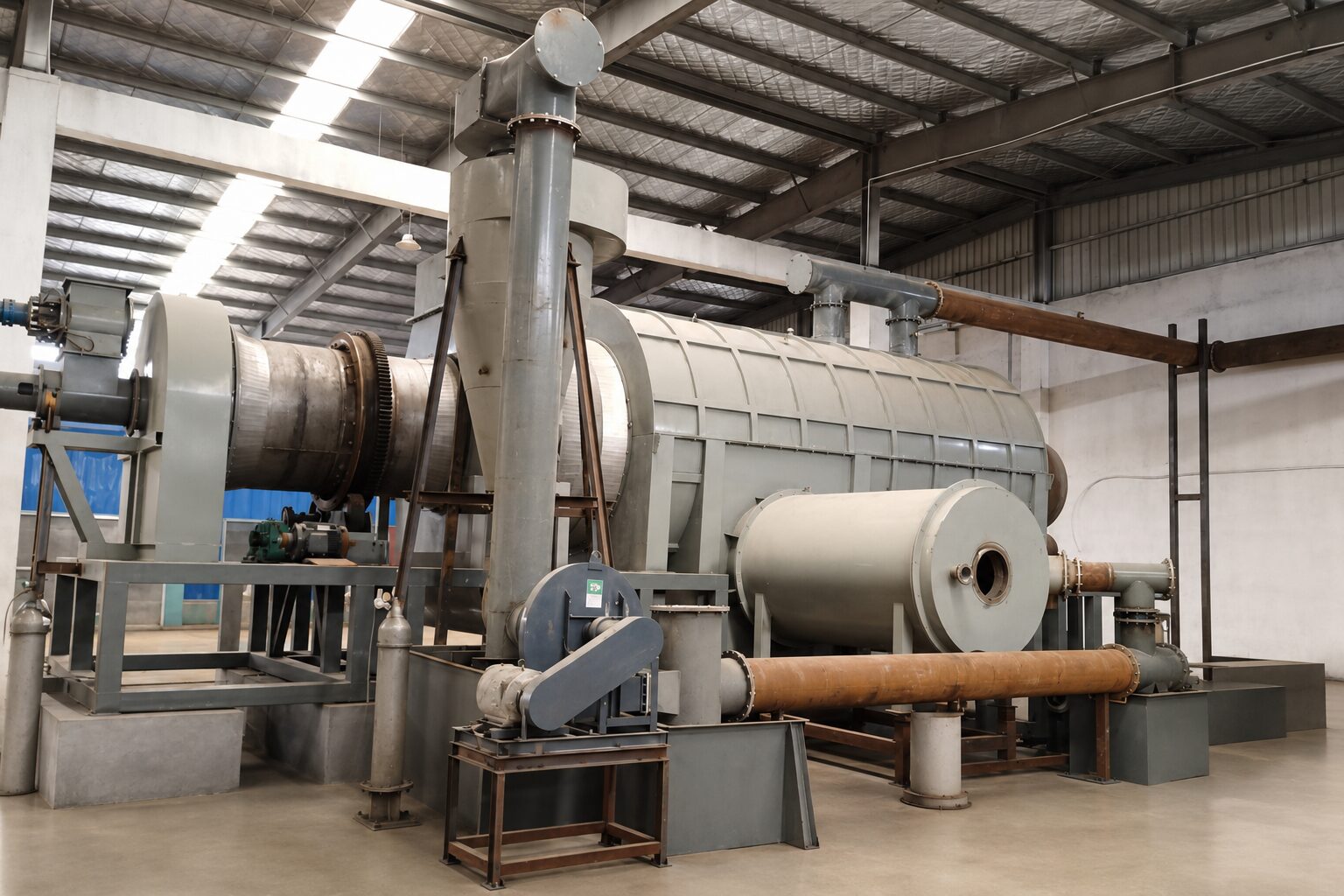
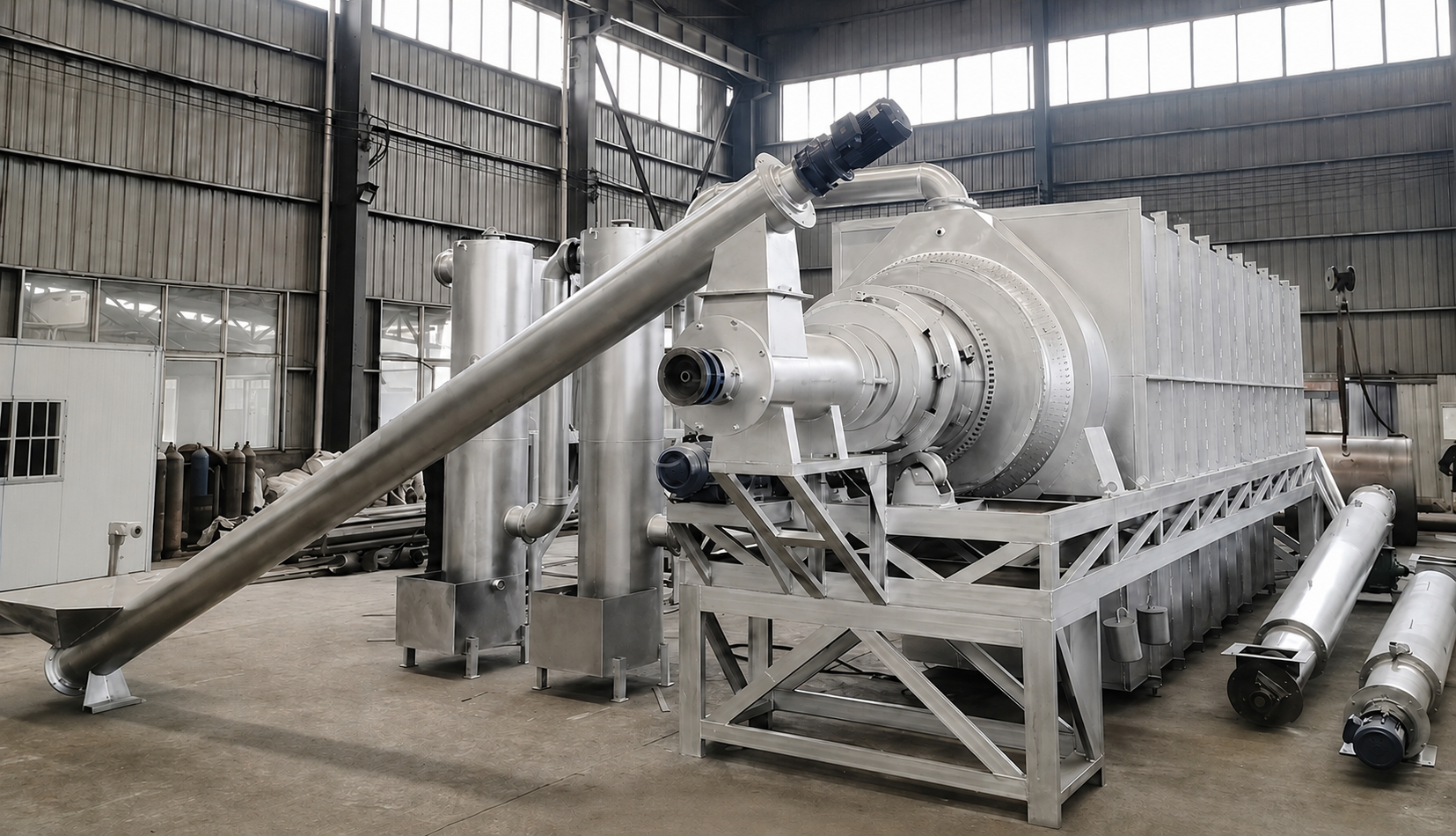
Biomass is one of the most versatile and widely available renewable energy resources, but its effective utilization as a fuel, whether for direct combustion, gasification, pyrolysis, pelletization, or co-firing in power plants is critically dependent on moisture content. High-moisture biomass suffers from significantly reduced calorific value, poor combustion efficiency, high transport costs relative to usable energy content, and unsuitability for densification processes such as pelleting and briquetting. Biomass and renewable energy drying is therefore not an optional pre-processing step but a mandatory energy and economic optimization measure that transforms high-moisture agricultural residues, forestry residues, energy crops, and organic waste into specification-quality solid biofuel. Kerone Engineering Solutions designs and manufactures industrial biomass drying systems that are engineered for the specific physical and chemical characteristics of the full range of biomass feedstocks from woody chips and sawdust to rice husk, sugarcane bagasse, straw, and energy grasses, delivering consistent moisture reduction to specification targets with maximum energy efficiency and minimum operational complexity.
Why Choose Kerone Biomass & Renewable Energy Drying
Biomass drying presents specific engineering challenges that are distinct from those in chemical or food drying applications: extremely variable particle size and bulk density, seasonal moisture variation over a wide range (from 15% to over 60% moisture), high potential for spontaneous combustion in dried product storage, and in many cases the need to utilize combustion flue gas or low-pressure process steam as the drying energy source rather than a dedicated clean heat source. Kerone Engineering Solutions has built substantial expertise in biomass dryer design that addresses each of these challenges systematically. Our biomass drying systems are designed with variable feed configurations that handle the full range of particle sizes without pre-sizing, temperature-controlled drying profiles that manage fire risk during and after drying, and heat source flexibility, able to utilize boiler exhaust gases, process steam, biogas, or dedicated thermal oil heaters as the drying energy source. Energy-efficient drying design philosophy extracts maximum moisture removal per unit of heat input, ensuring that biomass drying energy costs remain within the envelope required for economically viable bioenergy projects.
Types and Features of Biomass & Renewable Energy Drying
Kerone offers three primary technology platforms for biomass and renewable energy drying: rotary drum dryers, belt dryers, and superheated steam dryers. Rotary drum dryers—available in direct-fired (flue gas contact), indirect-fired, and combined configurations—are the workhorse of large-scale biomass drying operations due to their very high throughput capacity, robustness to variable feed particle size, and ability to handle the wide range of biomass types encountered in industrial biomass handling. Belt dryers provide a gentler drying environment at lower temperatures, making them preferred for biomass that is heat-sensitive (torrefied biomass intermediate, certain agricultural residues) or where condensate recovery and energy efficiency are paramount. Superheated steam dryers represent the most technically advanced option, using superheated steam as both the drying and heat carrier medium to deliver the highest possible energy efficiency with fire risk elimination, making them the preferred choice for large-scale pellet plant installations processing fine sawdust or other combustible dust biomass fractions.
Key Features
Rotary drum, belt dryer, and superheated steam dryer platforms available to match biomass feedstock characteristics, throughput requirements, and energy source availability
Direct-fired designs utilizing boiler flue gas as a low-cost heat source, maximizing bioenergy value chain economics
Fire and explosion prevention engineering specifically designed for combustible biomass dust environments, including temperature monitoring, CO detection, and CO2 inerting provisions
Variable feed systems accommodating biomass particles from fine dust to coarse chips without pre-sizing or classification requirements
Energy-efficient drying through exhaust gas heat recovery, achieving specific energy consumption as low as 700 kcal/kg of water evaporated in optimized configurations
Precise moisture control to ±1–2% of target outlet moisture content, ensuring consistent specification-quality biomass fuel for pelleting, combustion, or gasification
Heat pump dryer integration available for high-value biomass fractions where low-temperature drying preserves specific product properties required for downstream conversion
Continuous emission monitoring and dust emission control with multicyclone and bag filter systems to meet air quality standards at biomass processing sites
Powered by AI, ML & IoT
Future-Ready Engineering Driven by AI & IoT
Our advanced AI, ML, and IoT technologies, this solution delivers smarter automation, real-time insights, and predictive intelligence to enhance efficiency and drive future-ready growth.
Real-Time Monitoring & Control
Continuous tracking of process parameters with instant adjustments.
Predictive Maintenance
Intelligent fault detection to prevent failures before they occur.
Adaptive Process Optimization
Dynamic tuning of operations for maximum output and efficiency.
Cloud Dashboards & Analytics
Unified access to real-time insights and performance trends.
Energy & Resource Savings
Smarter utilization of energy to cut costs and reduce waste.
Secure IoT Connectivity
Encrypted data flow with seamless integration across plant systems.
Applications of Biomass & Renewable Energy Drying
Kerone’s Biomass & Renewable Energy Drying systems are extensively used across the bioenergy value chain from agricultural residue handling to advanced biomass conversion facilities. Typical applications include:
Wood chip and sawdust drying at pellet manufacturing plants requiring inlet moisture reduction from 40–55% to the 8–12% specification for high-quality wood pellet production
Agricultural residue drying—rice husk, wheat straw, corn stover, sugarcane bagasse—for use as boiler fuel or gasification feedstock at rural power generation facilities
Energy grass and short-rotation coppice drying for dedicated biomass power station fuel supply chains requiring consistent moisture and calorific value delivery
Torrefaction pre-dryer applications where biomass must be dried to below 15% moisture before entering torrefaction reactors for production of torrefied wood pellets
Biochar feedstock drying at pyrolysis facilities to ensure consistent carbonization conditions and maximize biochar yield and quality
Co-firing blend preparation drying where biomass must meet specific moisture specifications for co-firing in existing coal power plant boilers
Seamless Export Connections Global & Local
Our Global Footprint in Industrial Excellence
Delivering world-class industrial and process solutions across countries with precision, innovation, and reliability.
Peru
Chile
Argentina
Mexico
Colombia
Brazil
USA
Canada
United Kingdom
France
Germany
Spain
Italy
Netherlands
Sweden
Switzerland
Poland
Portugal
Ireland
Czechia
Romania
Hungary
Austria
Greece
Kazakhstan
Uzbekistan
Turkmenistan
Algeria
Egypt
Nigeria
Kenya
South Africa
Saudi Arabia
UAE
Israel
Russia
India
China
Japan
South Korea
Thailand
Vietnam
Malaysia
Singapore
Indonesia
Philippines
Australia
New Zealand
Pan-India Presence. Local Expertise.
Raipur
Bilaspur
Panaji
Vasco da Gama
Gandhinagar
Ahmedabad
Surat
Chandigarh
Gurgaon
Shimla
Manali
Bengaluru
Mysore
Kochi
Pune
Mumbai
Thane
Navi Mumbai
Hyderabad
Chennai
Coimbatore
Kolkata
Lucknow
Jaipur
Udaipur
Jodhpur
Dehradun
Haridwar
Bhubaneswar
Product Gallery
Frequently Asked Questions (FAQ)
Wood pellet production standards (ISO 17225-2) typically require biomass feedstock moisture content of 8–12% before entering the pellet mill. Higher moisture content results in poor pellet formation, reduced pellet durability, and higher pellet mill energy consumption. Kerone biomass dryers are designed to reliably achieve the target moisture specification within ±1–2%.
Kerone biomass dryers can be designed to utilize a range of heat sources including dedicated biomass combustion systems burning bark, hogged wood, or pellet fines; boiler flue gas from adjacent steam boilers; process steam from industrial plants; thermal oil from dedicated heaters; biogas from anaerobic digestion; or natural gas burners. The heat source selection is driven by availability, cost, and the overall energy balance of the facility.
Fire risk management in biomass dryers includes operating the drying zone below the ignition temperature of the specific biomass, continuous CO monitoring as an early indicator of smoldering, temperature sensors at critical points, CO2 inerting provisions for rotary drum dryers, spark detection in conveying systems, and water deluge systems for emergency cooling. Kerone designs biomass dryers with fire risk assessment as a fundamental engineering input.
Kerone biomass dryers are available from small modular installations processing 0.5–2 tonnes per hour of wet feed to large industrial systems handling 20–50 tonnes per hour in continuous operation. Parallel dryer configurations are used for very high-capacity pellet plant installations requiring 100+ tph of wet biomass processing.
Biomass inlet moisture content can vary from 15% in hot, dry summer storage to over 60% in freshly harvested or rain-exposed feedstocks. Kerone designs biomass dryers with sufficient operating range and automated feed rate and temperature adjustment to maintain consistent outlet moisture across this inlet variability range. Moisture sensors at both inlet and outlet allow closed-loop control.
Dust emission standards for biomass dryer stack gases are set by applicable national and state environmental regulations. Kerone's standard biomass dryer installations include multi-cyclone separators and fabric bag filters in the exhaust system to achieve particulate emissions compliant with applicable limits. Emission monitoring provisions are integrated as standard.
Yes. A portion of the dried biomass product, or biomass fines and waste fractions, can be combusted in a dedicated biomass burner to provide the thermal energy required for drying. This self-fueling approach is common in pellet plants and sawmill operations where biomass fuel is available at low or zero cost as a process by-product.
Direct-fired rotary drum dryers for biomass achieve specific energy consumption of 800–1100 kcal per kg of water evaporated, depending on dryer size, feed characteristics, and exhaust heat recovery provisions. Indirect drum dryers and belt dryers with heat recovery typically achieve 750–950 kcal/kg. Superheated steam dryers with vapor recompression achieve 500–700 kcal equivalent/kg.
Dried biomass requires storage conditions that prevent moisture re-absorption (covered, ventilated storage), reduce self-heating risk (temperature monitoring in bulk storage), and control dust accumulation (sealed conveying systems). Kerone provides guidance on biomass storage design and can integrate monitoring systems into the complete processing line design.
Kerone's rotary drum dryers for biomass handle particles from fine sawdust (sub-1 mm) to coarse wood chips (up to 50–70 mm length) without pre-sizing. Belt dryers are better suited to uniform particle sizes in the 5–50 mm range. For very coarse materials such as unprocessed logging residues, pre-chipping to a manageable chip size is recommended before drying.
Pre-drying before torrefaction is the primary application: biomass enters the dryer at 40–55% moisture and exits at below 15% before entering the torrefaction reactor. Post-torrefaction cooling and conditioning are separate process steps. Kerone designs the pre-dryer as an integrated component of torrefaction production lines.
Environmental impacts include stack particulate emissions (controlled by Kerone's standard multicyclone and bag filter exhaust systems), VOC emissions from drying hot wood (managed by afterburner or biofilter where required), and noise. Overall, biomass drying enables renewable energy production that delivers significant life cycle greenhouse gas benefits compared to fossil fuel alternatives.
For small-scale rural projects, Kerone prioritizes simplicity of operation, local fabrication where possible, use of locally available heat sources, and robust mechanical designs that can be maintained by non-specialist personnel. Modular, containerized dryer units are available for remote sites with limited infrastructure.
Heat pump dryer technology is applicable to biomass drying where the dried product is high-value (such as torrefied biomass or specialty agricultural residues) and where energy cost minimization is the primary objective. Limitations include lower throughput capacity and higher capital cost compared to direct-fired drum dryers, so heat pump dryer selection is project-specific.
Kerone provides standard warranty coverage of 12–18 months from commissioning on equipment and components, covering manufacturing defects and material failures. Extended warranty arrangements and comprehensive service agreements are available. Performance guarantees covering outlet moisture content and specific energy consumption are provided as project-specific contractual commitments.
Kerone’s custom-designed heating and processing solutions are built to meet the demands of your growing operations. Whether you’re upgrading equipment, expanding production, or need a tailor-made solution

 Peru
Peru Chile
Chile Argentina
 Mexico
 Colombia
 Brazil
 USA
USA Canada
 United Kingdom
 France
 Germany
 Spain
Spain Italy
Italy Netherlands
 Sweden
 Switzerland
 Poland
 Portugal
 Ireland
 Czechia
 Romania
 Hungary
 Austria
 Greece
 Kazakhstan
 Uzbekistan
 Turkmenistan
 Algeria
 Egypt
Egypt Nigeria
 Kenya
Kenya South Africa
 Saudi Arabia
 UAE
UAE Israel
 Russia
 India
India China
China Japan
Japan South Korea
 Thailand
 Vietnam
 Malaysia
 Singapore
 Indonesia
 Philippines
 Australia
 New Zealand