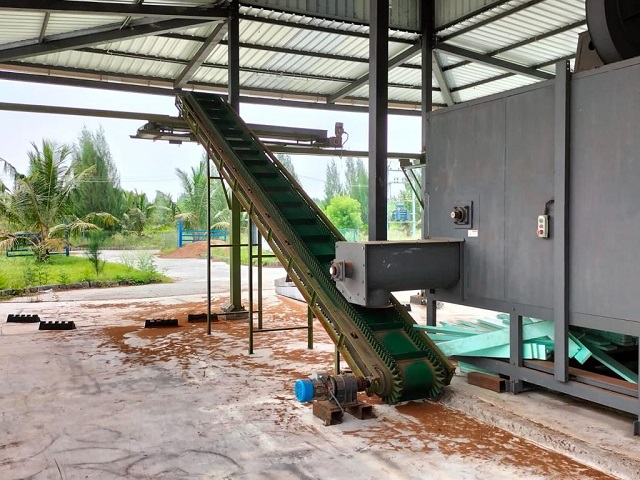
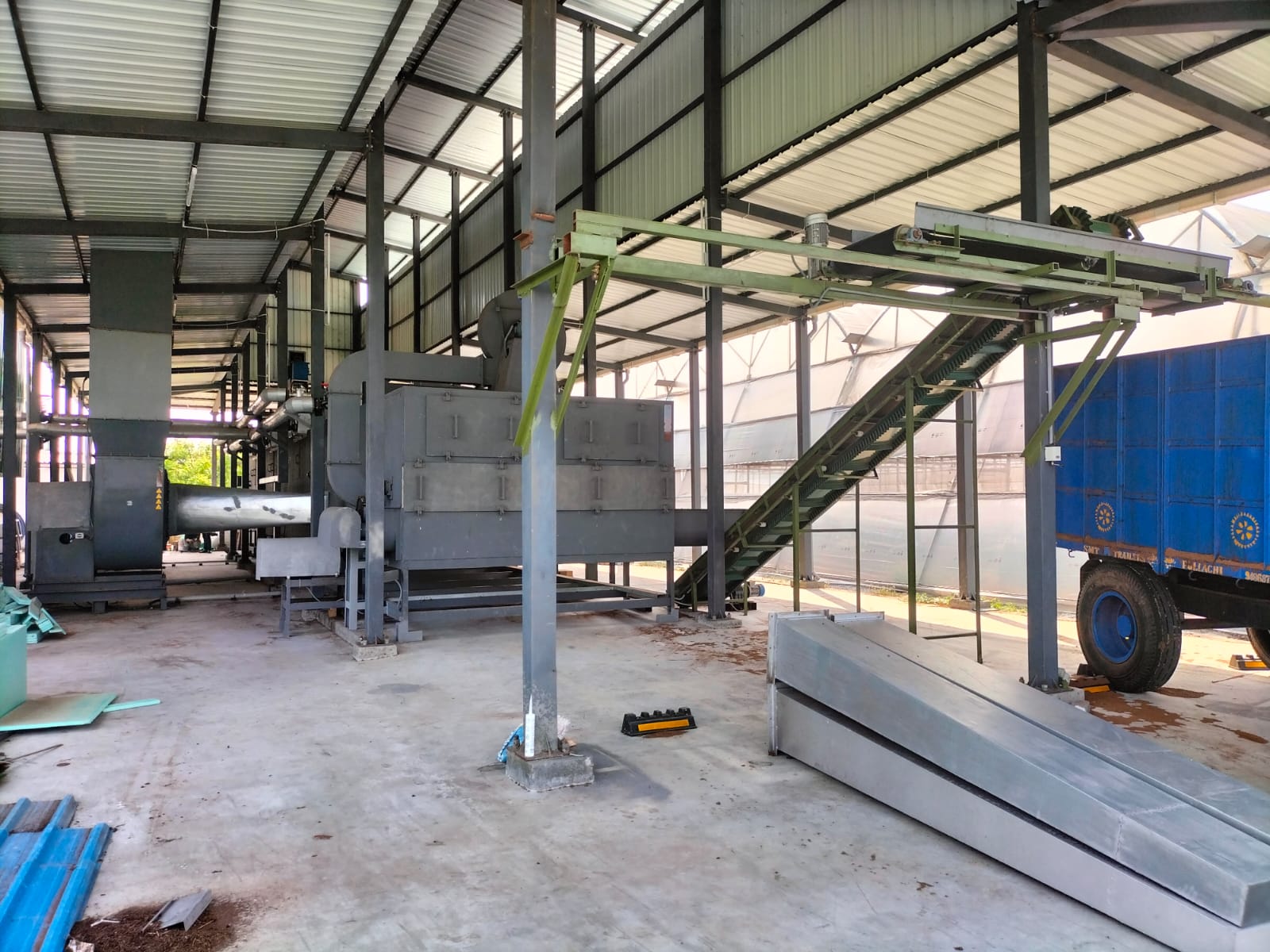
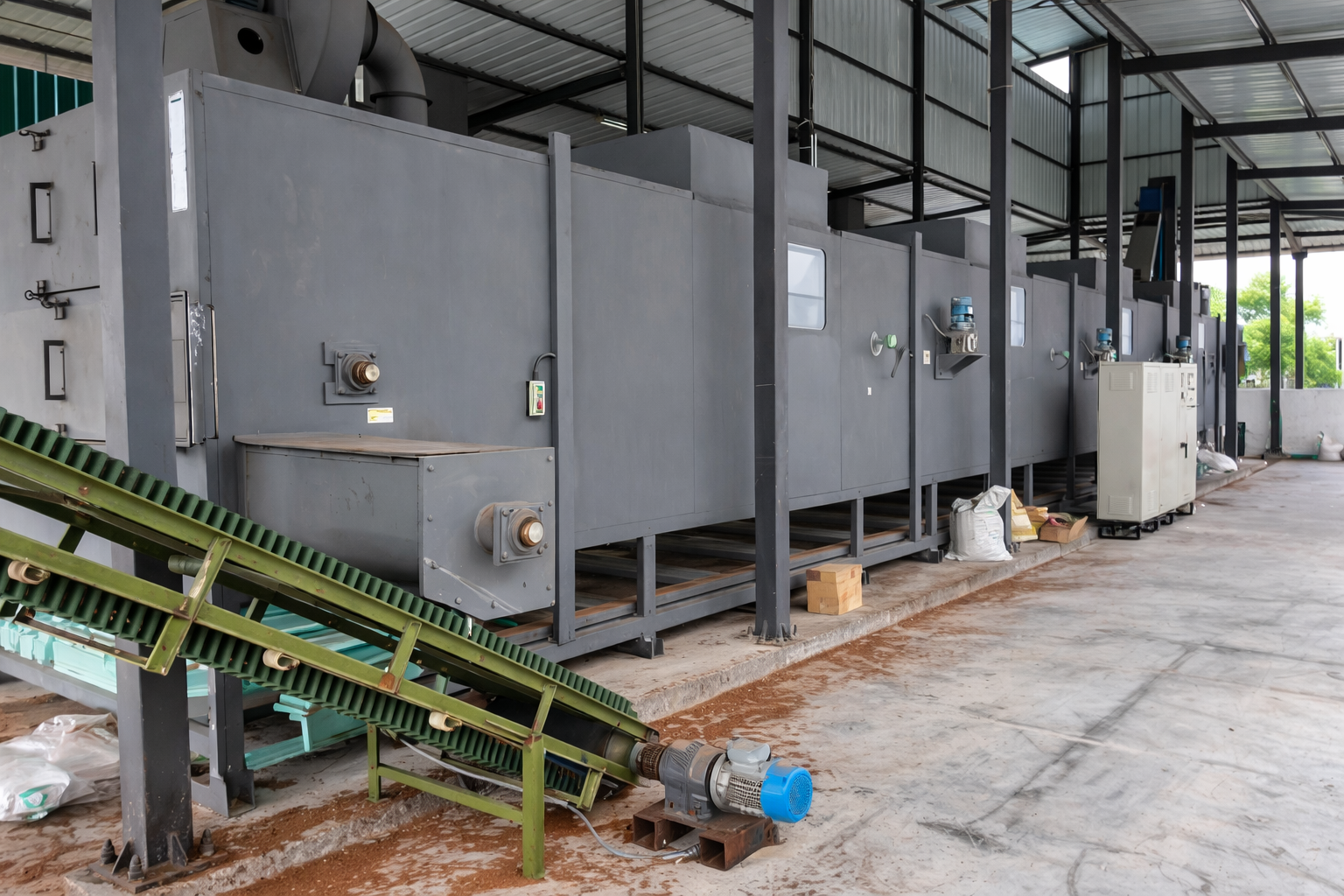
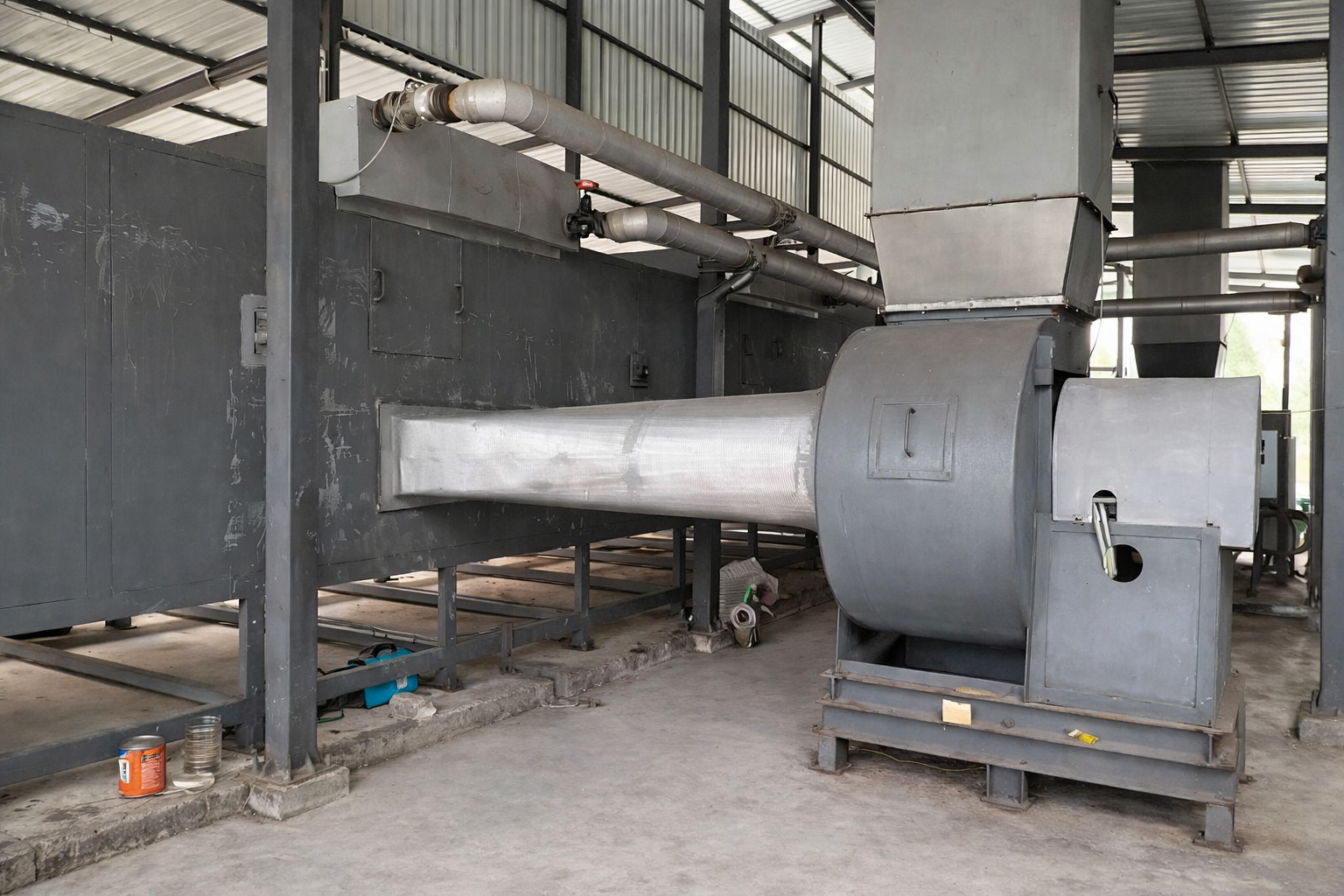
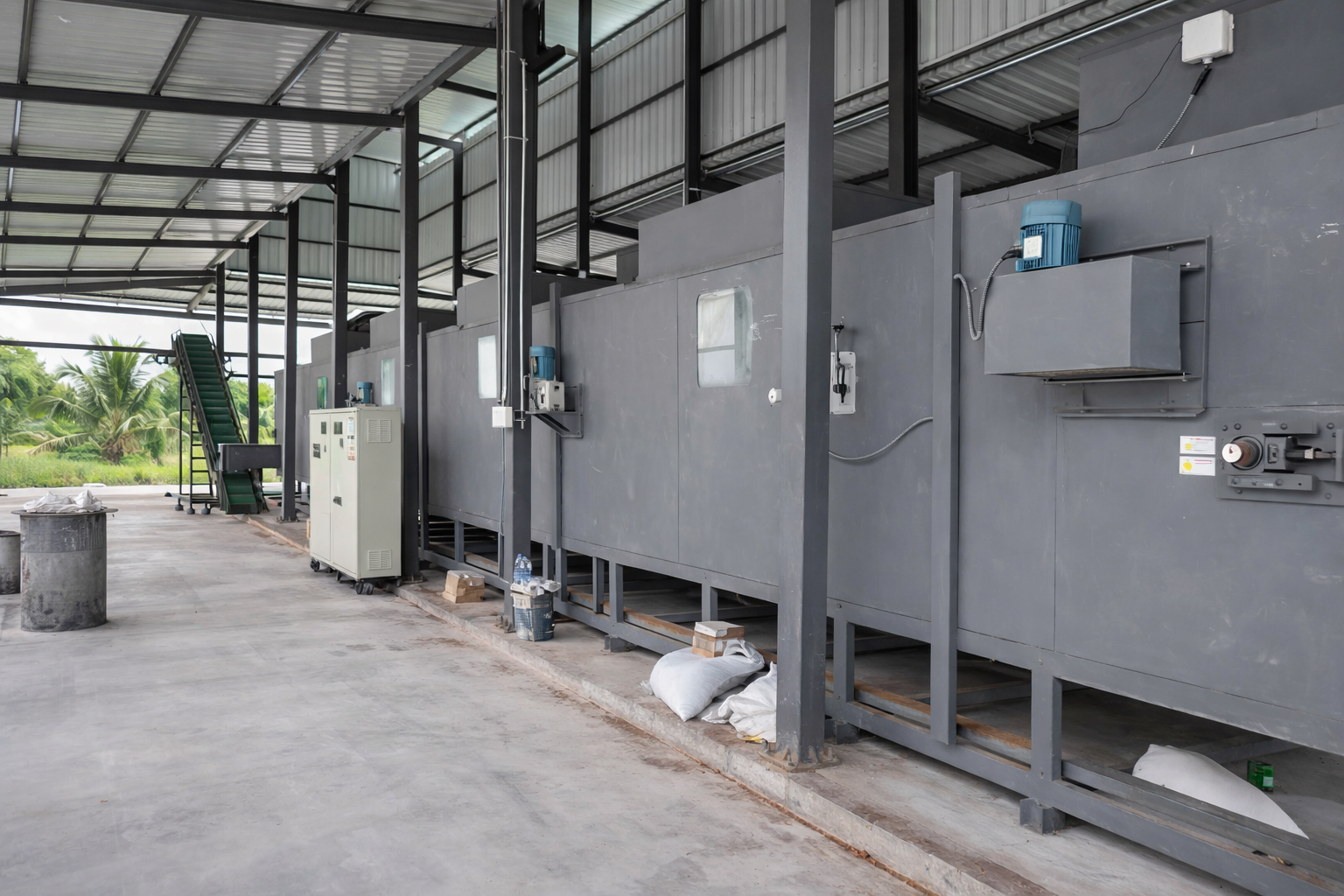
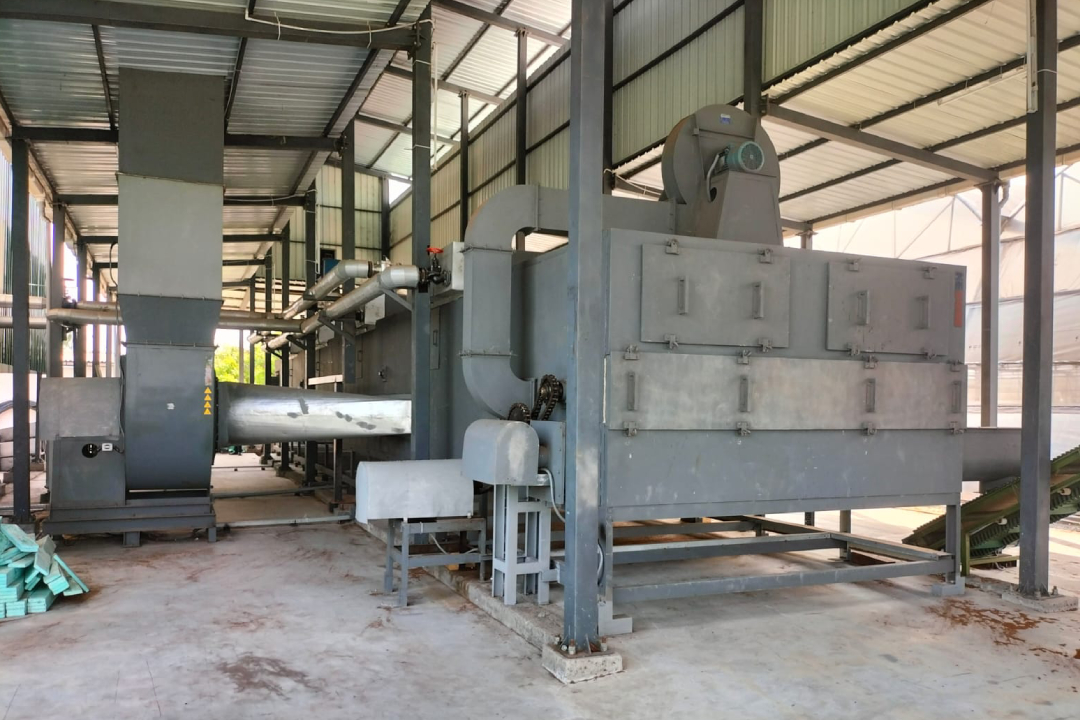
Coir Pith Dryers is engineered to provide optimal drying efficiency and material handling performance. It ensures reliability, uniform heat transfer, and minimal degradation for sensitive or bulk materials.
Kerone Engineering Solutions Ltd. is a leading company in the provision of advanced industrial heating, drying, and process solutions of engineering globally. Having more than 50 years of expertise, we are experts in designing, producing, and delivering custom-made, state-of-the-art systems to meet the ever-changing requirements of the industries across the globe.
Why Choose Kerone Coir Pith Dryers
Kerone’s Coir Pith Dryers integrates precision engineering, robust construction, and advanced control systems that ensure consistent output and long‑term durability across various industrial applications.
At Kerone, we are having more than 50+ years’ experience in helping various types of industries with designing, manufacturing and installation of various types of custom build industrial drying solution. We help the client in selection by understanding the prerequisite for quality, size, shape and moisture content of the ultimate dried product have to be taken into contemplation, as well as production setting, construction materials most common stainless steel, energy consumption pattern.
Types and Features of Coir Pith Dryers
The Coir Pith Dryers is available in multiple industrial configurations tailored for specific materials, production capacities, and environmental requirements, ensuring operational flexibility and efficiency.
Industrial coir pith dryers are designed to reduce the high moisture content of raw coir pith (often 60–70%) to a suitable level for export, briquetting, or horticultural use. One of the most common types is the rotary drum dryer, which uses a rotating cylindrical drum and hot air to ensure continuous, large-scale drying with high efficiency and uniform output. It is ideal for bulk processing plants due to its durability and ability to handle heavy loads.
Another widely used option is the flash dryer, also known as a pneumatic dryer. This system uses high-velocity hot air to dry fine coir pith particles within seconds. It is compact, energy-efficient, and suitable for powdered or granulated material where fast moisture removal and consistent drying are required.
The belt conveyor dryer is a continuous system where coir pith moves on a mesh belt through controlled temperature zones. It offers gentle and uniform drying, making it suitable when maintaining the structure and quality of the material is important. This type allows better control over airflow and temperature distribution.
A fluidized bed dryer (FBD) suspends coir pith particles in a stream of hot air, ensuring uniform heat transfer and quick drying. It provides precise moisture control and high thermal efficiency, making it suitable for small to medium particle sizes with consistent drying needs.
For small-scale operations, the hot air tray dryer is a practical batch-type solution. It is simple to operate, cost-effective, and suitable for low production volumes. Although slower than continuous systems, it provides controlled temperature drying and is ideal for small coir processing units.
Key Features
Specialized for high-moisture coir pith (up to 70–80%)
Gentle drying preserves fiber integrity and expansion ratio
Anti-clog screw and drum mechanism for fibrous materials
Energy-efficient multi-pass heating
Integrated sieving option for particle size grading
Stainless steel contact parts to prevent contamination
Uniform moisture output ideal for hydroponic/coir block production
Designed to support continuous cocopeat processing
Powered by AI, ML & IoT
Future-Ready Engineering Driven by AI & IoT
Our advanced AI, ML, and IoT technologies, this solution delivers smarter automation, real-time insights, and predictive intelligence to enhance efficiency and drive future-ready growth.
Real-Time Monitoring & Control
Continuous tracking of process parameters with instant adjustments.
Predictive Maintenance
Intelligent fault detection to prevent failures before they occur.
Adaptive Process Optimization
Dynamic tuning of operations for maximum output and efficiency.
Cloud Dashboards & Analytics
Unified access to real-time insights and performance trends.
Energy & Resource Savings
Smarter utilization of energy to cut costs and reduce waste.
Secure IoT Connectivity
Encrypted data flow with seamless integration across plant systems.
Applications of Coir Pith Dryers
Kerone’s Coir Pith Dryers are extensively used in industries. Typical applications include:
Drying coir pith for horticultural grow bags
Organic substrate production for nurseries and greenhouses
Preparing coco peat blocks for export
Reducing moisture for long-term storage
Supporting hydroponic cultivation systems
Stabilizing pith material for soil amendment products
The Coir Pith Dryers provides dependable, efficient, and customizable drying capabilities suitable for diverse industrial segments, ensuring productivity and consistent output quality.
Coir pith is the coconut shell fiber powder that’s a processed coconut by-product or waste. The processed coir pith is very suitable for cultivating plants and is currently a popular horticultural medium. Widely used worldwide, it’s a natural and environmentally friendly product that developed countries are committed to promoting. The coir pith is compressed, the storage space is small, and it’s easy to move, that greatly reduces the cost of storage and transportation. Therefore, the market prospect of the coir pith dryer is considerable and has nice demand.
KERONE has developed the special drying machine for Coir pith drying production line, can directly be connected with the coconut shell opening and sorting machine, coconut bran sorting, desalination, dehydration, drying, and the Coir pith drying process can be completed within 40 minutes.
Seamless Export Connections Global & Local
Our Global Footprint in Industrial Excellence
Delivering world-class industrial and process solutions across countries with precision, innovation, and reliability.
Peru
Chile
Argentina
Mexico
Colombia
Brazil
USA
Canada
United Kingdom
France
Germany
Spain
Italy
Netherlands
Sweden
Switzerland
Poland
Portugal
Ireland
Czechia
Romania
Hungary
Austria
Greece
Kazakhstan
Uzbekistan
Turkmenistan
Algeria
Egypt
Nigeria
Kenya
South Africa
Saudi Arabia
UAE
Israel
Russia
India
China
Japan
South Korea
Thailand
Vietnam
Malaysia
Singapore
Indonesia
Philippines
Australia
New Zealand
Pan-India Presence. Local Expertise.
Raipur
Bilaspur
Panaji
Vasco da Gama
Gandhinagar
Ahmedabad
Surat
Chandigarh
Gurgaon
Shimla
Manali
Bengaluru
Mysore
Kochi
Pune
Mumbai
Thane
Navi Mumbai
Hyderabad
Chennai
Coimbatore
Kolkata
Lucknow
Jaipur
Udaipur
Jodhpur
Dehradun
Haridwar
Bhubaneswar
Product Gallery
Frequently Asked Questions (FAQ)
Yes, and this integration is one of the more valuable aspects of a well-designed coir pith processing line. Kerone's systems can connect directly with coconut shell opening and sorting equipment, coir bran sorting, and desalination or dehydration stages ahead of the dryer itself, creating a continuous flow from raw coconut husk through to finished, dried pith. This reduces manual handling, minimizes contamination risk between stages, and can compress total processing time to around 40 minutes from raw material to dried output. Buyers planning a new coir processing facility benefit from specifying the full upstream sequence early so the drying stage is sized and matched correctly to the rest of the line.
Coir pith's fibrous structure makes it prone to matting, bridging, and clogging in conventional handling equipment, since the fibers interlock and resist free flow the way granular materials do. Kerone addresses this with anti-clog screw and drum mechanisms specifically engineered for fibrous materials, which break up matted clumps and maintain consistent material movement through the dryer rather than allowing it to bridge and stall. Without this design consideration, throughput drops unpredictably and operators face frequent manual intervention to clear blockages. This is a key reason coir pith drying equipment differs mechanically from dryers designed for free-flowing granular or powder materials, even when the underlying heat transfer principle is similar.
It is designed for efficient industrial drying of material specific to its category.
Yes, it is engineered for uninterrupted workflow depending on model selection.
Routine inspection, lubrication, and cleaning based on material type.
Kerone provides multiple customization options for capacity, controls, and thermal systems.
Food, chemical, pharma, agriculture, and material‑processing sectors extensively use it.
The system is optimized to reduce energy use while maintaining high drying efficiency.
It reduces moisture in cocopeat and coir pith to make it suitable for horticulture and export.
Drying improves expansion, reduces microbial load, and enhances storage life.
Cocopeat manufacturers, nurseries, agriculture, and soil media producers.
Yes, rotary and flash drying systems provide uniform, economical drying.
Yes, they process moisture levels up to 70–80%.
The right technology depends heavily on what the dried pith will be used for. Rotary drum dryers suit large-volume export and briquetting operations because they handle heavy, continuous loads economically. Flash or pneumatic dryers work well for fine, granulated pith where fast moisture removal in seconds is valuable, particularly for powdered horticultural products. Belt conveyor dryers are preferred when preserving the physical structure and expansion capacity of the pith matters, since their gentler, more controlled drying reduces fiber breakdown. Fluidized bed dryers offer precise, uniform drying for small to medium particle sizes. Hot air tray dryers remain the practical choice for small-scale or batch operations where continuous throughput isn't required.
Expansion ratio refers to how much the compressed coir pith block swells when rehydrated with water, which is a key quality indicator for horticultural buyers who rely on consistent growing medium volume per block. Aggressive or uneven drying can damage the fiber structure within the pith, reducing its capacity to reabsorb water and expand properly later. Gentle, uniform drying â such as that provided by belt conveyor systems â better preserves the natural fiber integrity, supporting a higher and more consistent expansion ratio. This is why processors targeting premium horticultural or hydroponic markets often prioritize drying methods that protect fiber structure over those optimized purely for speed.
Kerone’s custom-designed heating and processing solutions are built to meet the demands of your growing operations. Whether you’re upgrading equipment, expanding production, or need a tailor-made solution



 Peru
Peru Chile
Chile Argentina
 Mexico
 Colombia
 Brazil
 USA
USA Canada
 United Kingdom
 France
 Germany
 Spain
Spain Italy
Italy Netherlands
 Sweden
 Switzerland
 Poland
 Portugal
 Ireland
 Czechia
 Romania
 Hungary
 Austria
 Greece
 Kazakhstan
 Uzbekistan
 Turkmenistan
 Algeria
 Egypt
Egypt Nigeria
 Kenya
Kenya South Africa
 Saudi Arabia
 UAE
UAE Israel
 Russia
 India
India China
China Japan
Japan South Korea
 Thailand
 Vietnam
 Malaysia
 Singapore
 Indonesia
 Philippines
 Australia
 New Zealand