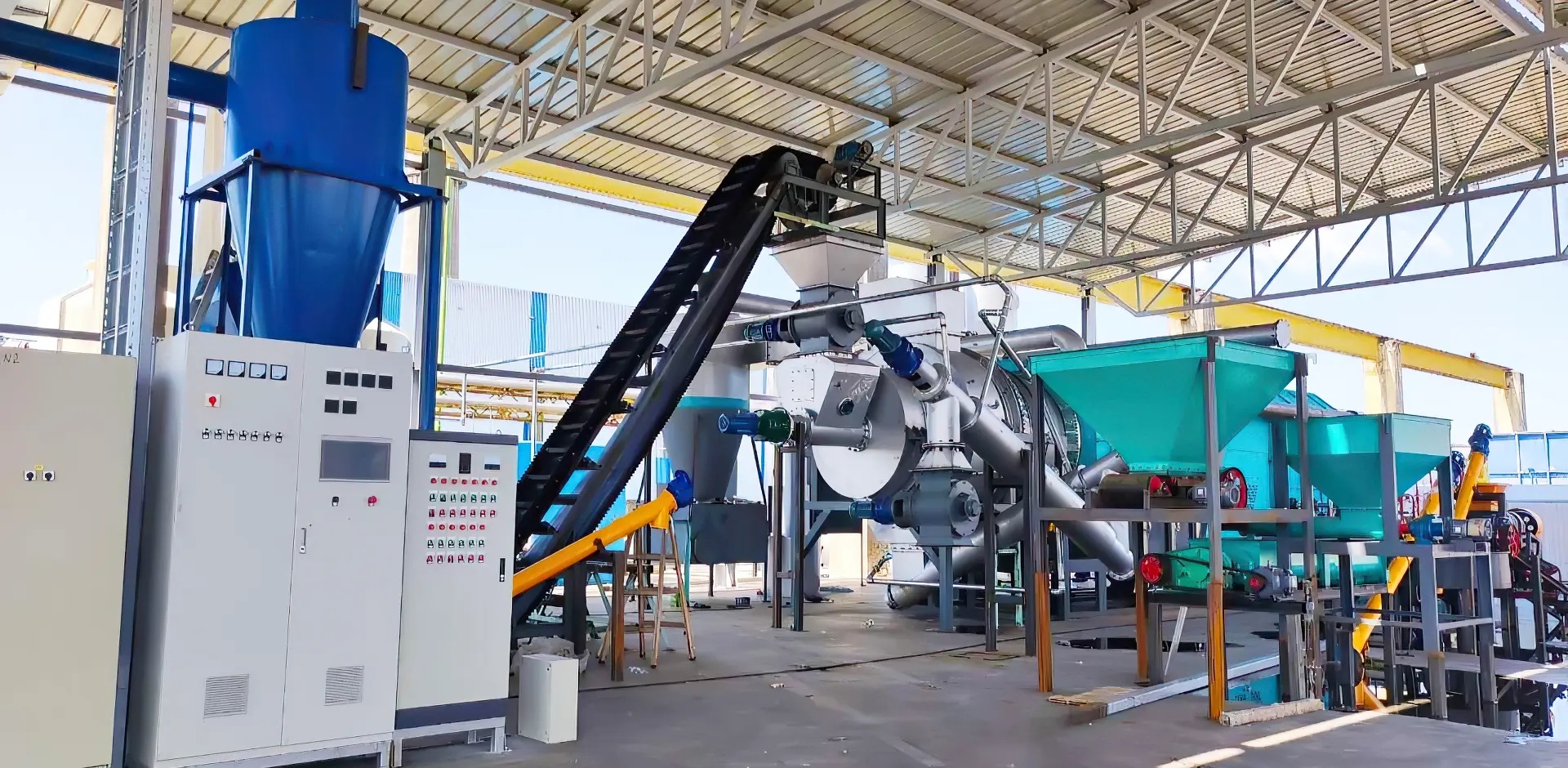
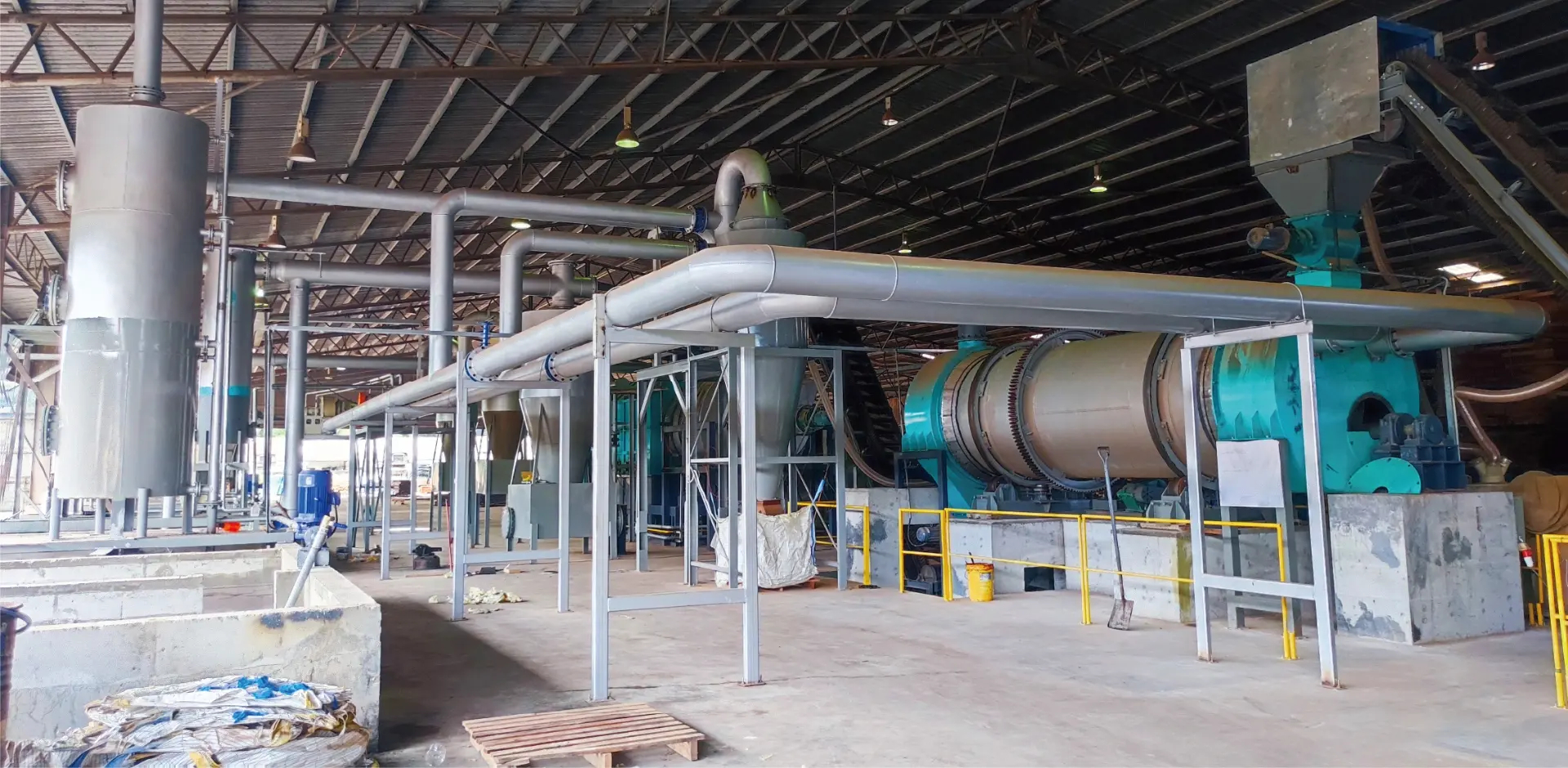
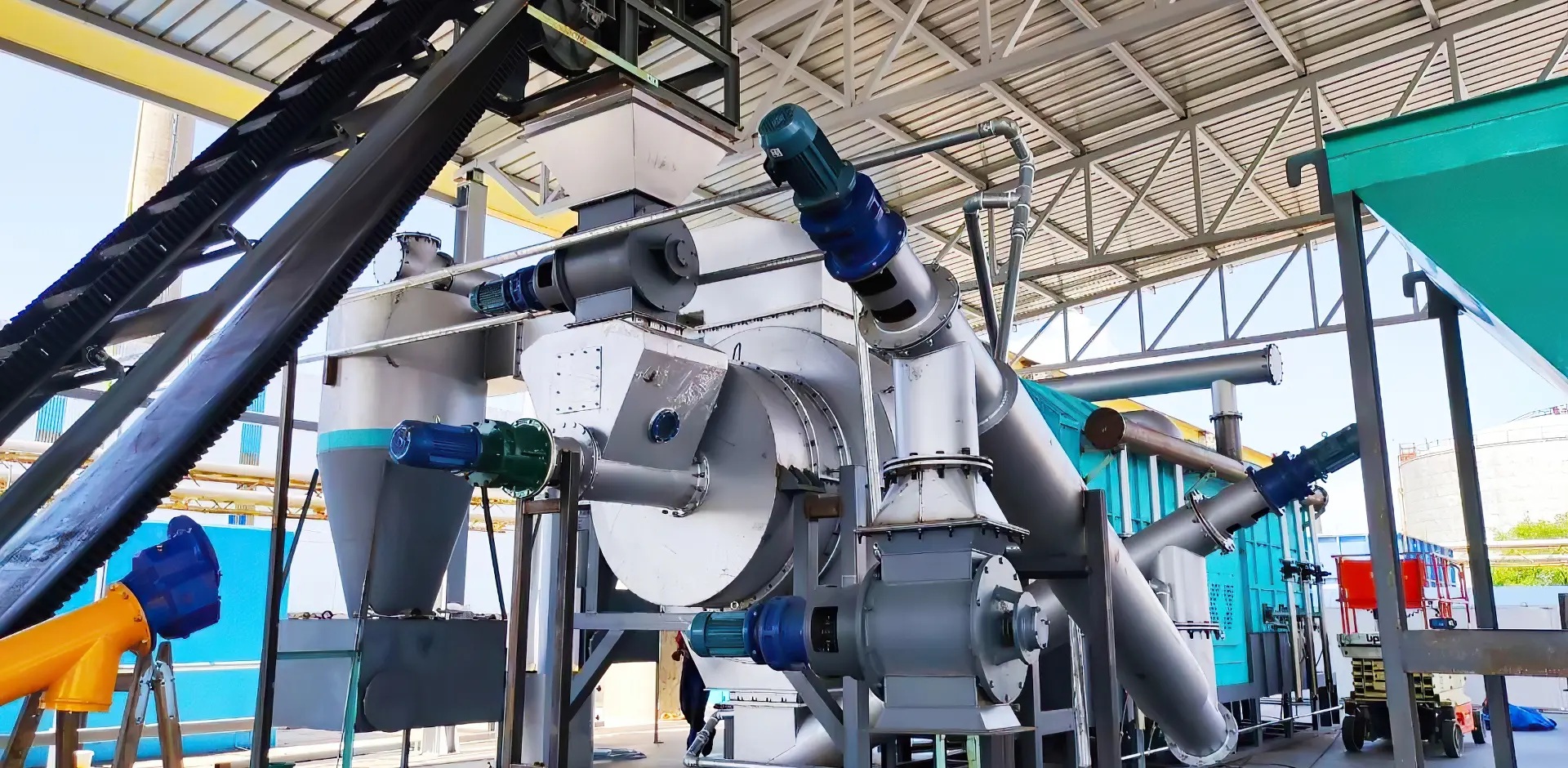
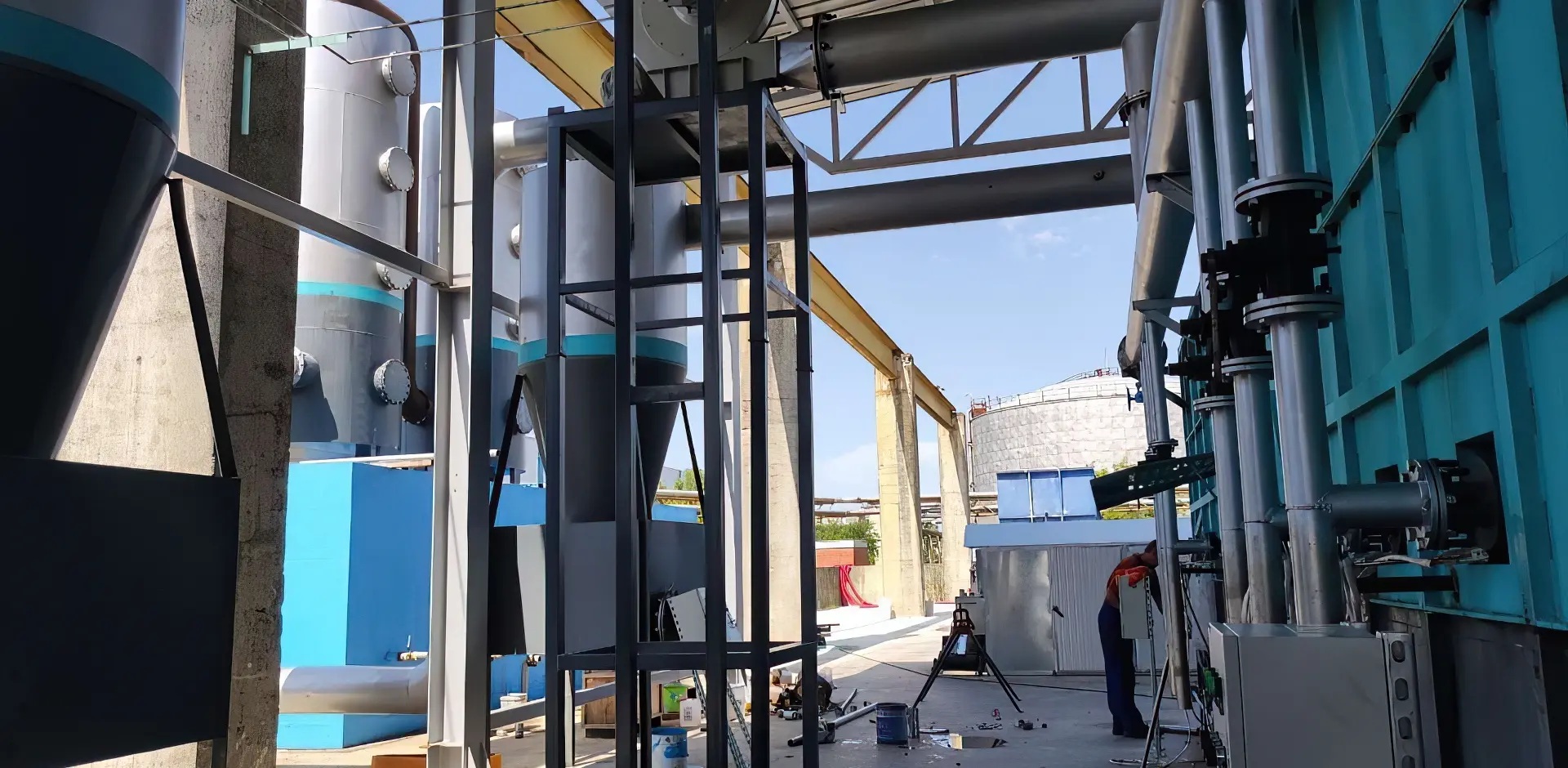
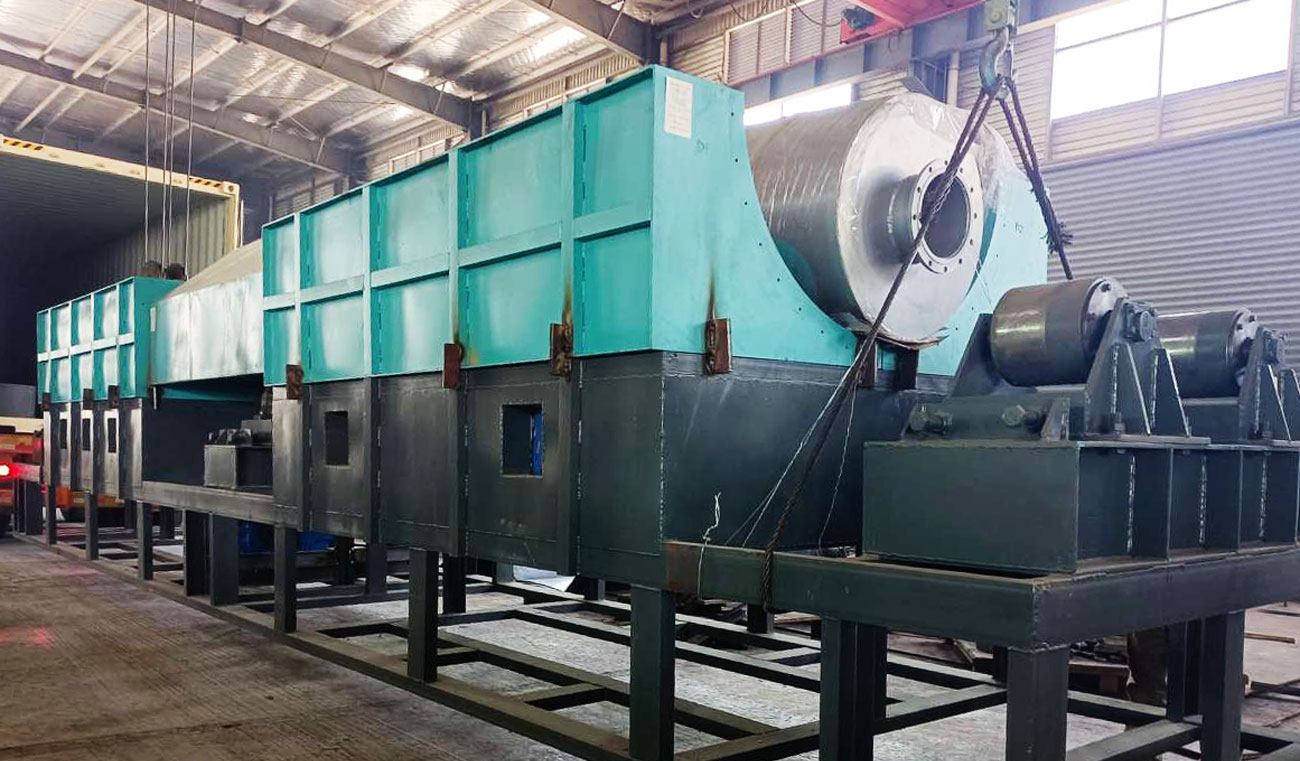
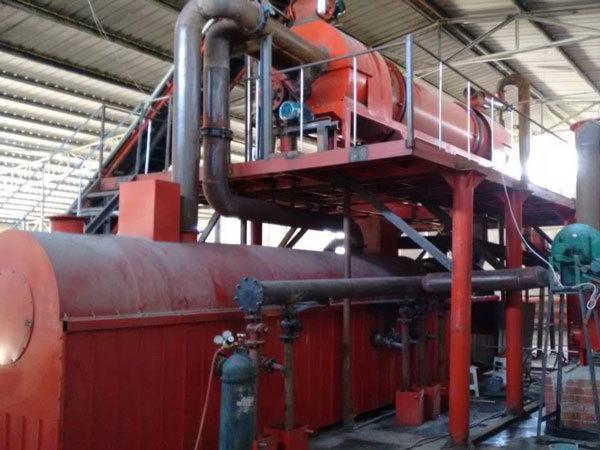
Waste and environmental drying represents one of the most critical stages in modern solid waste management, industrial effluent treatment, and environmental remediation processes. As regulatory frameworks grow stricter and landfill costs escalate, industries across the globe are under increasing pressure to reduce the volume, weight, and moisture content of waste streams before disposal, incineration, or material recovery. Kerone Engineering Solutions designs and manufactures advanced industrial drying systems specifically engineered to handle the complex, heterogeneous nature of waste materials, ranging from industrial sludges and press cakes to contaminated soils and mixed organic residues. Our waste and environmental dryers integrate heat pump dryer technology, indirect heating configurations, and energy-efficient drying mechanisms to ensure that even the most difficult waste streams can be processed economically, safely, and in full compliance with emission norms. The outcome is a significantly reduced waste volume with improved calorific value, an outcome that directly benefits both operational economics and environmental compliance posture.
Why Choose Kerone Waste & Environmental Drying
Kerone Engineering Solutions brings over four decades of thermal processing experience to the design and deployment of waste and environmental drying systems. Unlike standard equipment vendors, Kerone evaluates each waste stream as a unique engineering challenge, analyzing moisture profiles, thermal sensitivity, particle morphology, and downstream processing requirements before recommending a dryer configuration. Our industrial drying systems are engineered to handle waste feeds that are sticky, abrasive, odorous, or chemically aggressive, all while maintaining continuous operation with minimal manual intervention. Additionally, all our waste dryers are designed with integrated vapor management systems, dust collection infrastructure, and condensate handling provisions to ensure that odour, emissions, and secondary waste generation are controlled within permissible limits. Our turnkey project execution model from process engineering through commissioning and post-installation support makes us preferred partner for environmental engineering projects.
Types and Features of Waste & Environmental Drying
Kerone’s portfolio of waste and environmental dryers spans multiple technology platforms including rotary drum dryers, paddle dryers, disc dryers, belt dryers, and heat pump dryer systems, with the selection driven entirely by the rheological and thermal properties of the specific waste stream. Rotary drum configurations with direct or indirect heating are suited to granular and mixed waste streams capable of handling high moisture inputs, while paddle and disc dryers offer superior performance with pasty, cohesive, or high-viscosity waste materials that require gentle mechanical agitation during the drying cycle. For temperature-sensitive waste streams or situations where condensate recovery is essential, heat pump-based industrial drying systems offer a low-temperature drying environment with coefficient of performance values that significantly reduce energy expenditure per kilogram of moisture removed. All systems are available in continuous or batch configurations and can be designed for enclosed, inert-atmosphere operation where volatile organic compounds or hazardous dust are concerns.
Key Features
Multi-technology platform selection - rotary drum, paddle, disc, belt, and heat pump dryer configurations matched to specific waste stream characteristics
Continuous or batch operation with fully automated PLC/SCADA control for unmanned or minimal-crew operation in industrial drying systems
Integrated vapor handling and odour control provisions including condensers, wet scrubbers, and biofilter interfaces
Energy-efficient drying design with heat recovery loops, reducing overall thermal energy consumption by up to 40% compared to direct-fired systems
Customizable feed and discharge configurations to accommodate highly viscous, sticky, or abrasive waste materials without plugging or wear-related downtime
Explosion-proof and hazardous area-rated electrical and instrumentation packages available for combustible dust or VOC-laden waste streams
Modular skid-mounted designs available for decentralized or temporary waste treatment installations
Compliance-ready design with provisions for continuous emission monitoring, temperature logging, and regulatory data archiving
Powered by AI, ML & IoT
Future-Ready Engineering Driven by AI & IoT
Our advanced AI, ML, and IoT technologies, this solution delivers smarter automation, real-time insights, and predictive intelligence to enhance efficiency and drive future-ready growth.
Real-Time Monitoring & Control
Continuous tracking of process parameters with instant adjustments.
Predictive Maintenance
Intelligent fault detection to prevent failures before they occur.
Adaptive Process Optimization
Dynamic tuning of operations for maximum output and efficiency.
Cloud Dashboards & Analytics
Unified access to real-time insights and performance trends.
Energy & Resource Savings
Smarter utilization of energy to cut costs and reduce waste.
Secure IoT Connectivity
Encrypted data flow with seamless integration across plant systems.
Applications of Waste & Environmental Drying
Kerone’s Waste & Environmental Drying systems are extensively used across municipal, industrial, and environmental remediation sectors. Typical applications include:
Industrial effluent treatment plants requiring sludge dewatering and drying prior to landfill disposal or co-incineration
Contaminated soil remediation projects where moisture reduction is necessary before thermal desorption or stabilization
Pharmaceutical and chemical manufacturing waste streams requiring controlled-temperature drying under inert or enclosed conditions
Mining and mineral processing tailings drying for volume reduction and safe tailings storage facility management
Food processing waste including peel, pulp, and pomace drying for conversion into animal feed or compost feed material
Leachate concentrate drying at landfill sites to minimize leachate volume and reduce expensive liquid waste disposal costs
As environmental stewardship becomes a core operational mandate for industries worldwide, the ability to process and reduce waste streams efficiently and compliantly is not merely a regulatory checkbox but a genuine competitive advantage. Kerone Engineering Solutions delivers waste and environmental drying systems that are technically rigorous, energy-efficient, and built for long-term industrial reliability.
Seamless Export Connections Global & Local
Our Global Footprint in Industrial Excellence
Delivering world-class industrial and process solutions across countries with precision, innovation, and reliability.
Peru
Chile
Argentina
Mexico
Colombia
Brazil
USA
Canada
United Kingdom
France
Germany
Spain
Italy
Netherlands
Sweden
Switzerland
Poland
Portugal
Ireland
Czechia
Romania
Hungary
Austria
Greece
Kazakhstan
Uzbekistan
Turkmenistan
Algeria
Egypt
Nigeria
Kenya
South Africa
Saudi Arabia
UAE
Israel
Russia
India
China
Japan
South Korea
Thailand
Vietnam
Malaysia
Singapore
Indonesia
Philippines
Australia
New Zealand
Pan-India Presence. Local Expertise.
Raipur
Bilaspur
Panaji
Vasco da Gama
Gandhinagar
Ahmedabad
Surat
Chandigarh
Gurgaon
Shimla
Manali
Bengaluru
Mysore
Kochi
Pune
Mumbai
Thane
Navi Mumbai
Hyderabad
Chennai
Coimbatore
Kolkata
Lucknow
Jaipur
Udaipur
Jodhpur
Dehradun
Haridwar
Bhubaneswar
Product Gallery
Frequently Asked Questions (FAQ)
Kerone's industrial drying systems are designed to handle a wide range of waste materials including industrial sludges, municipal solid waste fines, contaminated soils, pharmaceutical waste, food processing by-products, chemical plant press cakes, and mixed organic residues. The specific dryer configuration is selected based on the moisture content, particle size, thermal sensitivity, and downstream application of the waste.
Depending on the dryer type selected, Kerone systems can accept waste feeds with inlet moisture contents ranging from 20% to over 80% by weight. High-moisture feeds such as sludges and slurries typically require mechanical pre-dewatering (centrifuge or filter press) before thermal drying for economic operation.
Yes. Kerone engineers hazardous waste drying systems with appropriate containment, inert atmosphere operation, explosion-proof electrical packages, and continuous emission monitoring provisions to comply with hazardous waste handling regulations.
Heat pump dryer technology operates at low temperatures (typically 40–80°C) and recirculates energy within the drying loop, making it highly energy-efficient. For waste drying, this translates to lower operating costs, reduced odour volatilization at lower temperatures, and the ability to recover condensate for reuse or compliant disposal.
Yes, Kerone has pilot-scale drying equipment and can conduct material trials on customer-supplied waste samples at our test facility. This allows accurate scale-up data to be generated before committing to full-scale equipment.
Kerone integrates odour control as a standard engineering consideration, including enclosed drying chambers, condenser-based vapor recovery, wet chemical scrubbers, and provision for biofilter connections. The system design ensures that odorous exhaust gases are treated before atmospheric release.
Kerone designs waste dryers across a wide capacity range, from small installations processing 50 kg/hour to large continuous systems handling 20+ tonnes/hour of wet feed. Custom sizing is performed based on the specific process requirements.
Lead times vary depending on dryer size, complexity, and project scope. Typical projects are completed in 16–28 weeks from order confirmation to site commissioning, including engineering, fabrication, factory acceptance testing, and installation support.
Kerone specifies materials of construction including SS316L, duplex stainless steels, and special alloy options based on the chemical analysis of the waste feed. For acidic or chloride-rich waste streams, appropriate corrosion-resistant materials are selected to ensure long service life.
Yes. Kerone's engineering team conducts a process integration study to interface the new drying system with existing dewatering, conveying, storage, and downstream treatment equipment. Custom feed and discharge arrangements are designed to match existing plant layouts.
Energy consumption depends on the dryer technology and feed moisture content. Direct-fired drum dryers typically consume 800–1200 kcal per kg of water evaporated. Heat pump-based industrial drying systems can achieve effective energy consumption as low as 250–400 kcal equivalent per kg of water evaporated due to heat recirculation.
Kerone designs and manufactures equipment in accordance with applicable standards and can supply CE-marked equipment for European markets. Equipment can also be designed to ASME, IS, or other applicable national and international standards based on customer requirements.
Emission control requirements depend on the nature of the waste being processed. Typical provisions include bag filters or wet scrubbers for particulate matter, condensers for vapor recovery, and active carbon or bio-scrubbers for volatile organic compound control. Kerone coordinates with environmental engineers to ensure compliance.
Depending on the dryer type and dried product characteristics, discharge systems include screw conveyors, rotary valves, vibrating conveyors, or pneumatic conveyors. All discharge systems are designed for dust containment and integration with downstream packaging, storage, or disposal systems.
Yes. Kerone provides comprehensive after-sales support including commissioning assistance, operator training, preventive maintenance programs, spare parts supply, and remote diagnostics. Service agreements can be customized based on customer requirements and geographic location.
Kerone’s custom-designed heating and processing solutions are built to meet the demands of your growing operations. Whether you’re upgrading equipment, expanding production, or need a tailor-made solution
 Peru
Peru Chile
Chile Argentina
 Mexico
 Colombia
 Brazil
 USA
USA Canada
 United Kingdom
 France
 Germany
 Spain
Spain Italy
Italy Netherlands
 Sweden
 Switzerland
 Poland
 Portugal
 Ireland
 Czechia
 Romania
 Hungary
 Austria
 Greece
 Kazakhstan
 Uzbekistan
 Turkmenistan
 Algeria
 Egypt
Egypt Nigeria
 Kenya
Kenya South Africa
 Saudi Arabia
 UAE
UAE Israel
 Russia
 India
India China
China Japan
Japan South Korea
 Thailand
 Vietnam
 Malaysia
 Singapore
 Indonesia
 Philippines
 Australia
 New Zealand