The insect protein industry is emerging as one of the most significant growth sectors in sustainable protein production, with Black Soldier Fly Larvae (BSFL) at the forefront as the most commercially viable species for large-scale organic waste conversion and high-value protein meal production. However, the industrial conversion of live or freshly blanched BSFL from a processing facility’s collection point to a stable, dried protein ingredient at 5–10% moisture represents a genuine engineering challenge — one that requires specific thermal treatment protocols, hygienic processing equipment, efficient lipid management, and precise moisture control to produce the quality of dried insect protein meal that feed and food ingredient buyers demand. Kerone Engineering Solutions has developed dedicated insect protein and BSFL drying systems that address these specific requirements, enabling insect farming operations to scale from pilot to commercial production with confidence in the quality and consistency of their dried protein outputs.
Why Choose Kerone Insect Protein & BSFL Drying
Kerone recognises that BSFL drying is fundamentally different from conventional food ingredient drying in several critical ways: the high lipid content (30–40% fat in whole larvae) must be managed to prevent fat migration to the powder surface causing rancidity and caking; the chitin-rich external cuticle creates a different moisture transfer dynamic than plant or dairy materials; the microbiological processing requirements, achieving logarithmic pathogen reduction to meet animal feed regulatory standards, must be fulfilled within the drying process rather than as a separate step; and the volatile fatty acid emissions from the process require engineering controls to maintain a satisfactory operating environment in the processing facility. Kerone’s BSFL drying system designs address all four of these factors simultaneously, producing an integrated drying solution that delivers regulatory compliance, product quality, and operational practicality at commercial production scales.
Types and Features of Insect Protein & BSFL Drying
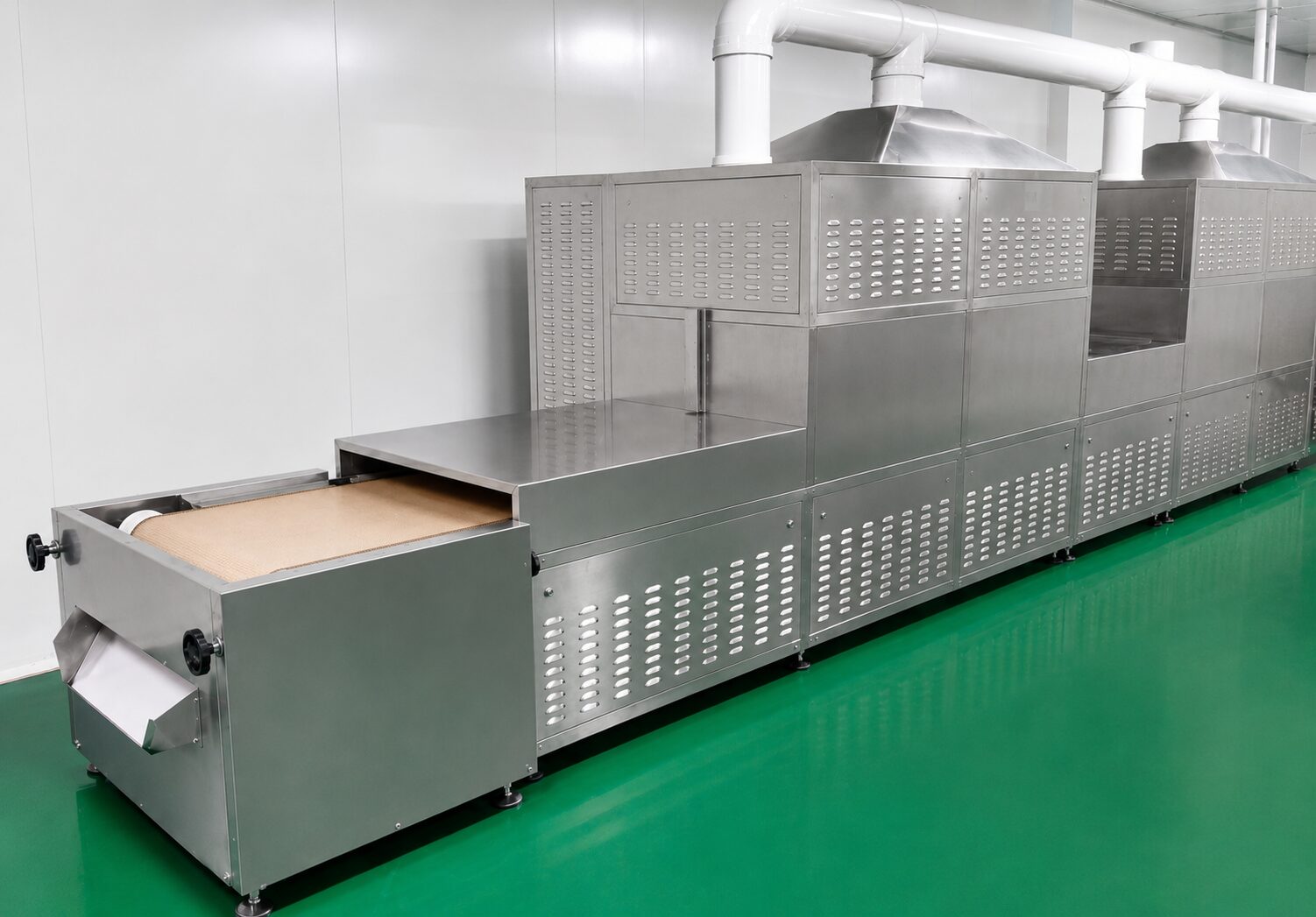
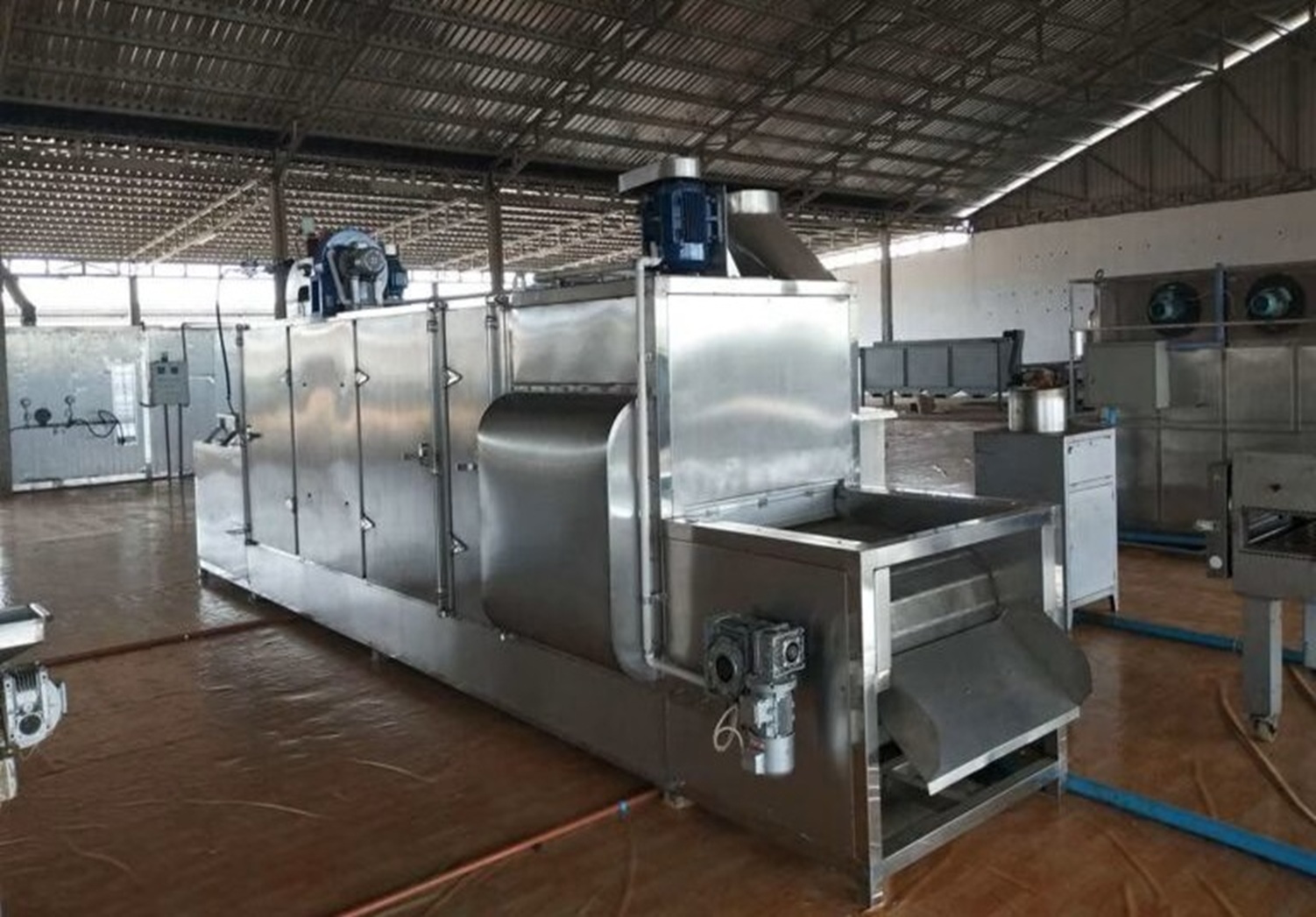
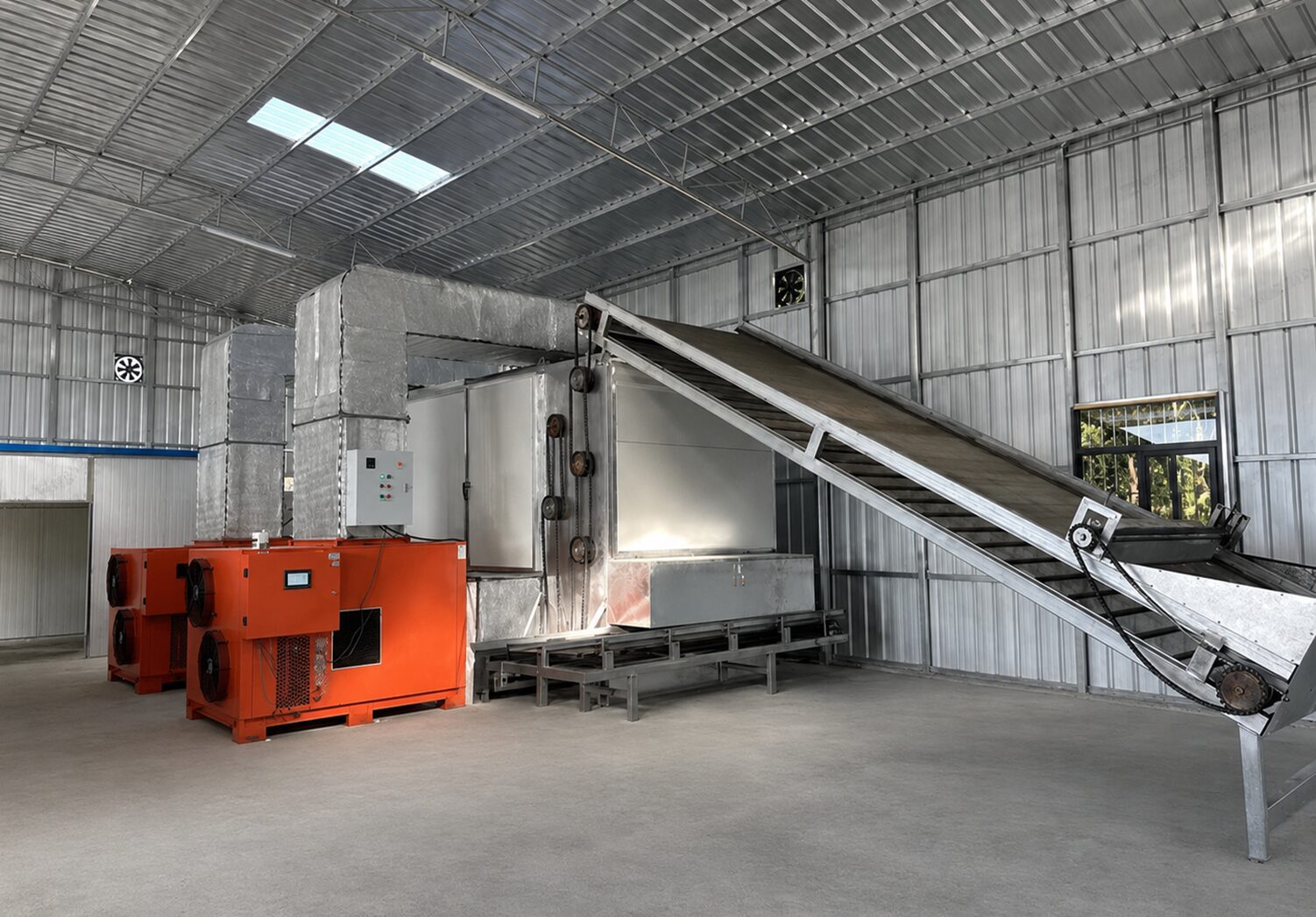
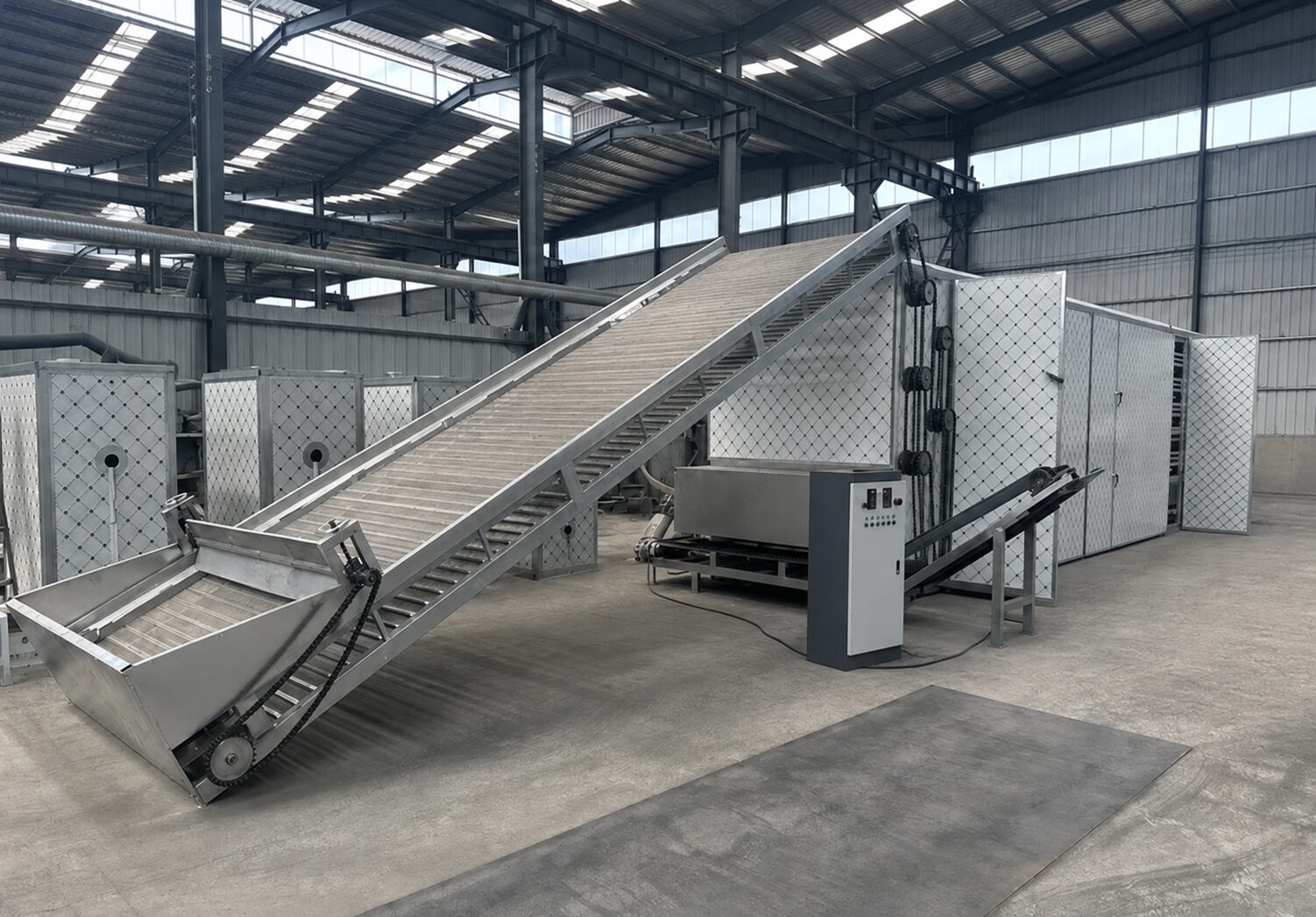
Kerone’s primary BSFL drying technology is the low-temperature belt dryer system operating in the 60–85°C range, which achieves the necessary pathogen reduction targets while limiting fat oxidation and protein heat-damage that can compromise the amino acid availability of the dried product. For operations requiring defatting integration, Kerone designs two-stage systems where BSFL are processed through a mechanical press for partial lipid extraction before the drying stage, improving the dryer’s throughput efficiency and producing a co-product lipid stream for separate processing. An alternative high-temperature short-time (HTST) system is also available for operations prioritising maximum throughput, combining a 95–100°C blanching pre-treatment with rapid belt drying to achieve a fully pasteurised, low-moisture product in a more compact equipment footprint.
Key Features
Low-temperature belt drying (60–85°C) configuration preserving amino acid integrity, fat quality, and chitin structure while achieving regulatory pathogen reduction for animal feed compliance
Two-stage drying train with optional pre-press lipid extraction, increasing dryer throughput per installed metre of belt by 40–50% by pre-reducing fat-and-moisture content before thermal drying
Stainless steel hygienic construction throughout with EHEDG-compliant design, critical for insect processing facilities targeting food-grade protein ingredient certification
Enclosed system with negative pressure operation and exhaust air deodorisation unit, managing the volatile fatty acid and ammonia odour emissions characteristic of BSFL thermal processing
Automated temperature-time logging with tamper-proof records providing documentary evidence of thermal pathogen treatment for regulatory compliance with EU Regulation 142/2011 on processed animal proteins
Integrated cooling section reducing dried BSFL meal temperature to ambient before packaging, preventing moisture absorption and lipid oxidation initiation in sealed bags
Adjustable residence time and belt loading density enabling throughput optimisation across larval size variations and seasonal moisture content differences in live larvae inputs
Modular system design enabling capacity expansion in 500 kg/h increments as insect farming operations scale up production, protecting the initial capital investment
Powered by AI, ML & IoT
Future-Ready Engineering Driven by AI & IoT
Our advanced AI, ML, and IoT technologies, this solution delivers smarter automation, real-time insights, and predictive intelligence to enhance efficiency and drive future-ready growth.
Real-Time Monitoring & Control
Continuous tracking of process parameters with instant adjustments.
Predictive Maintenance
Intelligent fault detection to prevent failures before they occur.
Adaptive Process Optimization
Dynamic tuning of operations for maximum output and efficiency.
Cloud Dashboards & Analytics
Unified access to real-time insights and performance trends.
Energy & Resource Savings
Smarter utilization of energy to cut costs and reduce waste.
Secure IoT Connectivity
Encrypted data flow with seamless integration across plant systems.
Applications of Insect Protein & BSFL Drying
Kerone’s Insect Protein & BSFL Drying systems are extensively used in insect farming, alternative protein production, and circular feed ingredient manufacturing. Typical applications include:
Commercial BSFL farming operations producing dried insect meal for aquafeed, poultry feed, and pet food ingredient markets requiring consistent crude protein content above 40% and moisture below 10%
Food waste bioconversion facilities where BSFL are used to convert organic waste streams into protein-rich biomass before drying to stable insect meal for animal nutrition applications
Defatted insect protein concentrate production where the dried and press-defatted BSFL fraction produces a protein concentrate at 60–70% crude protein for premium feed ingredient markets
Insect frass co-product drying alongside BSFL protein meal drying, converting the nutrient-rich frass fertiliser by-product to a stable dry organic fertiliser
R&D and pilot-scale insect protein drying installations for universities, research institutes, and start-up insect farming companies scaling from laboratory to commercial proof-of-concept
Integrated circular bioeconomy platforms combining food or agricultural waste digestion by BSFL with downstream protein meal and lipid production for re-entry into feed supply chains
BSFL and insect protein drying is a technically complex application at the intersection of food safety engineering, alternative protein production, and sustainable waste management and Kerone Engineering Solutions has invested in the application knowledge and equipment design capability needed to serve this emerging industry properly. By providing drying systems that meet regulatory standards, preserve product quality, manage odour and environmental compliance, and scale economically with the growth of insect farming operations, We enables its clients to build commercially viable insect protein businesses on a foundation of engineering confidence.
Seamless Export Connections Global & Local
Our Global Footprint in Industrial Excellence
Delivering world-class industrial and process solutions across countries with precision, innovation, and reliability.
Peru
Chile
Argentina
Mexico
Colombia
Brazil
USA
Canada
United Kingdom
France
Germany
Spain
Italy
Netherlands
Sweden
Switzerland
Poland
Portugal
Ireland
Czechia
Romania
Hungary
Austria
Greece
Kazakhstan
Uzbekistan
Turkmenistan
Algeria
Egypt
Nigeria
Kenya
South Africa
Saudi Arabia
UAE
Israel
Russia
India
China
Japan
South Korea
Thailand
Vietnam
Malaysia
Singapore
Indonesia
Philippines
Australia
New Zealand
Pan-India Presence. Local Expertise.
Raipur
Bilaspur
Panaji
Vasco da Gama
Gandhinagar
Ahmedabad
Surat
Chandigarh
Gurgaon
Shimla
Manali
Bengaluru
Mysore
Kochi
Pune
Mumbai
Thane
Navi Mumbai
Hyderabad
Chennai
Coimbatore
Kolkata
Lucknow
Jaipur
Udaipur
Jodhpur
Dehradun
Haridwar
Bhubaneswar
Product Gallery
Frequently Asked Questions (FAQ)
EU Regulation 142/2011 for processed animal proteins from insects requires heating the product to a core temperature of 70°C for 30 minutes (or equivalent time-temperature combination). Kerone's BSFL belt dryer systems are engineered and validated to consistently achieve this specification.
Fat at 30–40% of fresh weight occupies the water's evaporation pathways in the larval tissue and migrates to the surface as drying progresses. Surface fat oxidises rapidly at high temperatures, producing rancid off-flavours and reducing dried product shelf life. Kerone's low-temperature design limits oxidation.
Dried BSFL protein meal should be below 10% moisture for microbiological stability. Most commercial feed ingredient buyers specify below 8%, and some food-grade protein applications specify below 6% with water activity verification.
Yes. Kerone's belt drying systems are suitable for Tenebrio molitor (mealworm), Acheta domesticus (house cricket), Hermetia illucens (BSFL), and other commercial insect species, with process parameters adjusted for the specific lipid content and moisture characteristics of each species.
Kerone's enclosed negative-pressure drying systems route all exhaust air to a biological biofilter or thermal oxidiser, reducing volatile fatty acid and ammonia emissions to levels compliant with local environmental discharge standards.
Dried whole BSFL meal typically contains 40–50% crude protein on a dry matter basis. Defatted BSFL protein concentrate, produced after press extraction of the lipid fraction, reaches 60–70% crude protein, a premium feed ingredient grade.
Pre-blanching at 90–100°C for 2–5 minutes before belt drying is recommended to euthanise larvae humanely (where applicable), inactivate autolytic enzymes that would degrade product quality, and reduce initial microbial load before the main thermal drying step.
BSFL at 60–70% initial moisture typically require 4–8 hours of belt drying at 70–80°C to reach 8% final moisture, depending on larval size, belt loading density, and airflow configuration. Kerone provides product-specific drying curve data from pilot trials.
The lipid extract is a liquid oil product that requires filtration, clarification, and storage rather than drying. Kerone advises on lipid handling and polishing systems as part of a complete BSFL processing line design.
Food-grade insect protein production for human consumption requires compliance with applicable national novel food regulations (EU 2015/2283, FDA GRAS), HACCP food safety plans, and the same hygiene design standards applied to conventional food ingredient equipment.
Kerone incorporates multiple calibrated temperature sensors at defined positions in the drying system, connected to the SCADA system with tamper-proof logging. Time-temperature records are maintained per batch and available for regulatory inspection.
Kerone's smallest commercial BSFL drying systems process 300–500 kg/h of fresh larvae, suitable for farms producing 2–4 tonnes of fresh larvae per day. Smaller R&D-scale batch systems are also available for pilot production.
Yes. Prepupae have lower fat content and different moisture distribution than late-instar larvae. Kerone adjusts belt loading, residence time, and temperature profile for each life stage to optimise dried product quality.
Multi-layer moisture-barrier bags or rigid containers with desiccant are recommended for dried BSFL meal storage. Kerone advises on packaging interface design at the dryer discharge, including cooling conveyor length and bagging unit specifications.
Yes. Kerone provides complete BSFL post-harvest processing line design and supply including pre-blanching systems, mechanical lipid extraction, belt drying, cooling, milling, and packaging line integration as a single-source engineering solution.
Kerone’s custom-designed heating and processing solutions are built to meet the demands of your growing operations. Whether you’re upgrading equipment, expanding production, or need a tailor-made solution


 Peru
Peru Chile
Chile Argentina
 Mexico
 Colombia
 Brazil
 USA
USA Canada
 United Kingdom
 France
 Germany
 Spain
Spain Italy
Italy Netherlands
 Sweden
 Switzerland
 Poland
 Portugal
 Ireland
 Czechia
 Romania
 Hungary
 Austria
 Greece
 Kazakhstan
 Uzbekistan
 Turkmenistan
 Algeria
 Egypt
Egypt Nigeria
 Kenya
Kenya South Africa
 Saudi Arabia
 UAE
UAE Israel
 Russia
 India
India China
China Japan
Japan South Korea
 Thailand
 Vietnam
 Malaysia
 Singapore
 Indonesia
 Philippines
 Australia
 New Zealand