Insect protein powder represents the highest-value processed form of insect biomass, a fine, free-flowing, easily weighable and dispersible ingredient that can be incorporated into animal feed premixes, aquafeed pellet formulations, pet food kibbles, and emerging human food applications with greater precision and flexibility than coarse insect meal. Producing insect protein powder from dried insect meal requires controlled size reduction and classification, but the critical quality-determining step is the drying that precedes the milling: if the dried meal input to the mill is inconsistent in moisture, contains hot spots from uneven belt loading, or retains pockets of high-moisture material due to inadequate residence time, the resulting powder will exhibit variable solubility, uneven colour, and reduced shelf stability. Kerone Engineering Solutions engineers the insect protein powder drying step as a precision operation, integrating exact moisture profiling, uniform product loading, and validated time-temperature treatment to produce a dried meal input that delivers consistent, specification-compliant powder after milling.
Why Choose Kerone Insect Protein Powder Drying
Kerone’s insect protein powder drying systems are distinguished from general insect meal drying equipment by their higher standard of moisture uniformity control. While many dryer suppliers focus on average moisture at discharge, Kerone engineers its systems for moisture uniformity across the product bed, both along the length of the dryer (zone-to-zone progression) and across the width of the belt (consistent airflow distribution). This uniformity focus is essential for powder production because even a small proportion of over-moist material in the feed to a hammer mill will cause caking, reduced mill efficiency, and substandard particle size distribution in the finished powder. Kerone’s multi-zone airflow control and anti-channelling belt loading systems eliminate the moisture non-uniformity that compromises powder quality in less precisely engineered drying systems.
Types and Features of Insect Protein Powder Drying
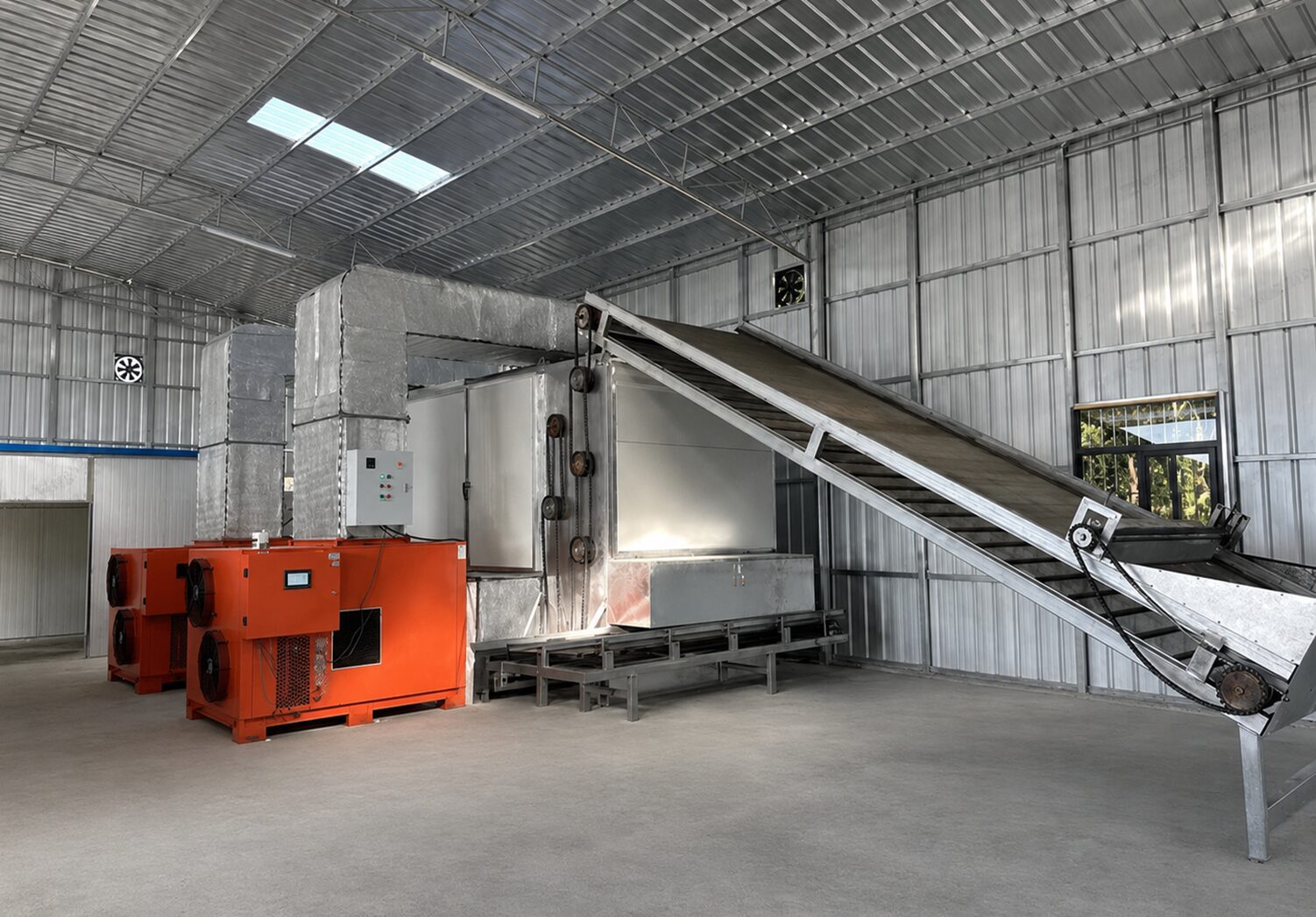
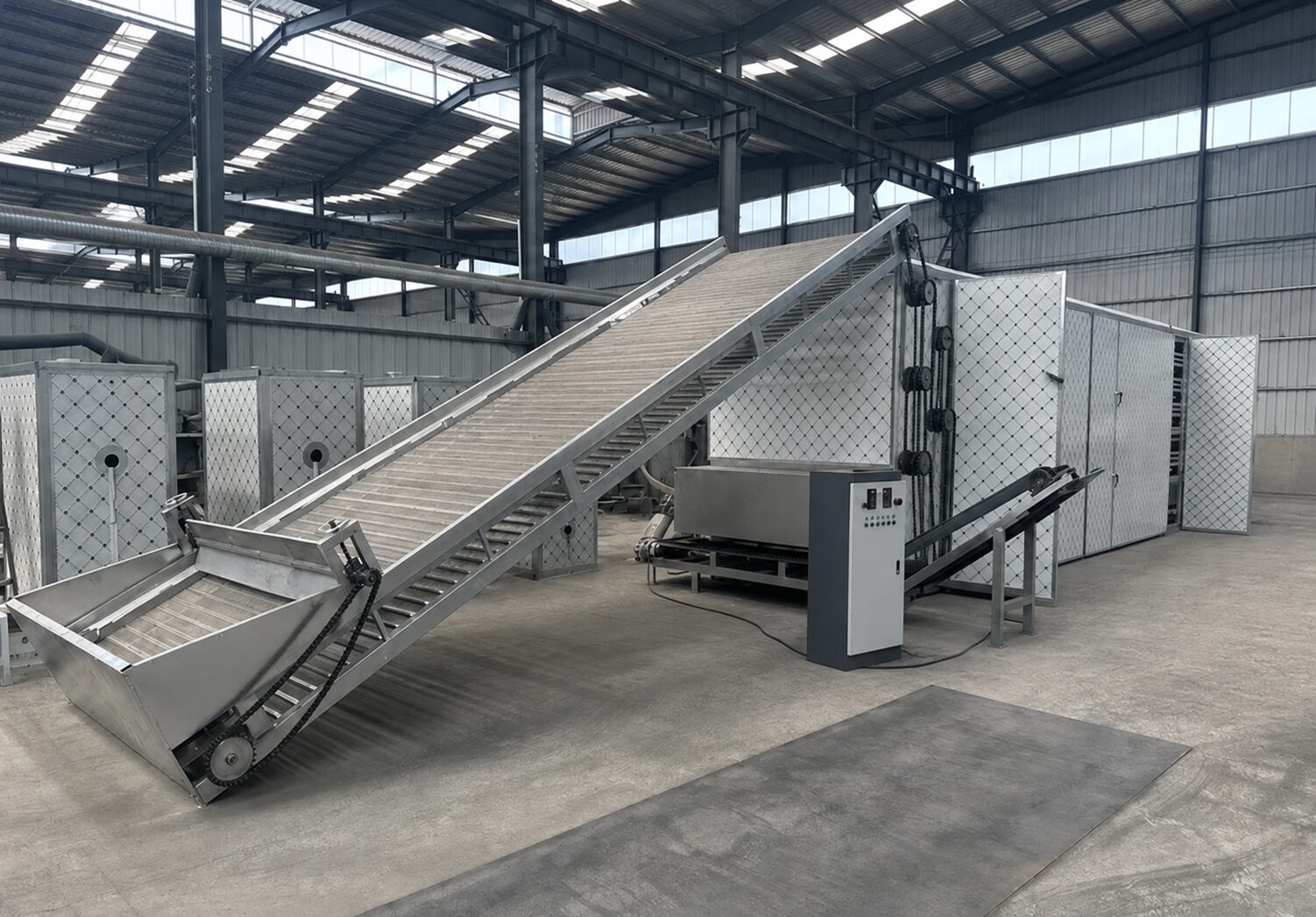
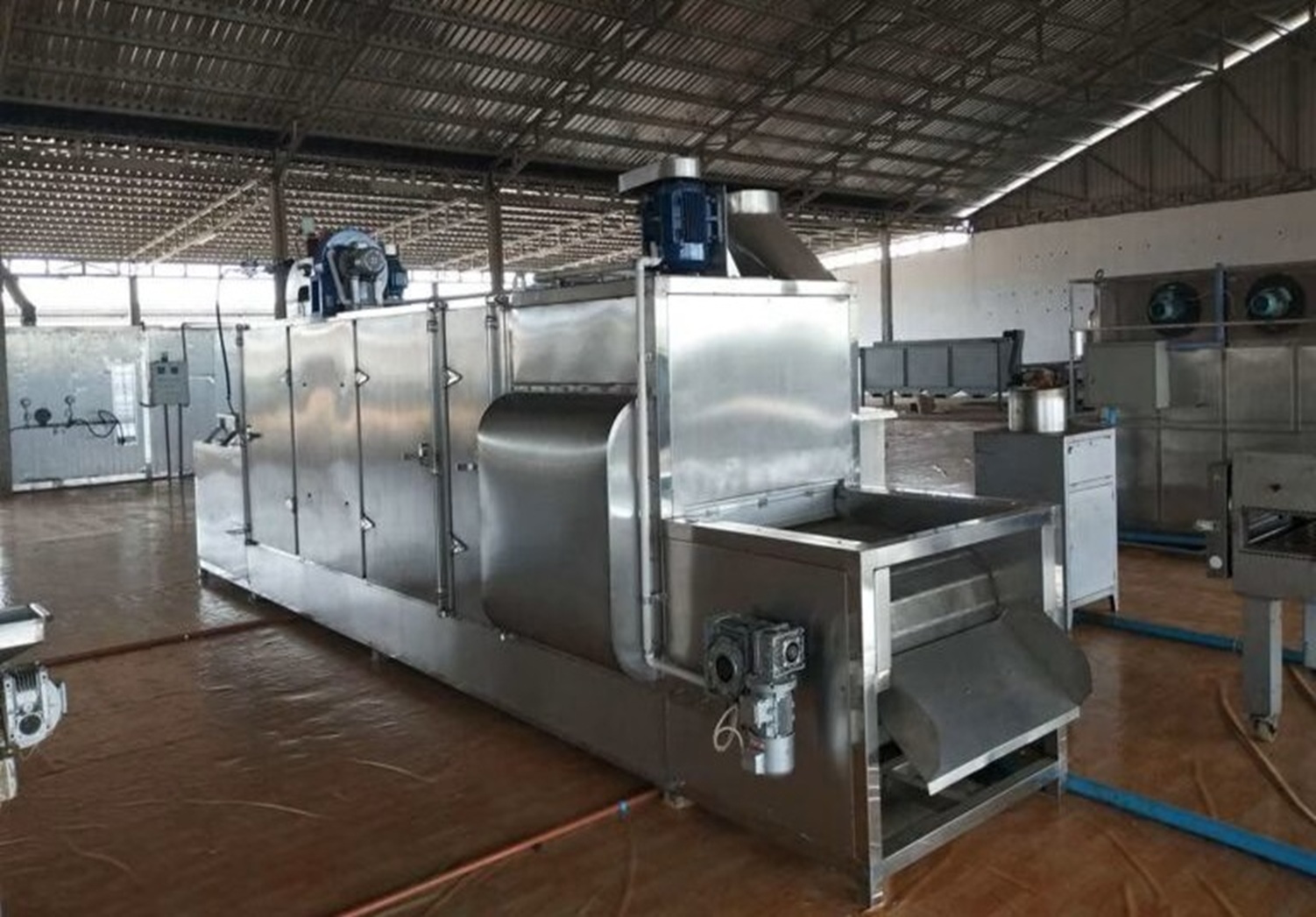
Kerone’s insect protein powder drying systems are built on the same low-temperature belt drying platform used for whole BSFL and insect meal, but with enhanced moisture uniformity features including cross-flow air distribution at the inlet zone, multi-point NIR moisture measurement across the belt width, and automated inter-zone temperature rebalancing when moisture non-uniformity is detected. For premium human food-grade insect protein powder applications, Kerone offers a spray drying option for pre-hydrolysed insect protein concentrates, producing a fine, instantised protein powder with excellent cold water dispersibility and controlled particle size distribution matched to the functional requirements of human food and sports nutrition products incorporating insect protein.
Key Features
High-uniformity belt drying with multi-point NIR moisture measurement across the full belt width, detecting and correcting moisture gradients before they result in out-of-specification dried meal
Cross-flow air distribution at the inlet zone ensuring equal air exposure across the full belt loading width, eliminating the edge-to-centre moisture variation common in single-sided airflow designs
Enhanced product loading uniformity system with oscillating spreader plate ensuring consistent bed depth across belt width, the primary mechanical cause of moisture non-uniformity in insect material belt drying
Validated time-temperature treatment documentation integrated with the dryer control system, generating batch records confirming regulatory thermal treatment compliance for processed animal protein category
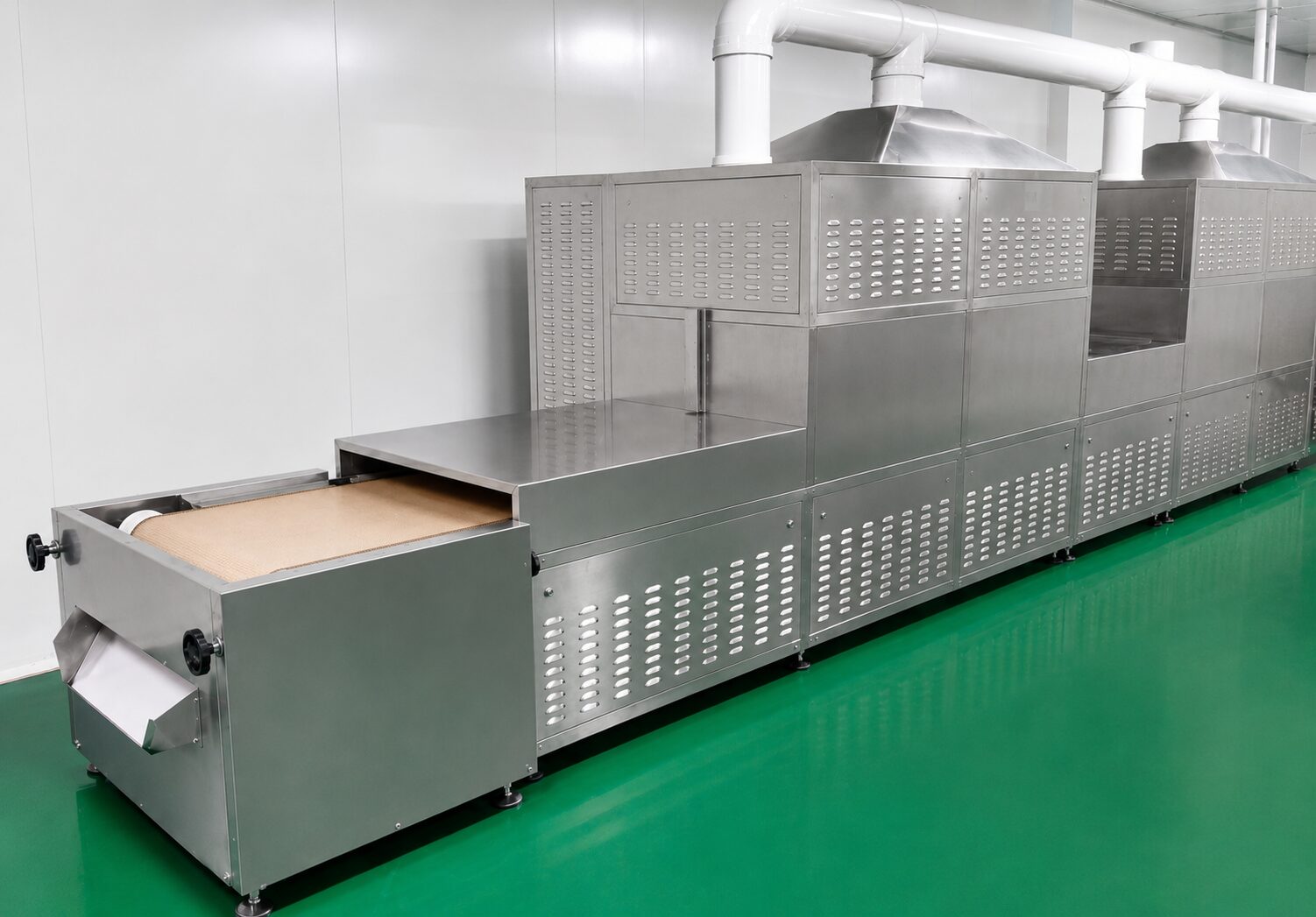
Integrated post-drying cooling conveyor with moisture-proof tunnel reducing product temperature to below 35°C and preventing re-absorption of atmospheric moisture during the cooling stage
Spray drying option for hydrolysed insect protein concentrate feeds, producing 50–200 µm instantised insect protein powders with above 90% cold water dispersibility for premium food ingredient applications
Stainless steel hygienic construction with smooth polished contact surfaces and full CIP compatibility, essential for insect protein operations targeting dual animal feed and human food-grade certification
Batch and lot traceability system linking drying parameter records to individual lot identification numbers carried through to packaging, supporting full supply chain traceability for insect protein ingredient customers
Powered by AI, ML & IoT
Future-Ready Engineering Driven by AI & IoT
Our advanced AI, ML, and IoT technologies, this solution delivers smarter automation, real-time insights, and predictive intelligence to enhance efficiency and drive future-ready growth.
Real-Time Monitoring & Control
Continuous tracking of process parameters with instant adjustments.
Predictive Maintenance
Intelligent fault detection to prevent failures before they occur.
Adaptive Process Optimization
Dynamic tuning of operations for maximum output and efficiency.
Cloud Dashboards & Analytics
Unified access to real-time insights and performance trends.
Energy & Resource Savings
Smarter utilization of energy to cut costs and reduce waste.
Secure IoT Connectivity
Encrypted data flow with seamless integration across plant systems.
Applications of Insect Protein Powder Drying
Kerone’s Insect Protein Powder Drying systems are extensively used across premium insect protein ingredient production and human food application development. Typical applications include:
Aquafeed premix ingredient production where fine insect protein powder (D90 below 300 µm) is required for uniform distribution through pelleted fish feed formulations
Pet food and companion animal supplement powder production where dried insect protein is an ingredient in high-digestibility, hypoallergenic diet formulations
Human food-grade insect protein powder for protein bar, protein supplement, pasta, and bakery product applications requiring fine, light-coloured, odour-neutral powder with specified amino acid profile
Sports and functional nutrition applications where spray-dried insect protein hydrolysate powders offer rapid absorption characteristics and defined branched-chain amino acid profiles
Poultry and swine feed premix production where insect protein powder is blended with vitamins, minerals, and other functional feed ingredients in dry mixing operations requiring consistent particle size
Insect protein ingredient export for international food and feed markets requiring certified specification compliance, standardised particle size distribution, and documented production traceability records
Insect protein powder drying is a precision operation that rewards engineering investment with consistently higher product quality and Kerone Engineering Solutions has invested in that engineering. By treating moisture uniformity as a primary design parameter, by integrating spray drying capability for premium hydrolysate grades, and by providing the documentation and traceability infrastructure that premium markets demand, We positions its clients to access the highest-value tiers of the insect protein ingredient market.
Seamless Export Connections Global & Local
Our Global Footprint in Industrial Excellence
Delivering world-class industrial and process solutions across countries with precision, innovation, and reliability.
Peru
Chile
Argentina
Mexico
Colombia
Brazil
USA
Canada
United Kingdom
France
Germany
Spain
Italy
Netherlands
Sweden
Switzerland
Poland
Portugal
Ireland
Czechia
Romania
Hungary
Austria
Greece
Kazakhstan
Uzbekistan
Turkmenistan
Algeria
Egypt
Nigeria
Kenya
South Africa
Saudi Arabia
UAE
Israel
Russia
India
China
Japan
South Korea
Thailand
Vietnam
Malaysia
Singapore
Indonesia
Philippines
Australia
New Zealand
Pan-India Presence. Local Expertise.
Raipur
Bilaspur
Panaji
Vasco da Gama
Gandhinagar
Ahmedabad
Surat
Chandigarh
Gurgaon
Shimla
Manali
Bengaluru
Mysore
Kochi
Pune
Mumbai
Thane
Navi Mumbai
Hyderabad
Chennai
Coimbatore
Kolkata
Lucknow
Jaipur
Udaipur
Jodhpur
Dehradun
Haridwar
Bhubaneswar
Product Gallery
Frequently Asked Questions (FAQ)
Insect protein meal is typically ground to D90 500–1000 µm (coarse grade for direct feed inclusion). Insect protein powder is classified at D90 150–300 µm for standard powder grades, and D90 below 100 µm for fine powder used in blended premix and human food applications.
High-moisture pockets in the feed to a hammer mill cause clogging, reduced throughput, and uneven particle size distribution. Pockets above 12% moisture can cause agglomeration of powder particles post-milling, producing clumps that fail sieve classification and represent quality rejects.
Whole BSFL are not suitable for direct spray drying due to their high fat content and solid structure. Spray drying is applied to pre-hydrolysed insect protein isolates or concentrates where enzymatic or acid hydrolysis has converted the protein to a pumpable liquid feed.
Quality insect protein powder typically exhibits a light tan to golden-brown colour. Significantly darker colouration indicates thermal degradation during drying. Kerone's low-temperature drying profiles and validated time-temperature controls maintain product within target colour ranges.
Approval status varies by jurisdiction. In the EU, several insect species are approved as novel foods under Regulation (EU) 2015/2283. In other markets, insect protein for human consumption is subject to national novel food or food ingredient approval processes.
At below 8% moisture, water activity below 0.3, and in sealed nitrogen-purged packaging, insect protein powder shelf life of 12–18 months at ambient temperature is achievable. Lipid oxidation is the primary shelf life limiting factor.
Yes. Kerone designs shared-dryer installations where the dried meal output can be directed either to a coarse screening sieve (for meal product) or to a hammer mill and fine classifier (for powder product) via a diverter valve, providing product flexibility from a single drying investment.
Human food-grade insect protein powder must meet applicable national food safety regulations for novel food ingredients. Typical microbiological criteria include Total Plate Count below 10,000 cfu/g, no detectable Salmonella, and Enterobacteriaceae below 100 cfu/g.
Full-fat insect protein powder contains 20–30% fat. For low-fat powder grades, press defatting before drying reduces fat to 8–15%, and solvent extraction (hexane) can reduce fat below 5% for speciality defatted insect protein powder applications.
Yes. Kerone designs the drying system with HACCP-compliant critical control point monitoring, temperature and time for thermal treatment with documented critical limits, monitoring procedures, and corrective action records as part of the HACCP plan for insect protein production.
A vibratory sieve or rotary classifier using 200–500 µm mesh screens is used post-milling to classify dried insect powder. Oversized particles are returned to the mill, and fine powder passing the classifier mesh is conveyed to the packaging system.
Whole insect protein powder has lower cold water dispersibility than dairy protein due to its lipid and chitin content. Spray-dried insect protein hydrolysate, after enzymatic processing, achieves dispersibility levels approaching standard whey protein concentrate.
Kerone recommends 20–25 kg multi-layer kraft with polyethylene liner bags, or 500–1,000 kg bulk bags with inner liner, under nitrogen purge. For human food-grade product, food-contact certified packaging materials and lot-specific certificates of analysis are standard.
BSFL protein powder typically has a mild, slightly musty odour that may require masking or deodorisation for some human food applications. Kerone can advise on process-level deodorisation approaches and refer to downstream deodorisation treatment options for premium powder grades.
Yes. Kerone provides complete turnkey insect protein powder production lines from live larvae processing through to final powder packaging, including all drying, milling, classification, and packaging equipment with integrated process control and full commissioning support.
Kerone’s custom-designed heating and processing solutions are built to meet the demands of your growing operations. Whether you’re upgrading equipment, expanding production, or need a tailor-made solution


 Peru
Peru Chile
Chile Argentina
 Mexico
 Colombia
 Brazil
 USA
USA Canada
 United Kingdom
 France
 Germany
 Spain
Spain Italy
Italy Netherlands
 Sweden
 Switzerland
 Poland
 Portugal
 Ireland
 Czechia
 Romania
 Hungary
 Austria
 Greece
 Kazakhstan
 Uzbekistan
 Turkmenistan
 Algeria
 Egypt
Egypt Nigeria
 Kenya
Kenya South Africa
 Saudi Arabia
 UAE
UAE Israel
 Russia
 India
India China
China Japan
Japan South Korea
 Thailand
 Vietnam
 Malaysia
 Singapore
 Indonesia
 Philippines
 Australia
 New Zealand