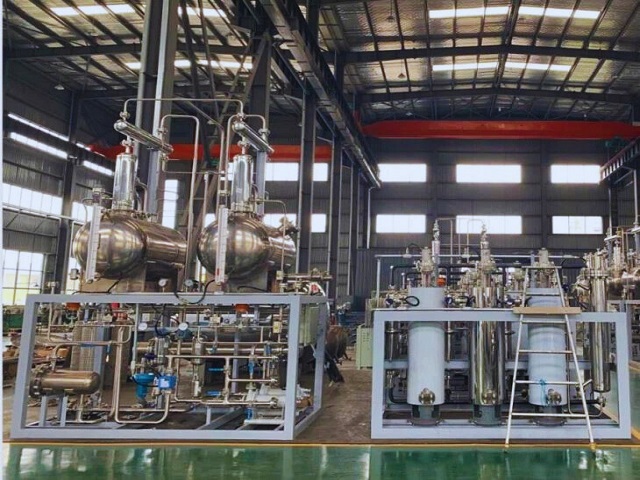
Organic waste streams encompassing agricultural residues, food processing by-products, market waste, kitchen and canteen waste, green waste from municipalities, and agro-industrial residues represent a vast and growing source of material that, when properly managed, can be transformed from a disposal liability into a valuable resource. Drying is the critical enabling step in this transformation: it reduces volume and weight for economical transport, halts microbial decomposition to prevent odour and pathogen risks, and increases the calorific value of the material to enable its use as biomass fuel, compost feed, or animal feed ingredient. Kerone Engineering Solutions designs and manufactures organic waste drying systems that are specifically calibrated for the highly variable, seasonally fluctuating, and often physically challenging nature of organic waste materials. Our energy-efficient drying platforms, spanning belt dryers, rotary drum dryers, and heat pump dryer systems, deliver reliable, consistent performance across the diversity of organic waste materials encountered in food processing, municipal solid waste management, and agro-industry operations.
Why Choose Kerone Organic Waste Drying
Processing organic waste through thermal drying introduces engineering challenges that are distinct from those encountered with more uniform industrial feeds: high variability in particle size and shape, seasonal moisture fluctuation, biological activity that continues during drying and can generate heat and odour, and the presence of natural oils, waxes, and fibers that influence flow behavior and dryer surface fouling. Kerone Engineering Solutions has developed specific design features and operational protocols that address these challenges head-on. Our organic waste dryers incorporate variable-speed feed systems that accommodate fluctuating feed bulk density and moisture, gentle material handling mechanisms that prevent product degradation and dust generation, and advanced odour management systems that contain and treat the biologically generated exhaust vapors common to organic waste drying. Kerone’s experience across a wide range of organic waste substrates from wet pomace and fruit pulp to mixed vegetable market waste and green yard trimmings, enables us to apply proven solutions rather than untested approaches, significantly reducing project risk for our clients.
Types and Features of Organic Waste Drying
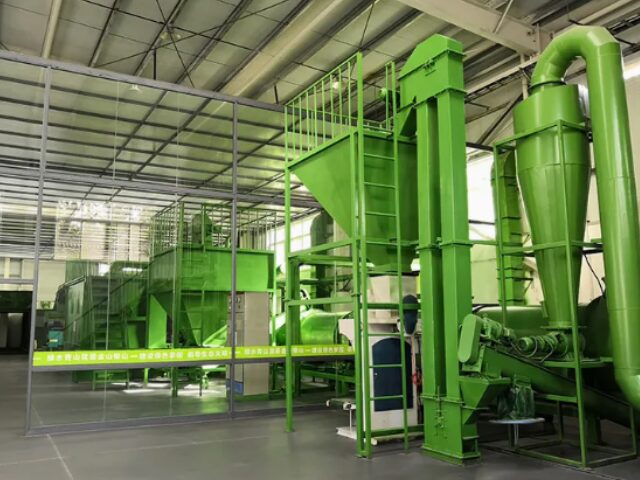
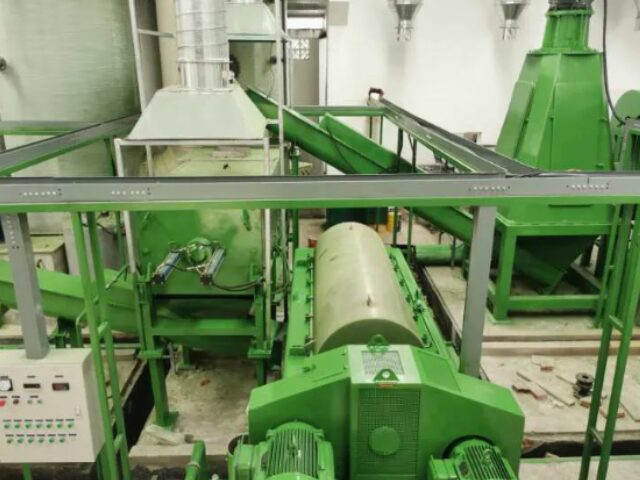
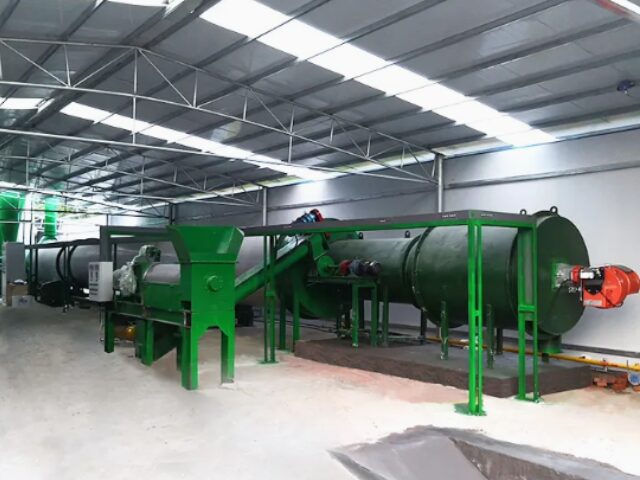
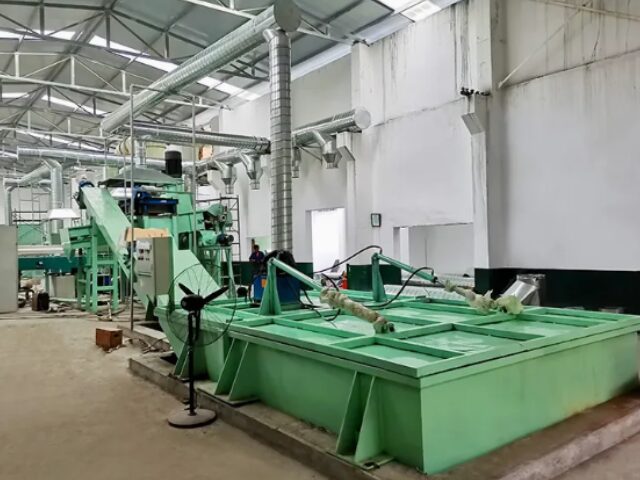
Kerone’s organic waste drying technology portfolio includes low-temperature belt dryers, direct-fired rotary drum dryers, and heat pump dryer configurations, with the selection based on the specific characteristics of the organic waste stream and the intended end use of the dried product. Belt dryers are the preferred technology for organic waste intended for conversion into compost feed or animal feed, as the low drying temperatures (typically 60–100°C) in multi-zone belt dryer configurations preserve the biological and nutritional value of the organic material while achieving target moisture levels reliably. Rotary drum dryers are selected for large-volume organic waste processing where high throughput and robustness to varying feed characteristics are paramount. For organic waste with volatile aromatic compounds or biological sensitivities, heat pump dryer systems offer closed-loop drying at 40–60°C that retains volatile organic components, delivers maximum energy efficiency, and produces virtually no odorous exhaust, making them well-suited for installations with stringent environmental or neighborhood impact requirements.
Key Features
Variable-speed, clog-resistant feed systems designed for the heterogeneous particle size and variable bulk density typical of organic waste streams
Multi-zone temperature profile capability in belt dryer configurations to preserve nutritional and biological value for compost or feed applications
Heat pump dryer architecture available for closed-loop, low-temperature organic waste drying with minimal odorous exhaust generation
Integrated odor management including condenser-based vapor recovery, biological or chemical scrubbers, and optionally activated carbon polishing
Anti-fire detection systems for organic waste dryers handling materials prone to smoldering or self-ignition at elevated temperatures
Hygienization cycle capability through controlled temperature profiles meeting regulatory requirements for pathogen reduction in organics
Robust construction in food-grade or standard industrial materials of construction depending on downstream use of the dried organic product
Energy-efficient drying through exhaust heat recovery and heat integration to minimize operating costs per tonne of organic waste processed
Powered by AI, ML & IoT
Future-Ready Engineering Driven by AI & IoT
Our advanced AI, ML, and IoT technologies, this solution delivers smarter automation, real-time insights, and predictive intelligence to enhance efficiency and drive future-ready growth.
Real-Time Monitoring & Control
Continuous tracking of process parameters with instant adjustments.
Predictive Maintenance
Intelligent fault detection to prevent failures before they occur.
Adaptive Process Optimization
Dynamic tuning of operations for maximum output and efficiency.
Cloud Dashboards & Analytics
Unified access to real-time insights and performance trends.
Energy & Resource Savings
Smarter utilization of energy to cut costs and reduce waste.
Secure IoT Connectivity
Encrypted data flow with seamless integration across plant systems.
Applications of Organic Waste Drying
Kerone’s Organic Waste Drying systems are extensively used across food processing, agro-industry, and municipal solid waste management sectors globally. Typical applications include:
Fruit and vegetable processing waste – pomace, peels, pulp, seeds drying for conversion to animal feed concentrate or biomass pellet feedstock
Market and canteen organic waste drying as pre-treatment before composting or anaerobic digestion, reducing moisture and improving process efficiency
Agricultural residue drying including crop straw, stover, husk, and pruning waste for biomass energy conversion or mushroom cultivation substrate
Green waste and grass clippings drying from municipal landscaping operations for conversion into composting material or biomass briquettes
Brewery and distillery spent grain and yeast drying for conversion into high-protein animal feed ingredient or fermentation substrate
Fisheries by-product drying including fish offal, trimmings, and press water sludge for fish meal and fish oil production
Seamless Export Connections Global & Local
Our Global Footprint in Industrial Excellence
Delivering world-class industrial and process solutions across countries with precision, innovation, and reliability.
Peru
Chile
Argentina
Mexico
Colombia
Brazil
USA
Canada
United Kingdom
France
Germany
Spain
Italy
Netherlands
Sweden
Switzerland
Poland
Portugal
Ireland
Czechia
Romania
Hungary
Austria
Greece
Kazakhstan
Uzbekistan
Turkmenistan
Algeria
Egypt
Nigeria
Kenya
South Africa
Saudi Arabia
UAE
Israel
Russia
India
China
Japan
South Korea
Thailand
Vietnam
Malaysia
Singapore
Indonesia
Philippines
Australia
New Zealand
Pan-India Presence. Local Expertise.
Raipur
Bilaspur
Panaji
Vasco da Gama
Gandhinagar
Ahmedabad
Surat
Chandigarh
Gurgaon
Shimla
Manali
Bengaluru
Mysore
Kochi
Pune
Mumbai
Thane
Navi Mumbai
Hyderabad
Chennai
Coimbatore
Kolkata
Lucknow
Jaipur
Udaipur
Jodhpur
Dehradun
Haridwar
Bhubaneswar
Product Gallery
Frequently Asked Questions (FAQ)
Virtually all organic waste materials with moisture content above 15–20% can be thermally dried. This includes fruit and vegetable processing waste, spent grains, food court waste, green waste, fish and meat processing by-products, bagasse, press cakes from oil extraction, and mixed market waste. The specific dryer configuration is determined by the physical and chemical properties of the material.
Yes. Kerone designs low-temperature drying configurations using heat pump dryer technology or carefully controlled belt dryer temperatures to avoid caramelization of sugars in high-sugar organic waste such as fruit pomace, sugarcane bagasse press water concentrate, or molasses-containing materials. Drying temperatures are maintained below the sugar degradation threshold.
Dried organic materials can be combustible and some may self-ignite if improperly stored or if drying temperatures are too high. Kerone addresses this through temperature monitoring, CO detection within the drying chamber, spark detection in exhaust ducting, water mist suppression provision, and product temperature monitoring at discharge. Belt dryer designs include anti-fire zonation provisions.
Odour management begins with enclosed dryer chambers operating under underpressure. Exhaust air and vapor are routed through condensers to recover moisture and reduce the vapor volume. Remaining exhaust gases pass through biological scrubbers (biofilters), chemical scrubbers, or activated carbon beds depending on the odor compound profile and local emission standards.
Energy requirement depends on the inlet moisture content, target outlet moisture, and dryer technology. Typical values range from 800–1200 kcal/kg of water evaporated for direct thermal dryers. Heat pump dryer systems can reduce effective energy consumption to 300–500 kcal equivalent/kg, making them economically attractive for continuous large-volume organic waste drying operations.
Dried organic waste from appropriate food processing sources (fruit pomace, spent grain, fish by-products) can qualify as animal feed ingredients subject to regulatory testing for contaminants, mycotoxins, and heavy metals. Kerone designs dryers with hygienic construction and temperature profiles that support food-grade or feed-grade product quality where this is the intended application.
Seasonal variations in fruit and vegetable processing waste moisture content, particle size, and chemical composition are expected. Kerone's dryers are designed with operating parameter ranges that accommodate this variability through automated moisture feedback control, variable feed rate adjustment, and temperature zone tuning that adapts to changing feed characteristics.
Common pre-treatment steps include size reduction (shredding or grinding to achieve uniform particle size), mechanical dewatering using screw presses for very high-moisture waste, magnetic separation to remove metal contamination, and screening to remove oversized or non-organic contaminants. Kerone can design the complete organic waste pre-treatment and drying system as an integrated package.
Drying residence time in belt dryers for organic waste ranges from 30 minutes to several hours depending on inlet moisture content, material depth on the belt, and dryer air temperature. Rotary drum dryers operate with residence times of 10–40 minutes at higher temperatures. Heat pump dryer systems may require longer residence times but compensate with significantly lower energy consumption.
Yes. Kerone can integrate pelleting or briquetting equipment downstream of the dryer to convert the dried organic material into a densified, high-calorific-value fuel pellet or briquette. The dryer is sized to produce the target outlet moisture content (typically 8–12%) required for efficient pelletization, and the integrated line is designed for continuous matched throughput.
Organic waste dryer installations require consent to operate from state pollution control authorities, covering air emissions from the exhaust stack, condensate disposal, and noise limits. Bio-waste handling regulations may also apply depending on the waste source. Kerone provides emission performance data and assists with the documentation required for regulatory applications.
Yes. Kerone designs complete organic waste management systems including receiving hoppers, size reduction, dewatering, thermal drying, product cooling, and bagging or bulk loading facilities. Turnkey project supply of the complete system from waste receiving to dried product dispatch is available.
With proper maintenance and operation within design parameters, Kerone's organic waste dryer systems are designed for a service life of 15–20 years. Wear-intensive components such as conveyor belts, drum flights, and agitator paddles are designed as replacement items with economical spares availability throughout the equipment life.
Kerone's project evaluation framework considers avoided disposal costs, value of the dried product (fuel, feed, or compost credit), energy input costs, capital investment, and maintenance costs to develop an NPV and payback period analysis. For most organic waste streams where disposal costs are significant and the dried product has a defined market value, economic viability is achievable.
Yes. Kerone provides structured operator training as a standard component of every project commissioning program. Training covers equipment startup and shutdown procedures, routine monitoring, maintenance tasks, fault identification and response, and safety procedures. Training documentation is provided in the agreed local language where required.
Kerone’s custom-designed heating and processing solutions are built to meet the demands of your growing operations. Whether you’re upgrading equipment, expanding production, or need a tailor-made solution

 Peru
Peru Chile
Chile Argentina
 Mexico
 Colombia
 Brazil
 USA
USA Canada
 United Kingdom
 France
 Germany
 Spain
Spain Italy
Italy Netherlands
 Sweden
 Switzerland
 Poland
 Portugal
 Ireland
 Czechia
 Romania
 Hungary
 Austria
 Greece
 Kazakhstan
 Uzbekistan
 Turkmenistan
 Algeria
 Egypt
Egypt Nigeria
 Kenya
Kenya South Africa
 Saudi Arabia
 UAE
UAE Israel
 Russia
 India
India China
China Japan
Japan South Korea
 Thailand
 Vietnam
 Malaysia
 Singapore
 Indonesia
 Philippines
 Australia
 New Zealand