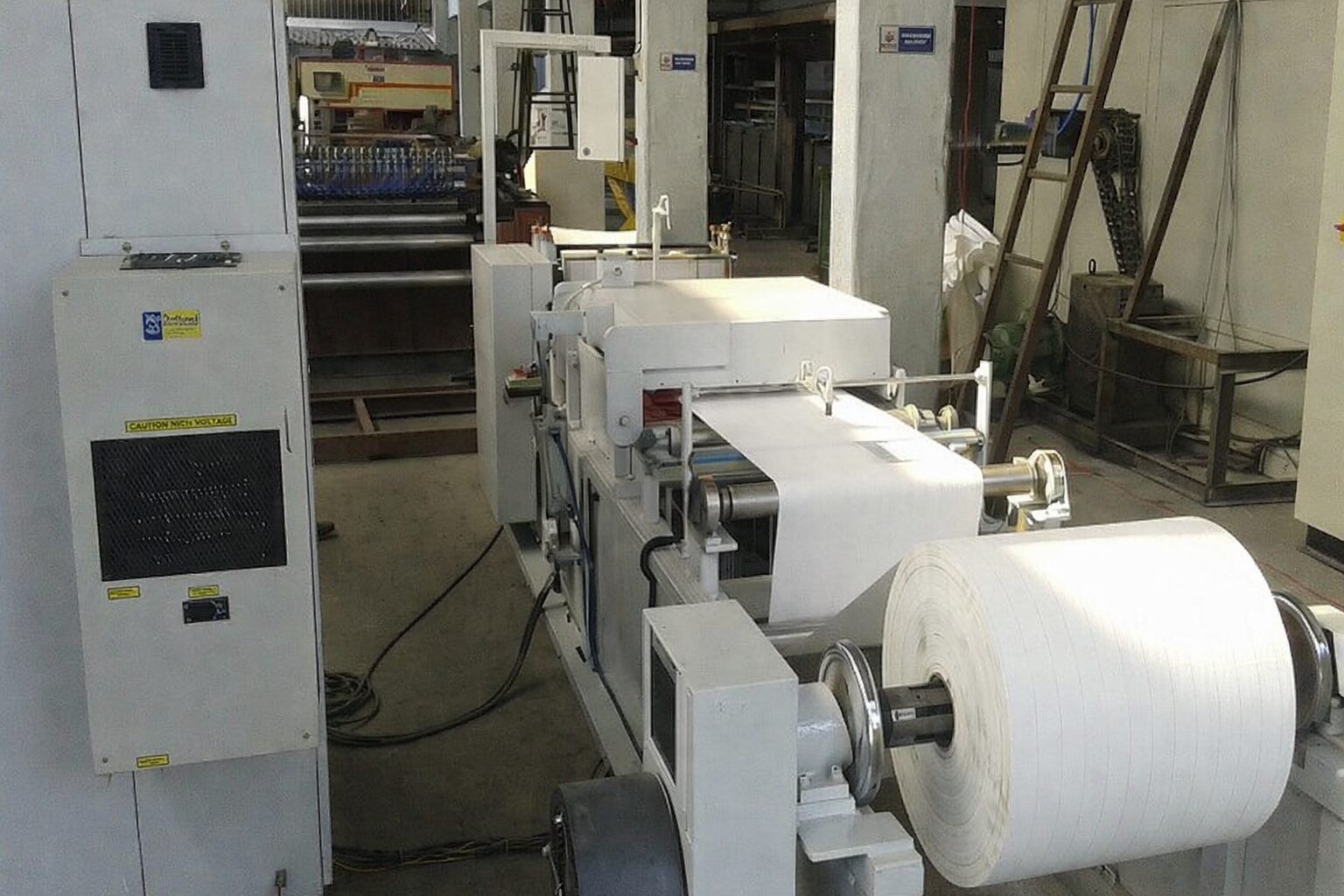
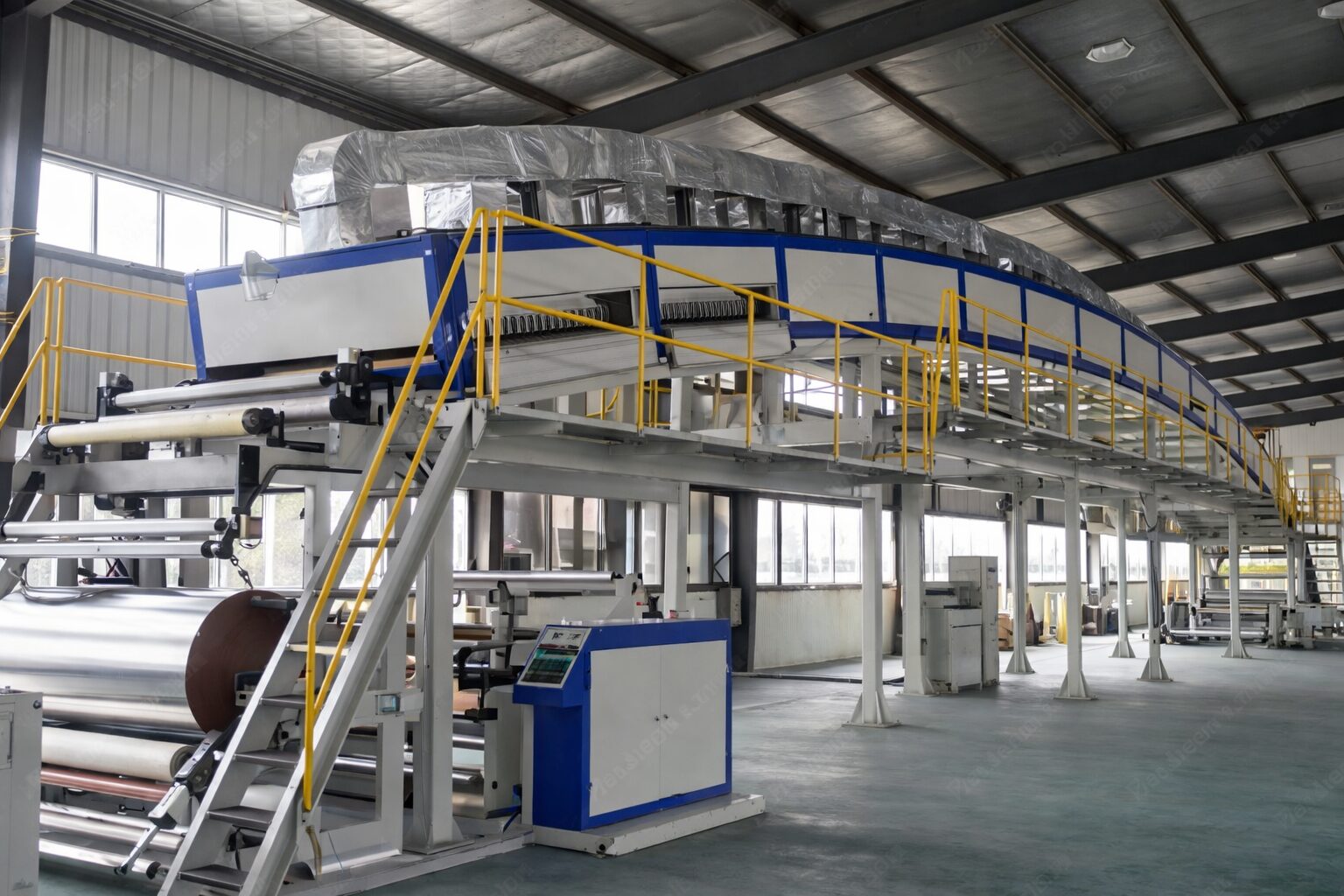
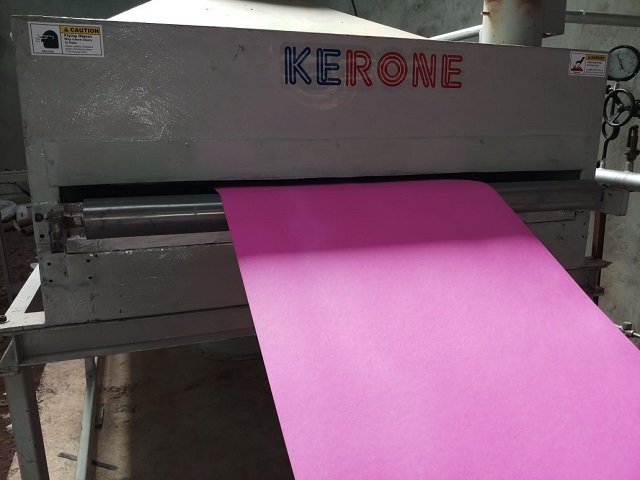
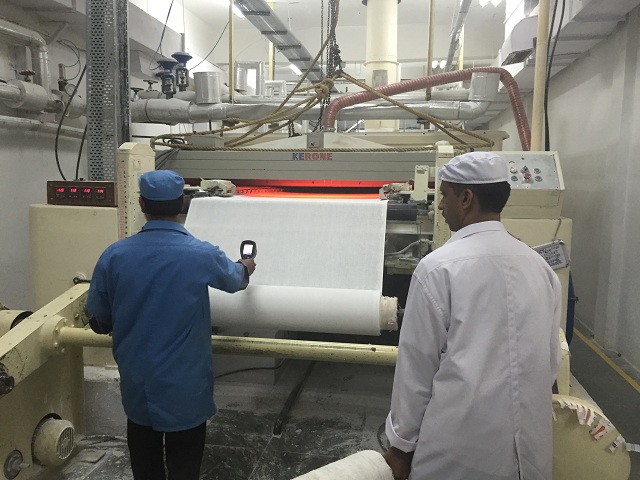
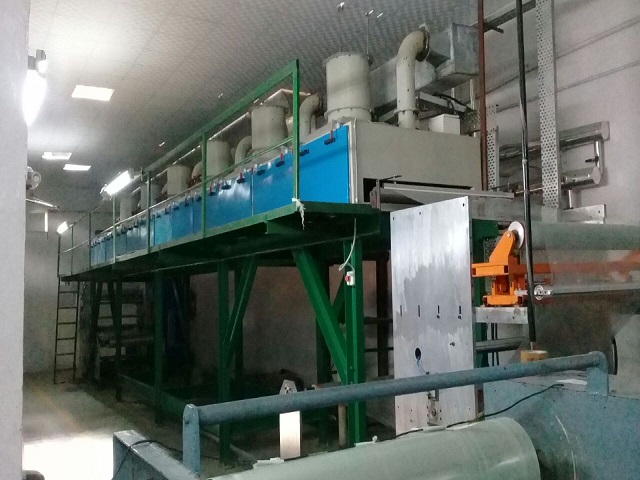
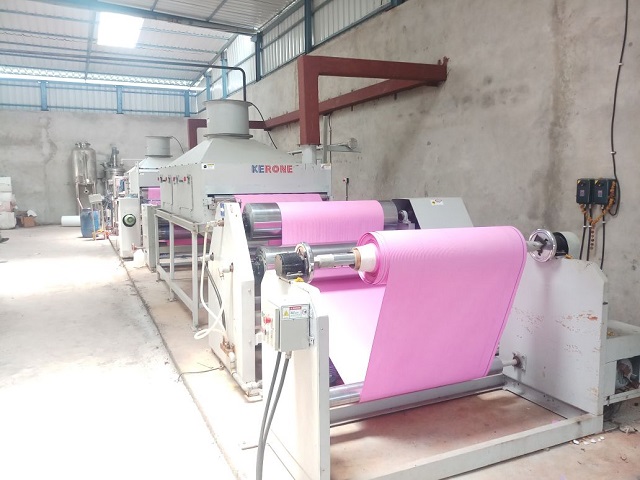
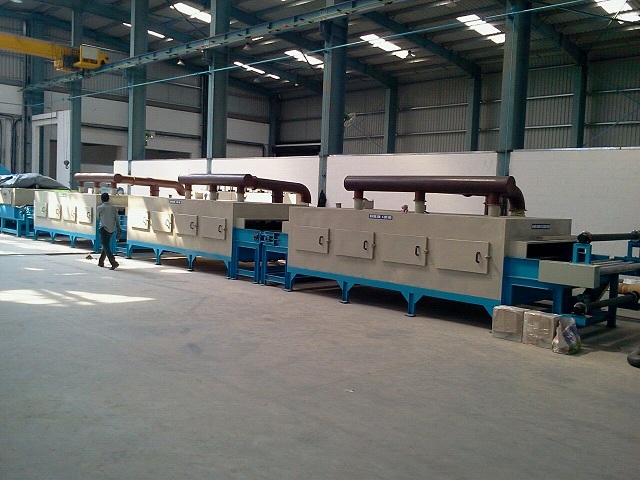
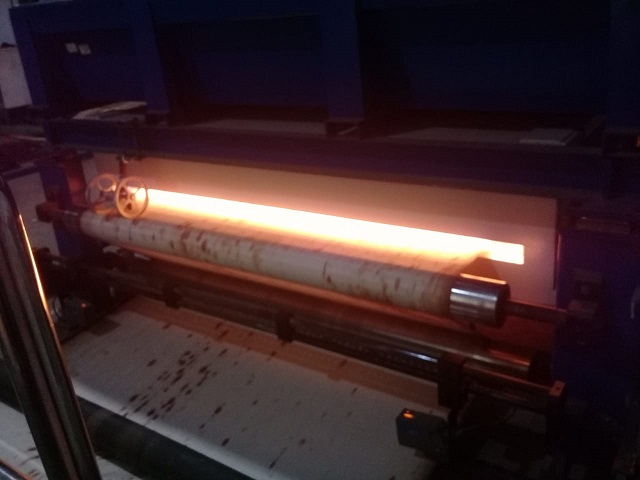
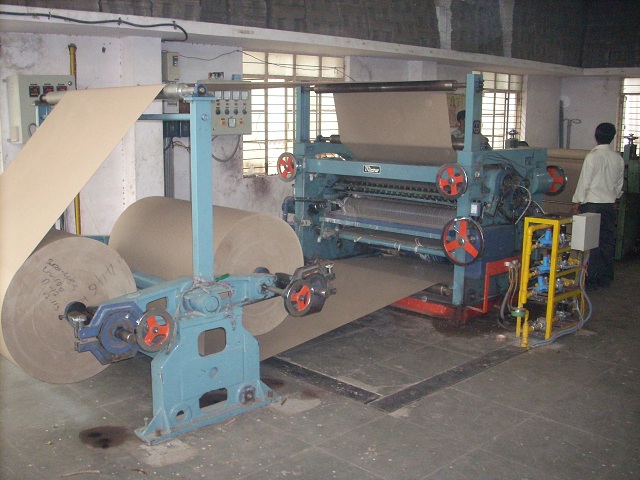
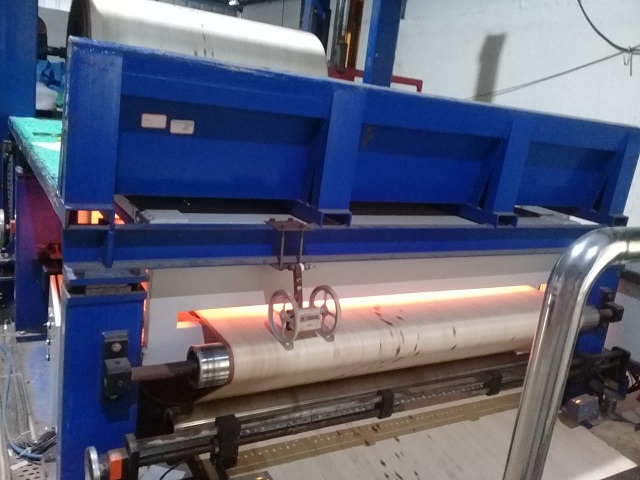
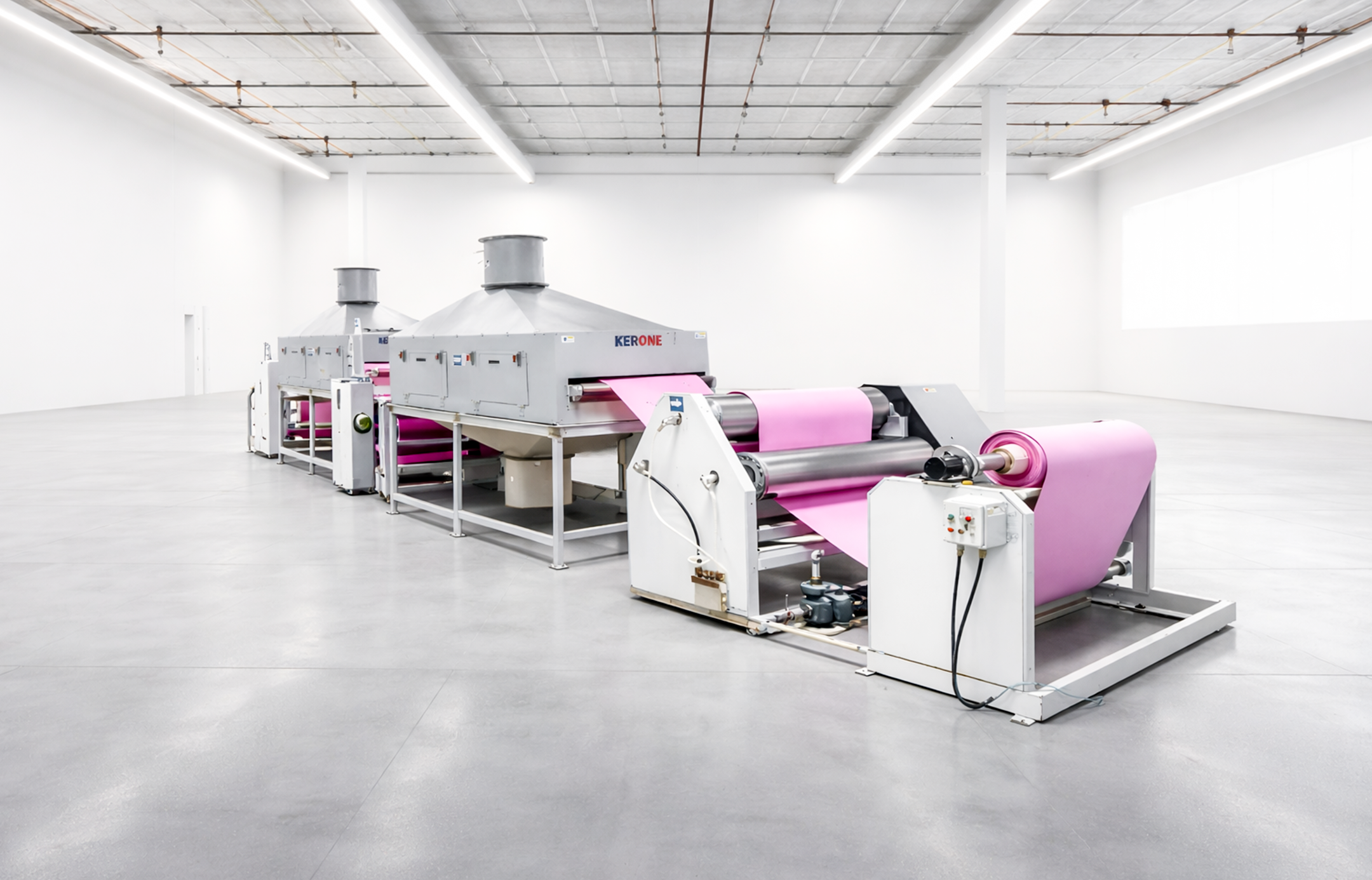
Kerone’s Coating & Surface Engineering Plants offer sophisticated, technology-driven solutions for applying functional, protective, and aesthetic surface treatments to a wide range of industrial substrates. These plants encompass physical vapor deposition (PVD), chemical vapor deposition (CVD), thermal spray coating, powder coating, wet coating, and plasma-based surface treatment systems, all designed and integrated by Kerone’s engineering team. Whether the goal is corrosion protection, wear resistance, optical enhancement, hydrophobicity, or biocompatibility, Kerone designs surface engineering plants that deliver precise, repeatable, and high-quality coating outcomes at industrial scale.
Kerone brings a rare combination of surface science expertise and industrial engineering capability to every Coating & Surface Engineering Plant project. Their engineering team works closely with material scientists, metallurgists, and application engineers to select the right coating process and parameters for each substrate-coating combination. Kerone’s plants are built with high-precision deposition systems, rigorous in-line quality measurement tools, and automated recipe management to ensure coating consistency and repeatability across large production volumes. Additionally, Kerone’s after-sales support includes coating process optimization, personnel training, and ongoing process improvement services.
Types and Features of Coating & Surface Engineering Plants
Kerone’s coating plant portfolio includes PVD and CVD coating chambers, thermal spray systems (HVOF, plasma spray, arc spray), powder coating lines with pre-treatment, application, and curing ovens, UV and electron beam curing systems, dip coating and roll coating lines, and atmospheric plasma treatment units for surface activation. System features include vacuum chamber design, precision gas flow control, target power management, substrate rotation systems, in-situ thickness measurement, automated load-lock systems, and explosion-proof finishing environments.
High-precision coating thickness control with in-line measurement and feedback systems
Automated pre-treatment systems including chemical cleaning, blasting, and plasma activation
Fully enclosed, explosion-proof powder and liquid coating environments
High-productivity batch and continuous coating line configurations
Precise temperature control in curing ovens for optimal coating adhesion and properties
Compliance with environmental regulations including VOC emission controls and waste treatment
Recipe-based automation for consistent coating application across diverse product batches
Powered by AI, ML & IoT
Future-Ready Engineering Driven by AI & IoT
Our advanced AI, ML, and IoT technologies, this solution delivers smarter automation, real-time insights, and predictive intelligence to enhance efficiency and drive future-ready growth.
Real-Time Monitoring & Control
Continuous tracking of process parameters with instant adjustments.
Predictive Maintenance
Intelligent fault detection to prevent failures before they occur.
Adaptive Process Optimization
Dynamic tuning of operations for maximum output and efficiency.
Cloud Dashboards & Analytics
Unified access to real-time insights and performance trends.
Energy & Resource Savings
Smarter utilization of energy to cut costs and reduce waste.
Secure IoT Connectivity
Encrypted data flow with seamless integration across plant systems.
Applications of Coating & Surface Engineering Plants
Kerone’s Coating & Surface Engineering Plants are extensively used in automotive, aerospace, tooling, medical device, electronics, and architectural industries.
Typical applications include:
Automotive component powder coating and electrocoating for corrosion and aesthetic finishing
Aerospace turbine blade thermal barrier and wear-resistant coating using thermal spray
Cutting tool PVD coating for extended tool life and improved machining performance
Medical device surface coating for biocompatibility, lubricity, and infection prevention
Electronics PCB conformal coating and parylene deposition for environmental protection
Architectural glass and metal PVD coating for decorative and energy-efficient applications
Kerone’s Coating & Surface Engineering Plants transform ordinary substrates into high-performance, functionally enhanced products through the application of precise, controlled surface treatments. With comprehensive engineering capabilities and deep material science knowledge, Kerone delivers coating solutions that extend product life, improve performance, and open new market opportunities for manufacturers across a wide range of industries.
Seamless Export Connections Global & Local
Our Global Footprint in Industrial Excellence
Delivering world-class industrial and process solutions across countries with precision, innovation, and reliability.
Peru
Chile
Argentina
Mexico
Colombia
Brazil
USA
Canada
United Kingdom
France
Germany
Spain
Italy
Netherlands
Sweden
Switzerland
Poland
Portugal
Ireland
Czechia
Romania
Hungary
Austria
Greece
Kazakhstan
Uzbekistan
Turkmenistan
Algeria
Egypt
Nigeria
Kenya
South Africa
Saudi Arabia
UAE
Israel
Russia
India
China
Japan
South Korea
Thailand
Vietnam
Malaysia
Singapore
Indonesia
Philippines
Australia
New Zealand
Pan-India Presence. Local Expertise.
Raipur
Bilaspur
Panaji
Vasco da Gama
Gandhinagar
Ahmedabad
Surat
Chandigarh
Gurgaon
Shimla
Manali
Bengaluru
Mysore
Kochi
Pune
Mumbai
Thane
Navi Mumbai
Hyderabad
Chennai
Coimbatore
Kolkata
Lucknow
Jaipur
Udaipur
Jodhpur
Dehradun
Haridwar
Bhubaneswar
Product Gallery
Frequently Asked Questions (FAQ)
Routine maintenance covers vacuum chamber seals and pumps for PVD/CVD systems, nozzle and gun cleaning in thermal spray and powder coating lines, calibration of in-line thickness sensors, and inspection of curing oven heating elements and airflow systems. Powder coating booths need periodic dust collector filter replacement and grounding checks to maintain explosion-proof compliance. Recipe-controlled automation reduces operator-dependent variation, but mechanical wear items such as rollers, gaskets, and spray nozzles still need scheduled replacement. Kerone designs plants with accessible service points and modular subsystems so maintenance teams can service one process module without shutting down the entire line. A documented preventive maintenance schedule, typically reviewed quarterly, keeps coating consistency and equipment uptime high across multi-shift industrial operations.
Return on investment for a Kerone coating and surface engineering plant generally falls between 18 months and 4 years, depending on production volume, coating chemistry, and the conventional process being replaced. Manufacturers moving from manual spray booths or outsourced coating to an automated in-house line typically recover costs faster through reduced rework, lower coating material consumption from precision deposition control, and elimination of third-party processing fees and logistics. High-volume automotive or electronics coating lines with continuous operation see faster payback than low-volume specialty coating applications. Energy-efficient curing ovens and solvent recovery systems also contribute to ongoing operating savings that shorten the payback period. Kerone's engineering team provides a cost-benefit projection during the proposal stage so buyers can evaluate ROI before committing to capital expenditure.
With proper maintenance, Kerone's coating and surface engineering plants are engineered for a service life of 15 to 20 years for the core mechanical and structural components, including vacuum chambers, spray booths, and curing ovens. Wear components such as targets in PVD systems, spray nozzles, and dust collector filters have shorter replacement cycles measured in months rather than years. Equipment longevity depends heavily on operating environment, duty cycle, and adherence to preventive maintenance schedules. Stainless steel construction, corrosion-resistant coatings on structural elements, and robust electrical and control cabinets all extend usable life. Many Kerone-built plants installed over a decade ago remain in active production after control system upgrades, since the mechanical platform is built to outlast successive generations of automation electronics.
Manual and semi-automated coating depends heavily on operator technique, which creates inconsistent film thickness, higher rejection rates, and unpredictable material consumption. An automated coating and surface engineering plant replaces operator judgment with recipe-based process control, in-line thickness measurement, and closed-loop feedback, producing repeatable results batch after batch regardless of shift or operator. Material utilization improves significantly because automated systems apply coating only where needed, reducing overspray and waste compared to manual spray guns. Throughput also rises substantially since automated lines run continuously without the fatigue-related slowdowns typical of manual operations. The tradeoff is higher upfront capital investment and the need for process engineering during commissioning, but for any meaningful production volume, the quality consistency and reduced labor dependency outweigh manual methods.
Operating costs are driven primarily by energy consumption in curing and drying ovens, raw coating material usage, compressed air or vacuum pump power for spray and PVD/CVD processes, and consumables like masking materials, filters, and replacement targets or nozzles. Solvent-based coating systems carry additional costs for VOC abatement equipment operation and solvent recovery. Labor costs drop substantially with automation but technical staff are still needed for recipe management and quality oversight. Kerone designs plants with heat recovery on curing ovens, optimized airflow to minimize energy waste, and precision deposition control that reduces material overconsumption, all of which lower the cost per coated unit. Buyers should evaluate total cost per square meter or per part coated rather than equipment price alone when comparing options.
In-house coating with a properly engineered plant gives manufacturers direct control over film thickness, cure temperature profiles, and process repeatability, which is difficult to guarantee when coating is outsourced to a third-party job shop with shared capacity and variable scheduling. In-line measurement and closed-loop feedback systems catch deviations in real time rather than after the part has shipped from an external vendor. Manufacturers also gain faster iteration when developing new coating formulations or substrate combinations, since trials can run on the production line rather than waiting for vendor scheduling. Defect rates typically fall once a dedicated, recipe-driven plant replaces variable manual or outsourced processes, and traceability improves because every batch's process parameters are logged automatically for quality audits and customer documentation requirements.
Yes. Kerone builds recipe-based automation, in-line thickness and quality sensors, and PLC/SCADA control into its coating plants from the outset, which makes Industry 4.0 integration straightforward. Process data including coating thickness, cure temperatures, line speed, and material consumption can be logged to a central historian or cloud dashboard for real-time monitoring and trend analysis. Predictive maintenance algorithms can flag drifting sensor readings or degrading pump performance before a failure interrupts production. For manufacturers building toward connected factory operations, the coating line becomes one data source feeding broader MES or ERP systems rather than an isolated island of automation. Retrofitting older coating equipment with this connectivity is also possible, though new builds integrate it more cleanly from the design stage.
Kerone's plants support PVD, CVD, thermal spray (HVOF, plasma spray), powder coating, wet coating, and plasma-based surface treatments for functional, protective, and decorative applications.
Kerone's coating systems can process metals, ceramics, polymers, composites, glass, and specialized materials depending on the coating process selected.
Kerone integrates in-line optical and eddy current thickness measurement systems with closed-loop feedback controls to maintain precise coating thickness and uniformity.
Yes, Kerone designs coating plants with solvent recovery systems, thermal oxidizers, and activated carbon filters to control VOC emissions in compliance with environmental regulations.
Yes, Kerone offers high-throughput continuous coating lines with automated loading, processing, and unloading for high-volume automotive and industrial production environments.
Pre-treatment systems include chemical degreasing, phosphating, chromating, abrasive blasting, and plasma activation to ensure optimal coating adhesion.
Yes, Kerone's R&D lab provides coating process development, substrate testing, and coating characterization services to optimize parameters before full-scale production.
Powder coating facilities include explosion-proof booth construction, grounding systems, dust collection, and fire suppression to comply with NFPA 33 and relevant safety standards.
Kerone’s custom-designed heating and processing solutions are built to meet the demands of your growing operations. Whether you’re upgrading equipment, expanding production, or need a tailor-made solution

 Peru
Peru Chile
Chile Argentina
 Mexico
 Colombia
 Brazil
 USA
USA Canada
 United Kingdom
 France
 Germany
 Spain
Spain Italy
Italy Netherlands
 Sweden
 Switzerland
 Poland
 Portugal
 Ireland
 Czechia
 Romania
 Hungary
 Austria
 Greece
 Kazakhstan
 Uzbekistan
 Turkmenistan
 Algeria
 Egypt
Egypt Nigeria
 Kenya
Kenya South Africa
 Saudi Arabia
 UAE
UAE Israel
 Russia
 India
India China
China Japan
Japan South Korea
 Thailand
 Vietnam
 Malaysia
 Singapore
 Indonesia
 Philippines
 Australia
 New Zealand