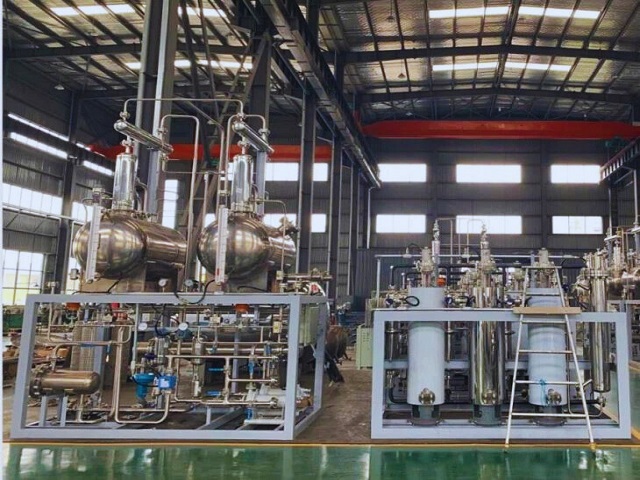
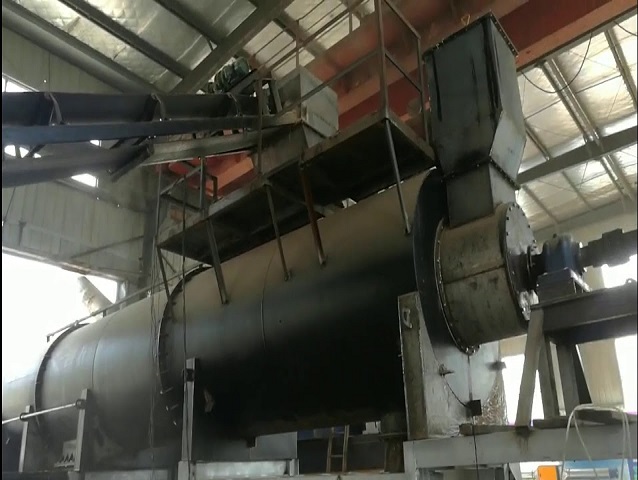
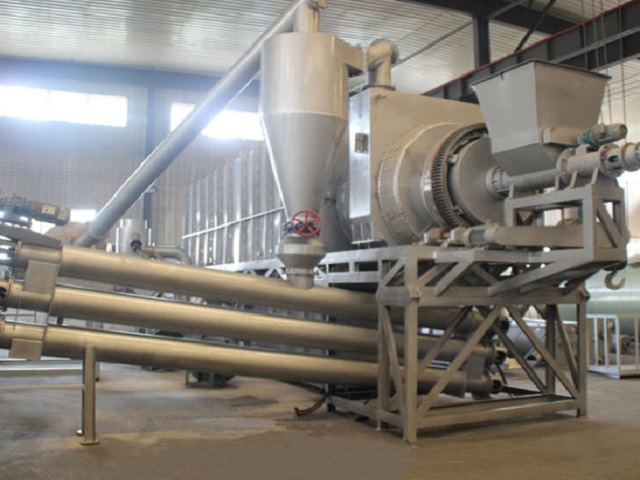
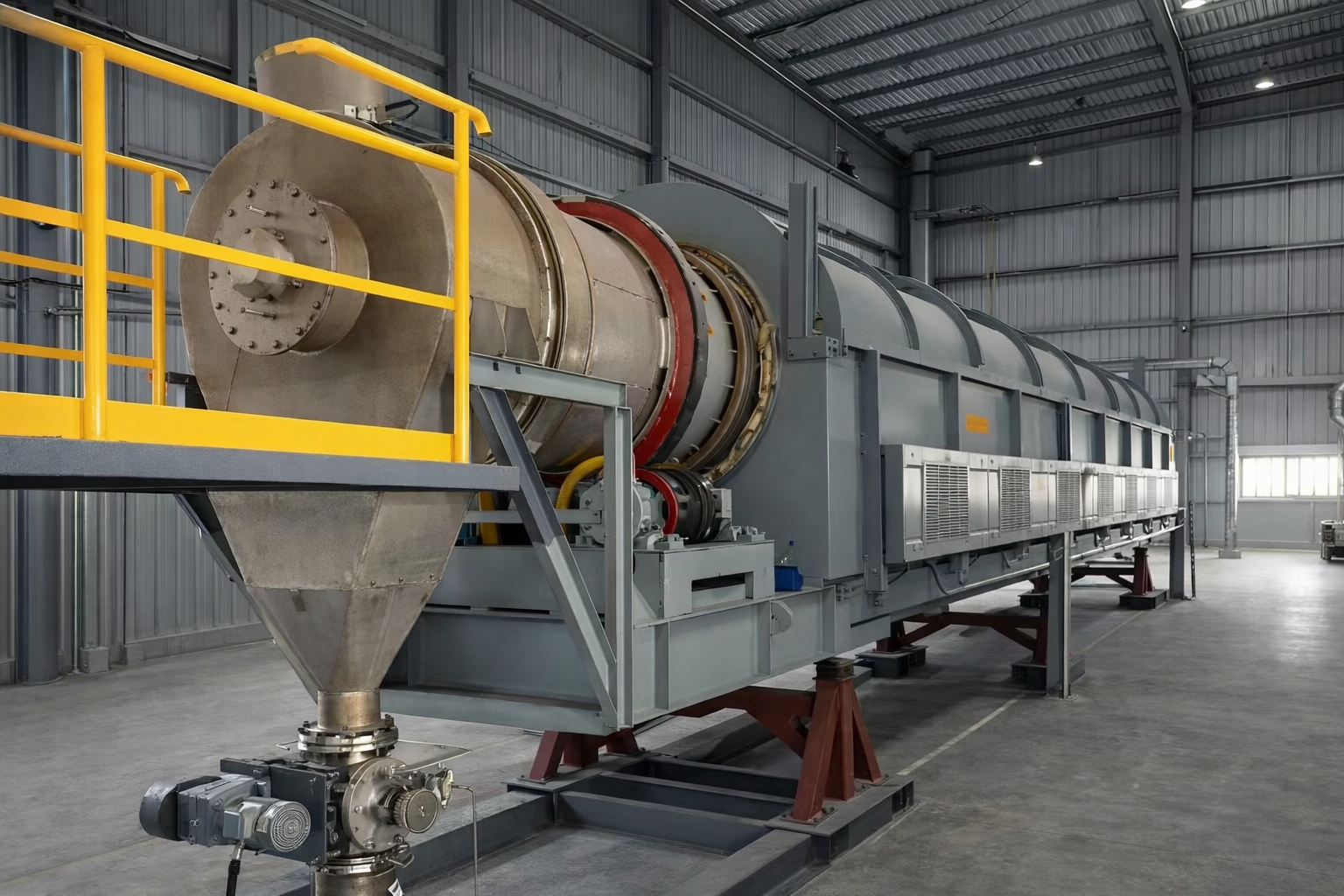
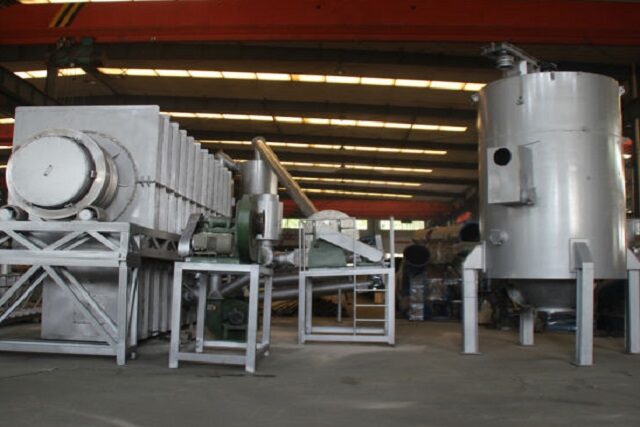
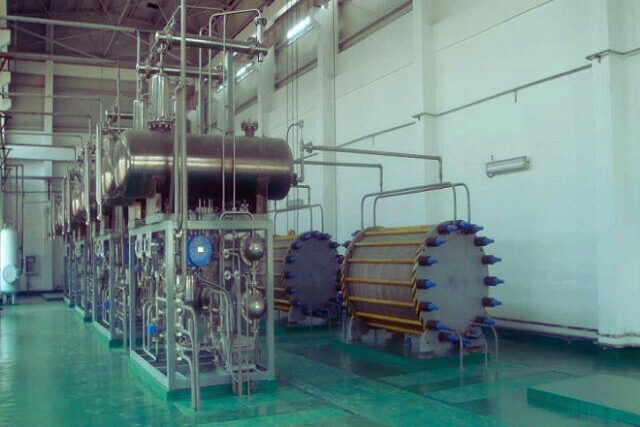
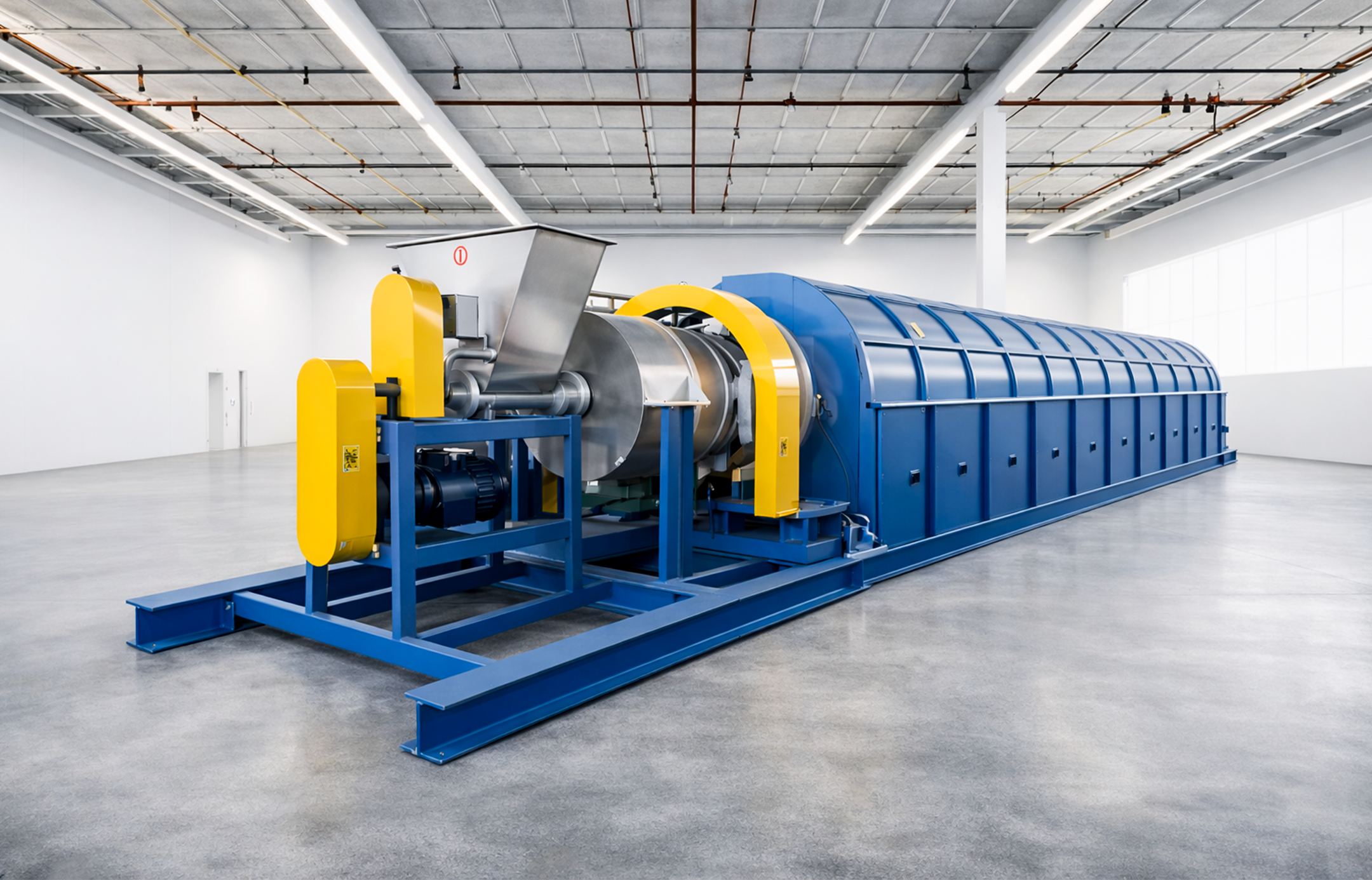
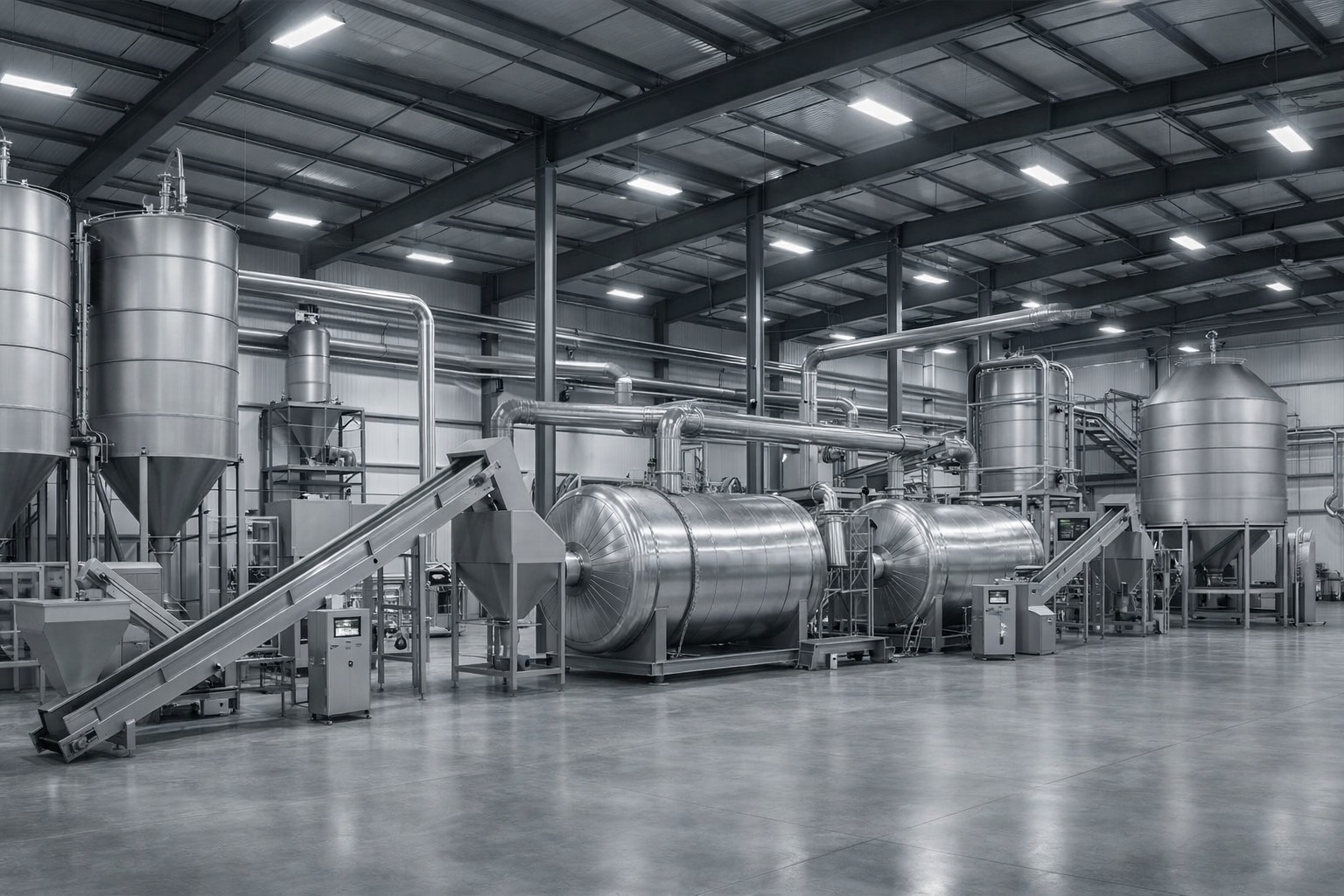
Kerone’s Biochar & Sustainable Processing Lines represent its commitment to green industrial solutions that convert organic waste streams into valuable, carbon-negative products. Biochar production through pyrolysis of agricultural residues, wood waste, sewage sludge, and other biomass materials offers a powerful pathway to carbon sequestration, soil improvement, and renewable energy generation. Kerone engineers fully integrated biochar production systems that include biomass preparation, pyrolysis reactors, syngas management, biochar cooling and handling, and quality testing, all within a closed-loop, low-emission processing environment. These systems are designed for scalability—from small farm-level units to large commercial biochar facilities.
Kerone’s Biochar & Sustainable Processing Lines are designed with both technical and environmental excellence as core priorities. Kerone’s engineering team combines deep knowledge of thermochemical conversion processes with practical experience in biomass handling, reactor design, and syngas utilization to deliver systems that maximize biochar yield, quality, and economic value. Kerone’s systems are designed to operate with near-zero emissions by recirculating pyrolysis gases as process fuel, dramatically reducing the carbon footprint of operations. Their end-to-end project support—from feedstock characterization to regulatory approvals and carbon credit documentation—makes Kerone the preferred partner for sustainable industrial projects.
Types and Features of Biochar & Sustainable Processing Lines
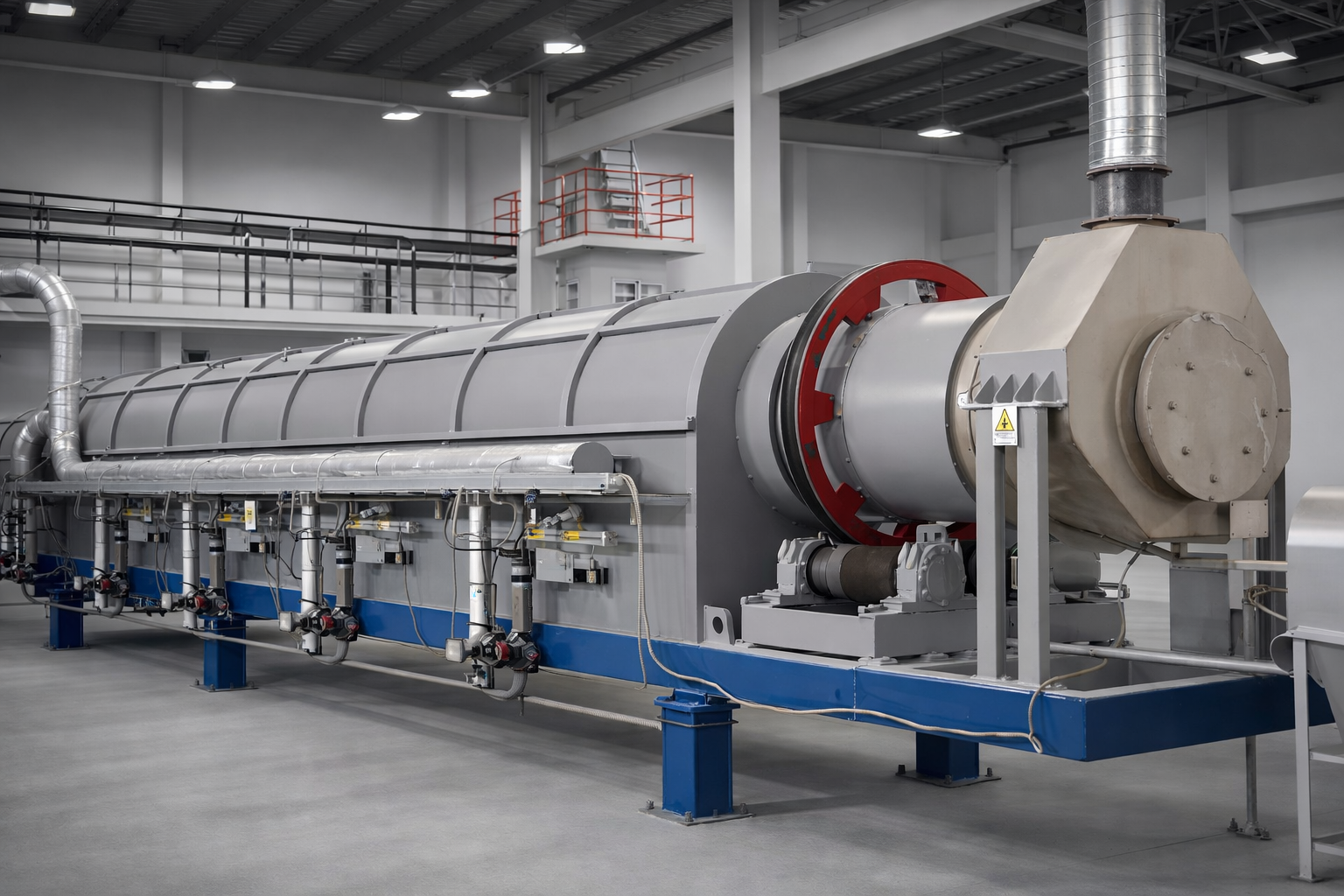
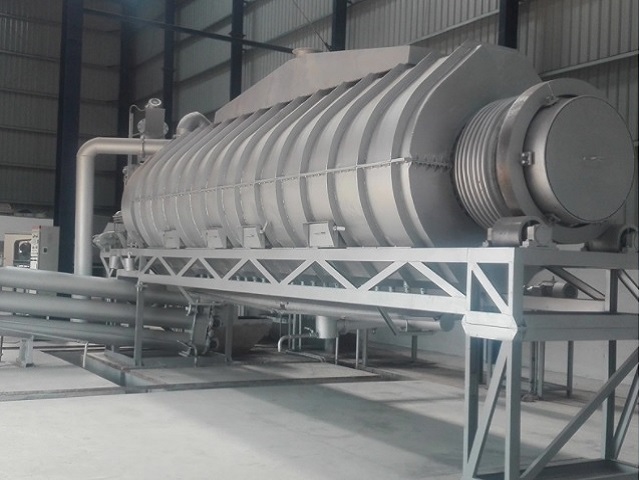
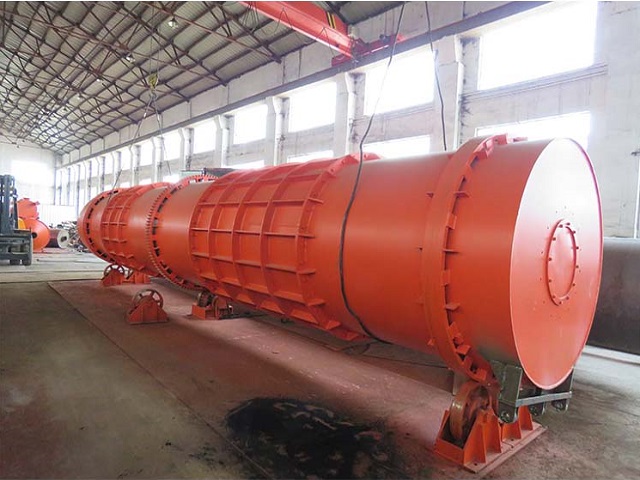
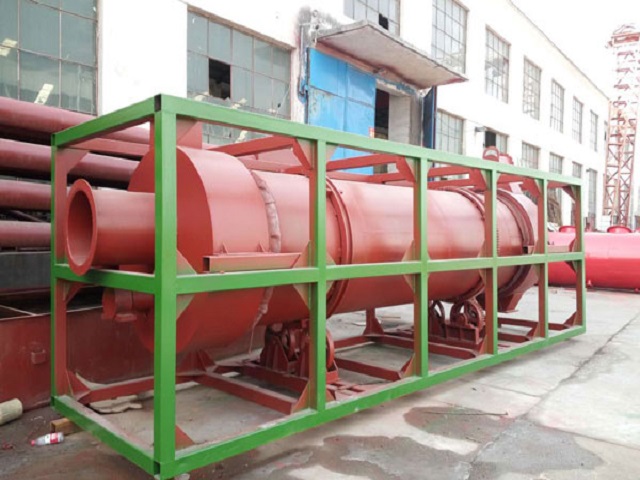
Kerone offers continuous and batch pyrolysis reactors, rotary kiln biochar production systems, fixed-bed and moving-bed reactors, and flash carbonization units. Processing lines include biomass pre-drying, size reduction, feeding systems, reactor temperature control, syngas scrubbing and recirculation, biochar quenching, and bagging or bulk handling systems. Features include precise temperature control across multiple reactor zones, inert atmosphere control, syngas heat recovery, automated product quality sampling, and remote monitoring integration.
Key Features
High biochar yield with precise temperature and residence time control in the pyrolysis reactor
Closed-loop syngas recirculation system for energy-neutral or energy-positive operation
Compliance with international biochar quality standards such as EBC (European Biochar Certificate)
Carbon-negative process design with comprehensive carbon accounting and credit documentation support
Modular system design allowing easy capacity expansion from pilot to commercial scale
Multi-feedstock capability for agricultural residues, forestry waste, sewage sludge, and food waste
Low-emission operations with integrated gas scrubbing and particulate control systems
Fully automated operation with minimal operator intervention and real-time process data logging
Powered by AI, ML & IoT
Future-Ready Engineering Driven by AI & IoT
Our advanced AI, ML, and IoT technologies, this solution delivers smarter automation, real-time insights, and predictive intelligence to enhance efficiency and drive future-ready growth.
Real-Time Monitoring & Control
Continuous tracking of process parameters with instant adjustments.
Predictive Maintenance
Intelligent fault detection to prevent failures before they occur.
Adaptive Process Optimization
Dynamic tuning of operations for maximum output and efficiency.
Cloud Dashboards & Analytics
Unified access to real-time insights and performance trends.
Energy & Resource Savings
Smarter utilization of energy to cut costs and reduce waste.
Secure IoT Connectivity
Encrypted data flow with seamless integration across plant systems.
Applications of Biochar & Sustainable Processing Lines
Kerone’s Biochar & Sustainable Processing Lines are extensively used in agricultural enhancement, environmental remediation, renewable energy, and waste management sectors.
Typical applications include:
Agricultural biochar production for soil amendment, carbon sequestration, and crop yield enhancement
Sewage sludge and municipal solid waste carbonization for volume reduction and energy recovery
Forestry and wood waste valorization into biochar and activated carbon products
Biochar-based water and air filtration media production for environmental remediation
Carbon credit generation and carbon trading programs through verified biochar sequestration
Co-production of syngas and bio-oil for renewable energy generation alongside biochar
Kerone’s Biochar & Sustainable Processing Lines provide a technically robust and environmentally responsible solution for transforming waste biomass into high-value products that benefit both industry and the planet. With Kerone’s engineering expertise and commitment to sustainability, clients gain not just a processing system, but a complete green business solution that aligns with global decarbonization goals and circular economy principles.
Seamless Export Connections Global & Local
Our Global Footprint in Industrial Excellence
Delivering world-class industrial and process solutions across countries with precision, innovation, and reliability.
Peru
Chile
Argentina
Mexico
Colombia
Brazil
USA
Canada
United Kingdom
France
Germany
Spain
Italy
Netherlands
Sweden
Switzerland
Poland
Portugal
Ireland
Czechia
Romania
Hungary
Austria
Greece
Kazakhstan
Uzbekistan
Turkmenistan
Algeria
Egypt
Nigeria
Kenya
South Africa
Saudi Arabia
UAE
Israel
Russia
India
China
Japan
South Korea
Thailand
Vietnam
Malaysia
Singapore
Indonesia
Philippines
Australia
New Zealand
Pan-India Presence. Local Expertise.
Raipur
Bilaspur
Panaji
Vasco da Gama
Gandhinagar
Ahmedabad
Surat
Chandigarh
Gurgaon
Shimla
Manali
Bengaluru
Mysore
Kochi
Pune
Mumbai
Thane
Navi Mumbai
Hyderabad
Chennai
Coimbatore
Kolkata
Lucknow
Jaipur
Udaipur
Jodhpur
Dehradun
Haridwar
Bhubaneswar
Product Gallery
Frequently Asked Questions (FAQ)
Kerone's systems can process a wide range of feedstocks including agricultural residues (rice husk, straw, bagasse), wood chips, sawdust, sewage sludge, food waste, and municipal solid waste.
Biochar production typically occurs at pyrolysis temperatures between 350°C and 700°C, with specific temperatures selected based on feedstock type and desired biochar properties.
Yes, Kerone's systems include syngas recirculation for process heat generation, and can also be configured with gas engines or turbines for co-generation of electricity.
Kerone designs its biochar production systems to meet the quality criteria of the European Biochar Certificate (EBC) and International Biochar Initiative (IBI) standards.
Biochar is a stable form of carbon that resists decomposition for hundreds to thousands of years when applied to soil, effectively locking atmospheric CO2 out of the carbon cycle.
Yes, verified biochar carbon removal credits can be registered and sold through established carbon markets. Kerone provides documentation support for carbon credit applications.
Kerone offers systems ranging from small farm-scale units processing 100 kg/day to large commercial facilities processing several tonnes per hour.
Kerone integrates syngas afterburners, thermal oxidizers, cyclones, and wet scrubbers to ensure emissions from the pyrolysis process meet applicable environmental regulations.
Industrial biochar production involves the thermochemical decomposition of organic biomass such as wood chips, agricultural residues, or sewage sludge at temperatures between 350°C and 700°C in an oxygen-limited environment. Kerone's biochar production systems use continuous rotary kilns or fixed-bed reactors with precise temperature and residence time control to maximize biochar yield and quality. The syngas by-product can be recycled as fuel, making the process energy-neutral or even energy-positive. Biochar quality is characterized by surface area, porosity, pH, carbon content, and ash composition.
Efficient waste-to-biochar conversion requires feedstock pre-treatment (sizing, drying to <15% moisture), optimal reactor temperature selection (500–600°C for high-quality biochar), and effective syngas management. Kerone's waste-to-biochar systems are pre-engineered to handle diverse feedstocks, with integrated drying pre-treatment, controlled-atmosphere reactors, and syngas combustion chambers for heat recovery. Feedstock moisture content is the single most critical factor; wet feedstocks dramatically reduce efficiency. Kerone's lab-scale pilot trials allow optimization before full-scale investment.
Agricultural waste including rice husks, sugarcane bagasse, wheat straw, corn cobs, and coconut shells is an abundant and cost-effective feedstock for biochar production. Kerone's agricultural waste biochar systems are sized for farm-scale to industrial-scale operations, with robust feeding systems designed for variable particle sizes. Biochar from agricultural waste typically has high silica content (especially rice husk biochar) and is widely used for soil amendment, water filtration, and as a carbon sequestration material. Kerone also provides turnkey systems with biomass pre-processing and biochar cooling and packaging.
The best waste-to-energy conversion technology depends on the waste type, moisture content, scale, and desired output (heat, electricity, fuel, or biochar). For dry organic waste and biomass, pyrolysis and gasification are highly efficient and produce valuable by-products. For mixed municipal solid waste, combustion with energy recovery (CHP) is most established. For wet organic waste, anaerobic digestion (biogas) may be preferred. Kerone specializes in pyrolysis-based waste-to-energy systems, offering complete solutions from waste pre-treatment and drying through reactor design to gas cleaning and energy utilization.
Biochar has a wide range of applications spanning agriculture and industry. In agriculture, it is used as a soil amendment to improve water retention, enhance microbial activity, increase crop yields, and sequester carbon. In industry, biochar is used as an activated carbon precursor, a filter media for water and gas treatment, a rubber and polymer additive, a construction material additive, and an electrode material for energy storage. Kerone's biochar production systems are designed to produce application-specific biochar qualities, with customized activation and sizing steps available for high-value applications.
Kerone's biochar and sustainable processing systems are designed to directly support corporate ESG (Environmental, Social, and Governance) commitments and sustainability reporting frameworks such as GRI, CDP, and Science Based Targets initiative (SBTi). On the environmental side, biochar production sequesters carbon in a stable solid form for hundreds to thousands of years, each tonne of biochar produced represents approximately 2.5–3 tonnes of CO₂ equivalent permanently removed from the carbon cycle, a verifiable, auditable carbon removal credit. Kerone's systems also divert organic waste from landfills, reduce methane emissions from decomposing biomass, and generate clean energy from syngas, all of which contribute to measurable Scope 1 and Scope 3 emission reductions. The systems are engineered to operate with near-zero stack emissions through integrated afterburners, condensate management, and particulate filtration. Kerone provides detailed mass and energy balance documentation and process data logging to support third-party verification and ESG audit requirements, making it straightforward for customers to include biochar operations in sustainability disclosures and annual reports.
Kerone's pyrolysis-based biochar production systems generate three valuable co-products alongside biochar, each of which can be monetized or utilized to improve overall system economics. Syngas (pyrolysis gas), primarily composed of CO, H₂, CH₄, and CO₂, is recovered and combusted in an integrated burner to supply the thermal energy needed by the reactor itself. In well-optimised systems this makes the process thermally self-sufficient, eliminating or significantly reducing external fuel costs. Pyrolysis oil (bio-oil), condensed from the vapor fraction, can be used as a substitute for heavy fuel oil in industrial boilers or further refined into bio-based chemicals and fuels. Process heat recovered from the system's hot exhaust gases can be directed to pre-dry incoming wet feedstock or supply heat to adjacent processes such as space heating or hot water generation. Kerone's engineering team designs the energy integration between all three co-product streams during system engineering, ensuring maximum resource utilization and the lowest possible operating cost per tonne of biochar produced.
Kerone’s custom-designed heating and processing solutions are built to meet the demands of your growing operations. Whether you’re upgrading equipment, expanding production, or need a tailor-made solution



 Peru
Peru Chile
Chile Argentina
 Mexico
 Colombia
 Brazil
 USA
USA Canada
 United Kingdom
 France
 Germany
 Spain
Spain Italy
Italy Netherlands
 Sweden
 Switzerland
 Poland
 Portugal
 Ireland
 Czechia
 Romania
 Hungary
 Austria
 Greece
 Kazakhstan
 Uzbekistan
 Turkmenistan
 Algeria
 Egypt
Egypt Nigeria
 Kenya
Kenya South Africa
 Saudi Arabia
 UAE
UAE Israel
 Russia
 India
India China
China Japan
Japan South Korea
 Thailand
 Vietnam
 Malaysia
 Singapore
 Indonesia
 Philippines
 Australia
 New Zealand