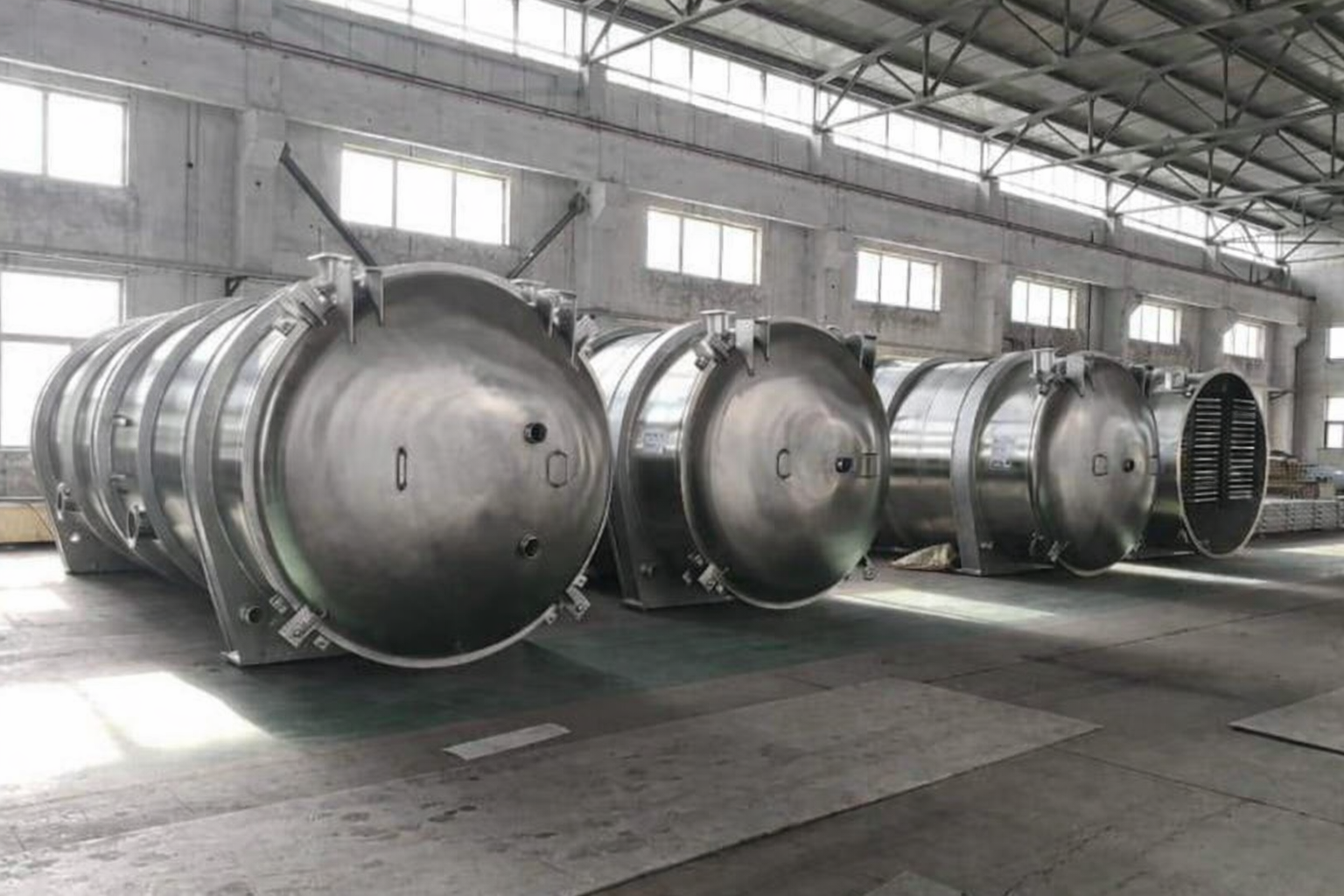
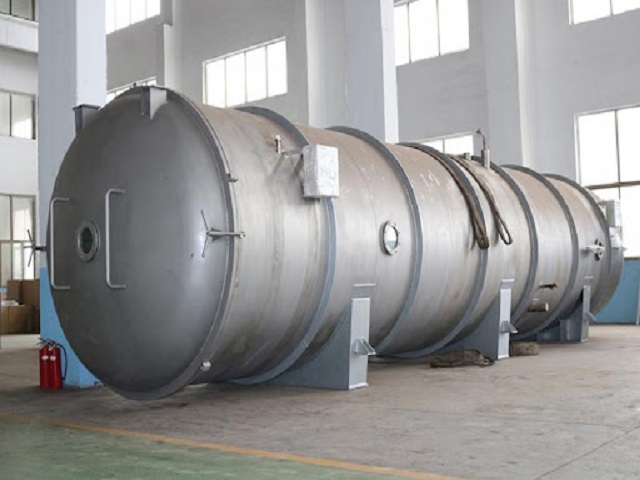
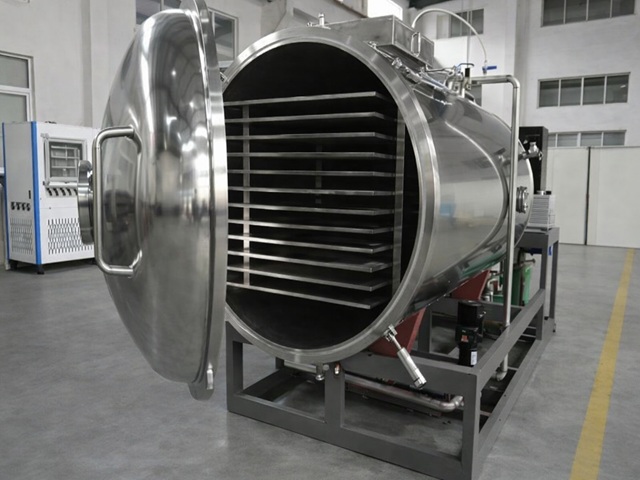
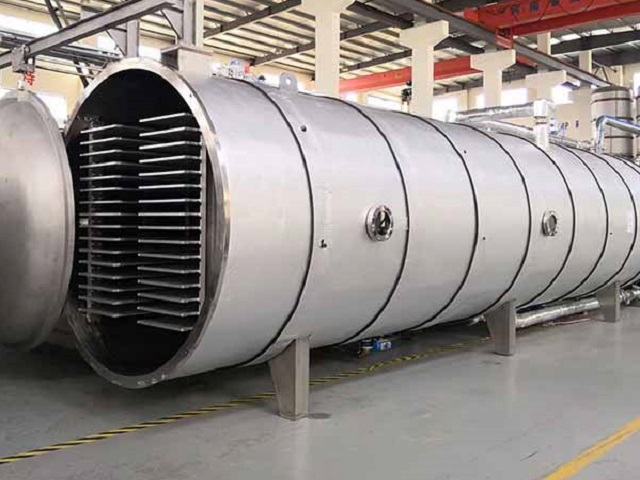
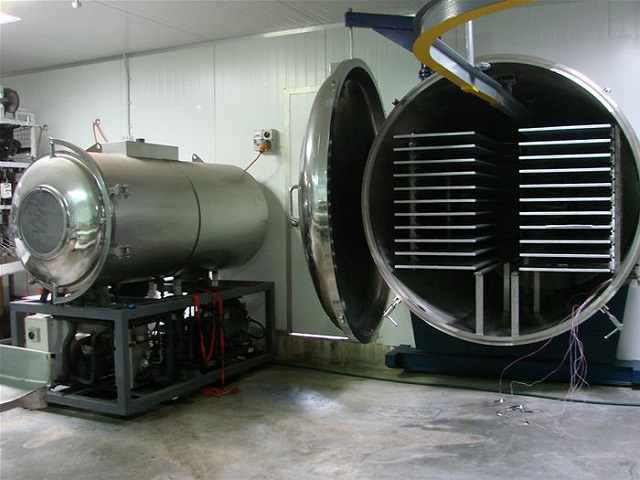
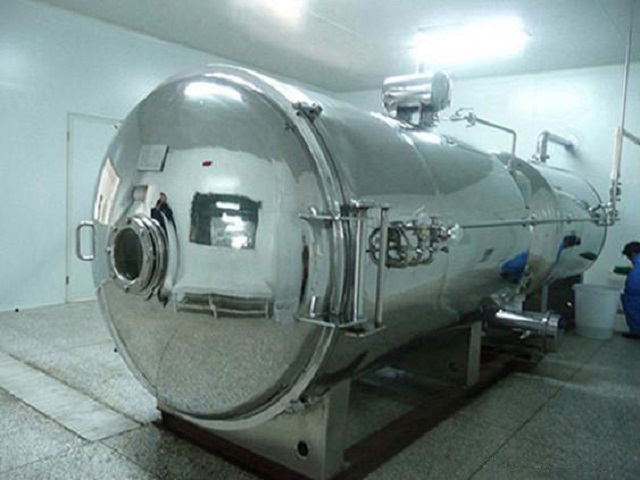
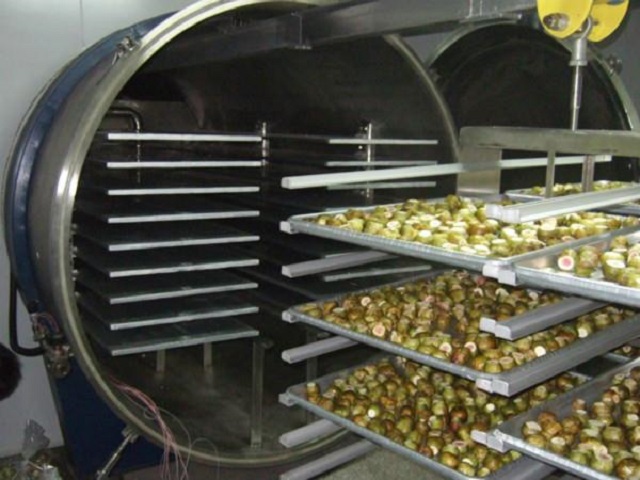
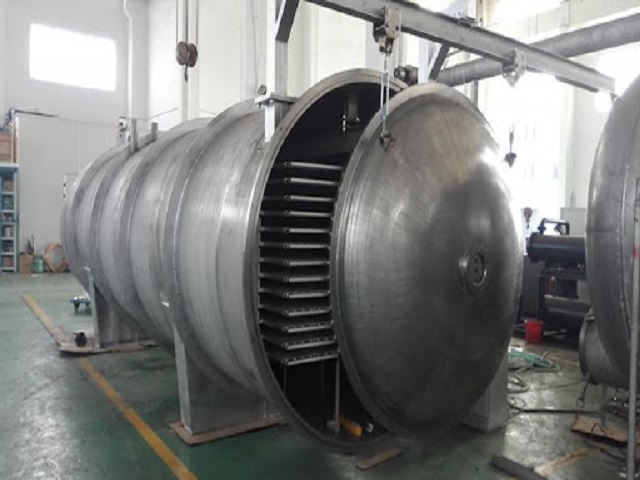
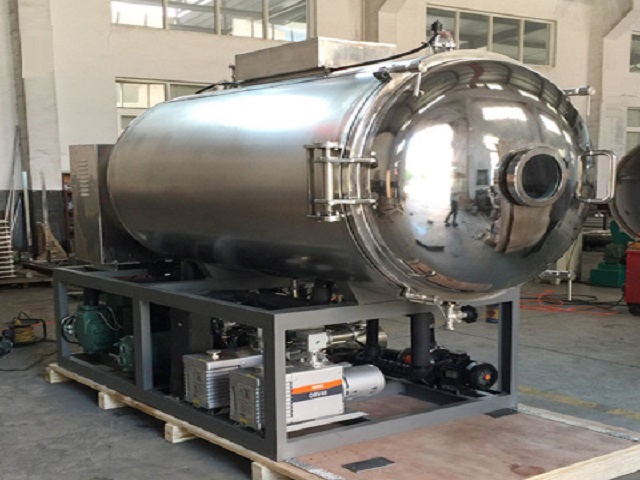
Kerone brings over 50 years of experience in designing high-performance freeze dryer for a wide range of industrial and commercial applications. Built with advanced heat transfer mechanisms and automated controls, Kerone’s freeze dryer are engineered to deliver optimal drying performance while maintaining product integrity.
Kerone Freeze Dryers are designed to handle the lyophilization needs of research and pilot plant laboratories.
At Kerone, we produce freeze dryers that can be fall in various range based on the complexity of design from simple to very complex, all depends on the fluid or slurries under processing. The difference in the designs rare the in atomization, pattern of airstream, air heating systems/technique, and separation and collection unit.
Why Choose Kerone Freeze Dryer
Kerone’s freeze dryer are known for their quality, durability, and energy optimization. Each unit is engineered to meet specific process needs, ensuring reduced drying times, higher throughput, and superior quality output. The systems integrate innovative heating technologies, allowing maximum efficiency with minimal energy loss.
If you are looking for economical and cutting-edge solutions in freeze drying, you can stop your search at KERONE. We are a pioneering freeze dryer manufacturer in India, delivering high-end lyophilizer technology machines. Our dryers are best suited for food and chemical applications.
Types and Features of Freeze Dryer
Kerone offers multiple models and configurations of freeze dryer, such as batch, continuous, and hybrid types. Depending on material and industry requirements, the dryers are designed with advanced temperature control systems, airflow regulation, and automated safety features.
They can handle a wide range of materials — from agricultural produce and chemicals to pharmaceuticals and industrial powders — offering flexible performance under varying process conditions.
List of Specifications of Our Freeze Dryer Include:
Ice capacity ranging from 100 kg to 1000 kg within a 24-hour period
Operating temperature range from -20°C to +70°C
Chamber, trays, and vapour condenser made of AISI 304 stainless steel
Integrated heating system
High-performance vacuum system
Efficient refrigeration system
The drying process is as follows: Firstly, the internal moisture of food has been frozen in the low-temperature environment. Secondly, in drying step, the ice inside previous raw material will directly be converted into steam evaporation during a near-vacuum environment. Finally, the internal moisture of food will dramatically decrease. The whole dewatering process is under a lower temperature environment than that of traditional dryer.
Features:
Easy-to-use separate stainless steel chamber and condenser
Hermetic-type refrigerating compressor DD8 with double-stage oil-sealed rotary pump
Digital vacuum and temperature indicators
Wide range of accessories, including a microprocessor-based automatic control system
Compact size and supplied with trolley for easy mobility
Materials can be processed in a wide range of product containers with provision for sealing under vacuum or inert gas
Key Features
Energy-efficient design with advanced heat management.
Uniform drying with consistent temperature distribution.
Customizable airflow and heating configurations.
Automatic control systems for precision and safety.
Robust construction ensuring long operational life.
Low maintenance with easy-to-clean components.
Ideal for both batch and continuous drying processes.
Optimized for sensitive and bulk materials alike.
Powered by AI, ML & IoT
Future-Ready Engineering Driven by AI & IoT
Our advanced AI, ML, and IoT technologies, this solution delivers smarter automation, real-time insights, and predictive intelligence to enhance efficiency and drive future-ready growth.
Real-Time Monitoring & Control
Continuous tracking of process parameters with instant adjustments.
Predictive Maintenance
Intelligent fault detection to prevent failures before they occur.
Adaptive Process Optimization
Dynamic tuning of operations for maximum output and efficiency.
Cloud Dashboards & Analytics
Unified access to real-time insights and performance trends.
Energy & Resource Savings
Smarter utilization of energy to cut costs and reduce waste.
Secure IoT Connectivity
Encrypted data flow with seamless integration across plant systems.
Applications of Freeze Dryer
Kerone’s freeze dryer find wide applications across industries, providing reliable drying solutions for varied materials. Common applications include:
Food & Beverage
Drying fruits, vegetables, meat, fish, and herbs.
Agriculture
Moisture removal from grains, seeds, and crops.
Pharmaceutical
Drying herbal extracts, granules, and powders.
Chemical & Mineral
Processing catalysts, pigments, and minerals.
Industrial
Drying of ceramics, coal, polymers, and composites.
Kerone’s freeze dryer combine technological innovation with practical design. Built for reliability, scalability, and energy efficiency, they help industries achieve higher productivity with minimal operational costs. Through continuous research and development, Kerone continues to lead in industrial drying innovation, offering tailored solutions for global industries.
As the global demand for stable biological medicines, point-of-care diagnostics, and long-shelf-life nutritional products continues to grow, the strategic importance of freeze drying technology in manufacturing grows with it. Kerone’s freeze dryer solutions, built on rigorous thermal engineering and deep pharmaceutical processing experience, provide manufacturers with the sophisticated, validated, and compliant lyophilization equipment their products demand.
Seamless Export Connections Global & Local
Our Global Footprint in Industrial Excellence
Delivering world-class industrial and process solutions across countries with precision, innovation, and reliability.
Peru
Chile
Argentina
Mexico
Colombia
Brazil
USA
Canada
United Kingdom
France
Germany
Spain
Italy
Netherlands
Sweden
Switzerland
Poland
Portugal
Ireland
Czechia
Romania
Hungary
Austria
Greece
Kazakhstan
Uzbekistan
Turkmenistan
Algeria
Egypt
Nigeria
Kenya
South Africa
Saudi Arabia
UAE
Israel
Russia
India
China
Japan
South Korea
Thailand
Vietnam
Malaysia
Singapore
Indonesia
Philippines
Australia
New Zealand
Pan-India Presence. Local Expertise.
Raipur
Bilaspur
Panaji
Vasco da Gama
Gandhinagar
Ahmedabad
Surat
Chandigarh
Gurgaon
Shimla
Manali
Bengaluru
Mysore
Kochi
Pune
Mumbai
Thane
Navi Mumbai
Hyderabad
Chennai
Coimbatore
Kolkata
Lucknow
Jaipur
Udaipur
Jodhpur
Dehradun
Haridwar
Bhubaneswar
Product Gallery
Frequently Asked Questions (FAQ)
A freeze dryer is an industrial system that removes moisture from materials using controlled heat and airflow.
It operates by circulating hot air or transferring heat to evaporate moisture from products efficiently.
It ensures faster drying, energy efficiency, and product uniformity.
Industries like food, agriculture, pharmaceutical, and chemical commonly use these dryers.
Yes, Kerone designs every system according to specific industry and process needs.
Yes, precise temperature control ensures safe drying for sensitive materials.
Kerone’s designs optimize heat recovery and minimize energy consumption.
Regular inspection, cleaning, and calibration ensure optimal performance and longer lifespan.
Yes, this is the primary reason pharmaceutical and biological products are freeze dried; the absence of heat and liquid water during lyophilization prevents the degradation reactions that would reduce potency in thermally dried or liquid-stored products.
Properly lyophilized products reconstitute rapidly in water due to the highly porous, sponge-like structure created by sublimation; reconstitution times of seconds to minutes are achievable for pharmaceutical vials.
Conventional heat-based drying exposes a product to elevated temperatures and, in many cases, a liquid water phase during evaporation, both of which can trigger degradation reactions in heat- or hydrolysis-sensitive compounds such as certain proteins, enzymes, and biological actives. Freeze drying avoids both of these stressors: the product remains frozen and solid during the critical primary drying stage, and moisture leaves as vapor through sublimation rather than passing through a liquid state. This combination of low temperature and avoidance of liquid water is precisely why freeze drying is the preferred method for pharmaceutical biologics, certain food actives, and other products where potency or structural integrity must be preserved through the drying process.
AISI 304 stainless steel offers strong corrosion resistance and is widely accepted across food and pharmaceutical regulatory frameworks for direct product contact, which matters significantly in freeze drying applications given the sensitive, often high-value nature of the materials being processed â biological actives, pharmaceutical intermediates, and premium food products. The chamber, trays, and vapor condenser are all surfaces that contact either the product directly or the water vapor removed from it, so material consistency across all these components reduces contamination risk and simplifies cleaning validation. This material choice also supports the repeated cleaning and sterilization cycles that pharmaceutical-grade freeze drying operations typically require between batches.
The vacuum system is what enables sublimation to occur at low temperature by reducing chamber pressure below the point where ice can exist as a stable solid at typical primary drying temperatures. A high-performance vacuum system maintains the deep vacuum needed consistently throughout the drying cycle, which directly affects how quickly sublimation proceeds â weaker or unstable vacuum performance extends cycle time and can risk partial product melting if pressure rises above the critical point for the product's formulation. Kerone pairs the vacuum system with the refrigeration system's condenser capacity, since the condenser must continuously capture sublimated vapor to maintain the vacuum level the process requires throughout the full cycle.
Many freeze-dried products, particularly pharmaceutical and certain food actives, require packaging under vacuum or inert gas immediately after drying to prevent moisture reabsorption or oxidative degradation before the product reaches its final sealed container. Kerone's freeze dryers support a wide range of product containers with provision for sealing under vacuum or inert gas directly as part of the drying cycle, which avoids the quality risk of exposing a freshly dried, highly hygroscopic product to ambient air during a separate packaging step. Buyers whose products are sensitive to moisture reabsorption or oxygen exposure should specify this sealing requirement early, since it affects chamber and tray configuration.
Sublimation during freeze drying leaves behind a highly porous, sponge-like internal structure where ice crystals once occupied space, and this porosity is precisely what allows water to rapidly re-penetrate the dried material during reconstitution. Properly executed freeze drying typically achieves reconstitution times of seconds to minutes for pharmaceutical vials, and slow or incomplete reconstitution can indicate that the original drying cycle didn't achieve adequate porosity, possibly due to incomplete sublimation or structural collapse during the process. This is why reconstitution performance is often used as a downstream quality check that reflects how well the freeze drying cycle itself was executed, beyond just confirming the product reached its target moisture level.
Kerone’s custom-designed heating and processing solutions are built to meet the demands of your growing operations. Whether you’re upgrading equipment, expanding production, or need a tailor-made solution


 Peru
Peru Chile
Chile Argentina
 Mexico
 Colombia
 Brazil
 USA
USA Canada
 United Kingdom
 France
 Germany
 Spain
Spain Italy
Italy Netherlands
 Sweden
 Switzerland
 Poland
 Portugal
 Ireland
 Czechia
 Romania
 Hungary
 Austria
 Greece
 Kazakhstan
 Uzbekistan
 Turkmenistan
 Algeria
 Egypt
Egypt Nigeria
 Kenya
Kenya South Africa
 Saudi Arabia
 UAE
UAE Israel
 Russia
 India
India China
China Japan
Japan South Korea
 Thailand
 Vietnam
 Malaysia
 Singapore
 Indonesia
 Philippines
 Australia
 New Zealand