Spices represent some of the most valuable agricultural commodities per kilogram on global markets, a value derived almost entirely from their volatile essential oil profiles, oleoresin content, and characteristic pungency compounds that give each spice its culinary and commercial identity. Industrial spice drying is consequently one of the most quality-critical applications in agricultural processing: a few degrees too high in drying temperature, a few percentage points too low in residual moisture, or excessive air velocity over the spice surface can irreversibly strip or degrade the essential oils that make a premium paprika, turmeric, cumin, or cardamom worth its price. Kerone Engineering Solutions designs spice drying systems that treat these quality parameters as primary engineering constraints not afterthoughts producing dried spices with essential oil retention, colour intensity, pungency preservation, and microbiological compliance that meet the requirements of international spice buyers and food manufacturers.
Why Choose Kerone Spice Drying Systems
Kerone’s spice drying systems reflect a deep understanding of spice physiology and the specific quality-limiting degradation pathways in each spice category. Curcumin in turmeric degrades rapidly above 80°C; capsaicin content in chillies is relatively heat-stable but volatile oil terpenes are not; carvacrol and thymol in oregano and thyme are lost to evaporation if air velocities are too high; piperine in black pepper is stable but pepper’s essential oil is highly volatile. These compound-specific sensitivities drive Kerone’s technology selection and process parameter specification for each spice type. Rather than offering a generic low-temperature dryer and calling it ‘spice-suitable’, Kerone’s process engineers specify inlet temperature, air velocity, relative humidity, and residence time for each spice based on its specific chemistry, delivering products that retain 85–95% of their essential oil content versus sun-drying benchmarks at significantly higher throughput and consistency.
Types and Features of Spice Drying Systems
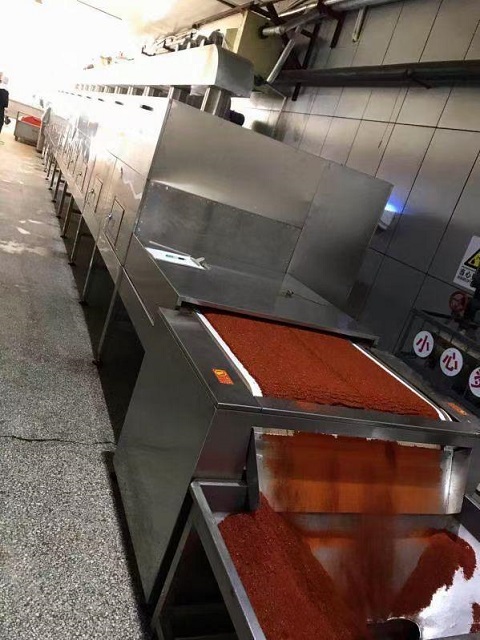
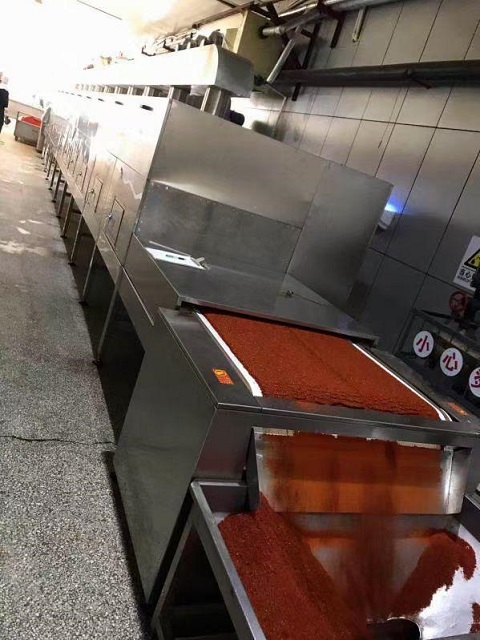
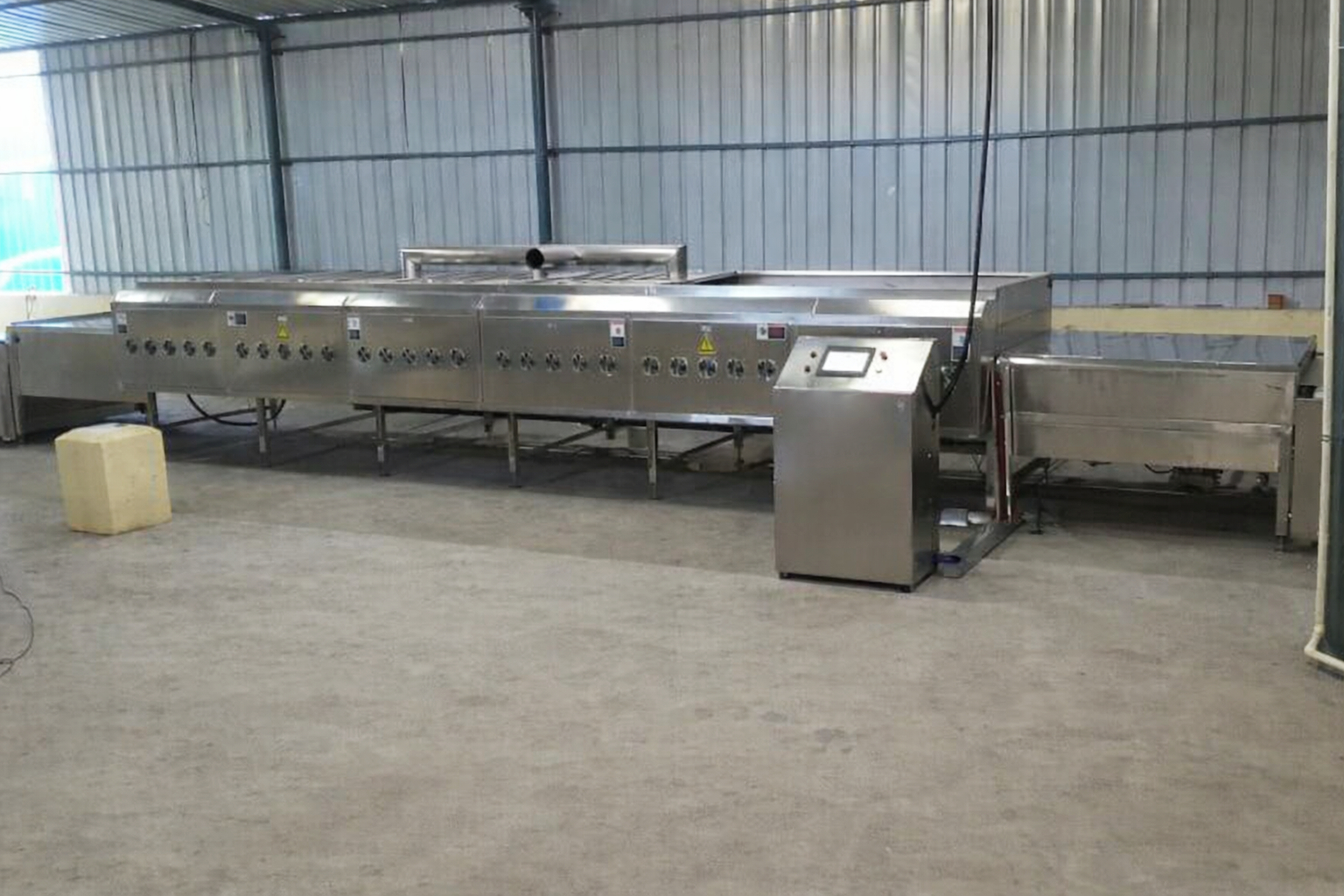
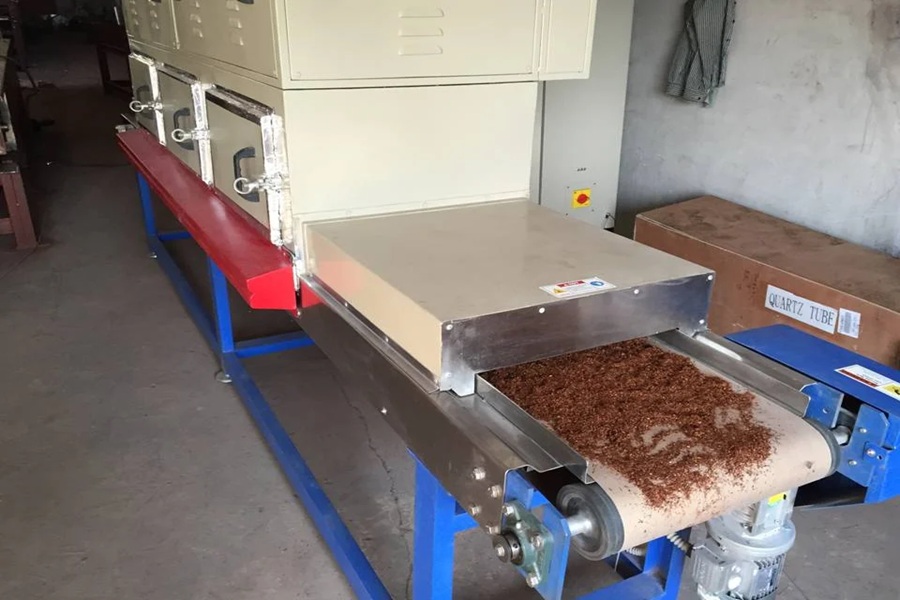
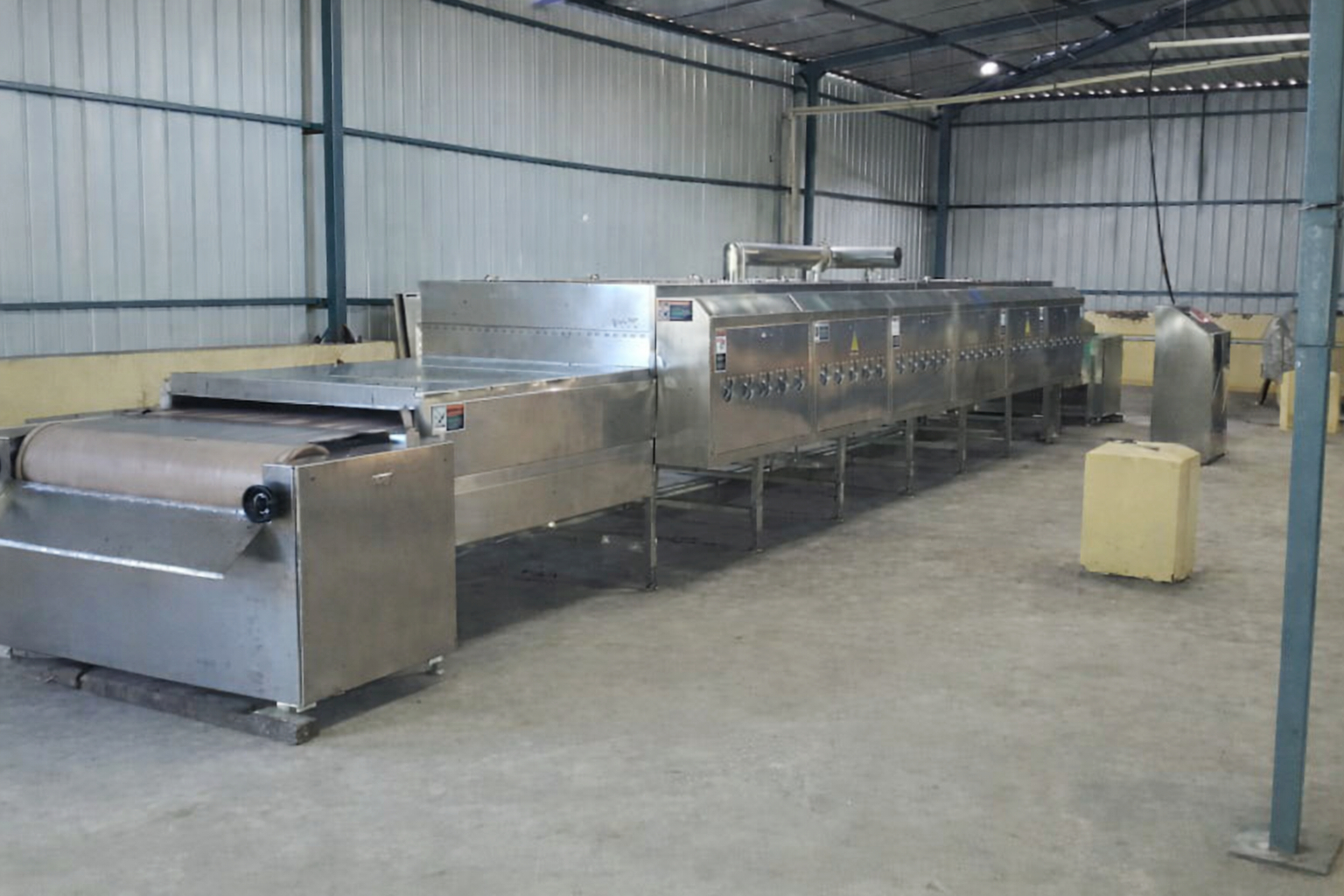
Kerone’s spice drying system range includes low-temperature multi-band belt dryers for cut and ground spices, heat pump spice dryers for whole and minimally processed spices requiring maximum essential oil preservation, vibro-fluidised bed dryers for granular spice materials such as coriander seeds and cumin seeds, tray dryers for small batch and premium spice varieties, and hot air circulation cabinet dryers for high-value aromatic spices such as saffron, vanilla, and star anise where dedicated batch processing justifies the higher equipment cost. For chilli processing, Kerone offers high-capacity rotary drum systems capable of processing whole dried chilli pods before milling, integrating the pre-drying of green chillies with final moisture reduction in a single continuous pass.
Key Features
Low-temperature drying capability at 40–65°C inlet air temperature, preserving volatile terpene and sesquiterpene essential oil compounds that degrade significantly above 70°C
Heat pump spice drying option providing closed-loop drying air recirculation at temperatures as low as 35°C, ideal for aromatic high-value spices such as cardamom, coriander, and fennel
Low air velocity design (<1.5 m/s over product surface) reducing surface stripping of volatile surface oils from intact spice pods, seeds, and cut pieces
Hygienic design with stainless steel contact surfaces, smooth weld lines, and no product-trapping ledges, critical for meeting global food safety standards in spice processing for export markets
Integrated microbiological reduction capability through controlled high-temperature finishing zone (80–90°C short exposure) for steam-free Salmonella reduction in high-risk spice categories
Continuous moisture monitoring at dryer discharge with automatic adjustment to belt speed and temperature to maintain final moisture below 10% for shelf-stable spice specification
Multi-product flexibility with rapid changeover between spice types, including documented cleaning procedures to prevent cross-contamination of flavour profiles between product campaigns
Automatic exhaust air control maintaining inlet air relative humidity at 10–20% regardless of ambient conditions, ensuring consistent drying performance across seasonal weather variations
Powered by AI, ML & IoT
Future-Ready Engineering Driven by AI & IoT
Our advanced AI, ML, and IoT technologies, this solution delivers smarter automation, real-time insights, and predictive intelligence to enhance efficiency and drive future-ready growth.
Real-Time Monitoring & Control
Continuous tracking of process parameters with instant adjustments.
Predictive Maintenance
Intelligent fault detection to prevent failures before they occur.
Adaptive Process Optimization
Dynamic tuning of operations for maximum output and efficiency.
Cloud Dashboards & Analytics
Unified access to real-time insights and performance trends.
Energy & Resource Savings
Smarter utilization of energy to cut costs and reduce waste.
Secure IoT Connectivity
Encrypted data flow with seamless integration across plant systems.
Applications of Spice Drying Systems
Kerone’s Spice Drying Systems are extensively used across the global spice processing, seasoning, and food ingredient industries. Typical applications include:
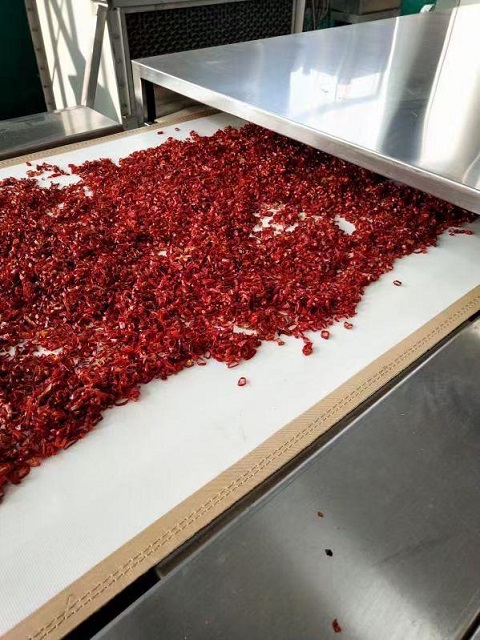
Red chilli and paprika drying for production of dried whole chillies, crushed chilli flakes, and paprika powder in Indian, Spanish, and Hungarian spice processing operations
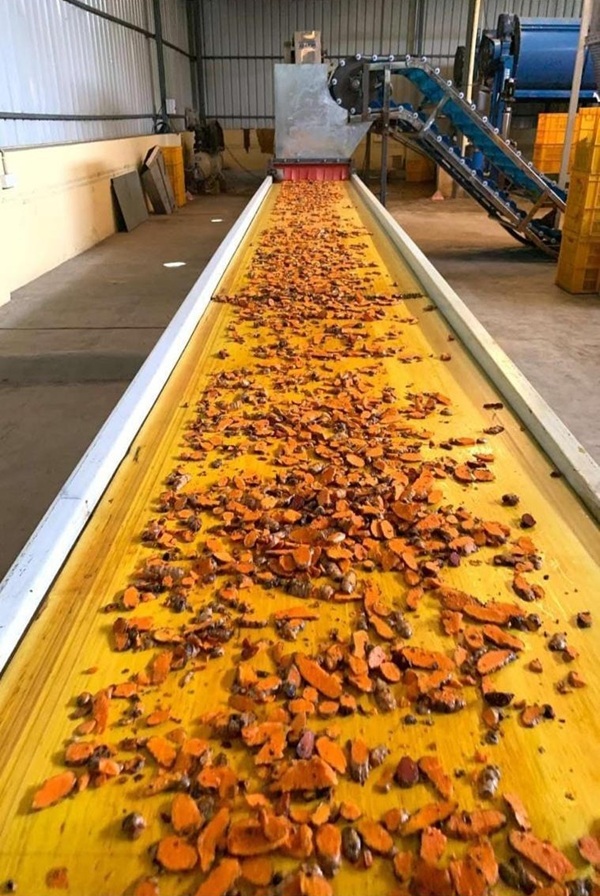
Turmeric rhizome drying and curing for production of dried turmeric slices and polished turmeric fingers for domestic markets and for milling to curcumin-standardised turmeric powder for food ingredient and nutraceutical applications
Mixed herb and leaf spice drying for basil, oregano, mint, bay, rosemary, and thyme processing in Mediterranean herb export operations producing premium culinary and food ingredient grade products
Seed spice drying for coriander, cumin, fennel, caraway, and fenugreek seeds for food and ayurvedic medicine ingredient markets requiring moisture below 9% for safe storage and export
High-value aromatic spice processing for cardamom, cloves, cinnamon, and nutmeg where essential oil retention above 90% of fresh material is the primary commercial quality specification
Ginger root drying and pre-dehydration for ginger powder production, candied ginger ingredient processing, and oleoresin extraction grade ginger preparation
Spice drying is where food quality and process engineering interact with the highest commercial stakes, because the aromatic character that determines a spice’s market value cannot be recovered once it has been driven off by excessive heat or inappropriate drying conditions. Kerone Engineering Solutions’ spice drying systems are designed by engineers who understand spice chemistry and who engineer to preserve it, delivering systems that produce dried spices consistently at the quality levels global markets demand. From small-scale artisan spice processors to large export-oriented agri-processing facilities, Kerone’s spice drying solutions are scaled and configured for every production context.
Seamless Export Connections Global & Local
Our Global Footprint in Industrial Excellence
Delivering world-class industrial and process solutions across countries with precision, innovation, and reliability.
Peru
Chile
Argentina
Mexico
Colombia
Brazil
USA
Canada
United Kingdom
France
Germany
Spain
Italy
Netherlands
Sweden
Switzerland
Poland
Portugal
Ireland
Czechia
Romania
Hungary
Austria
Greece
Kazakhstan
Uzbekistan
Turkmenistan
Algeria
Egypt
Nigeria
Kenya
South Africa
Saudi Arabia
UAE
Israel
Russia
India
China
Japan
South Korea
Thailand
Vietnam
Malaysia
Singapore
Indonesia
Philippines
Australia
New Zealand
Pan-India Presence. Local Expertise.
Raipur
Bilaspur
Panaji
Vasco da Gama
Gandhinagar
Ahmedabad
Surat
Chandigarh
Gurgaon
Shimla
Manali
Bengaluru
Mysore
Kochi
Pune
Mumbai
Thane
Navi Mumbai
Hyderabad
Chennai
Coimbatore
Kolkata
Lucknow
Jaipur
Udaipur
Jodhpur
Dehradun
Haridwar
Bhubaneswar
Product Gallery
Frequently Asked Questions (FAQ)
Cardamom's essential oil, predominantly terpinen-4-ol and 1,8-cineole, begins to degrade significantly above 55°C. Kerone recommends heat pump drying at 40–50°C for cardamom, with total residence time of 24–36 hours for whole green pods to achieve 9–11% final moisture.
Kerone's belt drying systems can incorporate a high-temperature, short-residence finishing zone operating at 80–90°C with controlled humidity, providing thermal pasteurisation equivalent to steam treatment for Salmonella reduction in dry conditions without reintroducing moisture.
ISO 939 specifies maximum moisture content for most dried spices at 10–12%, though many international buyers and food manufacturers specify below 9% or 8% for premium grades. Kerone's systems are targeted to achieve buyer-specified moisture consistently.
Yes. Kerone's tunnel belt dryers and rotary drum pre-dryers are both configured for whole chilli pod processing. Belt speed and air circulation are adjusted to account for the higher surface-to-volume ratio of whole pods versus cut material.
Kerone designs spice dryers with accessible, tool-free removal of belt sections and air distribution components. Documented changeover cleaning procedures using validated dry cleaning and visual inspection protocols ensure flavour and allergen cross-contamination is eliminated.
ASTA (American Spice Trade Association) colour units are the standard for paprika and chilli colour assessment. Kerone incorporates inline spectrophotometric measurement at dryer discharge to monitor ASTA colour throughout the drying campaign.
Yes, with careful temperature control. Fresh ginger gingerol converts to shogaol during drying, the ratio is determined by temperature. Kerone's process design can be targeted to specific gingerol-to-shogaol ratios required for pharmaceutical versus food flavouring applications.
Kerone's multi-product belt dryers can handle both categories with process parameter adjustment, though dedicated equipment for each category is recommended for large-scale operations requiring simultaneous processing of multiple spice types.
Heat pump spice drying at 45–55°C achieves energy efficiency ratios of 3.5–4.5, meaning 1 kWh of electrical input delivers 3.5–4.5 kWh of thermal drying energy. This represents a 55–65% reduction in energy cost versus direct electric or gas heating at the same drying temperature.
Kerone designs spice dryers for inline metal detection compatibility, specifies food-grade fastener materials, eliminates bare cast iron components from product zones, and designs for regular magnetic separator maintenance as part of the operational hygiene procedure.
Yes. Kerone supplies integrated turmeric drying and polishing lines where dried rhizome fingers exit the dryer and pass directly to a rotating drum polisher before milling, providing a complete processing solution from fresh rhizome to polished dried finger.
Fresh red chillies at 80% moisture require evaporation of approximately 800 kg of water per tonne of fresh material to reach 10% moisture. At typical hot air belt dryer performance, this requires 600–900 kWh per tonne of water evaporated, or approximately 500–720 kWh per tonne fresh chilli processed.
Kerone can supply and integrate hammer mills, pin mills, and classifying mills downstream of the spice drying system as part of a complete spice processing line from fresh material to finished powder.
Yes. Kerone's spice processing lines are designed to comply with FSSAI Food Safety and Standards Regulations, Spices Board of India export quality standards, and EU Regulation 2073/2005 on microbiological criteria, with full documentation support for certification.
Standard capacity spice belt drying systems (1–5 tonnes/hour throughput) are typically delivered within 14–18 weeks. Heat pump spice dryers and bespoke multi-spice processing lines require 18–24 weeks from order to commissioning.
Kerone’s custom-designed heating and processing solutions are built to meet the demands of your growing operations. Whether you’re upgrading equipment, expanding production, or need a tailor-made solution


 Peru
Peru Chile
Chile Argentina
 Mexico
 Colombia
 Brazil
 USA
USA Canada
 United Kingdom
 France
 Germany
 Spain
Spain Italy
Italy Netherlands
 Sweden
 Switzerland
 Poland
 Portugal
 Ireland
 Czechia
 Romania
 Hungary
 Austria
 Greece
 Kazakhstan
 Uzbekistan
 Turkmenistan
 Algeria
 Egypt
Egypt Nigeria
 Kenya
Kenya South Africa
 Saudi Arabia
 UAE
UAE Israel
 Russia
 India
India China
China Japan
Japan South Korea
 Thailand
 Vietnam
 Malaysia
 Singapore
 Indonesia
 Philippines
 Australia
 New Zealand