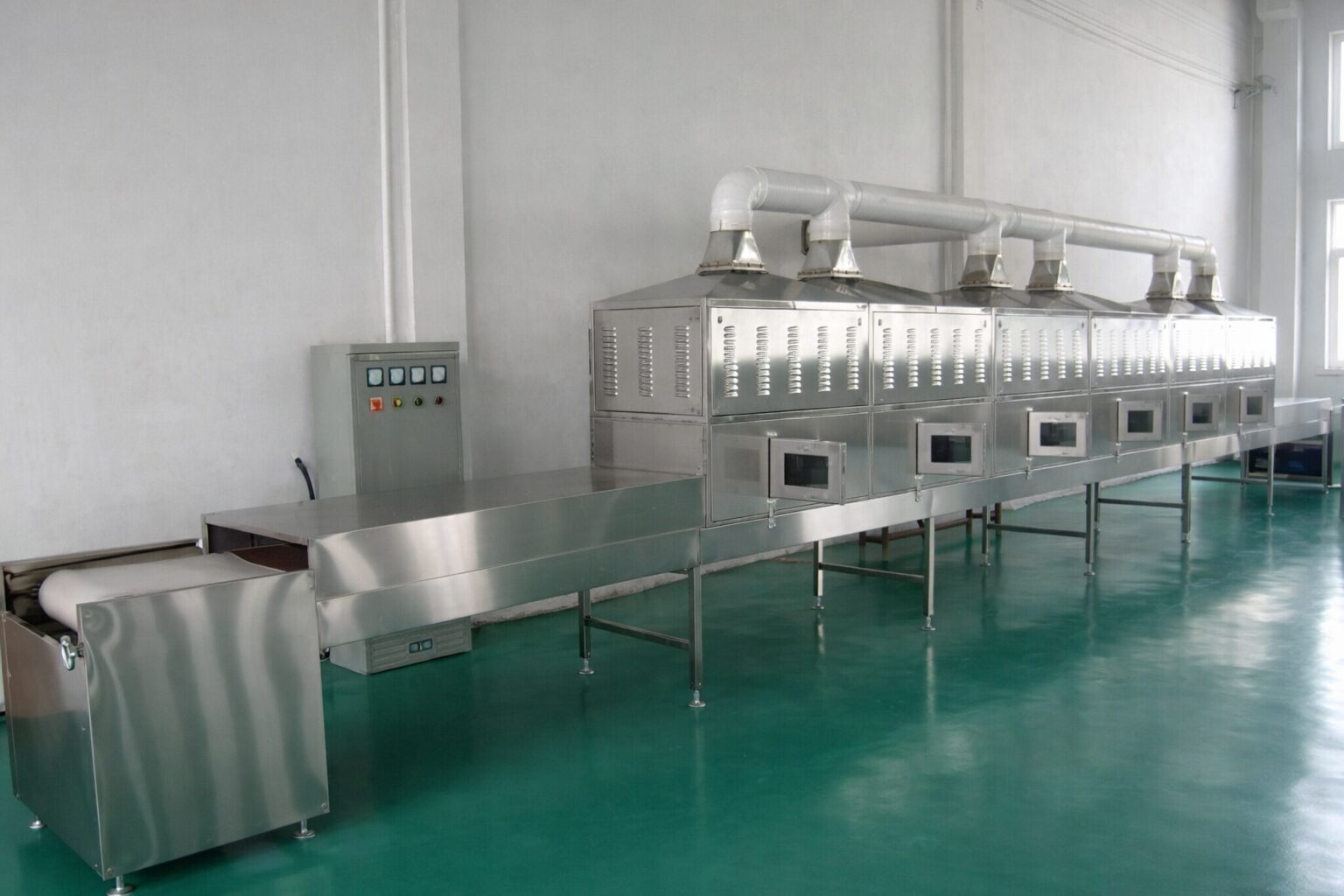
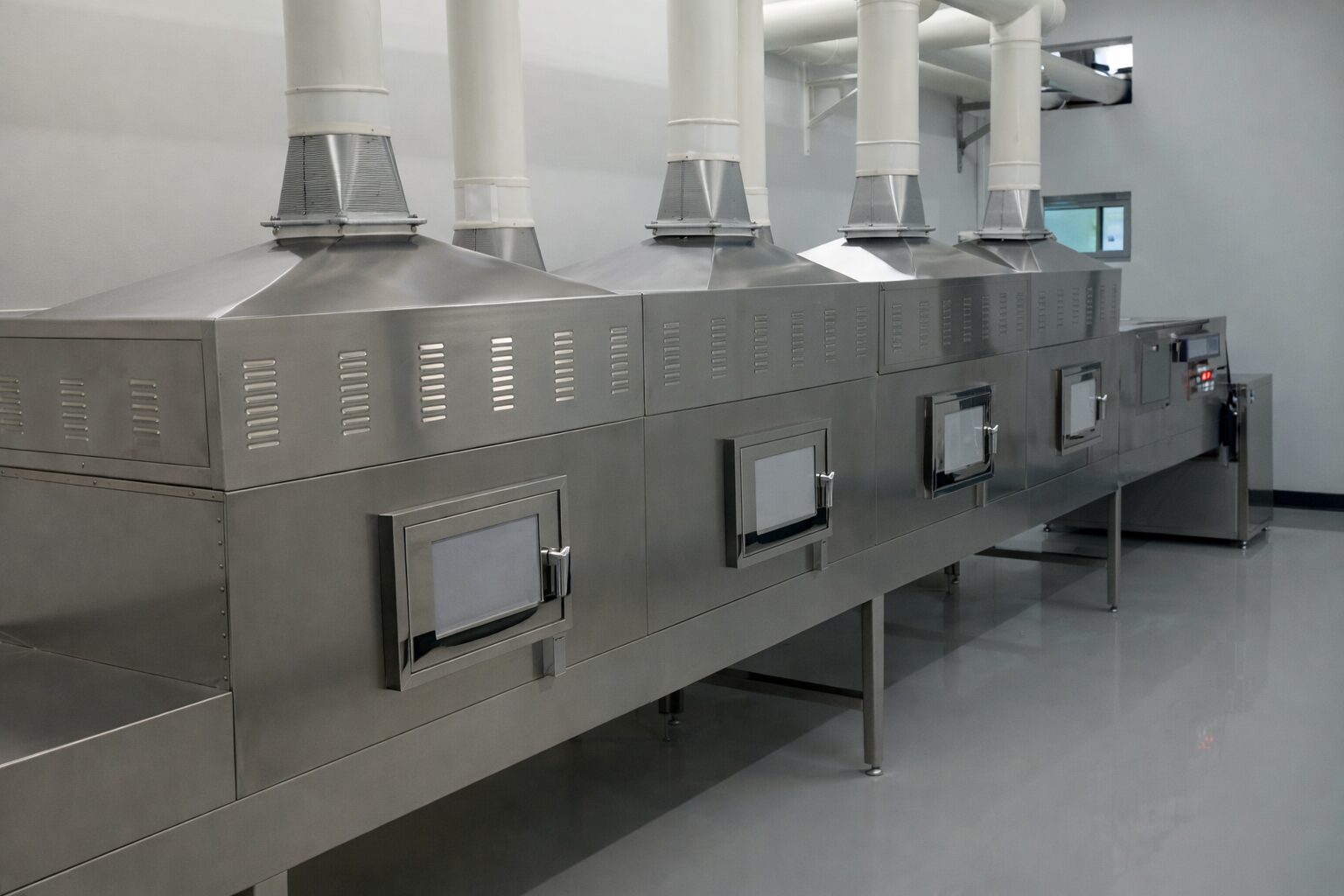
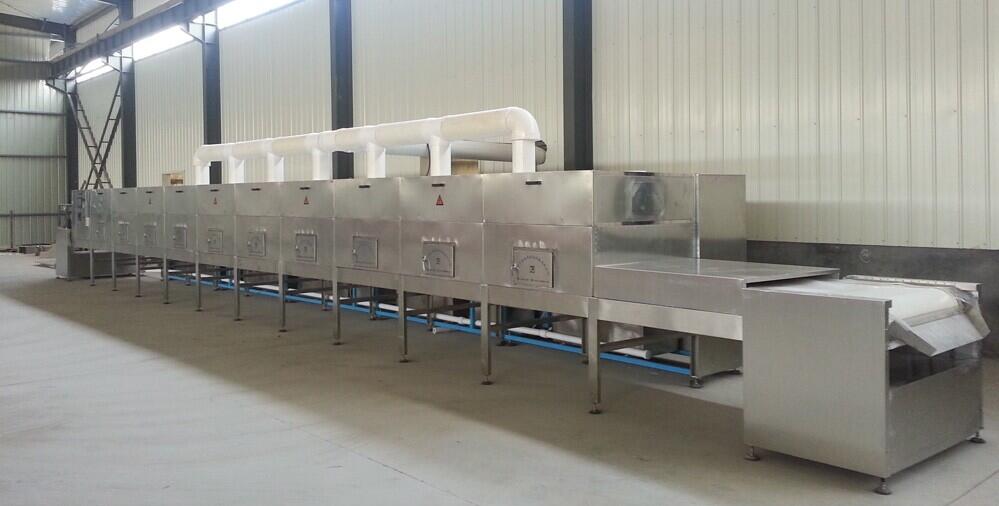
Kerone has been a trusted name in innovative industrial engineering for more than 50 years. Our Microwave Drying – Black Soldier Fly (BSF) Processing systems are designed to deliver high-efficiency processing, optimized performance, and consistent output across multiple industrial sectors.
MW Air Jet Plasma is an advanced industrial technology that combines microwave energy with compressed air to generate a high-temperature, high-velocity plasma jet without the need for electrodes or vacuum systems. Kerone’s Microwave Air Jet Plasma systems operate at atmospheric pressure, making them exceptionally versatile for surface treatment, material modification, and plasma-assisted chemical processes.
Kerone brings decades of industrial microwave engineering expertise to the rapidly growing insect farming industry. Our BSF microwave drying systems are custom-designed to meet the throughput, hygiene, and regulatory requirements of modern insect processing facilities. We offer end-to-end support from process design and equipment fabrication to installation, commissioning, and after-sales service. Kerone’s systems are built with food-grade stainless steel, feature precise power control for delicate biomass processing, and comply with international safety and quality standards. Our commitment to innovation ensures that our clients benefit from the most energy-efficient and process-optimized BSF drying solutions available in the market today.
Types and Features of Microwave Drying - Black Soldier Fly (BSF) Processing
Kerone offers both batch and continuous tunnel microwave drying systems for BSF processing, tailored to suit small-scale farms and large commercial operations alike. The continuous belt dryer is ideal for high-volume operations, enabling consistent throughput of larvae and prepupae with minimal manual intervention. Batch systems provide flexibility for varied biomass types and smaller production runs. Key design features include adjustable microwave power density, real-time moisture sensing with closed-loop control, hygienic conveyor belts with easy cleaning access, temperature uniformity monitoring, and modular construction for future capacity expansion. All systems incorporate microwave leakage protection and interlocked safety enclosures to ensure operator safety.
Key Features
High thermal and processing efficiency
Low maintenance and easy operation
Suitable for heat-sensitive materials
Fully adjustable and customizable process parameters
Available in batch and continuous configurations
Uniform processing and consistent product quality
Powered by AI, ML & IoT
Future-Ready Engineering Driven by AI & IoT
Our advanced AI, ML, and IoT technologies, this solution delivers smarter automation, real-time insights, and predictive intelligence to enhance efficiency and drive future-ready growth.
Real-Time Monitoring & Control
Continuous tracking of process parameters with instant adjustments.
Predictive Maintenance
Intelligent fault detection to prevent failures before they occur.
Adaptive Process Optimization
Dynamic tuning of operations for maximum output and efficiency.
Cloud Dashboards & Analytics
Unified access to real-time insights and performance trends.
Energy & Resource Savings
Smarter utilization of energy to cut costs and reduce waste.
Secure IoT Connectivity
Encrypted data flow with seamless integration across plant systems.
Applications of Microwave Drying - Black Soldier Fly (BSF) Processing
Food, rubber, chemical, and material processing
Waste treatment and recycling
Biomass power and renewable energy systems
Pharmaceutical, textile, and mineral industries
Research, laboratory, and pilot-scale production
High-temperature processing and thermal decomposition
Kerone’s Microwave Drying systems for Black Soldier Fly Processing represent a transformative step forward for the insect farming industry. By combining advanced microwave technology with deep application expertise, Kerone delivers drying solutions that are faster, cleaner, and more energy-efficient than any conventional alternative. As the global demand for sustainable protein sources grows, Kerone stands ready to support insect producers with reliable, scalable, and innovative processing equipment that drives profitability and environmental responsibility.
Seamless Export Connections Global & Local
Our Global Footprint in Industrial Excellence
Delivering world-class industrial and process solutions across countries with precision, innovation, and reliability.
Peru
Chile
Argentina
Mexico
Colombia
Brazil
USA
Canada
United Kingdom
France
Germany
Spain
Italy
Netherlands
Sweden
Switzerland
Poland
Portugal
Ireland
Czechia
Romania
Hungary
Austria
Greece
Kazakhstan
Uzbekistan
Turkmenistan
Algeria
Egypt
Nigeria
Kenya
South Africa
Saudi Arabia
UAE
Israel
Russia
India
China
Japan
South Korea
Thailand
Vietnam
Malaysia
Singapore
Indonesia
Philippines
Australia
New Zealand
Pan-India Presence. Local Expertise.
Raipur
Bilaspur
Panaji
Vasco da Gama
Gandhinagar
Ahmedabad
Surat
Chandigarh
Gurgaon
Shimla
Manali
Bengaluru
Mysore
Kochi
Pune
Mumbai
Thane
Navi Mumbai
Hyderabad
Chennai
Coimbatore
Kolkata
Lucknow
Jaipur
Udaipur
Jodhpur
Dehradun
Haridwar
Bhubaneswar
Product Gallery
Frequently Asked Questions (FAQ)
It is used for efficient processing, heating, drying or material transformation.
High efficiency, process reliability and complete customization.
Food, chemical, pharma, biomass, rubber, textile and more.
Kerone ensures high product quality through strict engineering standards, advanced testing procedures, and precision-controlled manufacturing systems.
Kerone's systems are designed to handle BSF biomass with initial moisture content ranging from 60% to 80%, achieving final moisture levels below 10% as required for safe storage.
Yes, Kerone offers continuous tunnel microwave dryers with conveyor belt systems that allow uninterrupted high-volume production for commercial insect farms.
The systems include microwave leakage detectors, interlocked access doors, emergency stop mechanisms, overtemperature protection, and compliance with IEC safety standards.
Fresh BSF larvae and prepupae carry high moisture content alongside an active enzymatic and microbial load, meaning the biomass begins to degrade through autolysis and microbial growth almost immediately after harvest if not stabilized quickly. Slow drying methods extend the window during which these degradation processes continue, risking protein quality loss, off-odor development, and microbial proliferation before the moisture content drops low enough to halt spoilage. Microwave drying addresses this by rapidly removing moisture throughout the biomass simultaneously rather than relying on surface evaporation, shortening the vulnerable window and helping preserve protein integrity and the nutritional value that makes BSF biomass valuable as an animal feed ingredient.
Conventional oven drying relies on hot air convection over an extended period, during which prolonged heat exposure can degrade heat-sensitive proteins and oxidize the lipid fraction, which is particularly significant for BSF larvae given their naturally high fat content. Microwave drying's shorter processing time and more uniform internal heating reduce the cumulative thermal exposure the biomass experiences, which generally supports better retention of protein digestibility and reduces lipid oxidation compared to extended conventional drying. The degree of improvement depends on the specific drying parameters and initial moisture content, so processors evaluating the switch typically run comparative nutritional analysis on dried product from both methods using their own larvae before finalizing a production process.
Fresh BSF larvae and prepupae typically arrive at the dryer with moisture content in the 60 to 80 percent range depending on harvest timing, feed substrate, and larval growth stage at collection. This high initial moisture content actually works in favor of microwave processing, since water is the primary medium through which microwave energy is absorbed, meaning wetter biomass couples efficiently with the microwave field from the start of the drying cycle. Kerone's systems are designed to handle this typical moisture range and bring final moisture content down below 10 percent, which is the threshold generally required for safe long-term storage without risk of mould growth or further microbial activity.
Insect farming facilities need to manage biosecurity risks from both the incoming organic waste feedstocks used to raise larvae and the potential for cross-contamination between batches on shared processing equipment. Kerone's BSF drying systems use food-grade stainless steel construction with hygienic conveyor belt designs that allow thorough cleaning between batches, reducing the risk of microbial carryover. Because the drying process itself achieves significant microbial reduction through the heat generated, the drying step also contributes to the facility's overall biosecurity strategy, though it should be considered one control point within a broader hygiene program rather than a substitute for proper feedstock sourcing and facility sanitation practices.
Energy cost per kilogram of dried product is a critical economic factor in insect protein production, where margins are often tighter than in more established protein industries. Microwave drying's direct energy coupling with the moisture in the biomass, rather than heating a large volume of surrounding air as conventional dryers do, generally results in lower energy consumption per kilogram of water removed, which directly supports the economics of commercial-scale operations. The exact energy efficiency achieved depends on dryer loading density, target final moisture content, and how well the system's power settings are matched to the biomass's actual moisture removal curve, making process optimization during commissioning an important step for controlling long-term operating costs.
Yes, continuous tunnel microwave dryers are specifically designed to integrate into automated production workflows where freshly harvested larvae move directly from separation equipment onto the dryer conveyor without manual intermediate handling. This direct integration is particularly valuable for BSF processing given how quickly fresh biomass begins to degrade, since minimizing the time between harvest and moisture stabilization directly supports final product quality. Real-time moisture sensing with closed-loop control allows the system to automatically adjust to natural batch-to-batch variation in incoming larvae moisture content without requiring manual recalibration, supporting the kind of consistent, low-labor operation that automated insect farming facilities are designed around.
Kerone’s custom-designed heating and processing solutions are built to meet the demands of your growing operations. Whether you’re upgrading equipment, expanding production, or need a tailor-made solution


 Peru
Peru Chile
Chile Argentina
 Mexico
 Colombia
 Brazil
 USA
USA Canada
 United Kingdom
 France
 Germany
 Spain
Spain Italy
Italy Netherlands
 Sweden
 Switzerland
 Poland
 Portugal
 Ireland
 Czechia
 Romania
 Hungary
 Austria
 Greece
 Kazakhstan
 Uzbekistan
 Turkmenistan
 Algeria
 Egypt
Egypt Nigeria
 Kenya
Kenya South Africa
 Saudi Arabia
 UAE
UAE Israel
 Russia
 India
India China
China Japan
Japan South Korea
 Thailand
 Vietnam
 Malaysia
 Singapore
 Indonesia
 Philippines
 Australia
 New Zealand