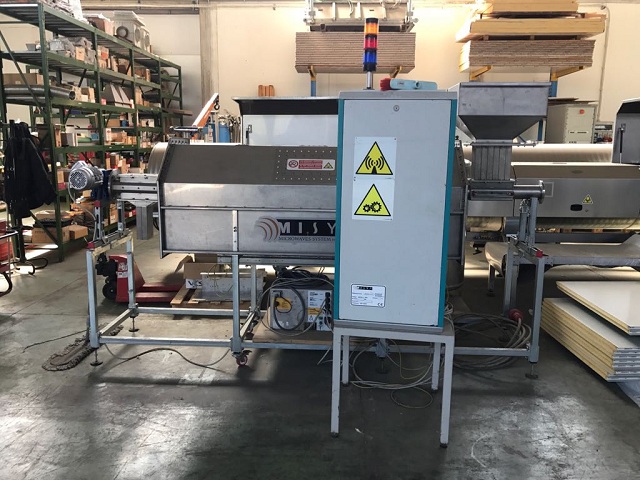
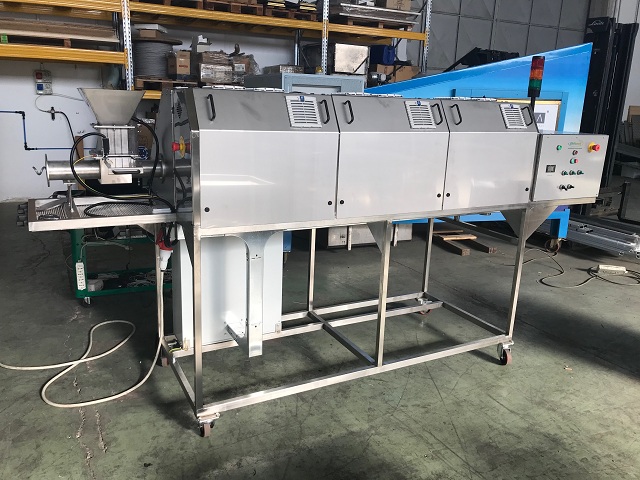
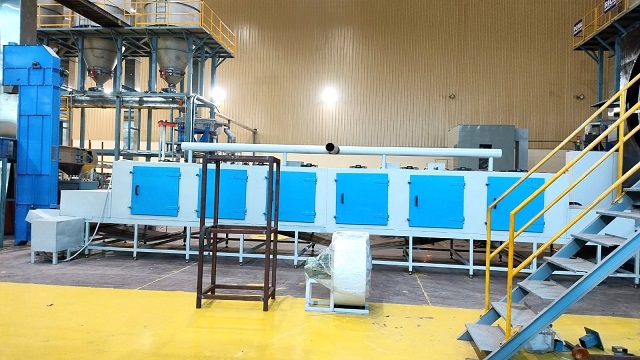
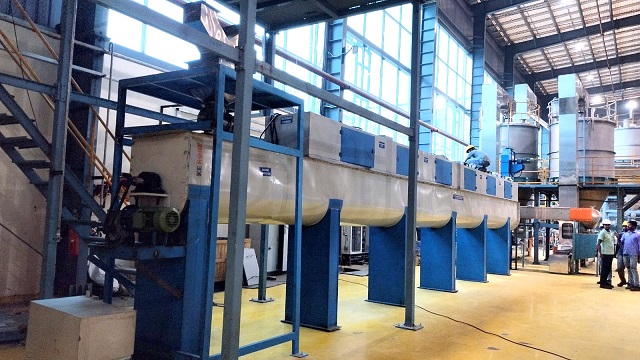
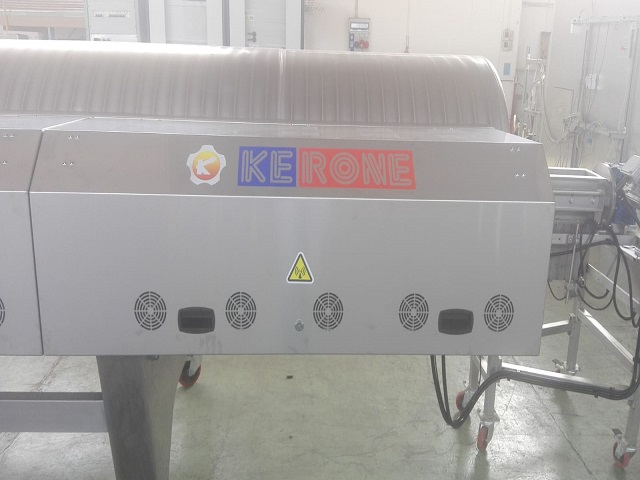
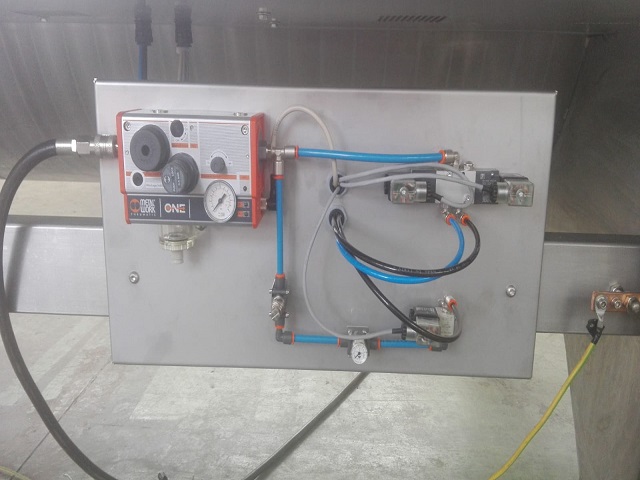
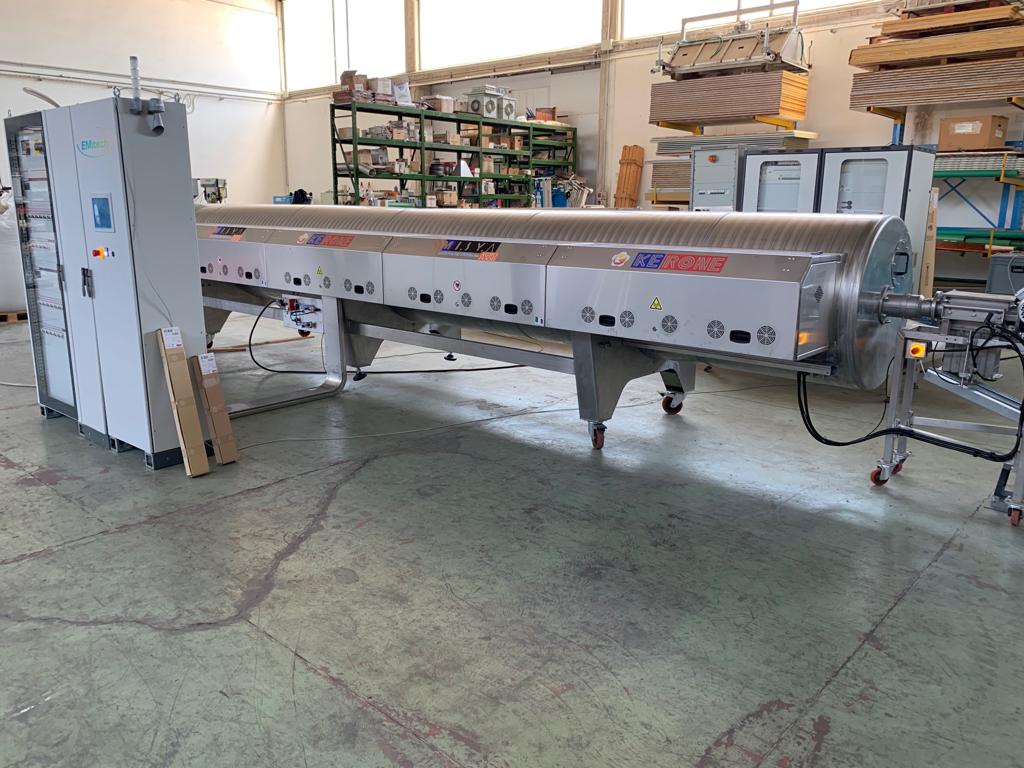
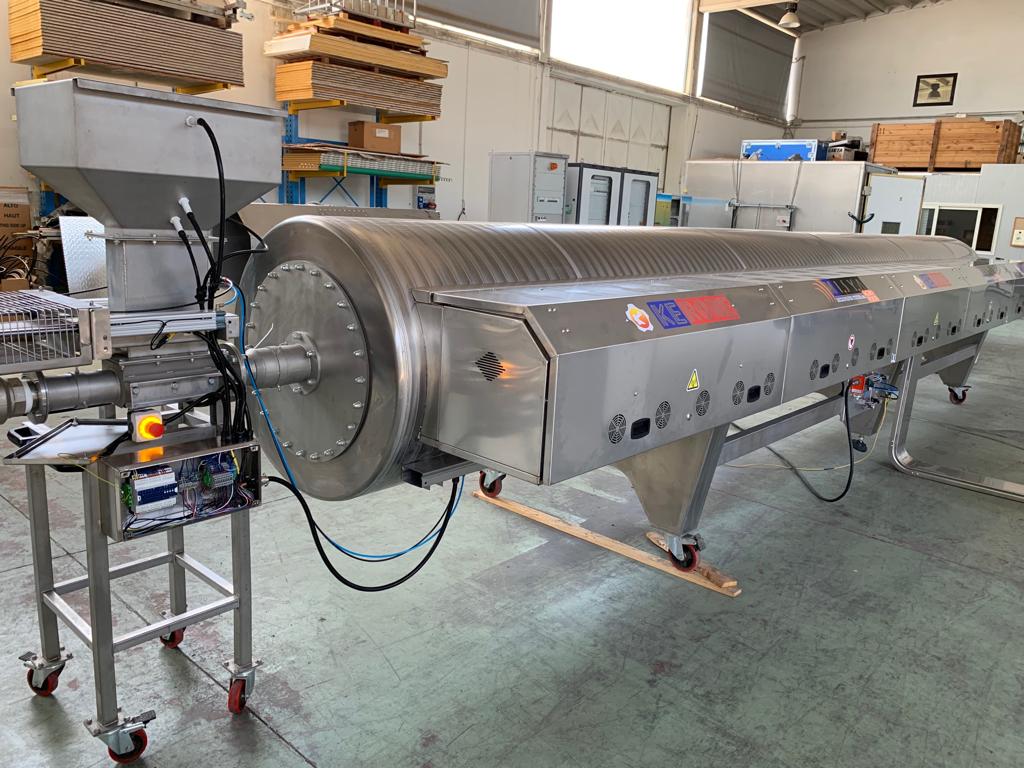
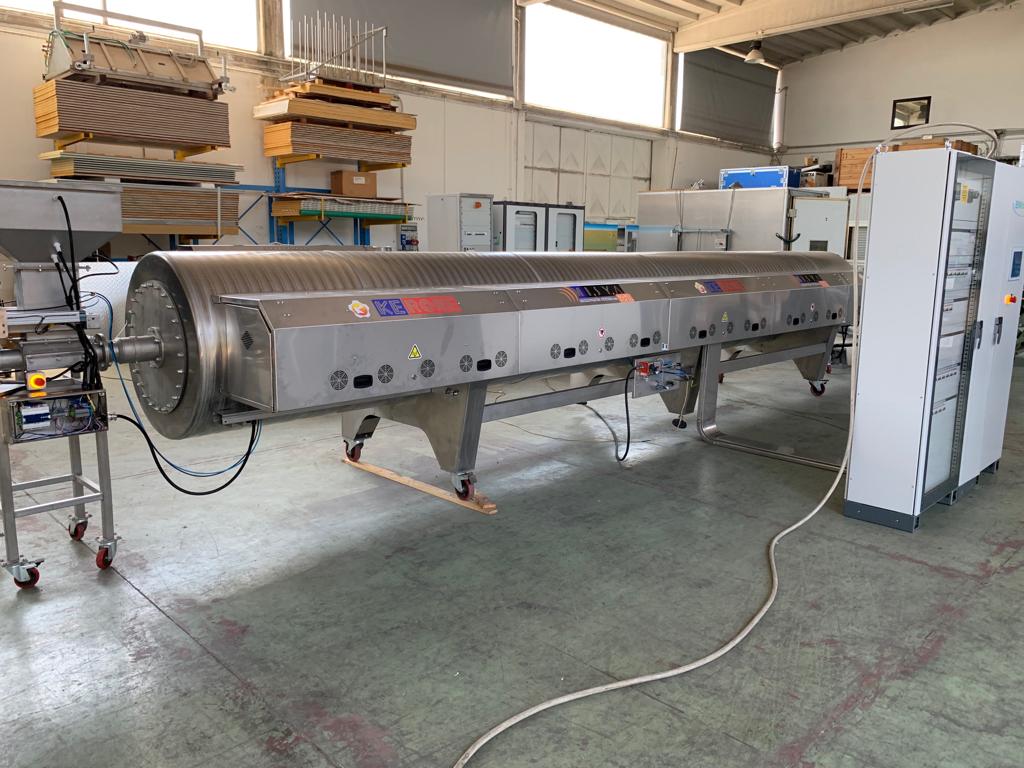
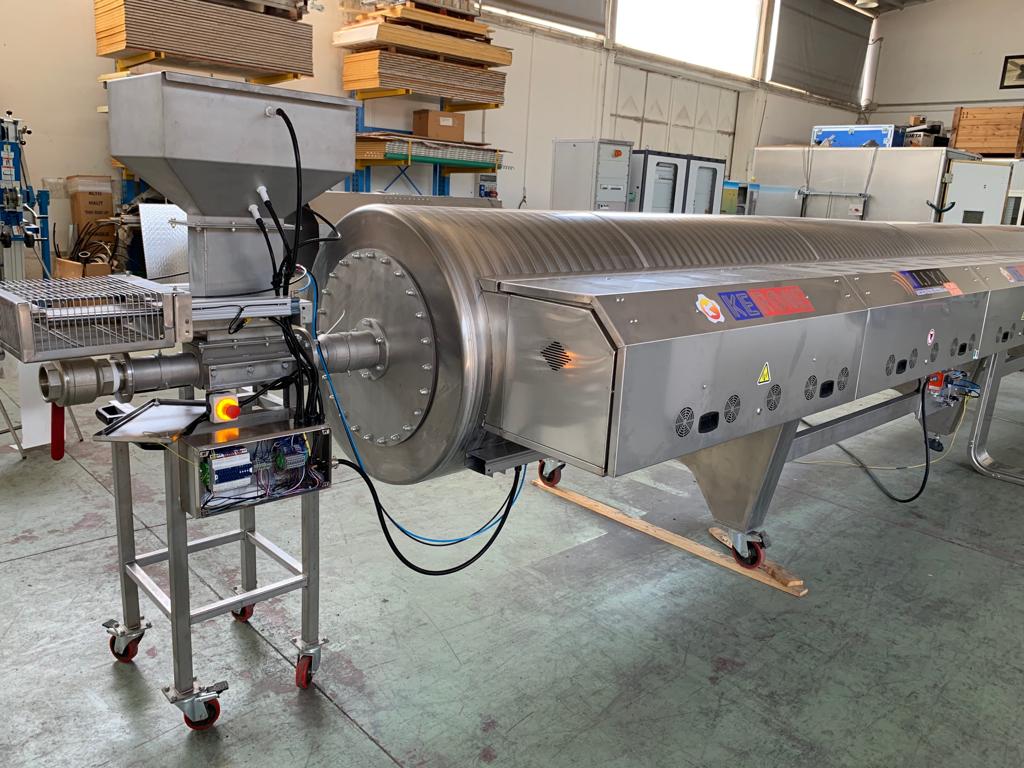
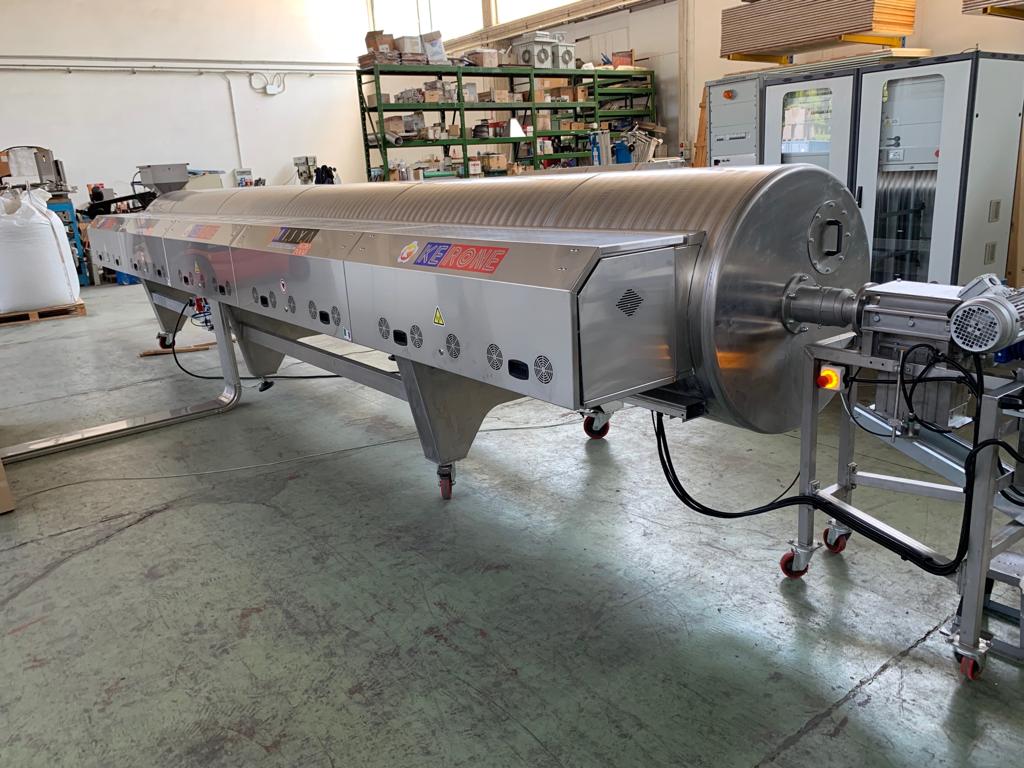
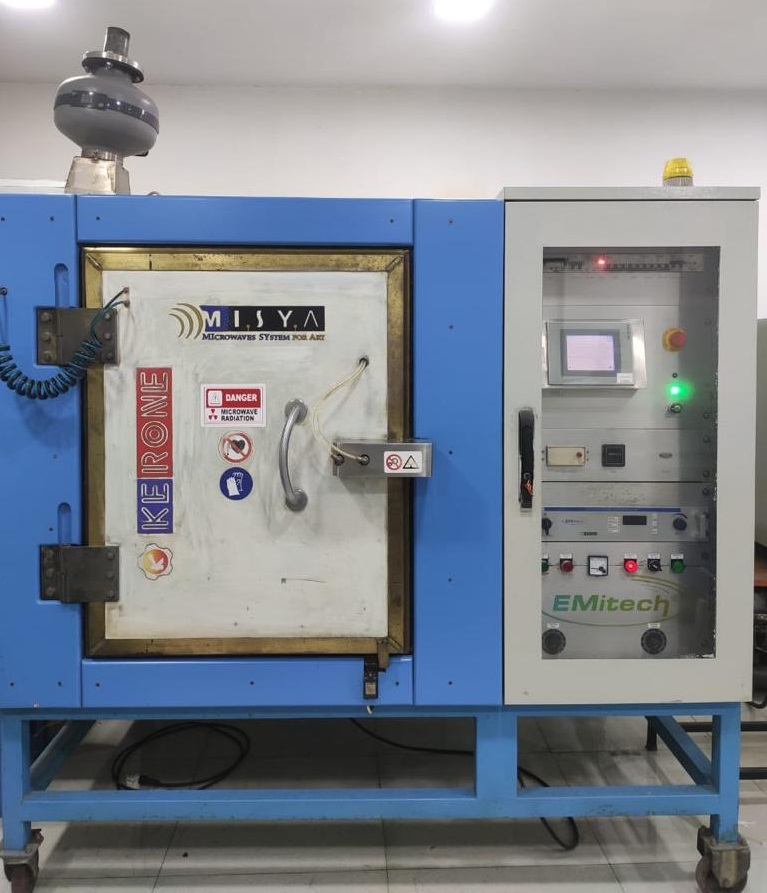
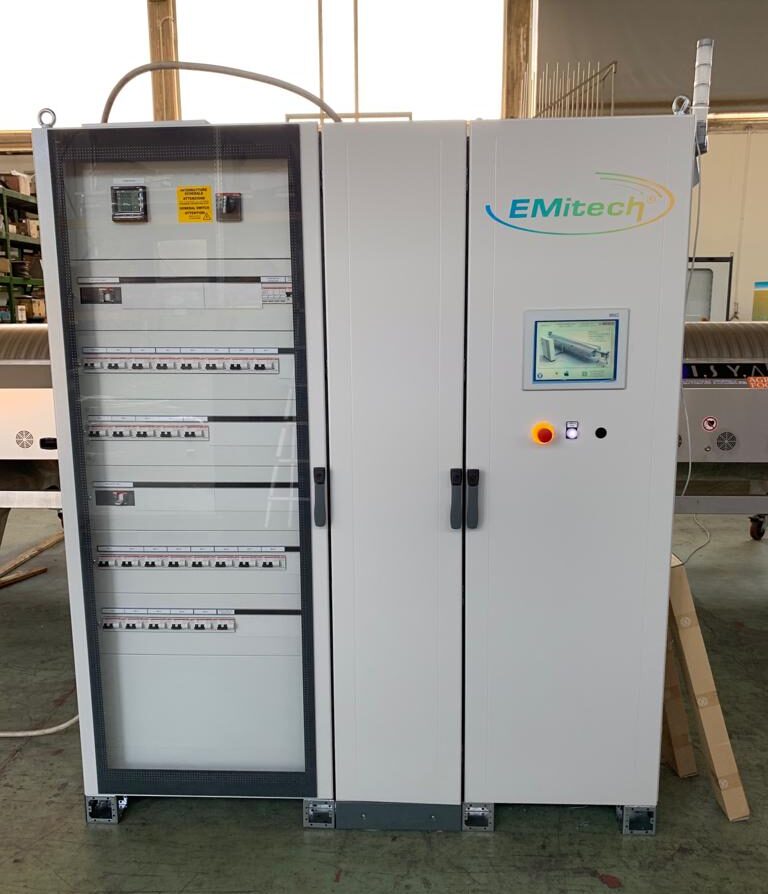
Kerone’s Microwave Sterilization and Disinfestations Systems utilize high-frequency microwave energy to eliminate microorganisms, insects, larvae, eggs, and pests from food, grains, powders, spices, packaging materials, pharmaceuticals, and industrial products. Microwave energy penetrates deep into the material, heating it volumetrically and rapidly. This leads to quick microbial inactivation and pest destruction without compromising quality, colour, aroma, or nutritional value. This technology provides a chemical-free, residue-free, and environmentally safe alternative to fumigation or thermal sterilization. Combined with pathogen sterilization capability, Kerone’s integrated microwave systems offer a single-pass treatment solution that simultaneously addresses both microbial food safety and insect pest control requirements, replacing chemical fumigation, phosphine treatment, and heat chamber approaches with a faster, safer, and more controllable alternative.
Why Choose Kerone Microwave Sterilization and Disinfestations System
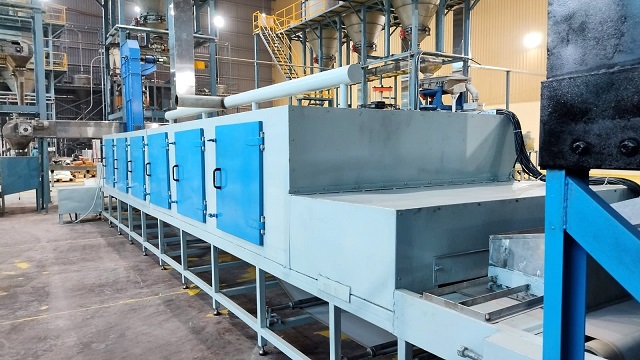
Kerone integrates advanced microwave generators, waveguides, field distribution chambers, material-handling conveyors, and controlled heating algorithms. This ensures uniform penetration of microwave energy across the entire product mass, achieving complete sterilization even in dense or unevenly packed materials. These systems significantly reduce sterilization time, improve throughput, eliminate chemical dependency, and maintain product integrity. Kerone designs batch and continuous models suitable for large-scale industrial processing.
Kerone has developed specialized expertise in designing microwave sterilization and disinfestations systems for bulk and packaged food products, with deep understanding of the specific insect biology, microbial inactivation kinetics, and product quality preservation requirements of each application. Our systems are engineered to achieve the temperature-time combinations required for regulatory-approved disinfestations while minimizing quality impact on temperature-sensitive commodities including nuts, dried fruits, and spices. Kerone provides comprehensive process validation support including biological challenge testing, temperature distribution mapping, and regulatory documentation to support clients in obtaining approval for chemical-free microwave treatment as an alternative to regulated fumigants.
Types and Features of Microwave Sterilization and Disinfestations System
Kerone’s Microwave Sterilization and Disinfestation Systems are engineered in diverse configurations to address a wide spectrum of food, pharmaceutical, and industrial sterilization needs. Batch microwave sterilizers provide controlled, chamber-based processing ideal for small- to medium-volume sterilization of spices, herbs, powders, and packaged items, allowing precise power selection and uniform energy distribution. Continuous conveyorized microwave sterilizers integrate high-frequency microwave applicators with adjustable conveyor speed, enabling uninterrupted, high-throughput sterilization for grains, seeds, nuts, cereals, and bulk food materials while ensuring consistent temperature control across moving product layers. Hybrid microwave + hot air systems combine volumetric microwave heating with convective hot air, enhancing uniform dryness, microbial inactivation, and pest control—especially for dense or moisture-variable products. Microwave disinfestation units for grains and powders are designed to target insects, larvae, and eggs with rapid internal heating, ensuring complete disinfestation without chemical fumigants or loss of product quality. For advanced precision, multi-frequency microwave systems employ dual or variable frequencies to improve field uniformity, reduce cold spots, and stabilize heating in irregularly shaped or unevenly packed materials. Each system is built with hygienic stainless-steel construction, multimode cavities, optimized waveguides, and intelligent PLC control to deliver repeatable, energy-efficient, and residue-free sterilization across diverse industrial applications.
Key Features
Fast microbial and pest elimination with deep penetration.
Uniform heating via multi-mode cavity design.
No chemicals, no fumigants, and no residues.
Preserves nutritional value, aroma, and organoleptic properties.
Adjustable power levels and temperature control.
Energy-efficient and cost-effective compared to thermal systems.
Stainless steel hygienic construction for food and pharma.
PLC-based automation with safety interlocks.
Powered by AI, ML & IoT
Future-Ready Engineering Driven by AI & IoT
Our advanced AI, ML, and IoT technologies, this solution delivers smarter automation, real-time insights, and predictive intelligence to enhance efficiency and drive future-ready growth.
Real-Time Monitoring & Control
Continuous tracking of process parameters with instant adjustments.
Predictive Maintenance
Intelligent fault detection to prevent failures before they occur.
Adaptive Process Optimization
Dynamic tuning of operations for maximum output and efficiency.
Cloud Dashboards & Analytics
Unified access to real-time insights and performance trends.
Energy & Resource Savings
Smarter utilization of energy to cut costs and reduce waste.
Secure IoT Connectivity
Encrypted data flow with seamless integration across plant systems.
Applications of Microwave Sterilization and Disinfestations System
Kerone Microwave Sterilization and Disinfestation Systems are suitable for:
Spices, herbs & seasonings
Achieves rapid microbial reduction and insect inactivation while preserving aroma, volatile oils, and natural colour.
Food grains, lentils, rice & wheat
Eliminates pests, larvae, and eggs deep inside grains without chemical fumigation or nutrient loss.
Tea, coffee, cocoa & powdered beverages
Ensures safe, residue-free sterilization while maintaining flavour notes, antioxidants, and powder flowability.
Pharmaceutical powders
Provides controlled sterilization of heat-sensitive drug powders with uniform penetration and no degradation.
Packaging sterilization
Sterilizes pouches, bottles, trays, and film rolls without moisture, chemicals, or deformation.
Nuts, seeds & cereals
Destroys moulds, fungi, and insects while retaining crunchiness, natural oils, and sensory qualities.
Dried fruits & dehydrated foods
Offers gentle sterilization and disinfestation that maintains texture, sweetness, and nutritional integrity.
Kerone’s Microwave Sterilization & Disinfestation Systems offer a highly efficient, chemical-free alternative to traditional sterilization and pest-control methods. They ensure rapid processing, deep penetration, high microbial kill rate, and superior product quality preservation.
Seamless Export Connections Global & Local
Our Global Footprint in Industrial Excellence
Delivering world-class industrial and process solutions across countries with precision, innovation, and reliability.
Peru
Chile
Argentina
Mexico
Colombia
Brazil
USA
Canada
United Kingdom
France
Germany
Spain
Italy
Netherlands
Sweden
Switzerland
Poland
Portugal
Ireland
Czechia
Romania
Hungary
Austria
Greece
Kazakhstan
Uzbekistan
Turkmenistan
Algeria
Egypt
Nigeria
Kenya
South Africa
Saudi Arabia
UAE
Israel
Russia
India
China
Japan
South Korea
Thailand
Vietnam
Malaysia
Singapore
Indonesia
Philippines
Australia
New Zealand
Pan-India Presence. Local Expertise.
Raipur
Bilaspur
Panaji
Vasco da Gama
Gandhinagar
Ahmedabad
Surat
Chandigarh
Gurgaon
Shimla
Manali
Bengaluru
Mysore
Kochi
Pune
Mumbai
Thane
Navi Mumbai
Hyderabad
Chennai
Coimbatore
Kolkata
Lucknow
Jaipur
Udaipur
Jodhpur
Dehradun
Haridwar
Bhubaneswar
Product Gallery
Frequently Asked Questions (FAQ)
It destroys bacteria, fungi, spores, insects, and pests using volumetric microwave heating.
No, microwave sterilization preserves nutrients better than traditional heat.
Yes, it is a fully chemical-free and eco-safe alternative.
Yes, moisture enhances microwave absorption.
Microwave systems offer precise temperature control.
Yes, for high-volume industrial production.
No - compact systems are available.
Periodic inspection of magnetrons, conveyors, and chamber lining.
Regulatory-approved disinfestation generally requires the product to reach and hold a lethal temperature for insects, larvae, and eggs for a defined minimum duration, with the exact combination depending on the target pest species and its most heat-resistant life stage, which is often the egg or pupal stage. Kerone's process validation work includes biological challenge testing using the specific pest species relevant to a customer's commodity, mapping temperature distribution throughout the product mass to confirm even the coldest point in the load reaches the required lethal threshold for the necessary hold time. This temperature mapping is essential documentation for any facility seeking regulatory approval to replace chemical fumigation with microwave treatment.
Conventional steam sterilization exposes spices to moist heat for extended periods, and the combination of added moisture and prolonged thermal exposure accelerates the loss of volatile aromatic oils that give spices their characteristic flavor and fragrance. Microwave sterilization achieves the necessary microbial kill in substantially less time because heating occurs throughout the product mass simultaneously rather than depending on heat or steam penetrating from the surface inward. This shorter total thermal exposure, combined with the absence of added process moisture, reduces the time available for volatile compound loss, which is why spice processors specifically cite aroma and flavor retention as a primary driver for adopting microwave sterilization over steam alternatives.
Good candidates typically have moderate to high moisture content, since water is the primary medium through which microwave energy couples and generates heat, and a reasonably uniform particle size or packing density that allows even field penetration throughout the load. Materials that are extremely dry, have very low dielectric loss, or are packed in a way that creates significant density variation across the load can be more challenging to treat uniformly, sometimes requiring multi-frequency systems or pre-conditioning steps to achieve consistent results. Kerone evaluates each new material through trial processing and temperature mapping before recommending a specific system configuration, since dielectric behavior varies significantly even among visually similar products.
Consistency at higher throughput depends on maintaining the same dwell time and microwave field exposure per unit of product as conveyor speed and loading density change. This is managed through adjustable conveyor speed control synchronized with microwave power output, ensuring that as throughput increases, either belt speed or applied power is adjusted to maintain equivalent treatment dose per unit mass. Multi-mode cavity design also helps maintain field uniformity across a wider belt or higher product loading, since a poorly distributed field that worked acceptably at low throughput can reveal cold spots once load density increases. Validation at the target production throughput, not just at a lower pilot-scale rate, is essential before finalizing process parameters.
Yes, microwave sterilization of pre-packaged products is a well-established application, since microwave energy passes through most common packaging materials including certain plastics and paperboard without significant absorption, depositing its energy primarily in the moisture-containing product inside rather than the package itself. Packaging material selection does matter, since materials with metallic components or certain barrier coatings can reflect or absorb microwave energy unpredictably, potentially causing arcing or uneven heating. Compatibility testing with the specific packaging format is a standard step before finalizing a packaged-product sterilization process, ensuring the package itself is not deformed or compromised during treatment.
Many traditional fumigants used for stored product pest control face increasing regulatory restriction or phase-out due to occupational health and environmental concerns, creating pressure on facilities to identify alternative treatment methods. Microwave sterilization and disinfestation offers a chemical-free pathway that addresses both microbial safety and pest control in a single processing step, eliminating fumigant handling, off-gassing periods, and residue testing requirements associated with chemical treatment. Facilities transitioning away from fumigants also gain the operational benefit of immediate product availability after treatment, since there is no aeration or off-gassing waiting period required before the product can be packaged or shipped, unlike many chemical fumigation protocols.
Kerone’s custom-designed heating and processing solutions are built to meet the demands of your growing operations. Whether you’re upgrading equipment, expanding production, or need a tailor-made solution




 Peru
Peru Chile
Chile Argentina
 Mexico
 Colombia
 Brazil
 USA
USA Canada
 United Kingdom
 France
 Germany
 Spain
Spain Italy
Italy Netherlands
 Sweden
 Switzerland
 Poland
 Portugal
 Ireland
 Czechia
 Romania
 Hungary
 Austria
 Greece
 Kazakhstan
 Uzbekistan
 Turkmenistan
 Algeria
 Egypt
Egypt Nigeria
 Kenya
Kenya South Africa
 Saudi Arabia
 UAE
UAE Israel
 Russia
 India
India China
China Japan
Japan South Korea
 Thailand
 Vietnam
 Malaysia
 Singapore
 Indonesia
 Philippines
 Australia
 New Zealand