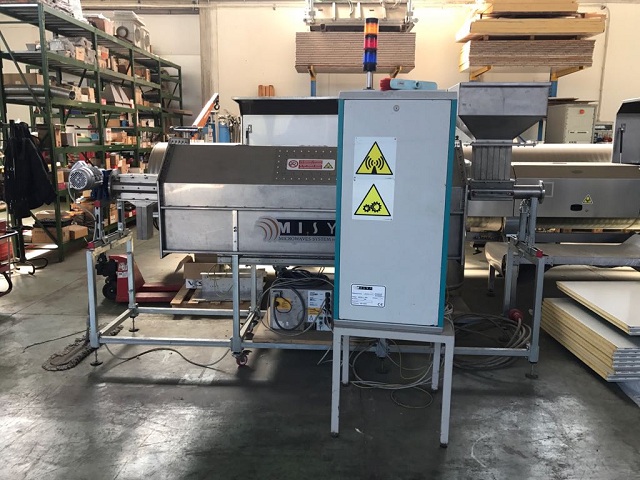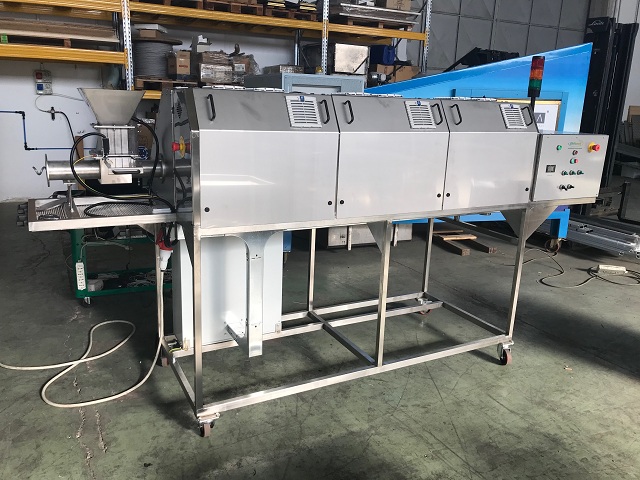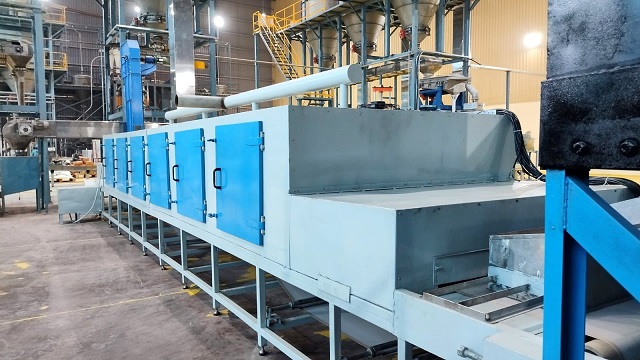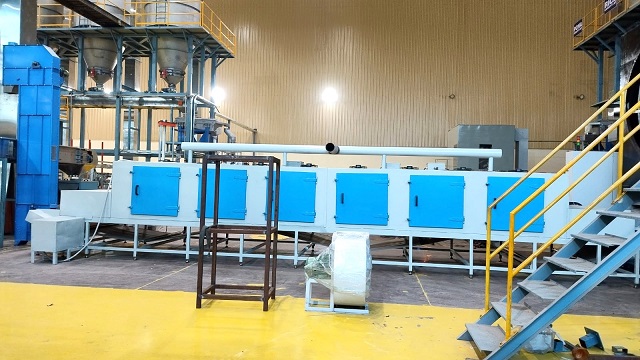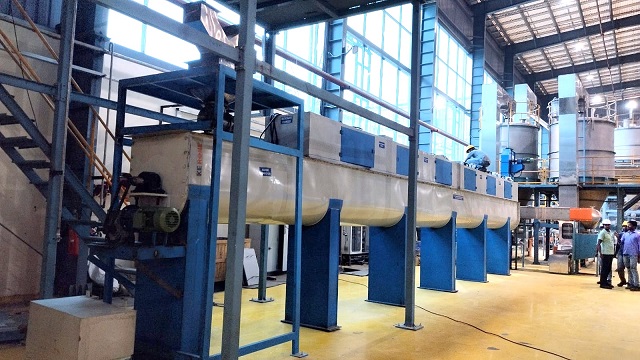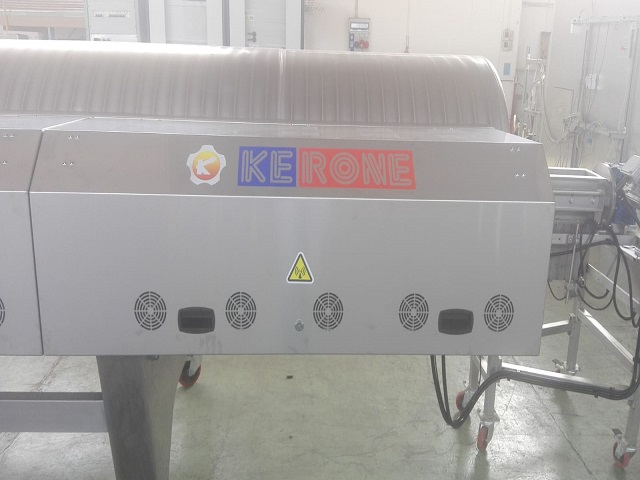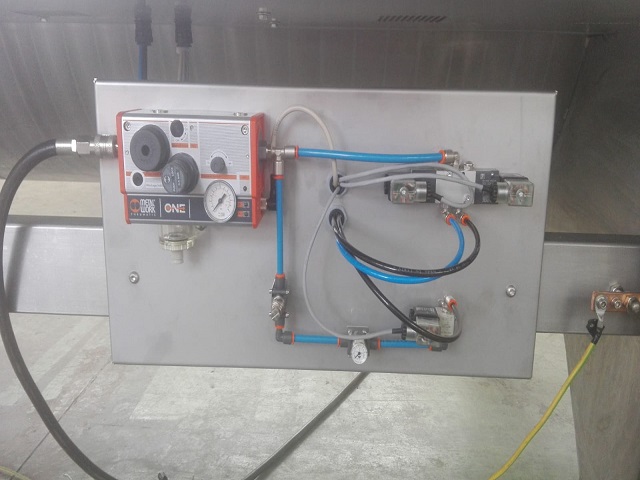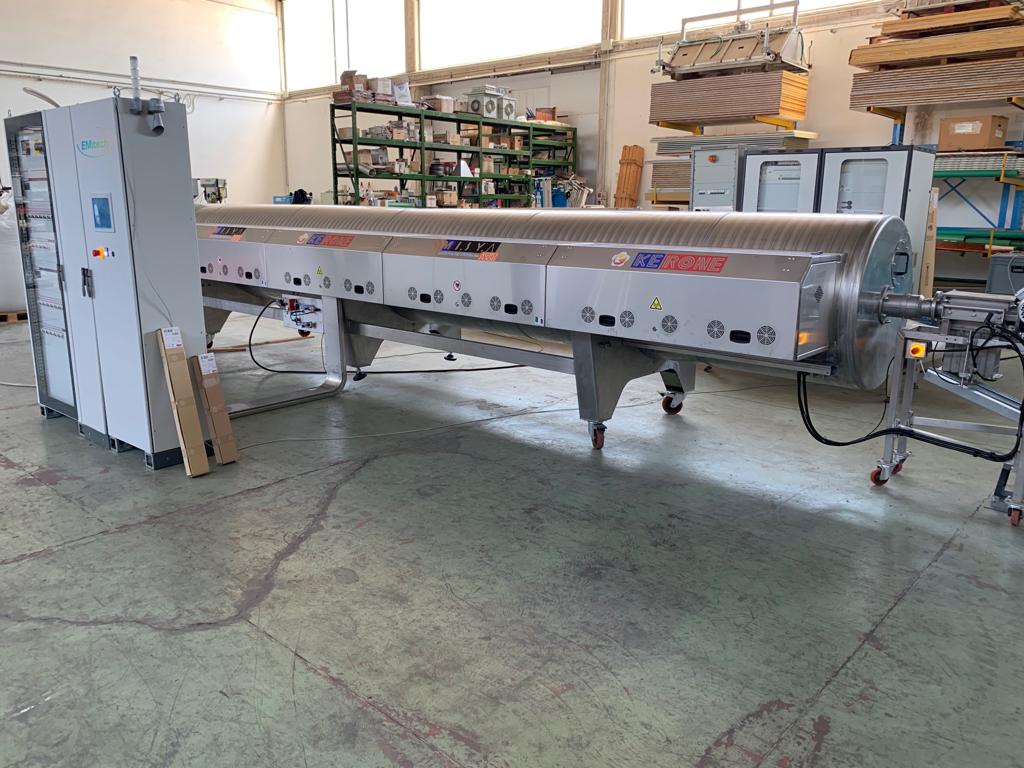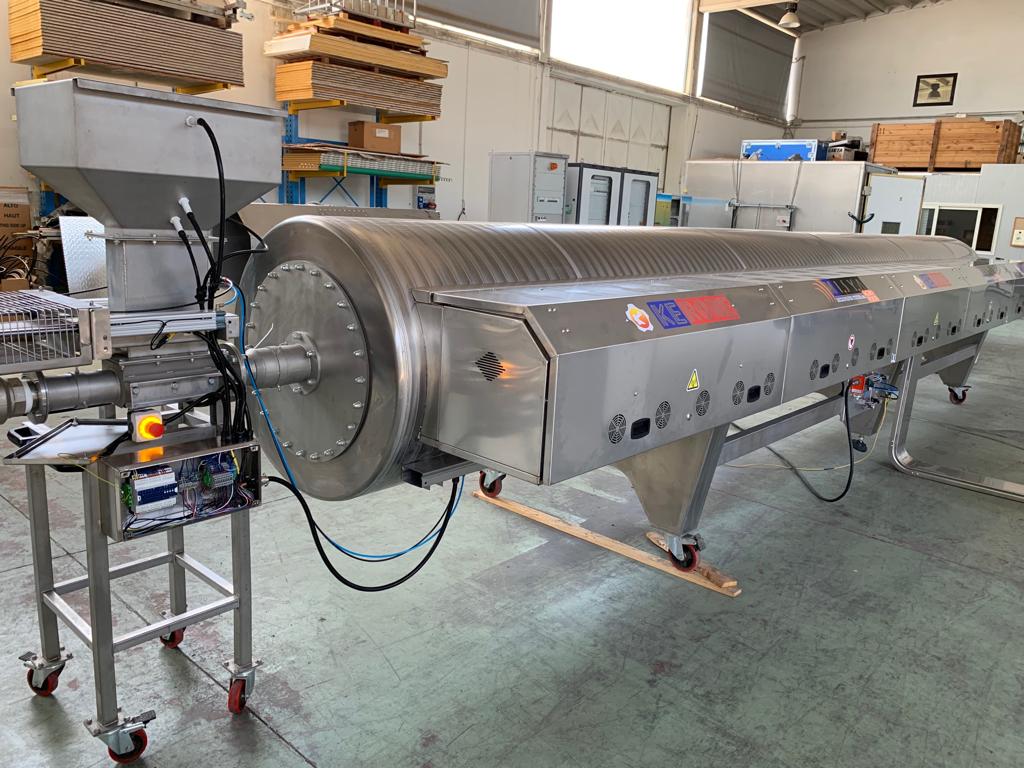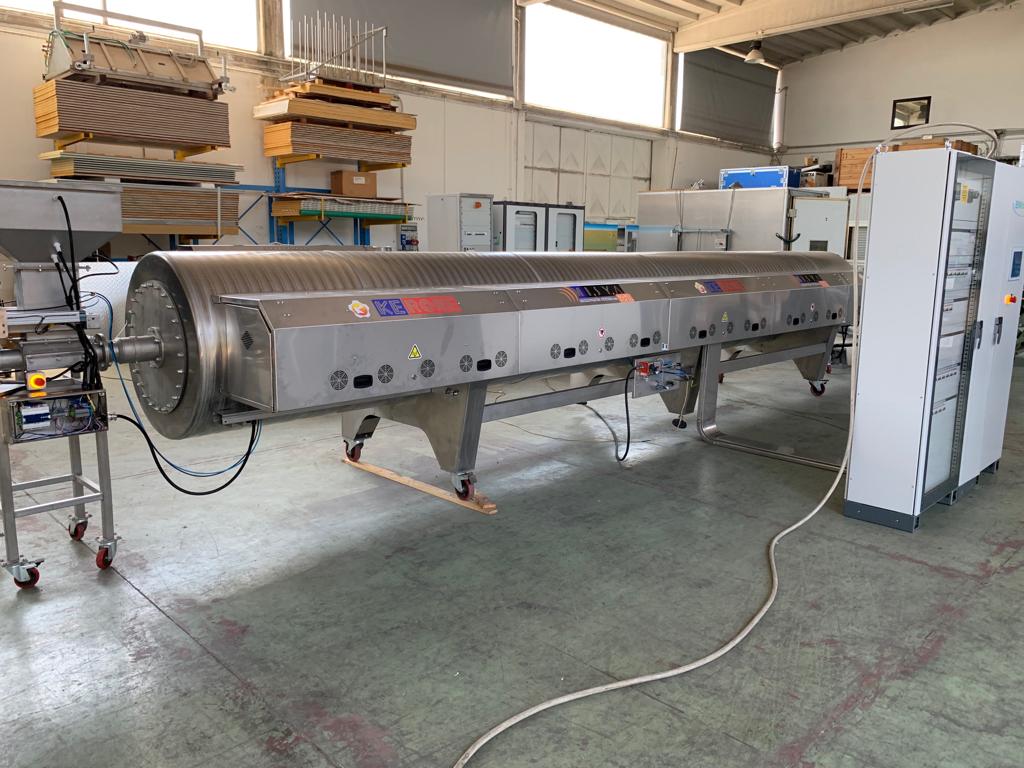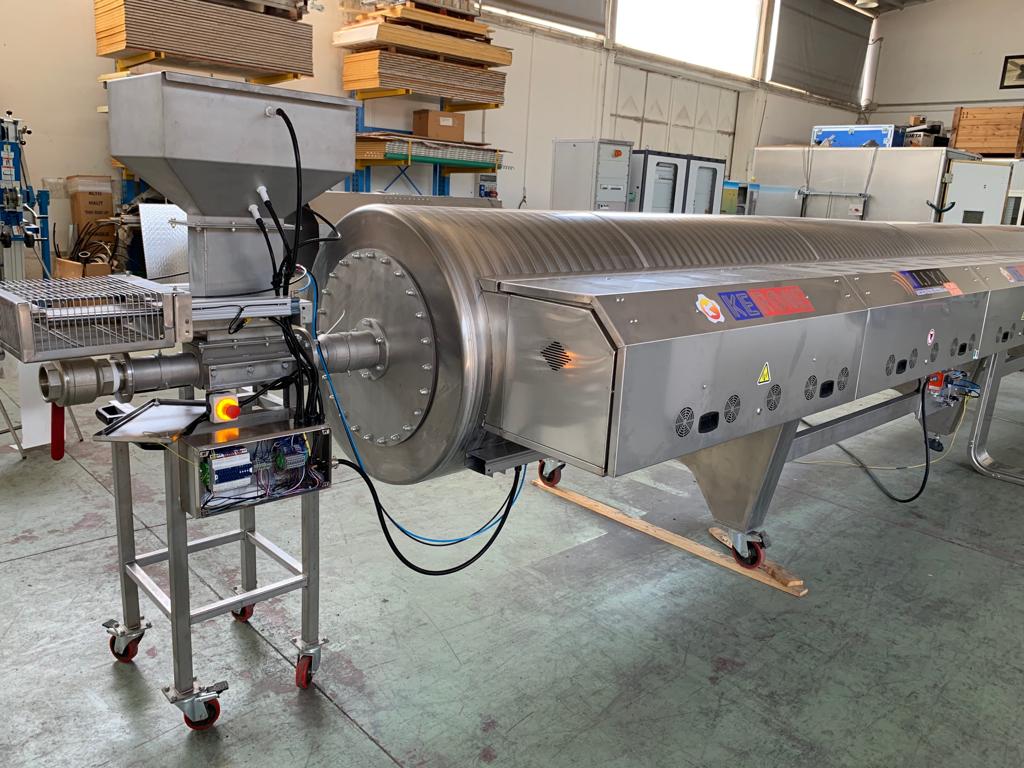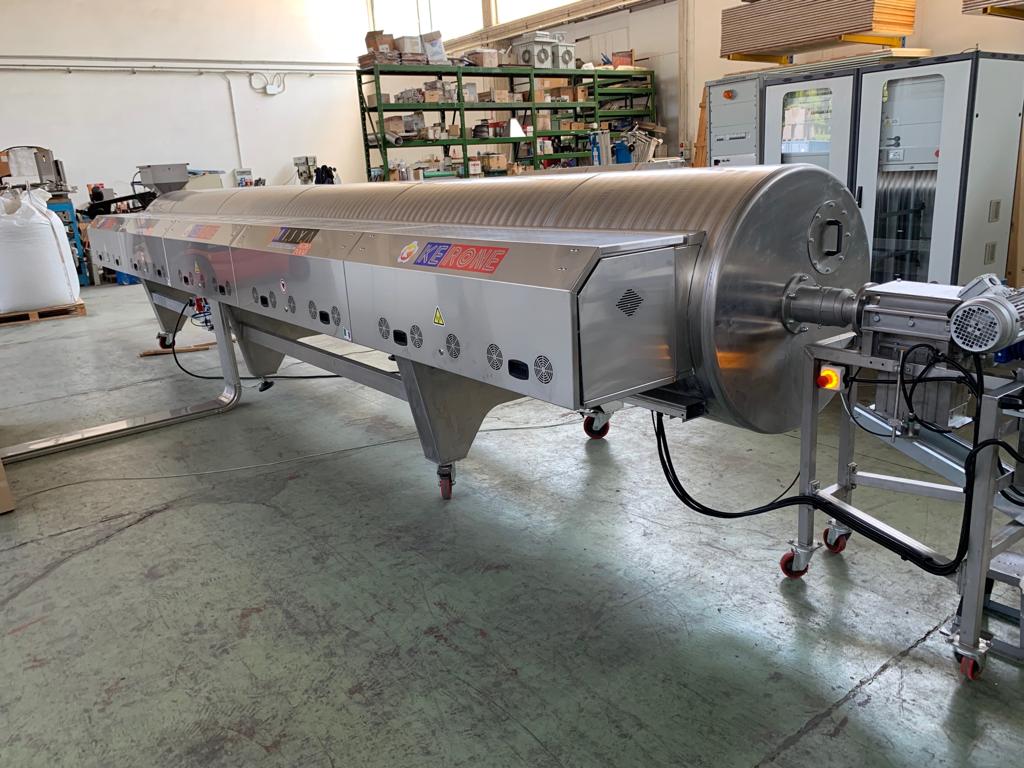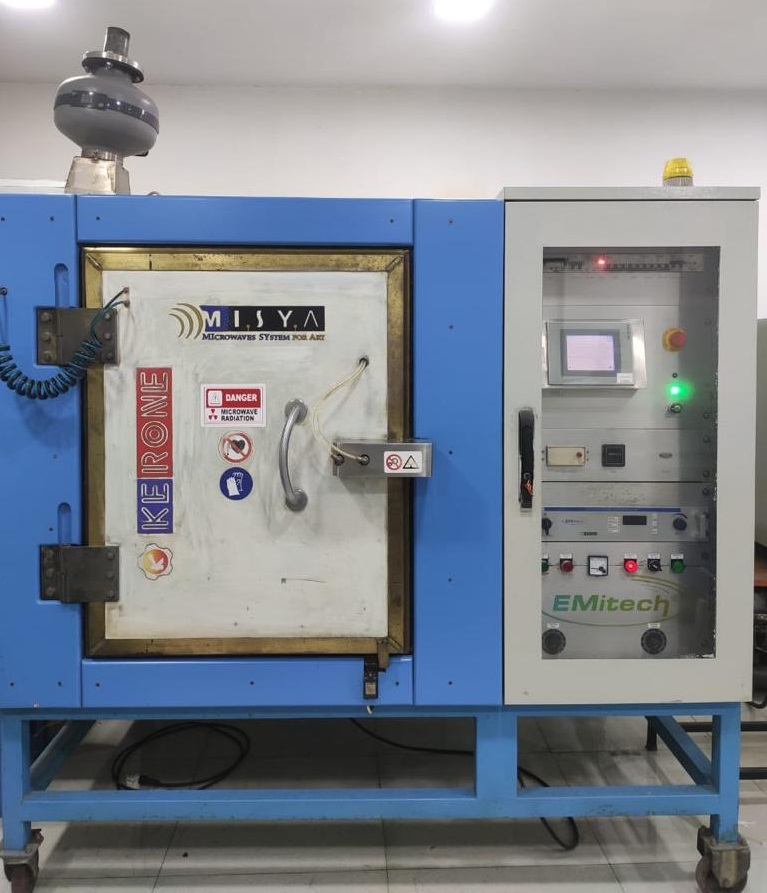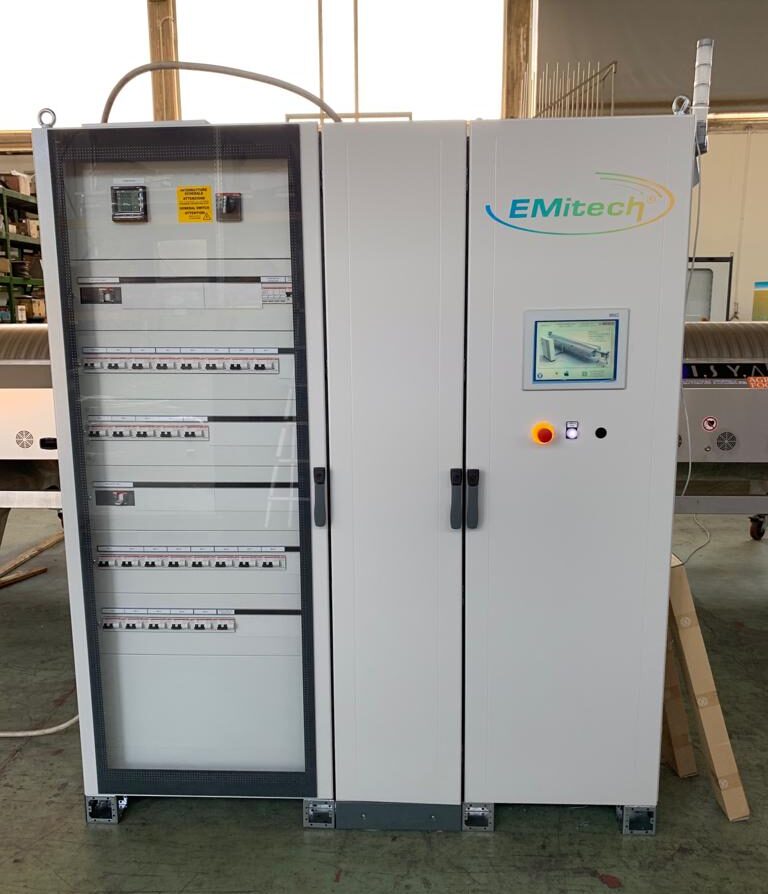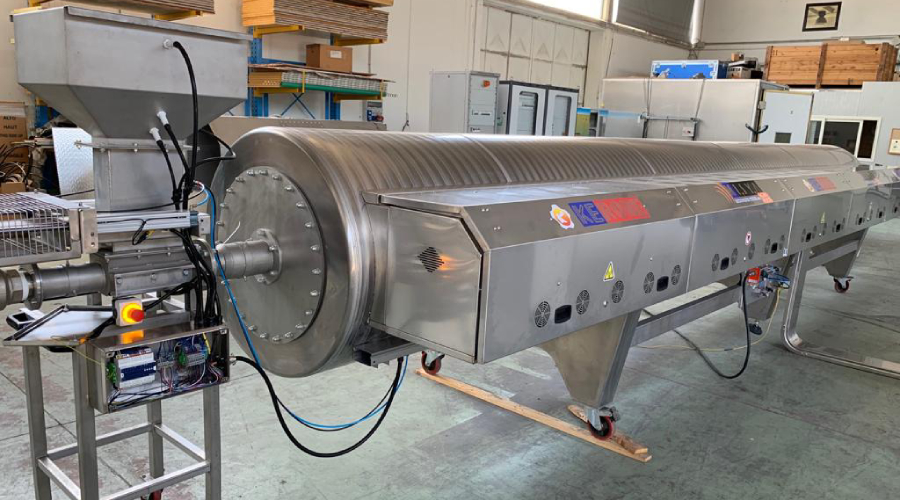
Microwave sterilization is a process of using microwave energy to kill microorganisms and pathogens on a variety of surfaces and objects. This method is commonly used in the food industry to sterilize and extend the shelf life of various food products.
The process of microwave sterilization involves exposing the material to be sterilized to high-frequency electromagnetic radiation, typically at a frequency of 2450 MHz. The energy from the microwaves is absorbed by the water molecules in the material, causing them to heat up and ultimately kill any bacteria or other microorganisms present.
Why Choose Kerone Microwave Sterilisation
Kerone is known for delivering highly efficient, reliable and fully customized Microwave Sterilisation solutions engineered after a detailed analysis of material characteristics, process goals and expected output requirements.
Kerone is specializes in the design and manufacture of microwave-based systems for various applications, including microwave sterilization. Kerone’s microwave sterilization systems are designed to provide rapid and effective sterilization of a variety of materials, including food products, medical equipment, laboratory supplies, and agricultural products. Microwave sterilization systems use advanced microwave technology to provide uniform and controlled heating of the material being sterilized. The systems are designed to be energy-efficient and provide rapid sterilization times, making them suitable for applications that require rapid processing.
Types and Features of Microwave Sterilisation
Microwave sterilization has several advantages over other methods of sterilization. It is a relatively fast process, with sterilization times typically ranging from a few seconds to a few minutes. It is also a dry process, which can be beneficial for materials that may be damaged by exposure to steam or other types of moisture.
Features
Fast Speed: Rapid sterilization cycle times.
High Energy Efficiency: Direct heating reduces energy losses.
Dry Process: No steam or excess moisture involved.
Versatility: Suitable for a wide range of materials and products.
Uniformity: Even energy distribution for consistent sterilization.
Chemical-Free: No need for harmful sterilizing chemicals.
Safety: Controlled and enclosed process design.
Benefits
Fast Processing: Reduces production downtime.
Effective Microbial Elimination: Efficient in killing microorganisms and pathogens.
Fast Drying: Eliminates post-sterilization drying requirements.
Operational Versatility: Adaptable to various applications.
Lower Energy Consumption: Requires less energy for heating compared to conventional systems.
Reduced Chemical Usage: Minimizes environmental and health risks.
Kerone’s microwave sterilization systems can be customized to meet the specific requirements of each application. They are designed for ease of operation and maintenance, featuring automated controls and real-time monitoring systems to ensure the safety, consistency, and effectiveness of the sterilization process.
Microwave sterilization can be a highly effective method for sterilizing certain types of materials and products. However, it is important to carefully evaluate the specific requirements of each application and follow appropriate safety guidelines to ensure optimal performance and reliable sterilization results.

Key Features
High thermal and processing efficiency
Low maintenance and easy operation
Suitable for heat-sensitive materials
Fully adjustable and customizable process parameters
Available in batch and continuous configurations
Uniform processing and consistent product quality
Powered by AI, ML & IoT
Future-Ready Engineering Driven by AI & IoT
Our advanced AI, ML, and IoT technologies, this solution delivers smarter automation, real-time insights, and predictive intelligence to enhance efficiency and drive future-ready growth.
Real-Time Monitoring & Control
Continuous tracking of process parameters with instant adjustments.
Predictive Maintenance
Intelligent fault detection to prevent failures before they occur.
Adaptive Process Optimization
Dynamic tuning of operations for maximum output and efficiency.
Cloud Dashboards & Analytics
Unified access to real-time insights and performance trends.
Energy & Resource Savings
Smarter utilization of energy to cut costs and reduce waste.
Secure IoT Connectivity
Encrypted data flow with seamless integration across plant systems.
Applications of Microwave Sterilisation
Food industry processing systems
Chemical and polymer processing
Pharmaceutical ingredients and intermediates
Ready‑to‑eat (RTE) food production
Specialized heating, drying, or material transformation processes
Industrial material modification and thermal treatment
Kerone’s Microwave Sterilisation solutions are engineered to deliver maximum efficiency, long-term reliability and excellent operational stability. Our focus on innovation and customization ensures superior industrial results.
Kerone’s Microwave Sterilisation systems offer a superior alternative to conventional sterilization technologies, delivering faster cycle times, better product quality preservation, and reliable microbial safety assurance. Our engineering expertise and deep understanding of microwave process physics enable us to design sterilisation solutions that meet the most demanding regulatory and production requirements. Kerone is committed to helping our clients achieve the highest levels of food safety, pharmaceutical integrity, and operational efficiency through innovative microwave sterilisation technology.
With Fricke and Mallah GMBH, Kerone is currently engaged in business cooperation and collaboration on application development, research, and sales of Microwave sterilisation. And we manufacture other different types of microwave heating system like, Vacuum technology, Microwave Air Jet Plasma, Microwave Solid State Generators, Microwave Chemical Vapor Deposition System and other different types Microwave Technology.
Seamless Export Connections Global & Local
Our Global Footprint in Industrial Excellence
Delivering world-class industrial and process solutions across countries with precision, innovation, and reliability.
Peru
Chile
Argentina
Mexico
Colombia
Brazil
USA
Canada
United Kingdom
France
Germany
Spain
Italy
Netherlands
Sweden
Switzerland
Poland
Portugal
Ireland
Czechia
Romania
Hungary
Austria
Greece
Kazakhstan
Uzbekistan
Turkmenistan
Algeria
Egypt
Nigeria
Kenya
South Africa
Saudi Arabia
UAE
Israel
Russia
India
China
Japan
South Korea
Thailand
Vietnam
Malaysia
Singapore
Indonesia
Philippines
Australia
New Zealand
Pan-India Presence. Local Expertise.
Raipur
Bilaspur
Panaji
Vasco da Gama
Gandhinagar
Ahmedabad
Surat
Chandigarh
Gurgaon
Shimla
Manali
Bengaluru
Mysore
Kochi
Pune
Mumbai
Thane
Navi Mumbai
Hyderabad
Chennai
Coimbatore
Kolkata
Lucknow
Jaipur
Udaipur
Jodhpur
Dehradun
Haridwar
Bhubaneswar
Product Gallery
Frequently Asked Questions (FAQ)
Validation typically combines temperature mapping across the product load to confirm uniform heat distribution, microbial challenge studies using indicator organisms to demonstrate lethality, and F0 value calculations that quantify the equivalent sterilisation effect at a reference temperature. These steps generate the documented evidence regulators and quality auditors expect before a sterilisation process is approved for commercial use. Kerone supports this validation work directly, providing temperature profiling data and process documentation aligned with standard validation protocols used in food safety and pharmaceutical manufacturing. Buyers should request this validation support explicitly during the procurement process, since a sterilisation system without proper documentation cannot be deployed in regulated production environments regardless of its technical performance.
It is used for efficient processing, heating, drying or material transformation.
High efficiency, process reliability and complete customization.
Food, chemical, pharma, biomass, rubber, textile and more.
Kerone ensures high product quality through strict engineering standards, advanced testing procedures, and precision-controlled manufacturing systems.
Validation involves temperature mapping, microbial challenge studies, and F0 value calculations following standard validation protocols, with full documentation provided by Kerone.
Products with very low moisture content, highly reflective metallic packaging, or those containing components sensitive to microwave energy may require alternative sterilisation approaches.
Yes, Kerone's modular continuous tunnel systems can be integrated into existing processing and packaging lines with appropriate engineering modifications.
Steam-based sterilisation introduces moisture into the product or packaging, which then requires a separate drying stage before the product can be packaged or stored, adding time, energy, and equipment to the line. Microwave sterilisation heats the product directly through dielectric absorption without introducing external steam or moisture, so the material reaches sterilising temperature and returns to a dry, stable state without an additional drying phase. This is one of the more underappreciated cost advantages of the technology: removing an entire process step from the line reduces both capital equipment needs and total processing time per batch, which compounds significantly across high-volume production runs.
Materials with very low moisture content don't absorb microwave energy efficiently, since the heating mechanism relies primarily on water molecules responding to the electromagnetic field, making sterilisation slow or uneven for very dry products. Items packaged in highly reflective metallic materials can also cause arcing or uneven field distribution inside the chamber, creating both a safety risk and inconsistent sterilisation results. Products containing components sensitive to microwave energy, certain electronic assemblies or specific packaging films, may also need alternative methods entirely. Before specifying microwave sterilisation, buyers should share full product and packaging details with their equipment supplier so the dielectric behaviour can be assessed and an alternative process recommended if microwave energy isn't the right fit.
Kerone's modular continuous tunnel systems are designed for integration into established processing and packaging lines, though the exact timeline depends on factors like conveyor speed matching, available floor space, and any electrical or utility modifications needed at the installation site. Because the tunnel uses a continuous belt-fed design rather than a standalone batch chamber, it can often slot into an existing line layout with engineering adjustments rather than requiring a complete line rebuild. Kerone's engineering team typically conducts a site assessment before installation to confirm throughput compatibility and identify any line modifications needed, which keeps changeover downtime predictable rather than open-ended.
Yes, microwave sterilisation achieves microbial elimination through direct thermal energy rather than chemical agents like ethylene oxide or other sterilising compounds, which removes the need for chemical residue testing, off-gassing periods, and the environmental handling requirements that come with chemical sterilisation methods. This is particularly relevant for food processors and pharmaceutical manufacturers facing tightening restrictions on chemical sterilants in several markets. Eliminating chemical inputs also simplifies worker safety protocols and reduces the regulatory documentation burden tied to chemical handling and disposal. For companies under pressure to reduce chemical usage in their processes, microwave sterilisation offers a thermal alternative that still meets validated microbial reduction standards without introducing a separate chemical compliance pathway.
Kerone’s custom-designed heating and processing solutions are built to meet the demands of your growing operations. Whether you’re upgrading equipment, expanding production, or need a tailor-made solution