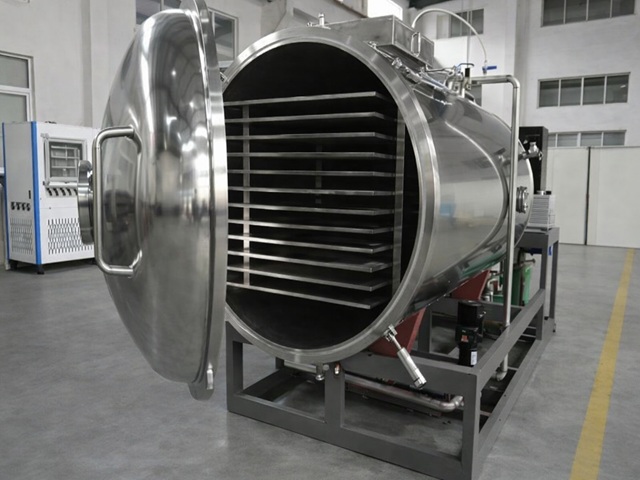
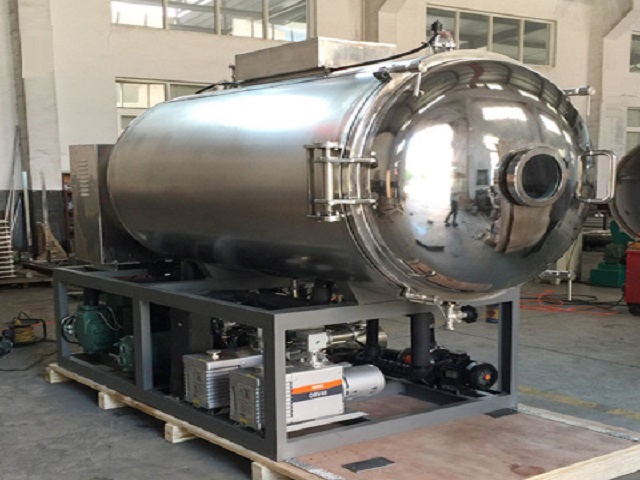
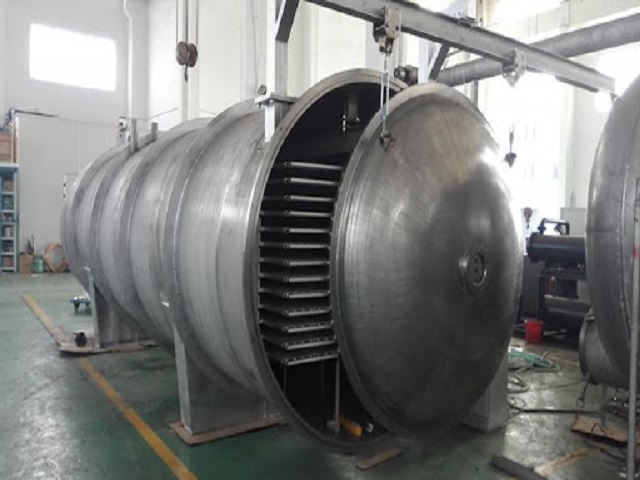
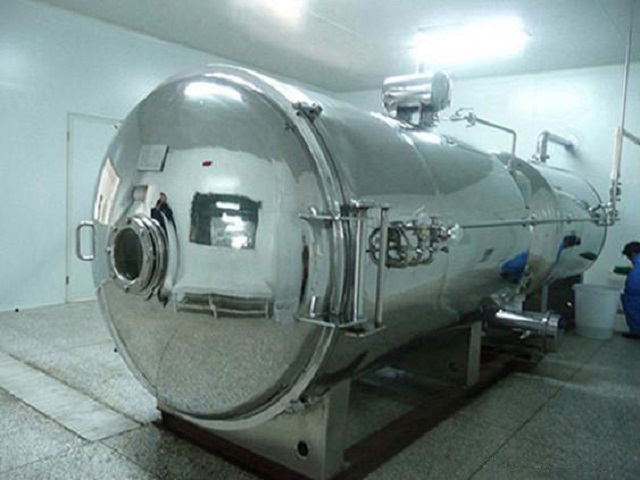
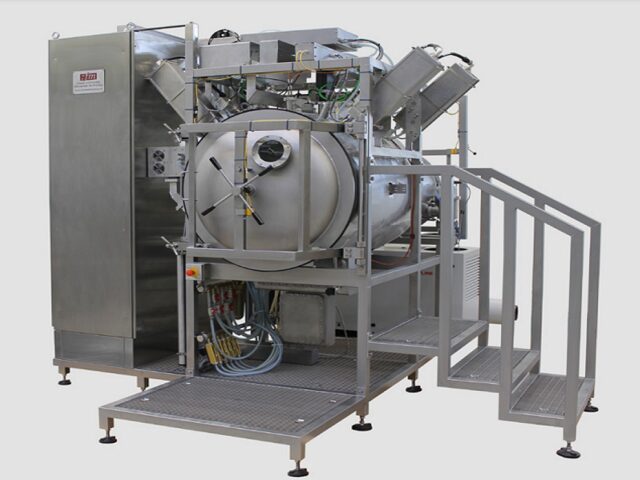
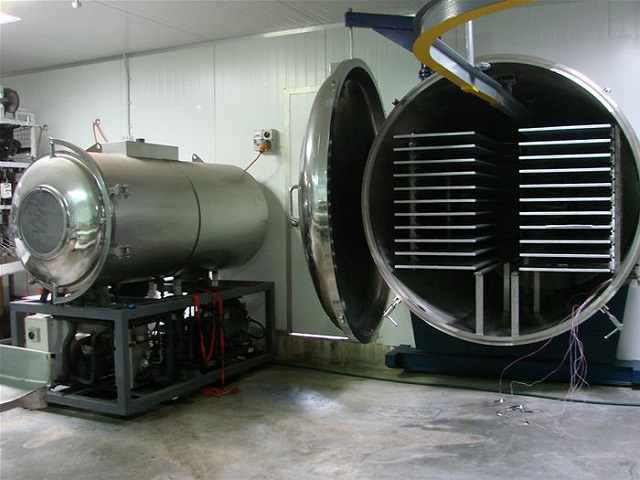
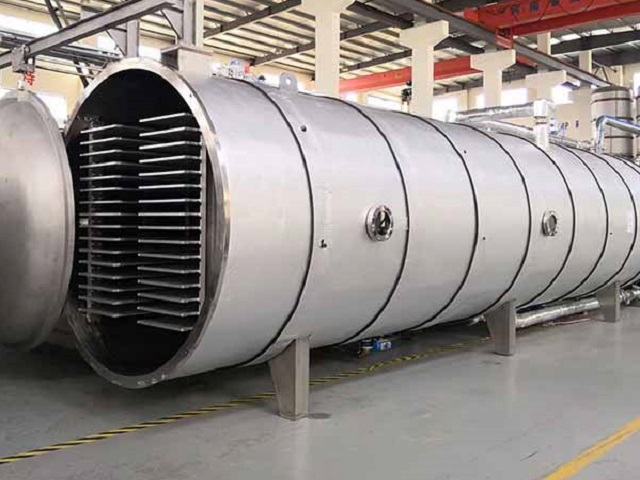
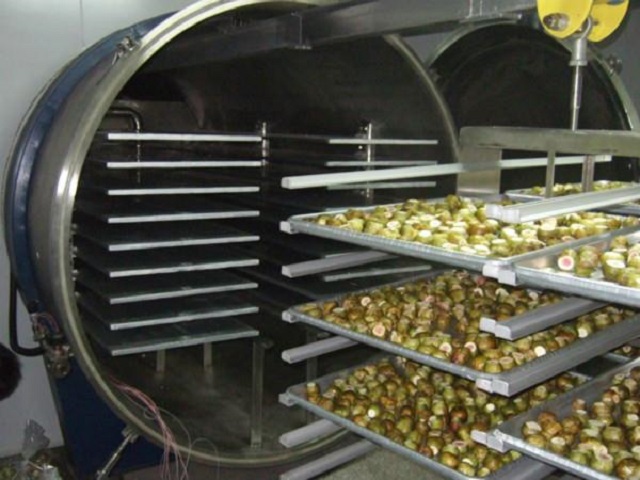
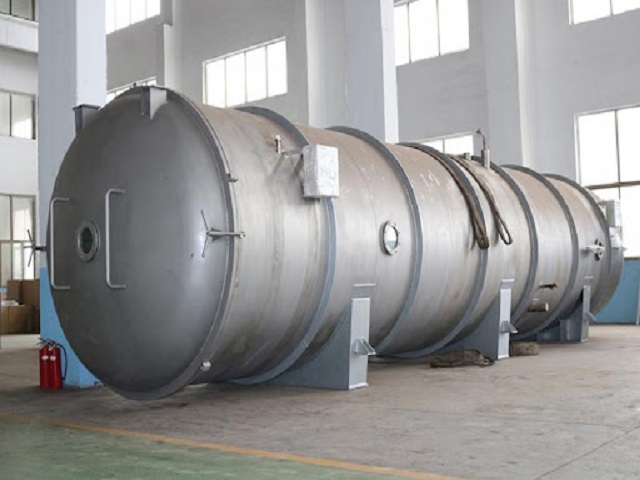
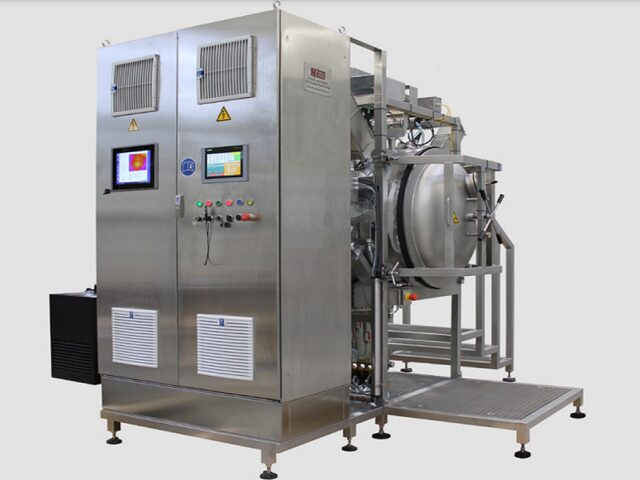
Microwave Vacuum Lyophilisation Equipment combines the principles of freeze-drying with microwave energy to achieve superior-quality dried products at significantly faster processing speeds than traditional lyophilization. In this process, the product is first frozen and then placed under vacuum conditions where microwave energy is applied to sublimate ice directly into vapor without passing through a liquid phase. This innovative approach dramatically reduces drying cycle times, often by 50–75%, while preserving the color, flavor, aroma, and bioactive components of heat-sensitive materials. Kerone’s microwave vacuum lyophilisation systems are engineered for pharmaceutical, food, nutraceutical, and biotechnology applications where product quality and process efficiency are paramount.
Kerone is known for delivering highly efficient, reliable and fully customized MICROWAVE VACUUM LYOPHILISATION solutions engineered after a detailed analysis of material characteristics, process goals and expected output requirements.
Kerone is a recognized leader in industrial microwave systems, and our MW Vacuum equipment systems reflect our commitment to combining thermal precision with innovative engineering. Our systems are designed to deliver uniform microwave energy distribution under controlled vacuum conditions, ensuring consistent product quality across every batch. Kerone provides complete customization of freeze-drying parameters including microwave power density, vacuum level, shelf temperature, and cycle programming. Our equipment is built using pharmaceutical-grade materials, complies with GMP standards, and is supported by comprehensive validation documentation. With Kerone, clients gain not just equipment but a technology partner dedicated to optimizing their lyophilization process.
Types and Features of Microwave Vacuum Lyophilisation Equipment
Kerone offers pilot-scale and industrial-scale microwave vacuum lyophilisation systems in batch configurations. Systems feature multi-shelf freeze-drying chambers with integrated microwave generators, high-vacuum pumping systems, cryogenic condensers, and advanced process control panels with recipe management. The microwave applicators are specially designed to achieve uniform field distribution within the vacuum chamber, preventing hotspots and uneven drying. Temperature and moisture sensors provide real-time process monitoring, while automatic defrost systems on the condenser ensure continuous operation. All contact surfaces are constructed from 316L stainless steel with electropolished finishes to meet pharmaceutical hygiene requirements.
Key Features
High thermal and processing efficiency
Low maintenance and easy operation
Suitable for heat-sensitive materials
Fully adjustable and customizable process parameters
Available in batch and continuous configurations
Uniform processing and consistent product quality
Powered by AI, ML & IoT
Future-Ready Engineering Driven by AI & IoT
Our advanced AI, ML, and IoT technologies, this solution delivers smarter automation, real-time insights, and predictive intelligence to enhance efficiency and drive future-ready growth.
Real-Time Monitoring & Control
Continuous tracking of process parameters with instant adjustments.
Predictive Maintenance
Intelligent fault detection to prevent failures before they occur.
Adaptive Process Optimization
Dynamic tuning of operations for maximum output and efficiency.
Cloud Dashboards & Analytics
Unified access to real-time insights and performance trends.
Energy & Resource Savings
Smarter utilization of energy to cut costs and reduce waste.
Secure IoT Connectivity
Encrypted data flow with seamless integration across plant systems.
Applications of Microwave Vacuum Lyophilisation Equipment
Kerone’s Microwave Vacuum Lyophilisation Equipment is extensively used in pharmaceutical, food, and biotechnology industries. Typical applications include:
Food industry processing systems
Chemical and polymer processing
Pharmaceutical ingredients and intermediates
Ready‑to‑eat (RTE) food production
Specialized heating, drying, or material transformation processes
Industrial material modification and thermal treatment
Kerone’s Microwave Vacuum Lyophilisation Equipment represents the next generation of freeze-drying technology, offering pharmaceutical and food manufacturers a powerful tool to reduce production cycle times while maintaining the highest product quality standards. By integrating microwave energy into the vacuum lyophilisation process, Kerone enables clients to achieve competitive advantages through faster throughput, lower energy costs, and superior product characteristics. Our dedication to engineering excellence and customer support makes Kerone the preferred partner for advanced lyophilisation solutions worldwide.
Seamless Export Connections Global & Local
Our Global Footprint in Industrial Excellence
Delivering world-class industrial and process solutions across countries with precision, innovation, and reliability.
Peru
Chile
Argentina
Mexico
Colombia
Brazil
USA
Canada
United Kingdom
France
Germany
Spain
Italy
Netherlands
Sweden
Switzerland
Poland
Portugal
Ireland
Czechia
Romania
Hungary
Austria
Greece
Kazakhstan
Uzbekistan
Turkmenistan
Algeria
Egypt
Nigeria
Kenya
South Africa
Saudi Arabia
UAE
Israel
Russia
India
China
Japan
South Korea
Thailand
Vietnam
Malaysia
Singapore
Indonesia
Philippines
Australia
New Zealand
Pan-India Presence. Local Expertise.
Raipur
Bilaspur
Panaji
Vasco da Gama
Gandhinagar
Ahmedabad
Surat
Chandigarh
Gurgaon
Shimla
Manali
Bengaluru
Mysore
Kochi
Pune
Mumbai
Thane
Navi Mumbai
Hyderabad
Chennai
Coimbatore
Kolkata
Lucknow
Jaipur
Udaipur
Jodhpur
Dehradun
Haridwar
Bhubaneswar
Product Gallery
Frequently Asked Questions (FAQ)
Conventional lyophilisation relies on conductive heat transfer from heated shelves through the frozen product, which is inherently slow since heat must travel from the shelf surface inward through the material. Microwave energy instead delivers sublimation energy directly throughout the frozen product's volume, bypassing the conduction bottleneck that limits conventional shelf-drying speed. Because the vacuum environment and controlled microwave power density still allow sublimation to occur below the product's collapse temperature, this acceleration doesn't sacrifice the structural, colour, or bioactive preservation that makes lyophilisation valuable. The result is dramatically shorter primary drying phases, which is typically the longest single stage of a complete freeze-drying cycle, without introducing the quality compromises associated with simply raising shelf temperature to speed up conventional freeze-drying.
Kerone's systems can achieve vacuum levels as low as 0.01 millibar, a depth that matters because effective sublimation, ice converting directly to vapour, depends on maintaining chamber pressure well below the vapour pressure of ice at the product's processing temperature. If vacuum levels aren't deep enough, sublimation slows dramatically or stalls, extending cycle time and risking partial melting that compromises the freeze-dried structure. Achieving and consistently maintaining this depth of vacuum requires high-performance vacuum pumps and tightly sealed chamber construction, which is a meaningful engineering distinction between systems capable of true pharmaceutical-grade lyophilisation and lower-cost equipment that cannot sustain the vacuum integrity needed for consistent, validated freeze-drying results.
It is used for efficient processing, heating, drying or material transformation.
High efficiency, process reliability and complete customization.
Food, chemical, pharma, biomass, rubber, textile and more.
Kerone ensures high product quality through strict engineering standards, advanced testing procedures, and precision-controlled manufacturing systems.
Yes, Kerone's lyophilisation systems are designed and built to comply with GMP standards, including 316L stainless steel contact surfaces, cleanable designs, and validation documentation support.
Kerone's systems can achieve vacuum levels as low as 0.01 mbar, which is essential for effective sublimation of ice at low temperatures.
Yes, all systems feature PLC-based control panels with recipe management, allowing programmable multi-step cycles with precise control of temperature, vacuum, and microwave power.
Pharmaceutical-grade lyophilisation requires that every product-contact surface be constructed from 316L stainless steel with an electropolished finish, since this material and finish combination resists corrosion, cleans thoroughly without residue retention, and meets the hygiene standards pharmaceutical regulators expect. Buyers should also confirm the system includes comprehensive validation documentation support, automatic condenser defrost for continuous operation without manual intervention, and temperature and moisture sensors providing real-time process monitoring rather than relying solely on end-point testing. These details distinguish purpose-built pharmaceutical lyophilisation equipment from adapted industrial drying systems, and procurement teams should request material certificates and finish specifications in writing rather than accepting general GMP-compliance claims without supporting documentation.
Freeze-drying cycles typically require distinct phases, freezing, primary drying through sublimation, and secondary drying to remove residual bound moisture, each needing different combinations of shelf temperature, vacuum level, and microwave power density. A PLC-based control panel with recipe management allows operators to programme and save these multi-step sequences precisely, so the exact same parameters apply automatically every time a specific product recipe runs, rather than depending on manual adjustment by different operators across shifts. This programmability is particularly valuable for pharmaceutical and nutraceutical manufacturers who need to demonstrate process repeatability as part of regulatory validation, since a documented, automated recipe removes a significant source of batch-to-batch variability that manual control would otherwise introduce.
Pilot-scale lyophilisation systems are sized for formulation development, stability studies, and small production runs, typically handling smaller batch volumes while still offering the same multi-shelf chamber design, microwave integration, and process control found in larger units. Industrial-scale systems extend this same core technology to substantially higher batch volumes needed for commercial production once a formulation and process have been validated at pilot scale. Buyers developing a new pharmaceutical or nutraceutical product should generally start with pilot-scale equipment to establish and validate the optimal freeze-drying recipe before committing capital to industrial-scale equipment, since process parameters developed on a properly designed pilot system transfer more reliably to production scale than parameters developed on equipment that behaves fundamentally differently from the target production system.
Kerone’s custom-designed heating and processing solutions are built to meet the demands of your growing operations. Whether you’re upgrading equipment, expanding production, or need a tailor-made solution


 Peru
Peru Chile
Chile Argentina
 Mexico
 Colombia
 Brazil
 USA
USA Canada
 United Kingdom
 France
 Germany
 Spain
Spain Italy
Italy Netherlands
 Sweden
 Switzerland
 Poland
 Portugal
 Ireland
 Czechia
 Romania
 Hungary
 Austria
 Greece
 Kazakhstan
 Uzbekistan
 Turkmenistan
 Algeria
 Egypt
Egypt Nigeria
 Kenya
Kenya South Africa
 Saudi Arabia
 UAE
UAE Israel
 Russia
 India
India China
China Japan
Japan South Korea
 Thailand
 Vietnam
 Malaysia
 Singapore
 Indonesia
 Philippines
 Australia
 New Zealand