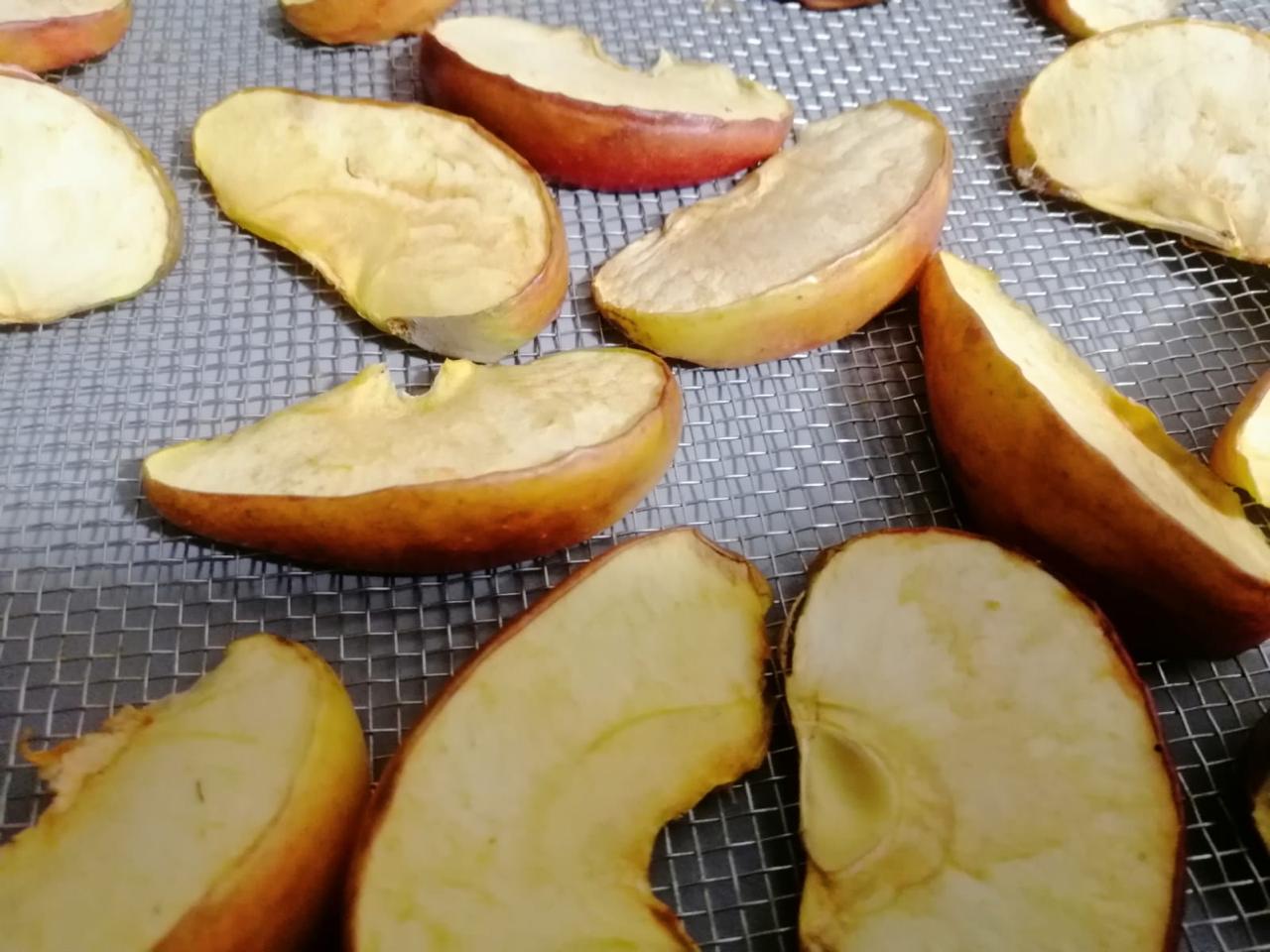
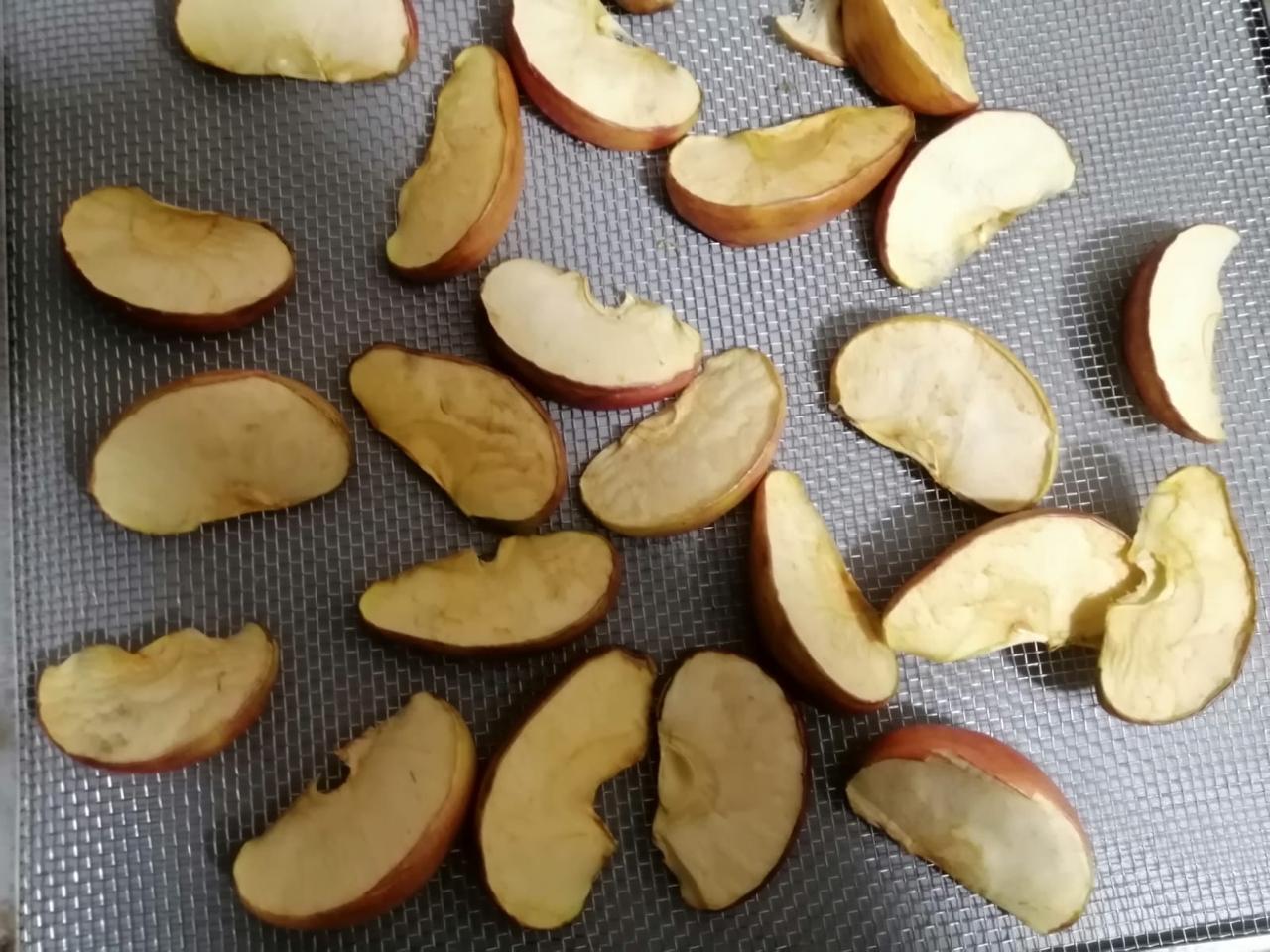
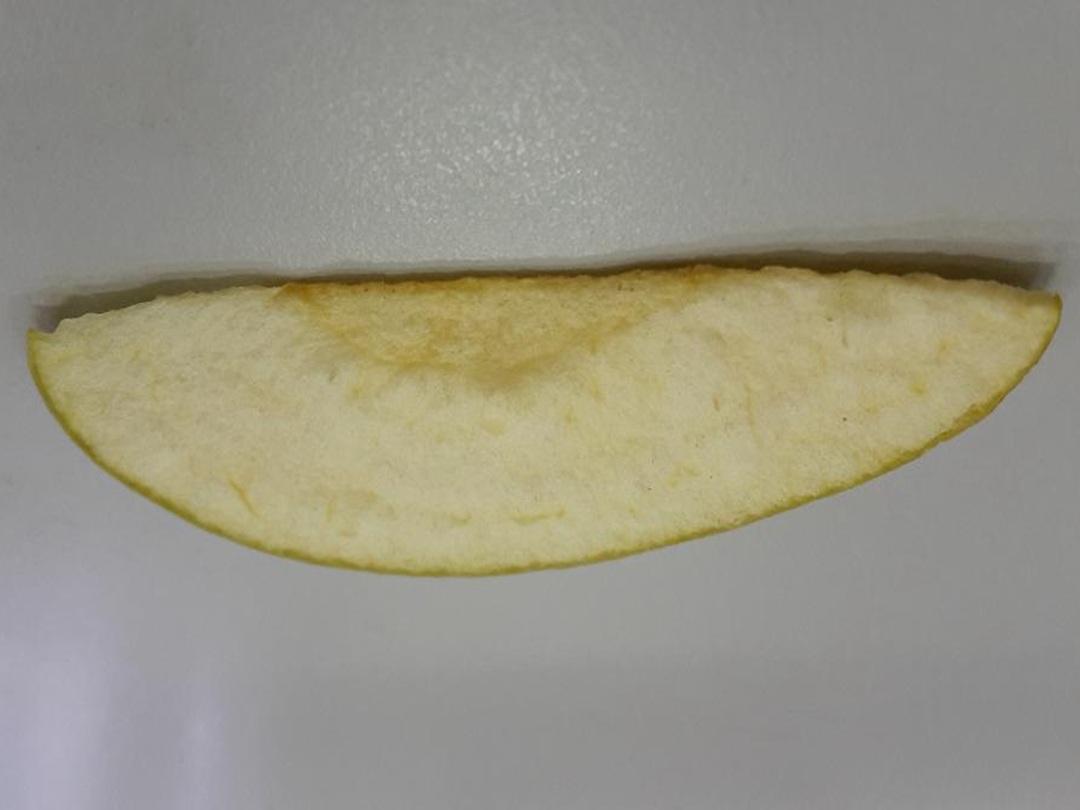
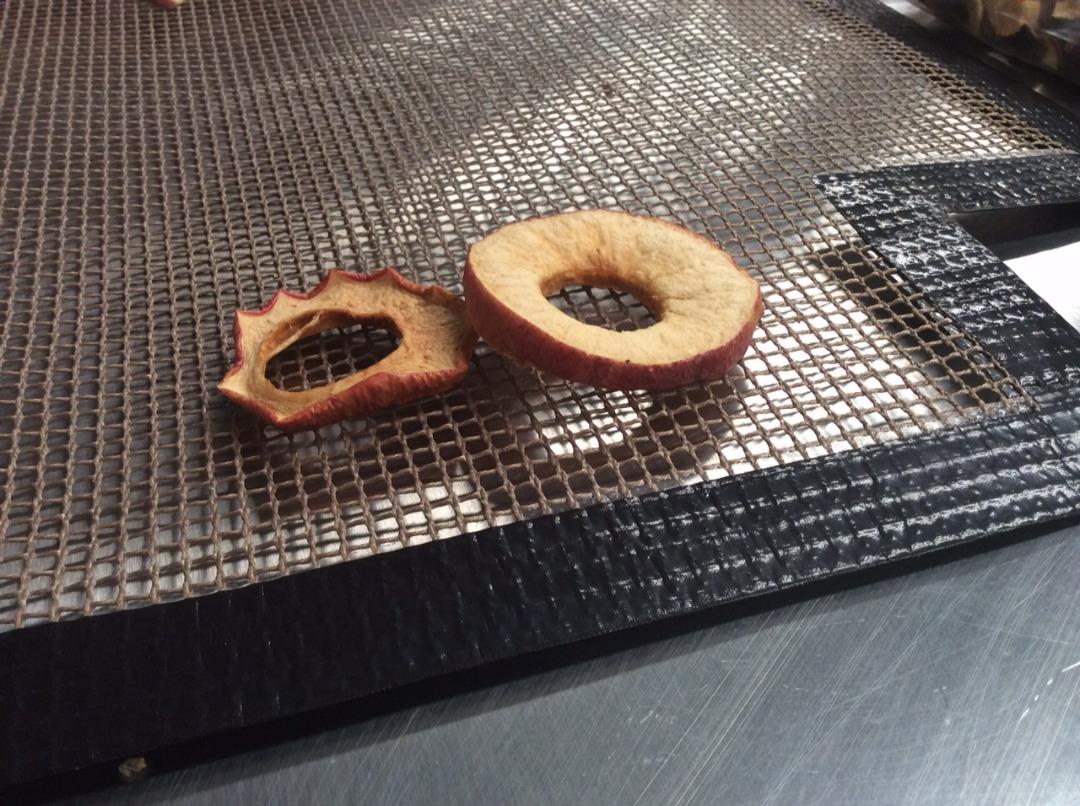
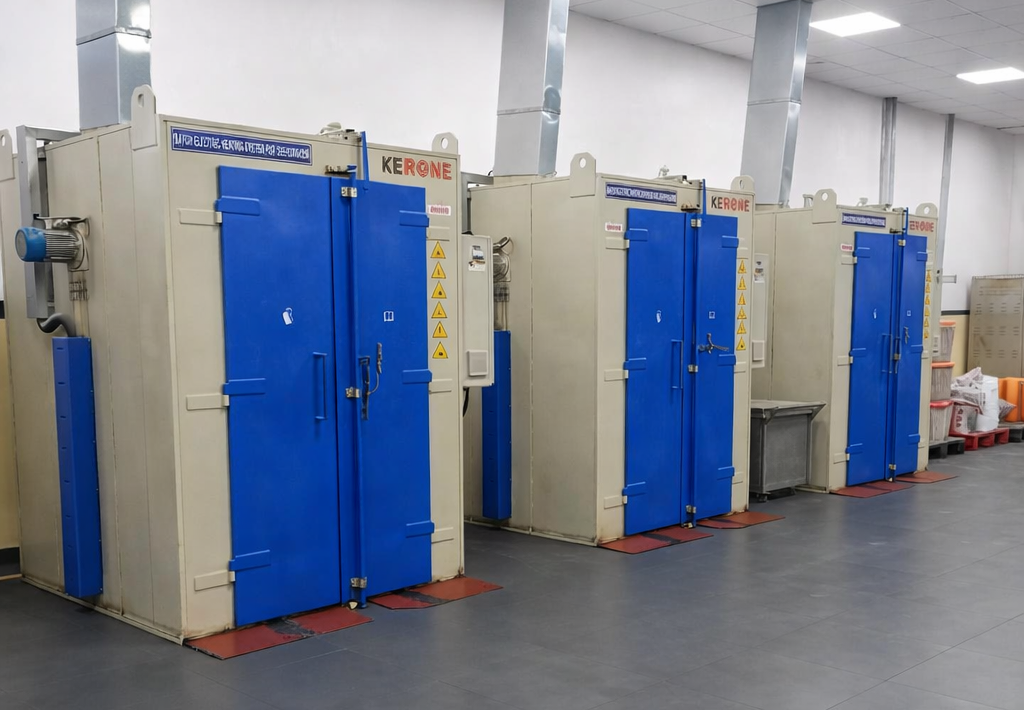
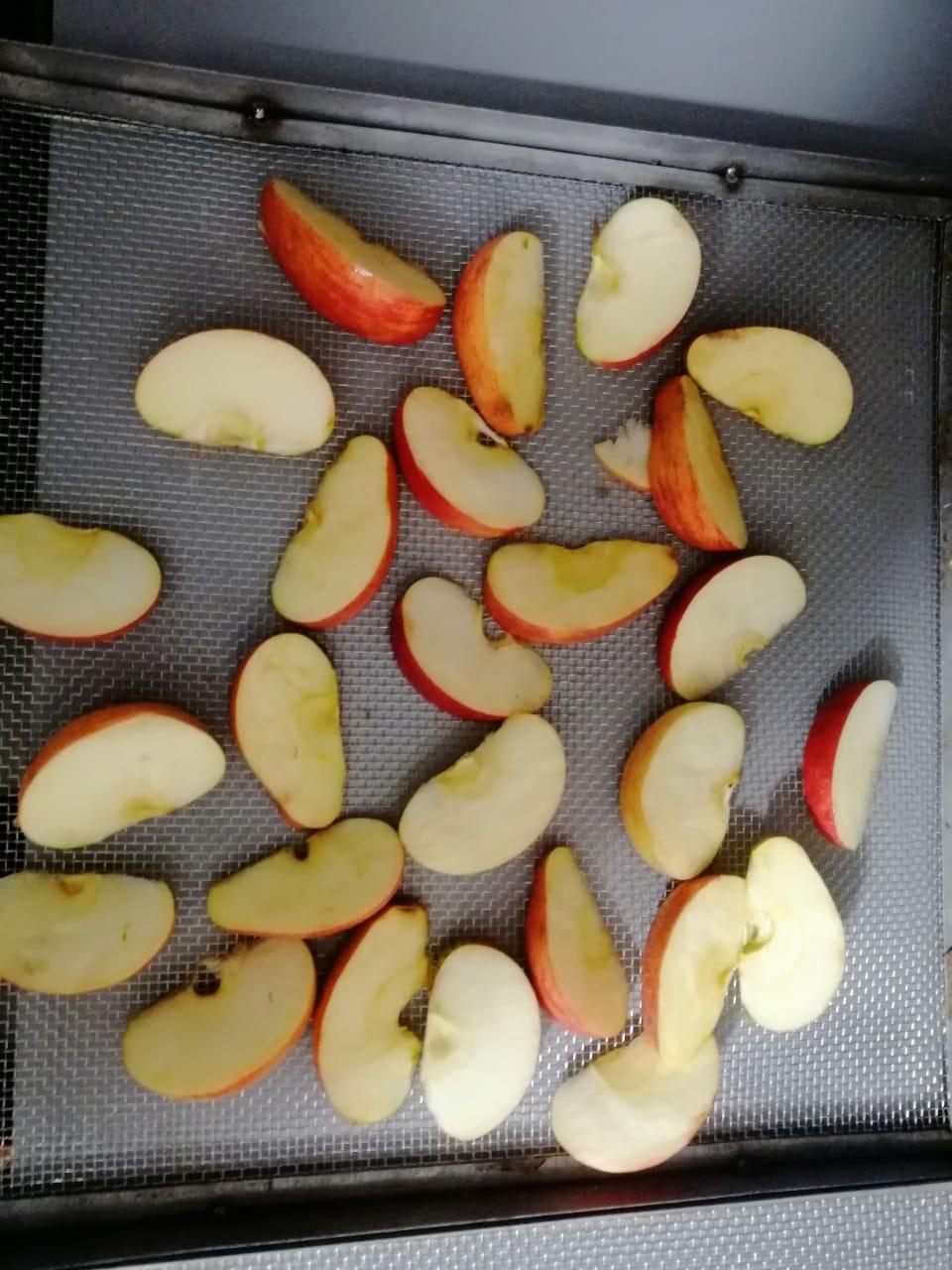
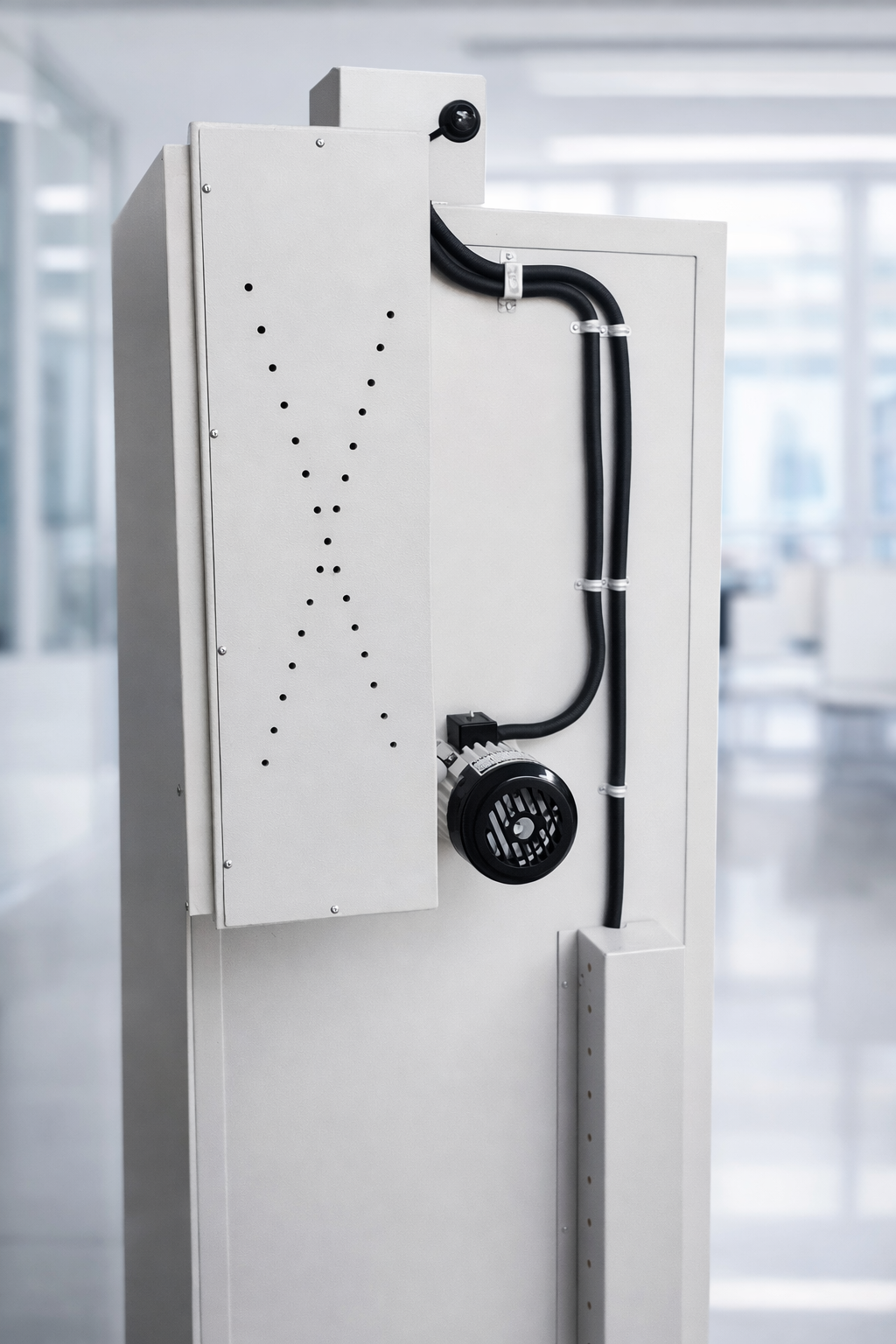
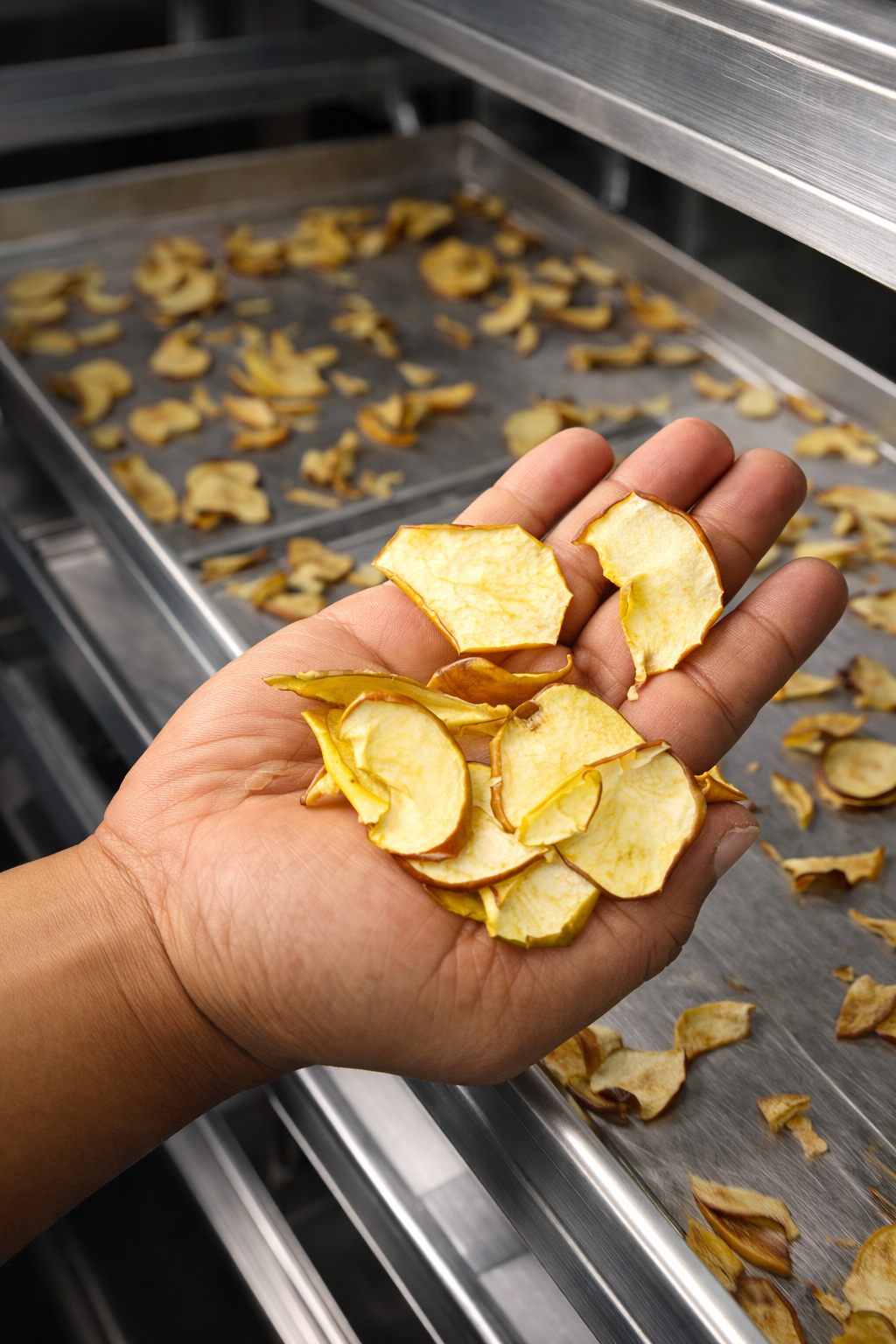
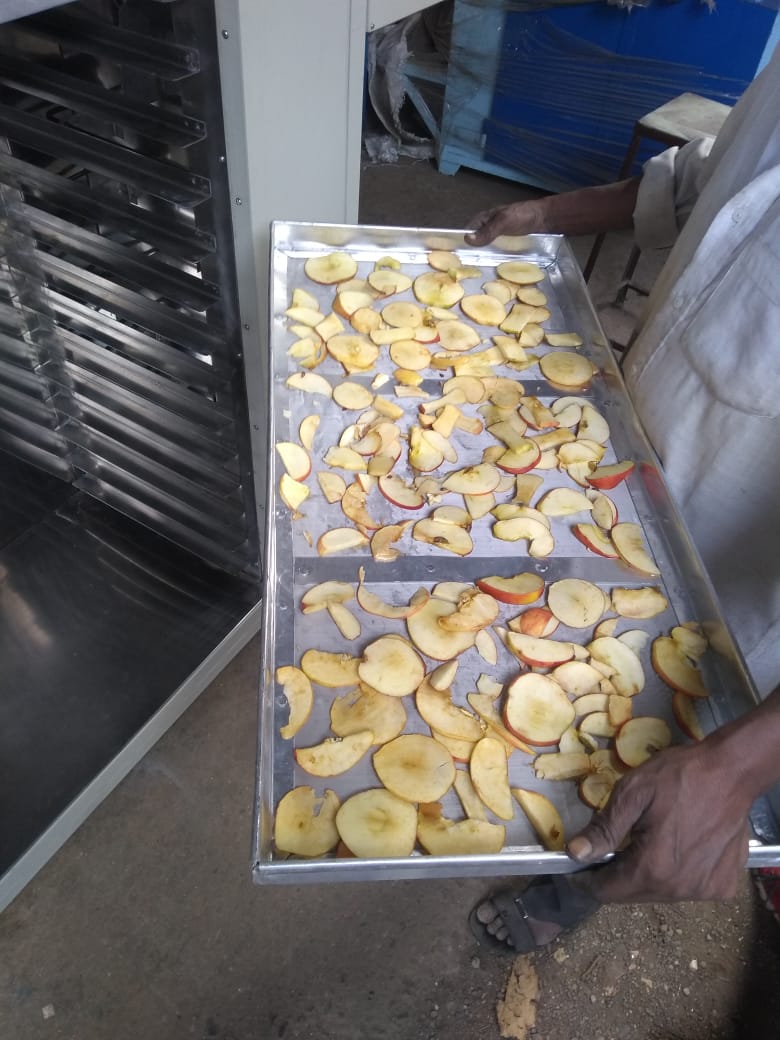
The Fruit Heat Pump Dryer from Kerone Engineering Solutions is a specialised thermal dehydration system engineered specifically to address the unique challenges of drying fresh, sugary, moisture-rich fruit products, a task that demands careful management of drying temperature, surface moisture rate, and airflow to prevent the well-documented problems of case hardening, stickiness, colour browning, and aroma loss that plague fruit drying operations using conventional high-temperature hot-air systems. Fresh fruit, with its high sugar content and cellular water structure, behaves very differently from agricultural grains or chemical granules during drying: the surface sugars become concentrated and viscous as surface moisture drops, making the product tacky and prone to inter-piece sticking, surface glazing, or Maillard browning if temperatures are allowed to exceed product-specific thresholds. Kerone’s Fruit Heat Pump Dryer manages these challenges through precise low-to-medium temperature control, optimised air velocity to balance drying rate with surface moisture protection, and closed-loop humidity management that prevents premature drying of the outer layers while the fruit core moisture migrates outward, the process engineering discipline known as equilibration drying, which is essential for producing premium quality dried fruit.
Why Choose Kerone Fruit Heat Pump Dryer
Kerone has conducted extensive application trials on a broad range of tropical, subtropical, and temperate fruits including mangoes, bananas, papaya, pineapple, figs, apricots, plums, strawberries, blueberries, and tamarind, accumulating a product-specific database of optimal drying temperature profiles, air velocity settings, pre-treatment effects on drying rate, and final product quality correlations. This application database is the foundation of every Fruit Heat Pump Dryer specification Kerone provides, clients receive a drying system that is configured for their specific product and quality target, not a generic dryer adjusted to fruit drying by intuition. Kerone also assists clients in optimising pre-treatment processes such as osmotic dehydration, blanching, and sulphiting to achieve the best combination of drying rate, colour stability, and texture in the finished dried fruit product.
Types and Features of Fruit Heat Pump Dryer
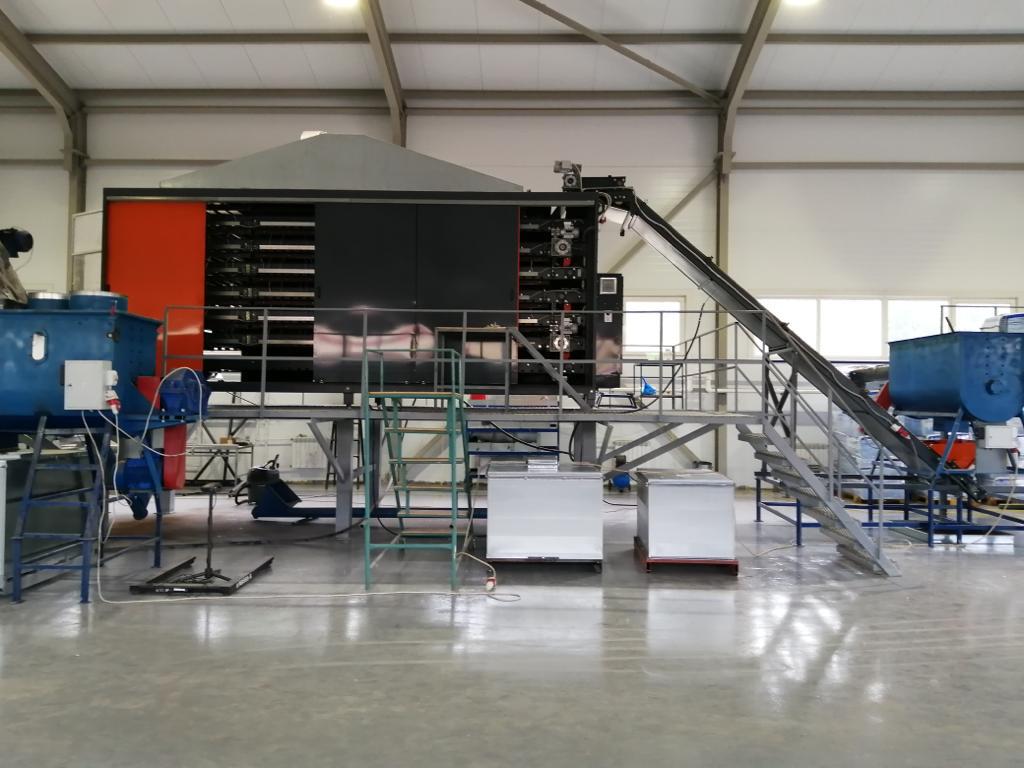
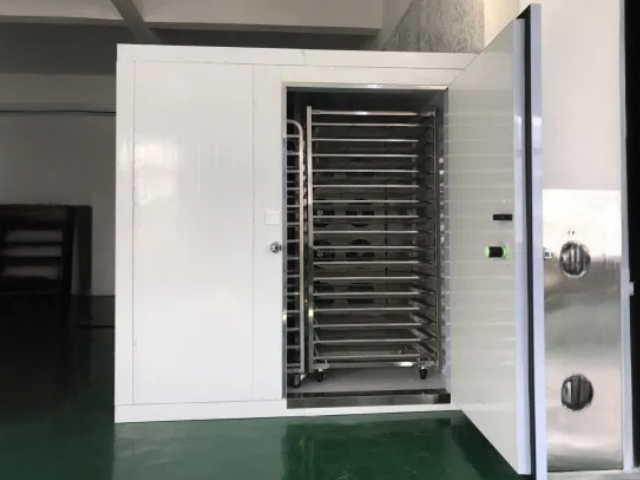
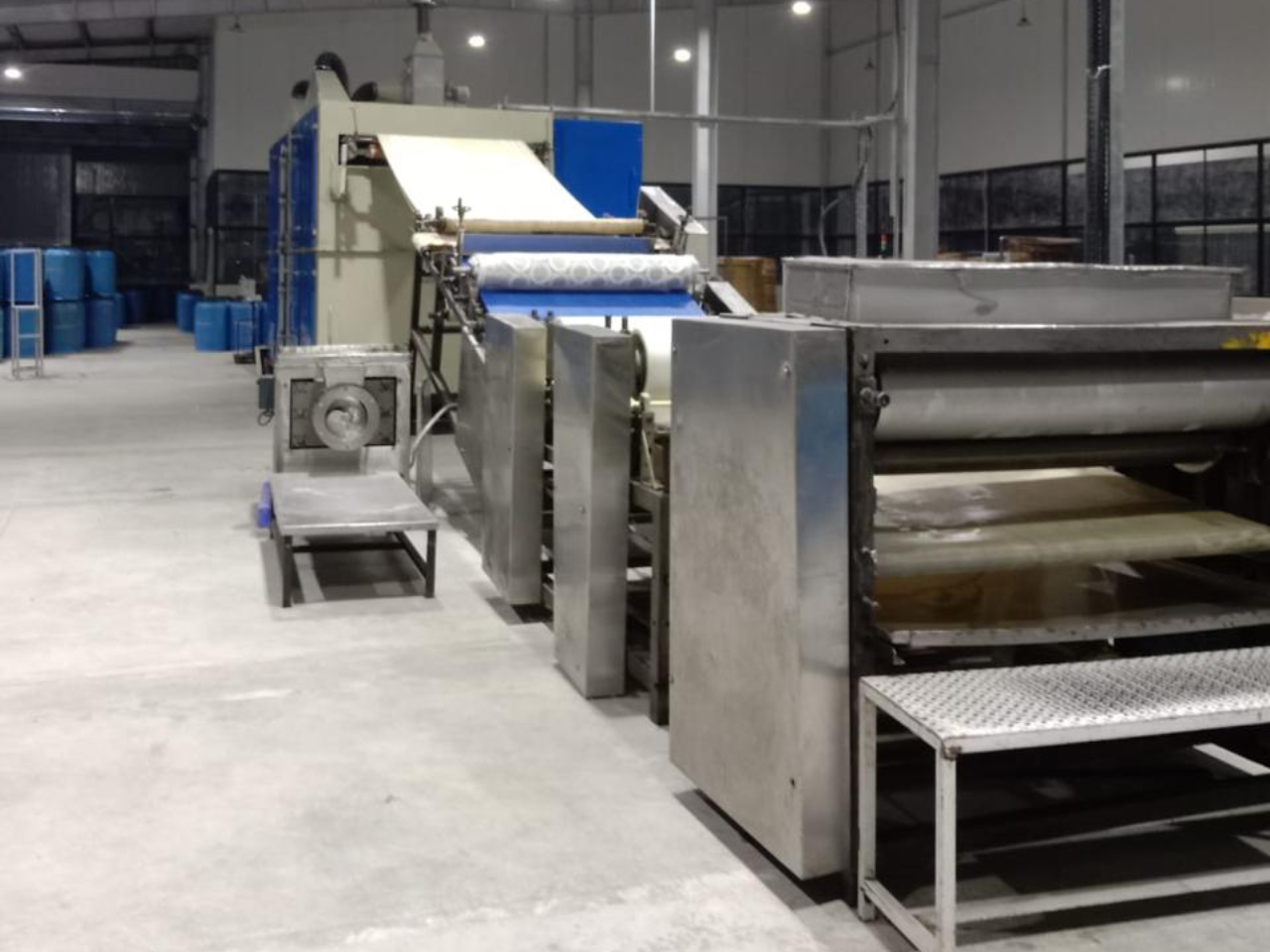
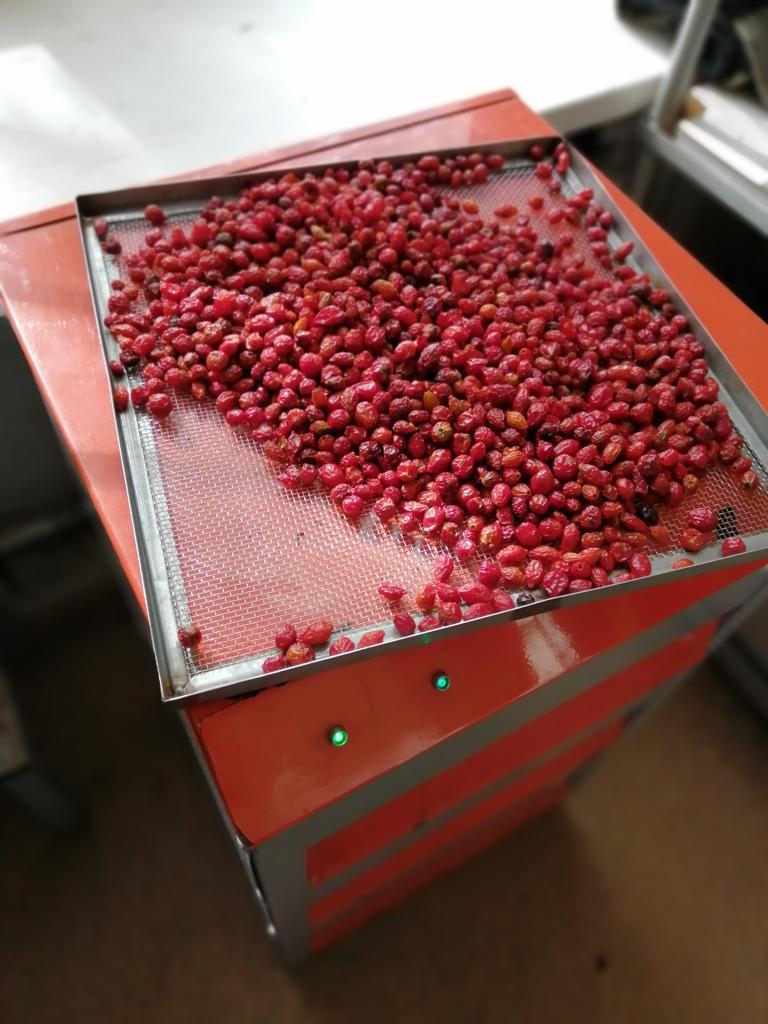
Kerone’s Fruit Heat Pump Dryers are available as batch tray systems for artisan and specialty producers, multi-trolley batch dryers for medium-scale dehydrated fruit manufacturers, and continuous multi-layer belt dryers for large-scale industrial dried fruit production. All configurations include anti-stick tray surfaces, polished internal chamber surfaces, fruit juice-rated drainage systems, and drying programmes specifically calibrated to the high-moisture, high-sugar characteristics of fruit feedstocks.
Key Features
Drying temperature control in the 35°C–70°C range specifically suited to fruit products, preventing Maillard browning and caramelisation that occurs at higher temperatures
Anti-stick PTFE-coated or silicone-mat tray and belt surfaces preventing fresh fruit slices from bonding to drying surfaces and suffering damage on removal
Programmable multi-stage drying profiles allowing initial rapid surface drying followed by slower equilibration phase to prevent case hardening
Chamber relative humidity control from 15% to 80% RH, enabling the operator to manage the surface-to-core moisture gradient in thick fruit slices
Fruit juice-resistant stainless steel drainage system in the chamber floor to manage condensate and fruit juice that drips from high-moisture feedstocks
Optional sulphite-resistant construction using titanium-grade or duplex stainless steel components for dryers handling pre-sulphited dried fruit products
In-line colour measurement capability using optical sensors for continuous monitoring of product browning and early detection of over-drying conditions
Throughput range from 50 kg/hr wet feed for artisan and specialty dried fruit production to 2,000 kg/hr for large industrial dehydrated fruit facilities
Powered by AI, ML & IoT
Future-Ready Engineering Driven by AI & IoT
Our advanced AI, ML, and IoT technologies, this solution delivers smarter automation, real-time insights, and predictive intelligence to enhance efficiency and drive future-ready growth.
Real-Time Monitoring & Control
Continuous tracking of process parameters with instant adjustments.
Predictive Maintenance
Intelligent fault detection to prevent failures before they occur.
Adaptive Process Optimization
Dynamic tuning of operations for maximum output and efficiency.
Cloud Dashboards & Analytics
Unified access to real-time insights and performance trends.
Energy & Resource Savings
Smarter utilization of energy to cut costs and reduce waste.
Secure IoT Connectivity
Encrypted data flow with seamless integration across plant systems.
Applications of Fruit Heat Pump Dryer
Kerone’s Fruit Heat Pump Dryers are extensively used across the fresh fruit processing, dried fruit manufacturing, and food ingredient sectors.
Typical applications include:
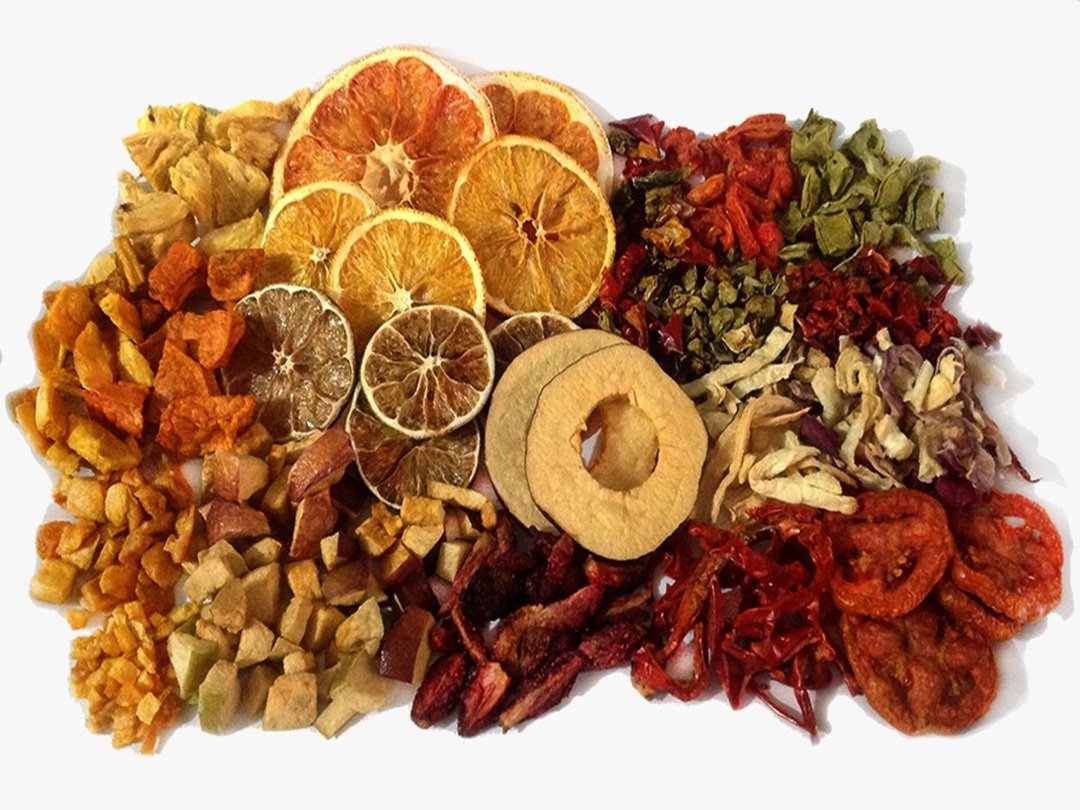
Sliced and diced tropical fruit drying for retail dehydrated fruit snack manufacturing including mango chips, banana chips, papaya strips, and pineapple pieces
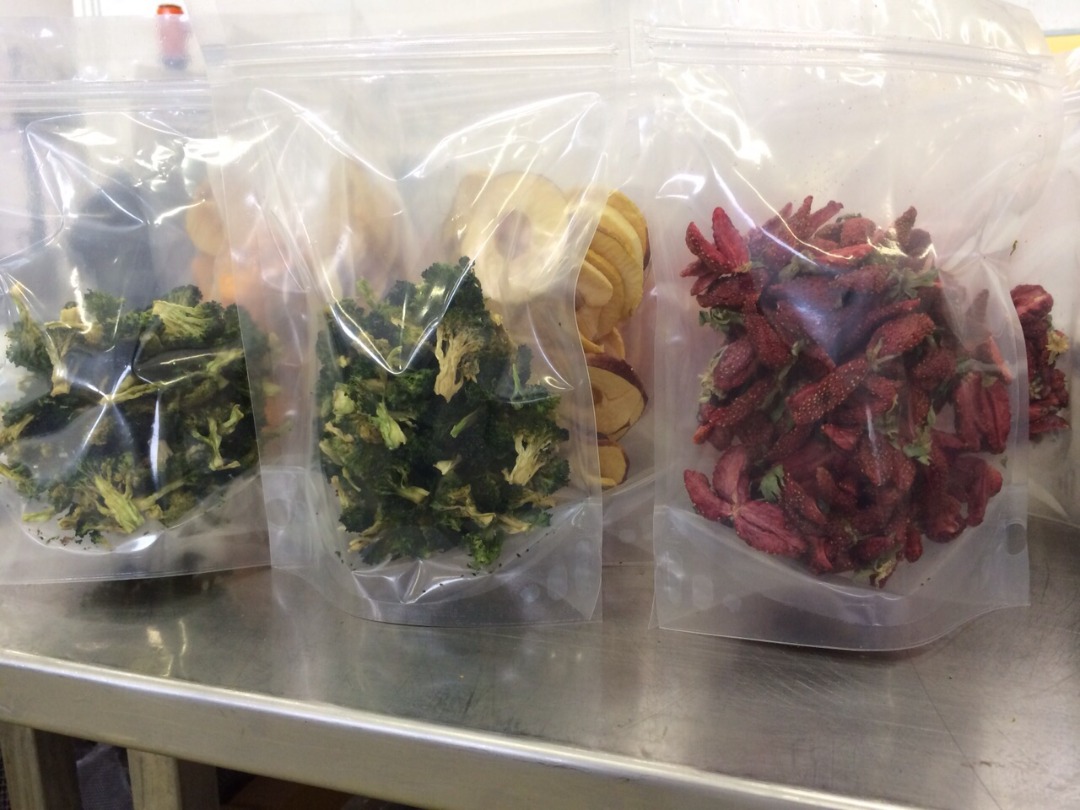
Premium dried berry processing including strawberries, blueberries, cranberries, and amla for functional food, nutraceutical, and premium snack applications
Dried fig, date, apricot, and prune processing for confectionery ingredients, bakery inclusions, and export market dried fruit supply
Raisin and sultana drying and finishing for quality improvement over conventional open-air sun drying in grape processing regions
Production of dried fruit powders as a pre-drying stage before milling, where an intermediate moisture target of 6–8% is required before grinding
Fruit leather and roll-up production where uniform thin-layer fruit pulp drying on non-stick surfaces requires precise temperature and humidity management
The Fruit Heat Pump Dryer from Kerone Engineering Solutions transforms the commercial viability of premium dried fruit production by combining the process engineering precision required to preserve fruit colour, aroma, texture, and nutritional quality with the energy efficiency and production consistency that industrial dried fruit manufacturers need to compete in quality-conscious domestic and export markets. Kerone’s fruit-specific application expertise, backed by documented trial data and successful installations, provides fruit processors with the confidence that the drying system will meet their quality targets from the first production run, not after months of costly optimisation. For fruit processors serious about product quality and production efficiency, Kerone’s Fruit Heat Pump Dryer is the professional choice.
Seamless Export Connections Global & Local
Our Global Footprint in Industrial Excellence
Delivering world-class industrial and process solutions across countries with precision, innovation, and reliability.
Peru
Chile
Argentina
Mexico
Colombia
Brazil
USA
Canada
United Kingdom
France
Germany
Spain
Italy
Netherlands
Sweden
Switzerland
Poland
Portugal
Ireland
Czechia
Romania
Hungary
Austria
Greece
Kazakhstan
Uzbekistan
Turkmenistan
Algeria
Egypt
Nigeria
Kenya
South Africa
Saudi Arabia
UAE
Israel
Russia
India
China
Japan
South Korea
Thailand
Vietnam
Malaysia
Singapore
Indonesia
Philippines
Australia
New Zealand
Pan-India Presence. Local Expertise.
Raipur
Bilaspur
Panaji
Vasco da Gama
Gandhinagar
Ahmedabad
Surat
Chandigarh
Gurgaon
Shimla
Manali
Bengaluru
Mysore
Kochi
Pune
Mumbai
Thane
Navi Mumbai
Hyderabad
Chennai
Coimbatore
Kolkata
Lucknow
Jaipur
Udaipur
Jodhpur
Dehradun
Haridwar
Bhubaneswar
Product Gallery
Frequently Asked Questions (FAQ)
For most tropical and temperate fruits, slice thicknesses of 5 to 12 mm provide the best balance of drying rate and quality. Thicker slices risk core under-drying and case hardening; thinner slices may crumble or stick to trays. Kerone's trial service can identify the optimal slice thickness for specific fruit varieties.
Heat pump drying consistently delivers superior quality dried fruit compared to sun drying. The controlled temperature and humidity prevent microbial contamination during drying, reduce oxidative browning, prevent moisture re-absorption during slow open-air drying, and produce a more uniform, consistently coloured product that commands a price premium in export markets.
Pre-treatments such as osmotic dehydration (sugar or salt solution soak), blanching, and citric acid dipping can significantly improve drying rate, colour retention, and texture. Kerone's application team can advise on the most effective pre-treatment combination for each specific fruit product.
Microbiologically stable dried fruit typically requires a water activity (Aw) below 0.60, which corresponds to a final moisture content of approximately 15–25% for high-sugar fruits like dates and figs, and 8–15% for less sugary fruits like apricots and mangoes. Kerone's dryers are calibrated to achieve these targets consistently.
Kerone manages stickiness through a combination of anti-stick tray surfaces, controlled temperature to keep surface sugars below the glass transition temperature, and a cool-down phase at the end of the cycle to lower the product temperature and surface stickiness before unloading.
Yes. Kerone's programmable recipe system stores independent drying programmes for different fruit types. A product changeover requires thorough cleaning between runs to prevent aroma cross-contamination, followed by recipe selection on the touchscreen HMI.
This depends on the fresh fruit moisture content and target final moisture. For mango slices, for example, removing approximately 700 g of water per kilogram of fresh fruit using a Kerone heat pump dryer at 45°C typically costs ₹3.50–₹5.50 per kg of wet feed at current electricity tariffs, compared to ₹8–₹14 per kg for conventional electric hot-air drying.
Yes. Kerone's food processing application team provides post-commissioning support including seasonal product variation adjustments, recipe optimisation as new fruit varieties are added, and preventive maintenance scheduling that aligns with fruit harvest and production cycles.
For most tropical fruits, Kerone recommends a brief blanching at 85°C for 2–3 minutes to inactivate polyphenol oxidase enzymes, followed by a citric acid or ascorbic acid dip to further suppress browning. Osmotic pre-treatment with sugar syrup can also be applied to reduce initial moisture load and improve texture in the final dried product.
Fruit vapour condensate contains dissolved sugars that can form sticky deposits on the evaporator coil over time. Kerone designs the evaporator with a condensate drain that flows continuously during operation, and specifies a weekly water flush of the condensate system to prevent sugar crystallisation and blockage.
Ascorbic acid (vitamin C) retention is maximised at drying temperatures below 55°C. Kerone recommends drying temperatures of 40–50°C for berry and citrus products where vitamin C content is a label claim, combined with low oxygen exposure (closed-loop system) to minimise oxidative vitamin C degradation.
Yes. Whole dried fruit and fruit slices are produced on trays or belts without modification. For fruit powder feedstock, fruit pulp or purée is spread in a thin layer on non-stick solid trays or a drum surface attachment, dried to approximately 5% moisture, and then milled separately after drying. Kerone can supply both configurations.
Thick-skinned fruits require scoring, peeling, or slicing to expose the fruit flesh for moisture transport. Kerone's application team advises on the appropriate pre-preparation for each fruit variety to achieve acceptable drying rates and final moisture uniformity across the product cross-section.
Dried fruit should be cooled to below 30°C before packaging to prevent moisture condensation inside sealed packaging. Kerone recommends inline cooling conveyors or a controlled cool-down phase within the dryer, followed by immediate packaging into moisture-barrier packaging materials with nitrogen or CO2 flushing for premium products.
Freeze drying produces mango chips with outstanding rehydration, lighter colour, and a crispy texture that commands a significant retail price premium. Heat pump drying at 45–55°C produces a chewier product with slightly more colour development but at 10–15% of the freeze dryer's operating cost. Kerone recommends heat pump drying for volume production and freeze drying for premium positioning, and can supply both technologies to allow market differentiation.
Kerone’s custom-designed heating and processing solutions are built to meet the demands of your growing operations. Whether you’re upgrading equipment, expanding production, or need a tailor-made solution


 Peru
Peru Chile
Chile Argentina
 Mexico
 Colombia
 Brazil
 USA
USA Canada
 United Kingdom
 France
 Germany
 Spain
Spain Italy
Italy Netherlands
 Sweden
 Switzerland
 Poland
 Portugal
 Ireland
 Czechia
 Romania
 Hungary
 Austria
 Greece
 Kazakhstan
 Uzbekistan
 Turkmenistan
 Algeria
 Egypt
Egypt Nigeria
 Kenya
Kenya South Africa
 Saudi Arabia
 UAE
UAE Israel
 Russia
 India
India China
China Japan
Japan South Korea
 Thailand
 Vietnam
 Malaysia
 Singapore
 Indonesia
 Philippines
 Australia
 New Zealand