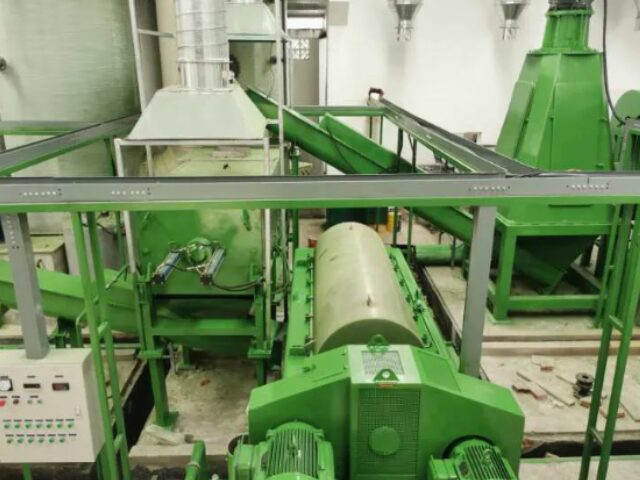
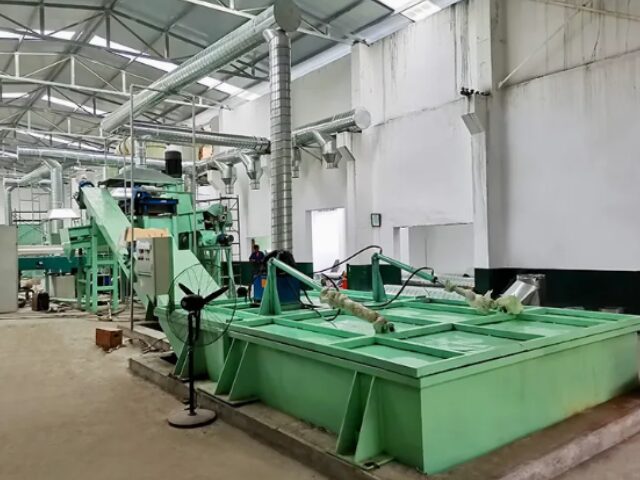
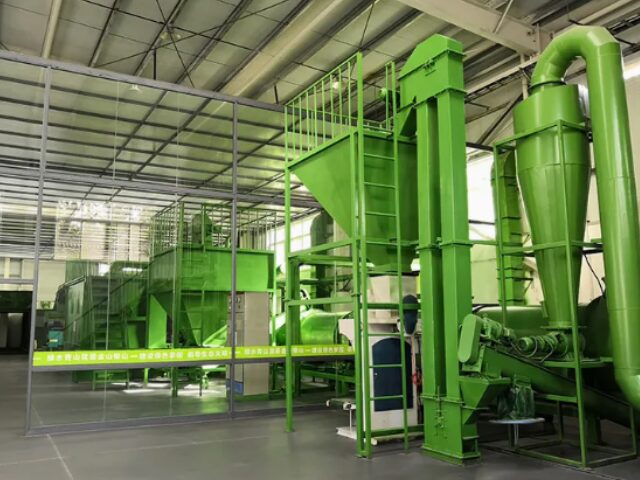
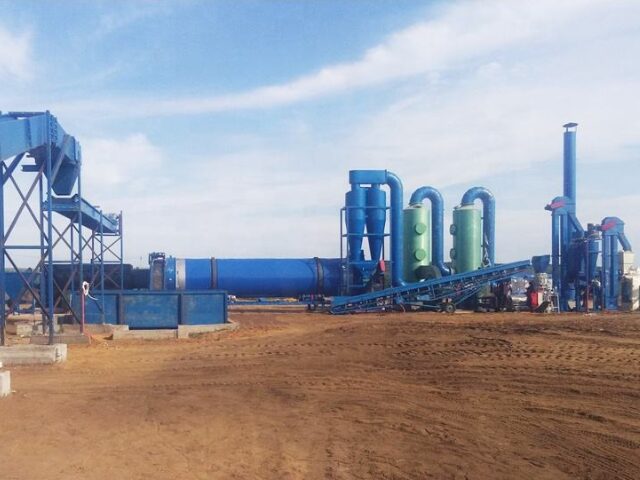
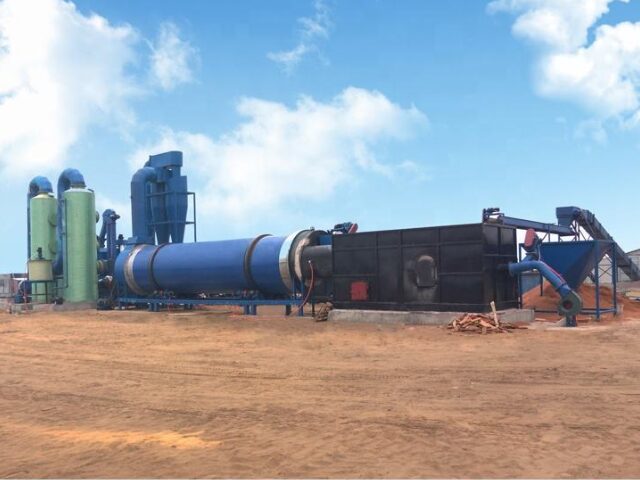
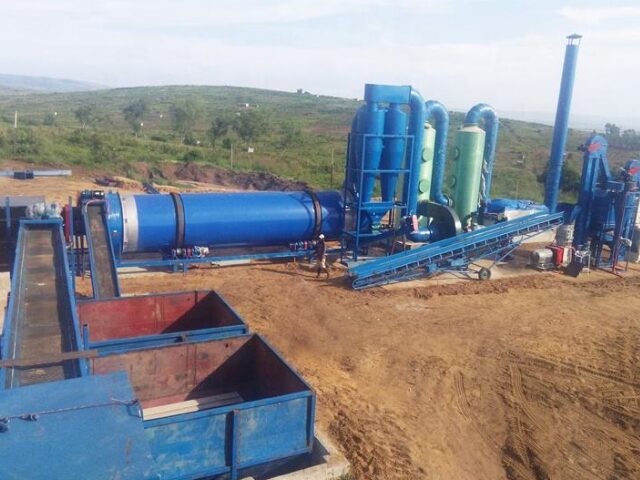
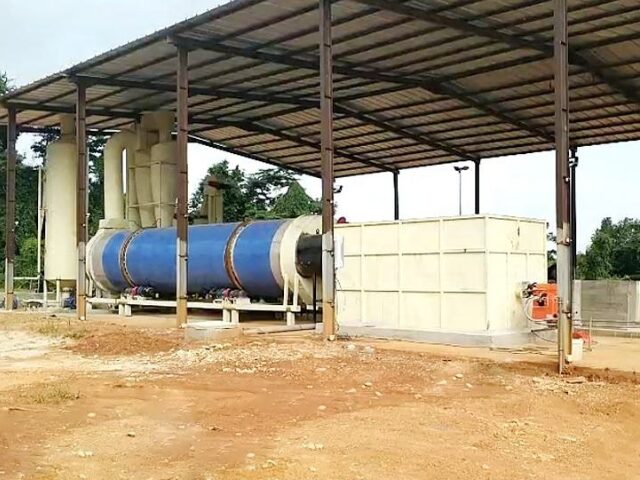
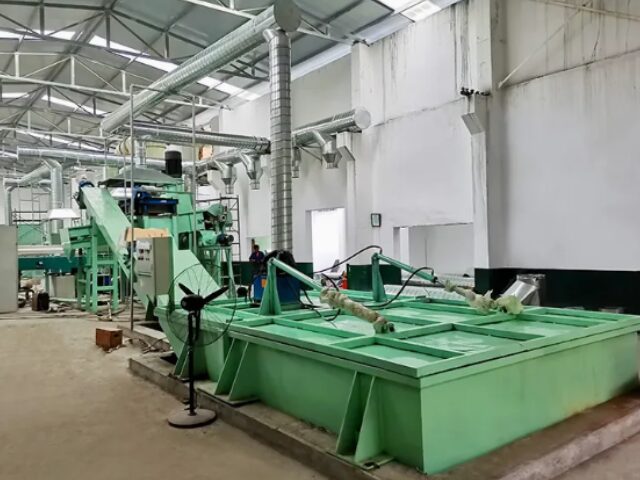
Animal Feed Dryers are advanced drying systems used to reduce moisture content in various types of animal feed ingredients, ensuring long shelf life, improved nutritional value, and enhanced feed quality. These dryers handle a wide range of raw materials, including chicken manure, cattle feed ingredients, fish feed, grain-based feed, and herbal feed mixes. With precise temperature control and uniform drying mechanisms, they ensure that the feed retains its essential nutrients while becoming safe, durable, and cost-efficient for storage and transportation.
Why Choose Kerone Animal Feed Dryers
Kerone’s Animal Feed Dryers are engineered to deliver maximum efficiency, hygiene, and reliability across diverse feed production needs. Designed with energy-efficient heating systems, superior airflow management, and durable construction, these dryers guarantee consistent drying of chicken manure, poultry litter, livestock feed blends, and other moisture-rich feed components. Kerone’s expertise in thermal processing technologies ensures that every dryer is tailored to maintain nutrient integrity while offering excellent operational economy for small, medium, and large-scale feed manufacturers.
Types and Features of Animal Feed Dryers
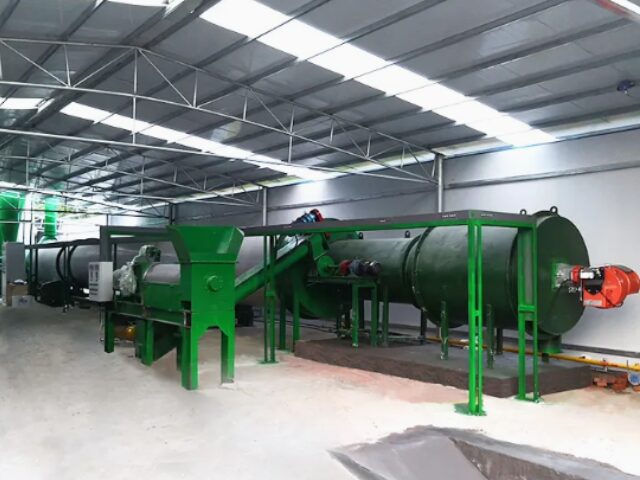
Kerone offers a complete range of Animal Feed Dryers such as rotary dryers, belt dryers, fluidized bed dryers, continuous tray dryers, and paddle dryers. These dryers are equipped with uniform heat distribution, adjustable temperature zones, automated moisture monitoring, and pollution-controlled exhaust systems. Their flexibility allows seamless handling of materials like chicken manure, fish meal, bone meal, crop residues, husk, and pellet feed, making them ideal for end-to-end feed processing operations.
Key Features
Energy-efficient heating systems for reduced operational cost
Uniform drying with controlled temperature zones
Suitable for chicken manure, fish meal, grain feed, and organic waste
Hygienic and contamination-free drying process
Customizable drying capacity for all production scales
Robust and corrosion-resistant construction for long service life
Automated controls for moisture management and temperature precision
Low maintenance design with easy cleaning and quick accessibility
Powered by AI, ML & IoT
Future-Ready Engineering Driven by AI & IoT
Our advanced AI, ML, and IoT technologies, this solution delivers smarter automation, real-time insights, and predictive intelligence to enhance efficiency and drive future-ready growth.
Real-Time Monitoring & Control
Continuous tracking of process parameters with instant adjustments.
Predictive Maintenance
Intelligent fault detection to prevent failures before they occur.
Adaptive Process Optimization
Dynamic tuning of operations for maximum output and efficiency.
Cloud Dashboards & Analytics
Unified access to real-time insights and performance trends.
Energy & Resource Savings
Smarter utilization of energy to cut costs and reduce waste.
Secure IoT Connectivity
Encrypted data flow with seamless integration across plant systems.
Applications of Animal Feed Dryers
Kerone’s Animal Feed Dryers are extensively used in industries. Typical applications include:
Drying chicken manure for organic fertilizer and pellet feed
Processing livestock feed ingredients like grains, maize, and bran
Drying fish meal and bone meal used in aquatic feed
Poultry feed processing plants for pellet and mash feed
Animal husbandry and organic waste management units
Commercial feed manufacturing industries for bulk feed processing
Kerone’s Animal Feed Dryers offer a highly reliable, nutrient-preserving, and cost-efficient solution for processing a diverse range of animal feed materials. Whether it’s chicken manure, livestock feed grains, aquatic feed ingredients, or organic additives, these dryers ensure consistent moisture reduction, enhanced shelf life, and improved feed quality. Backed by Kerone’s engineering expertise, they provide long-term performance with maximum value for feed producers.
Seamless Export Connections Global & Local
Our Global Footprint in Industrial Excellence
Delivering world-class industrial and process solutions across countries with precision, innovation, and reliability.
Peru
Chile
Argentina
Mexico
Colombia
Brazil
USA
Canada
United Kingdom
France
Germany
Spain
Italy
Netherlands
Sweden
Switzerland
Poland
Portugal
Ireland
Czechia
Romania
Hungary
Austria
Greece
Kazakhstan
Uzbekistan
Turkmenistan
Algeria
Egypt
Nigeria
Kenya
South Africa
Saudi Arabia
UAE
Israel
Russia
India
China
Japan
South Korea
Thailand
Vietnam
Malaysia
Singapore
Indonesia
Philippines
Australia
New Zealand
Pan-India Presence. Local Expertise.
Raipur
Bilaspur
Panaji
Vasco da Gama
Gandhinagar
Ahmedabad
Surat
Chandigarh
Gurgaon
Shimla
Manali
Bengaluru
Mysore
Kochi
Pune
Mumbai
Thane
Navi Mumbai
Hyderabad
Chennai
Coimbatore
Kolkata
Lucknow
Jaipur
Udaipur
Jodhpur
Dehradun
Haridwar
Bhubaneswar
Product Gallery
Frequently Asked Questions (FAQ)
Animal Feed Dryers can dry chicken manure, poultry litter, grain feed, fish meal, bone meal, maize, husk, and various organic feed components.
Chicken manure carries a much higher pathogen and odor load than grain feed, so the drying process must achieve both moisture reduction and a validated level of pathogen kill, typically requiring sustained exposure to specific time-temperature combinations rather than simple moisture-driven drying. Grain and bran-based feeds are comparatively low-risk and the drying objective is mainly moisture stability and nutrient preservation. Equipment intended for manure processing should be specified with the pathogen reduction requirement explicitly stated, since a dryer sized only for moisture removal may not hold the temperature long enough to meet biosecurity or fertilizer registration standards in some jurisdictions.
Yes. Proper drying eliminates pathogens, reduces odour, and stabilizes chicken manure, making it suitable for organic fertilizer and certain pelletized feed applications.
Rotary dryers and belt dryers are widely used due to their ability to handle wet, sticky, and high-volume manure efficiently.
Drying enhances shelf life, reduces microbial growth, improves handling, and maintains essential nutrients in the feed materials.
Yes. Kerone designs dryers based on moisture levels, feed type, production capacity, and specific industry requirements.
Absolutely. Kerone dryers include controlled exhaust systems and optional pollution-control attachments to minimize odour, emissions, and environmental impact.
Drying organic waste at scale releases ammonia and volatile organic compounds that can create nuisance odor complaints from neighboring facilities or communities, which has become a more closely regulated issue in many regions over the past several years. Controlled exhaust systems, biofilters, or wet scrubbers are increasingly standard rather than optional for manure dryers sited near residential areas, and some jurisdictions require documented emissions monitoring as a condition of operating permits. Buyers should confirm local air quality requirements before finalizing dryer specification, since retrofitting odor control onto an already-installed system is considerably more expensive than designing it in.
Wet, sticky materials like fresh manure or filter cake tend to clump and resist airflow penetration in standard rotary or belt configurations, often requiring paddle dryers or rotary drums with aggressive internal lifters to break up material before it can dry evenly. Free-flowing ingredients such as grain, bran, or pelletized feed dry efficiently in simpler fluidized bed or belt configurations without special anti-clumping features. Selecting equipment based on the feedstock's actual handling behavior, rather than defaulting to whichever dryer type is most commonly advertised, avoids the common failure mode of material bridging or matting inside the dryer.
When a dryer is undersized relative to upstream processing capacity, feed material backs up before the dryer, forcing either production slowdowns or storage of wet material that can spoil or generate odor before it reaches the dryer. This bottleneck effect often costs more in lost throughput and product loss than the capital saved by under-specifying the dryer in the first place. Capacity planning should account for peak intake periods such as seasonal slaughter cycles for bone and feather meal or harvest-driven grain intake, rather than average daily volume, since feed processing operations are rarely perfectly steady.
Output intended for fertilizer registration or feed-grade sale typically requires documented process records showing consistent moisture reduction and, for manure-derived products, validated pathogen reduction data acceptable to the relevant agricultural or environmental authority. This differs by country and end-use, so processors should confirm documentation requirements with their target regulatory body before finalizing dryer specification, since the equipment's control system needs to log the specific parameters, temperature, residence time, batch records that the certifying authority will request during audit or registration review.
Yes, a single unit can be adjusted to handle different materials like grain feed, fish meal or manure by changing airflow and temperature settings.
The system uses adjustable temperature zones and monitoring sensors that adapt drying intensity based on particle size and moisture readings.
Excessive heat can affect nutrient quality, which is why Kerone sets temperature profiles specific to each feed type to protect nutritional value.
Kerone’s custom-designed heating and processing solutions are built to meet the demands of your growing operations. Whether you’re upgrading equipment, expanding production, or need a tailor-made solution




 Peru
Peru Chile
Chile Argentina
 Mexico
 Colombia
 Brazil
 USA
USA Canada
 United Kingdom
 France
 Germany
 Spain
Spain Italy
Italy Netherlands
 Sweden
 Switzerland
 Poland
 Portugal
 Ireland
 Czechia
 Romania
 Hungary
 Austria
 Greece
 Kazakhstan
 Uzbekistan
 Turkmenistan
 Algeria
 Egypt
Egypt Nigeria
 Kenya
Kenya South Africa
 Saudi Arabia
 UAE
UAE Israel
 Russia
 India
India China
China Japan
Japan South Korea
 Thailand
 Vietnam
 Malaysia
 Singapore
 Indonesia
 Philippines
 Australia
 New Zealand