Insect-based protein is rapidly establishing itself as one of the most sustainable and nutritionally complete alternative protein sources for aquaculture, poultry, swine, and pet food applications. At the centre of industrial-scale insect protein processing is the drying step and getting it right is critical. Kerone Engineering Solutions manufactures specialised Insect Protein Feed Dryers designed for the unique material properties of BSF larvae, black soldier fly larvae, mealworms, crickets, and other farmed insect species. A black soldier fly larvae dryer must handle live or freshly killed high-moisture larvae (typically 65–75% moisture) and bring them to a stable, processable moisture level of 5–10% for insect meal production, oil extraction, or direct inclusion in aquaculture or poultry rations. The thermal process must also inactivate pathogens and enzymes while preserving the lysine-rich protein profile and lauric acid content that make BSF larvae particularly valuable in the feed ingredient market. Kerone’s insect meal dryer and protein feed drying systems are purpose-engineered for this demanding application, serving the rapidly growing global insect protein industry with reliable, energy-efficient, and scalable drying technology.
Why Choose Kerone Insect Protein Feed Dryers
Processing insects at industrial scale is a young and rapidly evolving sector, and equipment suppliers with genuine process engineering depth are rare. Kerone Engineering Solutions has invested in developing Insect Protein Feed Dryer technology that goes beyond generic dryer adaptation, addressing the specific challenges of insect biomass drying: high initial moisture, delicate protein matrix, fat migration during heating, and the need to achieve regulatory-compliant pathogen reduction. Kerone’s BSF larvae feed dryer designs are validated for the key performance indicators of the insect protein industry, achieving thorough moisture reduction, maintaining crude protein content above 40% (dry matter basis), and preserving the natural lauric acid content of black soldier fly larvae that makes them effective as a natural pathogen control agent in aquaculture feeds. The company’s insect meal dryer solutions are available in batch and continuous configurations, allowing insect protein producers at every scale from innovative startups to established commercial insect farms to access proven drying technology. Kerone’s engineering team works closely with insect producers to understand their specific species, rearing system outputs, and downstream processing requirements before finalising dryer specifications.
Types and Features of Insect Protein Feed Dryers
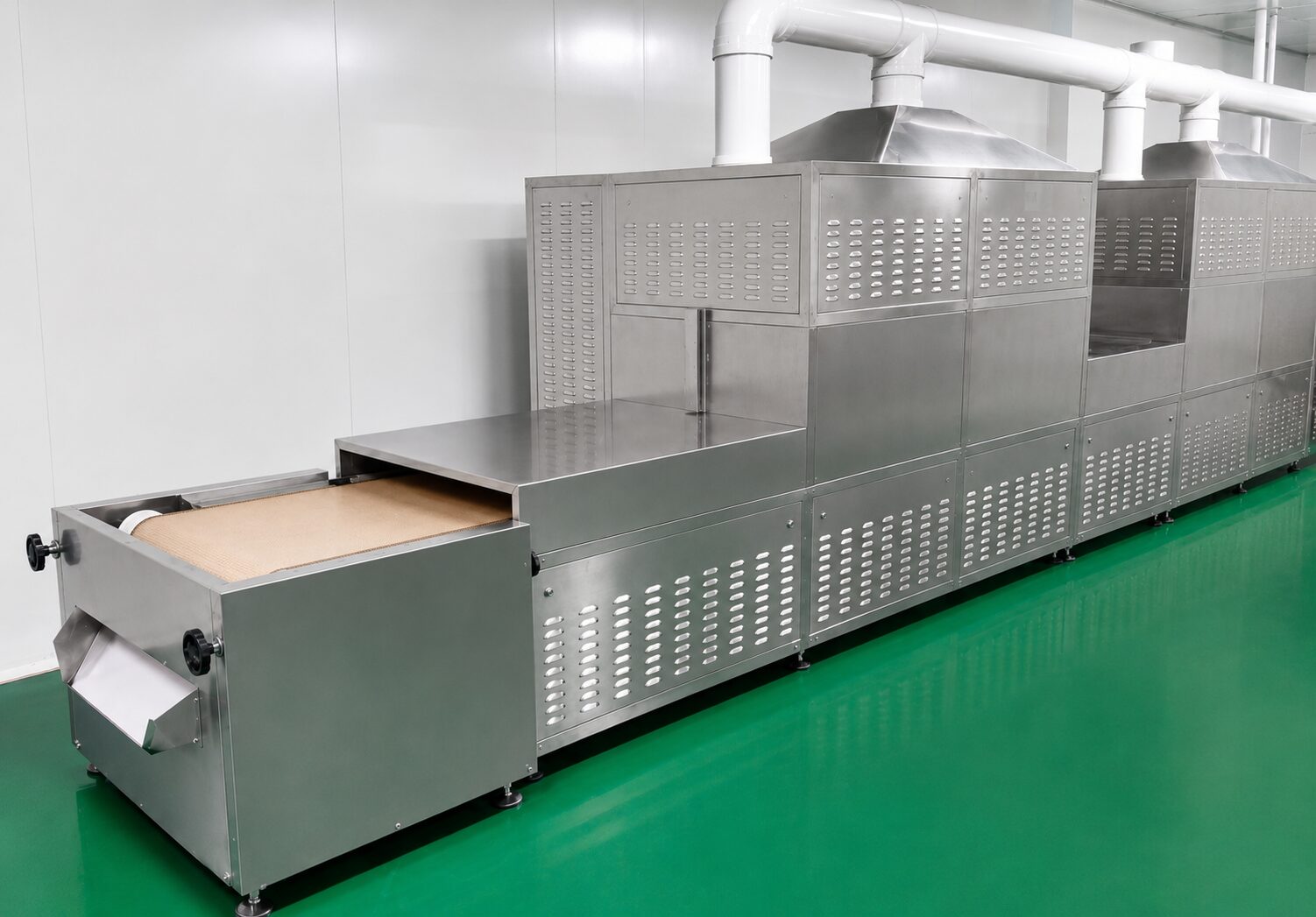
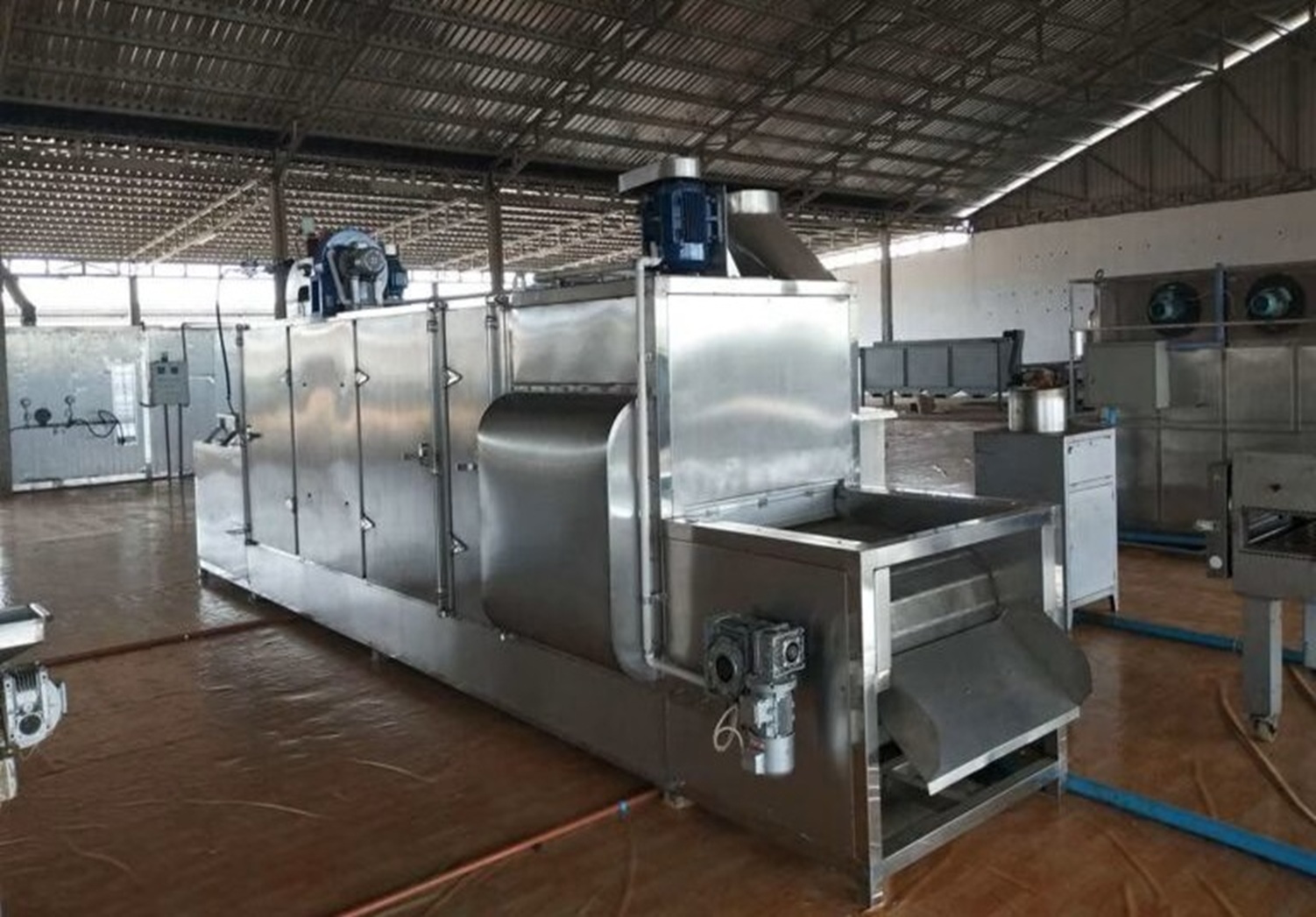
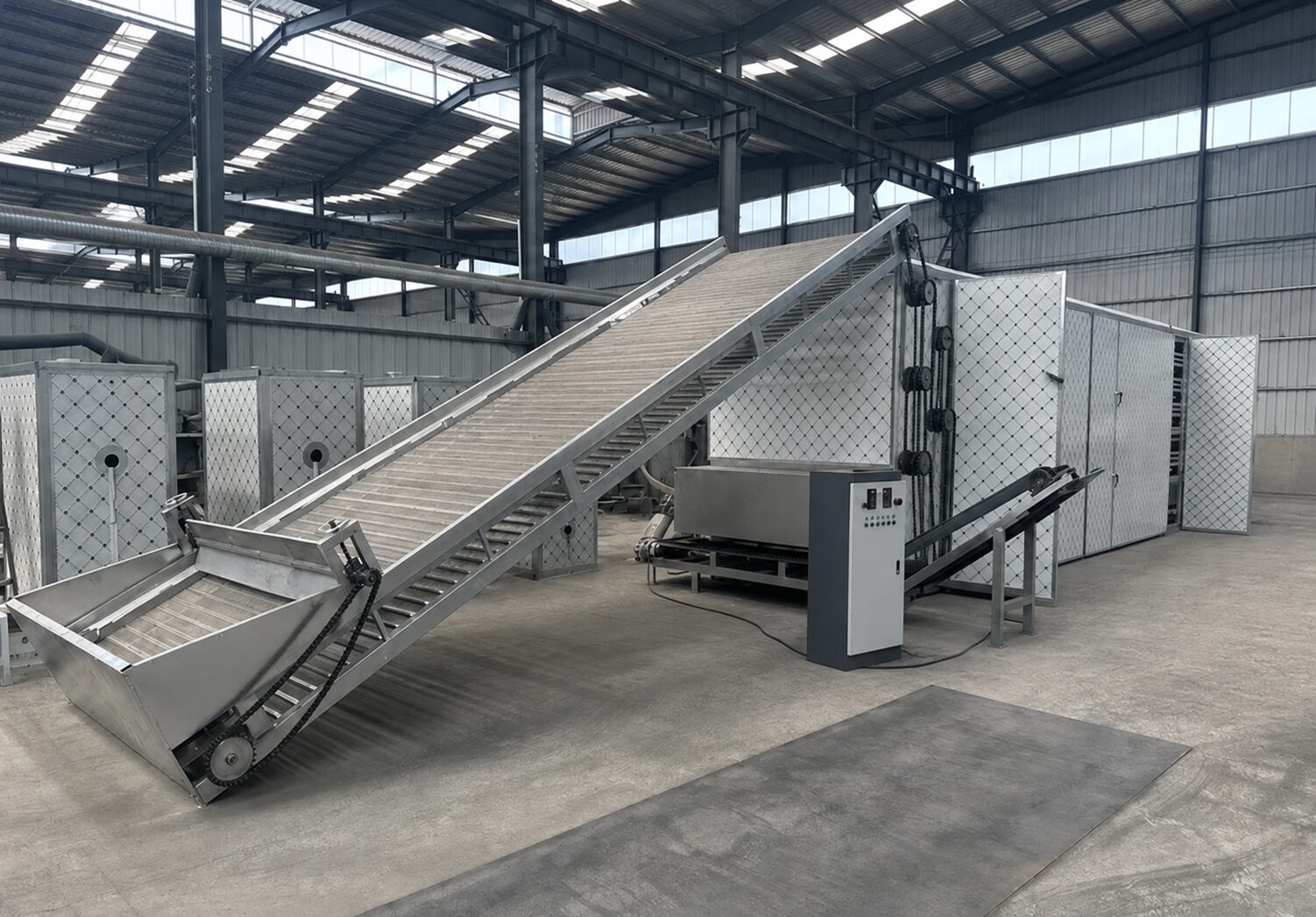
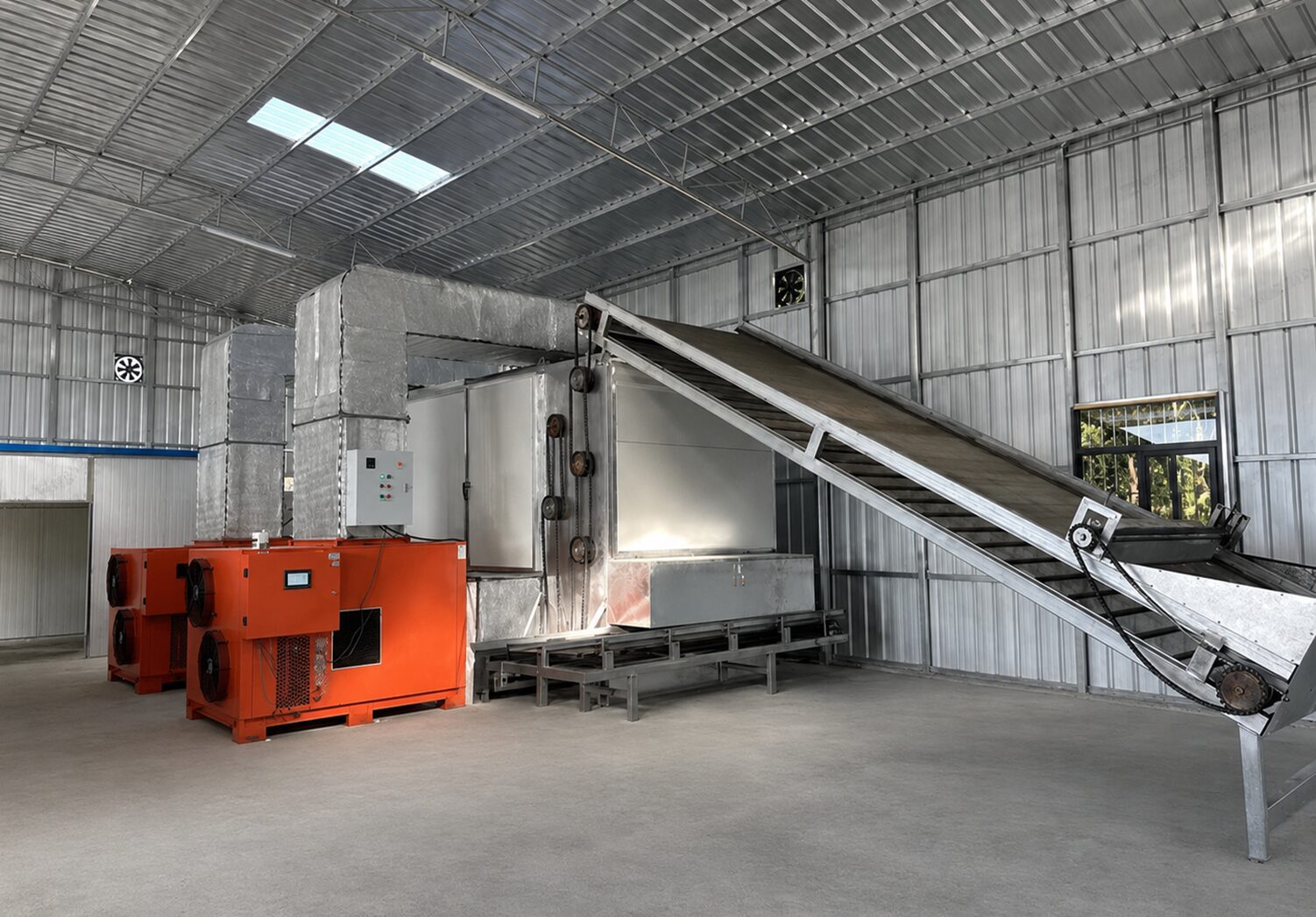
Kerone’s Insect Protein Feed Dryer platform includes several key configurations. The Belt Dryer with through-airflow design is the most widely deployed for continuous BSF larvae drying in commercial insect farms, processing larvae from the pre-treatment stage through to a uniform dry insect product. For batch-based insect protein producers, Kerone provides tray dryer configurations with controlled temperature uniformity across all trays. A critical design feature for insect drying is fat migration management as insects are heated, natural fats migrate to the surface, which can create clumping and uneven drying if airflow and temperature gradients are not carefully managed. Kerone’s dryer internals are specifically designed to minimise this effect through controlled staged heating. The heat pump dryer configuration is particularly relevant for insect protein drying where energy costs are a significant operational concern and where low-temperature drying (55°C–70°C) is preferred to maintain protein quality. All Kerone insect protein dryers are available with closed-loop exhaust systems to manage odour, a significant practical requirement in residential or mixed-use industrial zones.
Key Features
Purpose-designed through-airflow belt dryer for continuous black soldier fly larvae dryer operations, handling live or pre-killed larvae at 65–75% inlet moisture with consistent throughput.
Staged temperature control to manage fat migration during insect drying, preventing surface fat pooling, inter-particle clumping, and uneven moisture distribution in the insect protein product.
Heat pump dryer integration for energy-efficient insect protein drying at 55°C–70°C, reducing thermal energy costs and preserving crude protein content and lauric acid concentration in BSF larvae meal.
Pathogen inactivation validation capability, dryer temperature profiles designed to meet the time-temperature requirements for Salmonella and coliform inactivation in insect biomass per applicable feed safety standards.
Odour management through closed or semi-closed exhaust air systems with biofilter or activated carbon scrubber options, addressing one of the most significant operational challenges in commercial insect processing facilities.
Stainless steel belt and housing construction with high-pressure washdown capability, essential for the high-frequency cleaning requirements of insect protein processing environments.
Continuous inline weight loss monitoring enabling real-time moisture reduction tracking without the need for manual sampling, improving process efficiency in high-throughput insect meal dryer operations.
Scalable modular design allowing insect protein producers to begin with smaller-capacity systems and expand by adding parallel or series dryer modules as production volume grows.
Powered by AI, ML & IoT
Future-Ready Engineering Driven by AI & IoT
Our advanced AI, ML, and IoT technologies, this solution delivers smarter automation, real-time insights, and predictive intelligence to enhance efficiency and drive future-ready growth.
Real-Time Monitoring & Control
Continuous tracking of process parameters with instant adjustments.
Predictive Maintenance
Intelligent fault detection to prevent failures before they occur.
Adaptive Process Optimization
Dynamic tuning of operations for maximum output and efficiency.
Cloud Dashboards & Analytics
Unified access to real-time insights and performance trends.
Energy & Resource Savings
Smarter utilization of energy to cut costs and reduce waste.
Secure IoT Connectivity
Encrypted data flow with seamless integration across plant systems.
Applications of Insect Protein Feed Dryers
Kerone’s Insect Protein Feed Dryers are extensively used in black soldier fly protein farms, mealworm processing facilities, and alternative protein ingredient manufacturers serving the aquaculture, poultry, and pet food industries.
Typical applications include:
Black soldier fly larvae dryer operations processing freshly harvested BSFL biomass from organic waste bioconversion facilities for downstream insect meal and insect oil production.
Insect meal dryer applications producing dried whole-insect meal for direct inclusion in aquaculture, poultry, and swine compound feeds as a sustainable alternative protein ingredient.
Protein feed drying of mealworm (Tenebrio molitor) larvae and pupae for premium pet food, reptile nutrition, and specialty aquaculture diet applications.
BSF larvae feed dryer integration within circular economy organic waste processing facilities where insect biomass drying is a value-addition step in the biorefinery chain.
Drying of cricket (Acheta domesticus) and locust biomass for human-grade food and animal feed ingredient applications requiring high protein density and low moisture content.
Processing of defatted insect meal after oil extraction, secondary drying to achieve ultra-low moisture content for high-concentrate protein powder production for use in functional feed applications.
Seamless Export Connections Global & Local
Our Global Footprint in Industrial Excellence
Delivering world-class industrial and process solutions across countries with precision, innovation, and reliability.
Peru
Chile
Argentina
Mexico
Colombia
Brazil
USA
Canada
United Kingdom
France
Germany
Spain
Italy
Netherlands
Sweden
Switzerland
Poland
Portugal
Ireland
Czechia
Romania
Hungary
Austria
Greece
Kazakhstan
Uzbekistan
Turkmenistan
Algeria
Egypt
Nigeria
Kenya
South Africa
Saudi Arabia
UAE
Israel
Russia
India
China
Japan
South Korea
Thailand
Vietnam
Malaysia
Singapore
Indonesia
Philippines
Australia
New Zealand
Pan-India Presence. Local Expertise.
Raipur
Bilaspur
Panaji
Vasco da Gama
Gandhinagar
Ahmedabad
Surat
Chandigarh
Gurgaon
Shimla
Manali
Bengaluru
Mysore
Kochi
Pune
Mumbai
Thane
Navi Mumbai
Hyderabad
Chennai
Coimbatore
Kolkata
Lucknow
Jaipur
Udaipur
Jodhpur
Dehradun
Haridwar
Bhubaneswar
Product Gallery
Frequently Asked Questions (FAQ)
Freshly harvested black soldier fly larvae typically contain 65–75% moisture on a wet weight basis. Kerone's BSF larvae dryer systems are designed to accept this high inlet moisture and reduce it to a stable 5–10% suitable for insect meal production or direct incorporation into aquaculture or poultry feeds.
Yes. Extended high-temperature drying above 80–90°C can cause protein denaturation, Maillard reaction between proteins and sugars, and lysine damage. Kerone's insect protein dryers are designed with controlled temperature profiles, particularly using heat pump dryer configurations to preserve protein quality, amino acid availability, and digestibility.
As insect biomass heats, natural lipids migrate to the surface of the larvae, creating the risk of fat pooling on belt surfaces and inter-particle sticking. Kerone addresses this through staged heating profiles that initiate gradual surface drying before bulk temperature rise, and by designing belt surfaces and lateral clearances that minimise fat-related clumping.
Kerone's insect protein dryers can be validated to achieve the time-temperature combinations required for Salmonella and E. coli inactivation in insect biomass, typically involving sustained product temperatures above 70°C for specified dwell times. Kerone provides temperature validation documentation to support regulatory submissions.
For operations with continuous production, the heat pump dryer provides the most energy-efficient drying option, typically consuming 50–60% less thermal energy than conventional heated-air dryers for equivalent moisture removal. For batch or intermittent production, the economics must be evaluated against capital cost difference.
Insect biomass drying produces strong organic odours that require management. Kerone designs exhaust air handling with biofilter integration or activated carbon scrubber systems to treat exhaust air before discharge, allowing insect processing facilities to operate responsibly in industrial zones with neighbouring occupants.
Yes. Kerone's PLC-controlled systems can store process recipes for different insect species (BSFL, mealworms, crickets), with parameters adjusted for the specific moisture content, fat content, and particle size of each species. Thorough cleaning between batches is recommended where cross-contamination is a concern.
Drying BSF larvae from approximately 70% to 8% moisture results in roughly 70–75% total weight reduction, meaning 4 kg of fresh larvae produces approximately 1 kg of dried insect product. This significant weight reduction makes the drying step central to the economics of insect protein production.
Ideally, insect biomass should be separated from frass and substrate before drying to achieve clean insect protein products and avoid contaminating the dryer with high-mineral, high-moisture substrate materials. Kerone recommends upstream separation systems as part of a complete insect processing line.
Kerone's energy-efficient insect drying systems reduce the carbon footprint of the drying step, a major contributor to insect protein's lifecycle environmental impact. Energy recovery through heat pump dryer operation and process optimisation directly supports carbon footprint targets relevant to circular economy and sustainable ingredient certifications.
Commercial continuous belt dryer systems are typically viable from inputs of 200–300 kg/hour of fresh larvae upwards. For smaller operations, Kerone provides batch tray dryer configurations that are economical at inputs from 50 kg/batch, allowing early-stage insect farms to scale their drying capacity progressively.
Yes. For premium pet food applications requiring human-food-grade processing standards, Kerone provides insect protein dryers with food-grade SS 316 construction, full hygienic design, validated temperature profiles, and process documentation systems that support pet food quality management requirements.
Dried insect meal is a fine organic powder with combustible dust characteristics. Kerone designs insect meal dryer exhaust systems with appropriate dust collection, incorporates explosion relief venting where required by risk assessment, and recommends facility-level hazardous area classification review for large-scale operations.
Kerone conducts product trials at bench and pilot scale using customer-supplied insect biomass samples, measuring temperature profiles, moisture reduction curves, and product quality parameters. Trial data is used to finalise dryer specifications and provide performance guarantees for the production system.
Insect drying environments are microbiologically active, and dryers require regular high-pressure washdown cleaning. Kerone designs all product-contact surfaces with smooth stainless steel finishes, full-drain capability, and washdown-compatible electrical protection to facilitate the frequent, thorough cleaning required in insect protein processing.
Kerone’s custom-designed heating and processing solutions are built to meet the demands of your growing operations. Whether you’re upgrading equipment, expanding production, or need a tailor-made solution


 Peru
Peru Chile
Chile Argentina
 Mexico
 Colombia
 Brazil
 USA
USA Canada
 United Kingdom
 France
 Germany
 Spain
Spain Italy
Italy Netherlands
 Sweden
 Switzerland
 Poland
 Portugal
 Ireland
 Czechia
 Romania
 Hungary
 Austria
 Greece
 Kazakhstan
 Uzbekistan
 Turkmenistan
 Algeria
 Egypt
Egypt Nigeria
 Kenya
Kenya South Africa
 Saudi Arabia
 UAE
UAE Israel
 Russia
 India
India China
China Japan
Japan South Korea
 Thailand
 Vietnam
 Malaysia
 Singapore
 Indonesia
 Philippines
 Australia
 New Zealand