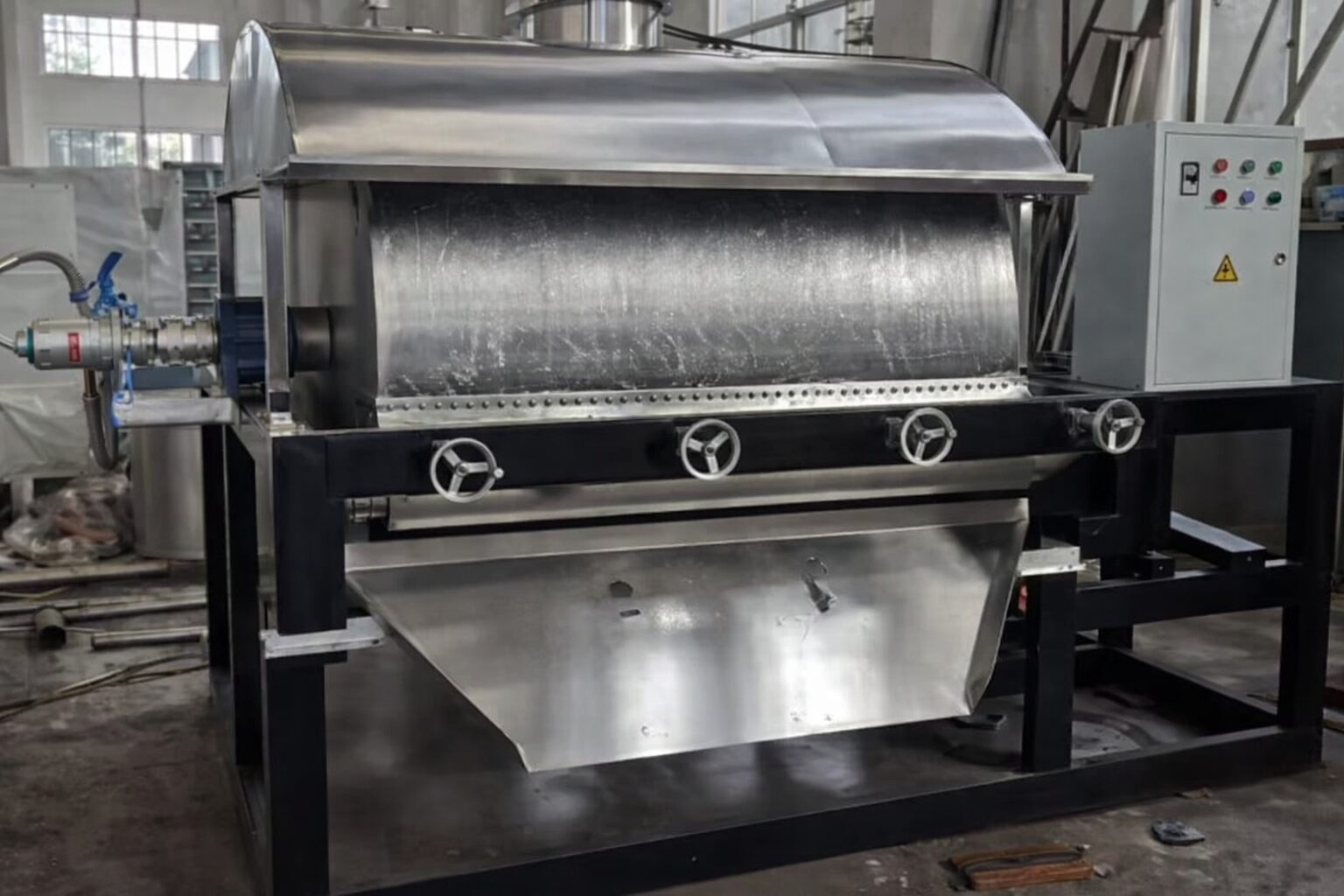
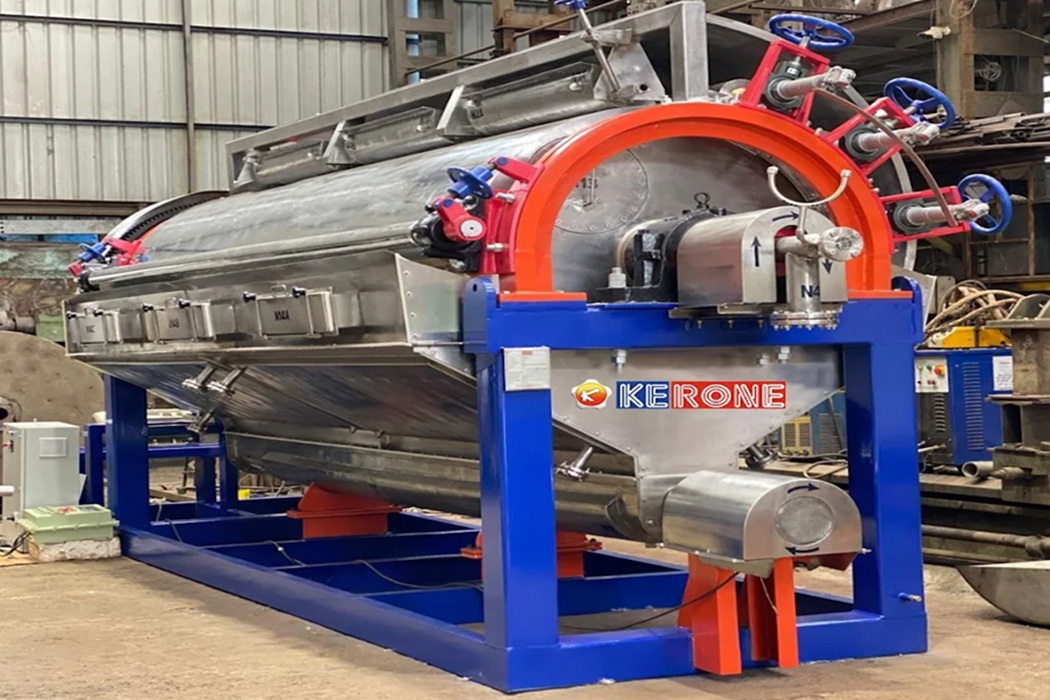
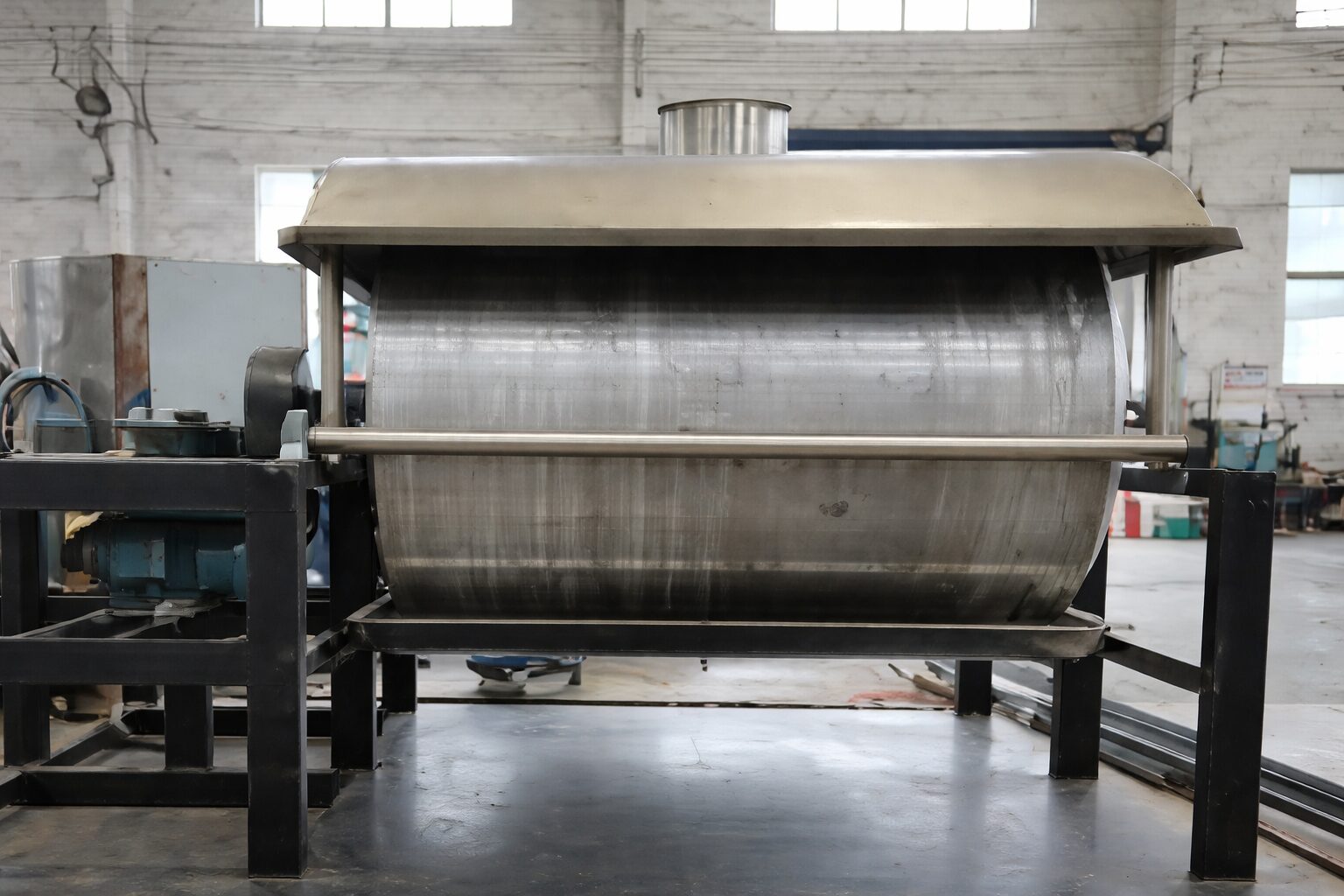
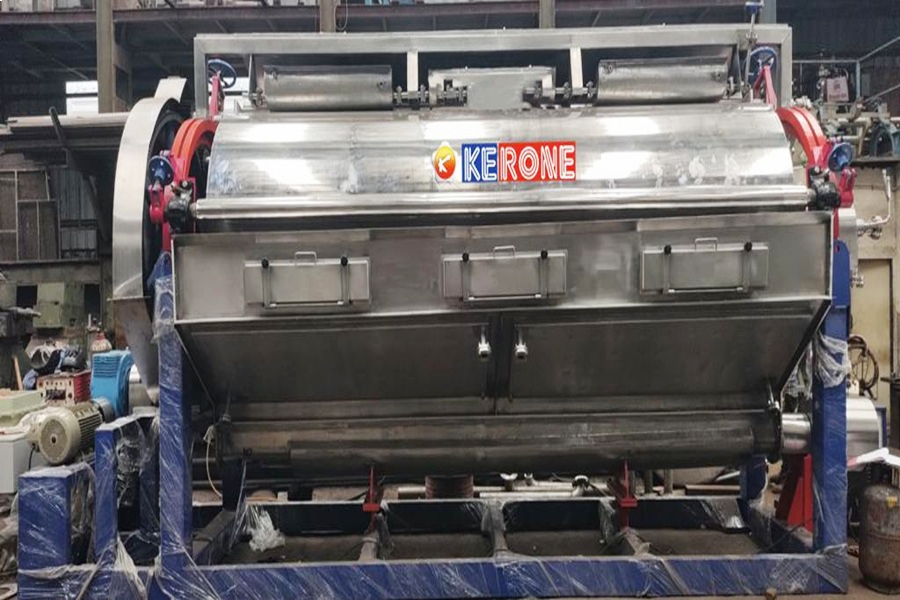
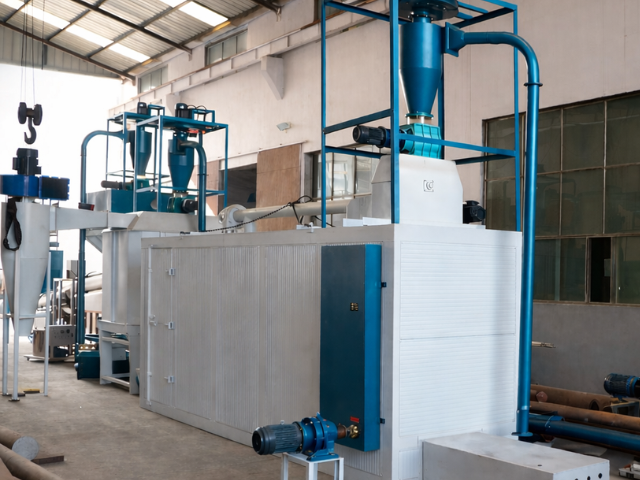
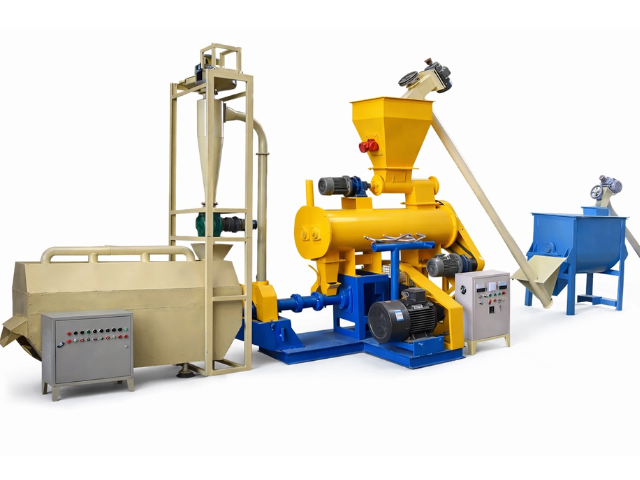
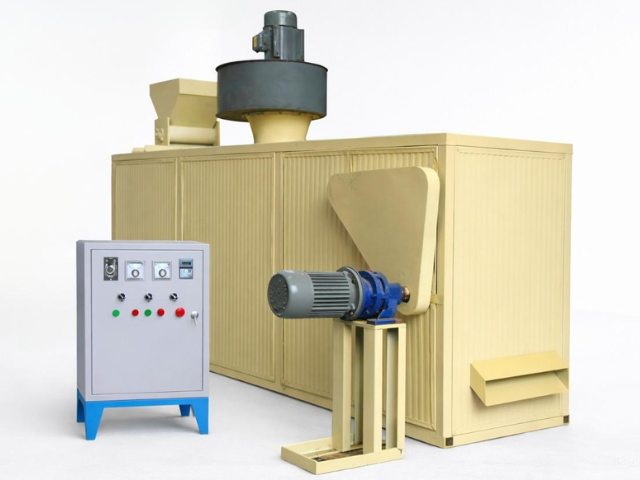
Aquaculture feed manufacturing is one of the most technically demanding segments in animal nutrition processing, requiring drying systems that can handle both floating feed drying and sinking feed drying for species ranging from shrimp and prawns to salmon, tilapia, carp, and ornamental fish. Kerone Engineering Solutions designs and manufactures industrial Aquaculture Feed Dryers that address the specific requirements of the global fish feed and crustacean nutrition industry. The performance of a fish feed pellet dryer directly determines pellet water stability, a critical parameter in aquaculture, where feed that disintegrates in water before being consumed represents both nutritional loss and environmental contamination. Kerone’s drying systems are engineered to produce feed pellets with the precise surface moisture and core density profiles required to maintain pellet integrity in water for the required duration, whether for floating pellets used in pond or raceway aquaculture or sinking pellets used in offshore cage and deep pond systems. These industrial drying systems serve aquaculture feed manufacturers of all scales, from regional shrimp feed mills to large-scale integrated salmon feed operations, with customised solutions for each species and feed form.
Why Choose Kerone Aquaculture Feed Dryers
Fish feed manufacturing is a field where process precision and engineering experience are the primary differentiators between equipment suppliers. Kerone’s fish feed dryer engineering approach begins with detailed analysis of the extrudate properties, bulk density, initial moisture, pellet geometry, and fat coating requirement, before selecting and designing the appropriate drying configuration. The company provides floating feed drying systems that maintain the open-cell structure responsible for buoyancy, and sinking feed drying systems that promote the closed-cell or high-density pellet characteristics required for bottom feeding species. Kerone’s dryers are further designed to interface with pre-coating and post-coating fat application systems, ensuring that the sequence of drying, fat coating, and optional re-drying is managed as an integrated process with optimal quality outcomes.
Types and Features of Aquaculture Feed Dryers
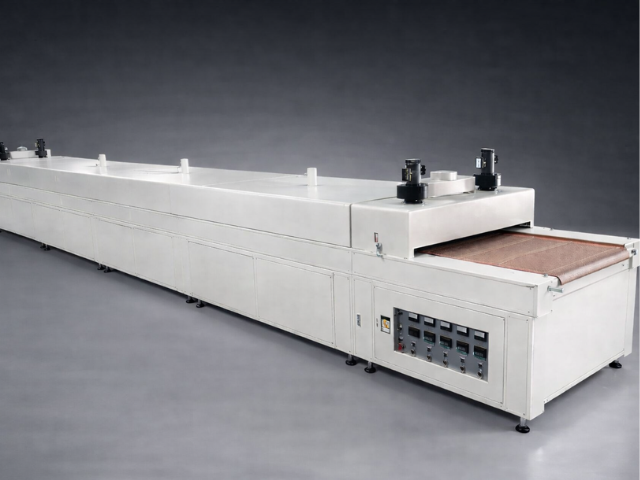
Kerone offers a specific range of dryer configurations tailored to aquaculture feed processing requirements. The Belt Dryer with through-airflow plenum design is the most widely used system for fish feed pellet dryer applications, providing uniform airflow contact with extruded pellets across multiple temperature zones with minimal surface abrasion. For large-scale floating feed drying of salmon and trout pellets, Multi-deck belt dryers maximise throughput within a compact footprint and allow sequential moisture reduction in each deck. Shrimp and prawn feed drying uses a specialised low-velocity belt dryer to prevent fragmentation of the smaller, more delicate crustacean feed pellets. The optional heat pump dryer module enables energy-efficient drying below 60°C, protecting lipid stability and pigment retention in colour-enhanced fish feeds. Kerone also provides integrated systems with pre-dryer steam conditioning for pellet hardening and post-dryer cooling conveyors, producing a finished pellet ready for fat coating or direct bagging.
Key Features
Through-airflow belt dryer design with multiple independent temperature zones, optimised specifically for fish feed pellet dryer operations handling extruded floating and sinking pellets.
Controlled drying curve management to maintain pellet water stability, preventing over-drying of floating feed structures and under-drying that causes premature water leaching of sinking pellets.
Gentle conveyor handling with low-impact transfer points to protect small-diameter shrimp feed crumbles and ornamental fish pellets from surface abrasion and breakage during drying.
Optional heat pump dryer integration for low-temperature energy-efficient drying of lipid-rich fish feeds, preserving omega-3 fatty acid profiles and astaxanthin/canthaxanthin pigment stability.
Hygienic stainless steel construction throughout product contact zones with clean-in-place (CIP) compatible surfaces, essential for preventing microbial build-up in the high-protein fish feed environment.
Multi-deck dryer configuration available for high-capacity operations, maximising the drying area within a compact plant footprint suitable for existing aquaculture feed manufacturing facilities.
Integrated inline moisture sensor at dryer discharge with automatic feedback to belt speed and zone temperature controls, maintaining outlet moisture within tight tolerances for consistent pellet quality.
Optional exhaust air recirculation and heat recovery system reducing energy consumption by up to 40% compared to single-pass fresh air systems, lowering operating costs in continuous production.
Powered by AI, ML & IoT
Future-Ready Engineering Driven by AI & IoT
Our advanced AI, ML, and IoT technologies, this solution delivers smarter automation, real-time insights, and predictive intelligence to enhance efficiency and drive future-ready growth.
Real-Time Monitoring & Control
Continuous tracking of process parameters with instant adjustments.
Predictive Maintenance
Intelligent fault detection to prevent failures before they occur.
Adaptive Process Optimization
Dynamic tuning of operations for maximum output and efficiency.
Cloud Dashboards & Analytics
Unified access to real-time insights and performance trends.
Energy & Resource Savings
Smarter utilization of energy to cut costs and reduce waste.
Secure IoT Connectivity
Encrypted data flow with seamless integration across plant systems.
Applications of Aquaculture Feed Dryers
Kerone’s Aquaculture Feed Dryers are extensively used in shrimp feed mills, salmon and trout pellet manufacturing plants, and freshwater species feed production facilities across India and export markets.
Typical applications include:
Fish feed pellet dryer operations for extruded floating salmon, trout, and tilapia pellets requiring precise moisture management to maintain buoyancy and water stability.
Sinking feed drying for bottom-feeding species including carp, catfish, and marine flatfish, producing high-density pellets with slow water absorption profiles.
Shrimp and prawn feed drying using gentle low-velocity belt systems to process fragile crustacean pellets without surface fragmentation.
Drying of ornamental and koi fish feed, including colour-enhancing astaxanthin-enriched pellets and wafer-type feeds for aquarium species.
Post-extrusion drying integrated with fat coating systems for energy-dense aquaculture diets used in intensive offshore salmon cage farming.
Drying of larval and fry feed micro-pellets for hatchery nutrition programmes, using specialised fine-mesh belt systems designed for small-particle aquaculture feeds.
Seamless Export Connections Global & Local
Our Global Footprint in Industrial Excellence
Delivering world-class industrial and process solutions across countries with precision, innovation, and reliability.
Peru
Chile
Argentina
Mexico
Colombia
Brazil
USA
Canada
United Kingdom
France
Germany
Spain
Italy
Netherlands
Sweden
Switzerland
Poland
Portugal
Ireland
Czechia
Romania
Hungary
Austria
Greece
Kazakhstan
Uzbekistan
Turkmenistan
Algeria
Egypt
Nigeria
Kenya
South Africa
Saudi Arabia
UAE
Israel
Russia
India
China
Japan
South Korea
Thailand
Vietnam
Malaysia
Singapore
Indonesia
Philippines
Australia
New Zealand
Pan-India Presence. Local Expertise.
Raipur
Bilaspur
Panaji
Vasco da Gama
Gandhinagar
Ahmedabad
Surat
Chandigarh
Gurgaon
Shimla
Manali
Bengaluru
Mysore
Kochi
Pune
Mumbai
Thane
Navi Mumbai
Hyderabad
Chennai
Coimbatore
Kolkata
Lucknow
Jaipur
Udaipur
Jodhpur
Dehradun
Haridwar
Bhubaneswar
Product Gallery
Frequently Asked Questions (FAQ)
Floating feed drying requires preservation of the open-cell foam structure created during extrusion cooking, which provides buoyancy. This demands controlled, moderate-temperature drying that avoids structural collapse. Sinking feed drying targets a denser, less porous pellet, and the drying profile focuses on even moisture reduction without the buoyancy structure concern.
Most commercial extruded aquaculture pellets target 6–10% final moisture, with shrimp feeds typically dried to 8–11% and salmonid pellets to 8–10%. These levels prevent mould growth during storage while maintaining pellet mechanical integrity.
Drying temperature and airflow velocity both affect pellet surface hardening, starch gelatinisation completion, and protein matrix integrity, all of which influence how quickly a pellet absorbs water. Kerone's multi-zone dryer designs allow fine-tuning of the drying curve to achieve the target water stability specification for each product.
Yes. Kerone regularly designs fish feed drying lines that interface with post-pellet vacuum fat coating systems. The dryer brings pellets to the target pre-coating moisture, the coating system applies lipid, and in some designs a short secondary drying step is included to stabilise the coated pellet surface.
Yes. For energy-dense salmon and trout feeds with high fat content, the heat pump dryer's low-temperature operation (50–60°C) prevents lipid oxidation and off-flavour development while achieving energy-efficient drying, making it a technically and economically preferred choice.
Kerone specifies stainless steel wire mesh belts with appropriate aperture sizes selected based on pellet diameter and density. For shrimp feed pellets (typically 1.5–3 mm diameter), fine-mesh belts with low slot-to-diameter ratio prevent product fall-through while allowing adequate airflow.
High ambient humidity, common in coastal and tropical aquaculture feed production regions, reduces the moisture absorption capacity of the drying air. Kerone designs drying air handling systems with dehumidification or heat pump dryer integration to maintain effective drying performance regardless of ambient conditions.
Yes. Kerone's PLC-controlled dryers support multiple product recipes, allowing the same equipment to be used for shrimp, tilapia, salmon, and ornamental fish feeds through programmatic parameter switching between production runs.
Kerone constructs product-contact zones in SS 304/316 with sanitary weld finishes, and designs dryer internals with minimum horizontal ledges and full-drainage capability. These features align with the hygienic manufacturing requirements of certified aquaculture feed facilities.
Micro-pellet feeds (below 1 mm diameter) require specially designed fine-mesh belt conveyor sections with extremely low airflow velocities to prevent particle entrainment. Kerone designs these sections with laminar flow plenums and particle retention screens sized for the specific pellet diameter.
Energy consumption varies by product moisture reduction requirement and dryer type. As a reference, drying extruded pellets from 28% to 9% moisture using a conventional belt dryer consumes approximately 600–900 kWh of thermal energy per tonne of product. Heat pump dryer systems can reduce this by 35–50%.
Yes. Kerone supplies drying systems fully compatible with organic and Aquaculture Stewardship Council (ASC) certified production environments, using no process chemicals, food-grade construction materials, and documentation systems that support certification audits.
Yes. Kerone's low-temperature drying options, particularly the heat pump dryer configuration, maintain product temperatures below the threshold at which astaxanthin and canthaxanthin pigments begin to degrade, preserving colour intensity in premium fish and crustacean feeds.
Drying time varies by pellet diameter and inlet moisture. As a general reference, 3 mm salmon pellets entering at 28% moisture and exiting at 9% moisture require approximately 20–45 minutes of belt residence time depending on drying temperature and airflow configuration.
Kerone provides a comprehensive commissioning and validation phase, operator training on PLC control and recipe management, and a structured after-sales service programme including scheduled preventive maintenance, spare parts supply, and process optimisation assistance as product ranges evolve.
Kerone’s custom-designed heating and processing solutions are built to meet the demands of your growing operations. Whether you’re upgrading equipment, expanding production, or need a tailor-made solution

 Peru
Peru Chile
Chile Argentina
 Mexico
 Colombia
 Brazil
 USA
USA Canada
 United Kingdom
 France
 Germany
 Spain
Spain Italy
Italy Netherlands
 Sweden
 Switzerland
 Poland
 Portugal
 Ireland
 Czechia
 Romania
 Hungary
 Austria
 Greece
 Kazakhstan
 Uzbekistan
 Turkmenistan
 Algeria
 Egypt
Egypt Nigeria
 Kenya
Kenya South Africa
 Saudi Arabia
 UAE
UAE Israel
 Russia
 India
India China
China Japan
Japan South Korea
 Thailand
 Vietnam
 Malaysia
 Singapore
 Indonesia
 Philippines
 Australia
 New Zealand