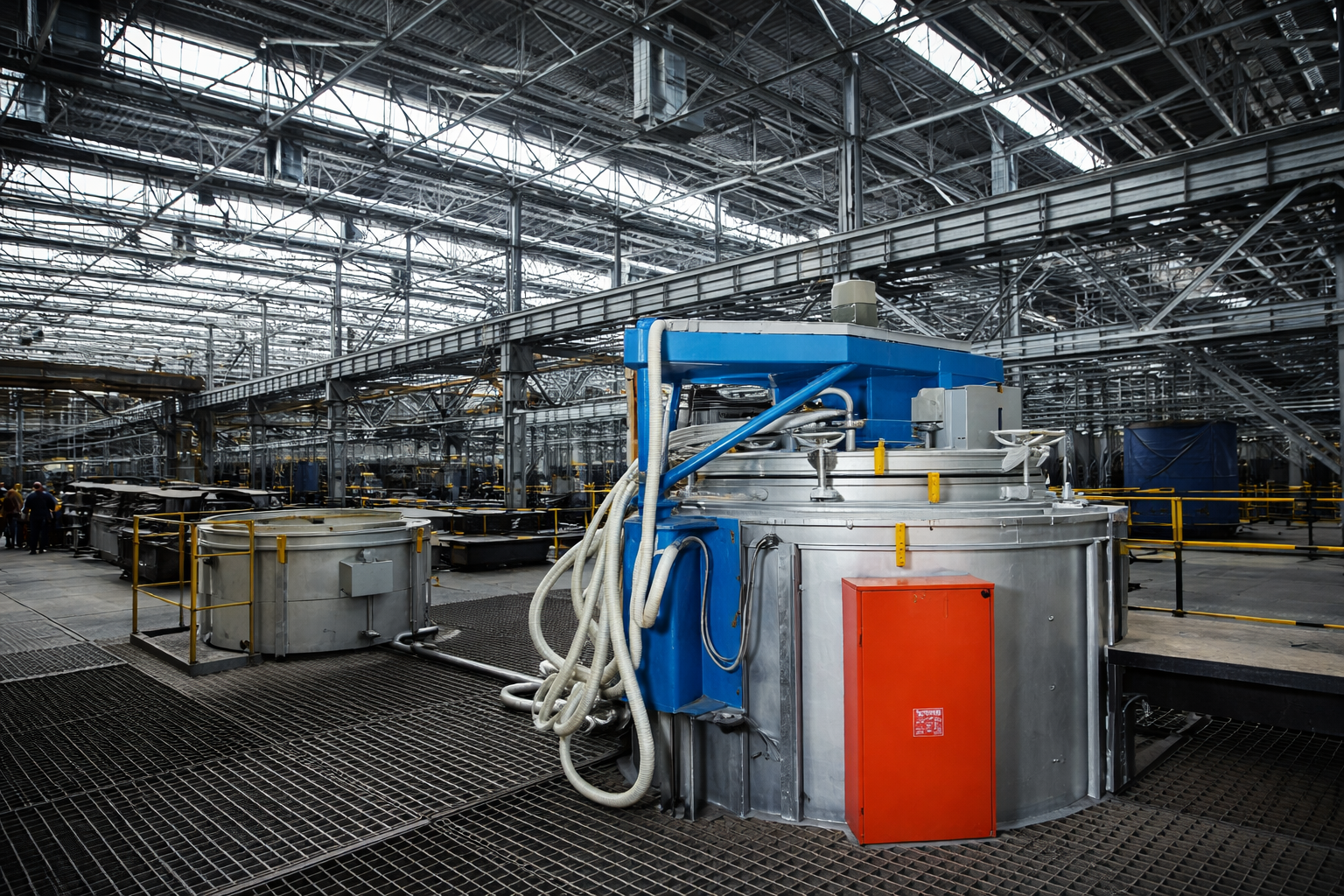
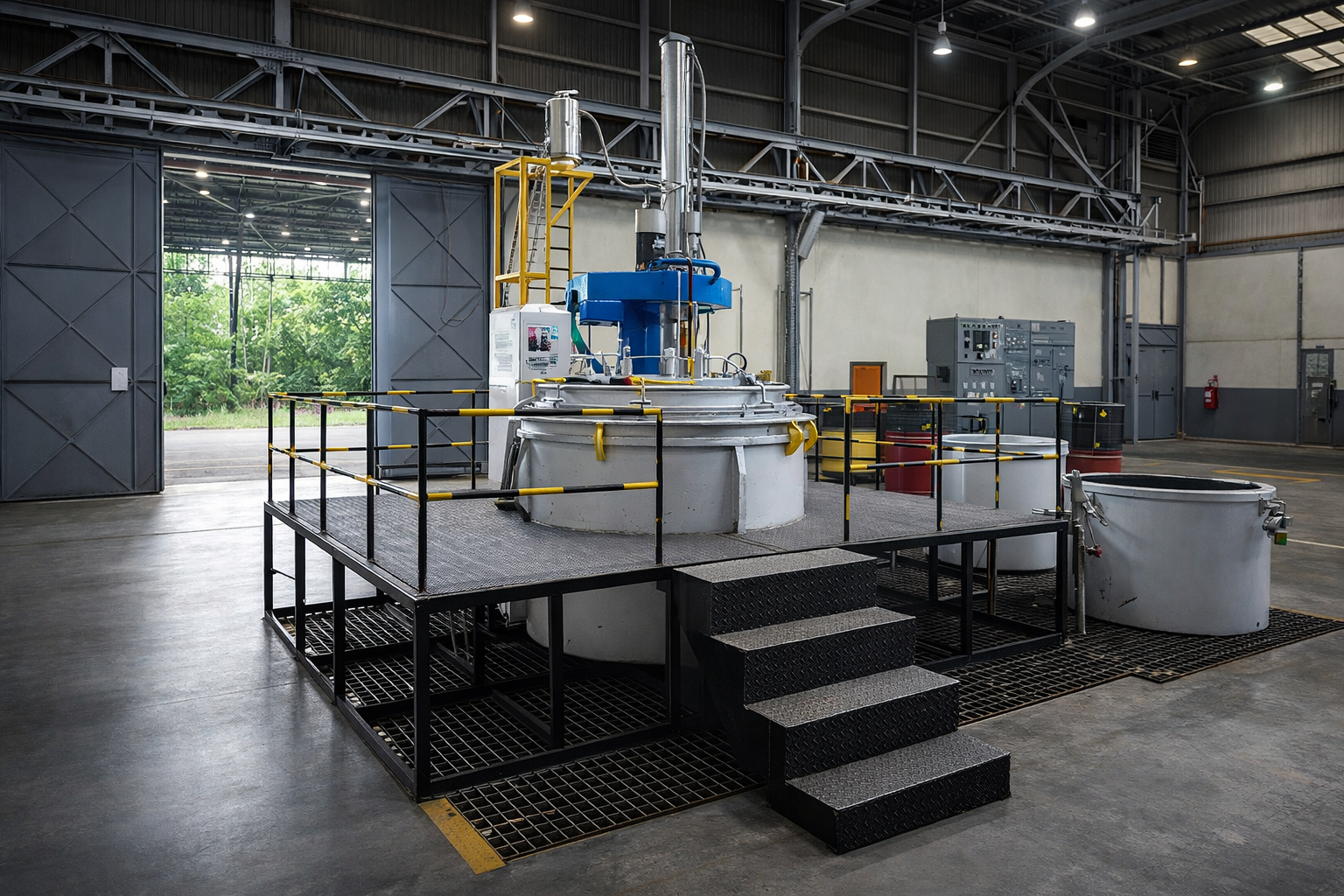
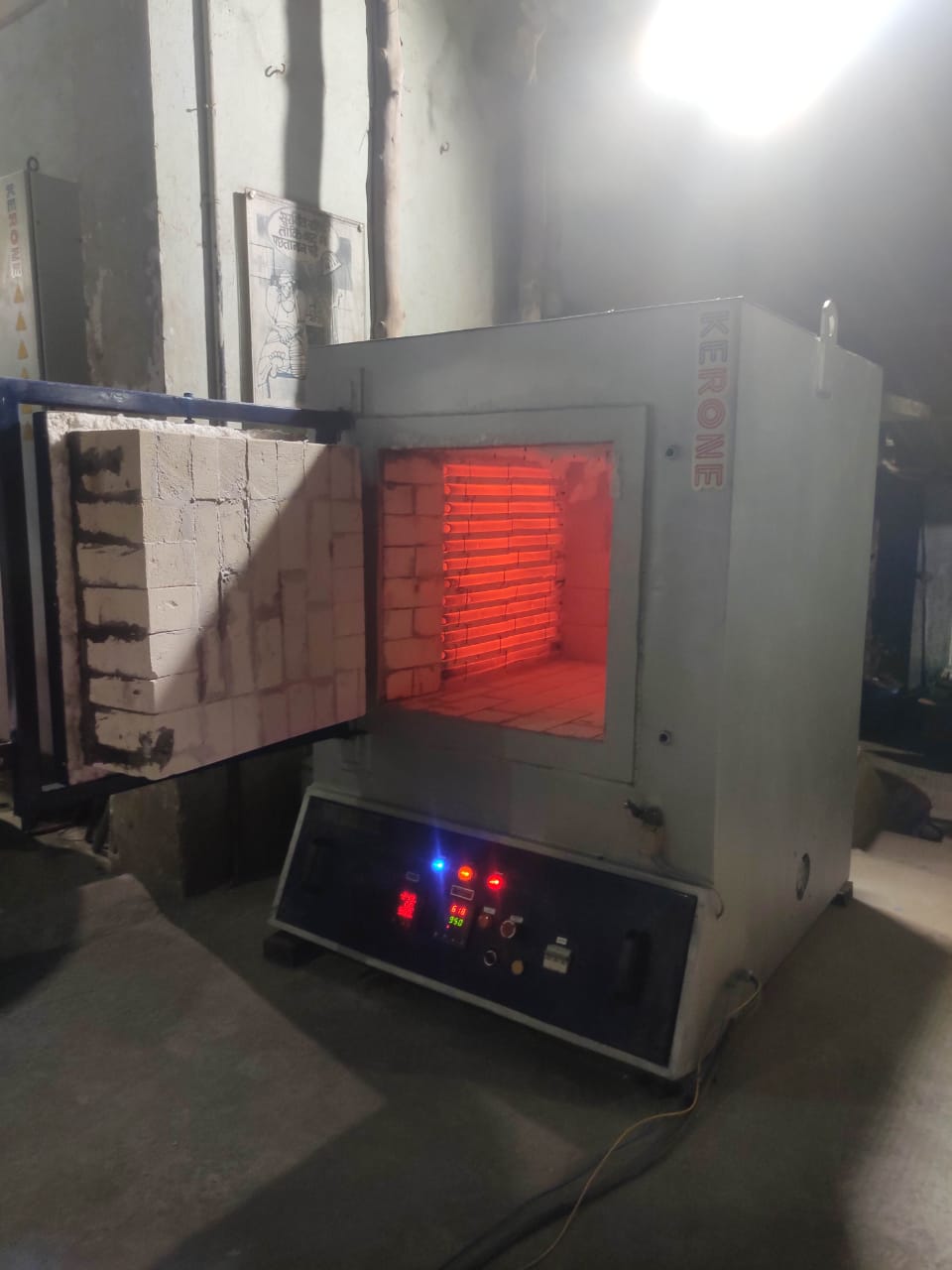
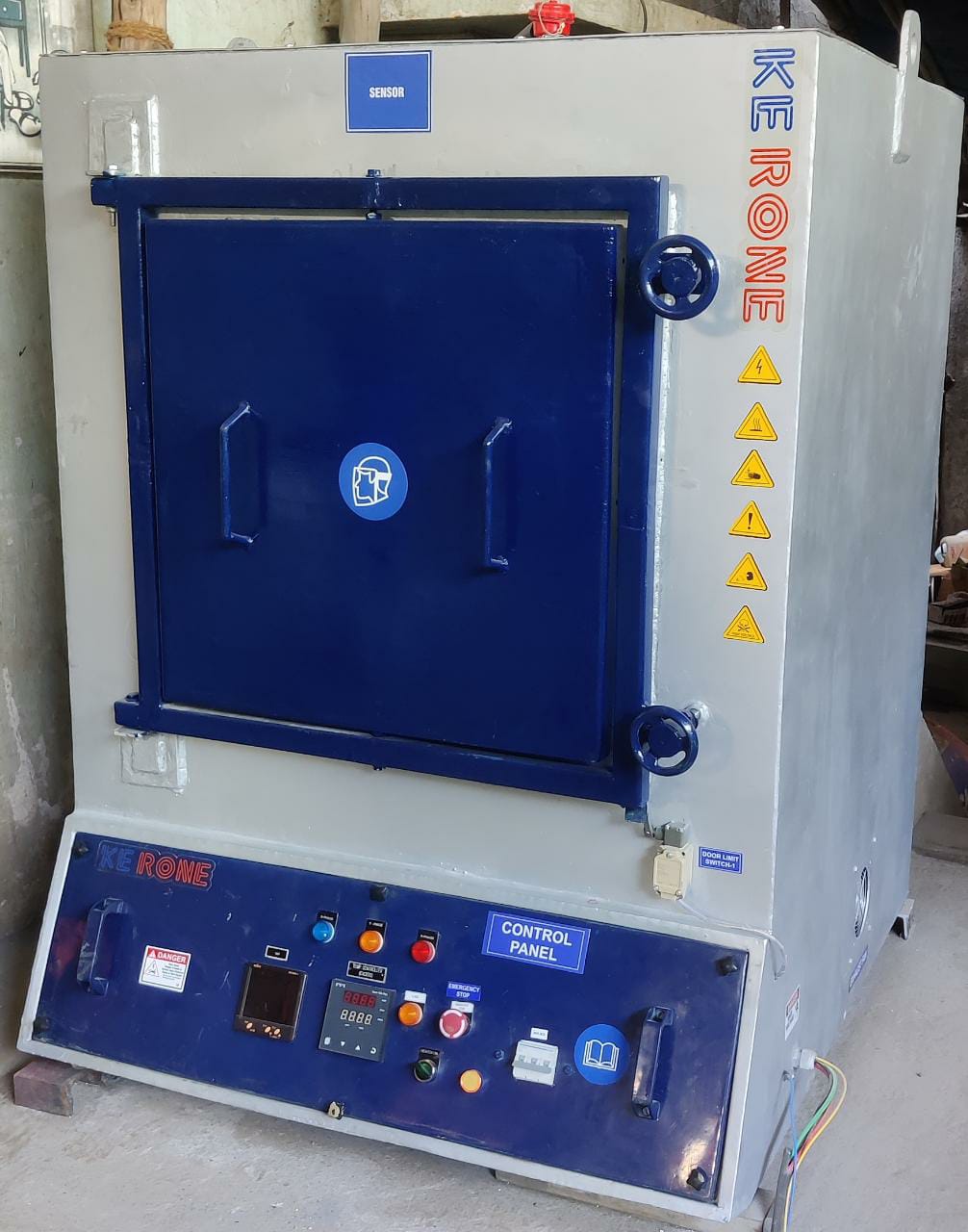
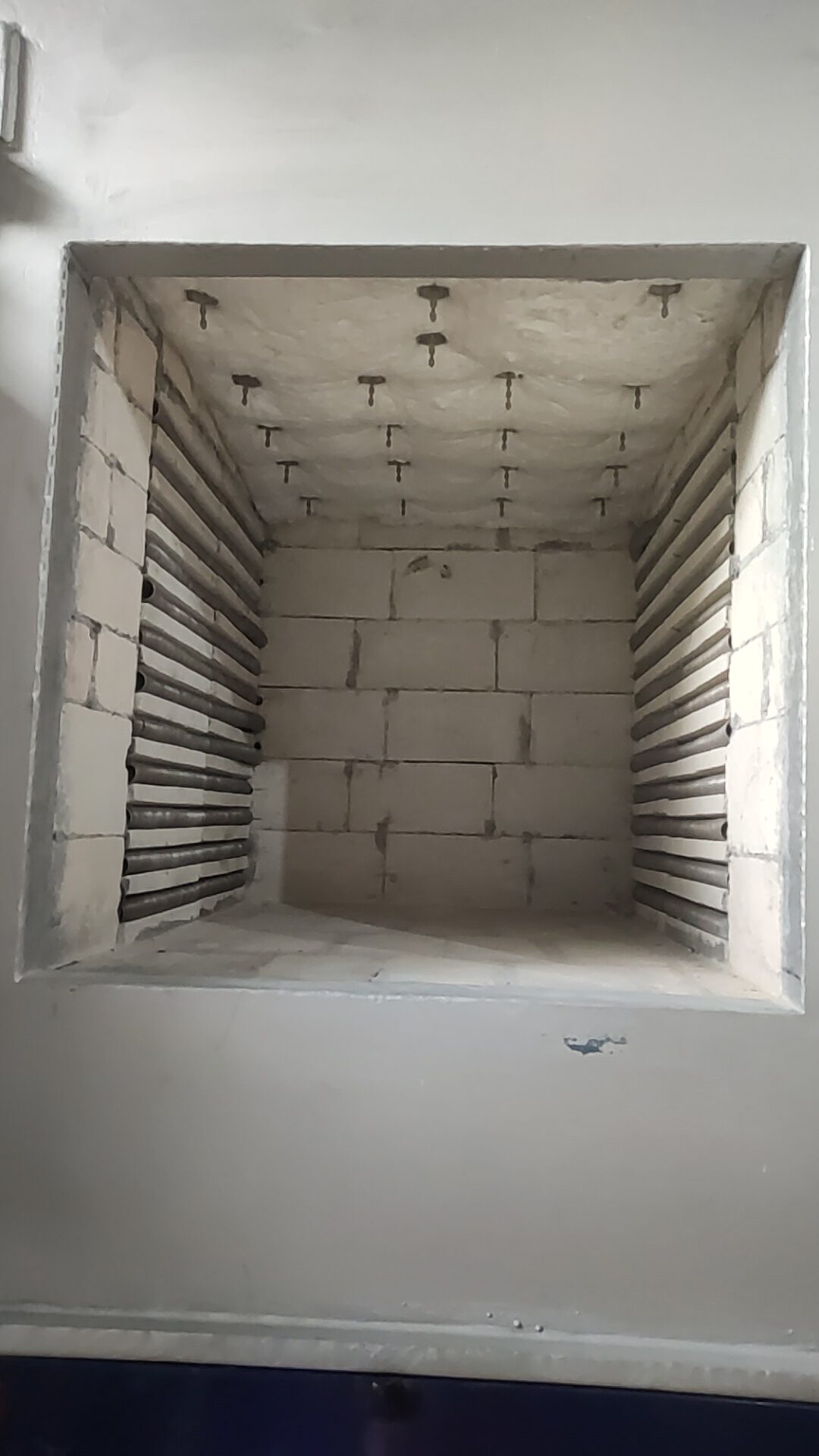
Kerone’s industrial Furnace solutions represent the culmination of decades of high-temperature engineering expertise, delivering precision thermal processing systems for the most demanding industrial applications worldwide. A Kerone Furnace is not a generic piece of heating equipment — it is a precisely engineered thermal processing environment, designed to deliver specified temperature profiles, atmospheric conditions, and heat transfer characteristics tailored to the exacting requirements of each application. From sintering advanced ceramics and annealing precision metals to calcining minerals and processing electronic components, Kerone’s furnace systems operate across temperature ranges from 200°C to over 1800°C with uniformity and repeatability that directly determines the quality and performance of finished industrial products. With a diverse range of furnace types, heating element technologies, atmosphere control systems, and control architectures, Kerone delivers the right furnace solution for every industrial thermal processing challenge.
Why Choose Kerone Furnace
Selecting Kerone as your industrial furnace partner means gaining access to an engineering team with deep competence in high-temperature materials science, refractory design, heating element selection, and thermal control systems — competence built over many years of serving clients across the most technically demanding industries. Kerone’s furnaces are designed with a strong emphasis on thermal uniformity — a parameter that directly determines product quality consistency — achieved through carefully engineered heating element configurations, optimized refractory layouts, and advanced airflow management. Kerone also leads in energy efficiency, integrating high-performance ceramic fiber insulation, heat recovery systems, and PID-controlled power modulation to minimize thermal cycling losses and reduce operating costs over the furnace’s entire service life. Comprehensive turnkey services from process definition through commissioning and ongoing maintenance complete the Kerone advantage.
Types and Features of Furnace
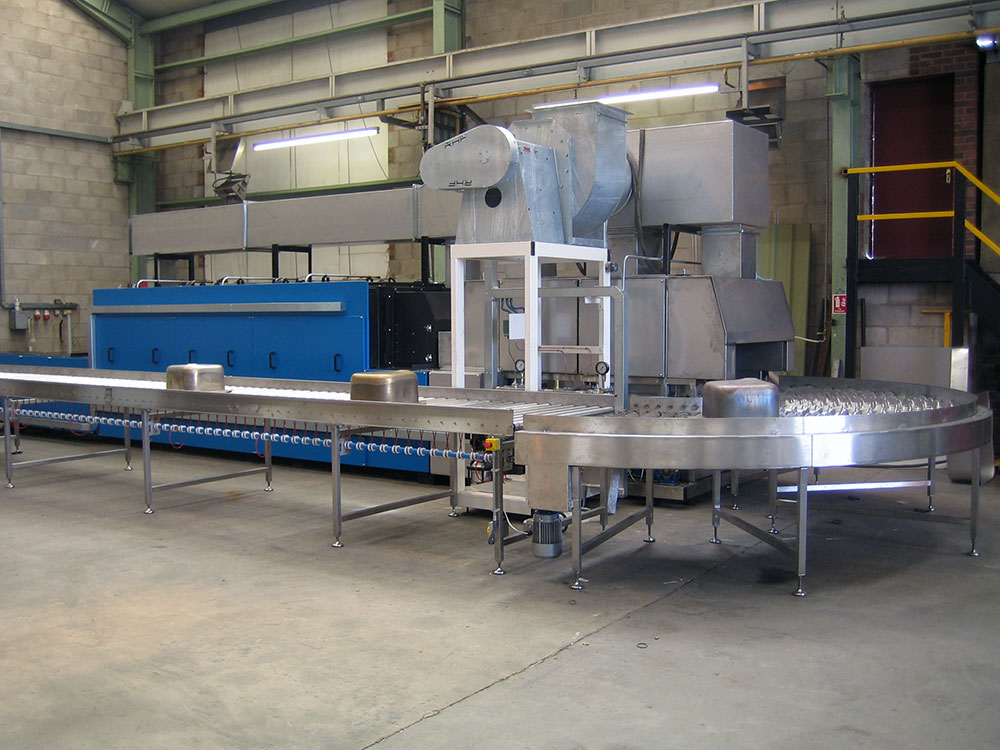
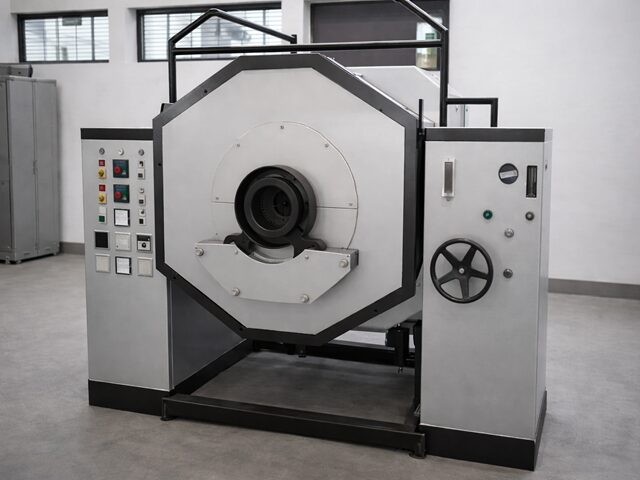
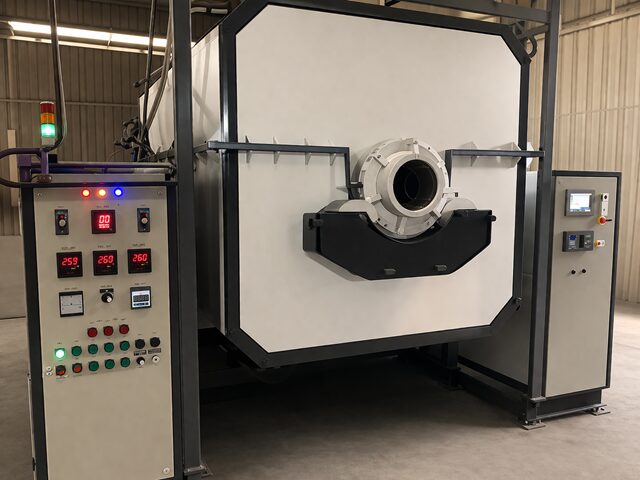
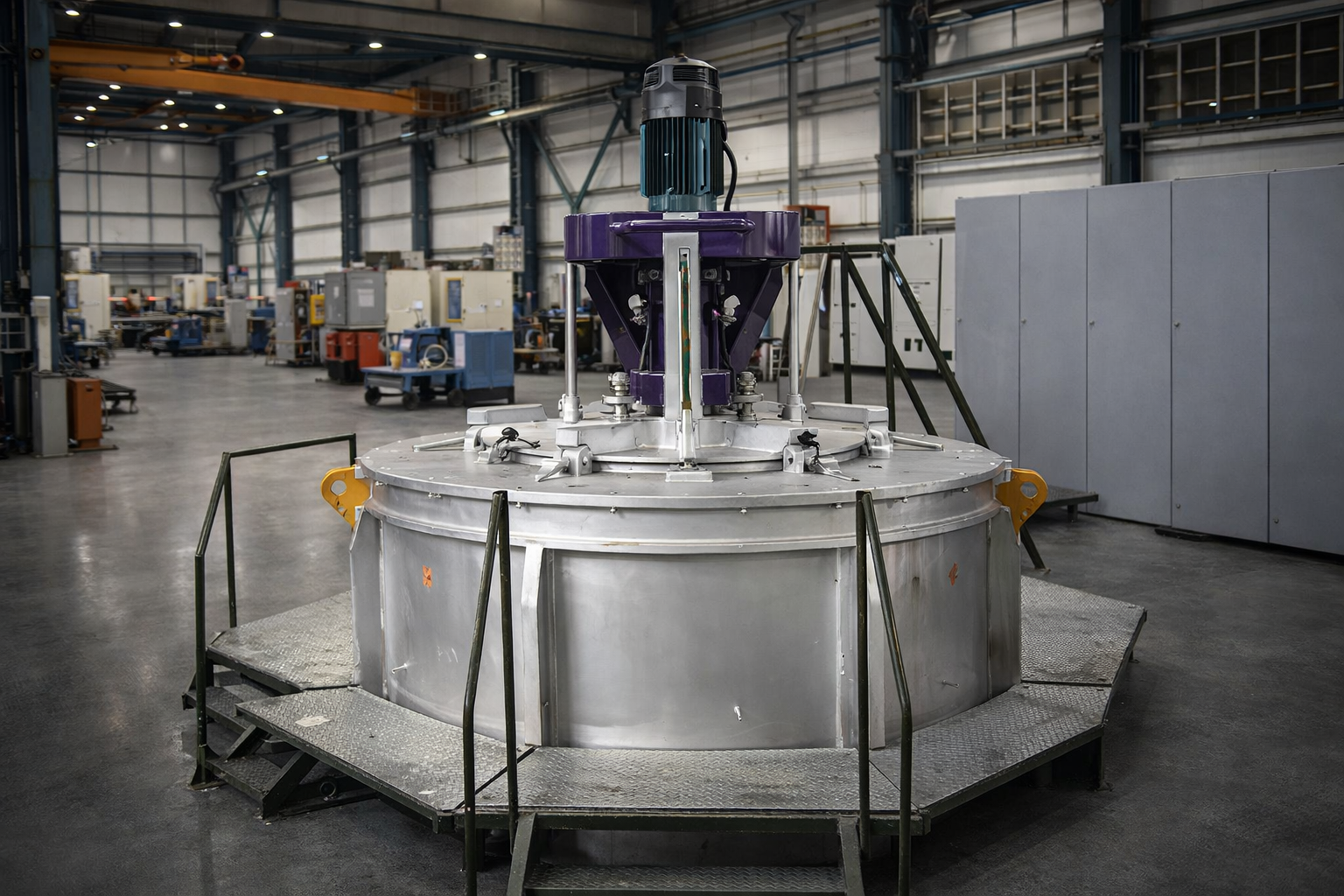
Kerone’s furnace range spans a comprehensive spectrum of industrial applications: box furnaces for batch thermal processing, tube furnaces for laboratory and pilot-scale operations, belt/conveyor furnaces for continuous production lines, rotary furnaces for granular and powder materials, pusher furnaces for high-throughput sintering, and vacuum furnaces for atmosphere-sensitive processing. Heating technologies include silicon carbide (SiC) elements, molybdenum disilicide (MoSi₂) elements for ultra-high temperatures, ceramic infrared emitters, and resistance heating wire configurations. Atmosphere options include air, nitrogen, hydrogen, argon, forming gas, and custom gas mixtures. Temperature uniformity across the hot zone is typically ±5°C or better, and control systems feature multi-zone PID regulation with programmable ramp-and-soak profiles and comprehensive fault monitoring.
Key Features
Operating temperature range from 200°C to over 1800°C covering the full spectrum of industrial thermal processing requirements
Temperature uniformity of ±5°C or better across the working hot zone ensuring consistent product quality across every batch
Multi-zone independent heating element control enabling complex temperature gradient profiles for specialized thermal treatments
Advanced ceramic fiber and microporous insulation systems delivering superior thermal efficiency and fast thermal cycling capability
Full atmosphere control capability including inert, reducing, and oxidizing gas environments with precise flow and composition management
Programmable ramp-and-soak temperature controllers with up to 100 stored programs and digital communication interfaces
Heavy-duty refractory-lined shell construction with robust sealing systems for safe high-temperature and atmosphere-controlled operation
Comprehensive safety systems including over-temperature protection, atmosphere gas leak detection, and automatic shutdown protocols
Powered by AI, ML & IoT
Future-Ready Engineering Driven by AI & IoT
Our advanced AI, ML, and IoT technologies, this solution delivers smarter automation, real-time insights, and predictive intelligence to enhance efficiency and drive future-ready growth.
Real-Time Monitoring & Control
Continuous tracking of process parameters with instant adjustments.
Predictive Maintenance
Intelligent fault detection to prevent failures before they occur.
Adaptive Process Optimization
Dynamic tuning of operations for maximum output and efficiency.
Cloud Dashboards & Analytics
Unified access to real-time insights and performance trends.
Energy & Resource Savings
Smarter utilization of energy to cut costs and reduce waste.
Secure IoT Connectivity
Encrypted data flow with seamless integration across plant systems.
Applications of Furnace
Kerone’s Furnaces are extensively used across advanced manufacturing, materials processing, and research industries where precise high-temperature treatment determines product performance and quality.
Typical applications include:
Advanced ceramics manufacturing: sintering alumina, zirconia, silicon carbide, and technical ceramic components to full density
Metal heat treatment: annealing, hardening, tempering, stress relieving, and normalizing of ferrous and non-ferrous alloys
Electronic components: firing of thick-film circuits, ceramic capacitors, multilayer inductors, and piezoelectric elements
Powder metallurgy: sintering of metal injection molded (MIM) parts and pressed metal powder compacts
Glass and refractory manufacturing: melting, annealing, and tempering of specialty glass and refractory materials
Research and development: high-temperature material characterization, phase diagram studies, and novel material synthesis
Kerone’s industrial Furnace range delivers the precise, repeatable, and energy-efficient high-temperature processing environments that modern advanced manufacturing demands. Whether you require a compact laboratory tube furnace or a large-scale continuous industrial kiln, Kerone’s engineering depth, manufacturing quality, and comprehensive service infrastructure ensure that your furnace system performs to specification for its entire operational life. As material specifications become more exacting and energy efficiency requirements more stringent, Kerone’s furnace technology continues to evolve to meet tomorrow’s thermal processing challenges. Contact Kerone’s thermal engineering team today to begin designing the right furnace solution for your application.
Seamless Export Connections Global & Local
Our Global Footprint in Industrial Excellence
Delivering world-class industrial and process solutions across countries with precision, innovation, and reliability.
Peru
Chile
Argentina
Mexico
Colombia
Brazil
USA
Canada
United Kingdom
France
Germany
Spain
Italy
Netherlands
Sweden
Switzerland
Poland
Portugal
Ireland
Czechia
Romania
Hungary
Austria
Greece
Kazakhstan
Uzbekistan
Turkmenistan
Algeria
Egypt
Nigeria
Kenya
South Africa
Saudi Arabia
UAE
Israel
Russia
India
China
Japan
South Korea
Thailand
Vietnam
Malaysia
Singapore
Indonesia
Philippines
Australia
New Zealand
Pan-India Presence. Local Expertise.
Raipur
Bilaspur
Panaji
Vasco da Gama
Gandhinagar
Ahmedabad
Surat
Chandigarh
Gurgaon
Shimla
Manali
Bengaluru
Mysore
Kochi
Pune
Mumbai
Thane
Navi Mumbai
Hyderabad
Chennai
Coimbatore
Kolkata
Lucknow
Jaipur
Udaipur
Jodhpur
Dehradun
Haridwar
Bhubaneswar
Product Gallery
Frequently Asked Questions (FAQ)
Kerone's furnace range reaches temperatures up to 1800°C and beyond for specialized ultra-high temperature applications using molybdenum disilicide (MoSi₂) heating elements and advanced refractory materials.
Kerone furnaces support air, nitrogen, argon, hydrogen, forming gas (N₂/H₂ mixtures), vacuum, and custom gas blends. Atmosphere control is achieved through precision mass flow controllers and sealed retort or muffle chamber designs.
Temperature uniformity is achieved through multi-zone heating element control, optimized element spacing geometry, advanced convection baffle design, and PID control algorithms that compensate for heat loss variations across the working volume.
Kerone furnaces process ceramics, metals and alloys, composites, electronic materials, glass, refractories, carbon materials, catalysts, and a wide range of specialty industrial materials requiring controlled high-temperature thermal treatment.
Kerone integrates high-performance ceramic fiber insulation, microporous panels, regenerative heat recovery burners (in gas-fired models), and power modulation systems to achieve industry-leading thermal efficiency and minimize operating costs.
Yes. All Kerone furnaces feature digital controller communication interfaces (Modbus, Profibus, Ethernet/IP) for integration with SCADA, PLC, and MES systems, enabling centralized production monitoring and data collection.
With proper maintenance, Kerone's furnaces are designed for operational lifespans of 15–25 years. Heating elements are replaceable wear items with typical service intervals of 1,000–10,000 hours depending on operating temperature and atmosphere.
Yes. Kerone provides complete turnkey project execution including site preparation guidance, equipment installation, refractory curing, atmosphere system commissioning, temperature uniformity surveys, and operator training.
Refractory linings should be visually inspected after each significant thermal cycle for cracking, spalling, or erosion, particularly in zones exposed to direct flame impingement or aggressive atmospheres, with minor repairs made promptly before damage spreads. Heating elements, whether silicon carbide, molybdenum disilicide, or resistance wire, degrade gradually with operating hours and should be monitored for resistance changes that indicate approaching end of life, allowing planned replacement rather than unexpected failure mid-production. Avoiding unnecessary rapid temperature cycling reduces thermal stress on both refractory and elements. Atmosphere seals and gas delivery components need periodic leak testing, especially in furnaces using hydrogen or other reactive gases. Kerone provides maintenance schedules tailored to each furnace's operating temperature, atmosphere, and duty cycle to support this proactive approach.
Furnace type selection depends primarily on product form and production volume. Box furnaces suit batch processing of varied part shapes and sizes where flexibility matters more than throughput. Tube furnaces are sized for laboratory, pilot-scale, or small-sample work requiring precise atmosphere control in a compact footprint. Rotary furnaces handle granular, powder, or bulk materials that need continuous tumbling for even heat exposure. Pusher furnaces deliver high throughput for continuous sintering of similar parts moved through the furnace on trays or boats. Vacuum furnaces are reserved for atmosphere-sensitive processes where even trace oxygen contamination affects product quality. Kerone's engineering team evaluates product geometry, required throughput, and atmosphere sensitivity together to recommend the furnace architecture that fits actual production needs rather than defaulting to a generic configuration.
Industrial furnaces commonly need to meet pressure vessel and electrical safety standards relevant to the installation region, along with CE marking requirements for European installations covering machinery and electromagnetic compatibility directives. For furnaces using flammable, reducing, or toxic atmosphere gases, additional compliance with gas handling and ventilation codes applies. Quality management certifications such as ISO 9001 at the manufacturer level provide assurance of consistent design and build quality across furnace orders. For specific industries, such as aerospace heat treatment, additional process qualification standards like AMS2750 for furnace temperature uniformity surveys may be required. Kerone designs furnaces to support the documentation and uniformity survey requirements these standards demand, helping clients meet both general equipment safety and industry-specific process certifications.
A frequent mistake is inadequate atmosphere purging before introducing reactive gases such as hydrogen, which risks unsafe gas mixtures inside the chamber. Rapid heating or cooling rates that exceed refractory and heating element tolerance cause thermal shock, leading to premature cracking or warping over repeated cycles. Loading parts in configurations that block airflow or radiant heat distribution creates inconsistent temperature across the load, even when the furnace itself maintains excellent hot-zone uniformity. Running furnaces significantly below or above their designed temperature range for extended periods also accelerates element and refractory wear. Kerone provides recommended ramp rates, loading guidelines, and atmosphere purge procedures specific to each furnace design to help operating teams avoid these common sources of inconsistency and premature failure.
Modern furnace designs reduce environmental impact primarily through improved insulation and heat recovery. Ceramic fiber and microporous insulation materials retain heat far more effectively than older brick refractory, reducing the energy required to maintain temperature and therefore lowering both fuel consumption and associated emissions for gas-fired units. Regenerative burner systems in gas-fired furnaces recover heat from exhaust gases to preheat combustion air, further improving fuel efficiency. Precise atmosphere control and gas flow metering also reduce wasteful overuse of process gases like nitrogen or hydrogen. For electrically heated furnaces, improved insulation and power modulation reduce overall electricity demand. Together, these improvements lower the energy intensity and emissions footprint per unit of product processed compared to legacy furnace designs.
Furnace purchase price represents only part of total ownership cost. Energy consumption over the equipment's operating life, often 15 to 25 years, typically exceeds initial purchase price many times over, making insulation quality and heating efficiency critical long-term cost factors. Heating element replacement frequency, which varies with operating temperature and atmosphere type, adds recurring cost that should be estimated based on expected duty cycle. Atmosphere gas consumption, particularly for processes using nitrogen, hydrogen, or argon continuously, can also represent a significant ongoing expense. Buyers should request energy consumption estimates, expected element service life, and gas usage rates during the evaluation process rather than comparing furnaces on purchase price alone, since the lower-cost option is not always the lower-cost choice over the equipment's full lifespan.
Many furnace designs, particularly box, tube, and belt or conveyor configurations, can accommodate additional heating zones or extended hot-zone length during a later upgrade, provided the original control architecture and structural design anticipated this possibility. Multi-zone PID control systems can often be expanded with additional zone controllers without replacing the entire control panel. However, retrofitting atmosphere control systems or significantly extending a sealed retort furnace is more constrained by the original chamber design. Buyers anticipating future capacity growth should discuss modular expansion options during initial specification, since furnaces designed with expansion in mind from the outset are considerably easier and more cost-effective to upgrade later than those built purely to immediate requirements.
Kerone’s custom-designed heating and processing solutions are built to meet the demands of your growing operations. Whether you’re upgrading equipment, expanding production, or need a tailor-made solution

 Peru
Peru Chile
Chile Argentina
 Mexico
 Colombia
 Brazil
 USA
USA Canada
 United Kingdom
 France
 Germany
 Spain
Spain Italy
Italy Netherlands
 Sweden
 Switzerland
 Poland
 Portugal
 Ireland
 Czechia
 Romania
 Hungary
 Austria
 Greece
 Kazakhstan
 Uzbekistan
 Turkmenistan
 Algeria
 Egypt
Egypt Nigeria
 Kenya
Kenya South Africa
 Saudi Arabia
 UAE
UAE Israel
 Russia
 India
India China
China Japan
Japan South Korea
 Thailand
 Vietnam
 Malaysia
 Singapore
 Indonesia
 Philippines
 Australia
 New Zealand