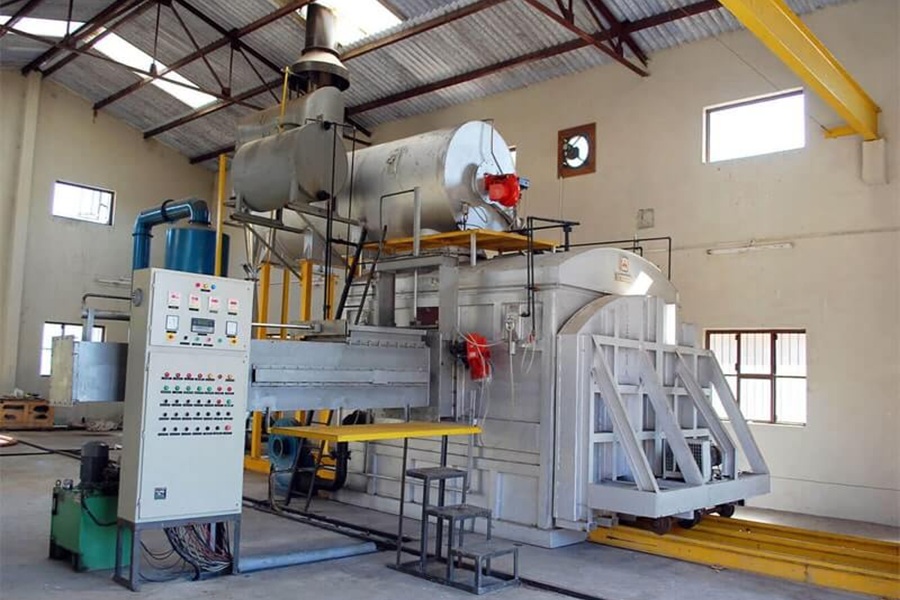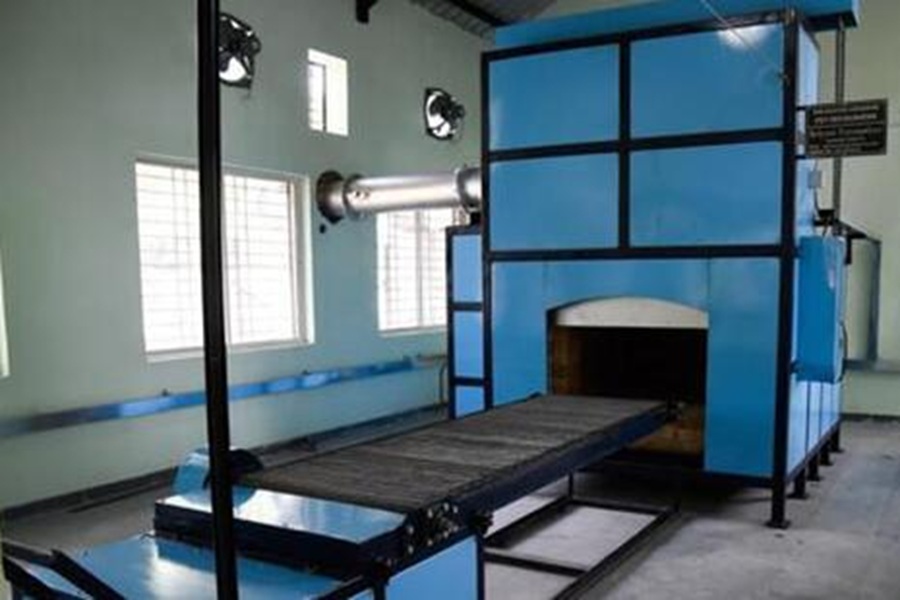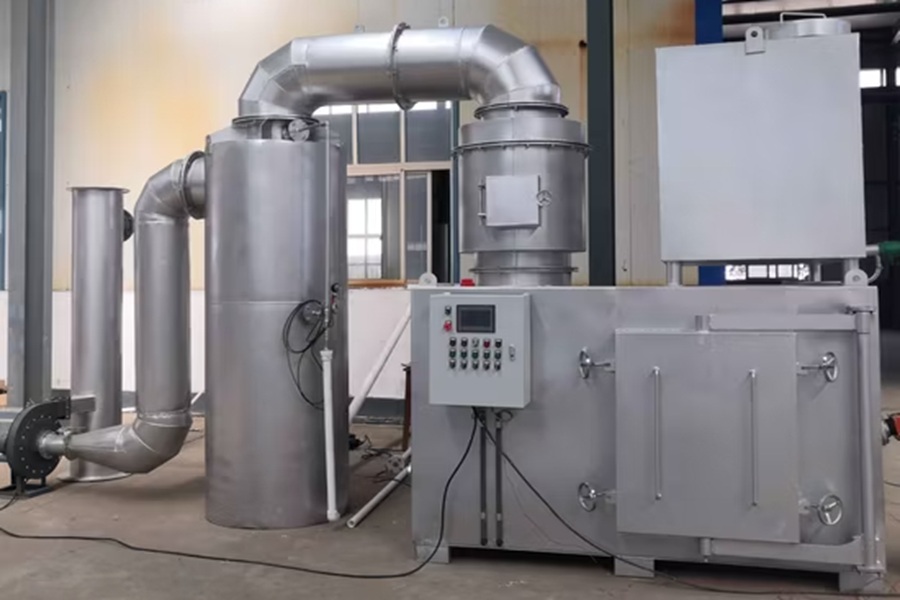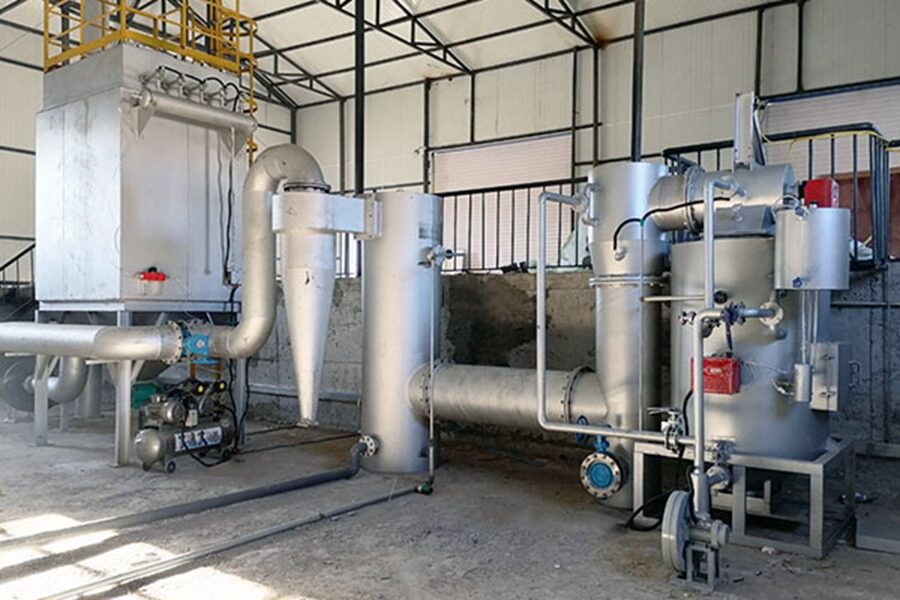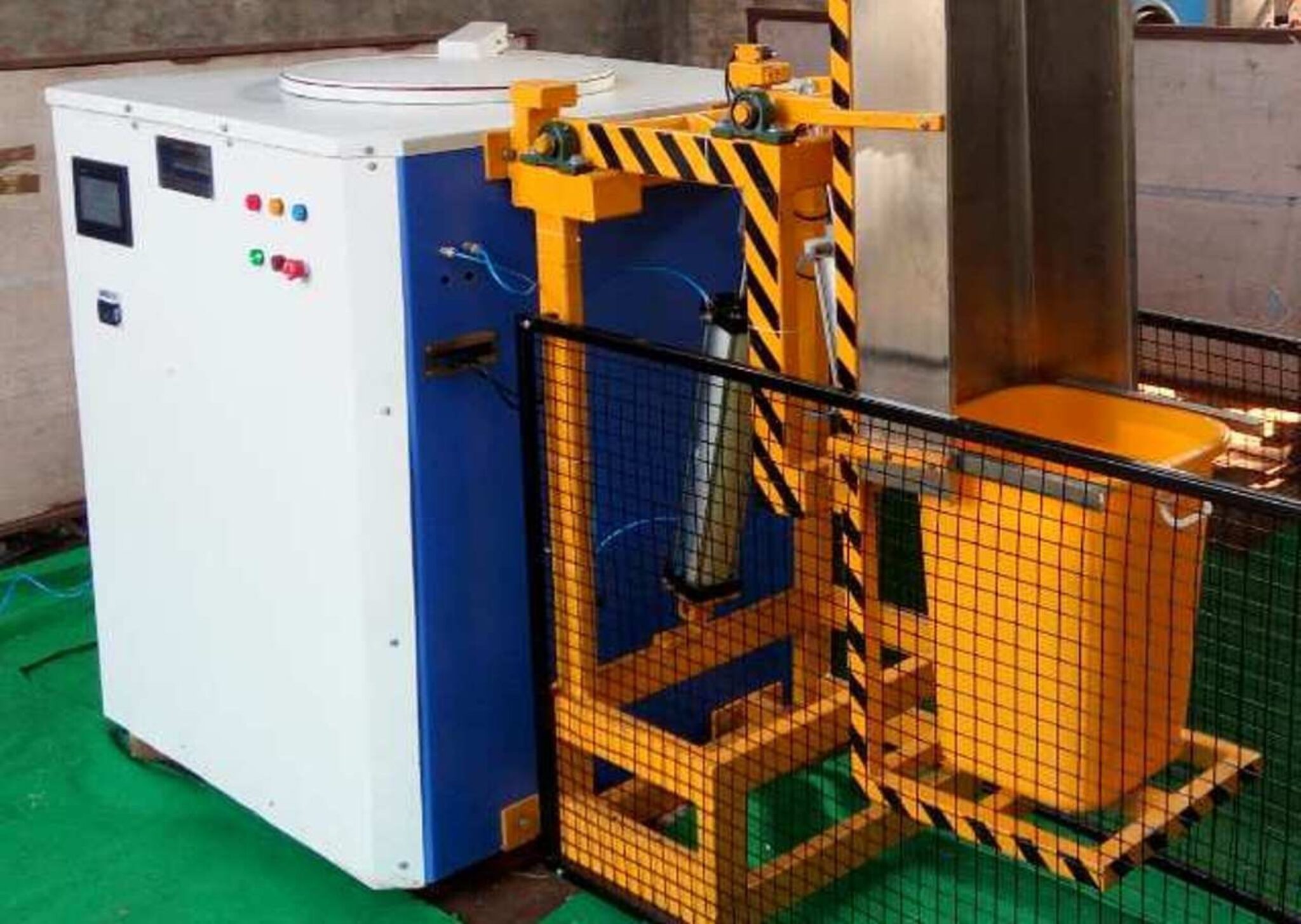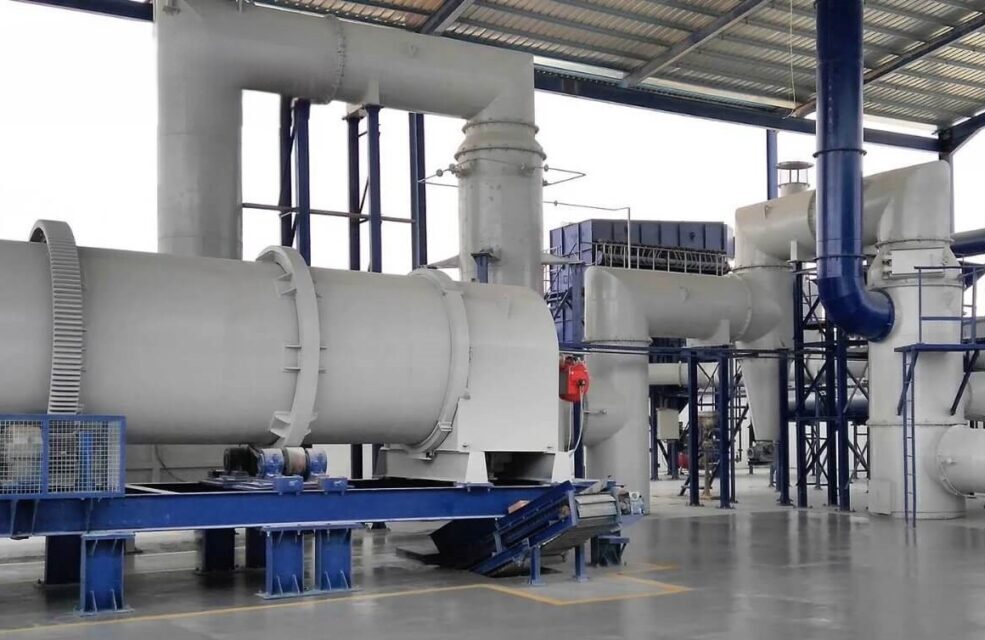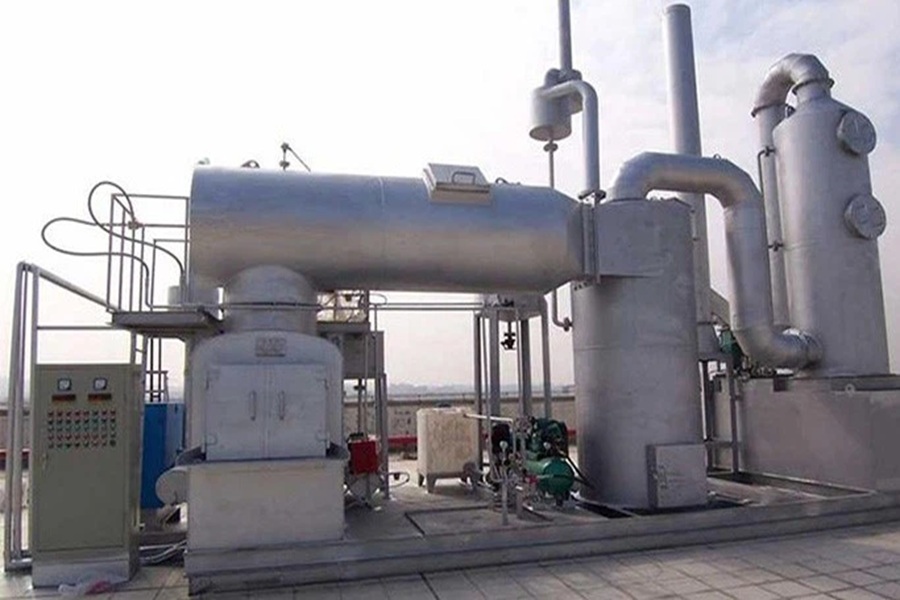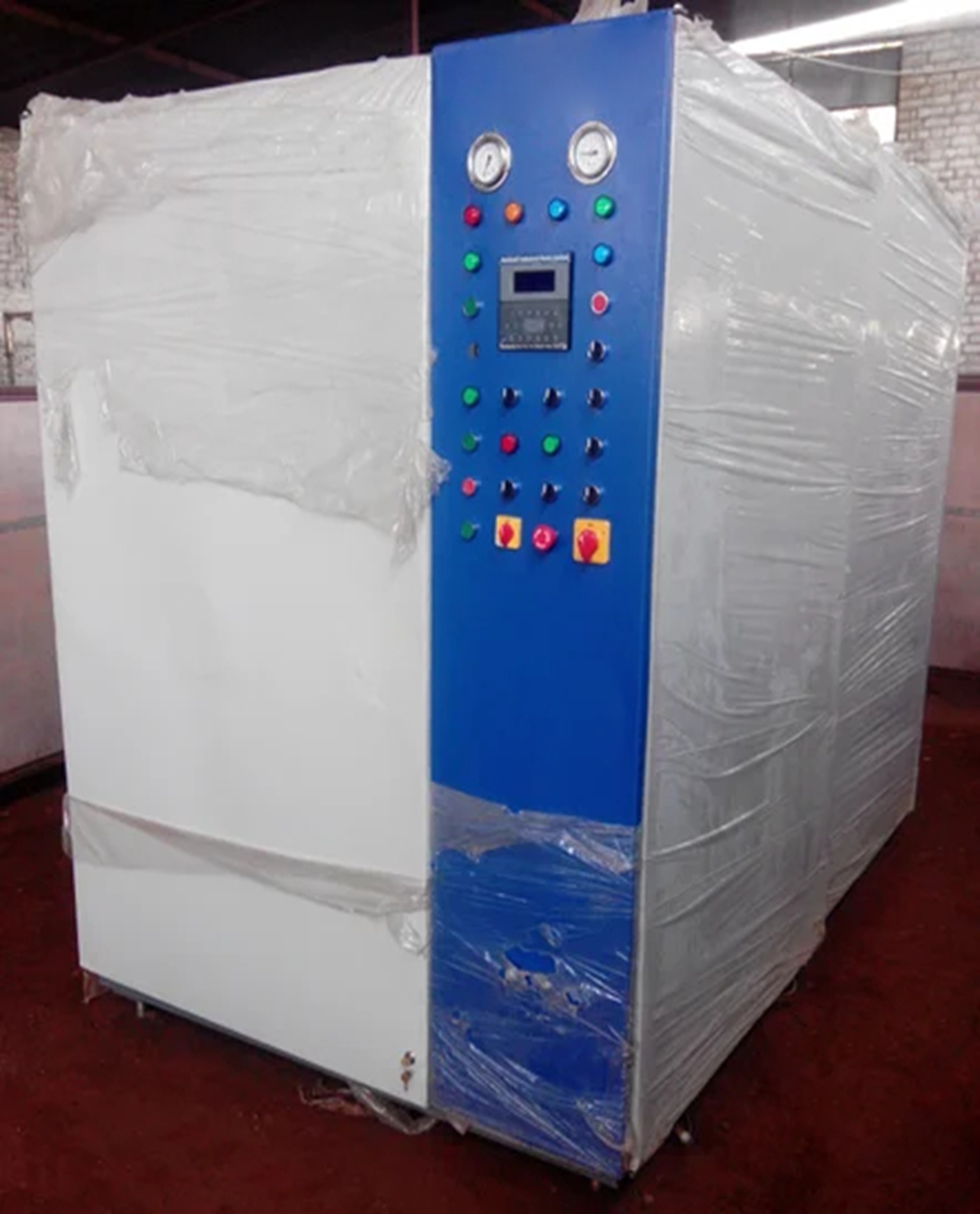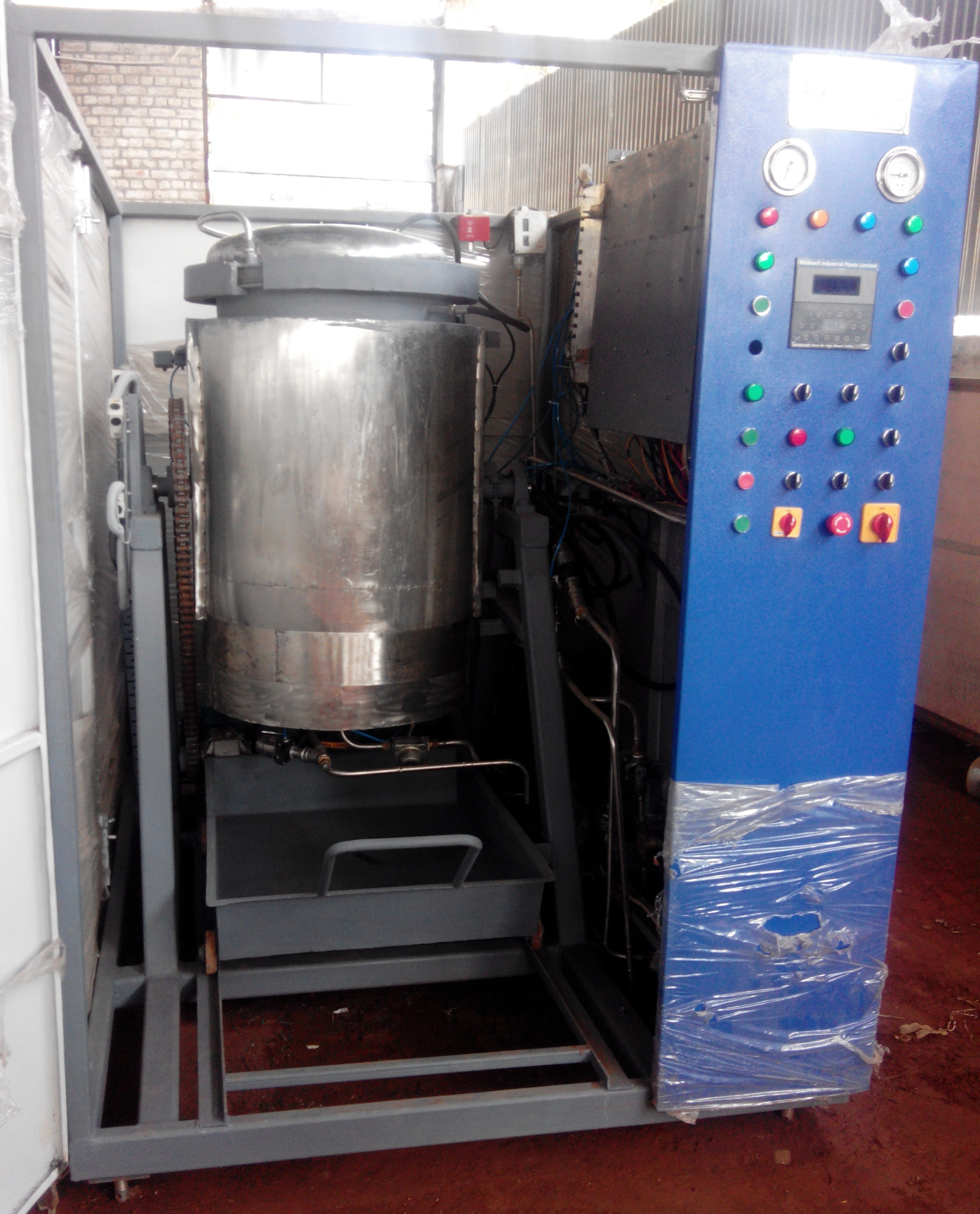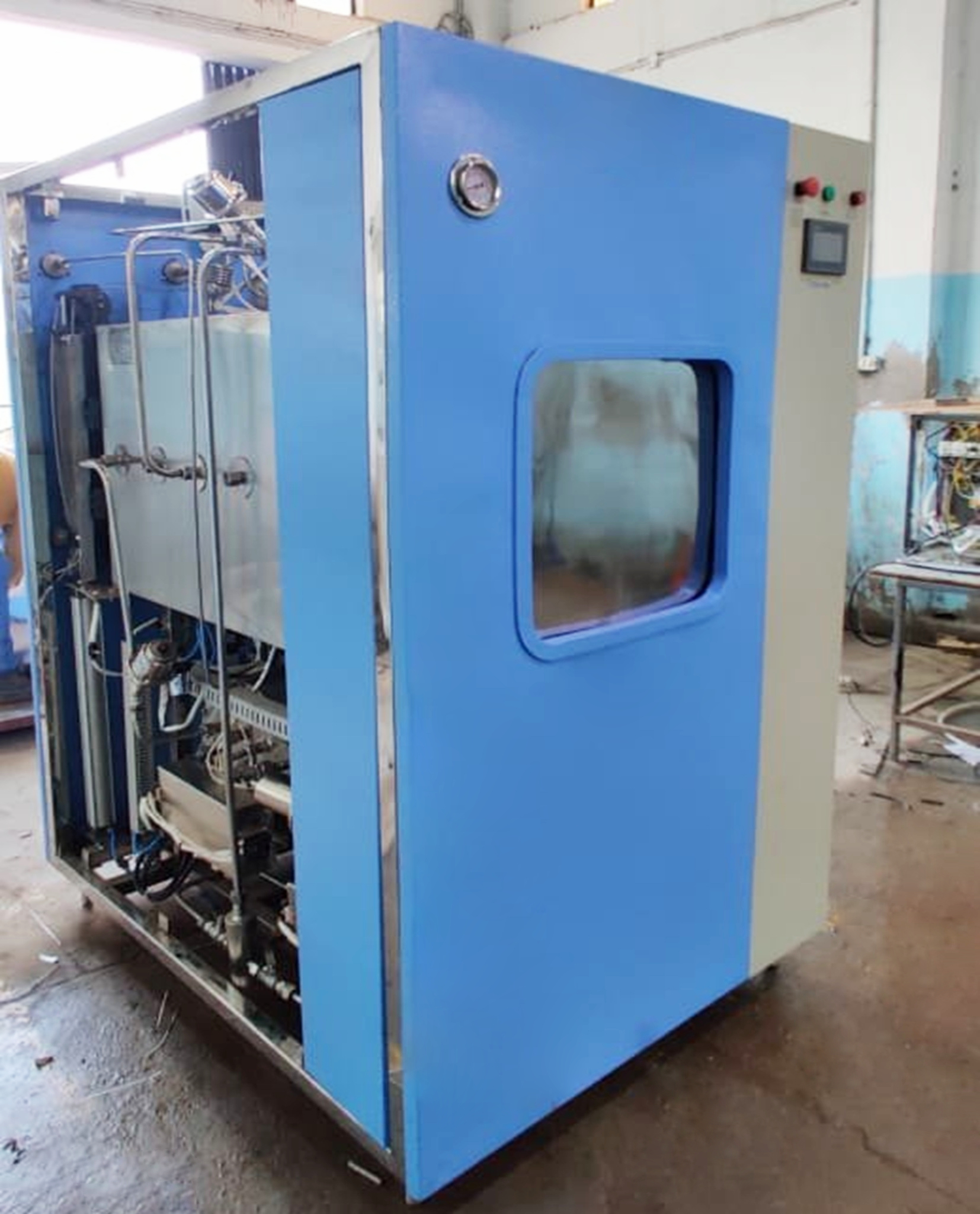
The industrial incinerators of KERONE are modern thermal treatment units that are used to burn different waste materials in a controlled and safe high temperature in order to dispose of them safely. The state-of-the-art incineration systems are designed to process hazardous, medical, industrial, and municipal waste and provide total destruction of dangerous substances and low impact on the environment. New technology is used in our incinerators to include the latest combustion technology, high-energy recovery systems, and the full-fledged systems of pollution control to comply with strict environmental laws. KERONE incinerators are constructed using high-quality refractory material and using strong steel construction work and give reliable service with the least amount of maintenance. The systems are tailor-made to fit a particular waste nature, volume capacity, and regulatory compliance level and hence make them the best suited to organizations that want to implement effective, safe, and environmentally friendly waste management solutions.

Why Choose Kerone Incinerator
KERONE is a reputed manufacturer of thermal processing equipment with more than 40 years of experience in the design and sale of high-performance incineration systems. The differentiating characteristics of our incinerators include their high engineering with the definition of advanced designs of the combustion chamber that make sure that all wastes are destroyed at the high temperatures with minimal use of fuel. We are in a position of offering a complete service in terms of initial consultation, system design, installation, commissioning, and after-sales services whereby your incineration system can serve you with its maximum efficiency during its lifecycle.
By ensuring that all our products are innovative, KERONE ensures that all our incinerators are equipped with the latest pollution control technology and automated processes that ensure that they are operated in a precise manner as well as energy recovery to convert the waste heat to useful energy, thus minimizing the cost of operation. To manage the varying waste streams, meet the international environmental standards, and have a solid track record in different industries across the globe, a decision to use KERONE implies an investment in a stable, effective, and eco-friendly waste management system that can be trusted in its technical capability and customer service.
Types and Features of Incinerator
KERONE produces a complete variety of incinerators depending on the particular waste management requirement, such as medical waste incinerators used in healthcare facilities, hazardous waste incinerators used in chemical and pharmaceutical industries, industrial waste incinerators used in manufacturing operations, and municipal solid waste incinerators used in civic use. The types of incinerators that we sell include hearth incinerators, rotary kiln incinerators, fluidized bed incinerators, and controlled air incinerators, but each will have its own peculiarities of operation depending on the type of waste and its volume.
The KERONE incinerators have advanced features like primary and secondary combustion chambers to accomplish total destruction, automated ash removal system, continuous emission monitoring system (CEMS), automated operation through a PLC-based control panel, gas cleaning through wet and dry scrubbing, energy efficiency through heat recovery steam generator and fail-safe measures to protect the operator. Different types of incinerators are designed with optimum residence time, turbulence and temperature regulation to destroy and eliminate efficiencies greater than 99.99 % with advanced air pollution control equipment to stay well below regulatory requirements.
Key Features
High-Temperature Combustion Chambers
Primary chambers (850-1200°C) and secondary chambers (1000-1400°C) guarantee maximum destruction of organic compounds and pathogens with destruction removal efficiency (DRE) of over 99.99%.
Advanced Pollution Control Systems
Multi-stage air pollution control systems comprising cyclone separators, wet scrubbers, dry scrubbers, bag filters and activated carbon filters to eliminate particulates, acid gases, dioxins and furans.
Energy Recovery Capabilities
Heat recovery systems such as waste heat boilers and steam generators, which harness thermal energy to heat the process, to produce electricity or to use this heat in district heating, are examples of this.
Automated Control Systems
State-of-the-art PLC-based control panel with touchscreen HMI interfaces that have real-time monitoring, automated feed control, temperature control, and complete data logging to meet regulatory requirements.
Strong Refractory Construction
Its refractory lining materials are of high quality that can withstand extreme temperatures and corrosivity and this guarantees long equipment life and less time in maintenance.
Continuous Emission Monitoring
Real-time CEMS in order to monitor such vital parameters as temperature, oxygen levels, carbon monoxide, nitrogen oxides, sulphur dioxide and the level of particulate matter to maintain regulatory compliance.
Flexible Waste Handling
Designed to handle a variety of waste such as solid, liquid, semi-solid and gaseous wastes with adjustable feeding mechanisms to handle different waste properties and quantities.
Safety Interlocks and Emergency Systems
Multiple safety provisions, such as an emergency shutdown system, a flame detector, over-temperature protection, explosion relief panels, and ventilation interlocks, which provide operator safety.
Powered by AI, ML & IoT
Future-Ready Engineering Driven by AI & IoT
Our advanced AI, ML, and IoT technologies, this solution delivers smarter automation, real-time insights, and predictive intelligence to enhance efficiency and drive future-ready growth.
Real-Time Monitoring & Control
Continuous tracking of process parameters with instant adjustments.
Predictive Maintenance
Intelligent fault detection to prevent failures before they occur.
Adaptive Process Optimization
Dynamic tuning of operations for maximum output and efficiency.
Cloud Dashboards & Analytics
Unified access to real-time insights and performance trends.
Energy & Resource Savings
Smarter utilization of energy to cut costs and reduce waste.
Secure IoT Connectivity
Encrypted data flow with seamless integration across plant systems.
Applications of Incinerator
The incinerators produced by KERONE are widely applicable in various sectors, and they need safe, efficient, and ecologically acceptable methods of disposing of waste. Common uses are:
Healthcare and Medical Facilities: Infectious medical waste, pathological waste, pharmaceutical waste, sharps, contaminated materials and hospital waste that need to be fully sterilized and destroyed to avoid the spread of the disease.
Pharmaceutical Industries: Pharmaceutical waste like expired drugs, contaminated drugs, recalled pharmaceutical products, process residues, and chemical wastes that have to be completely destroyed in order to avoid contamination of the environment.
Research Laboratories and Biotechnology: Disposal of biohazardous wastes, contaminated laboratory wastes, animal carcasses of experimentation, cultures, and animal specimens that need total biological inactivation.
Municipal Waste Management: Municipal solid waste, sewage sludge, and community waste can be treated to lessen the landfill pressure and retrieve the energy that can be used as power or heat to serve the district.
Industrial Manufacturing Operations: Paint sludge, waste of coating, contaminated rags, packaging materials, production scrap and general industrial waste disposal of manufacturing processes in all industries.
KERONE incinerators are the best waste management equipment, which has integrated the time-tested thermal treatment concepts with a newfangled engineering process to provide safe, efficient, and eco-friendly waste disposal systems. Our full portfolio of incineration systems serves the various requirements of industries throughout the world, from small-scale medical waste treatment to large municipal solid waste treatment programs. Over decades of experience, constant innovation and absolute focus on quality, KERONE does not only offer equipment but also a total waste management solution with the support of professional engineering services, customer-responsive support and extensive lifecycle services. Using the option of KERONE incinerators, organizations will have a partner they trust to assist them in fulfilling regulatory obligations, minimize the environmental impact, and achieve operational excellence in waste management, as well as safeguard public health and the environment of future generations.
Seamless Export Connections Global & Local
Our Global Footprint in Industrial Excellence
Delivering world-class industrial and process solutions across countries with precision, innovation, and reliability.
Peru
Chile
Argentina
Mexico
Colombia
Brazil
USA
Canada
United Kingdom
France
Germany
Spain
Italy
Netherlands
Sweden
Switzerland
Poland
Portugal
Ireland
Czechia
Romania
Hungary
Austria
Greece
Kazakhstan
Uzbekistan
Turkmenistan
Algeria
Egypt
Nigeria
Kenya
South Africa
Saudi Arabia
UAE
Israel
Russia
India
China
Japan
South Korea
Thailand
Vietnam
Malaysia
Singapore
Indonesia
Philippines
Australia
New Zealand
Pan-India Presence. Local Expertise.
Raipur
Bilaspur
Panaji
Vasco da Gama
Gandhinagar
Ahmedabad
Surat
Chandigarh
Gurgaon
Shimla
Manali
Bengaluru
Mysore
Kochi
Pune
Mumbai
Thane
Navi Mumbai
Hyderabad
Chennai
Coimbatore
Kolkata
Lucknow
Jaipur
Udaipur
Jodhpur
Dehradun
Haridwar
Bhubaneswar
Product Gallery
Frequently Asked Questions (FAQ)
KERONE incinerators are set to help in managing various waste sources such as medical and biomedical waste, pharmaceutical waste, hazardous chemical waste, industrial solid waste, liquid waste, semi-solid sludge, municipal solid waste and pathological waste. The systems are tailored depending on the characteristics of waste to achieve the best destruction efficacy.
KERONE incinerators can destroy and remove a greater part of organic compounds with the destruction and removal efficiency (DRE) of greater than 99.99%. We have systems that are oriented and more than the international standards, such as EPA, WHO and domestic environmental standards, so that the waste is totally destroyed.
Yes, each KERONE incinerator is designed with an elaborate air pollution control system and continuous emission monitoring mechanism to make sure it meets the strict environmental laws such as EPA regulations, EU regulations, and local emission requirements on particulates, acid gases, dioxins, and other environmental pollutants.
KERONE produces small-scale incinerators with 10-50 kg/hour capacity that are used by clinics and laboratories and large industrial systems with several tons per hour capacity that are used for municipal and industrial use. All the systems are designed in a custom way to address definite capacity needs.
KERONE incinerators may have heat recovery systems of waste heat boilers and steam generators that collect the thermal energy of the combustion process. Recovered energy can be utilized in process heating, steam generation or production of electricity, which can save a lot of cost in terms of operation.
Frequent inspection of the refractory lining, cleaning of heat exchangers and pollution control devices, examination of burner systems, the calibration of monitoring devices and ash cleaning should be included in regular maintenance. KERONE also offers a full level of maintenance schedules and may even offer annual maintenance contracts with skilled technicians.
Commissioning and installation time depends on the size and complexity of the system, where 4-12 weeks are the average time in the case of regular units. KERONE offers full turnkey services such as direction of civil works, mechanical installation, electrical connection, trial runs and training of the operators to have a smooth execution of the project.
Yes, KERONE offers sufficient operator training in safe operation processes, service maintenance procedures, troubleshooting, and regulation requirements. Our technical service is provided in the form of phone, email, and physical visits, with the guarantee that your incinerator is working correctly throughout its life with easy access to spare parts and professional support.
Capacity sizing should be based on peak daily waste generation, not average volume, since undersized incinerators force waste accumulation during high-generation periods, creating storage and regulatory compliance problems. Facilities should also account for seasonal or operational variation, a hospital's medical waste volume, for example, can fluctuate with patient census, while a manufacturing plant's waste stream may spike during specific production runs. It's also important to factor in planned maintenance downtime, since an incinerator sized exactly to daily generation leaves no buffer for scheduled servicing without waste backlog. Kerone reviews actual waste generation data, including peak periods and waste composition variability, before recommending capacity, rather than sizing purely off an average daily tonnage figure provided at the outset.
The primary chamber handles initial waste combustion at lower temperature, breaking down the bulk material, while the secondary chamber operates at higher temperature with longer gas residence time to complete the destruction of any incompletely combusted organic compounds, including pathogens and complex molecules that survive the primary stage. This two-stage approach is what allows modern incinerators to achieve destruction and removal efficiencies above 99.99%, since a single combustion stage at lower temperature typically can't guarantee complete breakdown of all waste constituents.
Beyond initial permitting, most jurisdictions require continuous or periodic emission monitoring, regular reporting of operating parameters like temperature and feed rate, and periodic third-party emissions testing to verify the system continues meeting permit conditions over its operating life. Operators should also plan for record-keeping obligations, since regulators typically require documented evidence of waste types processed, operating temperatures maintained, and any deviations from normal operation. Staff certification requirements are common in many regions, particularly for medical and hazardous waste incineration, meaning operators need a training and recertification schedule, not just initial training at commissioning. Kerone's continuous emission monitoring systems are designed to generate the data records regulators typically request, reducing the administrative burden of ongoing compliance reporting.
Heat recovery systems capture thermal energy from combustion exhaust gases that would otherwise be vented and lost, converting it into steam, hot water, or process heat that can offset energy purchases elsewhere in the facility. For facilities with co-located processes needing steam or hot water — such as sterilization, heating, or other thermal processes — this recovered energy can meaningfully reduce utility costs, sometimes covering a significant share of the facility's existing thermal energy demand depending on waste volume and calorific value. The payback calculation depends heavily on how much of the recovered heat can actually be used productively nearby; recovered heat with no nearby application provides little practical value beyond the incinerator's own process needs. Kerone evaluates a facility's broader thermal energy demand during design to determine whether heat recovery investment makes economic sense for that specific site.
A single incinerator can often be designed to handle multiple compatible waste categories, for example, general industrial waste alongside contaminated packaging provided the combustion chamber, feed system, and pollution control equipment are sized and configured for the most demanding waste stream in the mix. The practical limit is regulatory: many jurisdictions require separate permitting or dedicated equipment for certain waste categories, particularly medical or hazardous waste, regardless of technical compatibility with other streams. Mixing waste types with very different calorific values or moisture content can also complicate combustion control, since the system needs to maintain stable temperature despite feed composition variability. Kerone reviews both the technical compatibility and the regulatory framework applicable to a facility's specific waste mix before recommending a combined system versus separate dedicated units.
Kerone’s custom-designed heating and processing solutions are built to meet the demands of your growing operations. Whether you’re upgrading equipment, expanding production, or need a tailor-made solution