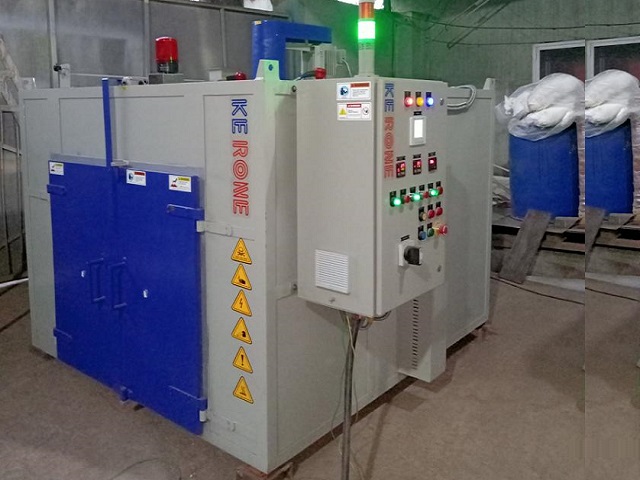
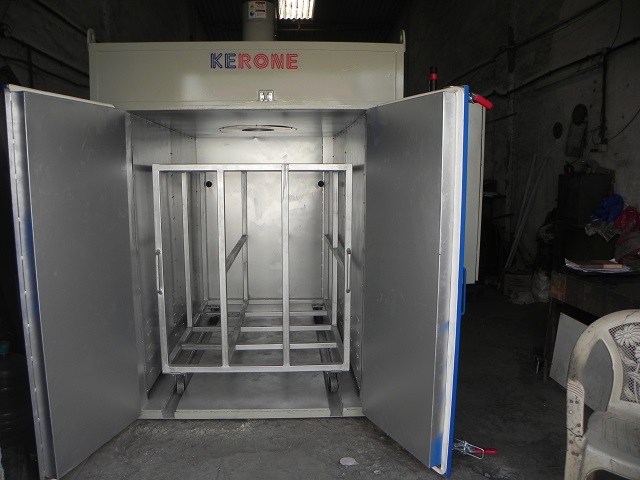
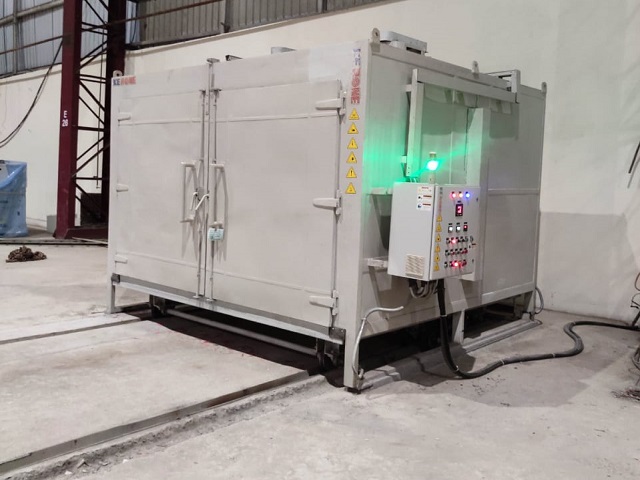
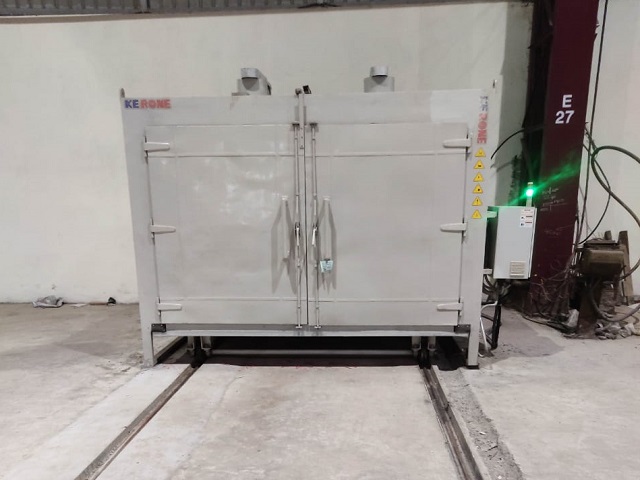
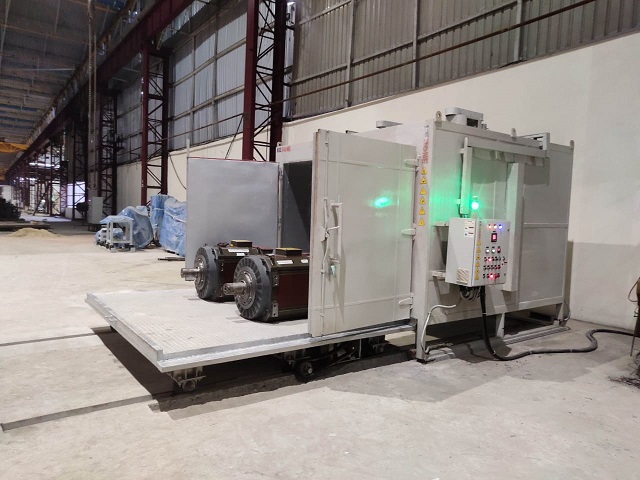
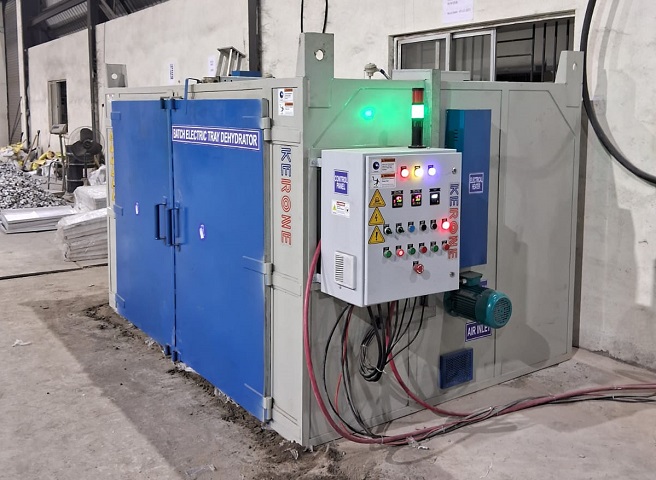
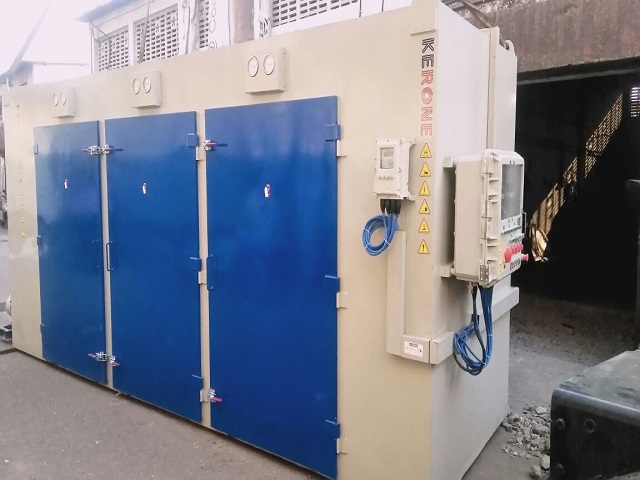
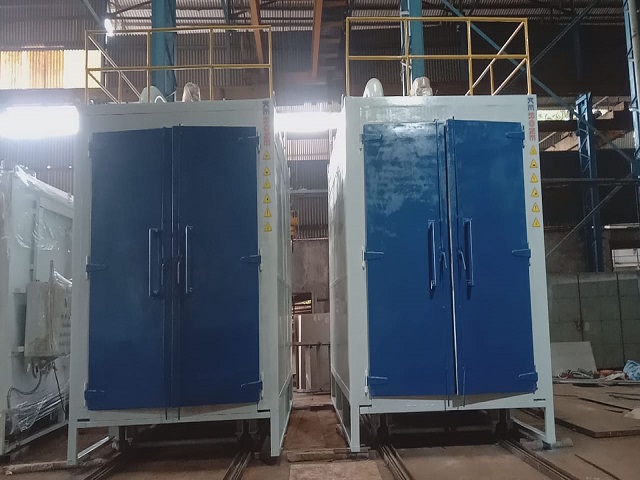
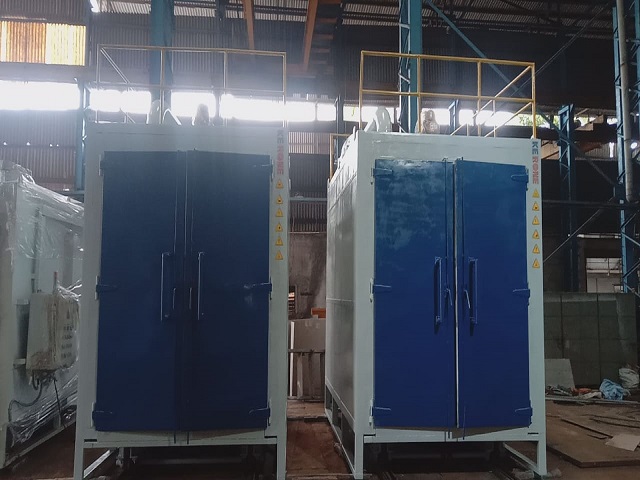
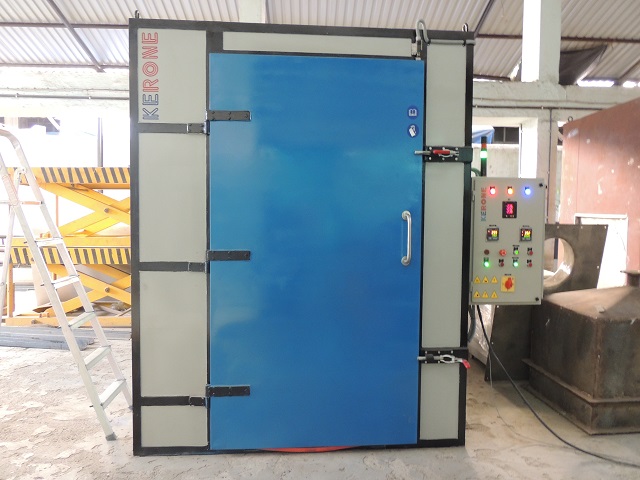
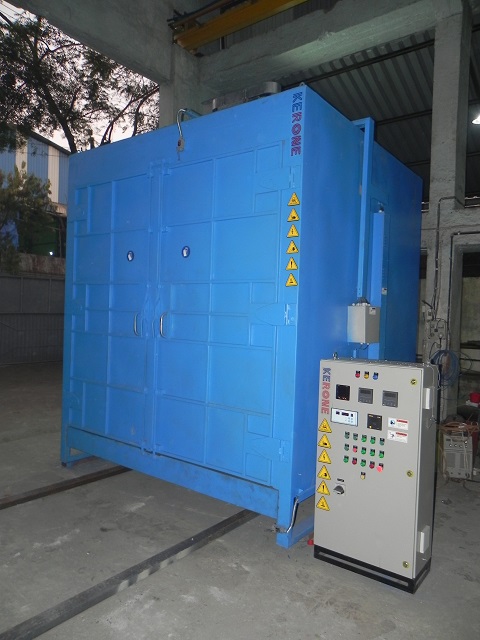
Kerone provides advanced batch electric heating oven engineered to deliver high efficiency, precision, and industrial-grade reliability. With over 50 years of expertise across thermal, infrared, RF, microwave, and mechanical engineering, Kerone develops customized systems tailored to industry-specific requirements, ensuring maximum productivity and operational stability.
Electric heating offers distinct advantages including zero on-site combustion emissions, extremely precise temperature control, uniform heat distribution, and suitability for clean room and laboratory environments where gas-fired systems are not appropriate. Kerone’s Batch Electric Heating Ovens are engineered for reliability, temperature accuracy, and versatility, serving diverse industries from materials research and aerospace to electronics manufacturing and pharmaceutical production.
Why Choose Kerone Batch Electric Heating Oven
Kerone’s Batch Electric Heating Ovens are the preferred choice for applications requiring the highest levels of temperature precision, repeatability, and cleanliness. The use of electric resistance heating elements with advanced PID control allows temperature accuracy and uniformity that is difficult to achieve with gas-fired systems. Kerone selects the most appropriate heating element type — open coil, tubular sheathed, or ceramic panel — for each application and temperature range, ensuring optimal heat distribution and long element life. The company’s engineering expertise covers the full range of electric oven applications from standard drying and curing to complex multi-stage heat treatment processes.
Types and Features of Batch Electric Heating Oven
Kerone manufactures Batch Electric Heating Ovens in sizes ranging from small benchtop laboratory ovens to large floor-standing and walk-in industrial chambers. Temperature ranges from 50°C to 1200°C are covered by different oven series. High-temperature models use silicon carbide or molybdenum disilicide heating elements. All models feature programmable digital PID controllers, safety thermostat protection, and energy-efficient insulation.
Key Features
Clean electric heating with no combustion emissions
High temperature accuracy and uniformity with advanced PID control
Available from 50°C standard drying ovens to 1200°C high-temperature models
Multiple heating element types: tubular, open coil, SiC, MoSi2
Custom material flow and heating patterns
Safety interlocks and advanced control systems
Programmable multi-step temperature profiles with data logging
Energy-efficient high-density ceramic fiber or mineral wool insulation
Over-temperature safety thermostat and visual/audible alarms
Available in benchtop, floor-standing, and walk-in configurations
Powered by AI, ML & IoT
Future-Ready Engineering Driven by AI & IoT
Our advanced AI, ML, and IoT technologies, this solution delivers smarter automation, real-time insights, and predictive intelligence to enhance efficiency and drive future-ready growth.
Real-Time Monitoring & Control
Continuous tracking of process parameters with instant adjustments.
Predictive Maintenance
Intelligent fault detection to prevent failures before they occur.
Adaptive Process Optimization
Dynamic tuning of operations for maximum output and efficiency.
Cloud Dashboards & Analytics
Unified access to real-time insights and performance trends.
Energy & Resource Savings
Smarter utilization of energy to cut costs and reduce waste.
Secure IoT Connectivity
Encrypted data flow with seamless integration across plant systems.
Applications of Batch Electric Heating Oven
Kerone’s Batch Electric Heating Ovens are extensively used in high-precision manufacturing, research, and testing environments. Typical applications include:
Food, chemical, pharmaceutical, and mineral industries
Biomass, renewable fuels, and environmental systems
Packaging, paper, and pulp processing
Industrial drying, heating, curing, and material transformation
High-temperature and precision-controlled processes
Smart manufacturing with automation and AI integration
Curing of composite laminates and adhesive assemblies in aerospace manufacturing
High-temperature sintering of ceramic and powder metal components
Kerone’s Batch Electric Heating Oven provides the precision, versatility, and cleanliness required by the most demanding industrial and laboratory thermal processing applications. From standard drying and curing to advanced high-temperature sintering and heat treatment, Kerone’s comprehensive range of electric batch ovens covers the full spectrum of industrial thermal processing needs. With precise temperature control, robust construction, and comprehensive safety systems, these ovens deliver reliable, repeatable performance throughout their operational life, backed by Kerone’s expert engineering and support team.
Seamless Export Connections Global & Local
Our Global Footprint in Industrial Excellence
Delivering world-class industrial and process solutions across countries with precision, innovation, and reliability.
Peru
Chile
Argentina
Mexico
Colombia
Brazil
USA
Canada
United Kingdom
France
Germany
Spain
Italy
Netherlands
Sweden
Switzerland
Poland
Portugal
Ireland
Czechia
Romania
Hungary
Austria
Greece
Kazakhstan
Uzbekistan
Turkmenistan
Algeria
Egypt
Nigeria
Kenya
South Africa
Saudi Arabia
UAE
Israel
Russia
India
China
Japan
South Korea
Thailand
Vietnam
Malaysia
Singapore
Indonesia
Philippines
Australia
New Zealand
Pan-India Presence. Local Expertise.
Raipur
Bilaspur
Panaji
Vasco da Gama
Gandhinagar
Ahmedabad
Surat
Chandigarh
Gurgaon
Shimla
Manali
Bengaluru
Mysore
Kochi
Pune
Mumbai
Thane
Navi Mumbai
Hyderabad
Chennai
Coimbatore
Kolkata
Lucknow
Jaipur
Udaipur
Jodhpur
Dehradun
Haridwar
Bhubaneswar
Product Gallery
Frequently Asked Questions (FAQ)
Yes, Kerone offers fully customized engineering based on capacity, temperature, and industry needs.
Yes, Kerone designs systems that significantly reduce operational energy consumption.
Manufacturing, food, chemicals, biomass, pharma, packaging, and advanced materials.
Yes, from installation to lifetime service support, Kerone provides complete assistance.
Yes, electric heating offers finer control response and better temperature uniformity than gas-fired systems for most batch applications.
Yes, Kerone's electric ovens produce no combustion byproducts and can be specified for clean room installation with HEPA-filtered air supply.
Energy consumption depends on oven size and temperature; Kerone's well-insulated designs minimize heat loss and reduce operating costs.
The most common electric heating element types are sheathed tubular elements (also called Calrod or Incoloy-sheathed), open wire resistance elements, silicon carbide (SiC) rods for high-temperature applications, and quartz infrared tubes for applications requiring radiant heat with fast response. Sheathed tubular elements are the standard choice for general-purpose industrial batch ovens up to about 650°C. Open wire elements provide faster response but are physically fragile and suit clean, low-humidity environments. SiC elements extend the temperature range to above 1000°C for ceramic and metal sintering. The selection depends on the maximum operating temperature, the process atmosphere, and the mechanical environment (vibration, thermal cycling frequency).
Large electric batch ovens can draw significant current during the ramp-up phase when all heating elements operate at full power simultaneously. In facilities with demand-based electricity tariffs, this peak demand can generate substantial penalty charges. Kerone addresses this through phased element switching, the PLC staggers the power-on sequence of individual element circuits with short time delays, spreading the inrush over several seconds rather than applying the full load simultaneously. Ramp-rate limiting in the temperature profile also reduces peak current by controlling how aggressively the elements are driven. For sites with very large ovens, a dedicated transformer tap or power factor correction unit may be warranted.
Because electric heating involves no combustion, the oven interior atmosphere can be independently controlled. Standard air-circulating ovens handle the majority of industrial applications. For oxidation-sensitive materials, the oven can be purged and backfilled with nitrogen or argon to create an inert atmosphere during the heating cycle. For material testing and sintering applications, hydrogen or forming gas atmospheres are used in sealed retort-type constructions. For processes requiring controlled humidity, steam injection can raise the relative humidity to a defined setpoint. This flexibility makes a batch electric heating oven suitable for a much broader range of specialty material processing than gas-fired designs, where the combustion atmosphere limits what can be controlled.
Under normal operating conditions, cycling to 200–300°C in a clean, dry atmosphere, Incoloy-sheathed tubular heating elements typically last 5–10 years before failure. The factors that most significantly shorten element life are operating above the rated surface temperature (which accelerates sheath oxidation), thermal cycling shock from rapid heating and cooling, exposure to corrosive process vapours (chlorine, sulphur, acidic condensate), and physical damage from vibration or product contact. Kerone specifies element surface loading (watts per square centimetre) conservatively to ensure longevity. Running elements at 70–80% of their maximum rated watt density provides a useful safety margin and extends service life substantially beyond designs that run at maximum rated load.
Yes. Stress-relieving of steel typically requires temperatures of 550–650°C, while full annealing is performed at 750–900°C depending on the steel grade. Batch electric ovens with Incoloy element construction can comfortably handle stress-relieving applications. For annealing at the higher end of the temperature range, SiC or MoSi2 elements and refractory fibre lining are required. Controlled ramp rates, typically 50–150°C per hour for large section components, prevent thermal gradients that could introduce new residual stresses during heat treatment. Uniform temperature distribution across the load is essential. Kerone sizes the fan and baffle system specifically to ensure the required temperature uniformity at operating temperature with a representative production load in the chamber.
The insulation system in a batch electric oven determines heat-up time, thermal efficiency, and exterior surface temperature. Common materials include ceramic fibre modules for high-temperature ovens (above 400°C), mineral wool (rockwool) for medium-temperature applications, and calcium silicate boards for structural panel construction. Ceramic fibre insulation has very low thermal mass, which means the oven heats up quickly and cools down quickly, a significant advantage for frequent cycling. High-density mineral wool has higher thermal mass, which provides more stable temperature in steady-state operation but slower heat-up and cool-down. Kerone selects insulation type and thickness based on the required heat-up time, the operating temperature range, and the acceptable exterior surface temperature for operator safety.
When products emit vapours during the heating cycle for example, outgassing of binders in ceramic greenware, evaporation of release agents, or curing of adhesives, the oven must have adequate ventilation to prevent vapour accumulation. Kerone designs exhaust damper systems that continuously exchange a controlled portion of the chamber air with fresh air, maintaining vapour concentrations well below hazardous thresholds. The exhaust is directed to a building extraction system or treated with a scrubber or thermal oxidiser before release to atmosphere, depending on the vapour type and local emission regulations. For materials producing sticky or polymerising vapours, the exhaust duct should be constructed from smooth stainless steel and be accessible for cleaning.
Kerone provides a complete documentation package with each batch electric heating oven. This includes the design specification with material certificates for major structural components, wiring diagrams with component manufacturer and model details, calibration certificates for temperature sensors and control instruments supplied with the oven, factory acceptance test records showing the oven met its performance specification before dispatch, installation and operation manuals, and a recommended spare parts list. For customers pursuing ISO 9001, IATF 16949, or AS 9100 certifications, Kerone can also provide a site acceptance test procedure, temperature uniformity survey report, and control system validation documentation. These documents reduce the effort required for customer quality audits and equipment qualification.
Kerone’s custom-designed heating and processing solutions are built to meet the demands of your growing operations. Whether you’re upgrading equipment, expanding production, or need a tailor-made solution


 Peru
Peru Chile
Chile Argentina
 Mexico
 Colombia
 Brazil
 USA
USA Canada
 United Kingdom
 France
 Germany
 Spain
Spain Italy
Italy Netherlands
 Sweden
 Switzerland
 Poland
 Portugal
 Ireland
 Czechia
 Romania
 Hungary
 Austria
 Greece
 Kazakhstan
 Uzbekistan
 Turkmenistan
 Algeria
 Egypt
Egypt Nigeria
 Kenya
Kenya South Africa
 Saudi Arabia
 UAE
UAE Israel
 Russia
 India
India China
China Japan
Japan South Korea
 Thailand
 Vietnam
 Malaysia
 Singapore
 Indonesia
 Philippines
 Australia
 New Zealand