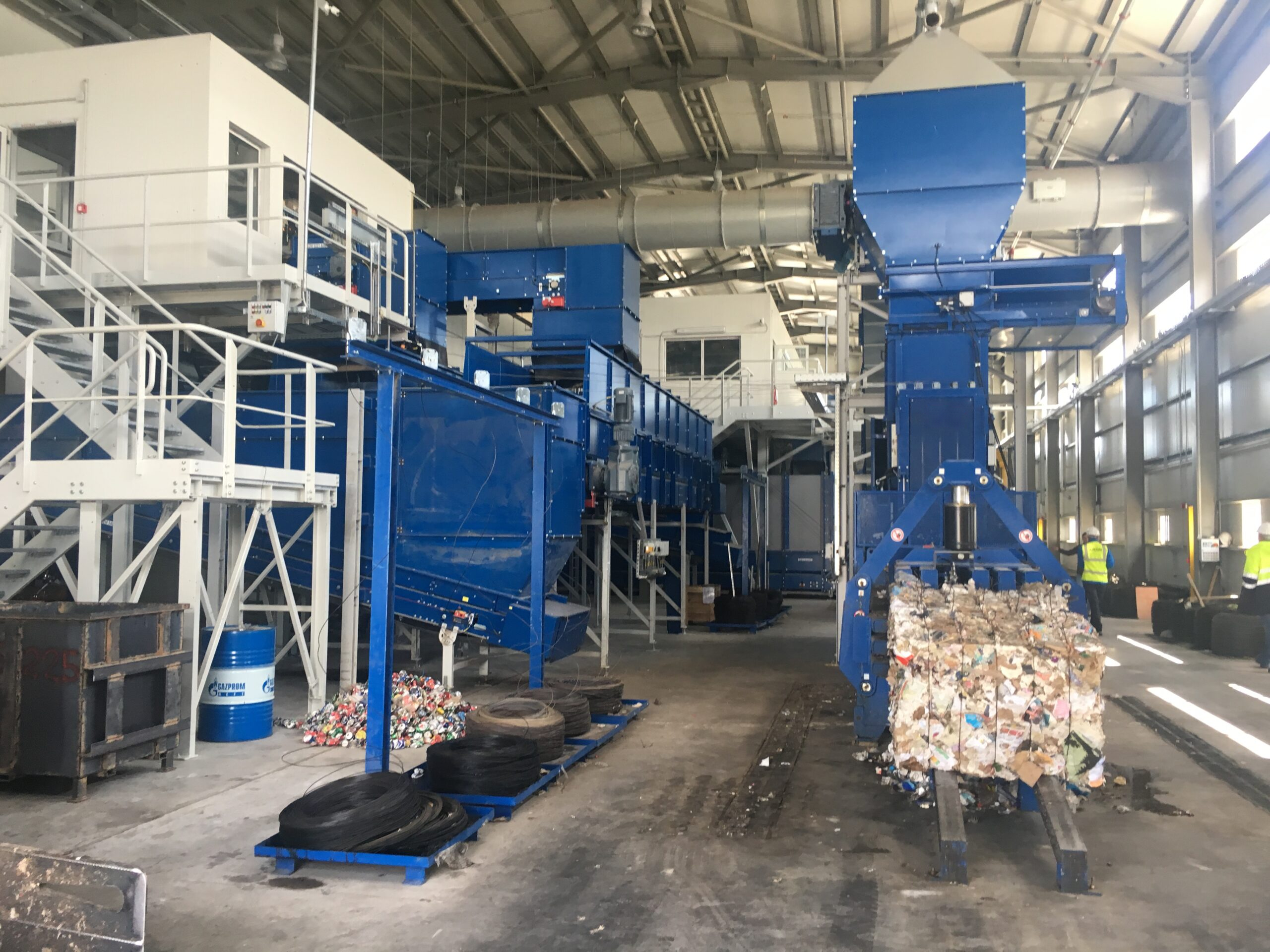
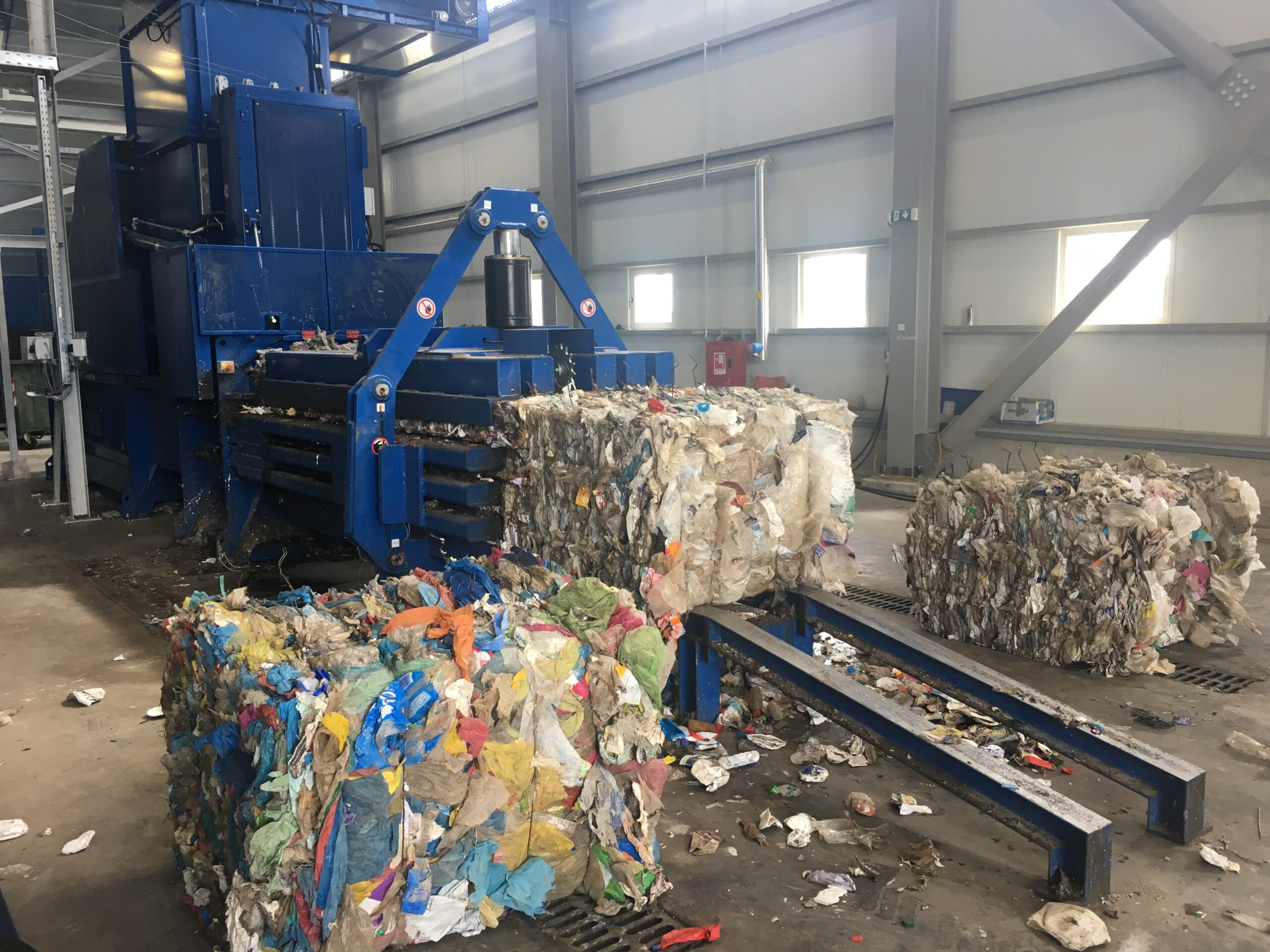
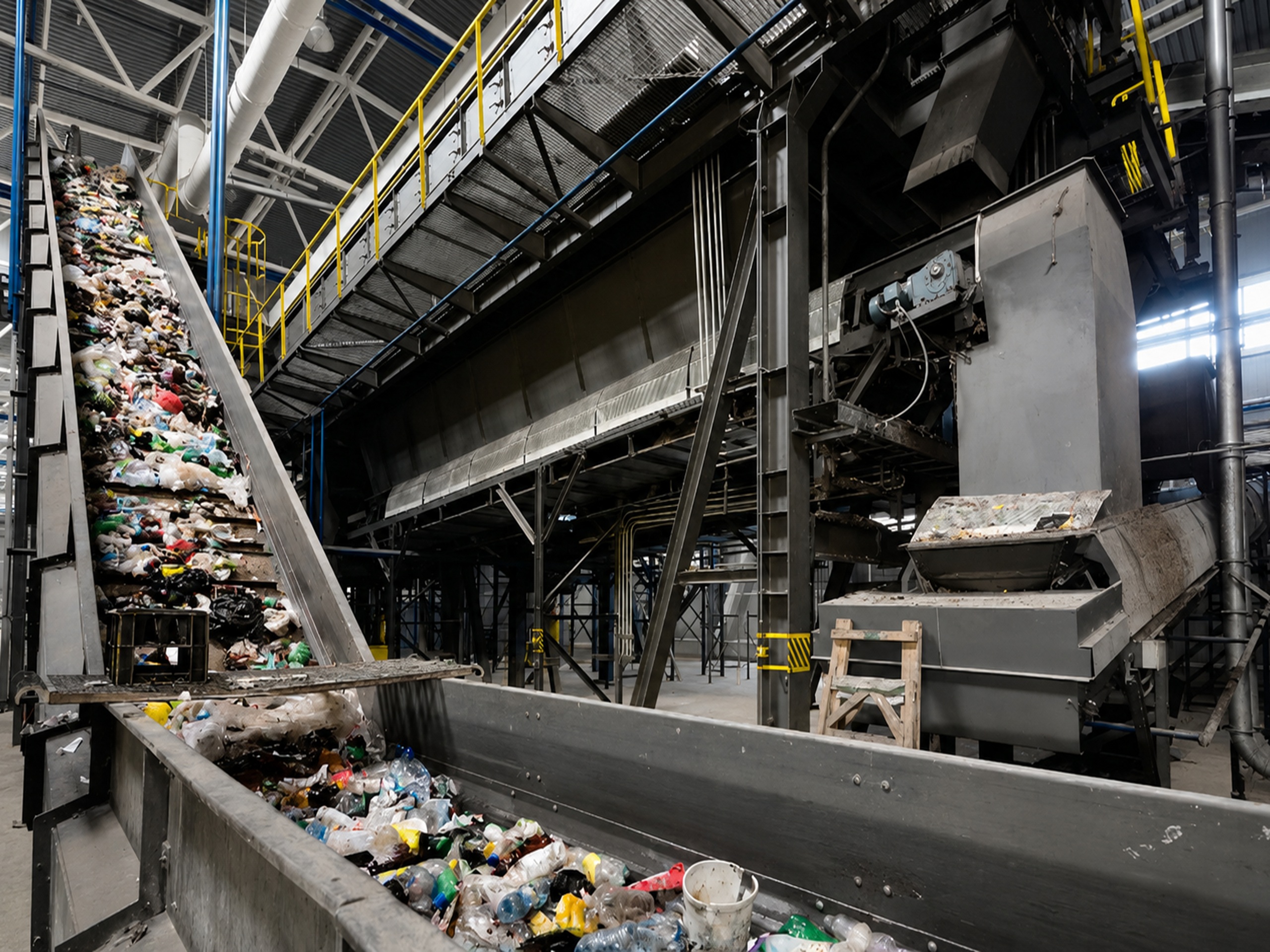
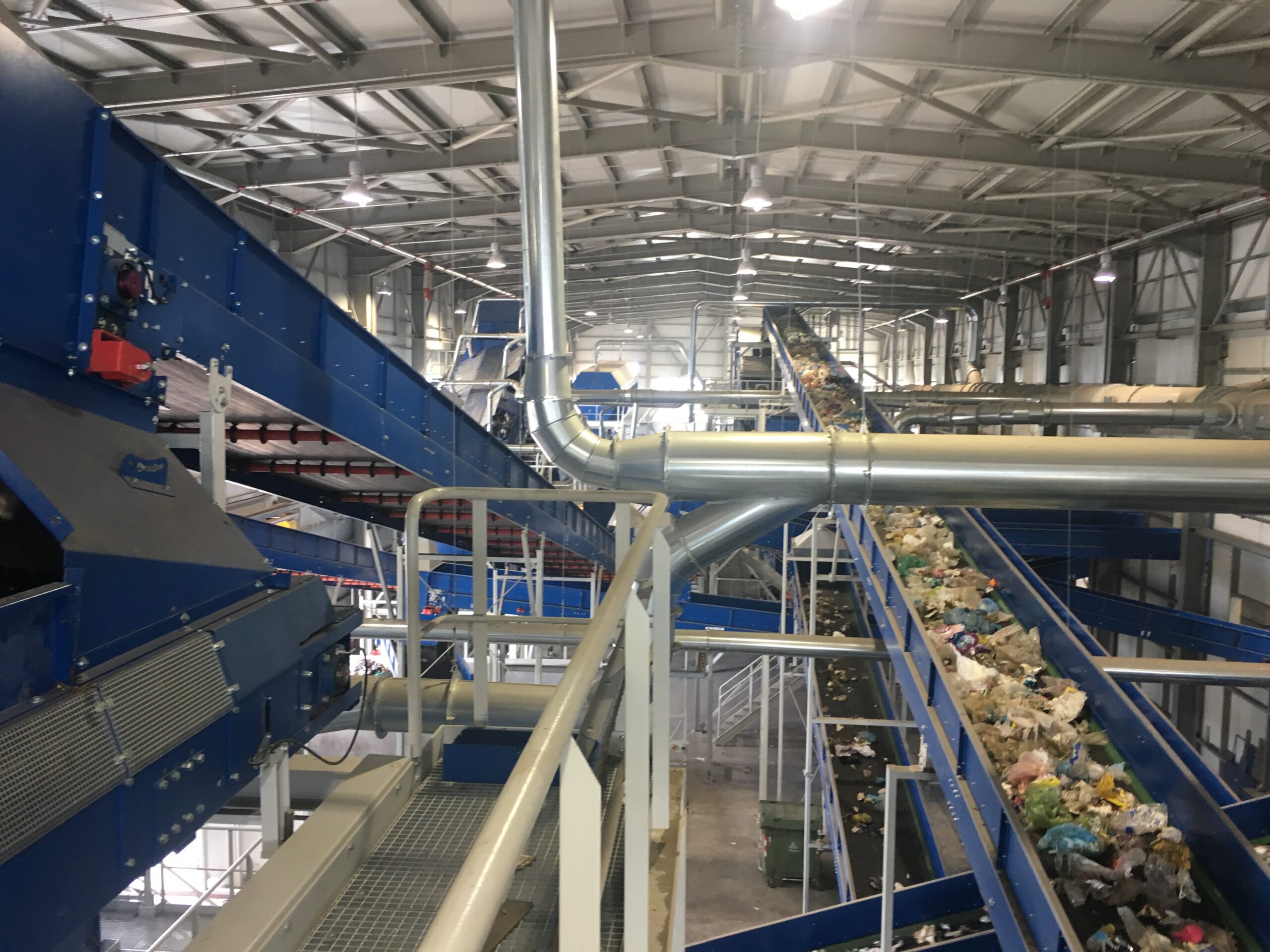
Waste to Value (WTV) goes beyond waste disposal or simple energy recovery. It recognizes that industrial, agricultural, and municipal waste streams contain recoverable carbon, nutrients, metals, chemicals, and energy that, when properly extracted, become feedstocks or products with real commercial value. Kerone’s Waste to Value Systems are designed to close material loops, taking what one process discards and turning it into something another process can productively use. This might mean recovering biochar for soil amendment, extracting platform chemicals from organic waste, recovering precious or base metals from industrial residues, or producing solid fuel from biomass processing by-products. The goal is maximum utilization with minimum disposal.
Why Choose Kerone Waste to Value Systems
The transition from a linear waste management model to a circular economy approach requires more than good intentions, it requires process engineering that can reliably recover specific fractions at the quality and consistency that downstream users demand. Kerone designs WTV systems around defined output specifications, working backward from the desired product, whether that is a soil amendment, a chemical intermediate, or a solid fuel to select and configure the right combination of thermal, mechanical, and chemical process stages that produce it.
Types and Features of Waste to Value Systems
Kerone’s WTV systems combine thermal conversion (pyrolysis, HTC, torrefaction), mechanical separation (screening, densification, pelletizing), and chemical treatment stages as needed for the target waste stream and output product. Systems are available as stand-alone modules for specific recovery goals or as integrated multi-stage process lines for complex waste streams with multiple valuable fractions. Custom instrumentation and quality monitoring are built into each system to provide continuous verification of output product specifications.
Key Features
Integrated multi-stage recovery: thermal, mechanical, and chemical processes in one system
Designed around defined output product specifications, not just waste disposal
Compatible with diverse industrial, municipal, and agricultural waste streams
Modular process configuration allows targeted recovery of specific valuable fractions
Continuous quality monitoring of recovered product streams
Supports circular economy certifications and ESG reporting requirements
By-product reuse pathways built into system design from the outset
Scalable from single-stream small operations to multi-stream industrial processing plants
Powered by AI, ML & IoT
Future-Ready Engineering Driven by AI & IoT
Our advanced AI, ML, and IoT technologies, this solution delivers smarter automation, real-time insights, and predictive intelligence to enhance efficiency and drive future-ready growth.
Real-Time Monitoring & Control
Continuous tracking of process parameters with instant adjustments.
Predictive Maintenance
Intelligent fault detection to prevent failures before they occur.
Adaptive Process Optimization
Dynamic tuning of operations for maximum output and efficiency.
Cloud Dashboards & Analytics
Unified access to real-time insights and performance trends.
Energy & Resource Savings
Smarter utilization of energy to cut costs and reduce waste.
Secure IoT Connectivity
Encrypted data flow with seamless integration across plant systems.
Applications of Waste to Value Systems
Kerone’s Waste to Value Systems are extensively used in industrial waste management, circular economy initiatives, and resource recovery operations. Typical applications include the following:
Recovering hydrochar and activated carbon precursors from food processing and sludge waste
Extracting bio-oil and syngas from agricultural residues for energy credit in food and feed industries
Producing organic compost and biochar blends from municipal organic waste
Recovering metals and inorganic materials from industrial thermal processing residues
Converting manufacturing scrap biomass into marketable solid biofuel pellets
Closing carbon loops in pharmaceutical, chemical, and agricultural production waste
The circular economy is not a slogan; it is an engineering challenge. Every waste stream that exits a production facility represents either a problem or an opportunity, and the difference between the two is often the quality of the processing system applied to it. Kerone’s Waste to Value Systems are built on the understanding that recovery is only meaningful if the recovered product is usable, consistent, and commercially relevant. Across industry sectors, Kerone has helped clients transform disposal liabilities into production assets through targeted, well-engineered WTV processing lines.
Seamless Export Connections Global & Local
Our Global Footprint in Industrial Excellence
Delivering world-class industrial and process solutions across countries with precision, innovation, and reliability.
Peru
Chile
Argentina
Mexico
Colombia
Brazil
USA
Canada
United Kingdom
France
Germany
Spain
Italy
Netherlands
Sweden
Switzerland
Poland
Portugal
Ireland
Czechia
Romania
Hungary
Austria
Greece
Kazakhstan
Uzbekistan
Turkmenistan
Algeria
Egypt
Nigeria
Kenya
South Africa
Saudi Arabia
UAE
Israel
Russia
India
China
Japan
South Korea
Thailand
Vietnam
Malaysia
Singapore
Indonesia
Philippines
Australia
New Zealand
Pan-India Presence. Local Expertise.
Raipur
Bilaspur
Panaji
Vasco da Gama
Gandhinagar
Ahmedabad
Surat
Chandigarh
Gurgaon
Shimla
Manali
Bengaluru
Mysore
Kochi
Pune
Mumbai
Thane
Navi Mumbai
Hyderabad
Chennai
Coimbatore
Kolkata
Lucknow
Jaipur
Udaipur
Jodhpur
Dehradun
Haridwar
Bhubaneswar
Product Gallery
Frequently Asked Questions (FAQ)
Waste to Value Systems focuses on recovering thermal or electrical energy from waste through combustion. WTV recovers multiple forms of value - materials, chemicals, fuels, and nutrients from waste streams, often producing higher-value outputs than simple energy recovery.
Recoverable value includes energy (heat, gas, biofuel), materials (carbon, metals, minerals), chemicals (organic acids, phenols, nutrients), and soil amendments (biochar, compost), depending on the waste composition.
Food processing, agriculture, pharmaceutical manufacturing, chemical production, pulp and paper, and wastewater treatment industries all generate organic or thermal waste streams well-suited to Waste to Value recovery.
Yes. Kerone conducts waste characterization, recovery pathway analysis, and product specification work before designing any WTV system to ensure the recovered output meets real-world market or operational requirements.
WTV directly closes material and energy loops by returning waste-derived materials back into productive use, reducing the consumption of virgin resources and minimizing end-of-life waste volumes sent to landfill or incineration.
Economic viability depends on waste volume, composition, and the market value of recovered products. Kerone conducts feasibility assessments to determine the economic case for WTV investment for each client's specific situation.
Yes. Many WTV processes qualify under circular economy certification schemes, green procurement standards, and ESG reporting frameworks. Kerone designs systems with documentation and monitoring to support these certifications.
Recycling focuses on mechanical separation and reprocessing of specific material fractions. WTV encompasses a broader range of thermal, chemical, and mechanical transformations that recover value from mixed or contaminated waste that cannot be conventionally recycled.
Yes. Kerone specializes in integrating Waste to Value Systems modules into existing production environments, connecting waste output streams from one process to recovery input streams in an adjacent WTV system.
Key challenges include waste stream variability, contamination management, output quality consistency, and matching recovery system performance to the specifications required by downstream product users.
Yes. Depending on waste classification and processing methods, WTV facilities typically require environmental permits covering waste acceptance, air emissions, effluent discharge, and residue disposal. Kerone assists clients in preparing technical documentation for regulatory submissions.
Yes. By replacing virgin material inputs with waste-derived substitutes and reducing landfill or incineration disposal, Waste to Value Systems can significantly reduce greenhouse gas emissions across the supply chain.
Waste to Value can be economical at scales from a few hundred kilograms per day for high-value chemical recovery to several hundred tonnes per day for energy and material recovery from industrial waste streams.
Kerone incorporates online quality monitoring, automated process adjustment, and sampling protocols into WTV systems to provide continuous assurance that recovered outputs meet agreed product specifications.
Multi-stream Waste to Value Systems can be designed with preprocessing separation stages that direct different waste fractions to appropriate recovery processes. Kerone designs these as integrated platforms where required.
Kerone’s custom-designed heating and processing solutions are built to meet the demands of your growing operations. Whether you’re upgrading equipment, expanding production, or need a tailor-made solution



 Peru
Peru Chile
Chile Argentina
 Mexico
 Colombia
 Brazil
 USA
USA Canada
 United Kingdom
 France
 Germany
 Spain
Spain Italy
Italy Netherlands
 Sweden
 Switzerland
 Poland
 Portugal
 Ireland
 Czechia
 Romania
 Hungary
 Austria
 Greece
 Kazakhstan
 Uzbekistan
 Turkmenistan
 Algeria
 Egypt
Egypt Nigeria
 Kenya
Kenya South Africa
 Saudi Arabia
 UAE
UAE Israel
 Russia
 India
India China
China Japan
Japan South Korea
 Thailand
 Vietnam
 Malaysia
 Singapore
 Indonesia
 Philippines
 Australia
 New Zealand