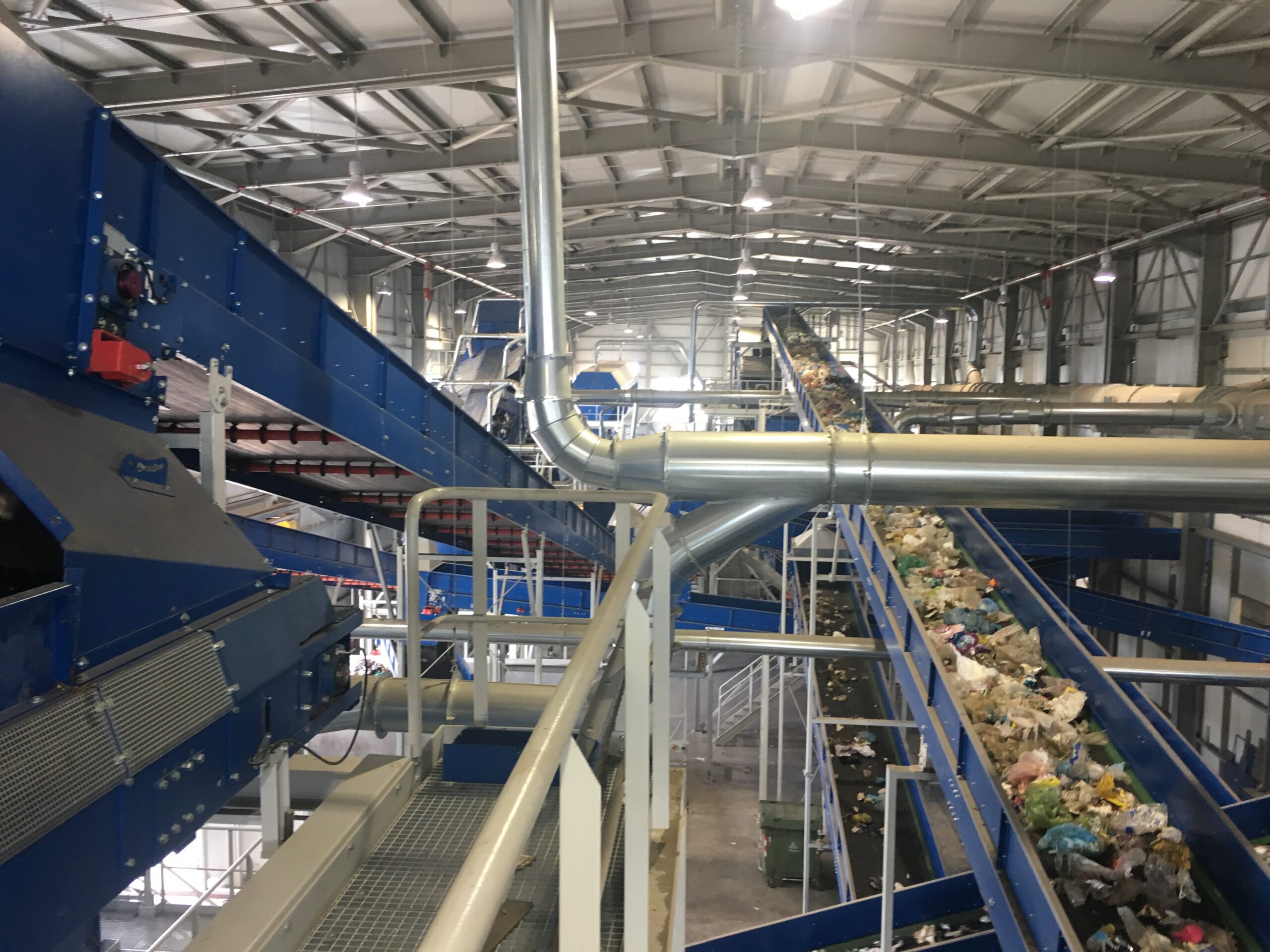
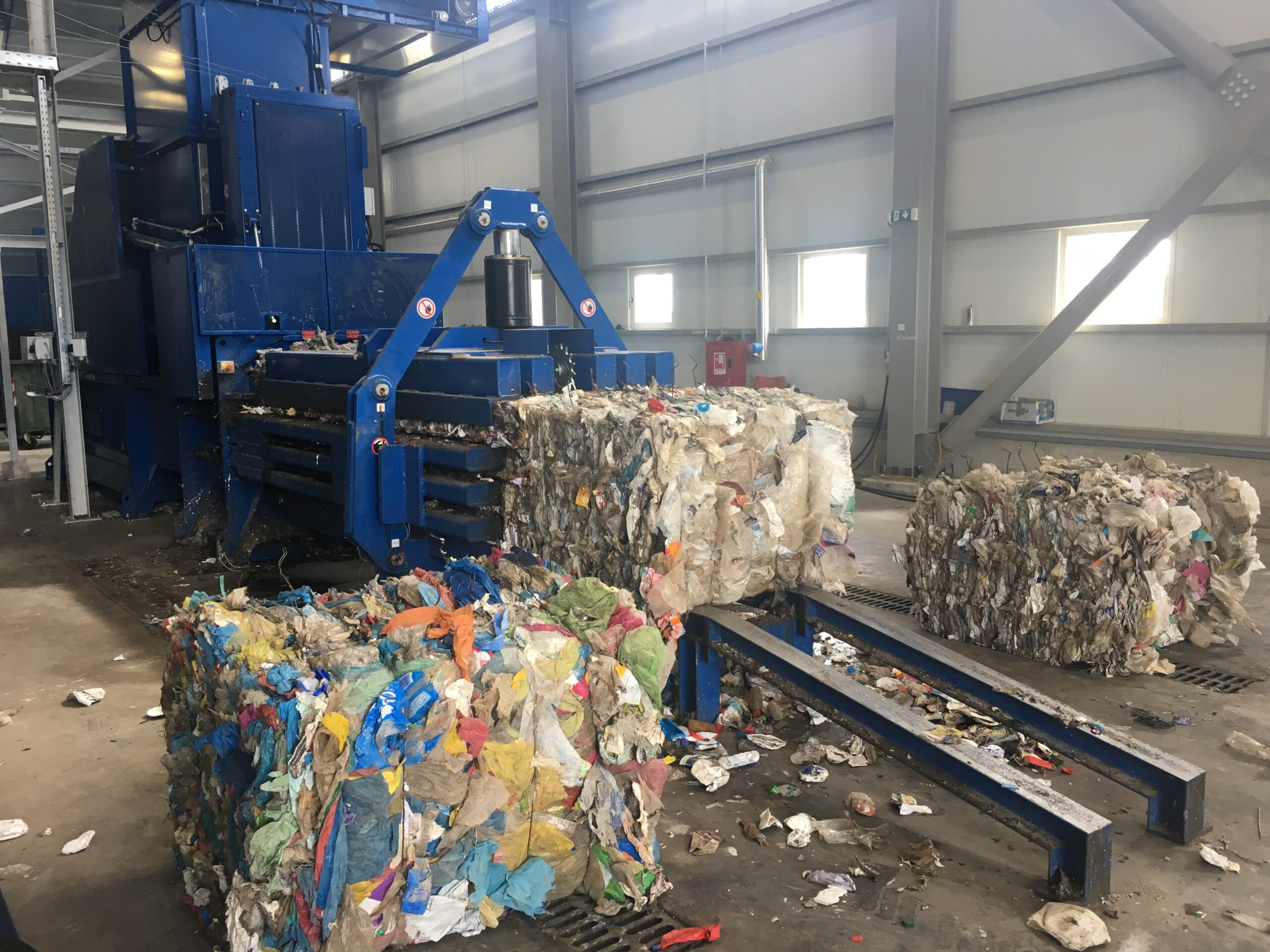
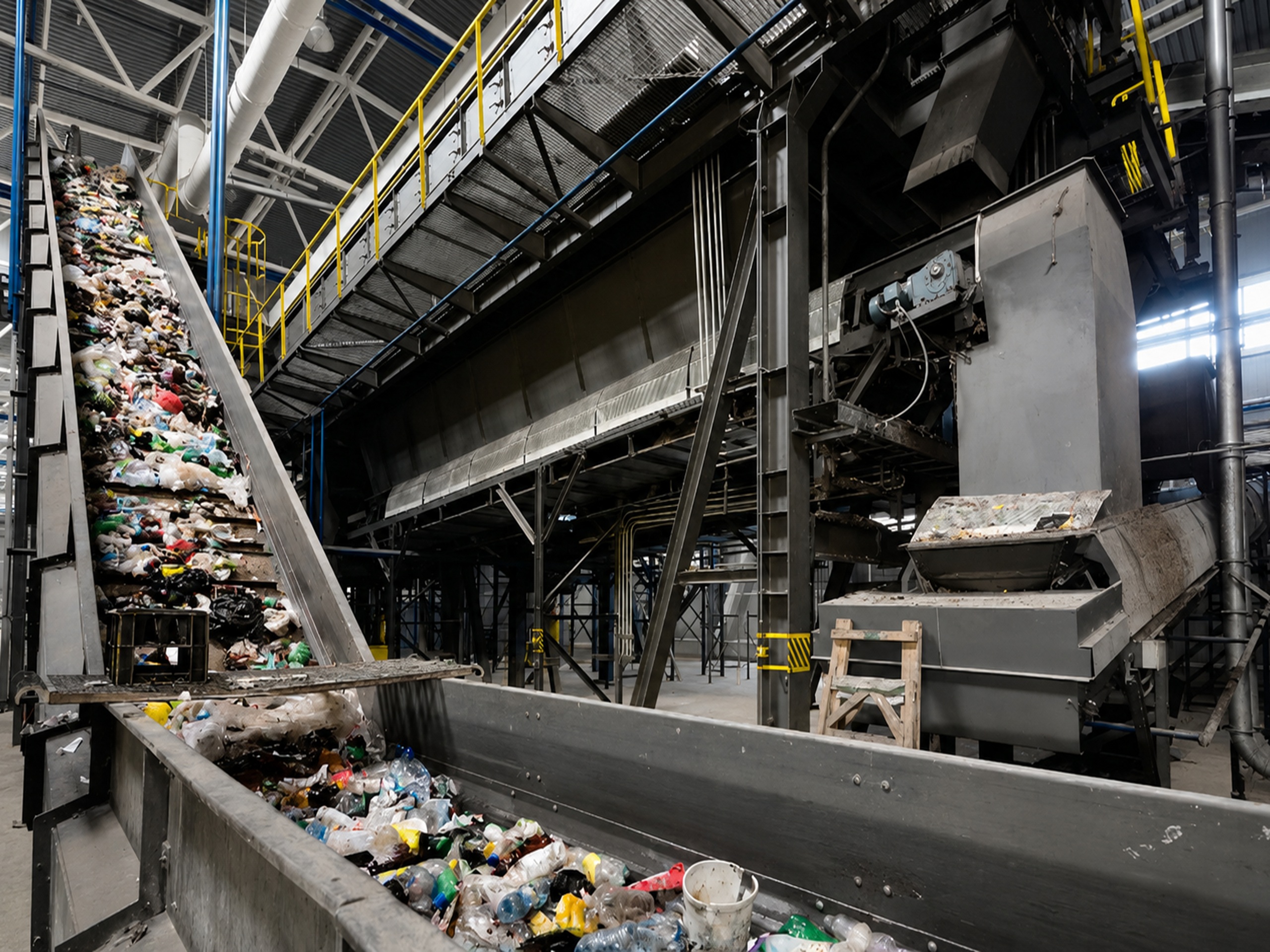
Waste-to-Energy (WTE) systems convert non-recyclable waste materials into usable thermal or electrical energy through controlled combustion, gasification, or pyrolysis processes. These systems reduce the volume of waste destined for landfill, recover embedded energy value from materials that would otherwise contribute to methane emissions, and produce heat or power that can offset fossil fuel use. Kerone’s Waste-to-Energy systems are engineered for a range of waste streams, from municipal solid waste (MSW) and industrial solid residues to refuse-derived fuel (RDF) and agricultural waste with designs that prioritize complete combustion, controlled emissions, and maximum energy recovery.
Why Choose Kerone Waste to Energy Systems
WTE is a technically complex field where combustion chemistry, emissions control, energy recovery, and waste handling all intersect. Kerone’s advantage is its experience across the full WTE system scope from the feed handling and pre-treatment stage through the thermal conversion core to the flue gas treatment and energy recovery back-end. Rather than supplying individual components, Kerone designs WTE systems as integrated process lines where each stage is matched to the waste characteristics, energy recovery targets, and emissions compliance requirements of the installation site.
Types and Features of Waste to Energy Systems
Kerone’s WTE system configurations include moving grate combustion systems for bulk waste, fluidized bed systems for prepared and shredded waste, and pyrolysis-gasification hybrid systems for controlled thermal conversion. Each configuration pairs with heat recovery steam generators (HRSG) or thermal oil heat exchangers for energy capture, and multi-stage flue gas treatment systems including cyclones, baghouse filters, and scrubbers for emissions control. Systems are sized from small community-scale units to large industrial and municipal WTE plants.
Key Features
Grate combustion, fluidized bed, and pyrolysis-gasification system configurations available
Heat recovery steam generator (HRSG) integration for steam or hot water production
Multi-stage flue gas treatment: cyclone, baghouse, wet/dry scrubber, and activated carbon injection
Continuous emissions monitoring system (CEMS) for regulatory compliance
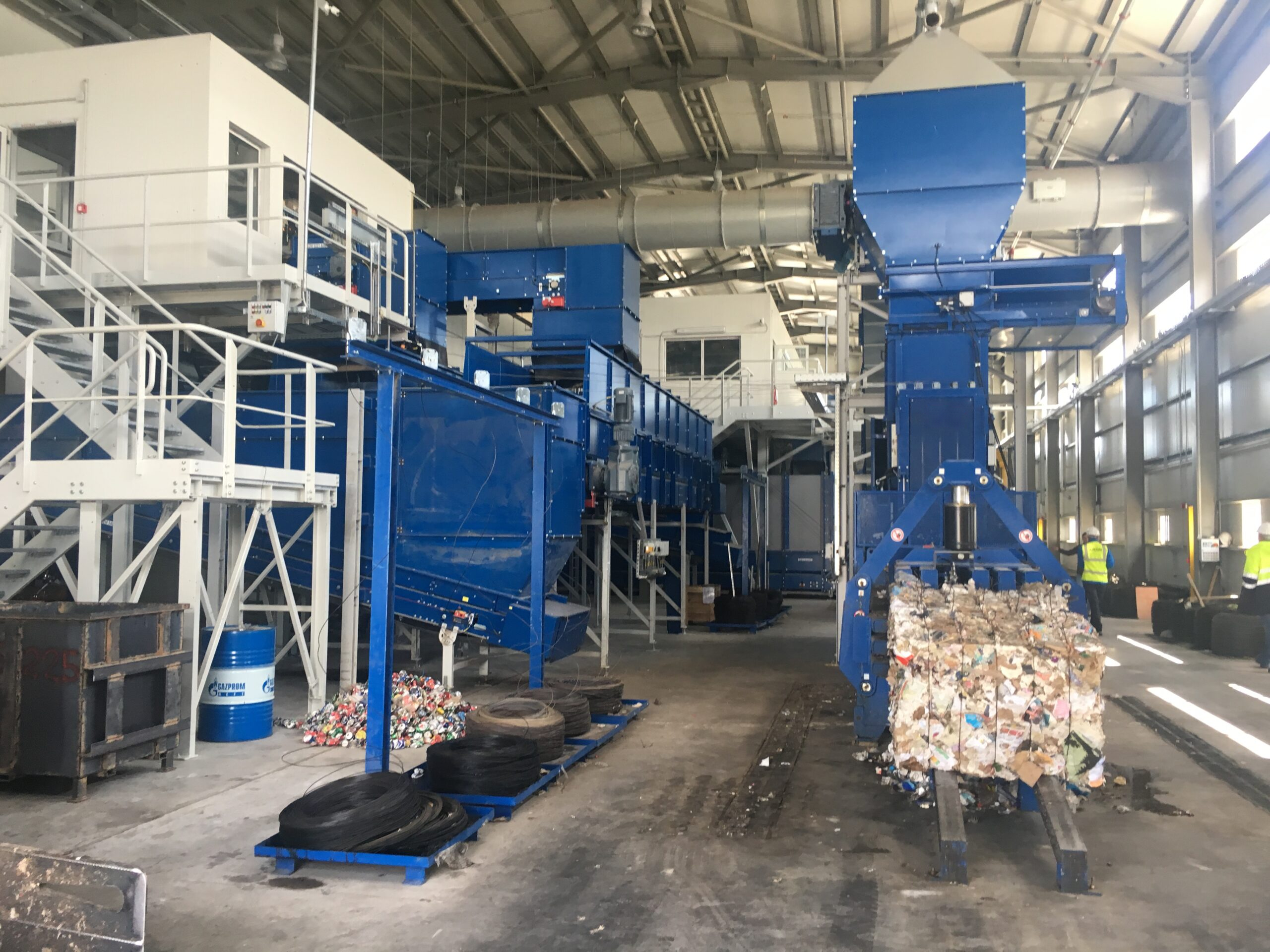
Waste pre-treatment modules: shredding, drying, and RDF preparation options
Automated combustion control for stable heat release despite waste composition variability
Bottom ash and fly ash handling systems for residue management
Scalable designs from community-scale plants to multi-tonne per day industrial facilities
Powered by AI, ML & IoT
Future-Ready Engineering Driven by AI & IoT
Our advanced AI, ML, and IoT technologies, this solution delivers smarter automation, real-time insights, and predictive intelligence to enhance efficiency and drive future-ready growth.
Real-Time Monitoring & Control
Continuous tracking of process parameters with instant adjustments.
Predictive Maintenance
Intelligent fault detection to prevent failures before they occur.
Adaptive Process Optimization
Dynamic tuning of operations for maximum output and efficiency.
Cloud Dashboards & Analytics
Unified access to real-time insights and performance trends.
Energy & Resource Savings
Smarter utilization of energy to cut costs and reduce waste.
Secure IoT Connectivity
Encrypted data flow with seamless integration across plant systems.
Applications of Waste to Energy Systems
Kerone’s Waste-to-Energy Systems are extensively used in municipal waste management, industrial waste processing, and distributed energy generation projects. Typical applications include:
Municipal solid waste (MSW) combustion for urban community energy and heat supply
Industrial solid waste and production rejects from manufacturing facilities
Refuse-derived fuel (RDF) combustion in dedicated WTE boilers
Agricultural and forestry residue combustion for rural distributed energy generation
Hospital and clinical waste thermal treatment with energy recovery
Industrial co-processing of waste in cement kilns and thermal plants
Waste is not the end of the material cycle, it is an energy resource that has been underutilized for too long. Kerone’s Waste-to-Energy systems give municipalities, industrial operators, and energy developers a practical, engineered pathway to reduce waste disposal costs, generate local heat and power, and meet environmental obligations simultaneously. As regulatory pressure on landfill disposal grows and energy prices remain volatile, WTE represents one of the most operationally and economically sensible solutions available to waste-generating industries.
Seamless Export Connections Global & Local
Our Global Footprint in Industrial Excellence
Delivering world-class industrial and process solutions across countries with precision, innovation, and reliability.
Peru
Chile
Argentina
Mexico
Colombia
Brazil
USA
Canada
United Kingdom
France
Germany
Spain
Italy
Netherlands
Sweden
Switzerland
Poland
Portugal
Ireland
Czechia
Romania
Hungary
Austria
Greece
Kazakhstan
Uzbekistan
Turkmenistan
Algeria
Egypt
Nigeria
Kenya
South Africa
Saudi Arabia
UAE
Israel
Russia
India
China
Japan
South Korea
Thailand
Vietnam
Malaysia
Singapore
Indonesia
Philippines
Australia
New Zealand
Pan-India Presence. Local Expertise.
Raipur
Bilaspur
Panaji
Vasco da Gama
Gandhinagar
Ahmedabad
Surat
Chandigarh
Gurgaon
Shimla
Manali
Bengaluru
Mysore
Kochi
Pune
Mumbai
Thane
Navi Mumbai
Hyderabad
Chennai
Coimbatore
Kolkata
Lucknow
Jaipur
Udaipur
Jodhpur
Dehradun
Haridwar
Bhubaneswar
Product Gallery
Frequently Asked Questions (FAQ)
A WTE system is an industrial facility or process that converts non-recyclable waste into thermal or electrical energy through controlled combustion, gasification, or pyrolysis, recovering the embedded energy in waste while reducing landfill dependency.
Kerone's systems can process municipal solid waste, refuse-derived fuel, industrial solid waste, agricultural residues, biomass, medical waste (with appropriate handling), and certain hazardous organic wastes depending on system configuration.
WTE systems produce thermal energy in the form of steam or hot water, which can be used for industrial processes, district heating, or converted to electricity via a steam turbine generator.
WTE from biomass and organic waste fractions is considered renewable. The overall renewable classification depends on waste composition. Regulators in many countries allow partial renewable energy credits for WTE depending on the biogenic fraction of the waste.
Kerone's WTE systems include multi-stage flue gas treatment: cyclone separators for coarse particulate removal, baghouse fabric filters for fine particulates, dry or wet scrubbers for acid gases (HCl, SO2), and activated carbon injection for dioxins and mercury.
Electrical efficiency for WTE combustion systems typically ranges from 18–28%. Combined heat and power (CHP) configurations achieve overall energy efficiencies of 60–80% by utilizing both electrical and thermal output.
Bottom ash from the grate is collected, cooled, and metal-separated before disposal or use in construction materials. Fly ash from the gas treatment system is classified as a hazardous waste and handled accordingly under local regulations.
With proper gas treatment, a Kerone WTE system operates within EU Industrial Emissions Directive (IED) or equivalent national standards for CO, NOx, SO2, HCl, particulates, and dioxins.
Yes. Kerone designs small-to-medium WTE systems for industrial facilities, food processing plants, and agricultural operations that generate significant quantities of combustible solid waste.
Kerone's WTE systems use automated grate speed, primary and secondary air flow control, and continuous temperature monitoring to stabilize combustion temperature despite variability in waste heating value and moisture.
WTE recovers a much higher proportion of the energy from waste and avoids the long-term liability of landfill. Landfill gas capture is passive and captures only a fraction of the methane produced. WTE also eliminates long-term environmental monitoring requirements.
Pre-treatment depends on waste type. Bulk MSW may need shredding and sorting. High-moisture waste may need drying. RDF is typically pre-shredded and classified. Kerone provides integrated pre-treatment modules as part of the system design.
Yes. Kerone offers full turnkey WTE project delivery including process design, equipment supply, civil interface engineering, installation, commissioning, and operations support.
Footprint depends on capacity and configuration. Small industrial WTE units can be installed in a compact enclosed building. Community-scale plants typically require a dedicated site with waste reception, processing, and emission control infrastructure.
Kerone designs WTE systems for a service life of 20–25 years with proper maintenance. Critical components such as the combustion grate, heat exchanger tubes, and filter bags are designed as replaceable elements to extend overall plant life.
Kerone’s custom-designed heating and processing solutions are built to meet the demands of your growing operations. Whether you’re upgrading equipment, expanding production, or need a tailor-made solution




 Peru
Peru Chile
Chile Argentina
 Mexico
 Colombia
 Brazil
 USA
USA Canada
 United Kingdom
 France
 Germany
 Spain
Spain Italy
Italy Netherlands
 Sweden
 Switzerland
 Poland
 Portugal
 Ireland
 Czechia
 Romania
 Hungary
 Austria
 Greece
 Kazakhstan
 Uzbekistan
 Turkmenistan
 Algeria
 Egypt
Egypt Nigeria
 Kenya
Kenya South Africa
 Saudi Arabia
 UAE
UAE Israel
 Russia
 India
India China
China Japan
Japan South Korea
 Thailand
 Vietnam
 Malaysia
 Singapore
 Indonesia
 Philippines
 Australia
 New Zealand