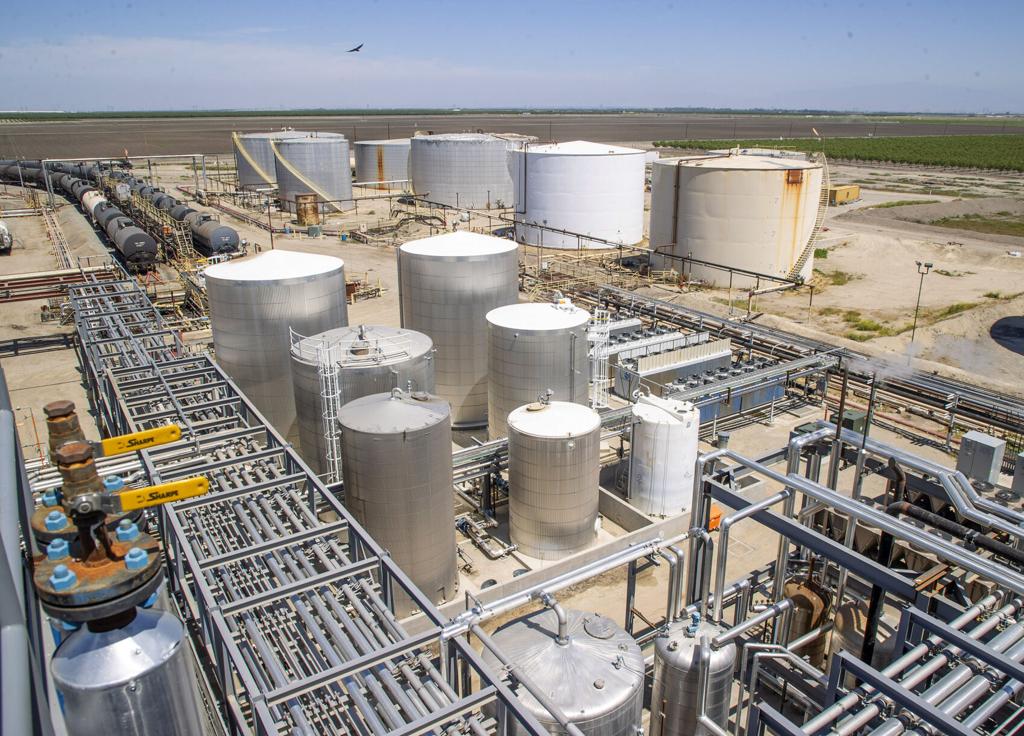
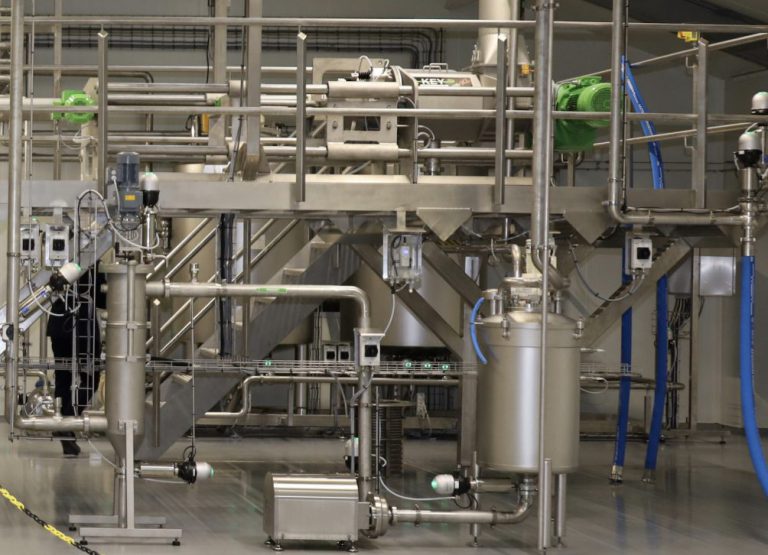
Bio-Refinery Processing Systems (BRP) are integrated processing installations that extract the maximum number of distinct product streams from a single biomass or organic waste feedstock, including fuels, chemicals, fibres, proteins, and energy through a combination of mechanical, biochemical, and thermochemical conversion stages. The bio-refinery concept mirrors the operational logic of a petroleum refinery, where crude oil is separated into dozens of products, but replaces fossil feedstock with renewable biological material. Kerone’s BRP systems are engineered for agro-industrial and forestry-based feedstocks, combining fractionation, fermentation, pyrolysis, and extraction technologies into cohesive processing lines that maximise feedstock value and minimise waste.
Why Choose Kerone Bio-Refinery Processing Systems
The engineering challenge in bio-refinery design is managing the interaction between multiple processing stages each with distinct temperature, pressure, moisture, and residence time requirements while maintaining consistent throughput and product quality across the entire line. Kerone’s BRP systems draw on the company’s industrial thermal processing and process integration experience to design bio-refinery lines where each unit operation is matched in capacity and output quality to the downstream process it feeds. KRDC-validated process flows reduce integration risk, and Kerone’s modular approach allows bio-refinery capacity to be expanded as new product markets develop or feedstock volumes increase.
Types and Features of Bio-Refinery Processing Systems
Kerone designs Bio-Refinery Processing Systems as multi-stage integrated lines with a primary fractionation stage, secondary conversion units, and product finishing modules. For lignocellulosic feedstocks such as agricultural residues and forestry waste, the primary fractionation separates cellulose, hemicellulose, and lignin fractions. Cellulose is directed to enzymatic hydrolysis and fermentation for bioethanol or biochemical production; hemicellulose is processed for xylose-based chemicals; and lignin is routed to a pyrolysis or combustion module for fuel and energy recovery. For protein-rich feedstocks such as oilseeds or algae, the line includes solvent or mechanical oil extraction, protein concentration, and fibre or cake processing modules.
Key Features
Multi-stage fractionation of lignocellulosic or protein-rich biomass into separate process streams
Enzymatic hydrolysis and fermentation module for cellulose-to-bioethanol or biosuccinic acid conversion
Lignin valorization through pyrolysis or direct combustion for energy self-sufficiency
Solvent or cold-press oil extraction module for oilseed and algae-based bio-refinery configurations
Protein concentration and drying module producing animal feed-grade or food-grade protein products
Energy integration between processing stages for maximum thermal efficiency and minimum utility consumption
Modular design allowing phased commissioning and capacity expansion as product markets develop
KRDC feedstock assessment and process integration validation for multi-product bio-refinery configurations
Powered by AI, ML & IoT
Future-Ready Engineering Driven by AI & IoT
Our advanced AI, ML, and IoT technologies, this solution delivers smarter automation, real-time insights, and predictive intelligence to enhance efficiency and drive future-ready growth.
Real-Time Monitoring & Control
Continuous tracking of process parameters with instant adjustments.
Predictive Maintenance
Intelligent fault detection to prevent failures before they occur.
Adaptive Process Optimization
Dynamic tuning of operations for maximum output and efficiency.
Cloud Dashboards & Analytics
Unified access to real-time insights and performance trends.
Energy & Resource Savings
Smarter utilization of energy to cut costs and reduce waste.
Secure IoT Connectivity
Encrypted data flow with seamless integration across plant systems.
Applications of Bio-Refinery Processing Systems
Kerone’s Bio-Refinery Processing Systems serve agro-industrial operators, renewable chemical producers, and integrated biomass processing companies.
Typical applications include:
Sugar mills and distilleries integrating bagasse-based bio-refinery to produce bioethanol, furfural, and lignin char from a single cane residue stream
Rice milling complexes valorizing rice husk for silica, activated carbon, and heat energy in an integrated processing line
Oilseed processors operating integrated lines producing edible oil, protein meal, and lignocellulosic fibre products from a single feedstock
Pulp and paper mills implementing lignin valorization stages to convert spent black liquor into bio-oil or phenolic chemicals
Algae cultivation facilities processing algal biomass into lipid-based biodiesel, protein concentrate, and pigment fractions
Municipal organic waste processors extracting volatile fatty acids, biogas, and compost from food waste in staged biochemical bio-refinery configurations
The bio-refinery model represents a fundamental shift in how biomass resources are approached in industrial processing from single-product extraction toward whole-feedstock valorization. Kerone’s Bio-Refinery Processing Systems are designed for this broader ambition, integrating the mechanical, biochemical, and thermochemical unit operations needed to extract multiple value streams from a single feedstock input. By combining process integration expertise with KRDC-validated multi-stage configurations, Kerone gives agro-industrial and renewable chemistry operators the technical foundation to build bio-refinery businesses that are economically resilient, resource-efficient, and positioned for the growing renewable materials economy.
Seamless Export Connections Global & Local
Our Global Footprint in Industrial Excellence
Delivering world-class industrial and process solutions across countries with precision, innovation, and reliability.
Peru
Chile
Argentina
Mexico
Colombia
Brazil
USA
Canada
United Kingdom
France
Germany
Spain
Italy
Netherlands
Sweden
Switzerland
Poland
Portugal
Ireland
Czechia
Romania
Hungary
Austria
Greece
Kazakhstan
Uzbekistan
Turkmenistan
Algeria
Egypt
Nigeria
Kenya
South Africa
Saudi Arabia
UAE
Israel
Russia
India
China
Japan
South Korea
Thailand
Vietnam
Malaysia
Singapore
Indonesia
Philippines
Australia
New Zealand
Pan-India Presence. Local Expertise.
Raipur
Bilaspur
Panaji
Vasco da Gama
Gandhinagar
Ahmedabad
Surat
Chandigarh
Gurgaon
Shimla
Manali
Bengaluru
Mysore
Kochi
Pune
Mumbai
Thane
Navi Mumbai
Hyderabad
Chennai
Coimbatore
Kolkata
Lucknow
Jaipur
Udaipur
Jodhpur
Dehradun
Haridwar
Bhubaneswar
Product Gallery
Frequently Asked Questions (FAQ)
A bio-refinery processes biomass through multiple conversion stages to produce a portfolio of products fuels, chemicals, materials, and energy — rather than a single output. A biogas plant produces gas only; a biofuel plant produces one fuel type. A bio-refinery maximises the economic value extracted from each component of the feedstock.
Kerone designs BRP systems for lignocellulosic feedstocks such as sugarcane bagasse, rice straw, corn stover, wood residues, and paper sludge; protein-rich feedstocks including oilseeds, fish processing waste, and algae; and complex organic waste streams including food waste and municipal biosolids.
From sugarcane bagasse, a Kerone BRP system can produce bioethanol from the cellulose fraction, furfural or xylose from the hemicellulose fraction, and bio-oil, activated carbon, or heat energy from the lignin fraction. The specific product mix depends on the conversion technologies integrated into the bio-refinery configuration.
Kerone designs BRP systems with heat integration between processing stages, where waste heat from high-temperature thermochemical stages is recovered to preheat feedstock, drive drying modules, or support fermentation temperature maintenance. This reduces external energy input and improves the overall energy efficiency of the bio-refinery.
Small-scale bio-refinery viability depends on the feedstock cost, product market prices, and capital investment. Kerone designs modular BRP systems that can be started as simpler configurations producing two or three products and expanded progressively as cash flow and market development allow.
Furfural is a platform chemical derived from the hemicellulose fraction of agricultural residues. It is used in the production of furfuryl alcohol for foundry resins, as a solvent in petroleum refining, and as a precursor to bio-based plastics and pharmaceuticals. It commands significantly higher market value than commodity biofuels, improving bio-refinery economics.
Kerone designs enzymatic hydrolysis modules with controlled temperature, pH, and enzyme loading parameters specific to the feedstock and cellulose fraction characteristics. The hydrolysis stage converts cellulose into fermentable sugars that feed the downstream fermentation unit for bioethanol or biochemical production.
Yes. Kerone offers Bio-Refinery Processing configurations for algae biomass including mechanical or solvent-based lipid extraction for biodiesel or omega-3 fatty acid production, protein concentration for animal feed, and residual biomass processing for biogas or activated carbon production.
Lignin is the most energy-rich fraction of lignocellulosic biomass and the least biochemically convertible. In Kerone's BRP systems, lignin is directed to a pyrolysis or direct combustion stage where it produces bio-oil, char, and heat energy. Advanced configurations can process lignin into phenolic resin precursors or depolymerised lignin chemicals.
Bio-refinery commissioning is more complex than single-product plants due to the interdependence of processing stages. Typical commissioning timelines range from 18 to 30 months for integrated multi-product configurations, with staged startup of individual modules before full-line integration testing.
KRDC provides feedstock characterisation, pilot-scale fractionation trials, conversion yield testing, product quality assessment, and process parameter optimisation for each stage of the bio-refinery configuration before full-plant design is finalised.
Yes. Kerone has experience designing bio-refinery configurations centred on single feedstocks such as rice husk, coconut shell, or sugarcane bagasse, where the full fractionation and conversion capability is optimised for that specific feedstock's composition and seasonal availability.
A bio-refinery converts biomass or organic waste that would otherwise be discarded into a portfolio of products that re-enter industrial and consumer supply chains. By eliminating waste fractions and substituting fossil-derived materials with renewable alternatives, bio-refinery operations embody circular economy principles at an industrial scale.
Bio-refinery projects can access development finance institution loans, green bonds, sustainability-linked financing, government biomass energy or renewable chemicals incentive programs, and private equity investment in the renewable materials sector. Kerone provides project feasibility documentation supporting financing applications.
Kerone primarily supplies bio-refinery systems on a project basis including process design, equipment supply, and commissioning. Technology licensing arrangements can be discussed for specific process configurations where licensing provides a more appropriate commercial structure for the client's project model.
Kerone’s custom-designed heating and processing solutions are built to meet the demands of your growing operations. Whether you’re upgrading equipment, expanding production, or need a tailor-made solution


 Peru
Peru Chile
Chile Argentina
 Mexico
 Colombia
 Brazil
 USA
USA Canada
 United Kingdom
 France
 Germany
 Spain
Spain Italy
Italy Netherlands
 Sweden
 Switzerland
 Poland
 Portugal
 Ireland
 Czechia
 Romania
 Hungary
 Austria
 Greece
 Kazakhstan
 Uzbekistan
 Turkmenistan
 Algeria
 Egypt
Egypt Nigeria
 Kenya
Kenya South Africa
 Saudi Arabia
 UAE
UAE Israel
 Russia
 India
India China
China Japan
Japan South Korea
 Thailand
 Vietnam
 Malaysia
 Singapore
 Indonesia
 Philippines
 Australia
 New Zealand