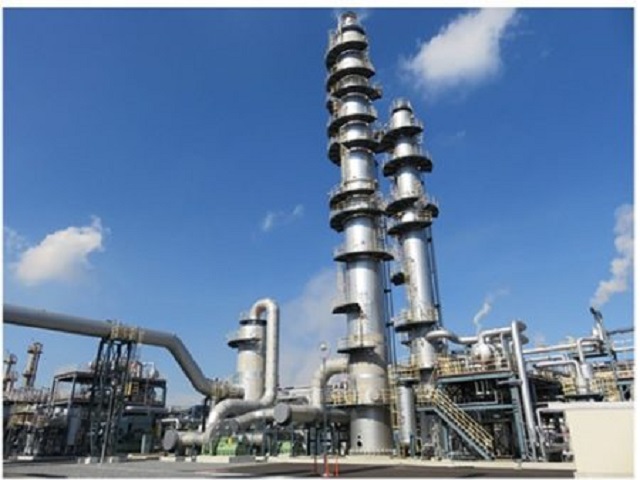
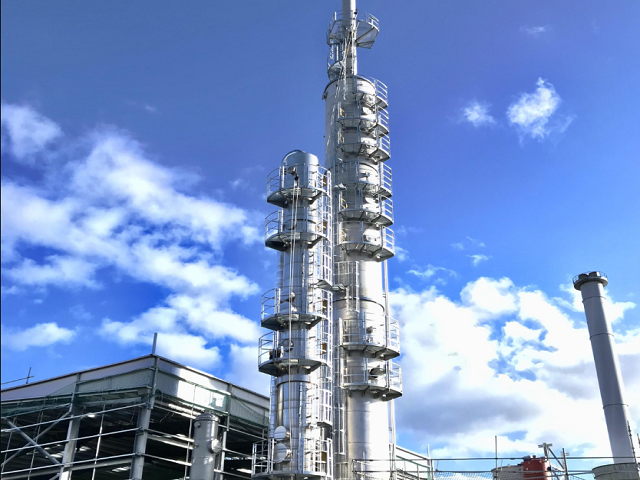
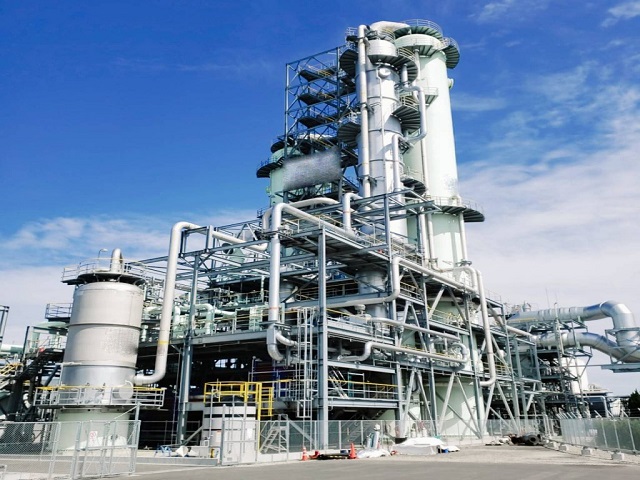
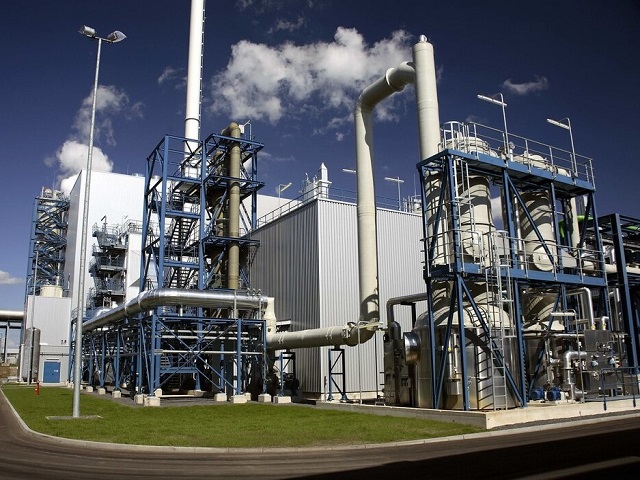
Sustainable Carbon Processing Systems (SCP) are thermochemical processing installations designed to convert biomass and organic waste into structured carbon products including activated carbon, biochar, and recovered carbon black through controlled pyrolysis, activation, and carbonisation processes. Carbon is one of the most versatile industrial materials, used in water and air filtration, soil amendment, battery electrode production, rubber compounding, and ink manufacturing. Producing these carbon products from renewable or waste feedstocks instead of fossil-derived precursors is the core proposition of Kerone’s SCP technology, which combines industrial-grade carbonisation reactors with precision activation and grading equipment.
Why Choose Kerone Sustainable Carbon Processing Systems
Activated carbon and related carbon products are highly specification-driven materials, their performance in filtration or industrial applications depends on surface area, pore size distribution, and ash content, all of which are determined by the processing conditions. Kerone’s SCP systems are engineered to produce carbon products meeting specific industrial or regulatory quality benchmarks, not just generic bulk charcoal. This requires precise temperature control across the carbonisation and activation stages, controlled residence time management, and consistent feedstock preparation. Kerone’s KRDC laboratory provides feedstock characterisation and activation protocol development before SCP plant commissioning, ensuring that product quality targets are reliably achieved in commercial operation.
Types and Features of Sustainable Carbon Processing Systems
Kerone’s Sustainable Carbon Processing Systems are configured for three primary product types: biochar for soil and carbon market applications (produced via slow pyrolysis at 400–600°C), activated carbon for filtration applications (produced via steam or chemical activation at 700–1000°C), and recovered carbon black for rubber and pigment use (produced via controlled tyre or polymer pyrolysis). Each SCP configuration includes a feedstock preparation and drying module, a primary carbonisation reactor, an optional activation unit with steam generation or chemical dosing, a cooling and passivation chamber, and a product sizing and grading station.
Key Features
Dedicated carbonisation reactor configurations for biochar, activated carbon, and recovered carbon black production
Precision temperature control across 400–1000°C range to match activation requirements for each product specification
Steam or chemical activation unit for producing filtration-grade activated carbon from carbonised feedstock
Product grading and sizing module producing powdered or granular carbon products to specification
Inert atmosphere management in reactor to prevent oxidation during carbonisation and cooling stages
Emission control system including afterburner for volatile organic compound destruction from carbonisation off-gases
KRDC feedstock characterisation and activation protocol development service for new feedstock qualification
Continuous or batch reactor options depending on production volume and product grade requirements
Powered by AI, ML & IoT
Future-Ready Engineering Driven by AI & IoT
Our advanced AI, ML, and IoT technologies, this solution delivers smarter automation, real-time insights, and predictive intelligence to enhance efficiency and drive future-ready growth.
Real-Time Monitoring & Control
Continuous tracking of process parameters with instant adjustments.
Predictive Maintenance
Intelligent fault detection to prevent failures before they occur.
Adaptive Process Optimization
Dynamic tuning of operations for maximum output and efficiency.
Cloud Dashboards & Analytics
Unified access to real-time insights and performance trends.
Energy & Resource Savings
Smarter utilization of energy to cut costs and reduce waste.
Secure IoT Connectivity
Encrypted data flow with seamless integration across plant systems.
Applications of Sustainable Carbon Processing Systems
Kerone’s Sustainable Carbon Processing Systems serve producers of speciality carbon materials used across filtration, energy storage, agriculture, and materials industries.
Typical applications include:
Water treatment plants and system providers requiring high-surface-area activated carbon for organic contaminant and colour removal
Air purification equipment manufacturers sourcing granular or pellet activated carbon for HVAC and industrial air filtration
Agricultural input companies producing and selling biochar as a soil amendment and carbon credit generating product
Tyre and rubber recycling operations producing recovered carbon black from pyrolytic char as a cost-competitive substitute for virgin carbon black
Battery and supercapacitor manufacturers sourcing high-purity, high-surface-area carbon materials for electrode production
Pharmaceutical and food industry filtration operations requiring food-grade or pharmaceutical-grade activated carbon
The demand for sustainable, traceable carbon materials is growing across water treatment, energy storage, and materials industries as producers seek alternatives to fossil-derived carbon inputs. Kerone’s Sustainable Carbon Processing Systems provide the thermochemical processing infrastructure to produce these materials from biomass and waste feedstocks at commercial scale. With precision activation control, KRDC-backed product development, and industry-specific product grading capability, Kerone enables operators to produce carbon products that meet the exacting specifications of filtration, battery, and agricultural markets. For organisations looking to create high-value outputs from low-cost biomass or waste inputs, Kerone’s SCP technology offers a technically credible and commercially viable route.
Seamless Export Connections Global & Local
Our Global Footprint in Industrial Excellence
Delivering world-class industrial and process solutions across countries with precision, innovation, and reliability.
Peru
Chile
Argentina
Mexico
Colombia
Brazil
USA
Canada
United Kingdom
France
Germany
Spain
Italy
Netherlands
Sweden
Switzerland
Poland
Portugal
Ireland
Czechia
Romania
Hungary
Austria
Greece
Kazakhstan
Uzbekistan
Turkmenistan
Algeria
Egypt
Nigeria
Kenya
South Africa
Saudi Arabia
UAE
Israel
Russia
India
China
Japan
South Korea
Thailand
Vietnam
Malaysia
Singapore
Indonesia
Philippines
Australia
New Zealand
Pan-India Presence. Local Expertise.
Raipur
Bilaspur
Panaji
Vasco da Gama
Gandhinagar
Ahmedabad
Surat
Chandigarh
Gurgaon
Shimla
Manali
Bengaluru
Mysore
Kochi
Pune
Mumbai
Thane
Navi Mumbai
Hyderabad
Chennai
Coimbatore
Kolkata
Lucknow
Jaipur
Udaipur
Jodhpur
Dehradun
Haridwar
Bhubaneswar
Product Gallery
Frequently Asked Questions (FAQ)
Biochar is produced by slow pyrolysis of biomass at 400–600°C and is primarily used for soil amendment and carbon sequestration. Activated carbon is produced by carbonising a feedstock and then activating it at higher temperatures (700–1000°C) with steam or chemical agents, dramatically increasing surface area to 500–1500 m²/g, making it suitable for adsorption applications in water and air filtration.
Suitable feedstocks for activated carbon production include coconut shell, wood, bamboo, rice husk, date palm pits, and coal-based precursors. Coconut shell is considered the premium feedstock for hard granular activated carbon. Kerone's KRDC laboratory tests new feedstocks to determine their suitability and optimal activation parameters.
Depending on feedstock and activation conditions, Kerone's SCP systems can produce activated carbon with BET surface areas ranging from 700 to over 1200 m²/g for steam activation, suitable for most water and air purification applications. Higher surface areas can be achieved with chemical activation using potassium hydroxide or zinc chloride.
Recovered carbon black (rCB) is the carbonaceous solid residue from tyre and rubber pyrolysis. After cleaning and milling to remove inorganic contaminants, rCB can be used as a partial substitute for virgin carbon black in rubber compounding, construction materials, and pigment applications. Kerone's SCP system includes post-pyrolysis rCB processing and quality grading modules.
Yes. Kerone designs SCP systems to produce activated carbon meeting NSF/ANSI 61 or equivalent national standards for drinking water contact applications. Specific quality requirements including iodine number, methylene blue number, ash content, and moisture are addressed in the process design and validated through KRDC testing.
The carbonisation stage generates volatile gases and tars that are combusted in an afterburner or syngas burner to provide heat for the drying module or steam for the activation stage. Most SCP configurations achieve partial thermal self-sufficiency, with external energy requirements primarily for activation and product finishing stages.
All Kerone SCP systems include an integrated afterburner that combusts volatile organic compounds (VOCs) released during the carbonisation stage before exhaust gases are discharged to atmosphere. This prevents odour and air quality impacts and is a requirement for regulatory compliance in most jurisdictions.
Pharmaceutical-grade activated carbon requires strict control of heavy metal content, ash, and absence of harmful chemical residues. Kerone can design SCP systems using appropriate feedstocks and activation chemistries to produce activated carbon suitable for pharmaceutical and food-grade applications, with documentation to support pharmacopoeial quality certification.
The global activated carbon market is growing at approximately 8% annually driven by water treatment regulation tightening, air quality requirements, and gold mining applications. The biochar market is growing rapidly due to carbon credit demand and agricultural adoption. Recovered carbon black is gaining traction as tyre manufacturers seek lower-carbon supply chains.
Yes. Through KRDC, Kerone offers feedstock assessment, activation protocol development, and product characterisation services for clients seeking carbon products with specific performance characteristics. Custom product development is available alongside system supply for clients targeting niche industrial applications.
Steam activation uses high-temperature steam (800–1000°C) to create a network of micropores in the carbonised feedstock. Chemical activation uses reagents such as potassium hydroxide, phosphoric acid, or zinc chloride at lower temperatures (400–700°C) to achieve higher surface areas, but requires a washing stage to remove residual chemicals from the finished product.
Yes. With appropriate reactor configuration and process parameter adjustability, Kerone SCP systems can be configured to produce different carbon product grades by adjusting pyrolysis temperature, residence time, and activation parameters. Product switching requires transition protocol management to avoid contamination between grades.
Regulatory requirements for activated carbon production relate primarily to emissions from the carbonisation and activation stages and to the quality specifications of the product for its end-use application. Kerone designs SCP systems to comply with applicable emission norms in the installation country and produces carbon products meeting internationally recognised quality standards.
Production costs for activated carbon from biomass feedstock are primarily driven by feedstock procurement, energy for activation, and labour. Biomass-based activated carbon from low-cost feedstocks such as rice husk can be competitive with imported activated carbon in many markets. Kerone provides detailed production cost models during project feasibility assessment.
Kerone integrates automated temperature and residence time control in SCP reactors, periodic product quality sampling protocols, and laboratory analysis of iodine number, surface area, and moisture for each production batch. Statistical process control approaches are embedded in the system operating procedures provided to clients.
Kerone’s custom-designed heating and processing solutions are built to meet the demands of your growing operations. Whether you’re upgrading equipment, expanding production, or need a tailor-made solution


 Peru
Peru Chile
Chile Argentina
 Mexico
 Colombia
 Brazil
 USA
USA Canada
 United Kingdom
 France
 Germany
 Spain
Spain Italy
Italy Netherlands
 Sweden
 Switzerland
 Poland
 Portugal
 Ireland
 Czechia
 Romania
 Hungary
 Austria
 Greece
 Kazakhstan
 Uzbekistan
 Turkmenistan
 Algeria
 Egypt
Egypt Nigeria
 Kenya
Kenya South Africa
 Saudi Arabia
 UAE
UAE Israel
 Russia
 India
India China
China Japan
Japan South Korea
 Thailand
 Vietnam
 Malaysia
 Singapore
 Indonesia
 Philippines
 Australia
 New Zealand