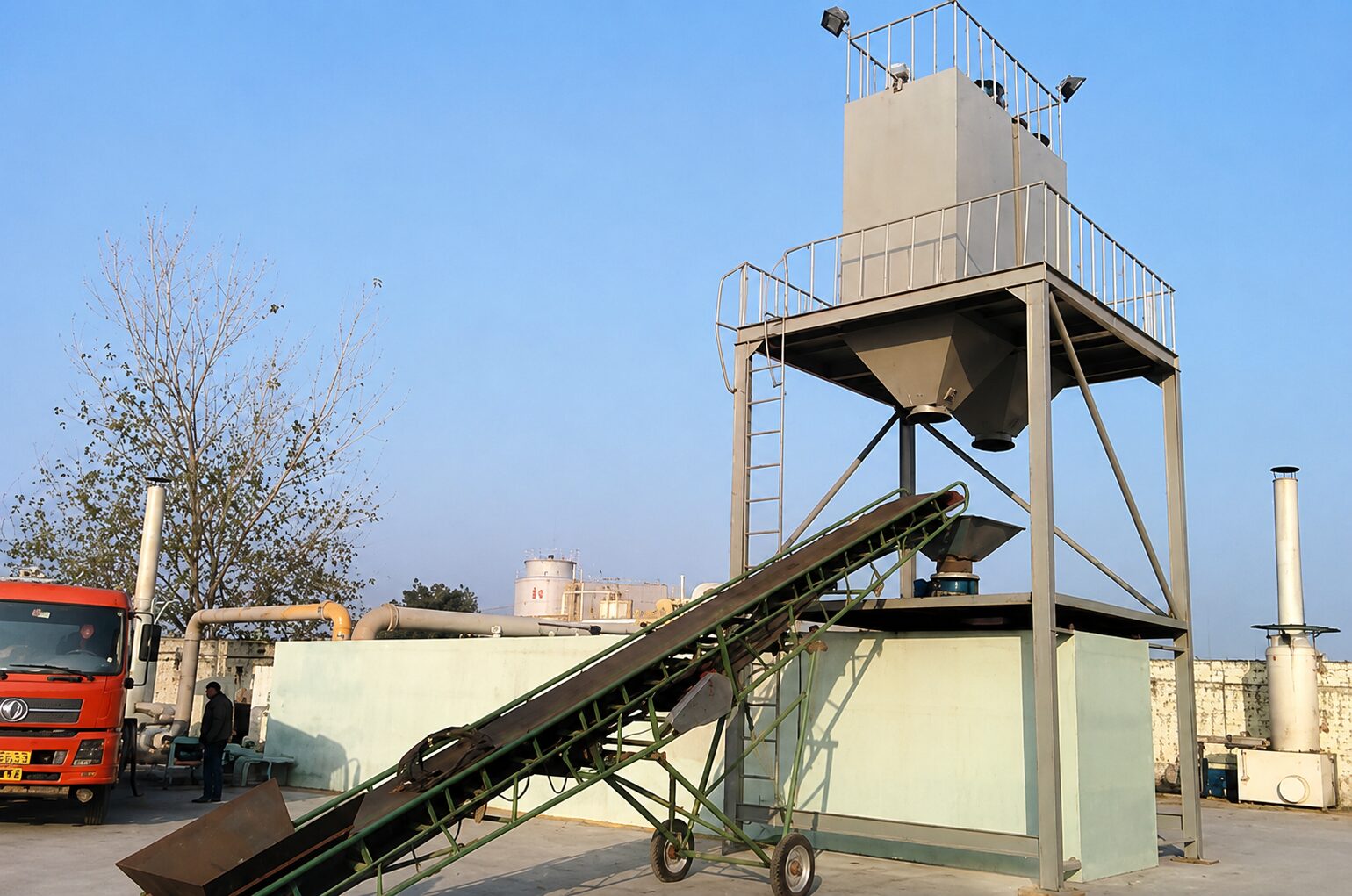
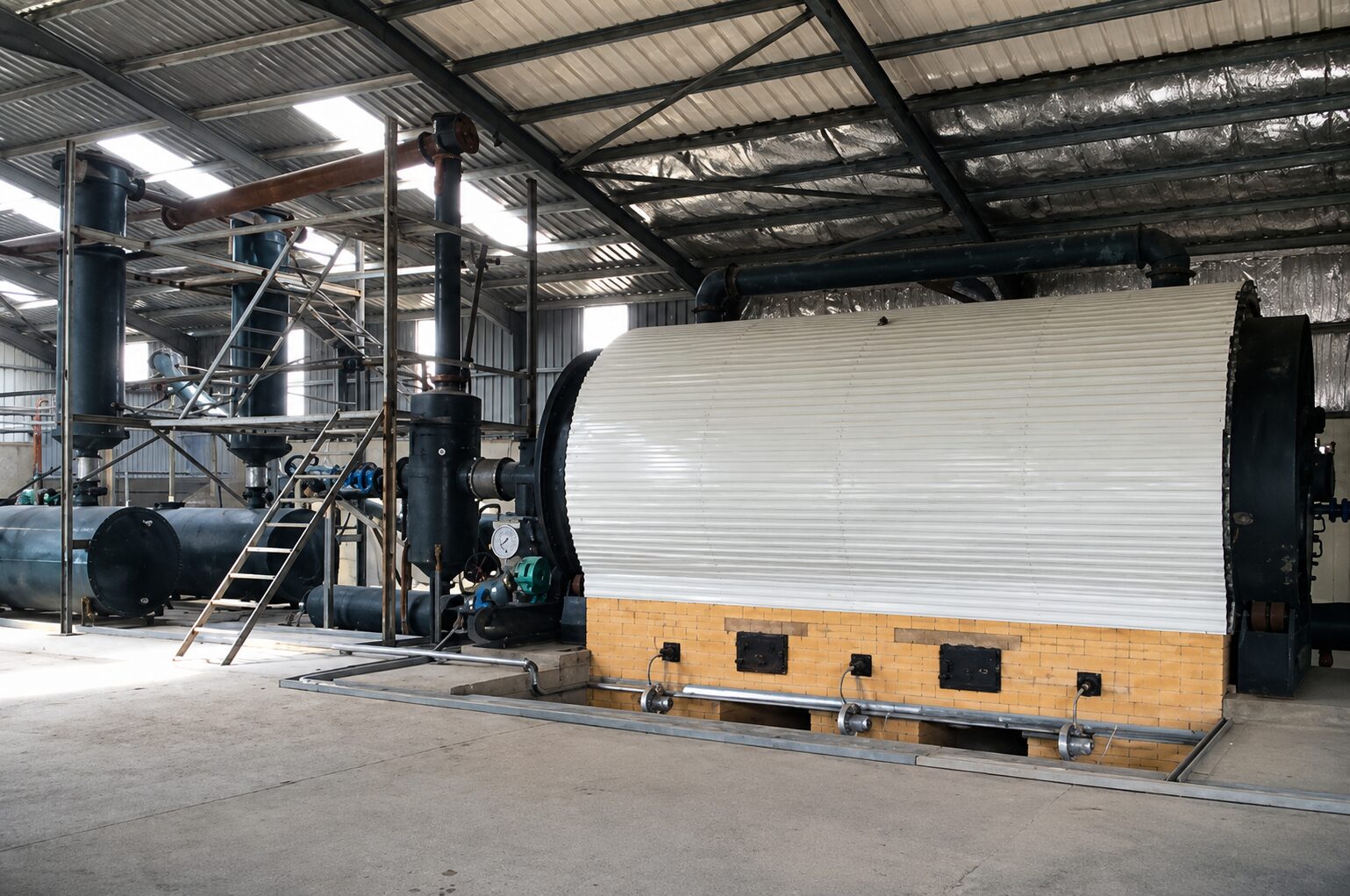
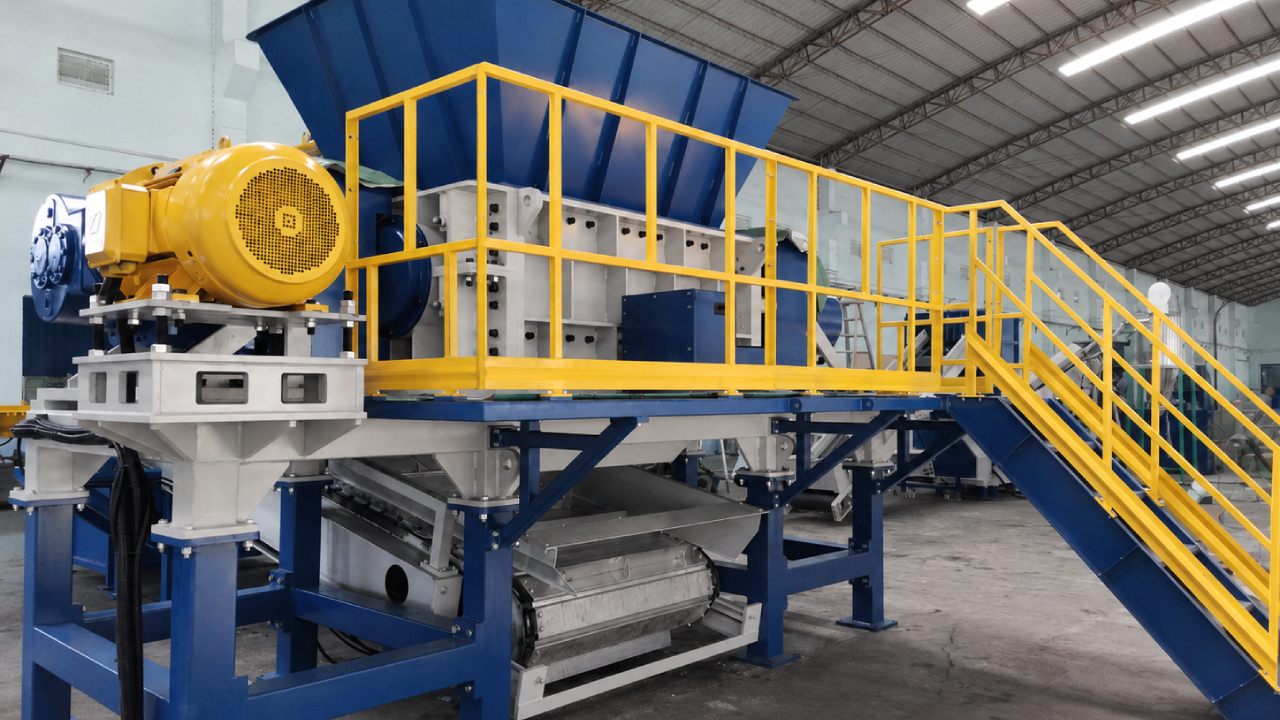
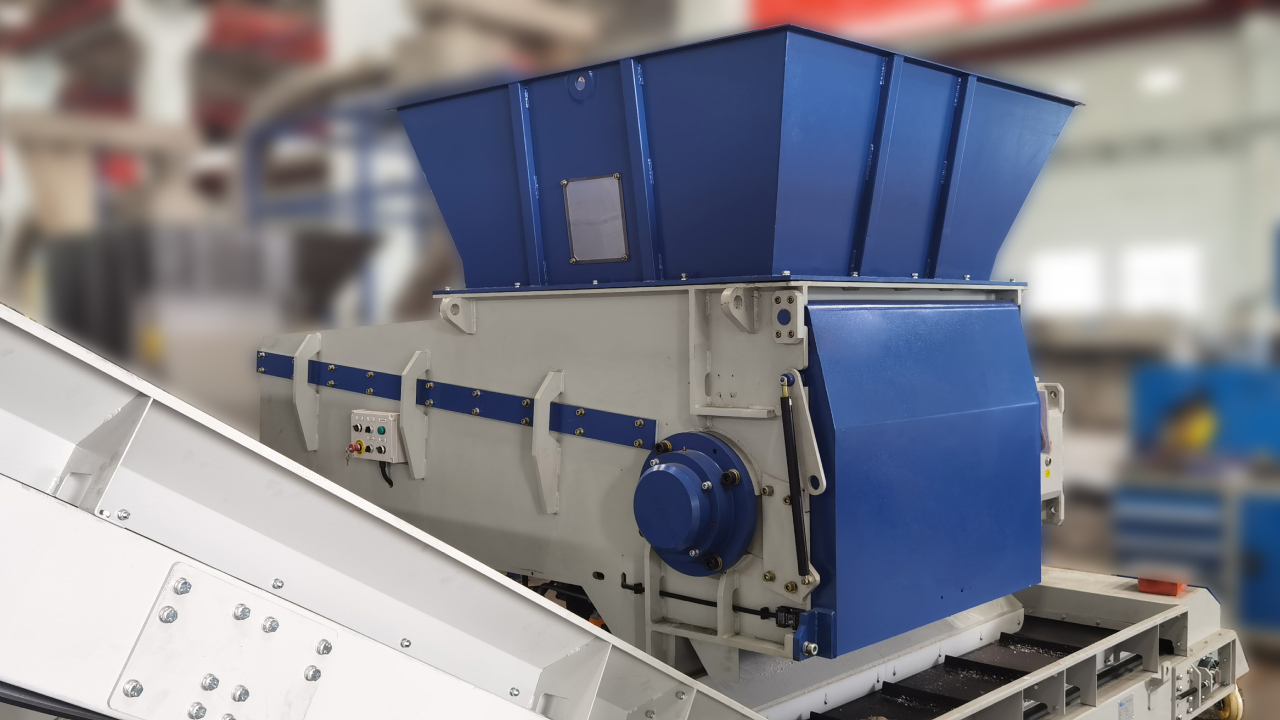
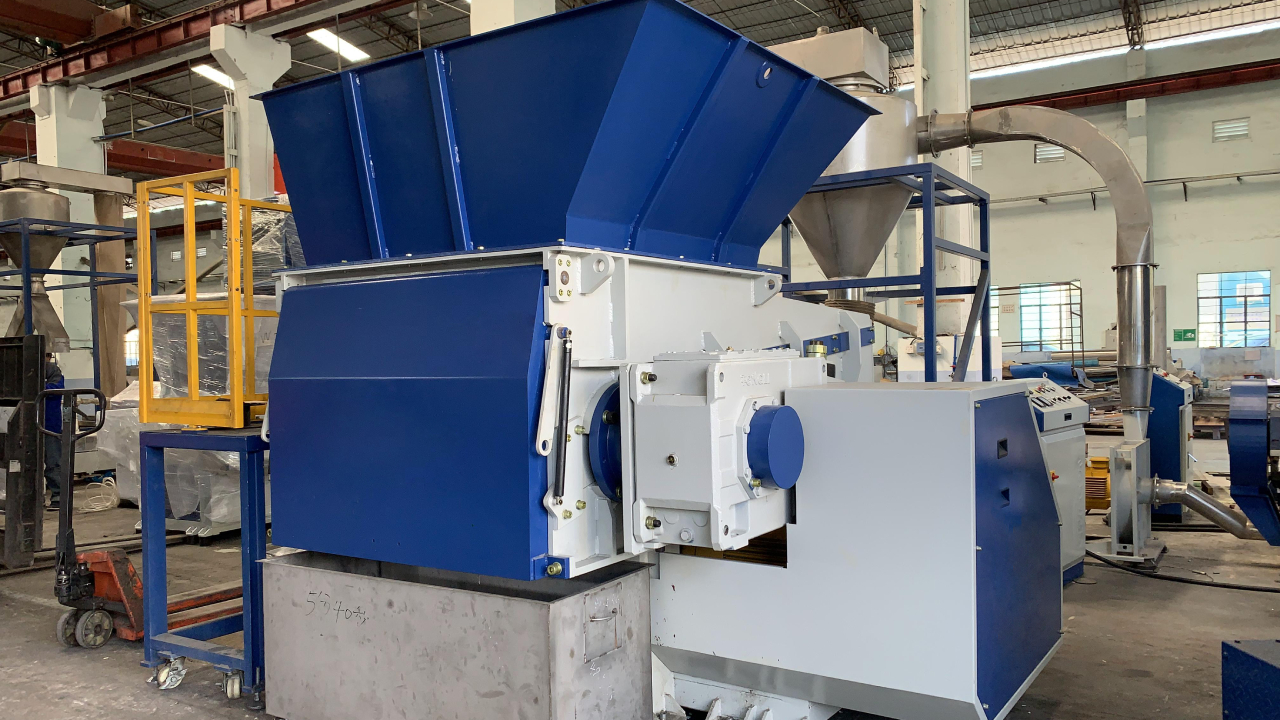
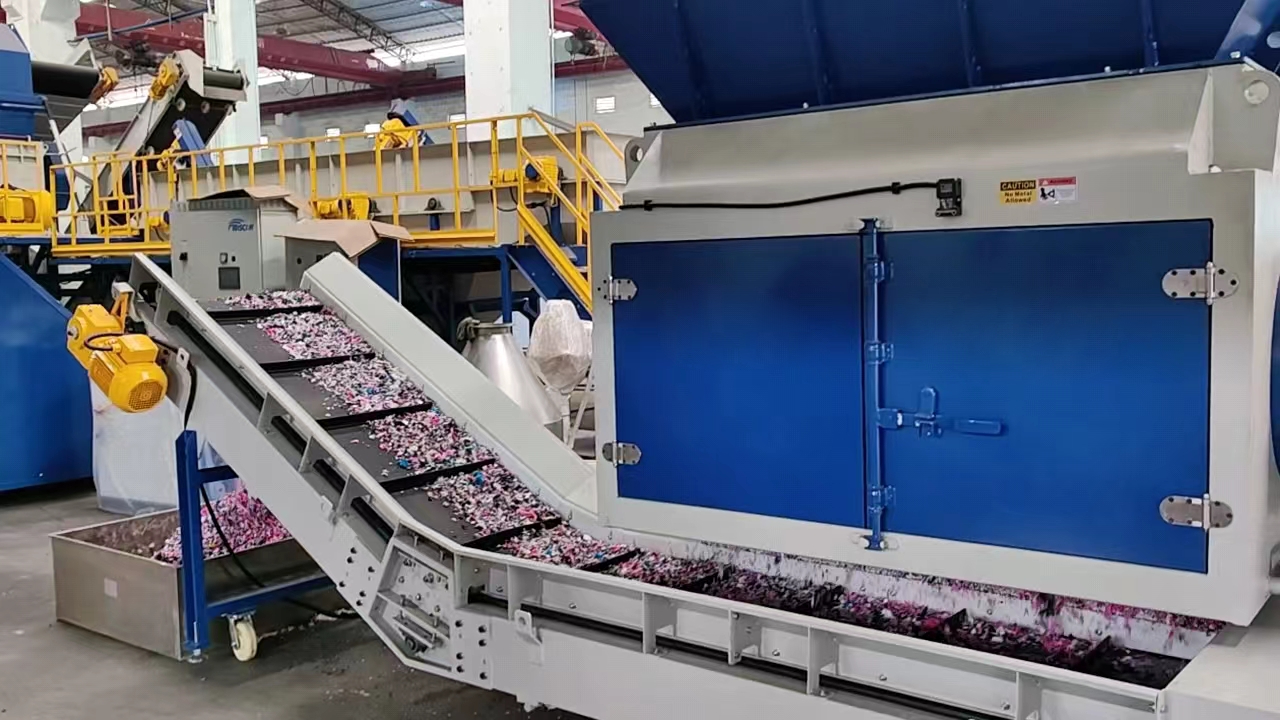
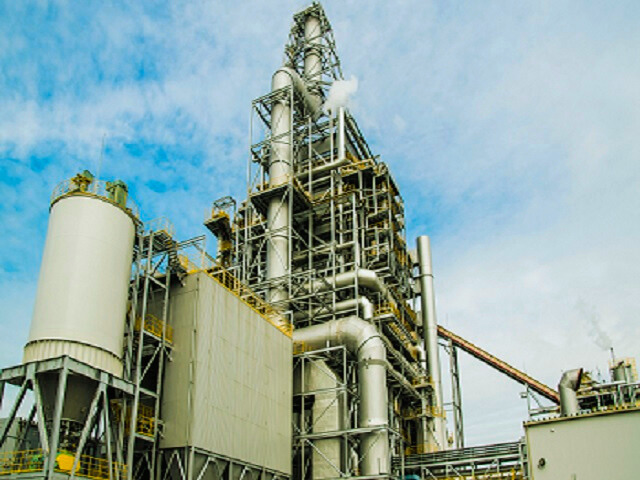
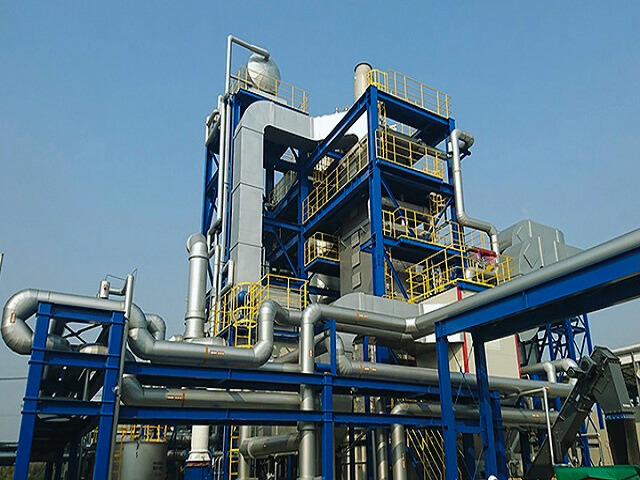
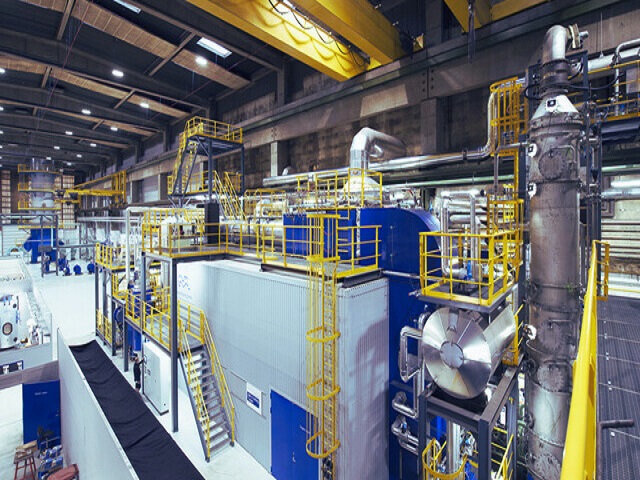
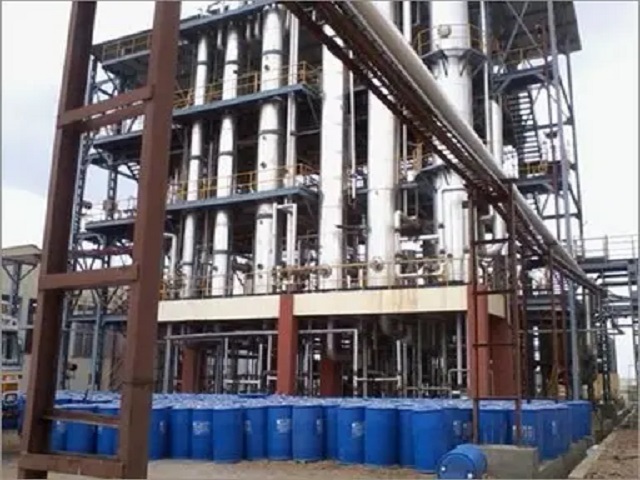
Green Fuel Production Systems (GFP) are processing installations that convert biomass, organic waste, and other renewable feedstocks into combustible fuels — including syngas, bio-oil, torrefied biomass pellets, and refuse-derived fuel — that substitute for fossil fuels in industrial burners, boilers, kilns, and power plants. Unlike conventional biofuel production focused on liquid transport fuels, Kerone’s GFP systems are optimised for industrial thermal fuel applications, where the primary objective is generating a high-calorific, consistent fuel that industrial facilities can combust in existing or adapted thermal equipment with minimal modification.
Why Choose Kerone Green Fuel Production Systems
Producing green fuel at industrial scale requires a processing system that balances feedstock variability, fuel quality consistency, and operational economics. Kerone addresses this through purpose-engineered fuel preparation lines that include upstream feedstock preparation, moisture reduction, thermochemical conversion, and downstream fuel conditioning and storage. Kerone’s GFP systems are designed around actual industrial fuel specifications not theoretical calorific values ensuring that the fuel produced meets the combustion requirements of the client’s existing thermal equipment. KRDC-validated process parameters ensure that fuel quality targets are met reliably across varying feedstock batches.
Types and Features of Green Fuel Production Systems
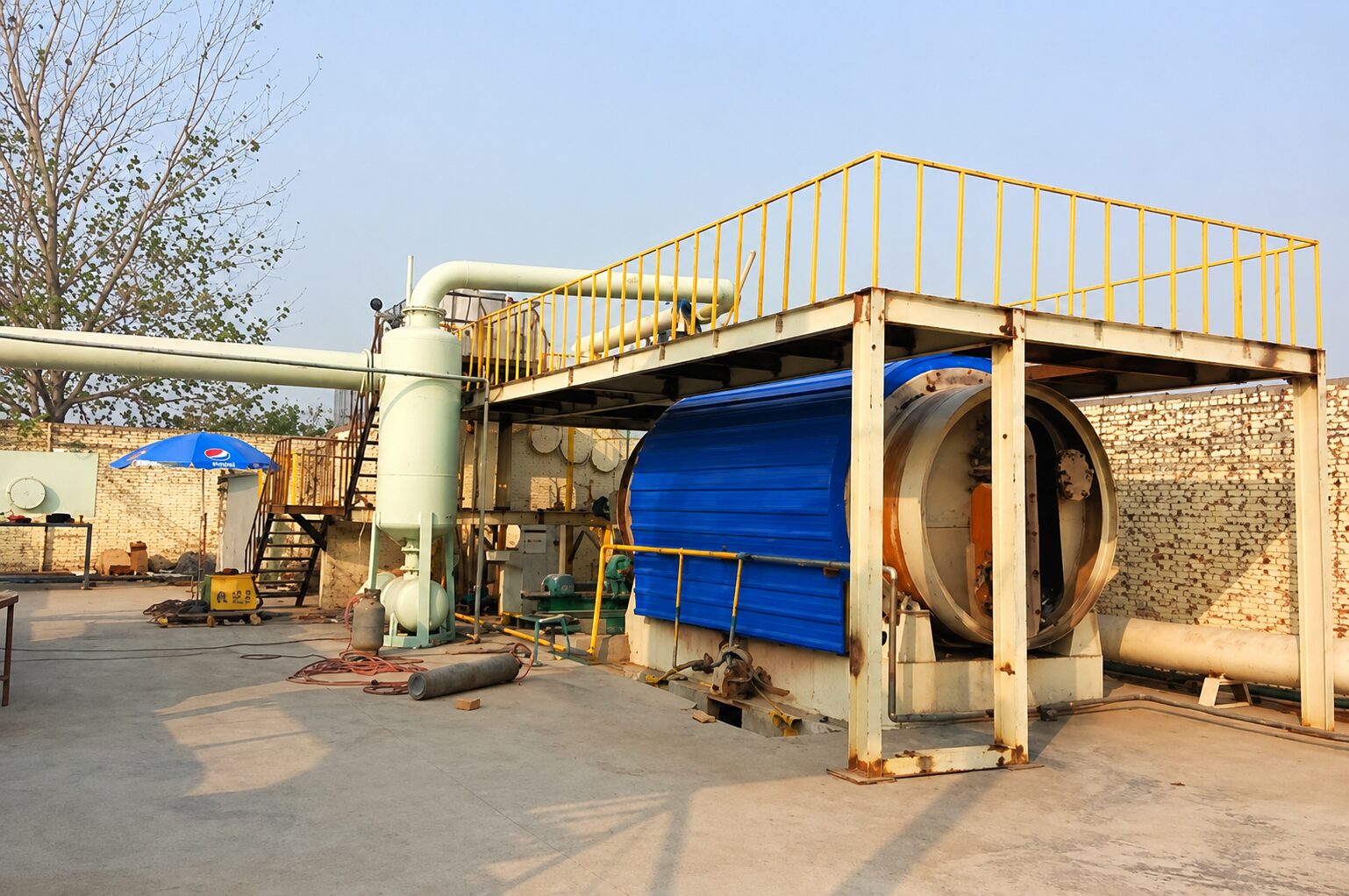
Kerone’s Green Fuel Production Systems cover three primary conversion pathways: torrefaction for producing high-density, hydrophobic biomass pellets suitable for coal co-firing; gasification for producing syngas used in burners, generators, and gas engines; and pyrolysis for producing bio-oil and char as industrial fuel products. Each pathway includes dedicated feedstock handling and drying equipment, the thermochemical reactor, and the fuel conditioning, storage, and dispatch infrastructure. GFP systems can be configured for single-feedstock operation such as rice husk or bagasse or designed for multi-feedstock flexibility where available supply varies seasonally.
Key Features
Three conversion pathway options: torrefaction, gasification, and pyrolysis for application-matched fuel types
Feedstock preparation and drying modules designed for biomass, agro-waste, and solid waste fractions
Torrefied biomass pellet production meeting co-firing standards for coal power plant compatibility
Syngas cleaning and conditioning system producing consistent fuel gas quality for burners and engines
Bio-oil collection and storage system with viscosity and water content management
Automated feedstock feeding and reactor temperature control for stable continuous fuel production
Multi-feedstock configuration option for seasonal or regionally variable biomass supply conditions
Fuel quality monitoring and documentation for compliance with boiler and burner fuel specifications
Powered by AI, ML & IoT
Future-Ready Engineering Driven by AI & IoT
Our advanced AI, ML, and IoT technologies, this solution delivers smarter automation, real-time insights, and predictive intelligence to enhance efficiency and drive future-ready growth.
Real-Time Monitoring & Control
Continuous tracking of process parameters with instant adjustments.
Predictive Maintenance
Intelligent fault detection to prevent failures before they occur.
Adaptive Process Optimization
Dynamic tuning of operations for maximum output and efficiency.
Cloud Dashboards & Analytics
Unified access to real-time insights and performance trends.
Energy & Resource Savings
Smarter utilization of energy to cut costs and reduce waste.
Secure IoT Connectivity
Encrypted data flow with seamless integration across plant systems.
Applications of Green Fuel Production Systems
Kerone’s Green Fuel Production Systems serve industries committed to reducing fossil fuel dependency through locally sourced renewable fuel alternatives.
Typical applications include:
Cement plants seeking to replace coal or pet coke with biomass syngas or torrefied pellets in kiln burners
Textile, paper, and chemical process industries requiring reliable green fuel for steam generation boilers
Power utilities exploring biomass co-firing with coal to meet renewable energy and emission targets
Agro-industrial facilities generating large volumes of rice husk, bagasse, or wood chip suitable for on-site fuel production
Industrial zones developing on-site green fuel generation capacity to reduce fossil fuel procurement costs
Waste management companies converting refused-derived fuel into syngas for on-site heat and power generation
The transition from fossil fuels to renewable alternatives in industrial thermal applications is not simply a matter of sourcing a different fuel, it requires a processing system capable of producing that fuel at the right quality, volume, and cost. Kerone’s Green Fuel Production Systems are built for exactly this challenge. By combining proven thermochemical conversion technology with industrial-grade feedstock handling and fuel conditioning equipment, Kerone enables manufacturers, utilities, and waste processors to produce reliable green fuel from locally available biomass and organic waste resources. The result is reduced fossil fuel dependency, lower fuel costs in most biomass-rich regions, and a measurable reduction in process-related carbon emissions.
Seamless Export Connections Global & Local
Our Global Footprint in Industrial Excellence
Delivering world-class industrial and process solutions across countries with precision, innovation, and reliability.
Peru
Chile
Argentina
Mexico
Colombia
Brazil
USA
Canada
United Kingdom
France
Germany
Spain
Italy
Netherlands
Sweden
Switzerland
Poland
Portugal
Ireland
Czechia
Romania
Hungary
Austria
Greece
Kazakhstan
Uzbekistan
Turkmenistan
Algeria
Egypt
Nigeria
Kenya
South Africa
Saudi Arabia
UAE
Israel
Russia
India
China
Japan
South Korea
Thailand
Vietnam
Malaysia
Singapore
Indonesia
Philippines
Australia
New Zealand
Pan-India Presence. Local Expertise.
Raipur
Bilaspur
Panaji
Vasco da Gama
Gandhinagar
Ahmedabad
Surat
Chandigarh
Gurgaon
Shimla
Manali
Bengaluru
Mysore
Kochi
Pune
Mumbai
Thane
Navi Mumbai
Hyderabad
Chennai
Coimbatore
Kolkata
Lucknow
Jaipur
Udaipur
Jodhpur
Dehradun
Haridwar
Bhubaneswar
Product Gallery
Frequently Asked Questions (FAQ)
Kerone's Green Fuel Production Systems can produce syngas via gasification, bio-oil via pyrolysis, torrefied biomass pellets via torrefaction, and refuse-derived fuel (RDF) from processed solid waste. The appropriate fuel type depends on the client's end-use application and available feedstock.
Compatible feedstocks include agricultural residues such as rice husk, sugarcane bagasse, cotton stalks, and corn cobs; forestry residues including wood chips, sawdust, and bark; non-recyclable solid waste fractions; and energy crops where applicable. Feedstock moisture, ash content, and calorific value are assessed during system design.
Torrefied biomass is produced by heating biomass at 200–300°C in the absence of oxygen, which removes moisture and hemicellulose while making the material hydrophobic and more energy-dense. Torrefied pellets have a calorific value 20–30% higher than standard wood pellets and are significantly more suitable for co-firing with coal in power plants.
Yes, in most industrial burner applications. Syngas produced by gasification of biomass has a calorific value of approximately 4–6 MJ/Nm³, compared to natural gas at around 35 MJ/Nm³, requiring burner adjustment or redesign for direct substitution. Kerone provides burner adaptation guidance as part of GFP system integration.
Refuse-Derived Fuel produced from the combustible fraction of mixed solid waste typically achieves a net calorific value of 14–22 MJ/kg, depending on the waste composition and moisture content. Kerone designs RDF preparation systems to target specific calorific value specifications required by cement kilns or waste-to-energy plants.
Yes. Kerone designs multi-feedstock GFP configurations that can accommodate seasonal variation in biomass availability by adjusting reactor parameters to suit different input materials. This flexibility is important for regions where agricultural residue supply changes significantly between seasons.
Green fuel from biomass is considered carbon-neutral on a lifecycle basis since the CO2 released during combustion was recently sequestered from the atmosphere by the biomass feedstock. Kerone's GFP systems typically produce lower SO2 and ash emissions than coal, though specific stack emission performance depends on feedstock type and combustion conditions.
Kerone integrates real-time moisture monitoring in the drying module, automated reactor temperature control, and periodic fuel quality sampling procedures into GFP system operation. For syngas applications, inline gas quality analysers monitor calorific value and composition continuously.
Eligibility depends on national and regional renewable energy policy frameworks. In many countries, biomass-derived fuels qualify for renewable energy certificates, feed-in tariffs for power generated, or tax incentives for fossil fuel substitution. Kerone provides guidance on applicable frameworks during project development.
Kerone offers GFP systems starting from approximately 500 kg/hour of feedstock input for pilot-scale or small industrial applications, scaling to 20+ TPH for large commercial fuel production facilities. The appropriate scale depends on the client's fuel demand and available feedstock volume.
Ash from gasification and torrefaction processes has varying compositions depending on feedstock. Rice husk ash, for example, is high in silica and finds application in construction materials and cement. Kerone designs ash collection and disposal systems for each GFP installation and advises on viable ash utilisation pathways.
Yes. Kerone designs GFP systems for integration into existing industrial facilities, including connection to existing dryer or boiler systems, adaptation of fuel storage and handling infrastructure, and modification of burner configurations to accept the green fuel produced.
ROI periods depend on the price differential between the green fuel produced and the fossil fuel displaced, the volume of fuel production, and capital investment. In biomass-rich regions with high fossil fuel prices, GFP systems can achieve payback in 3–6 years.
Yes. As part of the project development process, Kerone's KRDC facility can test client feedstock samples to determine calorific value, proximate and ultimate analysis, ash fusion temperature, and other parameters relevant to GFP system design.
Replacing fossil fuels with biomass-derived green fuel directly reduces a facility's scope 1 emissions direct combustion emissions on a lifecycle carbon accounting basis. This is a primary pathway for industries with significant thermal energy demand to reduce their direct carbon footprint without electrification.
Kerone’s custom-designed heating and processing solutions are built to meet the demands of your growing operations. Whether you’re upgrading equipment, expanding production, or need a tailor-made solution




 Peru
Peru Chile
Chile Argentina
 Mexico
 Colombia
 Brazil
 USA
USA Canada
 United Kingdom
 France
 Germany
 Spain
Spain Italy
Italy Netherlands
 Sweden
 Switzerland
 Poland
 Portugal
 Ireland
 Czechia
 Romania
 Hungary
 Austria
 Greece
 Kazakhstan
 Uzbekistan
 Turkmenistan
 Algeria
 Egypt
Egypt Nigeria
 Kenya
Kenya South Africa
 Saudi Arabia
 UAE
UAE Israel
 Russia
 India
India China
China Japan
Japan South Korea
 Thailand
 Vietnam
 Malaysia
 Singapore
 Indonesia
 Philippines
 Australia
 New Zealand