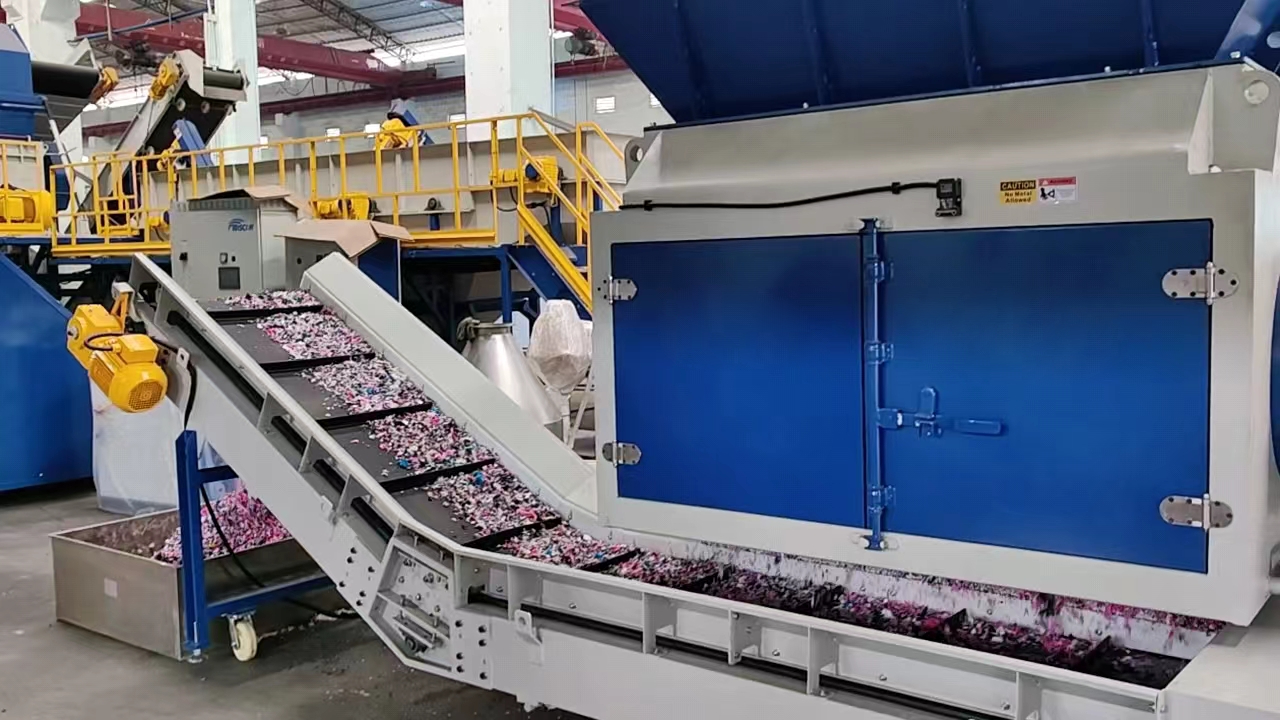
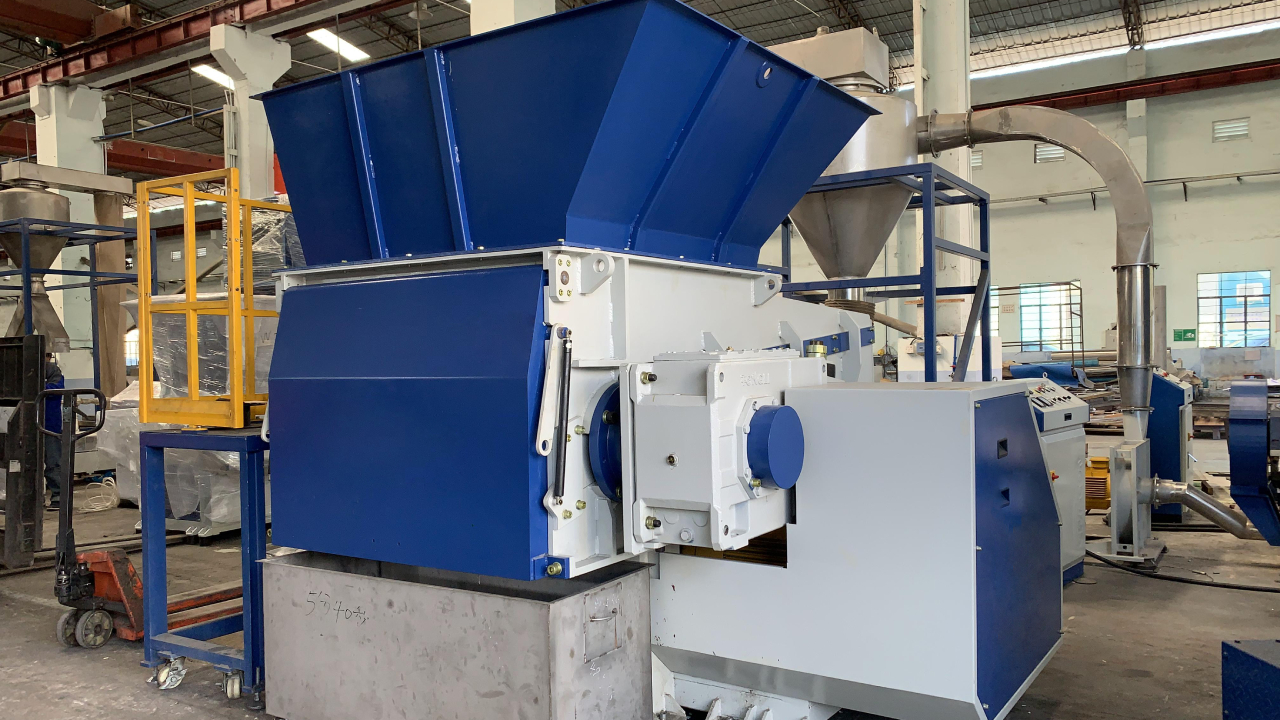
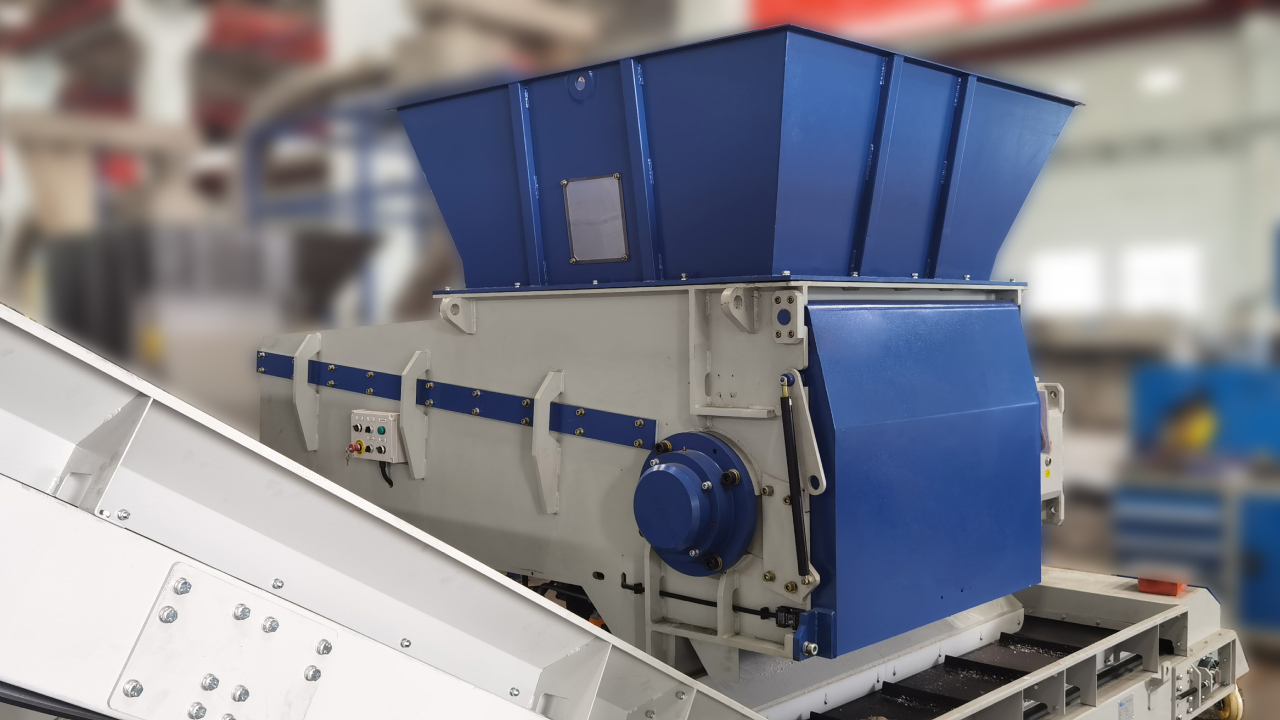
Refuse Derived Fuel (RDF) is a processed solid fuel produced from the combustible fraction of municipal solid waste (MSW) or industrial waste after separation of recyclables, metals, glass, and inert materials. Through shredding, screening, air classification, and drying, heterogeneous waste is transformed into a homogeneous, calorific fuel that meets defined energy content, moisture, and size specifications. RDF is widely used as a cost-effective substitute for coal in cement kilns, industrial boilers, power plants, and dedicated Waste to Energy Systems facilities. Kerone designs RDF production systems that take the variability of raw municipal and industrial waste and produce a consistent, specification-grade solid fuel that energy users can depend on.
Why Choose Kerone Refuse Derived Fuel Systems
The quality of Refuse Derived Fuel Systems determines its market value and its acceptability to industrial energy users. Inconsistent size, variable moisture, and fluctuating calorific value are common failures in poorly designed RDF lines. Our systems are designed around the output specification first, working backward to configure the shredding, classification, drying, and densification stages needed to reliably produce fuel at the required standard. This engineering discipline ensures that Kerone’s Refuse Derived Fuel systems produce fuel that cement plants, Waste to Energy (WTE) operators, and co-processing facilities accept and value.
Types and Features of Refuse Derived Fuel Systems
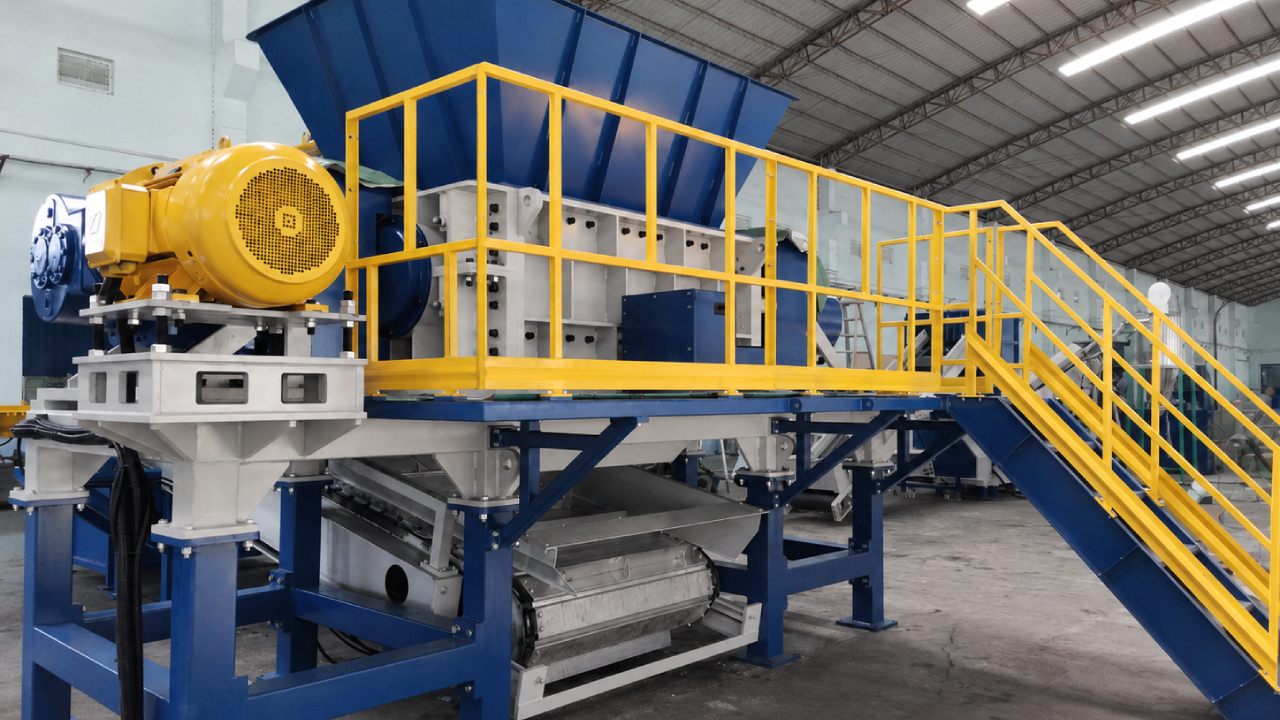
Kerone’s Refuse Derived Fuel Systems configurations include two-stage and three-stage shredding lines, ballistic and air classifiers for light/heavy fraction separation, magnetic and eddy current separators for metal removal, rotary drum or belt dryers for moisture reduction, and pelletizers or densifiers for RDF pellet production. Bag opening and waste reception modules are available for MSW applications. Each line is designed for continuous operation with robust, wear-resistant components suited for abrasive and variable waste inputs.
Key Features
Multi-stage shredding for consistent particle size reduction from bulk waste
Air classification and ballistic separation for high-purity combustible fraction extraction
Magnetic and eddy current metal separation for ferrous and non-ferrous recovery
Integrated drying stage for moisture reduction to specification
Pelletizing and densification options for RDF Pellet (fluff to pellet conversion)
Bag opening and waste reception systems for MSW and baled waste inputs
Continuous throughput from 5 to 100+ tonnes per hour depending on configuration
Process dust and odour management integrated into the system design
Powered by AI, ML & IoT
Future-Ready Engineering Driven by AI & IoT
Our advanced AI, ML, and IoT technologies, this solution delivers smarter automation, real-time insights, and predictive intelligence to enhance efficiency and drive future-ready growth.
Real-Time Monitoring & Control
Continuous tracking of process parameters with instant adjustments.
Predictive Maintenance
Intelligent fault detection to prevent failures before they occur.
Adaptive Process Optimization
Dynamic tuning of operations for maximum output and efficiency.
Cloud Dashboards & Analytics
Unified access to real-time insights and performance trends.
Energy & Resource Savings
Smarter utilization of energy to cut costs and reduce waste.
Secure IoT Connectivity
Encrypted data flow with seamless integration across plant systems.
Applications of Refuse Derived Fuel Systems
Kerone’s Refuse Derived Fuel Systems are extensively used in waste management, cement manufacturing, and industrial energy generation. Typical applications include:
Producing RDF from municipal solid waste for supply to cement kiln co-processing
Converting industrial packaging waste and production rejects into solid biofuel
Processing mixed commercial and industrial waste into specification-grade RDF pellets
Generating consistent fuel from construction and demolition waste combustible fractions
Supplying dried and sized RDF to dedicated waste-to-energy combustion plants
Producing high-calorific SRF (Solid Recovered Fuel) meeting EN 15359 specifications
Refuse Derived Fuel transforms the waste management challenge into an energy supply opportunity. For municipalities managing growing waste volumes and for industries seeking lower-cost alternatives to fossil fuel, It provides a practical, scalable, and economically defensible solution. Kerone’s RDF systems are built to handle the real-world variability of waste inputs while delivering the fuel quality consistency that energy users demand. From feed reception to final fuel output, every stage is engineered for reliability, throughput, and product quality.
Seamless Export Connections Global & Local
Our Global Footprint in Industrial Excellence
Delivering world-class industrial and process solutions across countries with precision, innovation, and reliability.
Peru
Chile
Argentina
Mexico
Colombia
Brazil
USA
Canada
United Kingdom
France
Germany
Spain
Italy
Netherlands
Sweden
Switzerland
Poland
Portugal
Ireland
Czechia
Romania
Hungary
Austria
Greece
Kazakhstan
Uzbekistan
Turkmenistan
Algeria
Egypt
Nigeria
Kenya
South Africa
Saudi Arabia
UAE
Israel
Russia
India
China
Japan
South Korea
Thailand
Vietnam
Malaysia
Singapore
Indonesia
Philippines
Australia
New Zealand
Pan-India Presence. Local Expertise.
Raipur
Bilaspur
Panaji
Vasco da Gama
Gandhinagar
Ahmedabad
Surat
Chandigarh
Gurgaon
Shimla
Manali
Bengaluru
Mysore
Kochi
Pune
Mumbai
Thane
Navi Mumbai
Hyderabad
Chennai
Coimbatore
Kolkata
Lucknow
Jaipur
Udaipur
Jodhpur
Dehradun
Haridwar
Bhubaneswar
Product Gallery
Frequently Asked Questions (FAQ)
RDF is a processed solid fuel made from the combustible fraction of municipal or industrial solid waste. It is produced by shredding, sorting, drying, and sometimes pelletizing waste to meet defined calorific value, moisture, and size specifications.
SRF is a higher-classification RDF that meets specific quality standards defined under EN 15359 for use in industrial co-processing. RDF is a broader term covering all refuse-derived fuels, while SRF implies a certified quality grade.
RDF can be produced from municipal solid waste (MSW), commercial and industrial waste, construction and demolition waste combustible fractions, packaging waste, and certain production rejects from manufacturing.
Depending on waste composition and moisture content, RDF typically has an NCV (Net Calorific Value) of 12–22 MJ/kg. High-quality SRF from sorted industrial waste can exceed 22 MJ/kg.
Cement plants are among the largest consumers of RDF globally, using it as a coal substitute. Other users include dedicated WTE plants, industrial boilers, lime kilns, and power plants with co-firing capability.
Reducing moisture content improves calorific value, reduces combustion variability, lowers transportation cost per unit of energy, and helps RDF meet customer moisture specifications (typically below 20–25% moisture).
Ferrous metals are removed using magnetic separators. Non-ferrous metals such as aluminum and copper are removed with eddy current separators. Both are recovered for recycling alongside RDF production.
Yes. Kerone designs Refuse Derived Fuel production lines capable of producing SRF meeting EN 15359 quality classifications for specific end-user requirements such as cement co-processing.
Fluff Refuse Derived Fuel is the shredded and classified material in loose form. Refuse Derived Fuel pellets are produced by densifying fluff RDF through a pellet press, making them easier to transport, store, and handle in automated fuel feed systems.
Kerone incorporates sampling systems, online near-infrared (NIR) moisture and composition sensors (optional), and process parameter monitoring to maintain consistent output quality throughout the production run.
Kerone designs Refuse Derived Fuel Systems lines from small plants processing 2–5 tonnes per hour to large-scale systems handling 50–100+ tonnes per hour depending on waste volume and output requirements.
Non-combustible fractions (glass, stones, sand, fine inerts) are separated and either sent to inert landfill or, where possible, to construction material recovery operations. Kerone includes reject management in the overall system design.
For municipalities with sufficient waste volumes, RDF production can generate gate fee revenue, reduce landfill costs, and produce a saleable fuel product. Kerone assists in developing the business case as part of the system design process.
RDF diverts waste from landfill, reduces methane emissions from organic decomposition, displaces fossil fuel use in industrial processes, and supports the recovery of recyclable metals from waste streams.
Yes. Kerone designs Refuse Derived Fuel Systems with modular configurations that allow throughput expansion by adding parallel shredders, additional classification stages, or extra dryer capacity without redesigning the core system.
Kerone’s custom-designed heating and processing solutions are built to meet the demands of your growing operations. Whether you’re upgrading equipment, expanding production, or need a tailor-made solution



 Peru
Peru Chile
Chile Argentina
 Mexico
 Colombia
 Brazil
 USA
USA Canada
 United Kingdom
 France
 Germany
 Spain
Spain Italy
Italy Netherlands
 Sweden
 Switzerland
 Poland
 Portugal
 Ireland
 Czechia
 Romania
 Hungary
 Austria
 Greece
 Kazakhstan
 Uzbekistan
 Turkmenistan
 Algeria
 Egypt
Egypt Nigeria
 Kenya
Kenya South Africa
 Saudi Arabia
 UAE
UAE Israel
 Russia
 India
India China
China Japan
Japan South Korea
 Thailand
 Vietnam
 Malaysia
 Singapore
 Indonesia
 Philippines
 Australia
 New Zealand