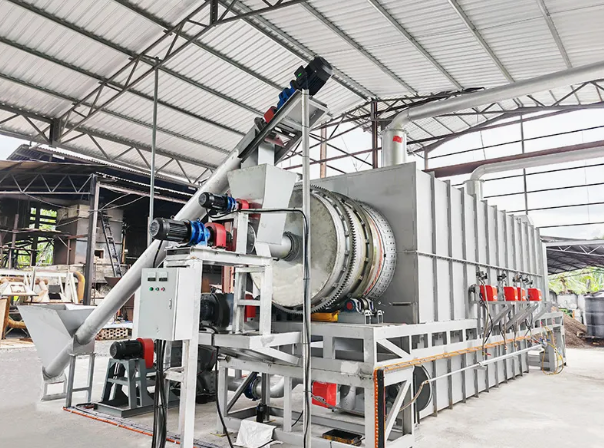
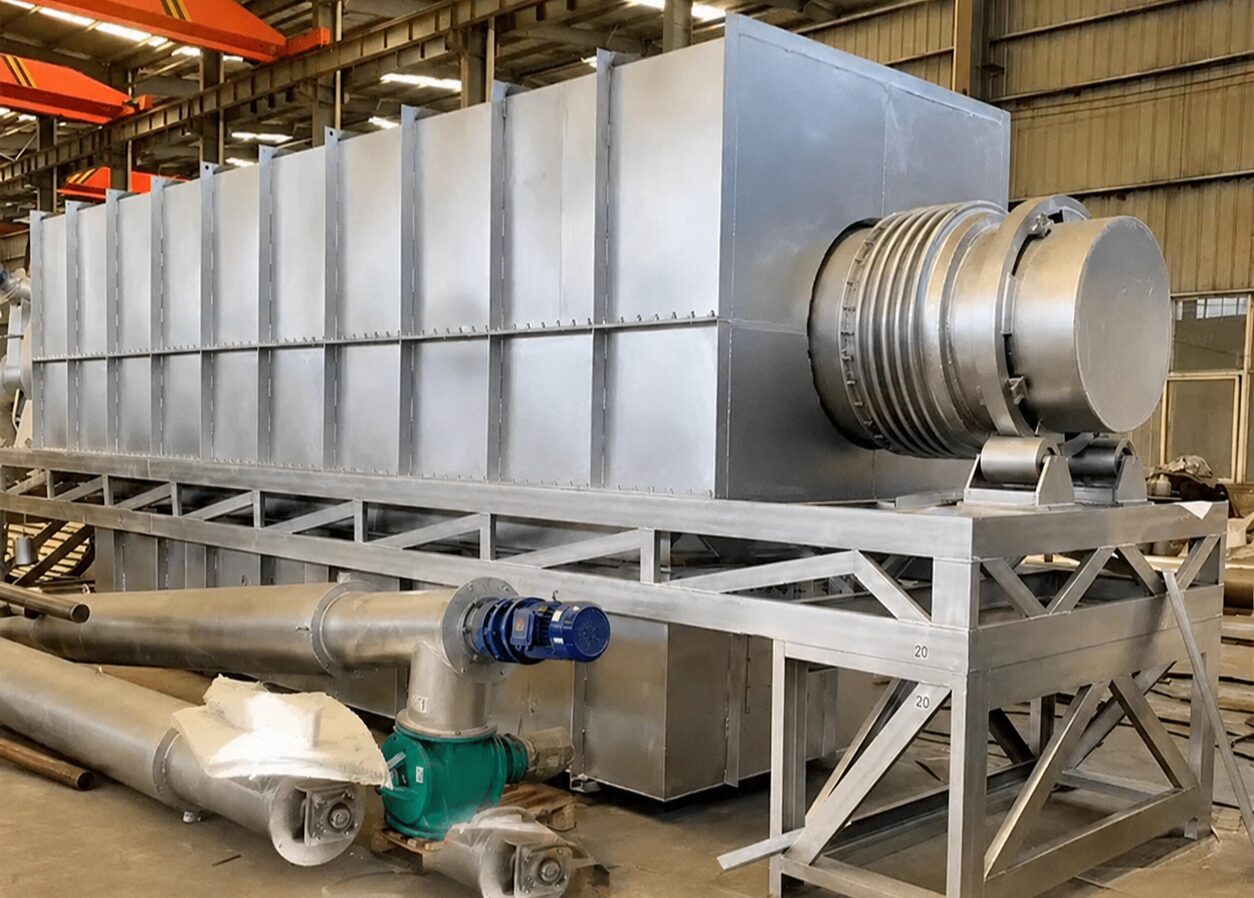
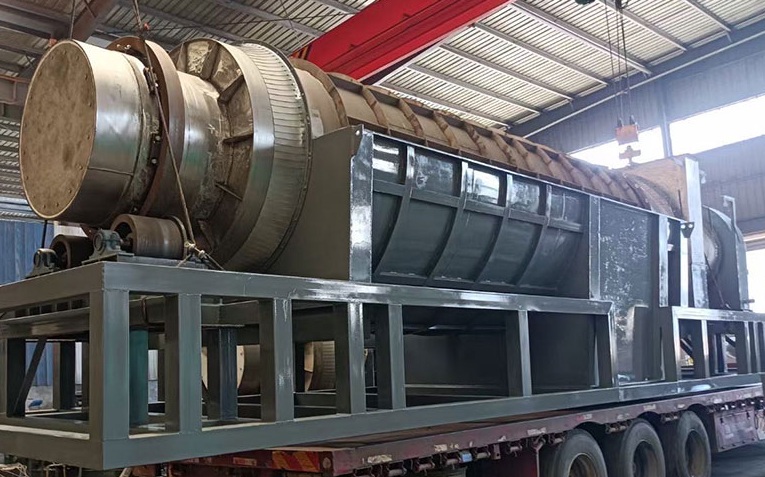
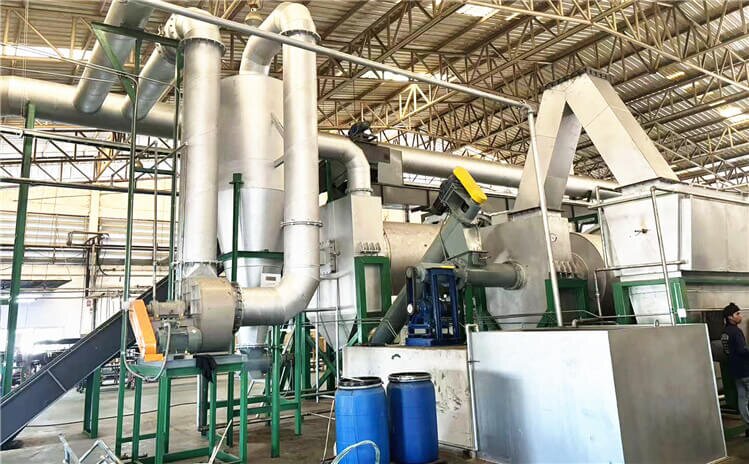
Industrial Decarbonization Systems (IDS) are purpose-engineered solutions designed to reduce measurable carbon emissions from manufacturing and processing operations across the full scope of direct and indirect emission sources. Industrial decarbonization is distinct from general energy efficiency improvement in that it specifically targets carbon output not just energy cost and applies a structured combination of measures including fossil fuel displacement, process electrification, waste heat utilisation, and where necessary, carbon capture and storage or utilisation (CCSU). Kerone’s IDS offering addresses the practical reality that industrial decarbonization is a multi-year, multi-measure process that requires both an accurate baseline understanding and a sequenced implementation roadmap aligned with available technology and investment capacity.
Why Choose Kerone Industrial Decarbonization Systems
Developing an industrial decarbonization program requires the ability to audit existing emission sources, evaluate technically viable reduction measures, model their combined impact against a decarbonization target, and implement those measures in a sequence that maintains production continuity. Kerone brings this full-spectrum engineering and project management capability to IDS engagements. Rather than selling a single product as a decarbonization solution, Kerone develops a tailored measure portfolio for each client, combining efficiency improvements, renewable fuel systems, waste heat recovery, and emission control equipment and delivers it as a managed program with defined milestones and measurable outcomes.
Types and Features of Industrial Decarbonization Systems
Kerone’s Industrial Decarbonization Systems engagements follow a structured methodology: a carbon emission audit covering all Scope 1 process emission sources; a technology options assessment evaluating feasible reduction measures for each source; a decarbonization roadmap with investment, timeline, and emission reduction projections; and phased implementation of the selected measures. Kerone’s measure portfolio spans renewable fuel burner conversion, heat recovery system installation, dryer and kiln efficiency upgrade, RDF fuel system integration, biogas and syngas production and utilisation, AISP optimisation overlay deployment, and carbon capture module integration for high-concentration emission sources.
Key Features
Structured carbon emission audit methodology covering all Scope 1 thermal and process emission sources
Technology options assessment ranking decarbonization measures by technical feasibility, cost, and emission impact
Phased implementation roadmap aligned with client capital budget and production continuity requirements
Renewable fuel conversion systems for direct fossil fuel displacement in burners and boilers
Waste heat recovery integration reducing primary fuel demand across multiple process areas simultaneously
AISP overlay for continuous process optimisation maintaining decarbonization performance over time
Carbon capture module integration for high-concentration CO2 sources such as calcination and combustion flue gases
Carbon performance documentation and monitoring aligned with GHG Protocol and Science Based Targets reporting
Powered by AI, ML & IoT
Future-Ready Engineering Driven by AI & IoT
Our advanced AI, ML, and IoT technologies, this solution delivers smarter automation, real-time insights, and predictive intelligence to enhance efficiency and drive future-ready growth.
Real-Time Monitoring & Control
Continuous tracking of process parameters with instant adjustments.
Predictive Maintenance
Intelligent fault detection to prevent failures before they occur.
Adaptive Process Optimization
Dynamic tuning of operations for maximum output and efficiency.
Cloud Dashboards & Analytics
Unified access to real-time insights and performance trends.
Energy & Resource Savings
Smarter utilization of energy to cut costs and reduce waste.
Secure IoT Connectivity
Encrypted data flow with seamless integration across plant systems.
Applications of Industrial Decarbonization Systems
Kerone’s Industrial Decarbonization Systems serve manufacturing sectors with significant thermal process emissions and structured carbon reduction commitments.
Typical applications include:
Cement and lime producers implementing kiln fuel switching, heat recovery, and CO2 capture as part of sectoral decarbonization programs
Food and agro-processing facilities replacing fossil-fuelled dryers and evaporators with biomass or biogas-fired systems
Chemical and petrochemical plants requiring a structured scope 1 emission reduction roadmap aligned with science-based targets
Textile and garment manufacturers integrating heat recovery and renewable fuel into dyeing, drying, and finishing processes
Steel and metal processing facilities replacing coal or gas in heat treatment furnaces with hydrogen or biomass-syngas combustion systems
Waste processing and recycling operators managing direct emissions from thermal treatment and fuel production processes within a documented carbon management framework
Industrial decarbonization is not a single technology purchase — it is a program of structured technical action applied across multiple emission sources over a defined timeline. Kerone’s Industrial Decarbonization Systems engage with this reality by combining emission audit depth, multi-technology measure design, phased implementation planning, and ongoing performance monitoring into a cohesive service that progresses client carbon performance reliably toward defined targets. For manufacturers committed to Science Based Targets, regulatory compliance, or investor-driven ESG performance improvement, Kerone’s IDS capability provides the engineering substance and project management framework needed to translate decarbonization commitments into measured outcomes.
Seamless Export Connections Global & Local
Our Global Footprint in Industrial Excellence
Delivering world-class industrial and process solutions across countries with precision, innovation, and reliability.
Peru
Chile
Argentina
Mexico
Colombia
Brazil
USA
Canada
United Kingdom
France
Germany
Spain
Italy
Netherlands
Sweden
Switzerland
Poland
Portugal
Ireland
Czechia
Romania
Hungary
Austria
Greece
Kazakhstan
Uzbekistan
Turkmenistan
Algeria
Egypt
Nigeria
Kenya
South Africa
Saudi Arabia
UAE
Israel
Russia
India
China
Japan
South Korea
Thailand
Vietnam
Malaysia
Singapore
Indonesia
Philippines
Australia
New Zealand
Pan-India Presence. Local Expertise.
Raipur
Bilaspur
Panaji
Vasco da Gama
Gandhinagar
Ahmedabad
Surat
Chandigarh
Gurgaon
Shimla
Manali
Bengaluru
Mysore
Kochi
Pune
Mumbai
Thane
Navi Mumbai
Hyderabad
Chennai
Coimbatore
Kolkata
Lucknow
Jaipur
Udaipur
Jodhpur
Dehradun
Haridwar
Bhubaneswar
Product Gallery
Frequently Asked Questions (FAQ)
Energy efficiency reduces the amount of energy used to produce a unit of output. Decarbonization specifically targets the carbon intensity of energy use replacing high-carbon fuels with low-carbon alternatives, capturing emissions, or eliminating emission sources regardless of energy quantum. The two objectives overlap but are not identical; a facility can improve energy efficiency while maintaining or increasing carbon intensity if it switches to a more carbon-intensive fuel.
Kerone conducts a process energy and emission audit covering all combustion and process emission sources, fuel types and volumes, process temperature and efficiency profiles, and waste heat availability. From this data, a baseline specific carbon intensity is calculated expressed as kg CO2 per tonne of product or per unit of heat delivered which serves as the reference for measuring decarbonization progress.
A decarbonization roadmap is a sequenced implementation plan that identifies which emission reduction measures will be implemented, in what order, at what cost, and with what projected carbon impact. It aligns decarbonization ambition with practical investment capacity and production continuity requirements, preventing disorganised or premature measure implementation that wastes capital or disrupts operations.
Yes. Kerone's IDS carbon performance documentation is aligned with GHG Protocol Scope 1 reporting and can be structured to demonstrate progress against Science Based Targets initiative (SBTi) commitments. The decarbonization roadmap is designed to deliver the required emission reduction trajectory over the commitment period.
Scope 1 covers direct emissions from combustion and process sources within the facility. Scope 2 covers indirect emissions from purchased electricity and heat. Scope 3 covers supply chain and product lifecycle emissions. Kerone's IDS systems primarily target Scope 1 emissions through process improvements and fuel switching, with Scope 2 reductions achieved through renewable power integration.
A typical Kerone IDS program combines multiple measures: combustion efficiency improvement, waste heat recovery, fossil fuel substitution with biomass syngas or biogas, process electrification where economically viable, AISP-driven continuous optimisation, and for high-concentration CO2 sources, carbon capture integration. The specific mix depends on the facility's emission profile and decarbonization target.
For high-concentration CO2 sources such as lime kiln calcination off-gases or biomass combustion flue gases, Kerone can integrate post-combustion CO2 absorption or oxyfuel combustion modules as part of an IDS program. CCS infrastructure for long-term geological storage is not within Kerone's direct scope but is coordinated with appropriate CCS project developers.
Kerone plans IDS implementation in phases that are sequenced around planned maintenance shutdowns, production schedule gaps, and modular equipment designs that minimise parallel operation of old and new systems. This approach significantly reduces the production disruption risk associated with major thermal system changes.
Kerone provides a carbon emission baseline report, technology options assessment, implementation progress reports at defined project milestones, and post-implementation carbon performance verification data. These documents are structured for use in GHG Protocol reporting, sustainability reports, and ESG investor disclosure frameworks.
AISP is deployed as a continuous performance maintenance layer within the IDS program. After capital-intensive decarbonization measures such as fuel conversion or heat recovery are implemented, AISP ensures that these systems are operated at optimal settings continuously, preventing the performance degradation that commonly occurs when newly installed efficient systems are operated sub-optimally due to manual control limitations.
Hard-to-abate sectors including cement, steel, chemicals, and ceramics face the greatest decarbonization pressure because their processes involve high-temperature heat and process emissions that cannot easily be eliminated through electrification. These sectors are the primary target market for Kerone's IDS programs.
Yes. Kerone's IDS methodology is scalable to facility size. For smaller manufacturers, the audit and roadmap scope is right-sized to the emission profile and investment capacity. The measure portfolio is designed within realistic budget constraints, often starting with low-capital efficiency improvements before progressing to larger fuel switching or heat recovery investments.
India's Perform, Achieve and Trade (PAT) scheme creates tradeable energy savings certificates for industrial energy reduction. The Bureau of Energy Efficiency's industrial programs, state-level renewable energy policies, and emerging carbon market mechanisms all provide financial incentives for industrial decarbonization measures. Kerone provides guidance on applicable incentive frameworks during IDS program development.
Industrial Decarbonization Systems (IDS) program success is measured against the baseline carbon intensity established in the initial audit. Progress metrics include actual specific energy consumption, fuel mix verified by purchase records and combustion monitoring, and stack emission monitoring data. Annual performance reviews compare measured outcomes against roadmap projections.
Yes. Kerone's IDS carbon performance documentation — baseline, roadmap, and measured outcomes — provides the project-level data required by green bond issuers and sustainability-linked loan providers to verify that financed activities meet their environmental eligibility criteria. Kerone can assist with the documentation preparation required for these financing structures.
Kerone’s custom-designed heating and processing solutions are built to meet the demands of your growing operations. Whether you’re upgrading equipment, expanding production, or need a tailor-made solution

 Peru
Peru Chile
Chile Argentina
 Mexico
 Colombia
 Brazil
 USA
USA Canada
 United Kingdom
 France
 Germany
 Spain
Spain Italy
Italy Netherlands
 Sweden
 Switzerland
 Poland
 Portugal
 Ireland
 Czechia
 Romania
 Hungary
 Austria
 Greece
 Kazakhstan
 Uzbekistan
 Turkmenistan
 Algeria
 Egypt
Egypt Nigeria
 Kenya
Kenya South Africa
 Saudi Arabia
 UAE
UAE Israel
 Russia
 India
India China
China Japan
Japan South Korea
 Thailand
 Vietnam
 Malaysia
 Singapore
 Indonesia
 Philippines
 Australia
 New Zealand