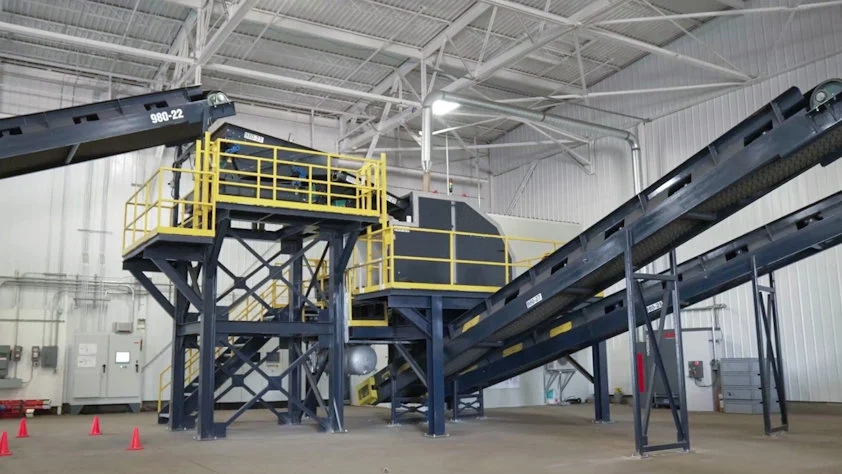
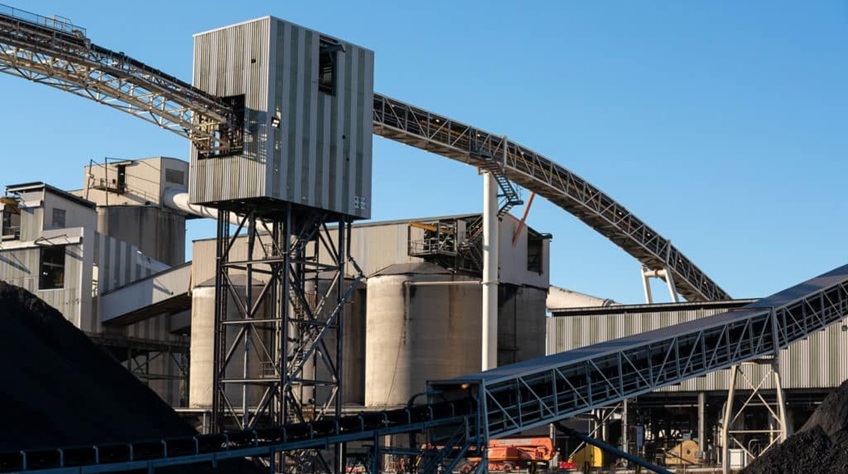
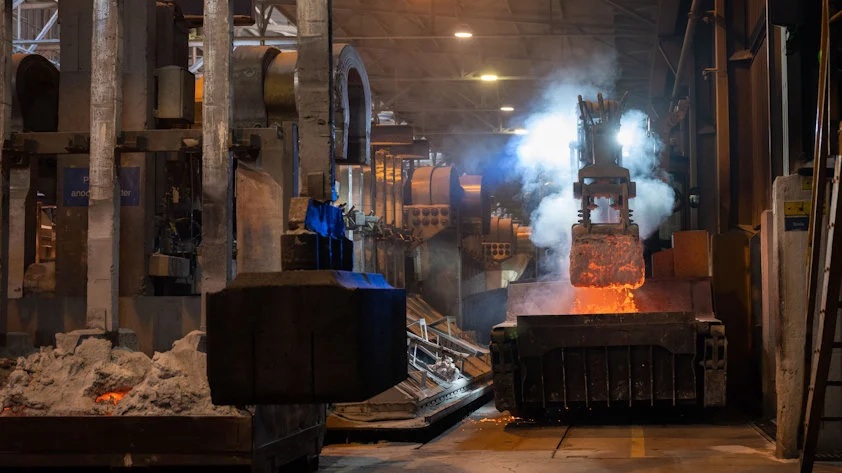
Net-Zero Thermal Processing Systems (NZT) are industrial heat systems designed and configured to achieve net-zero carbon emissions over their operational lifecycle by combining renewable fuel sourcing, waste heat recovery, energy efficiency optimisation, and where necessary, residual emission offset mechanisms. Industrial thermal processes – drying, calcination, curing, sintering, and heat treatment account for a substantial share of manufacturing sector carbon emissions. Kerone’s NZT systems address this directly by engineering thermal processing lines that consume minimum energy, recover maximum waste heat, substitute fossil fuels with renewable alternatives, and document the resulting carbon footprint reduction for ESG and regulatory reporting.
Why Choose Kerone Net-Zero Thermal Processing Systems
Achieving net-zero in industrial thermal processing requires more than swapping fuels, it requires a systems-level redesign of heat generation, heat delivery, heat recovery, and process integration. Kerone brings this integrated engineering perspective to NZT projects, beginning with a detailed energy audit of the client’s existing thermal processes before designing replacement or retrofit systems. By quantifying current energy consumption, heat losses, and fuel sourcing, Kerone creates a baseline from which the net-zero gap can be measured and closed through a combination of renewable fuel switching, insulation improvement, heat recovery, and process efficiency enhancement. KRDC validates the projected performance of each measure before implementation.
Types and Features of Net-Zero Thermal Processing Systems
Kerone’s Net-Zero Thermal Processing Systems are configured as either new-build systems designed from the outset for net-zero operation, or as retrofit upgrades to existing industrial dryers, furnaces, kilns, and heat treatment lines. Retrofit configurations typically begin with an insulation and sealing audit, followed by burner conversion or replacement for biogas, syngas, or hydrogen-ready operation, addition of heat exchanger modules to recover exhaust gas enthalpy, and integration of waste heat-driven absorption cooling or drying pre-heating. New-build NZT systems incorporate all of these features from the design stage, combined with process modelling to optimise thermal load matching throughout the production schedule.
Key Features
Renewable fuel burner systems compatible with biogas, syngas, hydrogen, and torrefied biomass for fossil fuel replacement
Waste heat recovery exchangers capturing exhaust gas enthalpy for feedstock pre-heating or utility generation
Advanced insulation and thermal sealing design reducing process heat losses by 20–40% compared to standard systems
Energy audit and baseline carbon footprint documentation as the starting point for every NZT project
Process scheduling optimisation to align thermal load with renewable energy availability and heat storage capacity
Integration with on-site renewable power generation including solar thermal and biomass CHP systems
Net-zero carbon accounting documentation covering fuel, process, and offset contributions for ESG reporting
KRDC-validated performance modelling ensuring projected energy savings are achievable under real operating conditions
Powered by AI, ML & IoT
Future-Ready Engineering Driven by AI & IoT
Our advanced AI, ML, and IoT technologies, this solution delivers smarter automation, real-time insights, and predictive intelligence to enhance efficiency and drive future-ready growth.
Real-Time Monitoring & Control
Continuous tracking of process parameters with instant adjustments.
Predictive Maintenance
Intelligent fault detection to prevent failures before they occur.
Adaptive Process Optimization
Dynamic tuning of operations for maximum output and efficiency.
Cloud Dashboards & Analytics
Unified access to real-time insights and performance trends.
Energy & Resource Savings
Smarter utilization of energy to cut costs and reduce waste.
Secure IoT Connectivity
Encrypted data flow with seamless integration across plant systems.
Applications of Net-Zero Thermal Processing Systems
Kerone’s Net-Zero Thermal Processing Systems serve manufacturers, processors, and industrial operators committed to measurable carbon emission reduction in their production processes.
Typical applications include:
Food and pharmaceutical dryer operators replacing natural gas or diesel-fired systems with biogas or solar thermal-integrated drying lines
Ceramic and refractory manufacturers transitioning kiln operations from coal or gas to hydrogen-ready or syngas combustion systems
Textile and dyeing plants integrating heat recovery into stenters and dryers to reduce steam and fuel consumption
Chemical process facilities requiring high-temperature heat for reactions and aiming to eliminate fossil fuel use from process heating
Metal heat treatment operations converting furnace systems to renewable fuel operation with waste heat recovery for space heating or pre-heating
Building materials manufacturers – brick, tile, and lime producers, seeking net-zero kiln configurations aligned with construction sector sustainability targets
Industrial thermal processing is one of the most energy-intensive and carbon-emitting aspects of manufacturing, and it is also one of the most technically tractable to decarbonise with the right engineering approach. Kerone’s Net-Zero Thermal Processing Systems give manufacturers a structured, engineering-led pathway to reduce and ultimately eliminate the net carbon emissions from their heat processes. By combining energy audit rigour, renewable fuel integration, waste heat recovery, and carbon performance documentation, Kerone delivers NZT systems that stand up to third-party verification and meet the requirements of both voluntary ESG commitments and mandatory regulatory carbon targets. For manufacturers navigating the transition to low-carbon production, Kerone’s NZT expertise translates ambition into operational reality.
Seamless Export Connections Global & Local
Our Global Footprint in Industrial Excellence
Delivering world-class industrial and process solutions across countries with precision, innovation, and reliability.
Peru
Chile
Argentina
Mexico
Colombia
Brazil
USA
Canada
United Kingdom
France
Germany
Spain
Italy
Netherlands
Sweden
Switzerland
Poland
Portugal
Ireland
Czechia
Romania
Hungary
Austria
Greece
Kazakhstan
Uzbekistan
Turkmenistan
Algeria
Egypt
Nigeria
Kenya
South Africa
Saudi Arabia
UAE
Israel
Russia
India
China
Japan
South Korea
Thailand
Vietnam
Malaysia
Singapore
Indonesia
Philippines
Australia
New Zealand
Pan-India Presence. Local Expertise.
Raipur
Bilaspur
Panaji
Vasco da Gama
Gandhinagar
Ahmedabad
Surat
Chandigarh
Gurgaon
Shimla
Manali
Bengaluru
Mysore
Kochi
Pune
Mumbai
Thane
Navi Mumbai
Hyderabad
Chennai
Coimbatore
Kolkata
Lucknow
Jaipur
Udaipur
Jodhpur
Dehradun
Haridwar
Bhubaneswar
Product Gallery
Frequently Asked Questions (FAQ)
Net-zero thermal processing means that the carbon emissions associated with industrial heat generation from fuel combustion and process energy use are balanced or exceeded by carbon reductions achieved through renewable fuel use, efficiency improvement, heat recovery, and verified offsets. The net emission result over the system's operational lifecycle is zero or below zero.
Yes. Kerone designs retrofit programs for existing thermal equipment that combine burner conversion for renewable fuel, insulation improvement, exhaust heat recovery, and process control upgrade. The extent to which net-zero can be achieved through retrofit depends on the specific equipment condition and operational context.
Kerone's NZT burner configurations are designed for biogas, biomass syngas, hydrogen, and torrefied biomass pellets depending on the temperature range and heat intensity requirements of the application. Dual-fuel configurations are available to maintain production continuity during renewable fuel supply variability.
Industrial dryers and kilns typically exhaust flue gases at 150–400°C, representing significant recoverable energy. Kerone integrates heat exchangers that capture this energy for feedstock pre-drying, combustion air pre-heating, or hot water generation, directly reducing primary fuel consumption and associated emissions.
Energy savings from NZT retrofits vary based on the baseline system efficiency, but typical outcomes include 20–35% reduction in specific energy consumption from improved insulation and heat recovery, plus 60–100% reduction in fossil fuel use from renewable fuel switching, depending on local renewable fuel availability.
Kerone provides an energy and carbon performance documentation package covering baseline fuel consumption and emission intensity, projected savings from each NZT measure, measured post-installation performance verification, and a carbon accounting summary aligned with GHG Protocol Scope 1 reporting requirements.
Scheduling industrial thermal loads to align with periods of renewable energy availability such as solar peak hours or biogas production peaks, reduces the need for fossil fuel backup and improves the overall renewable fraction of energy input. Kerone integrates process scheduling logic into NZT system control systems.
Yes. Kerone designs hydrogen-ready burner systems for NZT applications where green hydrogen is available or planned. Hydrogen combustion produces only water vapour as a by-product, eliminating direct CO2 emissions from the combustion process. Flame velocity and heat release characteristics differ from hydrocarbon fuels, requiring specially designed combustion systems.
Industries with high thermal energy intensity and significant fossil fuel dependency benefit most, including food drying, ceramic manufacturing, textile finishing, chemical processing, metal heat treatment, and building materials production. These sectors have large emission reduction potential through fuel switching and heat recovery.
Kerone conducts a process energy audit covering fuel type and volume, combustion efficiency, heat distribution and process thermal efficiency, exhaust gas temperature and enthalpy, and auxiliary electrical energy consumption. From this data, a specific carbon intensity (kg CO2 per tonne of product or per unit of heat delivered) is calculated.
In many cases, yes. Energy cost savings from efficiency improvement and waste heat recovery often deliver positive returns independent of incentives. Renewable fuel substitution economics depend on local fossil fuel prices versus renewable fuel costs. In high fossil fuel cost environments, NZT systems frequently deliver positive net present value without subsidy.
Net-Zero Thermal systems performance can be documented to support certification under ISO 50001 (energy management), applicable GHG verification standards, and sector-specific sustainability certifications. Kerone provides the process documentation and performance data required for third-party certification processes.
Kerone's industrial thermal processing equipment is designed for a 15–25 year operational lifespan with appropriate maintenance. This long operational horizon is important for net-zero lifecycle accounting, as the emission reductions achieved over the full operational period represent the total carbon benefit of the system investment.
Kerone can discuss performance-based commercial structures for Net-Zero Thermal projects where measurable energy savings and emission reductions form part of the project payment mechanism. Details depend on project scale, client requirements, and local regulatory frameworks.
Kerone designs fuel transition plans that allow gradual substitution of fossil fuel with renewable fuel over a defined period, maintaining production continuity while commissioning new fuel supply, storage, and burner systems in parallel with existing operations. This minimises production interruption during the net-zero transition.
Kerone’s custom-designed heating and processing solutions are built to meet the demands of your growing operations. Whether you’re upgrading equipment, expanding production, or need a tailor-made solution


 Peru
Peru Chile
Chile Argentina
 Mexico
 Colombia
 Brazil
 USA
USA Canada
 United Kingdom
 France
 Germany
 Spain
Spain Italy
Italy Netherlands
 Sweden
 Switzerland
 Poland
 Portugal
 Ireland
 Czechia
 Romania
 Hungary
 Austria
 Greece
 Kazakhstan
 Uzbekistan
 Turkmenistan
 Algeria
 Egypt
Egypt Nigeria
 Kenya
Kenya South Africa
 Saudi Arabia
 UAE
UAE Israel
 Russia
 India
India China
China Japan
Japan South Korea
 Thailand
 Vietnam
 Malaysia
 Singapore
 Indonesia
 Philippines
 Australia
 New Zealand