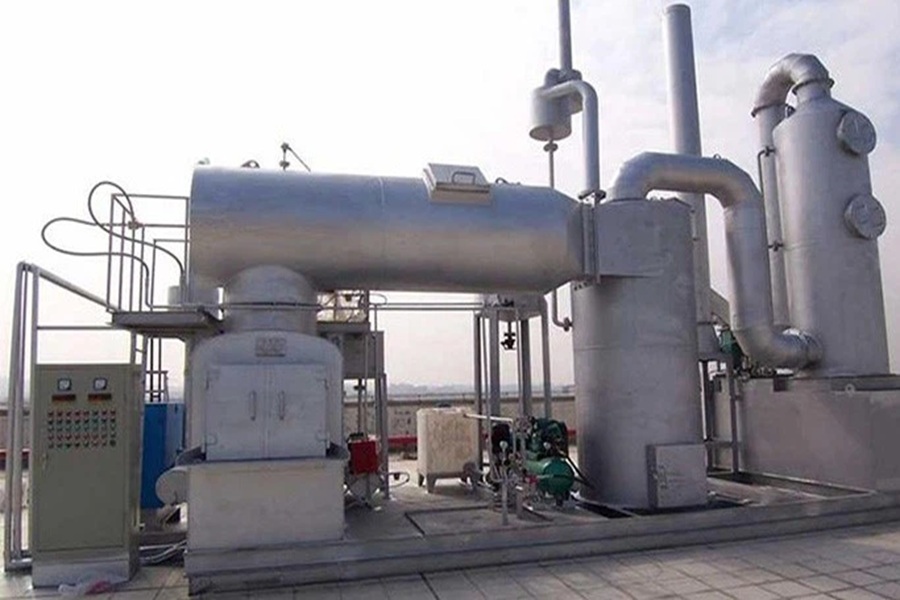
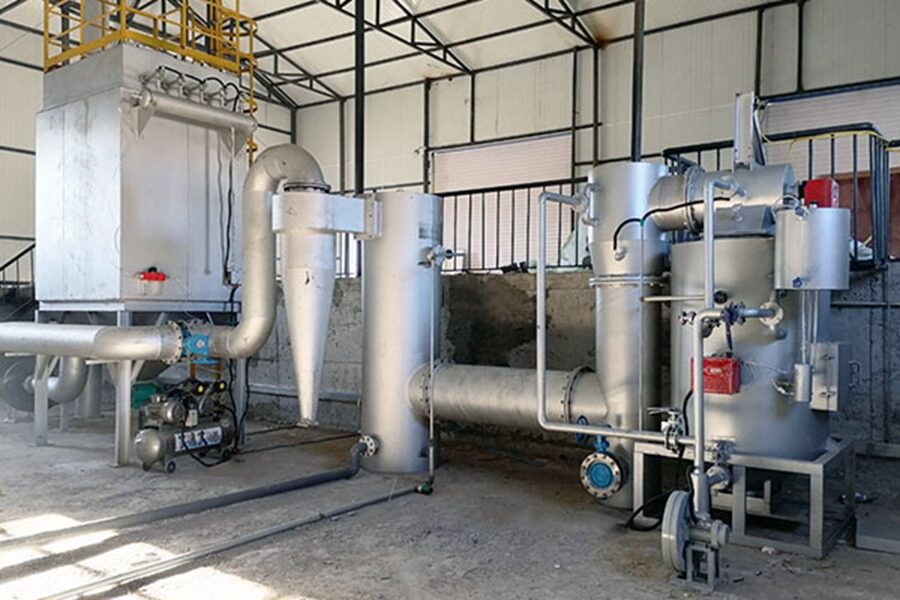
General and municipal waste incinerators are complex thermal treatment sites, which are designed to safely dispose of the different kinds of solid waste by means of controlled burning at high temperatures. Advanced incineration systems form a vital part of the modern waste management architecture, which has the capacity to handle all the household waste, commercial waste and light industrial waste.
These incinerators help cut down on the amount of waste that would otherwise be deposited in landfills since the amount of waste is converted to ash, flue gases, and heat energy and at the same time gives out the energy that can be used to produce heat or produce electricity. The technology of such systems has highly evolved over the years to include various pollution control measures so that the emissions may meet the strict environmental standards.
Modern municipal waste incinerators are designed to have both primary and secondary combustion chambers which ensure total burnout of organic substances, sophisticated air pollution control equipment such as scrubbers and filters and automated control systems which ensure everything is working at its best throughout the combustion process.
Why Choose Kerone General & Municipal Waste Incinerators
Kerone has demonstrated itself as a reliable waste management technology company with decades of engineering and innovation experience in the design and manufacturing of general and municipal waste incinerators. Our systems are constructed on the sound knowledge of complex issues that municipalities and waste management facilities have to deal with in managing different waste streams and under the ever-stricter environmental provisions. The difference to Kerone is that we are determined to provide incinerators which are not only in compliance but beyond that and integrate the most recent in the fields of combustion technology, emission control and energy recovery.
We know that there are no two waste management operations that will have the same needs, and this is the reason why our team works closely with the clients to tailor solutions that fit the needs of a specific waste composition, operational capacity requirement and even constraints. Our incinerators are also designed to be reliable and long-lasting and are made of high-grade materials that can withstand extreme temperatures and the corrosive environment of waste incineration and our extensive after-sales warranty systems ensure you are using your system at its full efficiency in the years ahead.
Types and Features of General & Municipal Waste Incinerators
Kerone provides a complete line of general and municipal waste incinerators that are designed to meet various scales of operation and waste properties, such as the modular system for smaller municipalities, large-scale industrial units in big cities and targeted units for particular waste streams. We have included rotary kiln incinerators that are very efficient in the treatment of heterogeneous waste with different water content, moving grate systems that are ideal in continuous processing with the high volume of waste, and fluidized bed incinerators that are very effective in controlling heat and combustion.
The main features included in each system are automatic waste feeding systems which maintain consistent throughput; refractory-lined combustion chambers which maintain the high temperatures required to allow complete destruction of waste; advanced air injection systems which maximize and optimize combustion efficiency and minimise the emissions; and multi-stage pollution control systems, including electrostatic precipitators, bag filters, and wet scrubbers that trap particulates and neutralise acid gases and before they are released to the atmosphere. Heat recovery steam generators are also present in many of our systems whereby the thermal energy generated by the combustion process is captured to turn what was initially regarded as waste into a useful source of energy that can help in sustaining operation expenses, as well as being part of sustainable waste management practices.
Key Features
Advanced Combustion Technology
Multi-chamber design that provides primary and secondary combustion space to provide full burnout out of organic matter and elimination of harmful substances at temperatures of higher than 850-1100°C.
Comprehensive Emission Control
Comprehensive control systems such as scrubbers, fabric filters, and activated carbon injection sustain a consistent low level of emissions that are significantly lower than the regulatory limits of particulates, heavy metals and dioxins.
Control Systems
High-tech PLC-based control with real-time temperature, pressure, and oxygen monitoring along with emissions to facilitate the optimal optimization of the process and to make adjustments automatically.
Energy Recovery Capability
In-house waste heat recovery systems that collect the thermal energy to generate steam, to produce hot water, or to produce electricity go a long way to enhance the operational economics.
Flexible Waste Handling
Versatile feed systems that have the ability to handle diverse waste streams that vary in physical properties, moisture content and calorific values with no performance decline.
Safety-First Design
Various safety measures such as emergency shutdown systems, explosion relief vents, flame detection and suppression systems and full person protection system.
Powered by AI, ML & IoT
Future-Ready Engineering Driven by AI & IoT
Our advanced AI, ML, and IoT technologies, this solution delivers smarter automation, real-time insights, and predictive intelligence to enhance efficiency and drive future-ready growth.
Real-Time Monitoring & Control
Continuous tracking of process parameters with instant adjustments.
Predictive Maintenance
Intelligent fault detection to prevent failures before they occur.
Adaptive Process Optimization
Dynamic tuning of operations for maximum output and efficiency.
Cloud Dashboards & Analytics
Unified access to real-time insights and performance trends.
Energy & Resource Savings
Smarter utilization of energy to cut costs and reduce waste.
Secure IoT Connectivity
Encrypted data flow with seamless integration across plant systems.
Applications of General & Municipal Waste Incinerators
The General and Municipal Waste Kerone Incorporations have been widely applied in diverse industries where safe, efficient and environmentally friendly disposal of waste is of utmost importance. These versatility systems have been demonstrated to be useful in a myriad of installations across the world to comfortably cope with the issues of waste that are faced by the contemporary society. Some common uses are:
Municipal Solid Waste Management: Recycling of house garbage, street sweeping, as well as any other waste materials found in the residential areas, such as the community garbage and subsequent production of renewable energy.
Commercial and Retail Waste: Recycling waste produced by shopping centres, office blocks, hotels and restaurants, as well as packaging materials, food waste, and general commercial waste.
Light Industrial Waste: Managing non-hazardous industrial waste originating at manufacturing plants, warehouses and processing plants and which is not easily recyclable and compostable.
Institutional Facilities: The waste disposal requirements of the schools, universities, government buildings and military installations where destruction of waste is in full and without any problem.
Remote Communities: The provision of waste management to island communities, remote mining activities and remote facilities where transport of waste to distant landfills is not feasible or cost-prohibitive.
Disaster Relief and Emergency Response: Temporary waste management in situations of natural disasters, disease outbreaks or other emergency situations where the quick elimination of the potentially contaminated materials is needed.
Kerone General & Municipal Waste Incinerator is a progressive solution to managing waste and solving the issue of waste disposal that would respond to the present challenges and respond to environmental needs in the future. With the world communities struggling to deal with the rising levels of waste, decreasing landfill space, and the rising environmental consciousness, incineration, as a form of energy recovery, has become a critical part of the overall waste management approach. Kerone has invested in engineering excellence, environmental excellence, and customer success and is determined to maintain these attributes in its delivery of the incineration system to you so that it can be reliable, meet the required regulations, and be economical during the duration of service.
Our team is here to take you through the entire stages of your project, including consultation and system design, installation, commissioning and support. In making the purchase of Kerone, you are not only buying equipment but also a company that works to see you realize your goals of waste management and also help develop a cleaner and more sustainable world that ensures that the future generation will enjoy a better life.
Seamless Export Connections Global & Local
Our Global Footprint in Industrial Excellence
Delivering world-class industrial and process solutions across countries with precision, innovation, and reliability.
Peru
Chile
Argentina
Mexico
Colombia
Brazil
USA
Canada
United Kingdom
France
Germany
Spain
Italy
Netherlands
Sweden
Switzerland
Poland
Portugal
Ireland
Czechia
Romania
Hungary
Austria
Greece
Kazakhstan
Uzbekistan
Turkmenistan
Algeria
Egypt
Nigeria
Kenya
South Africa
Saudi Arabia
UAE
Israel
Russia
India
China
Japan
South Korea
Thailand
Vietnam
Malaysia
Singapore
Indonesia
Philippines
Australia
New Zealand
Pan-India Presence. Local Expertise.
Raipur
Bilaspur
Panaji
Vasco da Gama
Gandhinagar
Ahmedabad
Surat
Chandigarh
Gurgaon
Shimla
Manali
Bengaluru
Mysore
Kochi
Pune
Mumbai
Thane
Navi Mumbai
Hyderabad
Chennai
Coimbatore
Kolkata
Lucknow
Jaipur
Udaipur
Jodhpur
Dehradun
Haridwar
Bhubaneswar
Product Gallery
Frequently Asked Questions (FAQ)
General and municipal waste incinerators are meant to take a wide scope of non-hazardous solid waste, such as household waste, commercial trash, packaging fabrics, paper and cardboard, plastics, wood waste, textiles and organics. Nevertheless, they are not to be applied to hazardous waste, medical waste, radioactive materials and large amounts of liquids unless they are designed to do so. Our team is able to examine your own waste composition and suggest the best and proper system set-up.
Modern-day incinerators utilize various phases of emission control, such as high-temperature burning to eliminate organic pollutants, quick quenching to eliminate the reformation of harmful substances, removal of particulate matter through the use of fabric filters or electrostatic precipitators, neutralization of acid gas by injection of lime or sodium bicarbonate and adsorption of heavy metals and trace organics using activated carbon. The fact that continuous emission monitoring is possibly makes sure that all regulatory standards are met.
YES, Waste-to-energy is one of the main advantages of the modern incineration systems. This heat could be used to generate electricity, could be used to provide district heating or could be used to supply process heat to an industrial process by using steam generators to recover the heat generated during combustion. Its economic feasibility is determined by the amount of waste discarded, the calorific value of this waste, the prices of energy, and the domestic regulations; however, most facilities have been able to recover a substantial portion of their costs or even generate revenue as a result of energy sales.
With a well-designed waste incinerator, properly maintained and well-maintained, 25-40 years or more are possible. The refractory linings of combustion chambers are normally subject to periodic replacement after 3-7 years of use, depending on the circumstances of operation, whereas the structural elements and major equipment may last much longer. Kerone offers extensive maintenance packages to optimize the life of a system.
The incineration process usually decreases the size of municipal solid waste by about 85-95%, i.e., 5-15% of the original waste is left to be utilized as ash. This large volume decrease of the landfill life extends it greatly and fewer transportation costs are incurred during the final disposal. The ash that is at the bottom can be reused to recover the metals or utilized in construction.
Depending on the size and complexity of the system, the schedule can range between 12-24 months after taking an order to having the system operative commercially. This involves the extensive design of engineering, fabrication of equipment, preparation of sites, installation, testing and commissioning. All of this can delay the project, as the addition of time as well as regulatory approvals must be initiated at the early stage of project planning.
Kerone offers detailed operator training services that include operation, safety measures, routine maintenance and troubleshooting of systems as well as emergency response. We do not only train in the classroom, but also, we have practical experience in the course of commissioning. We also provide continuous technical support, remote diagnostics, the availability of spare parts, and periodic refresher training so that your staff can work at the highest level of operational excellence.
Siting rules vary by country, but most regulations require a minimum buffer distance from homes, schools, and water sources, along with consideration of prevailing wind direction to reduce any impact from emissions. Local zoning laws and environmental clearance processes will usually dictate exact distances. Kerone's team can support early-stage site evaluation to help you choose a location that meets both regulatory and community expectations.
Some pre-treatment is usually recommended, such as removing large bulky items, metals, or hazardous materials that aren't suited to incineration. Basic waste segregation at the collection stage also helps improve combustion efficiency and reduces wear on the system. That said, our incinerators are designed to handle a reasonably mixed waste stream, so extensive sorting isn't always mandatory unless your facility has specific waste stream restrictions.
Yes, many municipal incineration systems, including moving grate designs, are built for continuous operation with waste being fed steadily rather than in batches. Scheduled stoppages are still needed periodically for maintenance, refractory inspection, and cleaning, but day-to-day operation can run around the clock to keep pace with a city's waste generation.
Bottom ash, which is the larger, heavier residue from the main combustion chamber, can often be processed further to recover metals or used in construction applications like road base material, depending on local regulations. Fly ash, captured by pollution control filters, contains more concentrated pollutants and typically needs to be handled as a controlled waste stream with proper containment and disposal.
Most modern municipal incinerators use Continuous Emission Monitoring Systems (CEMS) that track pollutants like particulates, dioxins, and acid gases in real time. This data is often required to be logged and, in many jurisdictions, reported periodically to environmental regulators. Kerone systems can be equipped with monitoring and reporting tools that make this compliance process straightforward for your operations team.
In many cases, yes. Older incinerators can often be retrofitted with newer pollution control equipment, such as improved scrubbers, bag filters, or activated carbon systems, to bring emissions in line with current standards. Whether retrofitting makes sense depends on the age and condition of your existing structure, so an on-site assessment is usually the first step.
Municipal incinerators are generally sized with some buffer capacity above average daily loads to accommodate seasonal spikes. For short-term surges, facilities can extend operating hours or temporarily adjust feed rates. If your city regularly experiences large seasonal swings in waste volume, it's worth factoring that into the capacity planning stage rather than sizing only for average daily tonnage.
Larger municipal facilities often run multiple incineration lines so that one unit can be taken offline for maintenance while others continue operating. For single-line facilities, having a contingency plan, such as temporary landfill diversion or a service agreement with quick spare parts access, helps minimise disruption. Kerone's maintenance support is structured to reduce unplanned downtime as much as possible.
Kerone’s custom-designed heating and processing solutions are built to meet the demands of your growing operations. Whether you’re upgrading equipment, expanding production, or need a tailor-made solution

 Peru
Peru Chile
Chile Argentina
 Mexico
 Colombia
 Brazil
 USA
USA Canada
 United Kingdom
 France
 Germany
 Spain
Spain Italy
Italy Netherlands
 Sweden
 Switzerland
 Poland
 Portugal
 Ireland
 Czechia
 Romania
 Hungary
 Austria
 Greece
 Kazakhstan
 Uzbekistan
 Turkmenistan
 Algeria
 Egypt
Egypt Nigeria
 Kenya
Kenya South Africa
 Saudi Arabia
 UAE
UAE Israel
 Russia
 India
India China
China Japan
Japan South Korea
 Thailand
 Vietnam
 Malaysia
 Singapore
 Indonesia
 Philippines
 Australia
 New Zealand