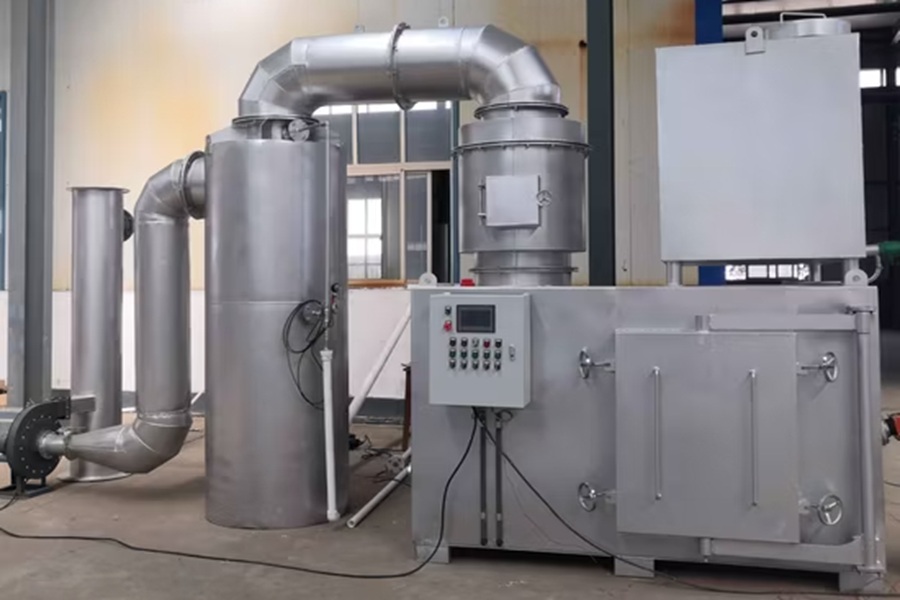
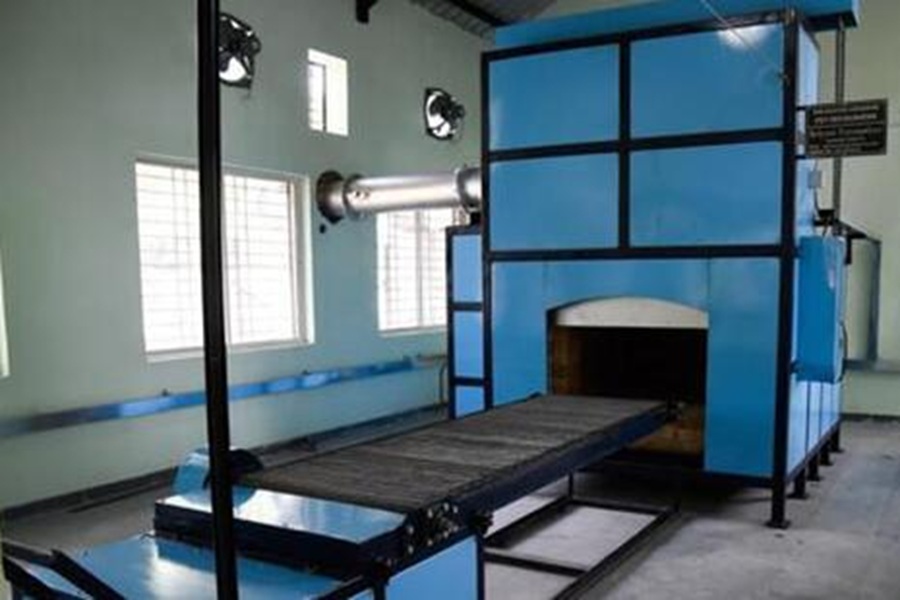
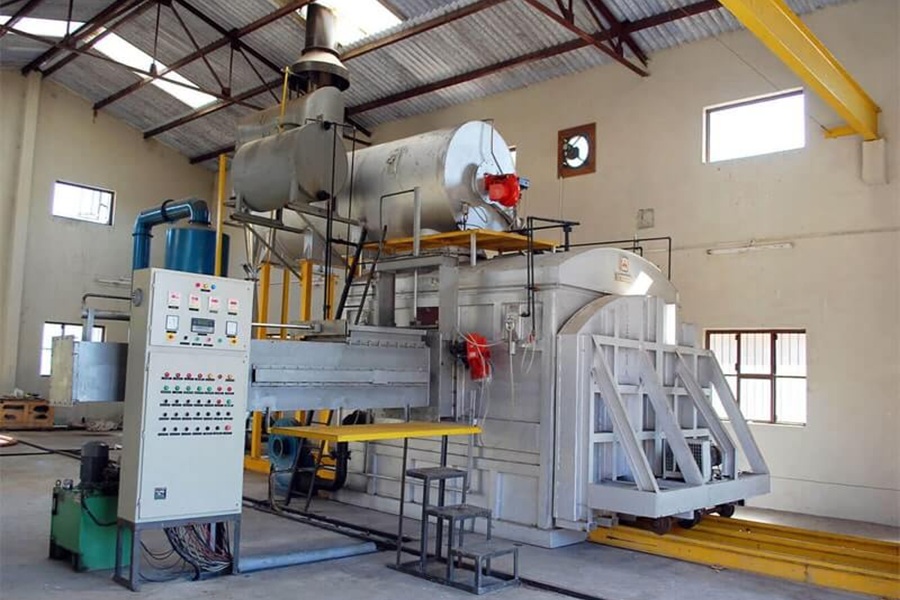
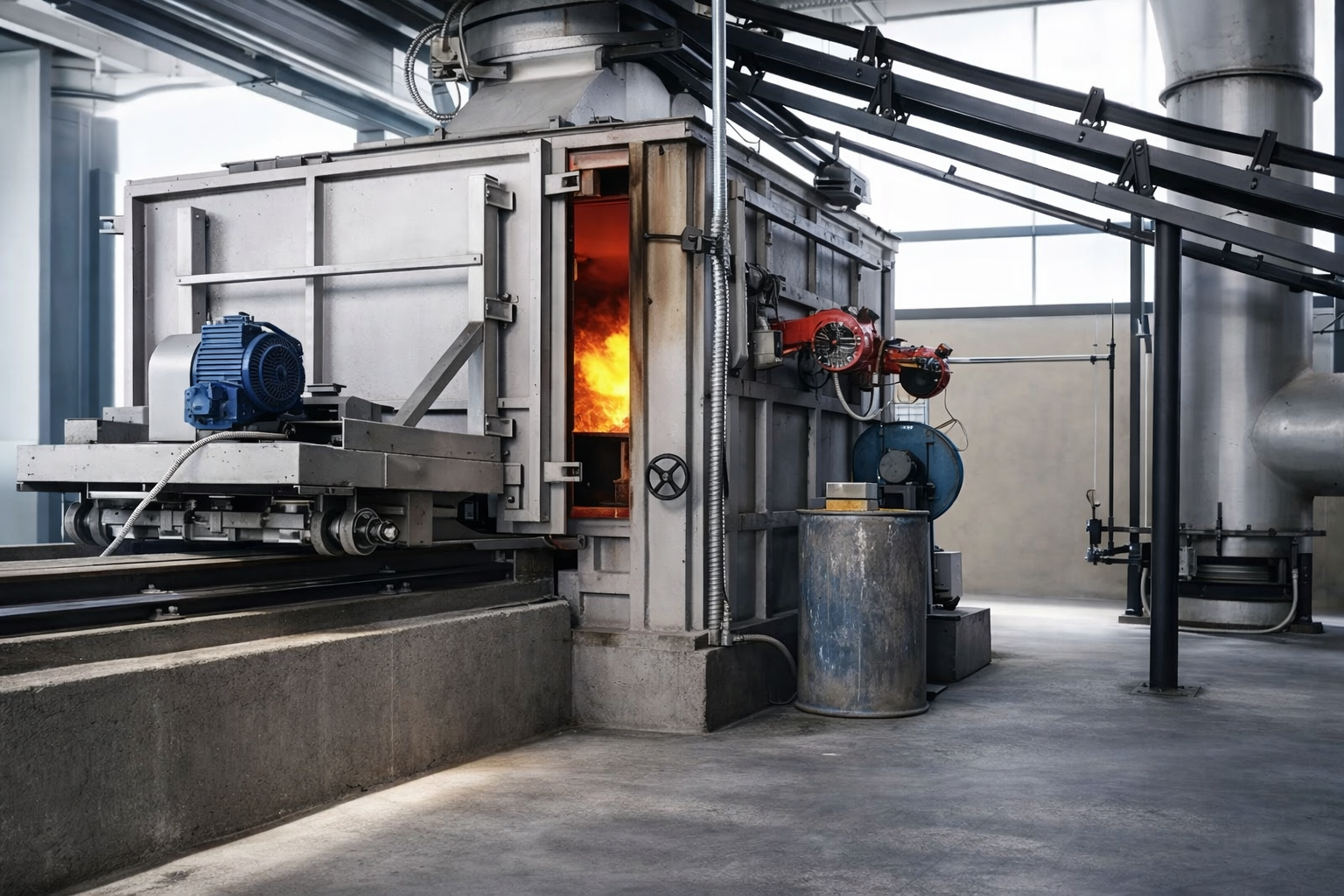
Animal incinerators are specific thermal waste disposal plants that are aimed at the safe, hygienic, and environmentally adequate destruction of animal carcasses, veterinary products, and biological waste. These are high-temperature combustion units which are designed to burn different sizes of animal waste, ranging between small laboratory animals all the way to large livestock, so that all the organic matter is oxidized to a minimum environmental impact. The animal incinerators at KERONE have the best combustion technology with dual or triple chamber designs that ensure complete destruction of waste at temperatures of between 850 degrees C to 1200 degrees C. These systems have advanced pollution control systems such as scrubbers and filters, among other emission monitoring systems, to meet tough environmental standards. Others are used in veterinary hospitals, research centres, farms, slaughterhouses, zoos, pharmaceutical firms, and municipal animal control facilities where biosecurity and pathogen destruction are the main priorities.
Why Choose Kerone Animal Incinerators
KERONE is a reliable company in thermal waste management that has 30 years of experience in engineering the excellence and innovation of incinerator technology. Designed with an in-depth knowledge of the biosecurity requirements, environmental compliance standards, and operational efficiency needs specifically required of the animal waste disposal, our animal incinerators are designed. We utilize the current-day principles of combustion engineering with its strong construction made of high-grade refractory materials and stainless-steel elements that guarantee durability and provide its reliable service even in the case of continuous operation.
KERONE does not just stop at the production, but it focuses on the full service of its products that includes installation instructions, training on how to use the product, maintenance services and also helping them to comply with the regulations that govern their business. There is a team of efficient engineers who collaborate with customers and help tailor incinerator specifications to suit capacity needs, waste composition, location, and cost. By selecting KERONE, you are buying a technology with a long history of success, quality accolades and a customer-focused ethos that has turned us into the choice of partner for organizations in need of a reliable animal waste incineration system in various industries and applications.
Types and Features of Animal Incinerators
KERONE offers different kinds of animal incinerators which suit the operations and capacity of operations. Our product line consists of small-sized laboratory animal incinerators which are typically used in research centres that deal with rodents and small mammals, medium-capacity veterinary incinerators which are used in animal hospitals and animal clinics, and large industrial units which can process livestock and even multiple carcasses at the same time to serve farms and rendering facilities. All types of incinerators are either batch-loaded or continuous-feed designs that may have either automatic or manual ash cleaning.
We have used models with primary combustion chambers in which primary combustion is done at constant temperatures, second-stage combustion chambers that provide full combustion of the volatile gases and smoke, and optional third-stage afterburners to provide ultra-clean emission. Enhanced capabilities throughout our product portfolio encompass programmable logic controllers to allow automatic operation, temperature control and monitoring systems, fuel-efficient burner designs compatible with diesel, natural gas or LPG, heavy-duty loading systems with hydraulic or manual operation, and built-in pollution control devices such as wet scrubbers, dry scrubbers, baghouse filters and activated carbon filters to trap particulates, acid gases and dioxins to ensure that our products meet or even exceed environmental emission standards.
Key Features
High-Temperature Dual Chamber Design
The primary combustion chamber works at temperatures up to 850-950°C and the secondary at temperatures up to 1000-1200°C (which ensures complete destruction of pathogens and full oxidation of all organic substances).
Strong Construction
Construction is made of the high-quality refractory lining, heat-resisting insulation and the high-grade stainless steel outer casing that is constructed with durable construction and loss of minimum heat when in long operations.
Advanced Emission Control Systems
Multi-stage scrubbing and particulate filtration, as well as gas treatment, to meet EPA, EU and other international environmental regulations.
Flexible Fuel Alternatives
It supports various fuel types (diesel, natural gas, LPG, and biogas) that have efficient burner systems that maximize fuel consumption and lower their operation expenses.
Easy-to-Operate Control Systems
fitted with PLC-based automation, computerized temperature controllers, timer systems and real-time monitors to allow safe and efficient operation with fewer training needs.
Multi-Capacity Choice
The capacities come in many sizes, from 10 kg/hour to 500 kg/hour processing capacity, to suit the needs of small clinic facilities up to large agricultural enterprises.
Safety Features
Incorporates emergency shutdown systems, over-temperature protection, flame failure detection, door interlocking systems and appropriate ventilation systems that allow operation safety of operators and avoid accidents.
Simple Maintenance
Removable panels, accessible ash chutes and strategically located service ports make cleaning, inspection and component replacement of the machine easy to get done with minimum downtime.
Powered by AI, ML & IoT
Future-Ready Engineering Driven by AI & IoT
Our advanced AI, ML, and IoT technologies, this solution delivers smarter automation, real-time insights, and predictive intelligence to enhance efficiency and drive future-ready growth.
Real-Time Monitoring & Control
Continuous tracking of process parameters with instant adjustments.
Predictive Maintenance
Intelligent fault detection to prevent failures before they occur.
Adaptive Process Optimization
Dynamic tuning of operations for maximum output and efficiency.
Cloud Dashboards & Analytics
Unified access to real-time insights and performance trends.
Energy & Resource Savings
Smarter utilization of energy to cut costs and reduce waste.
Secure IoT Connectivity
Encrypted data flow with seamless integration across plant systems.
Applications of Animal Incinerators
The KERONE animal incinerators are widely applicable in the fields of healthcare, agriculture, research, and municipal waste disposal to safely dispose of animal-related biological waste. They are commonly used in:
Veterinary Hospitals and Clinics: Removal of dead pets, surgical waste, soiled bedded materials, body parts and out-of-date medicines and drugs in accordance with veterinary waste disposal guidelines.
Livestock Farms and Dairies: In situ slaughter of diseased livestock, stillborn calves, poultry mortality and infected carcasses that will stop the spread of disease as well as the transportation hazard that off-site dumping carries.
Research Laboratories and Universities: Ethical disposition of laboratory animals such as mice, rats, rabbits, and primates that have been used in medical research, pharmaceutical trials and in academic studies that guarantee biosecurity and regulatory standards.
Pharmaceutical and Biotechnology Companies: Test animals, biological samples, contaminated research materials, and waste products of experiments at drug development and vaccine production facilities are destroyed.
Zoos, Wildlife Sanctuaries and Animal Shelters: Animal mortality, quarantine waste, and veterinary materials management and ensure biosecurity and avoid the environmental contamination.
Investing in the animal incinerators of KERONE is an investor pledging to a responsible animal waste management system, environmental stewardship and high-quality biosecurity. The burnout of animal waste is a burning issue facing various industries that requires our full line of solutions in terms of safe, efficient, and compliant disposal. KERONE incinerators save up to 95% of waste and transform biological material into sterile ash with advanced engineering, consistent performance levels, and a strong focus on environmental requirements, eliminating the pathogens and disease spread and preventing the launch of the disease.
To develop incineration systems into your operations, our sales and support team will ensure that the systems fit into your current processes through customized solutions, professional installation, training of the operator and maintenance services. With the increasing level of environmental regulation and the ever-expanding biosecurity issues, KERONE is at the lead of thermal waste treatment technology, providing innovative solutions that allow keeping people healthy, the population of animals safe, and environmental quality at high levels. Collaborate with KERONE to install animal incinerator systems that have been designed with proven technology, operational effectiveness, regulatory standards, and long-term value so that your organization has a certain level of confidence and sustainability in addressing the current needs as well as future demands of animal waste management.
Seamless Export Connections Global & Local
Our Global Footprint in Industrial Excellence
Delivering world-class industrial and process solutions across countries with precision, innovation, and reliability.
Peru
Chile
Argentina
Mexico
Colombia
Brazil
USA
Canada
United Kingdom
France
Germany
Spain
Italy
Netherlands
Sweden
Switzerland
Poland
Portugal
Ireland
Czechia
Romania
Hungary
Austria
Greece
Kazakhstan
Uzbekistan
Turkmenistan
Algeria
Egypt
Nigeria
Kenya
South Africa
Saudi Arabia
UAE
Israel
Russia
India
China
Japan
South Korea
Thailand
Vietnam
Malaysia
Singapore
Indonesia
Philippines
Australia
New Zealand
Pan-India Presence. Local Expertise.
Raipur
Bilaspur
Panaji
Vasco da Gama
Gandhinagar
Ahmedabad
Surat
Chandigarh
Gurgaon
Shimla
Manali
Bengaluru
Mysore
Kochi
Pune
Mumbai
Thane
Navi Mumbai
Hyderabad
Chennai
Coimbatore
Kolkata
Lucknow
Jaipur
Udaipur
Jodhpur
Dehradun
Haridwar
Bhubaneswar
Product Gallery
Frequently Asked Questions (FAQ)
KERONE animal incinerators normally work using primary chambers at 850-950 C and secondary chambers at 1000°C-1200°C. These extreme temperatures are critical to make sure that all pathogens, such as bacteria, viruses, prions and parasites, all organic materials, and odours are destroyed and that proper oxidation of organic material is achieved and environmental laws that state that there is a required level of temperatures in which biological waste should be burnt are adhered to protect human health and the environment.
Our incinerators have multi-stage pollution control units such as secondary combustion chambers to burn all the gases, wet or dry scrubbers to counter the effect of acid gasses, baghouse filters or cyclones to remove the fine particles, activated carbon filters to trap dioxin and furan and continuous emission monitoring systems. This combined strategy will see to it that it adheres to EPA, EU Directive 2010/75/EU, and other international regulations of air quality and emissions of waste incineration plants.
Capacity selection is informed by a number of factors such as average daily waste volume, peak waste generating periods, types and sizes of animals being processed, available space, budget constraints as well as regulatory requirements. KERONE provides professional advice to evaluate your own unique requirements, to suggest the correct size between 10 kg/hour in small veterinary clinics and 500 kg/hour in large farming facilities and to create tailored solutions, which balance efficiency in operations with the cost of capital.
Yes, KERONE incinerators are constructed to burn carcasses that contain high levels of moisture, but the more moisture, the more fuel that burns. Normal fuel consumption is between 815 litres of diesel per hour, based on incinerator size, moisture content of the waste and the nature of the environment. When the carcasses can be stored, we would recommend that it should be done accordingly, and the facilities that process large quantities of wet waste should be provided with auxiliary drying systems to maximize the fuel efficiency and minimise operational costs.
The time that should be used in incineration depends on the size of the animals, their weight, moisture level and the capacity of the incinerator. Small animals such as rodents can be burnt down to ashes within 30-45 minutes, medium-sized animals like dogs or sheep within 2-4 hours and large livestock like cattle within 6-10 hours. In high-volume facilities, continuous feed processes are used to continually feed batches to process them prior to cooling them before loading again, whereas continuous-feed processes run continuously, processing batches as they are loaded.
It has regular maintenance, such as the cleaning of loading doors and viewing ports on a daily basis and the inspection of burners and flame sensors (monthly), refractory lining condition and pollution control equipment (quarterly), control systems and safety devices (semi-annually), and a complete inspection by professional technicians (annually). KERONE offers elaborate maintenance plans, availability of spare parts and technical assistance contracts to see to it that your incineration system performs in the best way possible and that it lasts as long as possible.
KERONE incinerators have various safety measures such as door interlocks, emergency shutdowns, over-temperature protection, and good ventilation, making them safe when used properly. We also offer extensive operator training on safe loading, control systems, emergency, routine maintenance and regulatory compliance. The duration of the training is usually 2-3 days and involves practical work, written materials, and continuous technical assistance so that the operators could have confidence that they could run the incineration system in a safe and secure way.
In most regions, yes. Animal incinerators usually need clearance from the local pollution control board or environmental agency before installation, along with approval from municipal or agricultural authorities depending on your location and the scale of your operation. Requirements vary by country and state, so it's worth checking with your local regulator early in the planning stage. Kerone's team can guide you on the general documentation and site approvals typically needed, based on similar installations we've supported.
Yes, most Kerone animal incinerators are built to handle a mix of species and sizes, from small lab animals to full-grown livestock, within the same unit. The loading method and batch size may need to be adjusted depending on what you're processing on a given day. If your facility regularly deals with very different waste types, such as poultry alongside large livestock, our team can recommend a configuration that handles both efficiently.
Once organic material is fully burned, the leftover ash is sterile and pathogen-free, and can typically be disposed of as general waste through your normal municipal channels. Some facilities choose to bury it on-site instead, depending on local rules. It's a good idea to confirm disposal requirements with your local environmental authority, since a few regions have specific guidelines for ash from biomedical or animal-related incineration.
If carcasses can't be incinerated right away, they should be kept in a cool, sealed storage area, ideally refrigerated, to slow decomposition and reduce odour until they can be processed. Storage should also be designed to prevent scavenging animals or pests from accessing the waste. For facilities that regularly deal with delays between collection and incineration, we can help plan a small holding area alongside your incinerator setup.
Well-designed animal incinerators, including Kerone's, are built to minimise both smoke and odour through complete combustion and secondary chamber burnout of gases. Some smell may be noticeable right at the loading door during operation, but properly maintained units with correctly set temperatures shouldn't produce visible smoke plumes or strong lingering odours in the surrounding area.
Yes, though the right approach depends on your incinerator's capacity versus the scale of the event. For sudden, large mortality situations, facilities often need to run the unit for extended hours or bring in temporary additional capacity. If mass mortality risk is a real concern for your operation, it's worth discussing a slightly larger buffer capacity with our team when you're choosing your system.
Space needs depend on the incinerator's size, but you'll generally need a concrete foundation, adequate ventilation, access for carcass delivery, and clearance around the unit for maintenance and ash removal. A chimney of the correct height is also required to properly disperse exhaust gases. Our engineering team typically carries out a site assessment before finalising the layout so the unit fits your existing facility without major structural changes.
Many facilities, especially veterinary clinics and research centres, need documented proof of disposal for regulatory or client purposes. Kerone incinerators can be fitted with data logging and record-keeping features that track load times, temperatures, and cycle completion, which can support internal record-keeping or be shared with regulatory bodies and pet owners who request confirmation of proper disposal.
Kerone’s custom-designed heating and processing solutions are built to meet the demands of your growing operations. Whether you’re upgrading equipment, expanding production, or need a tailor-made solution


 Peru
Peru Chile
Chile Argentina
 Mexico
 Colombia
 Brazil
 USA
USA Canada
 United Kingdom
 France
 Germany
 Spain
Spain Italy
Italy Netherlands
 Sweden
 Switzerland
 Poland
 Portugal
 Ireland
 Czechia
 Romania
 Hungary
 Austria
 Greece
 Kazakhstan
 Uzbekistan
 Turkmenistan
 Algeria
 Egypt
Egypt Nigeria
 Kenya
Kenya South Africa
 Saudi Arabia
 UAE
UAE Israel
 Russia
 India
India China
China Japan
Japan South Korea
 Thailand
 Vietnam
 Malaysia
 Singapore
 Indonesia
 Philippines
 Australia
 New Zealand