Dry seaweed and seaweed powder are among the fastest-growing product categories in the global functional food, nutraceutical, and agricultural biostimulant markets. Converting fresh or pre-dried seaweed biomass into high-quality dried flakes, granules, or powders requires precise control over temperature, drying rate, particle size, and moisture content to preserve the bioactive integrity of the material and achieve the consistency demanded by food, supplement, and industrial buyers. Kerone’s Industrial Dry Seaweed Processing System is a purpose-built industrial system that integrates pre-treatment, drying, size reduction, classification, and packaging operations into a seamless, automated production workflow. Whether processing brown algae for alginic acid powder, red algae for agar flakes, or green algae for chlorophyll-rich health supplements, Kerone’s dry processing line delivers reliable, repeatable results at industrial scale while maintaining compliance with food and pharmaceutical quality standards.
Why Choose Kerone Industrial Dry Seaweed Processing System
Kerone’s expertise in thermal drying and powder processing, combined with its deep understanding of marine biomass chemistry, gives it a unique advantage in designing dry seaweed processing lines that deliver optimal product quality. The company’s engineering team has extensive experience in managing the challenges specific to seaweed drying including its high initial moisture content, salt content, sensitivity to high temperatures, and tendency to case-harden to design drying systems that achieve uniform moisture reduction without product scorching, color degradation, or bioactive loss. Kerone’s dry processing lines integrate energy-efficient belt or drum dryers with precisely matched pre-shredding, milling, classification, and packaging systems, ensuring that every step of the dry processing workflow is optimized for maximum yield, quality consistency, and operational efficiency.
Types and Features of Industrial Dry Seaweed Processing System
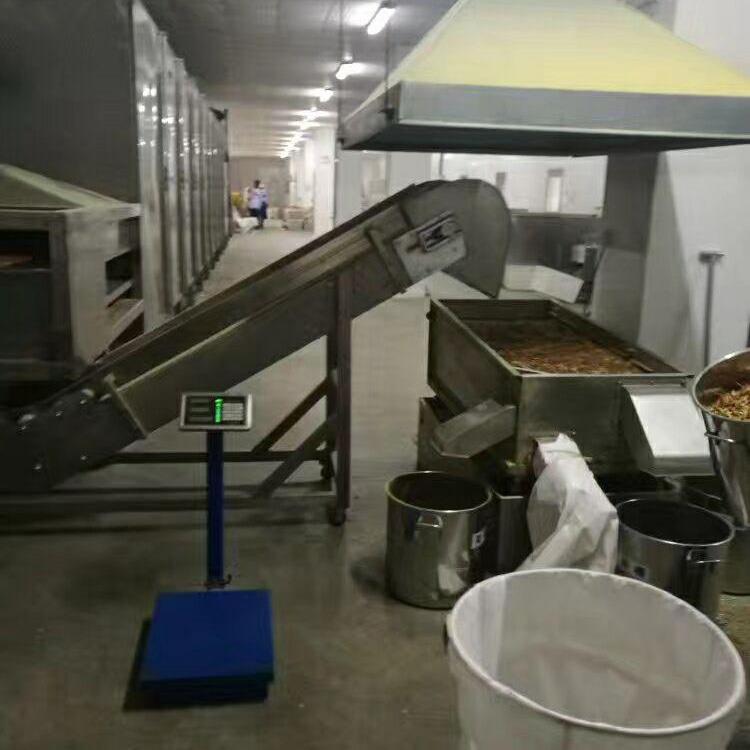
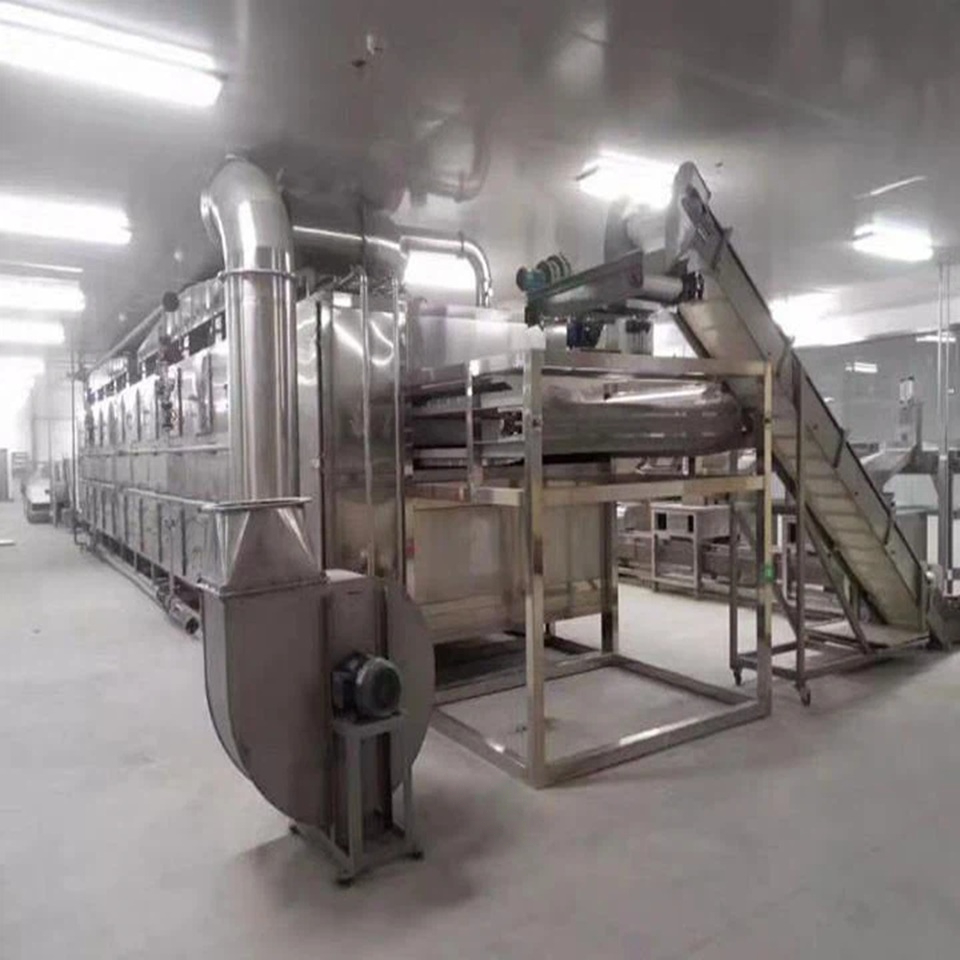
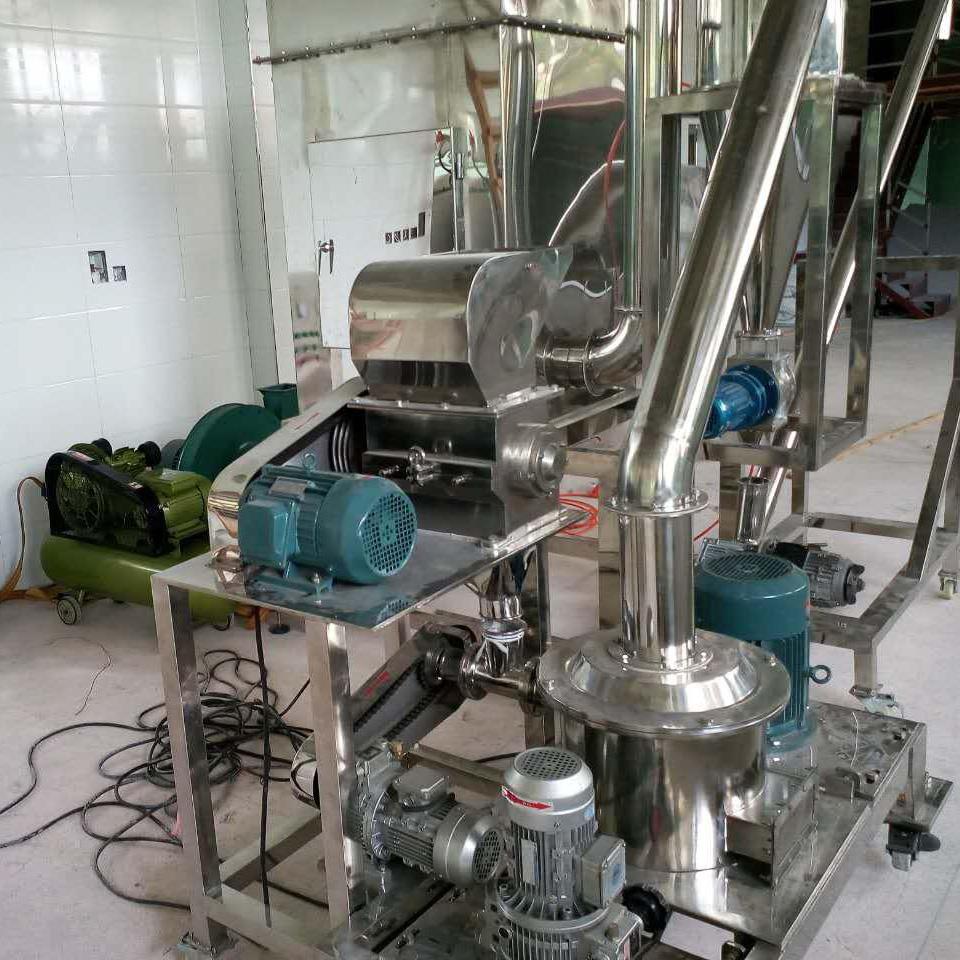
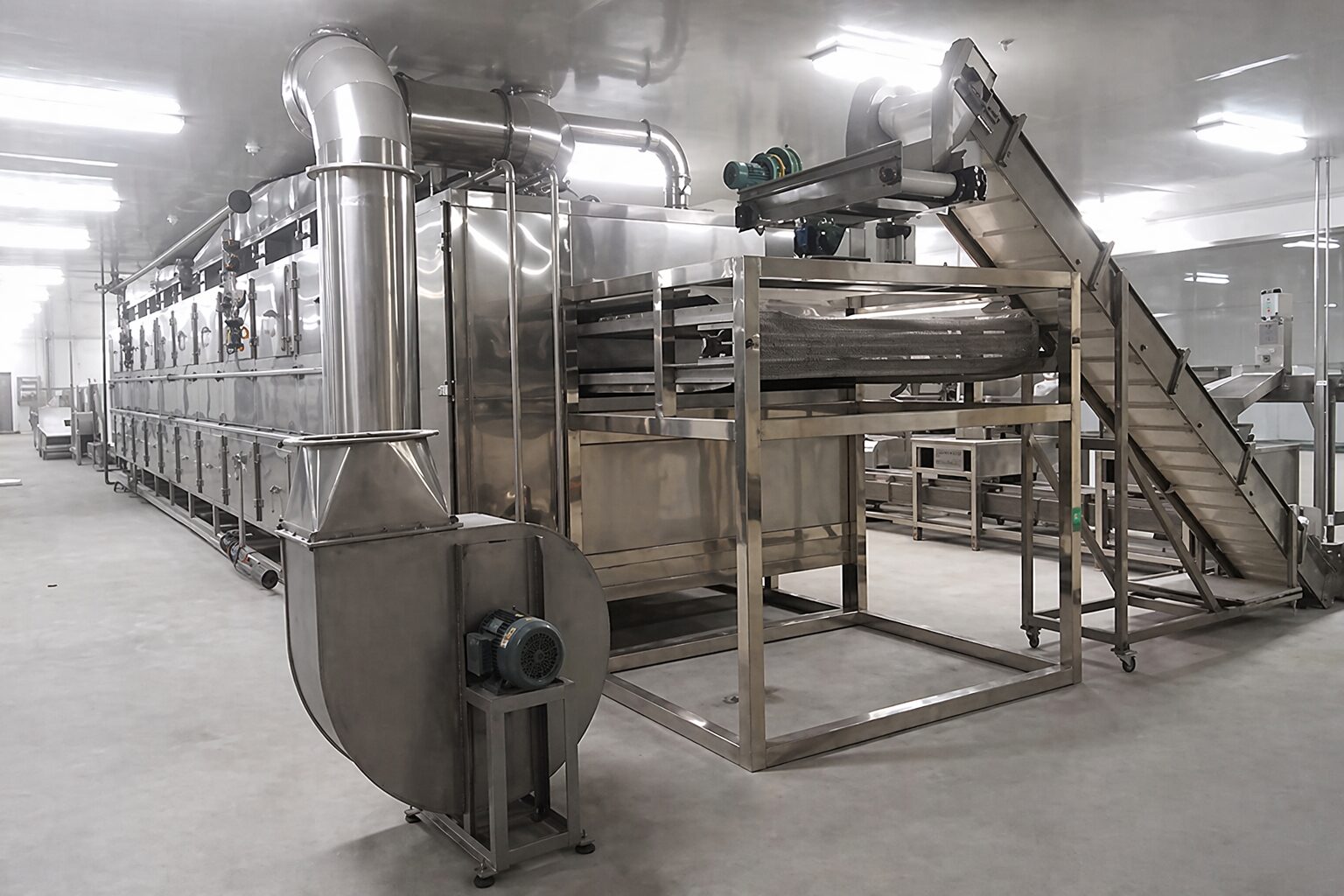
Kerone’s Industrial Dry Seaweed Processing Systems are available for multiple product formats including whole dried fronds, dried flakes, coarse granules, and fine powders. The line typically includes: a pre-dewatering stage (screw press or centrifuge) to reduce moisture before thermal drying; a primary shredder or slicer to create uniform piece sizes for consistent drying; a belt dryer or drum dryer for controlled thermal drying; a secondary milling and grinding stage for particle size reduction; an air classifier or vibrating screen for particle size classification; and an automated packaging and bagging system. Multiple drying technologies are available including hot air belt drying (ideal for delicate flakes), rotary drum drying (for high-throughput applications), and flash drying (for fine powder products). All systems feature tight temperature control, humidity monitoring, and energy-efficient heat recovery.
Key Features
Integrated dry seaweed processing line from pre-dewatering through drying, milling, classification, and packaging
High-efficiency pre-dewatering by screw press or centrifuge to reduce thermal energy requirements and processing cost
Particle size reduction and classification systems producing flakes, granules, or powders to specification
Hygienic SS304/SS316 construction with fully enclosed dust management for powder processing applications
Powered by AI, ML & IoT
Future-Ready Engineering Driven by AI & IoT
Our advanced AI, ML, and IoT technologies, this solution delivers smarter automation, real-time insights, and predictive intelligence to enhance efficiency and drive future-ready growth.
Real-Time Monitoring & Control
Continuous tracking of process parameters with instant adjustments.
Predictive Maintenance
Intelligent fault detection to prevent failures before they occur.
Adaptive Process Optimization
Dynamic tuning of operations for maximum output and efficiency.
Cloud Dashboards & Analytics
Unified access to real-time insights and performance trends.
Energy & Resource Savings
Smarter utilization of energy to cut costs and reduce waste.
Secure IoT Connectivity
Encrypted data flow with seamless integration across plant systems.
Applications of Industrial Dry Seaweed Processing System
Kerone’s Dry Seaweed Processing Lines are extensively used across multiple industries requiring consistent, high-quality dried seaweed products.
Typical applications include:
Food industry — production of dried seaweed flakes, granules, and powders for use as seasoning, snack ingredients, and functional food additives
Nutraceutical and supplement manufacturing — production of Spirulina, Chlorella, and Kelp powders for capsule, tablet, and powder supplement formats
Agricultural biostimulants — grinding and processing dried seaweed into powder for solid biostimulant fertilizer formulations
Hydrocolloid and bioactive extraction — producing dried seaweed meal as feedstock for alginate, fucoidan, and carrageenan extraction processes
Pet food and aquafeed industry — producing seaweed meal as a functional additive in pet nutrition and aquaculture feed formulations
Cosmetics and personal care — processing dried seaweed powders for use as active ingredients in face masks, scrubs, and spa treatments
As global demand for seaweed-derived food ingredients, health supplements, and agricultural biostimulants continues to expand, investing in a high-quality dry seaweed processing line is increasingly a strategic necessity for seaweed producers and ingredient manufacturers. Kerone’s Dry Seaweed Processing Lines deliver the precise thermal control, particle size accuracy, and hygienic design standards that modern seaweed product markets demand. With Kerone as your processing partner, you gain a complete, reliable dry processing capability that protects the quality of your seaweed raw material and delivers consistent, market-ready product to your customers.
Seamless Export Connections Global & Local
Our Global Footprint in Industrial Excellence
Delivering world-class industrial and process solutions across countries with precision, innovation, and reliability.
Peru
Chile
Argentina
Mexico
Colombia
Brazil
USA
Canada
United Kingdom
France
Germany
Spain
Italy
Netherlands
Sweden
Switzerland
Poland
Portugal
Ireland
Czechia
Romania
Hungary
Austria
Greece
Kazakhstan
Uzbekistan
Turkmenistan
Algeria
Egypt
Nigeria
Kenya
South Africa
Saudi Arabia
UAE
Israel
Russia
India
China
Japan
South Korea
Thailand
Vietnam
Malaysia
Singapore
Indonesia
Philippines
Australia
New Zealand
Pan-India Presence. Local Expertise.
Raipur
Bilaspur
Panaji
Vasco da Gama
Gandhinagar
Ahmedabad
Surat
Chandigarh
Gurgaon
Shimla
Manali
Bengaluru
Mysore
Kochi
Pune
Mumbai
Thane
Navi Mumbai
Hyderabad
Chennai
Coimbatore
Kolkata
Lucknow
Jaipur
Udaipur
Jodhpur
Dehradun
Haridwar
Bhubaneswar
Product Gallery
Frequently Asked Questions (FAQ)
Kerone's drying systems can achieve final moisture contents of 8–12% for food-grade dried seaweed, or as low as 3–5% for pharmaceutical-grade or long-shelf-life powder products, depending on the drying system selected.
Color preservation is achieved through precise control of drying air temperature (typically below 60–70°C for sensitive species), drying time, and airflow. Kerone's belt dryer systems are particularly effective for color-sensitive seaweed due to their gentle low-temperature drying capability.
Yes. Kerone's dry processing lines can be configured to receive fresh seaweed (with pre-dewatering) or pre-dried material requiring only milling and classification, providing flexible processing options.
Kerone's milling and classification systems can produce a wide range of particle sizes from coarse flakes (5–20mm) through granules (0.5–5mm) to fine powders (D50 of 100–500 microns), depending on the milling equipment selected.
Kerone integrates fully enclosed conveying systems, dust extraction hoods at transfer points, and bag filter or cyclone dust collection systems to capture and recover fine particles while maintaining a safe and clean working environment.
Energy consumption depends heavily on initial moisture content and throughput. Kerone's optimized designs, including pre-dewatering and heat recovery, typically reduce thermal energy consumption by 30–40% compared to unoptimized systems.
Kerone's processing lines can be integrated with a wide range of packaging formats including kraft bags, HDPE drums, vacuum-sealed pouches, and bulk silo filling systems, depending on the target market and logistics requirements.
Case-hardening occurs when the outer surface of seaweed dries faster than moisture can migrate from the interior, forming a hardened outer layer that traps moisture inside and prevents even drying throughout the material. This is a particular challenge for seaweed due to its naturally high salt content, which affects moisture binding, and its tissue structure, which differs from typical fruits or vegetables prone to similar issues. Kerone's belt and drum dryer systems address this through carefully staged temperature and airflow profiles that allow gradual moisture migration rather than aggressive surface drying, along with multi-zone temperature control that can reduce drying intensity partway through the cycle once surface moisture has been removed, allowing internal moisture to migrate outward without re-hardening the surface.
Belt drying applies gentle, controlled hot air across a moving bed of material and is generally preferred for delicate flake-format products where visual appearance and color retention are commercially important, since it allows precise low-temperature operation. Drum drying, also called rotary drying, exposes material to higher mechanical agitation while drying, which is more suited to high-throughput applications and certain product formats, but can be less gentle on delicate, color-sensitive seaweed species compared to belt systems. Flash drying, a third option, suits fine powder production where particle exposure time is extremely short. Kerone selects between these technologies primarily based on target product format and the specific color or texture sensitivity of the species being processed rather than throughput alone.
Mechanical dewatering via screw press or centrifuge removes free water using mechanical force, which requires far less energy per liter of water removed than evaporating that same water thermally in a dryer. Since seaweed often arrives at 85-90% moisture, removing even a portion of that water mechanically before thermal drying significantly reduces the thermal load the dryer must handle, directly cutting fuel or electricity consumption. The added capital cost of pre-dewatering equipment is generally justified for any reasonably continuous production operation, since the energy savings compound over the operating life of the plant; the exception is very low-volume or intermittent operations where the capital payback period may exceed the practical equipment lifespan.
Inconsistent particle size typically results from variable moisture content entering the mill, since seaweed that is too moist tends to clump and resist uniform size reduction, while material milled too dry can generate excessive fines. Fibrous seaweed tissue structure, which varies by species, also affects how material fractures during milling. Kerone addresses this through tight upstream moisture control to ensure consistent feed condition into the mill, classification equipment such as vibrating screens or air classifiers that separate oversized and undersized particles for reprocessing, and species-specific milling parameter calibration, since a milling configuration optimized for one species frequently produces inconsistent results when applied unchanged to a different, more fibrous or less fibrous, seaweed type.
The distinction generally comes down to intended end use and the regulatory framework governing that market. Food-grade products for direct human consumption, such as seasoning flakes or snack ingredients, require compliance with food safety standards but generally tolerate the standard 8-12% final moisture range. Pharmaceutical-grade or nutraceutical capsule and tablet applications typically demand significantly lower moisture, often 3-5%, along with tighter microbial and contaminant limits to ensure product stability over a longer shelf life and to meet pharmacopeial standards. Buyers should clarify their target market's specific regulatory requirements before specifying equipment, since retrofitting a food-grade line to meet pharmaceutical-grade standards after construction is considerably more costly than designing for the correct standard from the outset.
Seaweed powder, like other fine organic powders, presents a combustible dust risk during grinding and pneumatic conveying that requires dust extraction, enclosed handling, and appropriate filtration to manage safely. Seaweed powder specifically also tends to be hygroscopic, meaning it readily absorbs ambient moisture, which can cause caking, clumping, and microbial growth risk if exposed to humid air during processing or packaging. Kerone's fully enclosed conveying and bag filter or cyclone dust collection systems address both the combustible dust safety concern and help limit moisture pickup by minimizing the powder's exposure to ambient air during transfer between processing stages, protecting both worker safety and finished product shelf stability.
Export markets vary considerably in preferred packaging format, with some buyers requiring kraft paper bags for retail-adjacent products, others specifying HDPE drums for bulk industrial ingredient supply, and pharmaceutical or premium nutraceutical buyers often requiring vacuum-sealed pouches to protect against oxidation and moisture pickup during transit. Bulk silo filling suits large-volume industrial buyers receiving product by the truckload. Kerone designs the packaging interface of its dry processing lines to be compatible with multiple downstream packaging formats rather than committing to a single format, recognizing that seaweed processors frequently serve multiple market segments simultaneously with the same core dried product output.
Increasing throughput by raising drying temperature or reducing residence time generally accelerates moisture removal but increases the risk of color degradation and scorching, particularly for chlorophyll-rich green seaweeds and pigment-sensitive red species, since these heat-sensitive compounds degrade faster at higher temperatures regardless of how briefly they are exposed. Processors wanting to increase throughput without sacrificing color quality typically need to increase dryer surface area or airflow capacity rather than simply running existing equipment hotter or faster. Kerone evaluates this throughput-versus-quality tradeoff specifically against the client's target product specification, since a processor selling lower-grade meal for animal feed has more flexibility on this tradeoff than one targeting premium visually-graded retail flakes.
Kerone’s custom-designed heating and processing solutions are built to meet the demands of your growing operations. Whether you’re upgrading equipment, expanding production, or need a tailor-made solution


 Peru
Peru Chile
Chile Argentina
 Mexico
 Colombia
 Brazil
 USA
USA Canada
 United Kingdom
 France
 Germany
 Spain
Spain Italy
Italy Netherlands
 Sweden
 Switzerland
 Poland
 Portugal
 Ireland
 Czechia
 Romania
 Hungary
 Austria
 Greece
 Kazakhstan
 Uzbekistan
 Turkmenistan
 Algeria
 Egypt
Egypt Nigeria
 Kenya
Kenya South Africa
 Saudi Arabia
 UAE
UAE Israel
 Russia
 India
India China
China Japan
Japan South Korea
 Thailand
 Vietnam
 Malaysia
 Singapore
 Indonesia
 Philippines
 Australia
 New Zealand